




Image of Burj Khalifa: iStock
The Burj Khalifa in Dubai and the Guangzhou International Finance Center (IFC) in China are among the world’s most iconic skyscrapers. The former is the world’s tallest structure at 828.8 meters high, while the latter is the 24th at 438.6 meters – the highest one with a rooftop helipad. But it is not just their height that makes these buildings noteworthy. Both offer two of the best examples in the world of the use of smart lighting technology integrated into their design – flexible LED displays.
Flexible LED displays are one of the most exciting advancements in LED technology today. Their ability to bend, curve and adapt to various surfaces has opened new possibilities in advertising, art, architecture and beyond.
These displays are transforming the way people experience visual content. Take the Burj Khalifa, for example. The world's tallest building has incorporated flexible LED displays for various events and celebrations, creating mesmerizing light shows that captivate onlookers from miles away. Similarly, the Guangzhou IFC features a transparent flex net LED screen that wraps around its facade, showcasing dynamic and creative content.
In the retail sector, stores like Nike and Adidas have integrated flexible LED displays into their storefronts and interiors, creating immersive shopping experiences. These screens allow for real-time content updates, engaging customers in ways that static displays cannot. The versatility and adaptability of flexible LED displays make them a favorite among architects, artists and advertisers looking to make a bold statement.
Flexible vs curved LED displays
While there are stunning examples of curved or even spherical displays around the world – foremost of which is the ‘The Sphere’ entertainment venue in Las Vegas, a huge globe-like structure with 16K LED panels mounted on a spherical frame for an immersive 360-degree viewing experience – not all are flexible.
The key difference lies in their construction and functionality. Flexible LED displays are designed to bend, curve and wrap around various surfaces. They offer unique adaptability and are ideal for creative installations, advertising, wearable technology and other applications that require flexibility.
On the other hand, spherical LED displays, such as The Sphere, are constructed with traditional LED panels mounted on a rigid spherical frame. This fundamental difference highlights the distinct applications and capabilities of flexible LED displays and spherical LED displays.
What makes flexible LED displays different
Flexible LED displays are a marvel of modern technology, seamlessly blending cutting-edge materials and engineering to create adaptable and dynamic visual experiences. Understanding the components and the underlying technologies can provide valuable insights into what makes these displays so groundbreaking.
Flexible substrate: The foundation of a flexible LED display is its substrate, made from materials such as plastic, metal foil or flexible glass, in addition to polyimide and other flexible polymers. These substrates are designed to withstand bending and twisting without breaking, ensuring the display's durability and flexibility.
LED modules: These small LED units are mounted on the flexible substrate. The distance between individual LEDs or the pixel pitch affects the display's resolution. Micro-LEDs are tiny and lightweight, making them ideal for flexible displays. OLEDs are also used for their excellent color accuracy and ability to be made on flexible substrates.
Flexible PCB: Flexible LED displays use PCBs made from bendable materials. These flexible PCBs enable electrical connections and function as a highway for electrical currents between the LED pixels and other components.
Thin-film transistors: Made from organic semiconductors or amorphous silicon, these materials can bend without losing their electrical properties, ensuring consistent performance even when the display is contorted.
Driver ICs: Integrated circuits manage the power supply and control the color and brightness levels of the LEDs. They ensure consistent performance and high-quality visuals.
Controller boards: They manage and coordinate the display of visual content. These boards play a crucial role in ensuring that the content is displayed seamlessly on the flexible screen.
Protection layers: Multiple encapsulation layers protect the delicate LEDs and circuitry from environmental factors such as moisture, dust and physical damage while maintaining the display's flexibility.
Advanced manufacturing: Processes like roll-to-roll manufacturing enable the production of large, flexible displays. This advanced manufacturing technique ensures that the displays can bend and twist into various shapes while maintaining their functionality and durability.
Flexible LED displays represent a groundbreaking advancement in display technology, combining innovative materials and advanced engineering
to deliver versatile and dynamic visual solutions.
Applications of flexible LED displays
The unique characteristics of flexible LED displays make them stand out in various applications:
Advertising: The technology is being used to create eye-catching advertisements that can wrap around buildings, vehicles and even clothing. These displays’ ability to show dynamic content makes them more engaging than traditional billboards.
Art and architecture: Artists and architects are using flexible LED screens to create visually stunning installations that interact with viewers. These displays can conform to the shape of sculptures, walls and other structures, adding a new dimension to art and design.
Events and exhibitions: Flexible displays are becoming a staple in event spaces and exhibitions. They can be used to create immersive environments that captivate audiences and provide memorable experiences.
Education: Classrooms with flexible displays are making learning more dynamic and interactive.
Urban beautification: Flexible LED displays can be used to enhance urban landscapes with stunning visuals and lighting effects, making cities more vibrant and appealing.
Wearable technology: The integration of flexible LED screens into wearable technology is revolutionizing how users interact with their devices. Smart clothing and accessories now feature flexible displays that provide real-time data and enhanced user experiences.
Conclusion
From the first practical LED display developed by Howard C. Borden and Gerald P. Pighini at the Hewlett-Packard labs in 1968, this technology has come a long way. As a 21st-century iteration, flexible LED displays represent a groundbreaking advancement, combining innovative materials and advanced engineering to deliver versatile and dynamic visual solutions.
Considered ‘revolutionary’ products, flexible LED displays continue to be at the forefront of display innovations and their transformative potential spans various sectors, including healthcare, automotive and smart cities.
Here is a sample of flexible LED displays on offer from verified suppliers at Global Sources.
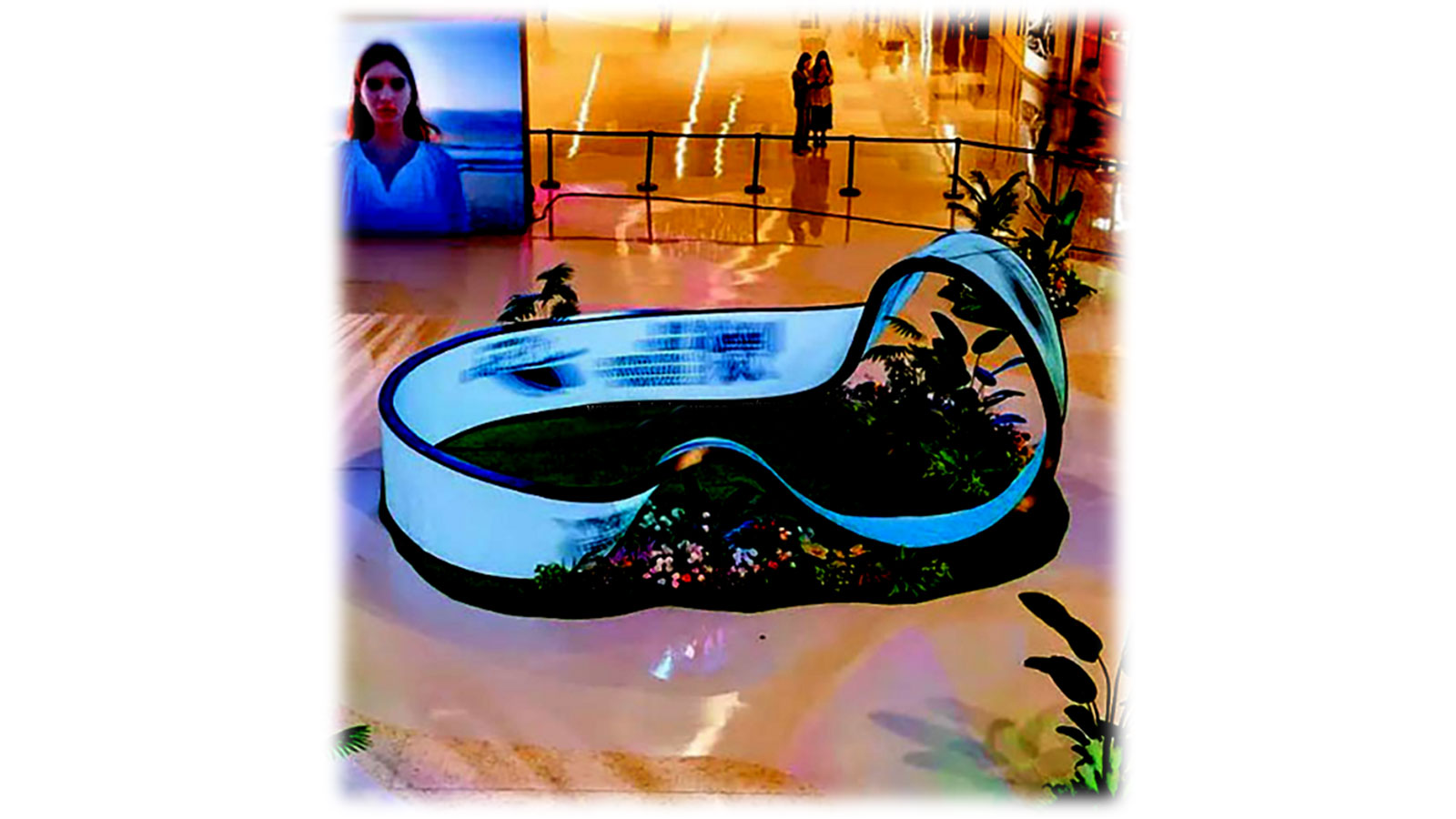
Ribbon-like flexible LED display, with 2mm pixel pitch
Company: Guangdong Yunwen Technology Co. Ltd
Model Möbius P2-3726-6257 from Guangdong Yunwen is a flexible LED display with a ribbon-like structure, SMD 1515 LEDs and a 210x105x100cm module. With 2mm pixel pitch and 250,000 dots/sqm density, it delivers 5440x80-dot resolution, ≥500cd/sqm brightness, 1,000 to 10,000K color temperature and 160-degree horizontal and vertical viewing angle. The frame and refresh rates are ≥60Hz and ≥3,840Hz and the life span is about 100,000 hours.
MOQ: 1 unit
Lead time: 15 to 42 days
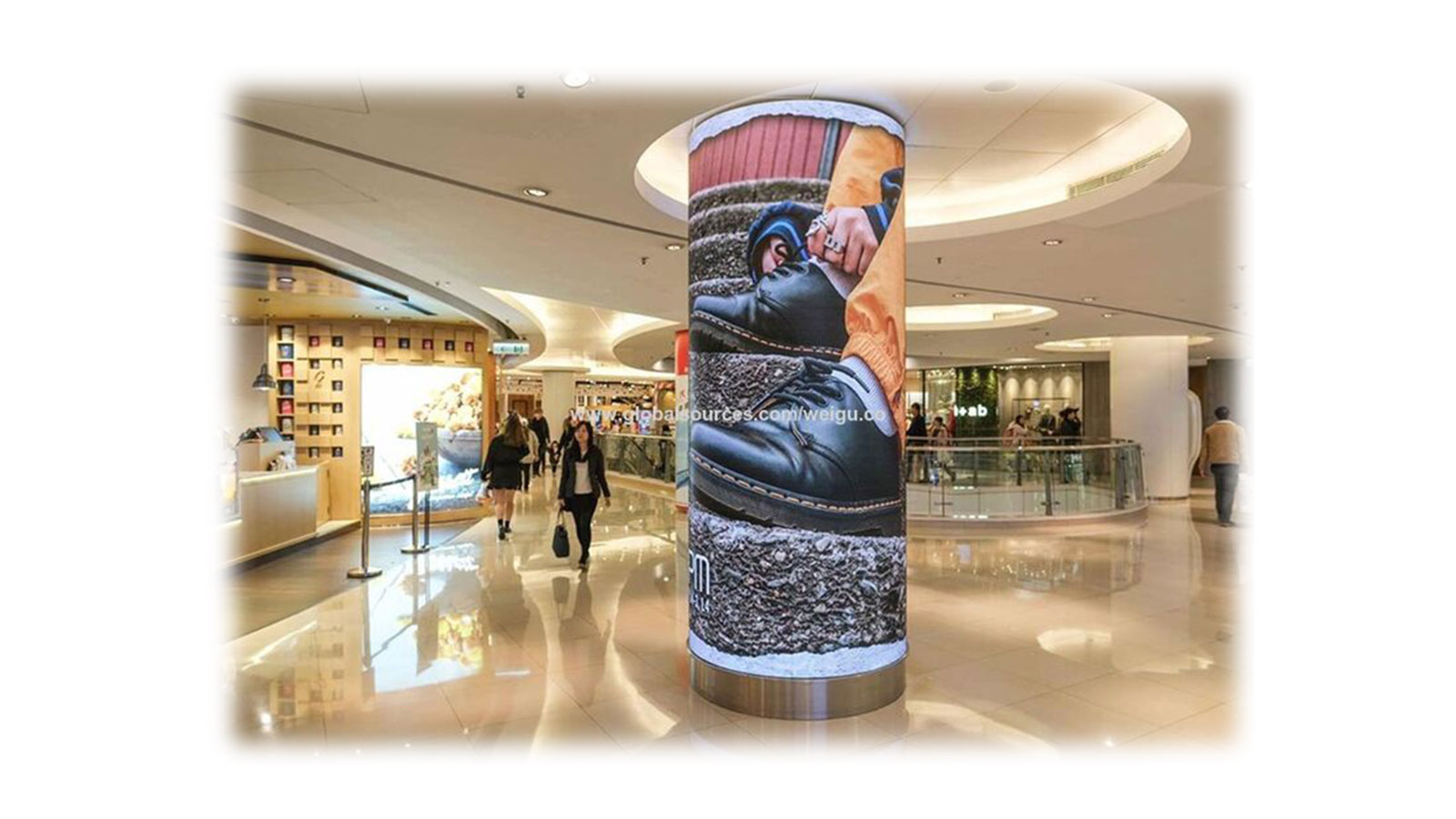
Flexible LED display, 160,000 dots/sqm pixel density
Company: Shenzhen WeiGu Electronic Technology Co. Ltd
Shenzhen WeiGu’s model VG-P2.5-in-576x576 uses SMD 3-in-1 2121 LEDs and a 320x160mm module with 2.5mm pixel pitch and 160,000 dots/sqm density. It has a resolution of 160x80 dots, refresh rate of ≥1,920Hz and brightness of ≥1,000cd/sqm. The display operates in 32-scan mode and supports two- to 10-meter viewing distance at 140 degrees horizontally and 120 degrees vertically. Its power consumption ranges from 250 to 500W/sqm.
MOQ: 5sqm
Lead time: 7 to 25 days
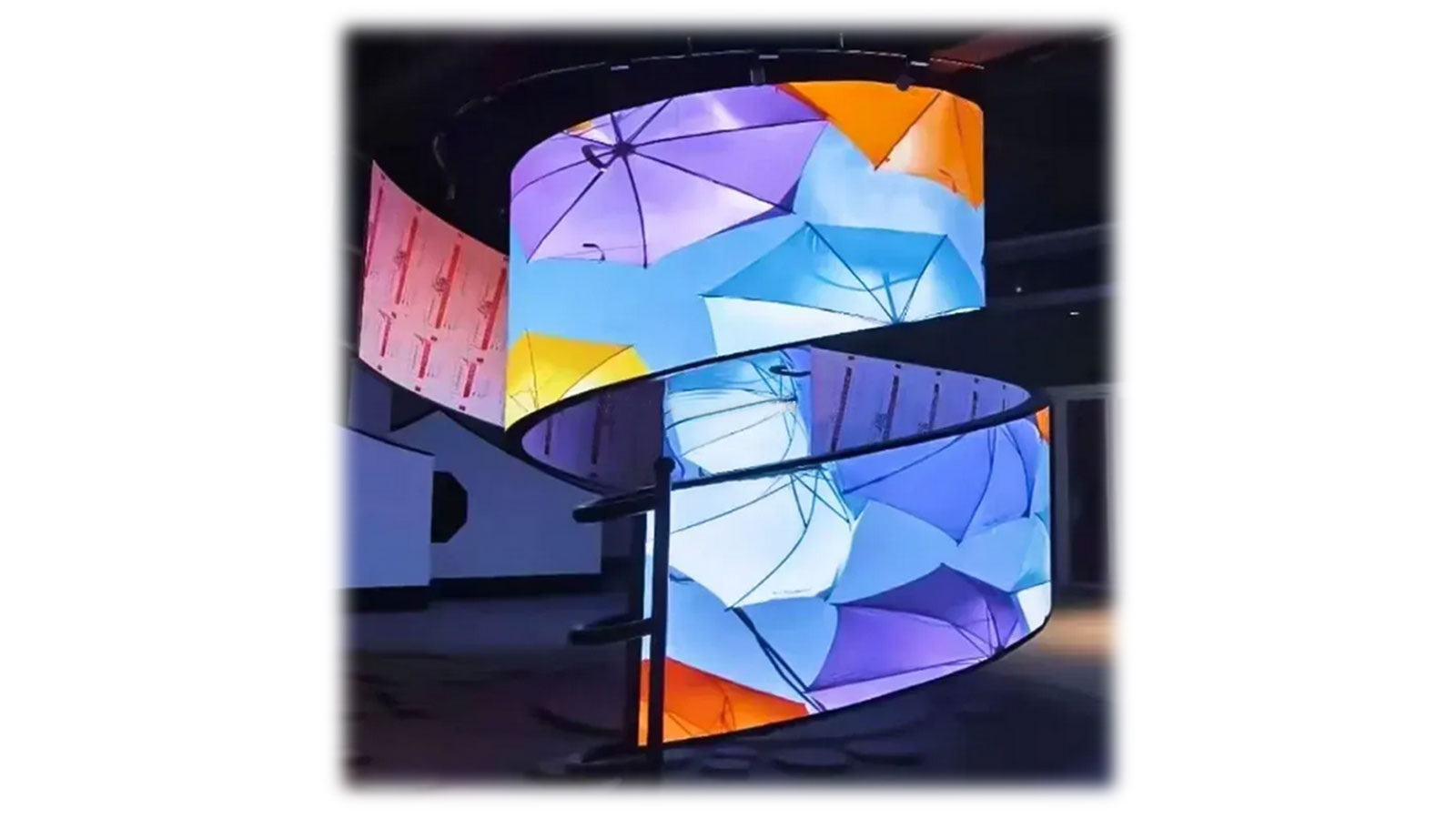
S-shaped flexible LED display, with 3mm pixel pitch
Company: Shenzhen Add Tech Co. Ltd
Shenzhen Add’s model AT- Flexible LED-Wall-V-Wall is an indoor flexible LED display featuring SMD 2121 LEDs and a 240x120x 9.5mm module. It has 3mm pixel pitch and 111,111 pixels/sqm density. This 80x40-pixel product, with a constant-current driver and 1/20 duty cycle, offers 4.4 trillion colors, ≥1,000cd/sqm brightness, ≥1,920Hz refresh rate, 160 and 140-degree horizontal and vertical viewing angles at up to ≥3 meters. The maximum power consumption is 10W.
MOQ: 1 unit
Lead time: 15 to 20 days
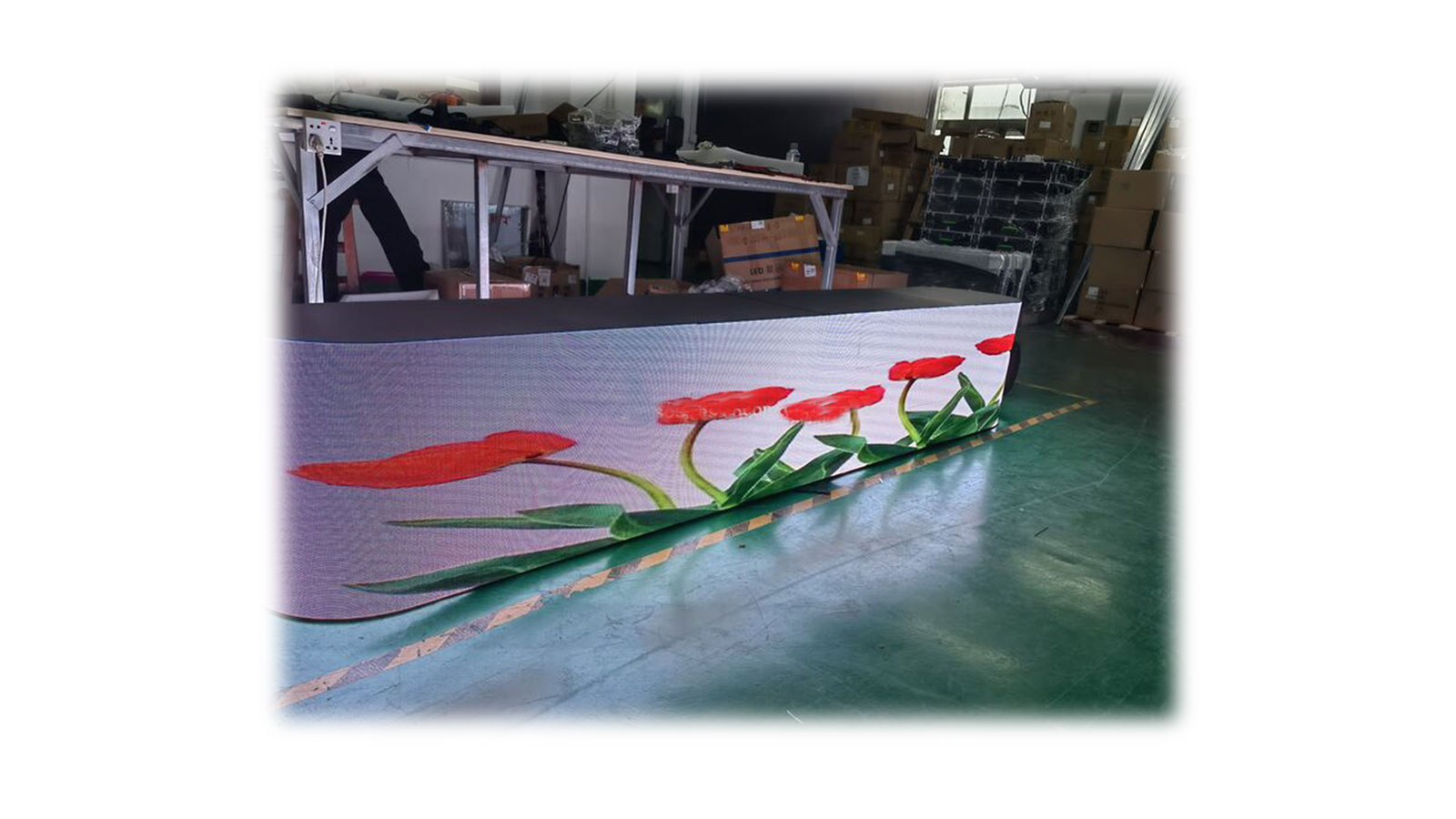
Indoor flexible LED display, with 2.5mm pixel pitch
Company: Shenzhen Yoshingy Technology Co. Ltd
From Shenzhen Yoshingy, model ILD-FWRC-P2.5-1 is an IP50-rated indoor flexible LED display with SMD 3-in-1 RGB LEDs and a 320x160mm module. It has a pixel pitch of 2.5mm and a density of 160,000dots/sqm. The brightness level is 650cd/sqm, refresh rate 3,840Hz, scanning frequency 1/32 and viewing distance ≥2.5 meters at 160-degree angle. This CE- and RoHS-compliant product has 220W/sqm power consumption and 100,000-hour life span. It comes with a three-year warranty.
MOQ: 3sqm
Lead time: 16 to 21 days

