




Table of Contents
Part 1. How Much Do Vending Machines Make?
Part 2. Vending Machine Cost 1 – Buying or Renting Machine
Part 3. Vending Machine Cost 2 – License & Taxes
Part 4. Vending Machine Cost 3 – Maintenance
Part 5. What You Should Know About Vending Machines Business
Part 6. How to Start a Vending Machine Business: A Step-by-Step Guide
Part 7. Advantages and disadvantages of starting a vending machine business
Part 8. Buying Vending Machine at Factory Price on Global Sources
Part 9. FAQs: Are vending machines profitable
Part 1. How Much Do Vending Machines Make?
Vending machines are found everywhere in urban environments around the world. They offer customers the convenience of instant access to a variety of goods, ranging from snacks and beverages to electronics and personal care items. Entrepreneurs seeking passive income particularly favor these machines due to their quick and efficient operations. However, determining the profitability of vending machines can be complex because revenues depend on factors such as location, product selection, and foot traffic.
The Basics of Vending Machine Earnings
Vending machines, on average, generate a weekly income ranging from $5 to $100. However, some strategically placed machines can even earn several hundred dollars within the same timeframe. It's important to note that these figures represent gross earnings and do not take into account various operating expenses such as inventory restocking, machine maintenance, and potential rental costs. To illustrate further, a machine that earns $50 per week may only yield a net profit of $25 after considering all associated expenses.
Location, Location, Location
The income of a vending machine is primarily determined by its location. Machines situated in bustling areas like shopping malls, universities, office buildings, airports, and hospitals tend to generate more revenue compared to those placed in remote or less frequented spots. To illustrate, a vending machine located within a busy office building may attract hundreds of potential customers on a daily basis. Conversely, a small business with fewer employees will naturally have limited sales opportunities.
Product Selection and Pricing
The earnings generated by a vending machine are significantly influenced by the type and price of the products it offers. For example, machines that sell popular items like bottled water, soda, and widely consumed snacks tend to yield higher profits compared to those vending more specialized or niche products. Additionally, the pricing strategy employed can have a dramatic impact on profitability. While setting higher prices may increase profit margins, it may also discourage potential buyers, resulting in fewer sales. Therefore, finding the right balance between product selection and pricing is crucial in maximizing earnings.
Operating Costs and Maintenance
Running a vending machine business involves not only the revenue generated but also the expenditures incurred. Costs encompass various aspects:
- The initial purchase or lease of the machine.
- The inventory to stock it.
- Any licensing or permits required to operate.
Other expenses encompass routine maintenance and repairs, electricity costs, as well as the potential rental fee for the location. These additional expenditures hold significant sway over the machine's net earnings; thus, meticulous management is essential to uphold profitability.
When it comes to determining the profitability of vending machines, there are several important factors to consider. However, by carefully planning and paying attention to details, aspiring entrepreneurs can achieve success in this venture. Those seeking guidance on selecting a suitable location and stocking their vending machine should refer to the comprehensive guide titled "How to Start a Vending Business: Tips for Entrepreneurs."
The Impact of Technological Innovation
The introduction of digital payments and smart vending machines has revolutionized the vending machine business, altering its dynamics significantly. By enabling the acceptance of various payment methods like credit and debit cards, as well as mobile payment apps, these innovations have propelled the earning potential of the industry. Moreover, modern smart vending machines can now offer a wider range of products, including fresh food and hot beverages, which in turn creates new avenues for generating revenue. It is essential to note that while incorporating such advanced technologies comes with benefits, they also incur additional operating costs.
In terms of summarizing the earning potential of a vending machine, several factors contribute to its determination. These factors include location, product selection, pricing strategy, and operating costs. While gross earnings can vary significantly depending on these elements, the true measure of profitability lies in the net income. Moreover, the incorporation of digital technology has opened doors for increased earnings while introducing new expenses. Similar to any business endeavor, effectively running a vending machine operation necessitates meticulous planning, strategic decision-making, and diligent management.
Part 2. Vending Machine Cost 1 – Buying or Renting Machine
1. Up to 200 meal boxes
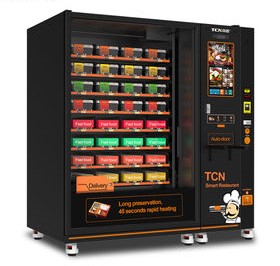 The TCN-CFM-8V(V22)-02 from TCN has a 22in touch screen and capacity for up to 200 breakfast or lunch meal boxes. Features include 4000W microwave technology that enables heating of meals in 45s. This model can be remotely managed via GPRS. The unit dimensions are 1.89x1.04x1.99m and weight is 635kg. |
2. Sandwiches and sushi
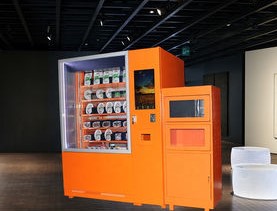 Winnsen’s model VKM400-E1100-428 has a 22in LCD touch screen and capacity to dispense food items packaged in 40x40x40mm up to 150x150x150mm containers. The unit can be remotely managed via Internet, LAN cable, Wi-Fi and 3G. It is made of galvanized steel, measures 160x115x205cm and weighs 480kg. |
3. Cloud-based monitoring of inventory
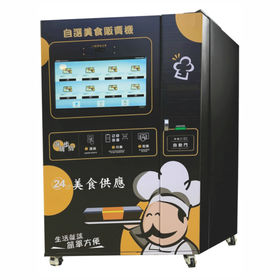 Jaunty-Fabricator’s JCN-D1015-(32) has a metal body made of 1.55m-thick steel and a 32in LCD for ordering merchandise. Its microwave technology enables heating of food in 45s. It supports cloud-based monitoring of inventory. |
4. Sandwiches and burgers
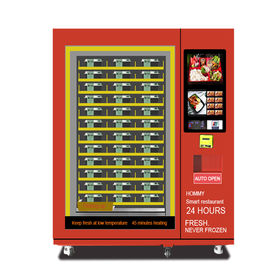 Jinjiang Jiaxing’s model Sandwich vending machine-095K can store and dispense up to 54 products packaged in containers up to 22x18x4~7cm. It has a touch screen for food purchases. The unit measures 1420x820x1900mm. |
5. Displays food videos
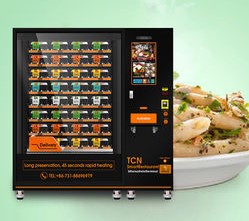 The TCN-CFM-8V from TCN has a 22in LCD screen that shows food images and videos and a glass window display that shows the merchandise. Its microwave oven heats food in 45s. It is equipped with a fully automated elevator system that positions the goods in the delivery port. Product dimensions are 1719x991x1940mm and weight is 600kg. |
6. With 7-layer filtration
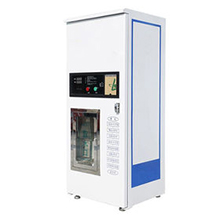 Company: Jinjiang Jiaxing Import and Export Co. Ltd The Water Vending Machines-017C from Jinjiang Jiaxing includes a 7-layer filtration system that removes viruses, bacteria, rust, heavy metals, organic matter, chlorine and sediments from tap water. This 250W-rated unit, with a single outlet, replaceable filter and food-grade ABS body, has a water pressure range of up to 0.4MPa. It measures 78x65x170cm and weighs 100kg. Price is $5,800. MOQ is 1,000 units and lead time 15 to 25 days. |
7. Multiple payment options
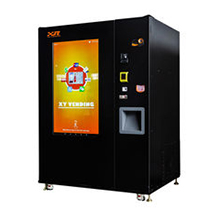 Company: Hunan Xingyuan Technology Co. Ltd Hunan Xingyuan offers the XY-SLY-9C-001(LD)-3, an ice cream vending machine that supports different payment options such as coins, bills, credit card, face recognition and digital wallet. It has a 21.5 or 49in LED display, door sensor and vandalism-resistant tempered glass window. Freezing temperature is 0 to -22 C. This $6,500 unit is equipped with anti-freezing and defrosting functions. An order of one unit is accepted and has a 10 to 15-day lead time. |
8. Flexible layout
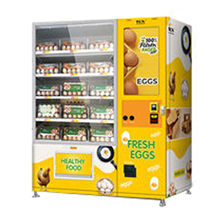 Company: Hunan TCN Vending Machine Co. Ltd Hunan TCN’s TCN-D900-11L (32SP) vending machine for eggs has an automatic lift, belt conveyor, flexible layout with adjustable tray partitions and height and a 32in LCD. Its triple-glazed viewing window has a heater to prevent condensation. Refrigeration temperature is 4 to 25 C. This unit accepts bills and coins and is compatible with cashless and telemetry systems. It supports GPRS remote monitoring and delivers real-time information. Dimensions are 194x161.6x85cm and weight is 420kg. Price is $2,539 to $3,509. An order of one unit has a lead time of seven to 15 days. |
9. Pizza maker
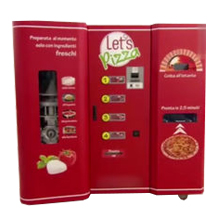 Company: China Machinery Engineering Henan Co. Ltd China Machinery’s CMEC20002 is an automatic pizza vending machine that makes doughs, add toppings and bakes while customers watch. It can produce a freshly baked pizza in about three minutes. This unit accepts cash or payment via digital wallet. It follows CE and HACCP standards. Dimensions are 198x128x200cm and weight is 750kg. Product warranty is for a year. A set is $15,500. An order of at least five sets is required. The supplier provides online aftersales service. |
10. Two-cabinet display
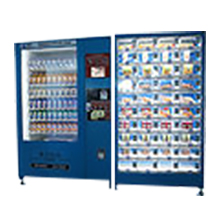 Company: Zhejiang Sopop Industrial Co. Ltd This automatic vending machine from Zhejiang Sopop consists of two cabinets and an 8in LED display. The VM0008 can sell 100 kinds of products, including food and toys, and stores 600 to 940 items. It accepts bills, coins and payment via mobile wallet. This 100 to 240V,50/60Hz unit has a cooling function, with temperature adjustable from 5 to 10 C. It is 235x86x194cm and 490kg. Price is $2,300. An order of one unit is accepted. |
11. Ozone+UV sterilization
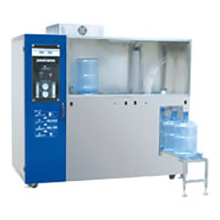 Company: Shenzhen Goldsan Water Equipment Co. Ltd Shenzhen Goldsan’s RO-300-XG is an automatic water vending machine with seven levels filtration, ozone sterilization and 24-hour UV sterilization. It washes bottles using high-concentration ozone water, and fills and caps bottles. This machine has a 250L tank and a stainless steel and closed body. Coin- and IC card-operated versions are available. Price is $1,000 to $2,000. An order of one unit is accepted and has a lead time of 20 to 30 days. |
In today's fast-paced society, vending machines have become indispensable in our daily routines. They offer convenience and accessibility to a wide range of products, making them an integral part of our lives. For entrepreneurs and businesses looking to tap into this thriving trend, an important decision must be made: whether to purchase or lease a vending machine. Each option carries its own advantages and disadvantages, demanding careful consideration of financial goals and business objectives before committing.
I. The Initial Investment: Buying vs. Renting
The decision between purchasing and renting a vending machine primarily hinges on the initial investment required. Buying a vending machine involves a higher upfront cost as the buyer assumes responsibility for the entire purchase price. This can pose a significant burden for small businesses or startups with limited capital. On the other hand, renting a vending machine incurs a smaller initial expense in the form of a monthly rental fee. By opting for this arrangement, businesses can preserve their capital and allocate it to other critical areas of operation.
II. Ownership and Long-Term Benefits
Ownership of a vending machine offers several key advantages. When individuals invest in a machine, they gain complete control over its usage, product selection, and pricing. Furthermore, the generated revenue directly benefits the owner, leading to substantial long-term gains. With time, the return on investment from owning a vending machine can even surpass the total cost of renting one. This makes it an astute choice for businesses seeking future profitability.
III. Maintenance and Repairs
Owning any machinery entails inevitable maintenance and repair tasks, including vending machines. When one becomes a vending machine owner, they assume full responsibility for the upkeep and associated costs. This can greatly impact their overall financial situation, especially in cases where frequent maintenance is required. However, an alternative option is to rent a vending machine. In such cases, the burden of maintaining and repairing the machine often falls on the rental company, relieving the renter from unexpected expenses. It is important to carefully review the rental agreement to ensure that these services are explicitly included and clearly defined.
IV. Flexibility and Adaptability
The vending industry is ever-changing, driven by shifting consumer preferences and trends. Owning a vending machine allows individuals to adapt swiftly to these changes. By updating product offerings and adjusting pricing, they can effectively cater to their target market. On the other hand, renting a vending machine may limit flexibility due to potential restrictions on modifications and adjustments imposed by rental agreements. Therefore, comprehending the level of adaptability before committing to a rental contract becomes essential.
V. Tax Implications
The decision to buy or rent a vending machine can be influenced by the critical aspect of tax implications. When purchasing a vending machine, one may be eligible for tax benefits, including depreciation deductions that help offset initial costs. Conversely, rental fees are typically considered operational expenses and can be deducted as business income expenses. Understanding these tax implications is crucial as they significantly impact the overall cost of ownership. It's advisable to have in-depth discussions with a qualified tax professional to gain comprehensive insights into this matter.
Conclusion
In conclusion, the decision to buy or rent a vending machine depends on several factors: available capital, long-term business goals, maintenance preferences, flexibility requirements, and tax considerations. Buying a vending machine offers ownership benefits and potential long-term returns. However, it requires a higher upfront investment and greater responsibility for maintenance. On the other hand, renting a vending machine involves lower initial costs and external support for care but may limit flexibility and control. Entrepreneurs and businesses should carefully assess their circumstances and conduct a cost-benefit analysis before making an informed decision aligned with their objectives. Thoughtful consideration of these factors can help them see that vending machines can be valuable assets in any business venture as they offer convenience and profitability for both the owners and customers alike.
Part 3. Vending Machine Cost 2 – License & Taxes
Entrepreneurs must navigate various expenses in vending machine businesses to establish and operate a successful venture. While the initial investment in the vending machine itself is a significant consideration, additional costs should be considered. One such aspect is the expense associated with licenses and taxes. This article will delve into the importance of obtaining the necessary licenses, understanding tax implications, and managing these financial obligations to ensure a lawful and profitable vending machine business.
The Significance of Licenses
Operating a vending machine business without the appropriate licenses can lead to severe legal consequences and hinder the growth of your enterprise. Before you begin any operations, it is crucial to research and secure the necessary permits and licenses. These requirements may vary depending on the location, vending machine type, and the dispensed products.
A general business license is one of the standard licenses needed for vending machine businesses. This license allows you to conduct commercial activities legally within a specific jurisdiction. Additionally, some cities or states may require exceptional food and beverage vending permits. Complying with these legal obligations demonstrates professionalism and ensures that you meet health and safety standards set by relevant authorities.
Navigating Tax Obligations
Like any other business, vending machine operators have tax obligations that must be managed effectively. Understanding the tax landscape is crucial for maintaining compliance and optimizing profitability. The taxes applicable to your vending machine business may include income, sales, and local or state taxes.
- Income Tax: As a vending machine business owner, you must report the income generated from your sales. The income tax rate will depend on your business structure, whether you operate as a sole proprietor, partnership, LLC, or corporation. Accurate records of your revenue and expenses are essential for proper tax reporting and deductions.
- Sales Tax: Most jurisdictions impose a sales tax on goods sold through vending machines. The responsibility of collecting and remitting sales tax falls on the vending machine operator. It is essential to stay informed about the specific sales tax rates in each location where your vending machines are located. Failure to correctly collect and remit sales tax can lead to penalties and legal issues.
- Local and State Taxes: Beyond income and sales taxes, vending machine businesses may be subject to additional local or state taxes, such as property taxes or business taxes. Researching and understanding the tax requirements in the areas where your machines are placed is crucial to avoid any unexpected tax liabilities.
Managing License and Tax Costs
Effectively managing license and tax costs is vital for the financial health of your vending machine business. Here are some tips to help you navigate these expenses:
- 1. Seek Professional Guidance: Tax laws can be complex and ever-changing. Consider consulting with a tax professional or accountant specializing in small businesses and vending operations. Their expertise can help you navigate the intricacies of tax codes and maximize deductions, leading to potential cost savings.
- 2. Budget for License and Tax Expenses: Incorporate license and tax expenses into your business budget. By accounting for these costs, you can ensure that you have sufficient funds to meet your obligations when they arise.
- 3. Keep Impeccable Records: Accurate record-keeping is essential for tax reporting and compliance. Utilize accounting software or hire a bookkeeper to maintain organized and up-to-date financial records.
- 4. Stay Informed: Tax laws and regulations change over time, so staying informed about any updates that may affect your vending machine business is essential. Join industry associations or attend seminars to stay abreast of relevant changes.
Conclusion
In conclusion, obtaining the necessary licenses and managing tax obligations are critical to running a successful and lawful vending machine business. By adhering to legal requirements, budgeting for expenses, and staying informed, entrepreneurs can navigate the complexities of licenses and taxes, contributing to their vending ventures' long-term profitability and sustainability. Professional guidance and meticulous record-keeping are invaluable allies in this journey toward vending success.
Part 4. Vending Machine Cost 3 – Maintenance
In vending machine operations, ensuring smooth efficiency is crucial for business success. While initial investments and stocking expenses are important considerations, recognizing the significance of regular maintenance is essential. Maintenance plays a pivotal role in maximizing longevity and performance, safeguarding profitability, and enhancing customer satisfaction. This article will explore the various aspects of vending machine maintenance, its importance, and associated cost implications.
The Significance of Regular Maintenance
To maintain optimal performance, regular maintenance is crucial for vending machines. These machines are susceptible to wear and tear due to consistent use and environmental factors, resulting in reduced efficiency and functionality over time. By implementing routine maintenance, all components can be kept in proper working condition, minimizing downtime and ensuring customers can easily access their desired products.
To prevent costly breakdowns, businesses must prioritize maintenance. Neglecting regular upkeep can lead to unexpected failures, causing significant disruptions to operations. Not only does this result in hefty repair expenses but it also translates into lost revenue during downtime. By implementing scheduled maintenance and promptly addressing repairs, potential issues can be identified and resolved before they escalate, thereby mitigating the risk of expensive breakdowns.
Customer Satisfaction and Retention: When a vending machine malfunctions, it can lead to customer frustration and a negative experience. This unfavorable encounter may discourage customers from using the machine again. However, by implementing regular maintenance practices, you can ensure that the vending machine is always in excellent condition. This promotes a positive customer experience and significantly increases the likelihood of repeat business.
Types of Vending Machine Maintenance
Cleaning and Sanitization: Maintaining hygiene standards and ensuring consumer well-being require regular cleaning and sanitization. Over time, dust, dirt, and residue can build up inside the machine, impacting its functionality and potentially contaminating products. By cleaning internal components like coin mechanisms and product dispensing mechanisms, jams are prevented, and smooth operation is ensured.
Component Inspection and Replacement: When conducting maintenance on a vending machine, it is imperative to carefully inspect all essential components. This includes examining the coin and bill acceptors, dispensing motors, cooling systems (if applicable), and electronic circuits. If any parts are found to be worn-out or faulty, they should be promptly replaced in order to prevent further damage and enhance overall reliability.
Stock Monitoring: Regularly monitoring and managing stock levels is an important part of maintenance for operators. Customer satisfaction and sales rely on ensuring the machine is stocked with fresh, in-demand products. It's crucial to promptly remove outdated or expired items to prevent customer dissatisfaction and potential health concerns.
The Cost Implications of Vending Machine Maintenance
Direct maintenance costs for vending machines can vary based on factors like machine type, location, and service frequency. These expenses encompass technician labor charges, replacement parts, cleaning supplies, and specialized equipment. While these costs may initially appear burdensome, they are considerably lower than the expenses incurred for major repairs resulting from negligence.
Regular maintenance investment reduces downtime and revenue loss. When businesses keep their machines well-maintained, they can generate uninterrupted revenue, offsetting maintenance costs and potentially increasing profits.
To extend the lifespan of vending machines, regular maintenance is crucial. By keeping the machines well-maintained, they can continue serving for a longer duration before requiring replacement. This not only helps in saving costs but also ensures efficient operation.
Conclusion
In conclusion, maintaining vending machines is vital for the success and profitability of vending businesses. By prioritizing regular cleaning, inspection, and component replacement, operators can enjoy various benefits. These include improved machine performance, reduced downtime, increased customer satisfaction, and extended machine lifespan. Although maintenance costs are associated with these efforts, they are insignificant compared to the potential losses that neglect and breakdowns can cause. A well-maintained vending machine not only represents a wise investment but also demonstrates the professionalism and dedication of the business owner in delivering top-quality service to their customers.
Part 5. What You Should Know About Vending Machines Business
The vending machine industry has evolved significantly over the years, transforming from a simple dispenser of snacks and beverages into a thriving and diverse business sector. Vending machines have become an integral part of the modern retail landscape, providing convenience, accessibility, and efficiency to consumers. For entrepreneurs looking to venture into the vending machines business, understanding its nuances and potential challenges is crucial for success.
1. Market Research and Location
Before starting any business, thorough market research is essential. Understanding consumer preferences, target demographics, and popular product choices will help determine the most profitable vending machine business model. Additionally, choosing the right locations for your machines is paramount. High foot traffic areas with potential customers, such as offices, schools, shopping malls, and transportation hubs, are ideal choices to ensure a steady stream of sales.
2. Product Selection and Diversification
The success of a vending machine business heavily relies on the selection of products offered. While snacks and beverages remain popular choices, diversification can be a key strategy to stand out from competitors. Healthier snack options, fresh fruits, coffee, personal care items, and even electronics can cater to specific customer needs and boost revenue. Regularly updating the product offerings based on customer feedback and preferences is also crucial for sustaining interest and sales.
3. Quality and Maintenance
Maintaining the quality and hygiene of the products inside vending machines is of utmost importance. Regular cleaning, servicing, and restocking are vital to ensure customer satisfaction and avoid potential health concerns. Investing in reliable and modern vending machines equipped with advanced payment systems and telemetry technology can streamline maintenance processes, track inventory levels, and identify sales trends, making the business more efficient and profitable.
4. Payment Options and Security
In the digital age, cashless payment options have become increasingly popular among consumers. Integrating mobile payment systems and contactless methods, such as credit cards, mobile wallets, and NFC technology, can enhance customer convenience and attract more sales. However, with the inclusion of electronic payment methods, it becomes imperative to prioritize security and protect customers' financial information from potential cyber threats.
5. Regulatory Compliance
Running a vending machine business requires adherence to various regulations and permits. Depending on the location and the products being sold, there may be specific licenses, health and safety regulations, and tax requirements that need to be met. Ensuring full compliance with all legal obligations will safeguard the business from potential penalties and legal issues.
6. Marketing and Branding
Establishing a strong brand presence and marketing strategy is essential for success in the vending machine business. Utilizing eye-catching designs, attractive displays, and clear branding on the machines can help draw customers' attention and build trust. Social media platforms and digital advertising can also be powerful tools to promote the business, engage with customers, and gather valuable feedback.
7. Customer Service and Feedback
Customer service should never be overlooked in the vending machine business. Promptly addressing customer inquiries, concerns, and complaints can go a long way in building customer loyalty. Encouraging customers to provide feedback on product choices and vending machine locations can help fine-tune the business model and improve customer satisfaction.
Conclusion
The vending machine business presents a promising opportunity for entrepreneurs seeking a low-entry, high-potential venture. By conducting thorough market research, offering diverse and quality products, embracing modern technology, and prioritizing customer satisfaction, a vending machine business can flourish in today's competitive market. As with any business, a well-thought-out strategy, dedication to excellence, and the ability to adapt to changing consumer preferences will be the key ingredients to long-term success in the vending machine industry.
Part 6. How to Start a Vending Machine Business: A Step-by-Step Guide
Starting a vending machine business can be a lucrative and rewarding venture for entrepreneurs looking to break into the world of self-employment. With the convenience and popularity of vending machines in various locations, this business opportunity holds significant potential for success. However, like any business endeavor, it requires careful planning, execution, and dedication. In this step-by-step guide, we will walk you through the essential aspects of starting a vending machine business.
1. Market Research and Idea Validation
Before diving into the vending machine business, conduct thorough market research. Identify potential locations with high foot traffic, such as offices, schools, gyms, and shopping malls. Analyze the products that are in demand in these areas and assess the competition. Speak with business owners and potential customers to gain insights into their preferences and needs. This research will validate your business idea and help you tailor your product selection to the specific market.
2. Business Plan Development
Crafting a well-structured business plan is crucial for any successful enterprise. Outline your business goals, target market, product selection, pricing strategy, marketing plan, and financial projections. A comprehensive business plan will not only serve as a roadmap for your venture but also aid in obtaining financing from investors or lenders.
3. Choose the Right Vending Machines and Products
Selecting the right vending machines and products is pivotal to the success of your business. Opt for reliable and modern vending machines that accept various payment methods, including cash, credit cards, and mobile payments. The choice of products should align with your market research findings and cater to the preferences of your target audience. Consider offering a mix of snacks, beverages, healthy options, and popular items.
4. Secure Funding
Starting a vending machine business may require initial capital to purchase vending machines, stock inventory, and cover other startup expenses. Explore funding options, such as personal savings, bank loans, or seeking investors. Present your well-prepared business plan to potential investors to increase your chances of securing financial support.
5. Obtain Necessary Permits and Licenses
Ensure you comply with all legal requirements and regulations pertaining to vending machines in your area. Obtain the necessary permits and licenses, as well as any health and safety certifications required to operate your vending machines legally. Adhering to these regulations will prevent potential legal issues down the road.
6. Secure Ideal Locations
Finding prime locations for your vending machines is critical to your business's success. Negotiate with business owners and property managers to secure agreements to place your machines in high-traffic areas. Offer them a percentage of the machine's revenue as an incentive, which can foster mutually beneficial partnerships.
7. Installation and Maintenance
Once you've secured the locations, ensure proper installation and maintenance of your vending machines. Regularly inspect and restock the machines to keep them running smoothly and ensure customers are satisfied. Promptly address any technical issues to avoid lost sales and maintain a positive reputation.
8. Implement Marketing and Promotional Strategies
Create an effective marketing strategy to attract customers to your vending machines. Utilize social media, local advertising, and promotions to raise awareness about your vending business. Offer discounts or loyalty programs to entice repeat customers and build a loyal clientele.
9. Monitor Performance and Adapt
Continuously monitor the performance of your vending machines and product sales. Keep track of popular items and identify any slow-moving products. Use data analytics to make informed decisions on product selection, pricing adjustments, and optimizing your vending machine placement.
10. Expand and Diversify
As your vending machine business gains momentum, consider expanding your operations to new locations and diversifying your product offerings. Stay attuned to market trends and customer demands to remain competitive and meet evolving preferences.
In conclusion, starting a vending machine business requires careful planning, research, and a strong commitment to providing excellent service. By following this step-by-step guide and implementing a well-thought-out business plan, you can build a successful and profitable vending machine business. Remember, adaptability, customer focus, and diligence will be your keys to long-term success in this dynamic industry.
Part 7. Advantages and disadvantages of starting a vending machine business
Advantages of Starting a Vending Machine Business
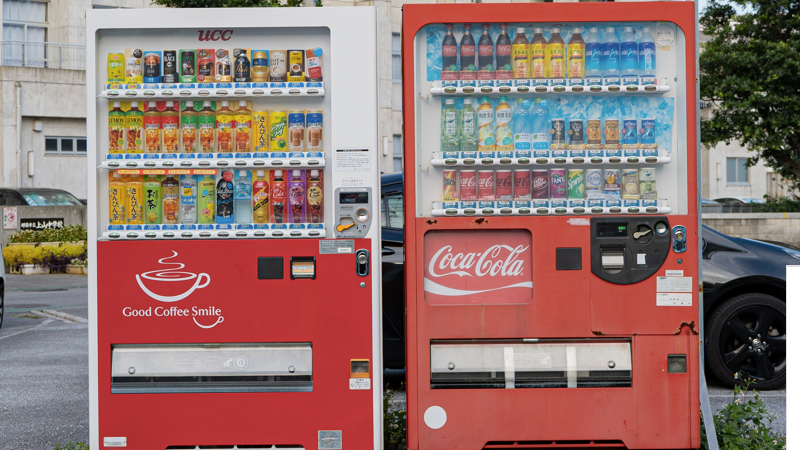
The fast-paced world we live in today has made convenience the reigning monarch. As a result, vending machines have seamlessly integrated themselves into our daily routines, offering not only snacks and beverages but also essential items. It's no wonder that these self-automated retail outlets have become an enticing business opportunity for entrepreneurs. If you're contemplating joining the self-service retail industry, let us explore the compelling advantages of starting a vending machine business.
Low Startup Costs and Minimal Overhead
Starting a vending machine business has several significant advantages, one of which is the relatively low startup costs compared to traditional brick-and-mortar ventures. Unlike setting up a storefront business that demands substantial investment, a vending machine requires only a fraction of the capital. This cost advantage makes it an attractive option for individuals with limited financial resources who want to allocate their capital efficiently.
Moreover, operating vending machines entails minimal overhead expenses. There's no need to worry about costly rents, utilities, or maintaining a full-time staff. The absence of these expenses makes vending machines highly cost-effective and allows entrepreneurs to achieve faster returns on investment and enjoy higher profit margins.
Flexibility and Passive Income
A vending machine business offers unparalleled flexibility. As an owner-operator, individuals have the freedom to choose their own working hours, making it an ideal option for those seeking a part-time venture or looking to supplement their existing income. Additionally, vending machines operate 24/7, ensuring consistent income generation even when owners are not physically present at the machine's location. This passive income stream presents an excellent opportunity for entrepreneurs to construct multiple revenue streams without being restricted by a fixed schedule.
Wide Variety of Products and Locations
The vending machine business offers several advantages. One notable benefit is its ability to provide a wide range of products, catering to different customer preferences. Whether it's snacks, beverages, or hygiene essentials, you can tailor the inventory of your vending machines according to specific needs. This versatility allows you to target various locations like offices, schools, gyms, airports, and shopping centers — effectively tapping into diverse markets and maximizing profit potential. Furthermore, the convenience of relocating vending machines provides flexibility to adapt to changing market demands and seize emerging opportunities.
Reduced Labor and Maintenance Efforts
Unlike traditional retail businesses, vending machines require minimal labor and maintenance. Once installed and stocked, they operate autonomously for extended periods. Routine tasks like restocking and cleaning are efficiently managed, reducing the need for constant oversight. Furthermore, advancements in technology have given rise to smart vending machines equipped with remote monitoring capabilities. Owners can track inventory levels, identify maintenance needs, and process payments remotely. This automation simplifies management processes and reduces operational costs.
Consistent and Predictable Demand
The vending machine industry thrives on its consistent and predictable demand for products. If you choose prime locations with steady foot traffic, there will always be a steady stream of customers seeking quick snacks or refreshments. Whether it's an office building buzzing with activity, a bustling train station, or a popular tourist destination, vending machines are designed to cater to the fast-paced needs of consumers on the move. This reliability in demand ensures effective inventory management and minimizes the risk of unsold goods, ultimately maximizing profitability for businesses in this industry.
Starting a vending machine business has numerous advantages that attract aspiring entrepreneurs. With low startup costs, minimal overhead, and the flexibility it offers, this self-service retail model provides an opportunity to build a sustainable and profitable venture. Success in the industry requires thorough planning, strategic location selection, and a commitment to exceptional customer service. Entrepreneurs can capitalize on the convenience and reliability of vending machines to carve out a rewarding niche in the ever-growing world of automated retail.
Disadvantages of Starting a Vending Machine Business
A vending machine business holds considerable allure for those seeking an entrepreneurial venture. It promises a potentially passive income stream, coupled with minimal daily involvement. However, like any business endeavor, it presents its fair share of challenges and drawbacks. Prospective entrepreneurs must understand these disadvantages to make informed decisions and devise strategies for overcoming potential hurdles. This article aims to explore some of the key disadvantages associated with starting a vending machine business.
Initial Capital Investment
Launching a vending machine business comes with a primary drawback - the substantial initial capital investment required. The costs can vary based on the type and number of machines, including purchasing or leasing the units and stocking them with products, which can be quite expensive. Additionally, aspiring entrepreneurs need to consider overhead expenses like transportation, maintenance, and insurance. This financial commitment may pose a significant hurdle for individuals interested in entering this industry as it limits the pool of potential business owners who can afford to invest.
Competition poses a significant challenge for those aspiring to establish a flourishing vending machine business. The most desirable locations, characterized by high foot traffic and an existing customer base, are usually saturated with competing machines. Acquiring such prime spots entails considerable effort, including persuasive negotiation skills and potential partnerships with location owners. Furthermore, even after securing a prime location, fierce competition persists as multiple vending machines vie for customer attention, which can potentially impact sales and profitability.
Maintenance and Technical Issues
Running a vending machine business requires continuous maintenance to ensure seamless operations. From occasional technical glitches and coin jams to inventory stocking challenges, these issues demand immediate attention and repair. For small-scale operators, engaging a maintenance team or acquiring technical expertise can be an additional expense. However, neglecting to promptly address such problems can lead to dissatisfied customers and lost revenue, emphasizing the necessity of proactive maintenance strategies.
Product Spoilage and Expiry
When vending machines are stocked with perishable goods or items that have a limited shelf life, there is an increased risk of product spoilage and expiry. This can result in financial losses for business owners. Fluctuations in demand and unforeseen events contribute to unsold inventory, wasting valuable resources. Although proper inventory management and the selection of non-perishable products can help mitigate this issue, it remains a concern for those who deal with time-sensitive goods.
Changing Consumer Preferences
Consumer preferences constantly evolve, and a product that enjoys popularity today may lose its allure in the future. Take, for instance, the growing number of health-conscious consumers who are shifting their demand from traditional snacks and beverages to healthier options. To stay relevant and profitable, it is imperative to keep up with market trends and adapt product offerings accordingly. This entails conducting ongoing market research and embracing a proactive approach to regularly updating our inventory.
Instances of theft and vandalism pose a significant challenge for vending machine operators. Publicly located machines are particularly vulnerable to such acts, which can lead to financial losses and the need for repairs or replacements. Operators can mitigate these risks by implementing security measures like surveillance cameras or placing machines in well-monitored areas. Despite these precautions, potential thieves and vandals remain an ongoing concern.
In conclusion, a vending machine business has its advantages, such as passive income potential and flexibility. However, it's crucial to consider the disadvantages before embarking on this entrepreneurial journey. Factors like significant initial capital investment, competition, maintenance and technical issues, product spoilage, changing consumer preferences, and security concerns need careful consideration and effective strategies to mitigate their impact. By proactively addressing these challenges, aspiring vending machine business owners position themselves for success in this dynamic and competitive industry.
Part 8. Buying Vending Machines at Factory Prices on Global Sources
Vending machines have become an indispensable part of modern convenience. They offer a convenient and efficient way for consumers to access a wide range of products, including snacks, beverages, and even personal protective equipment. These automated machines cater to the diverse needs of both consumers and businesses. For those interested in investing in vending machines, it is wise to source directly from reputable platforms like Global Sources. This article explores the benefits and process of buying vending machines at factory prices on Global Sources.
The Advantages of Buying Vending Machines at Factory Price
Cost Savings and Competitive Pricing
When purchasing vending machines directly from the factory, unnecessary intermediaries are eliminated. This leads to significant cost savings as additional markups and fees are avoided. Buyers can access competitive pricing, ensuring a higher return on investment in the long run. Moreover, this allows businesses to allocate their budgets more efficiently and potentially pass on savings to their customers.
Customization and Product Diversity
Factories offer customization options when buying vending machines. Businesses have the opportunity to collaborate with manufacturers, tailoring the machine's design and features to match their brand image and specific requirements. Furthermore, factories provide a wide variety of vending machine types and sizes, enabling buyers to select models that align perfectly with their target market and product offerings.
Quality Assurance and Warranty Support
Dealing directly with vending machine manufacturers ensures a higher level of quality assurance. When buyers opt for factory direct machines, they gain the advantage of stricter production standards and thorough testing before delivery. Additionally, many manufacturers provide warranty support to offer customers peace of mind and assistance in addressing any technical issues that may arise.
Navigating Global Sources for Vending Machine Procurement
Registration and Verification
Interested buyers who want to source vending machines on Global Sources are required to create an account and complete the verification process. This crucial step establishes credibility and ensures a secure transaction environment. Once an account is verified, users gain access to a wide selection of trusted manufacturers and suppliers.
Product Search and Filtering
After completing the registration process, buyers are able to commence their search for vending machines using Global Sources' user-friendly and intuitive search tools. These powerful tools enable users to specify their desired type of vending machine, select preferred features, and even indicate location preferences. By effectively narrowing down the search parameters, buyers can efficiently discover the most suitable options available.
Evaluating Suppliers and Communication
Once you have identified potential suppliers, it becomes crucial to conduct a thorough evaluation of their credentials and product offerings. Global Sources offers comprehensive supplier profiles that encompass company background, product range, and customer reviews. It is advisable for buyers to engage with multiple suppliers in order to compare prices, shipping terms, and customization options.
Best Practices for Secure Transactions
Request Samples and Certifications
Buyers should first request samples from potential vending machine suppliers before making a significant purchase. This allows them to assess the quality of the machines thoroughly. Additionally, it is important for buyers to inquire about the manufacturer's certifications, such as ISO and CE, in order to ensure that the machines comply with international standards.
Negotiation and Payment Terms
In the business world, negotiating with suppliers is a common practice. This holds true even when it comes to vending machine procurement. Buyers should always prioritize obtaining the best price and favorable payment terms to make their investment as profitable as possible. To ensure secure transactions, it is advisable to use traceable methods such as bank transfers or online payment platforms.
Shipping and After-Sales Support
To prevent any misunderstandings or delays, it is crucial for buyers to clarify shipping arrangements and after-sales support. This involves discussing delivery timelines, shipping costs, as well as understanding the manufacturer's policy on warranty and technical assistance.
Conclusion
Sourcing vending machines directly from factories at factory prices on Global Sources can prove to be a strategic and advantageous choice for businesses entering or expanding their presence in the vending industry. The benefits of cost savings, customization options, and quality assurance that come with purchasing directly from factories enhance the overall buying experience and position businesses for success in this thriving market. By adhering to best practices and conducting thorough evaluations, buyers can establish reliable and profitable partnerships with vending machine manufacturers on Global Sources.
Part 9. FAQs: Are vending machines profitable
1. Are vending machines profitable?
Vending machines can be a profitable venture when executed strategically. However, their profitability depends on various factors such as location, product selection, maintenance, and foot traffic. High-traffic areas like offices, schools, hospitals, and shopping centers typically offer better revenue potential. Moreover, choosing popular and in-demand products can boost profitability. Regular maintenance and restocking are essential to ensure customer satisfaction and consistent sales. Although initial investment costs and occasional repairs can impact profitability, well-managed vending machines can generate a steady passive income over time. Conducting thorough market research and evaluating potential locations can significantly contribute to the overall profitability of a vending machine business.
2. Do vending machine owners pay rent?
Yes, vending machine owners often pay rent or lease fees for the space occupied by their machines. The cost of renting the location is a crucial consideration in the profitability equation. The rental fees vary significantly based on the location's foot traffic and desirability. High-traffic areas in prime locations usually command higher rent, but they also offer the potential for increased sales. It is essential for vending machine owners to negotiate favorable lease terms to maximize their returns. Additionally, a well-located machine can attract more customers and compensate for the rent expenses, making it a worthwhile investment in the long run.
3. Are vending machines taxed?
Yes, vending machines are subject to taxation, just like any other business operation. The taxation process varies based on regional and national tax regulations. Generally, vending machine income is considered as business income and is subject to income tax. Additionally, sales tax is often applied to the products sold through the vending machines. Vending machine owners should keep accurate records of their earnings and expenses to comply with tax laws and properly calculate their tax liability. Engaging with a qualified accountant or tax professional can be beneficial in navigating the complexities of tax obligations and ensuring compliance with the relevant tax laws.
4. Where can you place vending machines?
Vending machines can be placed in a wide variety of locations, and the success of the business relies heavily on selecting suitable spots. High-footfall areas with a target audience relevant to the products being sold are prime locations. Common places include office buildings, schools, universities, airports, train stations, shopping malls, hospitals, and recreation centers. Within these locations, strategic placement is essential. For instance, vending machines selling snacks and beverages can be placed in break rooms, waiting areas, or near entrances/exits for maximum visibility and accessibility. When considering placement, it is crucial to secure permission from the property owner or manager and to comply with any relevant regulations or restrictions.
5. How profitable is owning a vending machine?
The profitability of owning a vending machine depends on a number of factors, including the location of the machine, the type of products sold, and the cost of the machine. However, in general, vending machines can be a very profitable business.
According to a study by the National Automatic Merchandising Association, the average vending machine generates $750 in sales per month. This means that the average vending machine owner can expect to make a profit of $250 per month, or $3,000 per year.
Of course, the actual profits will vary depending on the factors mentioned above. For example, a vending machine located in a high-traffic area will likely generate more sales than a machine located in a low-traffic area. Similarly, a vending machine that sells high-margin products, such as snacks and drinks, will likely generate more profits than a machine that sells low-margin products, such as newspapers and magazines.
The cost of a vending machine also varies depending on the type of machine and the features it includes. However, the average vending machine costs between $2,000 and $5,000. This means that the initial investment for a vending machine business is relatively low.
Overall, vending machines can be a very profitable business. However, it is important to do your research and choose a location that is well-suited for a vending machine. You should also choose the right type of products to sell and make sure that your machine is well-maintained.
6. How much is a vending machine cost?
The cost of a vending machine varies depending on the type of machine, the features it includes, and the manufacturer. In general, vending machines range in price from $2,000 to $10,000.
Some of the factors that affect the cost of a vending machine include:
- The type of machine: There are many different types of vending machines, including snack machines, drink machines, and ice machines. The type of machine you choose will affect the price.
- The features of the machine: Some vending machines have more features than others. For example, some machines have coin changers, bill acceptors, and credit card readers. These features will add to the cost of the machine.
- The manufacturer: There are many different manufacturers of vending machines. The price of a machine will vary depending on the manufacturer.
When choosing a vending machine, it is important to consider your needs and budget. If you are looking for a basic machine, you can find one for around $2,000. However, if you are looking for a machine with more features, you can expect to pay more.
7. What vending machines make the most money?
The type of vending machine that makes the most money depends on a number of factors, including the location of the machine, the type of products sold, and the cost of the machine. However, in general, snack machines and drink machines tend to be the most profitable.
Snack machines are popular because they offer a variety of products that appeal to a wide range of people. They are also relatively easy to maintain and restock. Drink machines are also popular, especially in areas where people are likely to be thirsty, such as near workplaces and schools.
If you are considering investing in a vending machine, it is important to do your research and choose the type of machine that is right for your business. You should also consider the location of the machine and the type of products you will sell. With careful planning, you can make a lot of money with a vending machine business.

