




Image from iStock
China has emerged not just as a manufacturing powerhouse but an innovation leader in vehicle production. For importers, dealers and consumers looking beyond their domestic markets, Chinese vehicles – both traditional internal combustion engine (ICE) models and cutting-edge electric vehicles (EVs) – present compelling opportunities alongside unique challenges.
Chinese automotive market evolution
China’s automotive industry has evolved remarkably over the past two decades. What began as a market dominated by joint ventures with Western automakers has transformed into a diverse ecosystem of domestic brands that compete on quality, technology and price. Companies like BYD, Geely, NIO, XPeng and Li Auto have moved from being regional players to global contenders, particularly in the EV segment where Chinese manufacturers have established significant technological and cost advantages.
The shift is particularly pronounced in the EV sector. Chinese manufacturers have benefited from strong government support, a robust domestic supply chain for batteries and components and rapid innovation cycles. This has resulted in vehicles that offer superior range, features and value propositions, making them increasingly attractive to international buyers.
Import regulations and compliance
Importing vehicles from China requires careful navigation of complex regulatory frameworks that vary significantly by destination country. In the US, for instance, vehicles must comply with Federal Motor Vehicle Safety Standards (FMVSS) administered by the National Highway Traffic Safety Administration (NHTSA) and emissions standards set by the Environmental Protection Agency (EPA). The process involves obtaining necessary certifications, ensuring proper labeling, and sometimes making modifications to meet local requirements.
European markets present their own challenges with CE marking requirements, type approval processes and increasingly stringent emissions regulations. The EU’s recent implementation of additional tariffs on Chinese EVs has added another layer of complexity and cost consideration for importers. Similarly, other markets have their specific homologation processes, safety standards and import duties that must be carefully evaluated before initiating any import operation.
For used vehicles, the regulatory landscape becomes even more complex. Many countries have age restrictions on imported used vehicles, with some prohibiting imports of vehicles older than three to five years. Additionally, used EVs may face additional scrutiny regarding battery health and remaining warranty coverage, factors that can significantly impact their import viability and resale value.
Economic considerations
The financial aspects of importing Chinese vehicles extend far beyond the initial purchase price. While Chinese manufacturers offer competitive factory prices, importers must account for shipping costs, which have fluctuated dramatically in recent years due to global supply chain disruptions. Ocean freight from major Chinese ports to destinations in North America or Europe can add several thousand dollars per vehicle, with costs varying based on vessel availability, fuel prices and seasonal demand.
Import duties and taxes represent another significant cost factor. The US currently imposes a 27.5 percent tariff on Chinese-made gasoline vehicles, with a 100 percent tariff on top of this for EVs. The EU, meanwhile, has implemented variable tariffs on Chinese EVs ranging from 17 to 35 percent, depending on the manufacturer and level of cooperation with anti-subsidy investigations. These tariffs, combined with local taxes, registration fees and compliance modification costs, can substantially impact the final landed cost of the vehicle.
Currency fluctuations between the Chinese yuan and the importer's local currency add another dimension of financial risk. Successful importers usually employ hedging strategies or negotiate contracts with currency adjustment clauses to mitigate this. Additionally, financing arrangements for international vehicle purchases typically require larger deposits and may carry higher interest rates than domestic transactions, further impacting the total cost of acquisition.
Quality assurance and vehicle selection
The perception of Chinese vehicle quality has improved significantly, but conducting thorough due diligence remains essential. When selecting vehicles for import, buyers should prioritize manufacturers with established track records, international quality certifications and robust warranty programs. Visiting manufacturing facilities, when possible, can provide valuable insights into production standards and quality control processes.
For new vehicles, establishing relationships with authorized dealers or directly with manufacturers can ensure access to genuine products with full warranty coverage. This is particularly important for EVs, where battery warranties and software support are critical to long-term vehicle value and performance. Some Chinese manufacturers have established international service networks or partnerships with local service providers, which can significantly enhance the ownership experience for imported vehicles.
Used vehicle imports require even more careful inspection and verification. Beyond standard mechanical inspections, EVs require specialized battery health assessments to determine remaining capacity and expected life span. Importers should also verify the vehicle’s history, including any recalls, accidents or modifications that might affect its eligibility for import or resale value in the destination market.
Logistics and supply chain management
The physical process of moving vehicles from China to international markets involves coordinating multiple stakeholders and managing various logistical challenges. Ro-Ro (Roll-on/Roll-off) vessels are the preferred method for vehicle shipping, offering safer and more efficient transport than container shipping for most vehicle types. However, booking space on these specialized vessels requires advance planning and may involve minimum volume commitments.
Port handling and customs clearance procedures in both origin and destination countries require careful coordination. Chinese export procedures have been streamlined in recent years, but importers must still ensure all documentation is complete and accurate to avoid delays. This includes commercial invoices, bills of lading, certificates of origin and any specific documentation required by the destination country.
Last-mile delivery from the port of entry to final destinations adds another layer of complexity. Importers must arrange for appropriate transportation, temporary storage facilities and potentially additional insurance coverage. For EVs, special consideration must be given to battery charge levels during extended shipping and storage periods, as prolonged periods at very low or very high charge states can impact battery health.
Market opportunities and strategic positioning
Despite the challenges, importing Chinese vehicles can offer significant opportunities for businesses willing to navigate the complexities. The EV segment presents particularly compelling prospects, as Chinese manufacturers often offer models with specifications and price points not vailable from traditional automakers. Features like battery swapping technology, advanced driver assistance systems and innovative interior designs can differentiate Chinese vehicles in competitive markets.
The commercial vehicle segment also deserves attention. Chinese manufacturers produce a wide range of electric buses, delivery vans and light trucks that can meet the growing demand for zero-emission commercial fleets. Many of these vehicles have been proven in China's demanding urban environments and can offer total cost of ownership advantages over traditional ICE alternatives.
For markets with less stringent import regulations or those with free trade agreements with China, the opportunity to import affordable, feature-rich vehicles can help meet transportation needs while supporting the transition to cleaner mobility. Some importers have found success focusing on niche markets, such as car-sharing services, corporate fleets or specific demographic segments that prioritize value and technology over brand prestige.
Future outlook and emerging trends
Geopolitical tensions and trade policy changes can dramatically impact the viability of import operations, as seen with recent tariff implementations and discussions of further trade restrictions. However, Chinese manufacturers are adapting by establishing production facilities in third countries, potentially offering alternative import routes that bypass certain trade barriers.
Technological advancement in Chinese vehicles, particularly in autonomous driving capabilities and battery technology, may create new opportunities for importers who can identify and capitalize on these innovations. The development of solid-state batteries, faster charging capabilities and vehicle-to-grid technologies could position Chinese EVs as technology leaders rather than just cost-competitive alternatives.
Environmental regulations globally are tightening, which may actually benefit Chinese EV imports despite trade barriers. As countries implement stricter emissions standards and ICE vehicle phase-out dates, the demand for affordable EVs is likely to grow, potentially outweighing the impact of tariffs and other trade restrictions.
China’s new export regulatory requirements
China is implementing significant new restrictions on vehicle exports to address a problematic practice involving new vehicles being exported as "used" cars despite having virtually no actual usage. This emerged after China permitted used car exports in 2019 and has become particularly prevalent with the growth of China's electric vehicle manufacturing sector.
The Ministry of Commerce’s new regulations, set to take effect in 2026, introduce specific requirements that will fundamentally change how recently registered vehicles can be exported. The key provision requires exporters to provide proof of aftersales service availability at the destination country for any vehicle registered within 180 days. Critically, this proof must be confirmed directly by the car manufacturer, not just the exporter.
This requirement effectively creates a barrier for dealers trying to export new vehicles as used ones, since manufacturers are unlikely to provide aftersales service confirmation for vehicles sold outside their official distribution networks. The 180-day window is particularly significant as it captures virtually all "zero-mileage" exports while still allowing genuine used car exports to continue.
These new regulations represent China's effort to mature its automotive export industry and build long-term credibility in international markets. By cracking down on practices that could damage the reputation of Chinese vehicles abroad, the government is prioritizing sustainable growth over short-term export volumes.
For the import/export industry, this means adapting to a more regulated but potentially more stable market environment. Importers will need to work more closely with authorized dealers or directly with manufacturers, potentially leading to better business relationships but also requiring more capital and formal business structures.
The timing of these regulations, coming as Chinese EV manufacturers are gaining global recognition, suggests a strategic move to ensure that China’s automotive export growth is built on a foundation of quality and proper support rather than just competitive pricing. This could ultimately strengthen the position of Chinese vehicles in international markets, even if it temporarily reduces export volumes or increases prices.
Conclusion
Importing vehicles from China represents both a significant opportunity and a complex challenge for international automotive businesses. Success requires careful planning, thorough understanding of regulatory requirements, strategic financial management and strong relationships with reliable partners throughout the supply chain. While barriers such as tariffs, regulatory compliance and quality concerns exist, the rapid advancement of Chinese automotive technology, particularly in the EV sector, offers compelling products for markets worldwide.
As the global automotive industry continues its transformation toward electrification and new mobility solutions, Chinese manufacturers are likely to play an increasingly important role. Importers who can successfully navigate the current challenges while positioning themselves for future opportunities will be well-placed to benefit from this changing landscape. The key lies in maintaining flexibility, staying informed about regulatory changes and building robust operational frameworks that can adapt to the dynamic nature of international automotive trade.
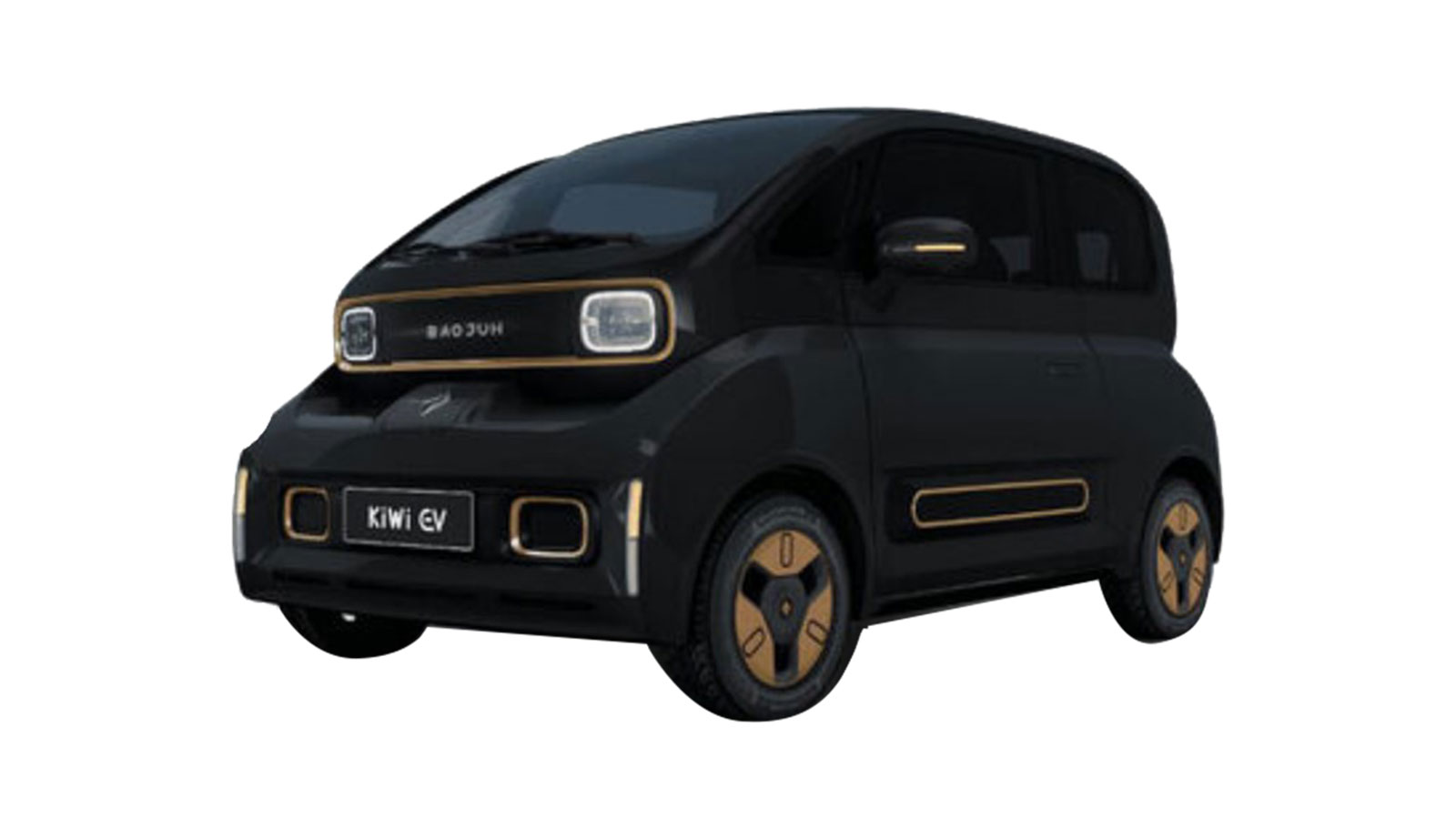
Used mini BEV
Company: Autotec International Corp.
Autotec offers the 16000034 Baojun KiWi 2021 Artist, a secondhand mini battery electric vehicle with a 305km range and 105kph maximum speed. This RWD BEV, a three-door four-seater hatchback, has a 40kW permanent magnet synchronous motor and a 31.9kWh LFP battery that takes 5 hours to charge fully or 1 hour to fast-charge to 80 percent capacity. It has rear disc and front ventilated brakes and 155/70 R13 tires. Vehicle dimensions are 2,894x1,655x1,595mm. The MOQ and the lead time are provided on direct inquiry.

Secondhand ambulance
Company: Chongqing Honghao Technology Co. Ltd
Chongqing Honghao markets the CHZNH3000110-7093, a used ambulance available in 4x2 and 4x4 versions with a diesel or gasoline engine, left- or right-hand drive and automatic or manual transmission. The supplier provides a 12-month warranty. The MOQ is on direct inquiry.
Lead time: 15 to 25 days
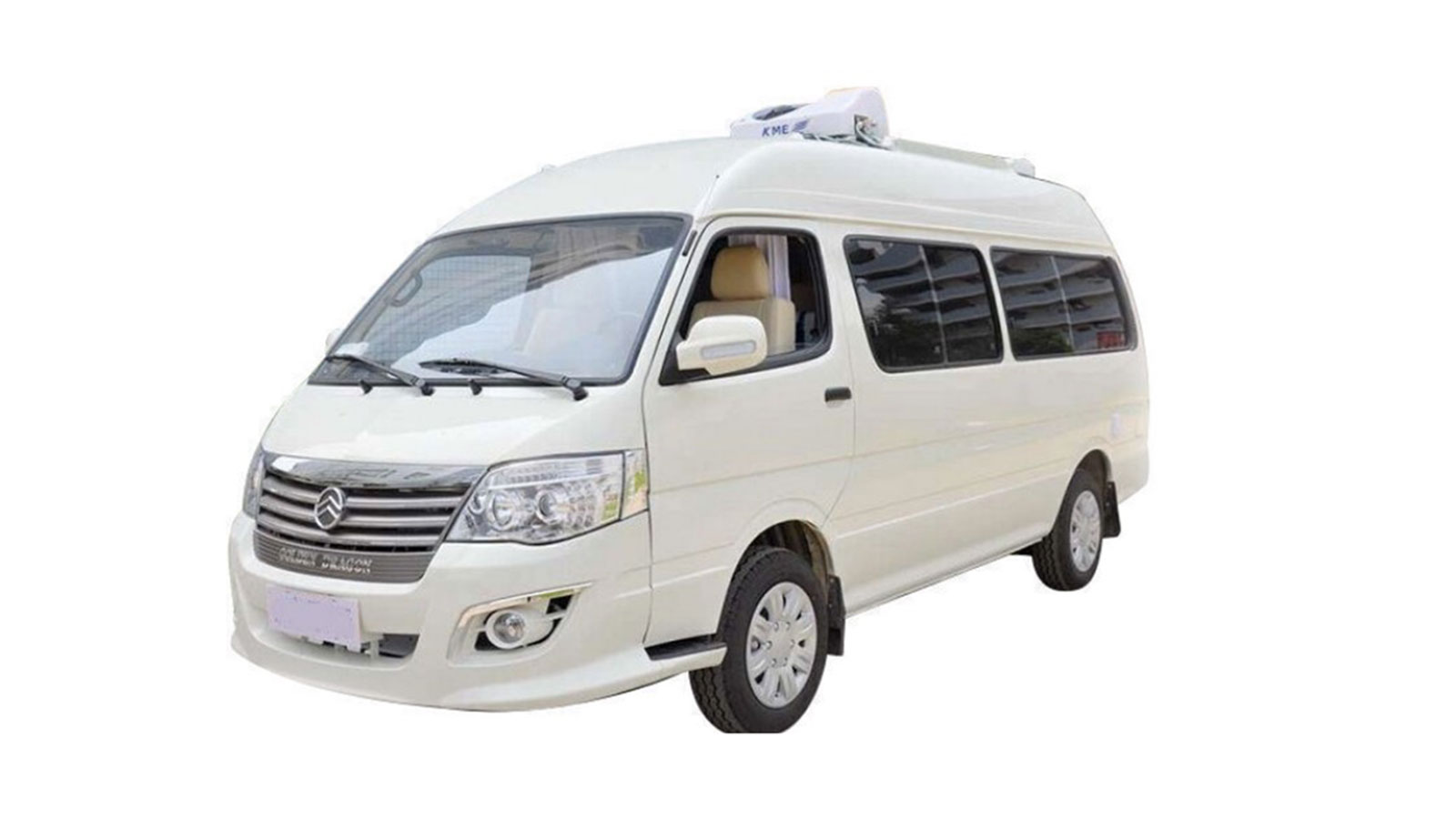
Gasoline-powered RV
Company: Eusino Auto Ltd
Eusino offers the JLB6532-5, a recreational vehicle with a living area measuring 2,470x2,135x1,900mm. This Euro V-standard motorhome has five-speed manual transmission, 1.8L gasoline engine with 98kW power, 70L fuel tank, front disc and rear drum brakes and 195/70R15C tires. The maximum speed is 120kph. Vehicle size is 5,330x1,700x2,260mm and curb weight is 2,650kg. The MOQ is provided on direct inquiry.
Lead time: 20 to 40 days
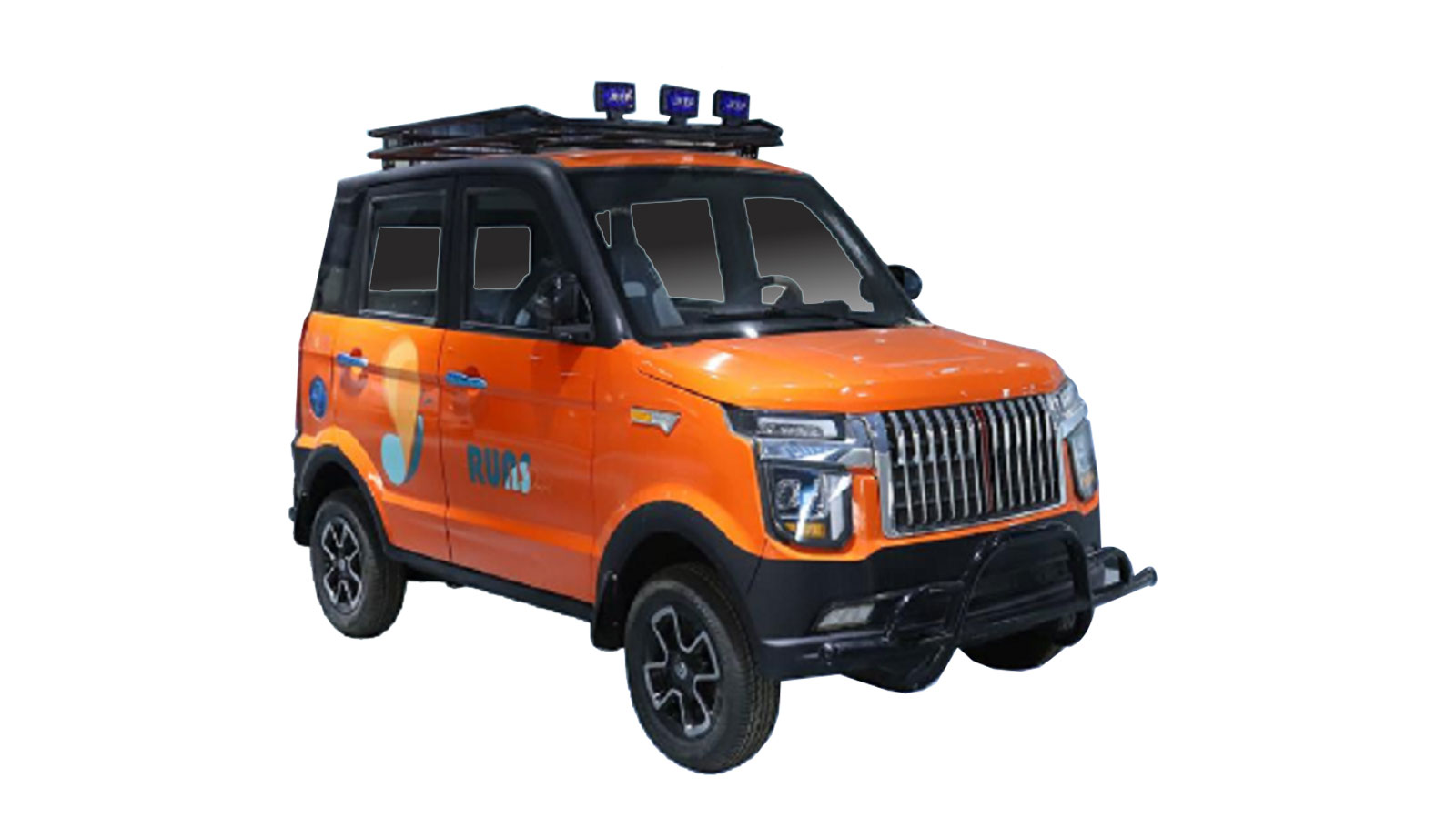
Electric or hybrid vehicle
Company: Shandong Aixin International Trade Co. Ltd
Shandong Aixin supplies the Nuen E, an electric or hybrid vehicle with two doors, three automatic windows, two adjustable seats, aluminum wheel hub and 5.00-10 tires. This RWD unit, with 150km maximum speed, has an independent suspension and four-wheeled brake systems. It is equipped with a motor with 3,000W maximum power and a gel battery with 60V, 45Ah rating. The 220V charger is CCC-approved. The MOQ is available on direct inquiry.
Lead time: 10 to 30 days
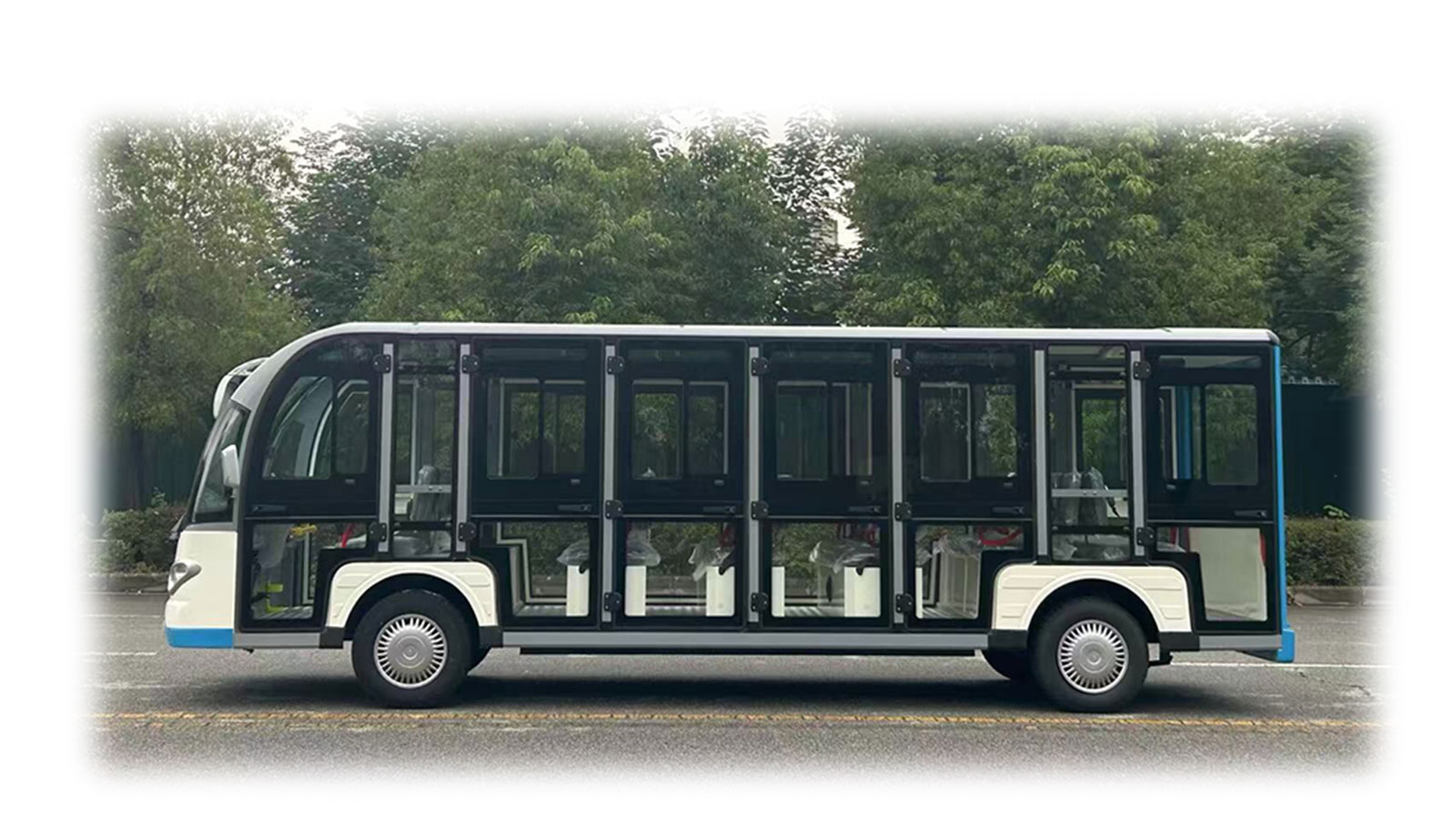
EV for sightseeing
Company: Suzhou Uniman Technology Co. Ltd
The F4LG23A-2725 from Suzhou Uniman is an electric sightseeing vehicle that can accommodate 23 people. It has a 15kW AC motor with a 96V, 400A controller and a 96V, 200Ah maintenance-free lead-acid battery with LG-branded cells. The maximum speed is 30kph, the minimum turn radius 5.5 meters, the maximum climbing ability 20 percent with load and the maximum payload capacity 1,900kg. Vehicle net weight is 2,020kg. The MOQ is provided on direct inquiry.
Lead time: 20 to 30 days
Electric ambulance
Company: Weihai Better Clean Energy Technology Co. Ltd
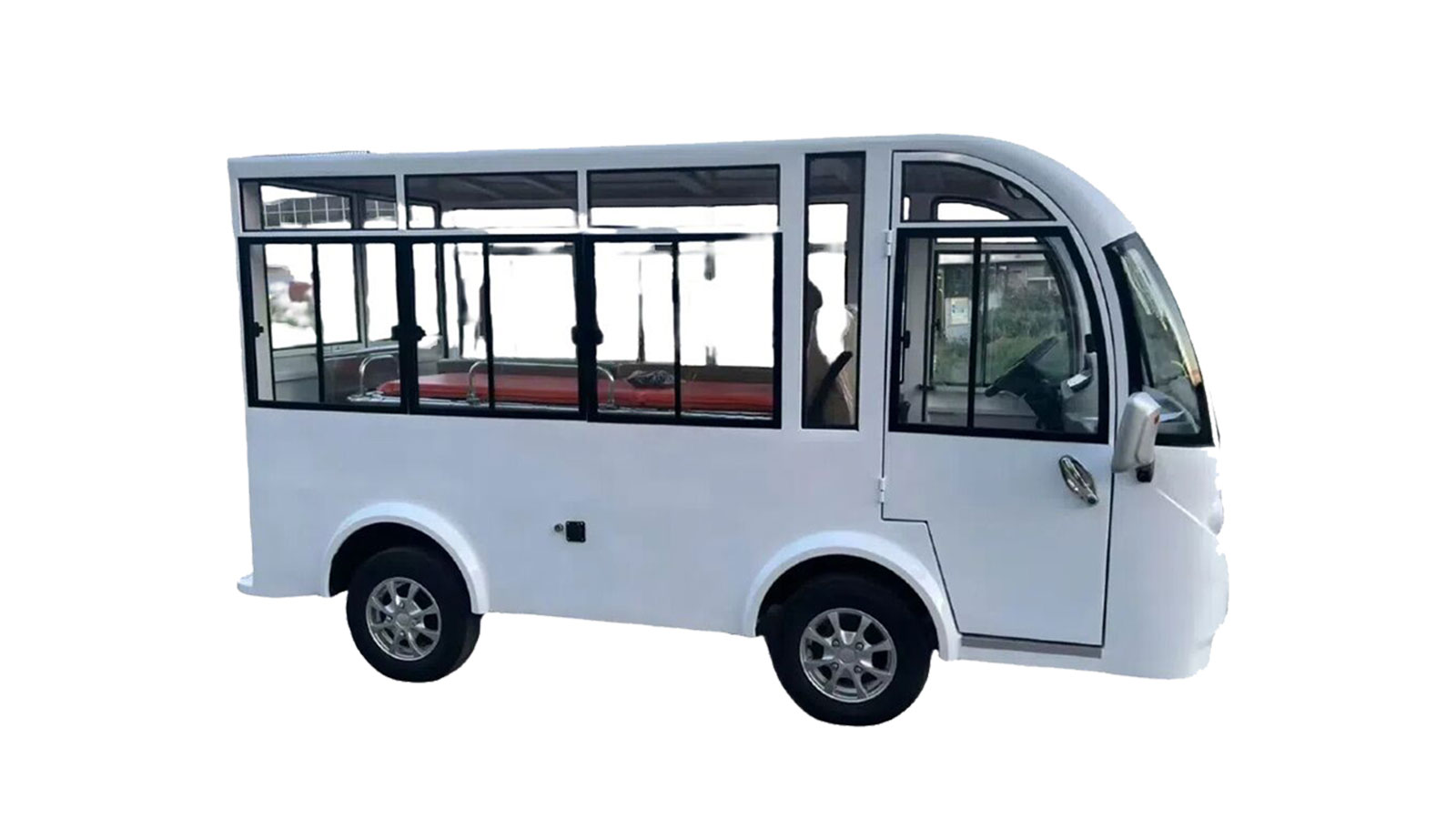
Weihai Better Clean Energy’s electric ambulance, with model name Large Size-6777, has automatic transmission, diesel generator and lead-acid battery. A smaller version is available as well. The MOQ is available on direct inquiry.
Lead time: 30 to 45 days

