




Image from iStock
Lighting is about much more than simply illuminating spaces – it shapes environments, enhances safety and even influences moods and productivity. As technology advances, LED lighting has emerged as the gold standard for both indoor and outdoor applications, revolutionizing the way light is used in homes, businesses and public spaces. With their remarkable energy efficiency, long life span and versatile design options, LEDs have quickly replaced traditional lighting technologies in settings from cozy living rooms to bustling city streets.
LED advantages
For indoor lighting
LEDs offer significant advantages over traditional lighting technologies for indoor applications. First and foremost, they are highly energy-efficient, consuming far less electricity than incandescent or fluorescent bulbs while providing the same or even greater brightness. This efficiency leads to substantial savings on energy bills, particularly in homes and commercial spaces where lights are used for extended periods. Additionally, LEDs boast an exceptionally long life span, lasting up to 50,000 hours or more, which means less frequent replacement and lower maintenance costs over time.
Beyond efficiency and longevity, LEDs also provide excellent light quality. They are available in a wide range of color temperatures, from warm to cool white, allowing users to create the perfect ambiance for each room. Many LED fixtures offer high color rendering, making colors appear more natural and vibrant, which is especially important in spaces like kitchens, bathrooms and retail settings.
LEDs emit very little heat compared to traditional bulbs, enhancing safety and comfort, and reducing the strain on cooling systems.
Another key advantage is their instant-on capability. LEDs reach full brightness immediately, with no flicker or warm-up time. Many models are also compatible with dimmer switches, giving users greater control over lighting levels and energy use.
Finally, LEDs are environmentally friendly, with no hazardous materials like mercury, and their durability makes them less prone to breakage. These combined benefits make LEDs an ideal solution for modern, sustainable and versatile indoor lighting.
For outdoor lighting
When it comes to outdoor lighting, the advantages of LEDs make them the first choice for illuminating streets, parking lots, landscapes and building exteriors. One of the most significant benefits is their exceptional energy efficiency, which translates into lower operating costs for cities, businesses and homeowners who rely on outdoor lighting for extended hours every night. LEDs’ long operational life greatly reduces the frequency and expense of maintenance – an important consideration for fixtures installed in hard-to-reach or hazardous outdoor locations.
In addition to efficiency and longevity, LEDs deliver superior performance in a variety of weather conditions. They are designed to withstand rain, snow, humidity and temperature fluctuations, thanks to robust housing and high ingress protection (IP) ratings.
Unlike traditional lighting, LEDs reach full brightness instantly, even in very cold temperatures, ensuring reliable illumination for security and safety. Their directional light output also means that LEDs can be precisely aimed, reducing light pollution and minimizing wasted energy by directing light exactly where it is needed.
Furthermore, LEDs can be easily integrated with smart controls, motion sensors and timers, enabling adaptive lighting that responds to environmental conditions or activity and further enhancing energy savings and security. Environmentally, LEDs are a more sustainable option, as their lower energy use reduces carbon emissions. With their durability, efficiency and adaptability, LEDs provide a high-performance, cost-effective and environmentally responsible solution for all outdoor lighting needs.
Streetlights: Electric vs solar power
Electric-powered
Electric-powered LED streetlights are connected to the electrical grid, sourcing power directly from utility lines but utilize highly efficient LED technology to provide illumination.
Advantages
- Reliable power supply: Access to consistent electricity ensures dependable lighting, regardless of weather conditions or geographical location.
- High lumen output: Electric-powered systems can easily support high-wattage LEDs, making them suitable for highways, large roads and urban areas where bright, widespread lighting is needed.
- Centralized control: These lights can be integrated with smart city infrastructure, allowing features such as remote monitoring, dimming schedules and adaptive lighting.
- Lower initial cost: Installation typically involves only the fixture and connection to existing infrastructure, making upfront costs lower than solar systems, especially when grid access is nearby.
Disadvantages
- Ongoing energy costs: Continuous electricity usage leads to recurring utility bills, which can be significant for large-scale installations.
- Vulnerability to power outages: Lighting is affected by grid failures, which can compromise safety and security.
- Installation limitations: Extending grid lines to remote or rural areas can be costly and logistically challenging.
- Environmental impact: Grid-sourced electricity may come from nonrenewable sources, contributing to greenhouse gas emissions.
Solar-powered
Solar-powered LED streetlights use photovoltaic panels to convert sunlight into electricity, which is stored in batteries and used to power the LED fixture at night.
Advantages
- Energy independence: No reliance on grid electricity, making them ideal for remote, off-grid or disaster-prone areas.
- Zero operating cost: Once installed, solar lights draw free energy from the sun, eliminating ongoing utility expenses.
- Environmentally friendly: They help reduce carbon emissions and reliance on fossil fuels, supporting sustainability goals.
- Easy installation: No need for trenching or cabling, which reduces labor and disruption, especially in new developments or rural locations.
- Resilience: Continue functioning during grid outages or emergencies.
Disadvantages
- Higher initial cost: The need for solar panels, batteries and charge controllers increases upfront investment.
- Weather and location dependent: Performance can be affected by cloudy weather, shading, geographic latitude or prolonged periods of rain.
- Battery maintenance: Batteries have a finite life span, typically three to seven years, and require regular maintenance or eventual replacement.
- Limited power output: Energy storage and panel size limit the maximum brightness and operating hours, making these systems less ideal for high-traffic or wide-area applications unless carefully designed.
- Theft and vandalism risk: In some areas, solar components may be targets for theft.
Both electric-powered and solar-powered LED streetlights offer substantial benefits over traditional lighting, especially in terms of energy efficiency, longevity and light quality. The best choice depends on the specific application, location and budget. Electric-powered LEDs suit areas with reliable grid access and high lighting demands, while solar-powered options are ideal for remote sites, environmental initiatives or locations where grid connection is impractical or expensive.
Indoor lights
Indoor LED lighting comes in a wide variety of types and styles to suit every application, from general illumination to decorative accents, offering excellent efficiency, flexibility and design versatility.
Bulbs: Direct replacements for traditional incandescent or compact fluorescent bulbs, they come in standard shapes and are used in table lamps, ceiling fixtures and wall sconces. These bulbs offer various color temperatures and wattages for general-purpose lighting.
Downlights or recessed lights: Installed into the ceiling with only the trim and lens visible, these fixtures provide a clean, modern look and are ideal for living rooms, kitchens, hallways and offices. They can offer wide or narrow beams for general or accent lighting.
Panel lights: These are slim, flat panels that emit uniform, glare-free light and are commonly used in commercial spaces like offices, hospitals and schools. They can be surface-mounted or recessed into ceilings.
Tubes: Designed as replacements for traditional fluorescents, these are usually found in offices, garages, basements and utility areas. These tubes offer better efficiency and longer life than their fluorescent counterparts.
Strip lights: Flexible circuit boards with surface-mounted LEDs, strip lights can be cut to length and installed in tight spaces. They are popular for under-cabinet, cove and accent lighting as well as for creative decorative effects.
Ceiling lights: These are flush or semi-flush mount fixtures designed for general ambient lighting in bedrooms, kitchens, corridors and bathrooms. These lights are available in various shapes and sizes to suit different décor styles.
Track lights: Mounted on tracks fixed to ceilings or walls, these adjustable lights can be aimed in different directions. They are often used in galleries, retail stores and modern residences for highlighting artwork or displays.
Pendant lights: Suspended from the ceiling, these lights combine functional and decorative roles. They are commonly used above dining tables, kitchen islands and in entryways for focused or ambient lighting.
Wall lights: Installed on walls, these lights can serve as sconces, bedside lights, vanity lighting or hallway illumination. They provide both functional and decorative lighting.
Smart lights: Equipped with wireless controls via smartphone apps, voice assistants or remotes, smart LEDs can change color, dim or be scheduled. They are available as bulbs, downlights, strips and more.
Work lights
Designed to provide bright, focused illumination for tasks in workshops, construction sites, garages, emergency situations or any environment, work lights typically feature robust casings, adjustable stands or hooks, and high-output LED arrays that deliver powerful, energy-efficient light. They come in various shapes and sizes, including handheld torches, floodlights, clamp lights and panel lights, making them suitable for a wide range of professional and DIY applications.
A particularly popular category within LED work lights is the rechargeable type. These are equipped with built-in Li-ion batteries, which can be recharged via USB, wall adapters or even solar panels, and offer several key advantages over plug-in or disposable-battery models.
First, they provide cordless convenience, allowing users to move freely around the workspace without being tethered to a power outlet or worrying about extension cords. This is especially valuable in outdoor or remote locations where access to electricity may be limited.
Second, rechargeable LED work lights are cost-effective and environmentally friendly. Since they do not require disposable batteries and have low power consumption, users save money over time and reduce waste. Many models provide long runtimes on a single charge, thanks to the efficiency of LEDs and advancements in battery technology.
Additionally, rechargeable work lights often feature multiple brightness settings and useful extras like magnetic bases, adjustable angles or weather-resistant construction, further enhancing their versatility and durability.
Sourcing LED lights from China
In recent years, escalating US tariffs have prompted many businesses to rethink their supply chains, particularly when it comes to products sourced from China. Nevertheless, the country continues to be a leading source of LED lighting products for buyers worldwide, including those in the US, despite the increased costs associated with tariffs.
One of the primary reasons is China’s unrivaled manufacturing scale and expertise in LED technology. Over the past two decades, China has become the global hub for LED lighting production, investing heavily in research and development, automation and advanced manufacturing processes. This has resulted in a massive ecosystem of suppliers capable of producing LED lights of all types, from high-efficiency indoor bulbs to sophisticated outdoor fixtures with smart features, at consistently high quality and in enormous quantities.
China’s integrated supply chains offer advantages that include but go beyond labor cost savings. The proximity of component manufacturers, assembly plants and testing facilities means that LED products can be developed, refined and produced with speed and efficiency.
For buyers, this translates into shorter lead times, more options and the ability to customize products for specific markets or applications.
Despite the cost pressures from tariffs, lower production and operational costs, combined with economies of scale, work to offset the cost of tariffs, especially for large-volume orders or projects that require complex specifications. Additionally, many Chinese suppliers have become adept at working with international clients, offering design support, compliance with global safety standards and flexible shipping arrangements.
Finally, Chinese manufacturers continue to innovate, quickly adopting new technologies such as smart lighting controls, solar integration and highly efficient LEDs. This keeps their offerings competitive and attractive for buyers seeking the latest in lighting solutions.
In summary, while high US tariffs have introduced new challenges, China’s leadership in LED manufacturing, mature supply chains and strong focus on innovation continue to make it a viable option for sourcing reliable, high-quality indoor and outdoor LED lighting.
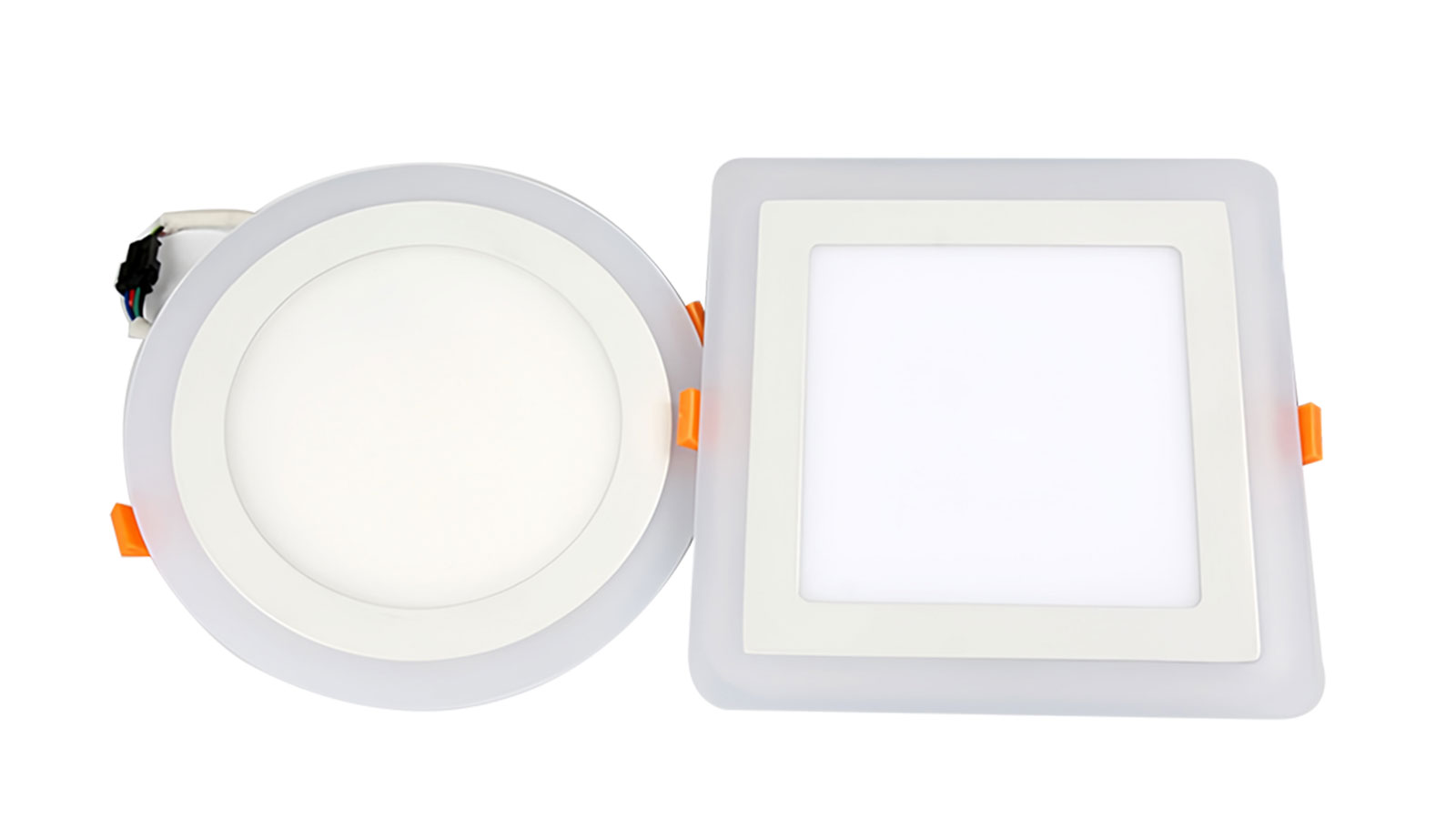
Recessed LED panel downlight
Company: Aina Lighting Technologies (Shanghai) Co. Ltd
Aina markets the AN-PD-6+3W-IR-AZ, a dual-color 6+3W LED panel downlight with a flicker-free driver and an acrylic and die-cast aluminum frame. For recessed installation, this product has 120-degree beam angle and 165 to 275VAC input voltage. It is available in round and square versions, and various colors and sizes.
MOQ: 500 units
Lead time: 10 to 15 days
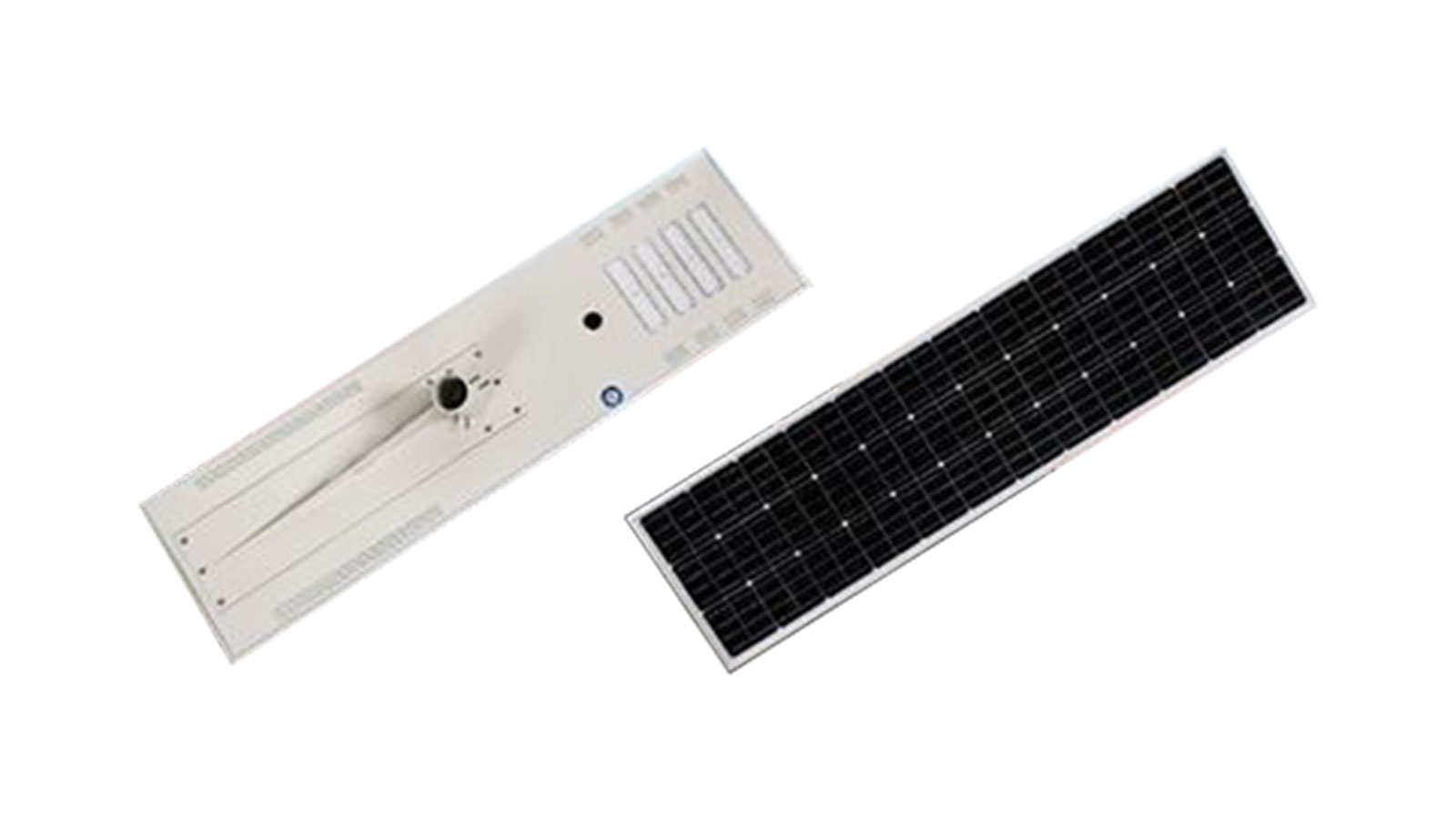
All-in-one solar streetlight
Company: Esavior Green Energy Co. Ltd
Esavior’s model ISSL-BRZ-150W-0810V-8855 is an all-in-one 150W solar-powered LED streetlight with 3030 LEDs, 36V 160Wp monocrystalline solar panel, 25.6V 36Ah LiFePO4 battery and MPPT controller. Its brightness level is 13,500 to 15,000 lumens and the color temperature is 5,000K, with full range of 2,700 to 6,500K available. The lamp body is made of aluminum alloy.
MOQ: 1 unit
Lead time: 5 to 10 days
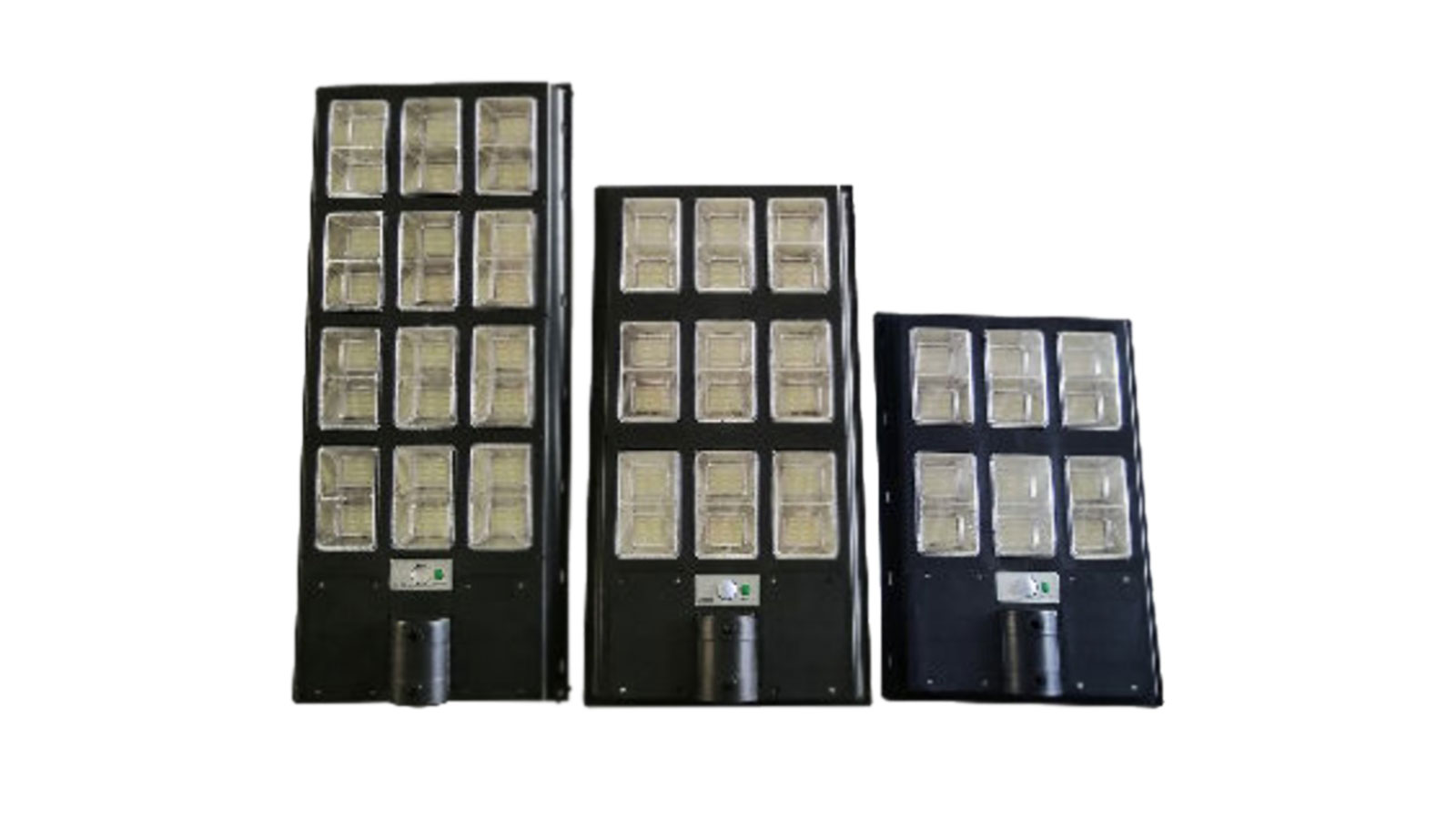
Solar streetlight with motion sensor
Company: Esavior Green Energy Co. Ltd
The AIO-332-AN from Esavior is a solar-powered 200W LED streetlight with 288 superbright LED chips, a microwave radar sensor, a 5V 18Wp monocrystalline solar panel, IP68 MPPT controller and a 3.2V 18,000mAh LiFePO4 battery with micro-BMS. It has a maximum brightness of 28,800 lumens, color temperature of 6,000K, CRI of 70 and life span of 100,000 hours. The discharge time is 45 hours on dim mode and 9 hours in bright setting. This IP67-rated product meets CE and RoHS standards and has an IK10 rating. It comes with a one-year warranty.
MOQ: 1 unit
Lead time: 3 to 15 days
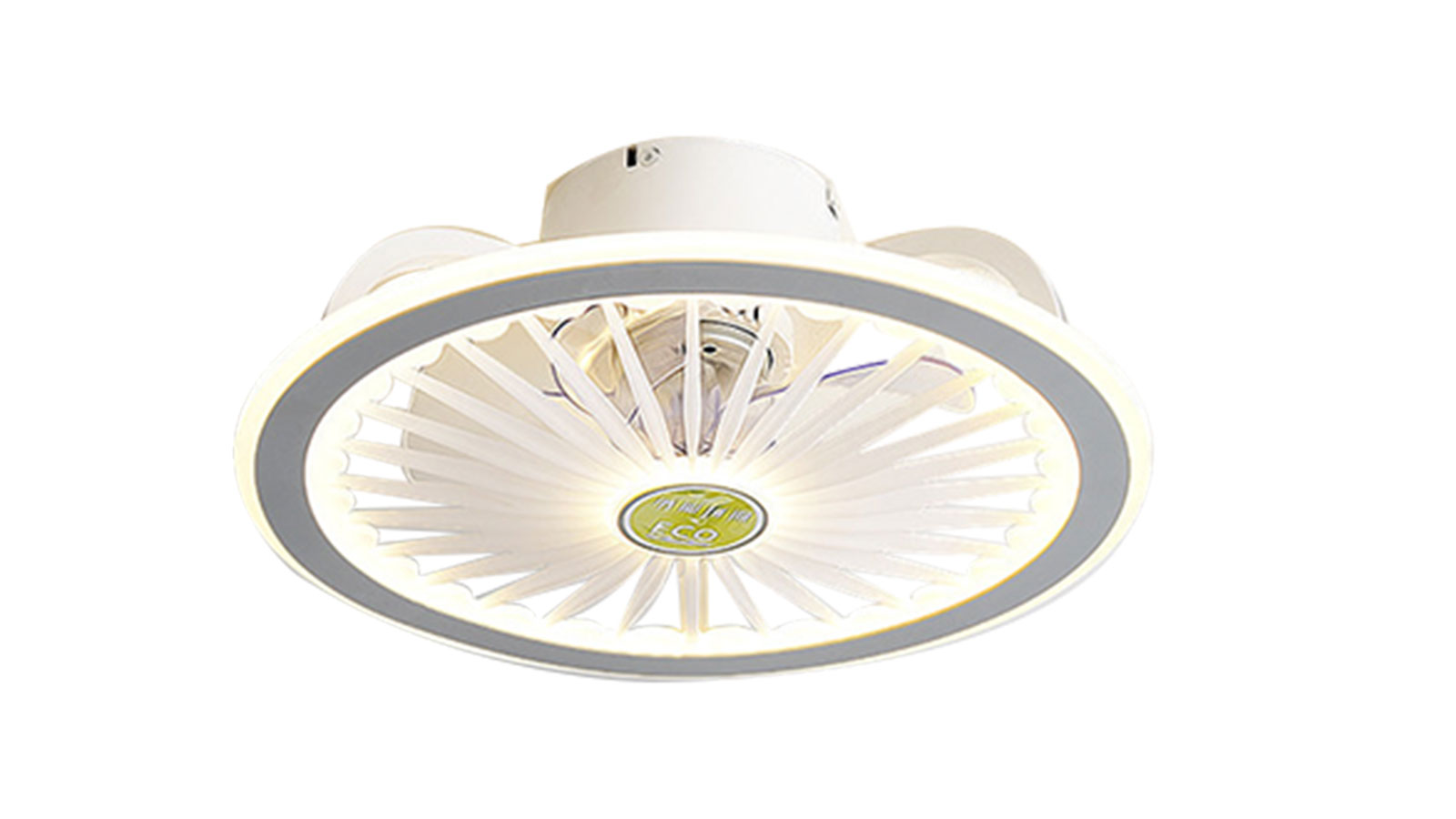
Ceiling fan with LED light
Company: Ningbo Eap Electronic Technology Co. Ltd
Ningbo Eap offers the EAP-CF002-A026, a ceiling fan light with a remote control. This 110/240VAC product, made of metal and plastic, has 3,000 to 6,500K color temperature, -20 to 60 C operating temperature and 30,000-hour life span. It comes with a two-year warranty and meets RoHS, EMC and LVD requirements.
MOQ: 100 units
Lead time: 35 to 45 days
Solar garden light
Company: Quanzhou Sunshine Import and Export Trade Group Co. Ltd
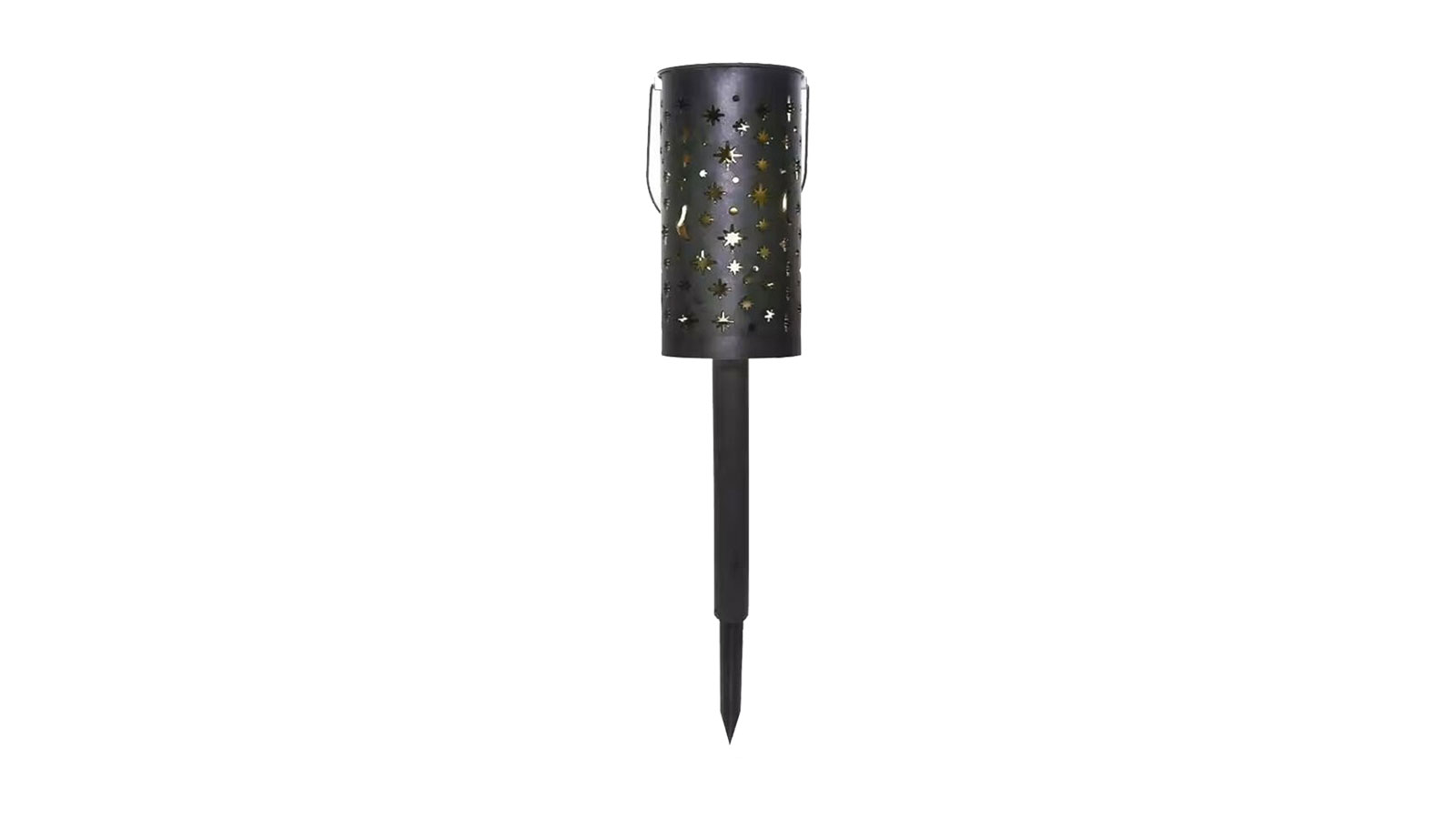
Quanzhou Sunshine markets this solar-powered garden light, with model number 97323. It has a built-in solar panel, a 300mAh battery, a stake for pushing into the ground and a handle for carrying and hanging. This unit is IP65-rated.
MOQ: 1,000 sets
Lead time: 5 to 7 days
1,360-lumen work light
Company: Shenzhen ATR Industry Co. Ltd
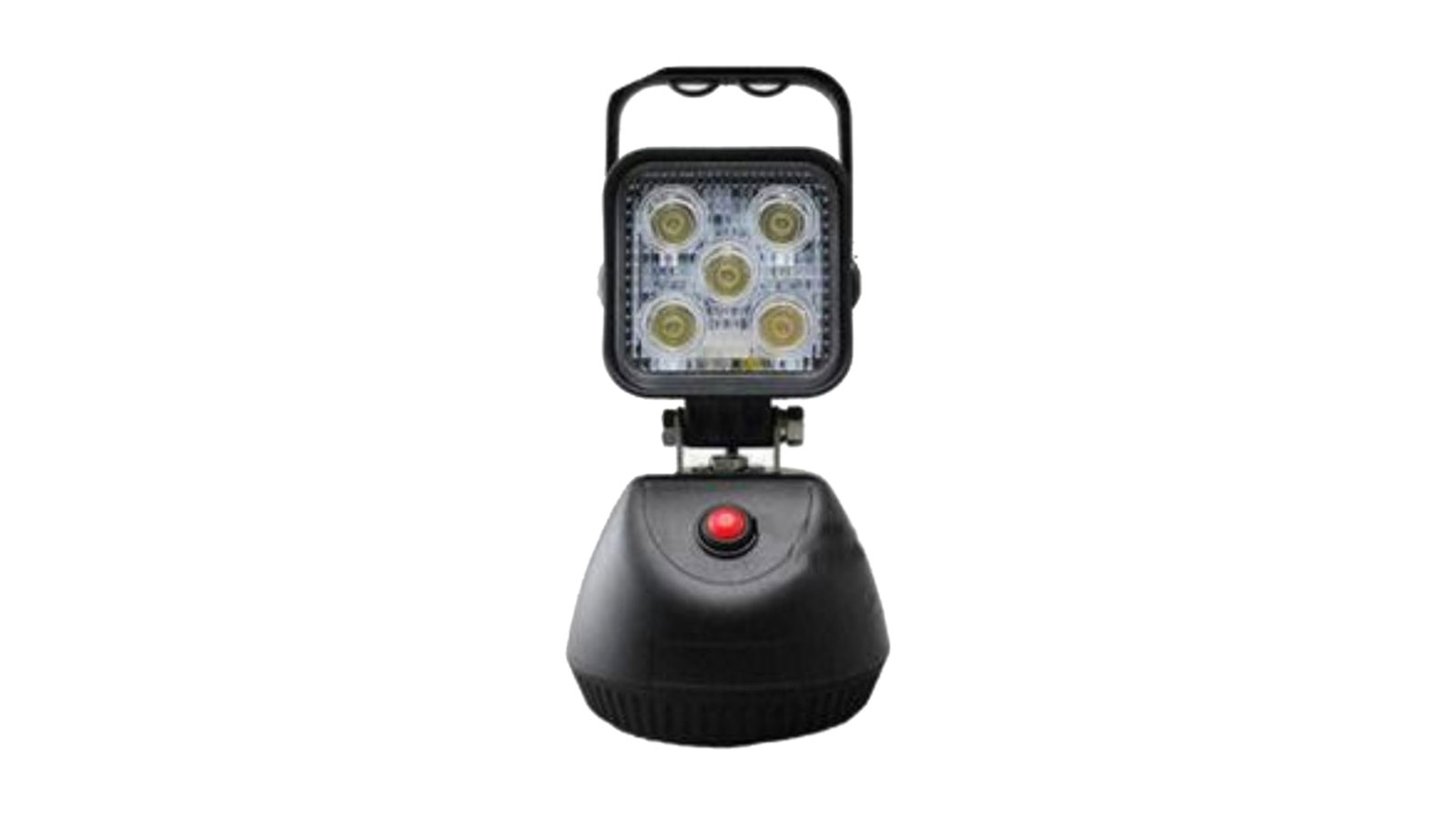
Shenzhen ATR’s ET4-001 is an LED work light with five 3W high-power LEDs, a rechargeable 32.6Wh lithium battery, a magnetic base for secure mounting and a handle for carrying and hanging. It has 1,360-lumen brightness, 3,000 to 6,500K color temperature and 30, 60 and 90-degree beam angles. This IP67-rated unit’s battery takes ≤5.5 hours to charge, has a discharge time of three to four hours at 100 percent brightness and can withstand 500 charge-discharge cycles. It includes an AC/DC adapter.
Lead time: 25 to 30 days

