




What’s redefining beauty standards across the globe? Look no further than South Korea. Renowned for groundbreaking innovations and meticulous skincare solutions, K-Beauty has transformed the global market. From pioneering products like BB creams to multi-step routines that consumers swear by, Korean beauty sets a new benchmark for excellence. For businesses looking to tap into this thriving market, the opportunities are not just promising – they’re game-changing. Let’s explore how K-Beauty is reshaping the industry.
Rise and reign of K-Beauty market
K-Beauty’s meteoric rise is no accident – it’s deeply tied to the global embrace of Korean culture, known as the "Hallyu" or "Korean Wave." From K-pop to K-dramas, the world’s fascination with all things Korean has driven an extraordinary demand for its beauty products, turning K-Beauty into a global phenomenon.
Not even recent global disruptions could slow its momentum. The industry adapted with incredible resilience, leveraging the power of digital platforms like TikTok to spark a resurgence. Viral trends showcasing the coveted "Korean glass skin" look have catapulted brands like Laneige, Innisfree, Beauty of Joseon and Cosrx into the spotlight, making them household names virtually overnight.
K-Beauty isn’t just thriving – it’s redefining beauty on a global scale. Expert Market Research reports that South Korea's cosmetics market was valued at approximately $17.45 billion in 2023. It is expected to post a CAGR of 5.4 percent between 2024 and 2032, reaching an estimated $28.02 billion by the end of the period.
South Korea’s beauty market is constantly evolving, driven by the country’s high beauty standards. According to Statista, when it comes to skin care, South Korea is one of the top 10 beauty markets globally. For South Koreans, skin care is seen as the foundation of a good appearance, which is why both women and men are actively participating in the beauty market. The men’s beauty market in South Korea has been rapidly growing, with more men investing in skincare and grooming products than ever before. Additionally, the global trend for anti-aging is just as popular in South Korea, with such skincare products among the highest producers in the market.
Eco-conscious shift
As outlined by Global Market Insights, K-Beauty is recognized for its inventive formulas and focus on natural ingredients and organic elements. These qualities make K-Beauty a go-to for people looking for skin care that’s both effective and gentle.
What’s more, as eco-consciousness grows, K-Beauty brands are also stepping up by embracing sustainable practices. A great example is Innisfree, which in January 2023 launched a new line of refillable skincare products. The sleek glass bottles with aluminum lids can be refilled in-store, offering an eco-friendly alternative to single-use packaging.
This commitment to sustainability is also reflected in Standard Insights’ recent survey results, where 41.8 percent of Koreans expressed a strong preference for natural and organic products, further highlighting the demand for eco-friendly and responsibly sourced beauty solutions.
The industry's commitment to sustainability is further underscored by the Korea Cosmetic Association's 2030 Cosmetics Plastic Initiative, which aims to eliminate nonrecyclable materials by the end of the decade. Apart from Innisfree, leading brands like Laneige and AMOREPACIFIC have already taken steps to address this, with the former using recycled packaging and the latter pledging to foster sustainable consumption and reduce plastic usage.
Digital dominance
The rise of online shopping and the growing influence of social media have significantly shaped the way consumers engage with K-Beauty. With platforms like Instagram, TikTok and YouTube fueling trends and providing instant access to the latest products, shoppers are more connected than ever to the world of K-Beauty. Online shopping platforms have further streamlined the process, offering a convenient way for shoppers to explore a wide range of K-Beauty brands, compare prices and make purchases with just a few clicks.
As reported by Standard Insights, e-commerce has become a dominant force in the Korean beauty market, with 49.7 percent of consumers opting for the convenience of online shopping.
Meanwhile, the digital landscape plays a crucial role in shaping beauty preferences, with 58.7 percent of respondents relying on online reviews and 33.9 percent on social media as trusted sources of information.
The survey also highlighted that many Korean consumers are open to exploring new brands. Around a third of the respondents or 33.8 percent expressed a willingness to try a new brand, with 16.9 percent saying they were very likely to do so and 26.5 percent indicating they were somewhat likely. This shows a clear interest in experimenting with different beauty products in the market.
Clean and sustainable beauty
As consumers become more eco-conscious, there's a shift toward clean, sustainable beauty. K-Beauty is leading the way with eco-friendly packaging, refillable containers and skin-loving formulas made with upcycled ingredients. Waterless beauty, biodegradable materials and ethical sourcing are becoming industry standards. This shift presents a great opportunity for businesses to offer products that align with growing consumer demand for sustainability without compromising on quality or performance.
Personalized skin care
Customization is transforming skin care, and K-Beauty is at the forefront of this movement. AI-powered tools, DNA-based skin care and adaptive formulas are making it easier than ever for consumers to build routines tailored to their unique needs. Whether it's a serum that adjusts to humidity levels or a cleanser formulated for specific skin concerns, personalization enhances the skincare experience.
Skinimalism
Consumers are simplifying their routines without sacrificing results, leading to the rise of skinimalism – fewer products, but smarter formulations. Multipurpose skin care, such as hybrid serums, SPF-infused moisturizers and nourishing tints, is gaining popularity. This approach not only saves time and money but also reduces waste.
Advanced anti-aging solutions
Anti-aging skin care is evolving beyond traditional retinols and collagen creams. The latest innovations incorporate bio-retinol, peptides and plant-based alternatives that deliver visible results without irritation. Cutting-edge formulations using growth factors, stem cell technology and barrier-strengthening ingredients are redefining how consumers approach skin longevity.
Probiotics and skin microbiome care
The link between skin health and the microbiome is becoming a key focus in skin care. Formulations enriched with probiotics, prebiotics and fermented ingredients help balance the skin barrier, reduce irritation and enhance hydration. This science-backed approach is resonating with consumers looking for gentle yet effective skin care. Businesses that offer microbiome-friendly products can meet the demand for solutions that promote overall skin health.
Vegan skin care
Plant-based skin care is on the rise as more consumers seek ethical, cruelty-free and high-performance beauty solutions. Vegan formulations use botanical extracts, natural antioxidants and plant-derived actives to deliver results without relying on animal-based ingredients. The demand for vegan beauty is growing worldwide, creating opportunities for businesses to expand their offerings and appeal to environmentally and ethically conscious shoppers.
Inclusive beauty
Whether it’s solutions for sensitive skin, hyperpigmentation treatments or barrier-repairing creams, inclusivity is shaping the future of beauty. K-Beauty is embracing inclusivity by expanding shade ranges, addressing a wider variety of skin concerns and formulating products for all skin types.
High-tech beauty devices
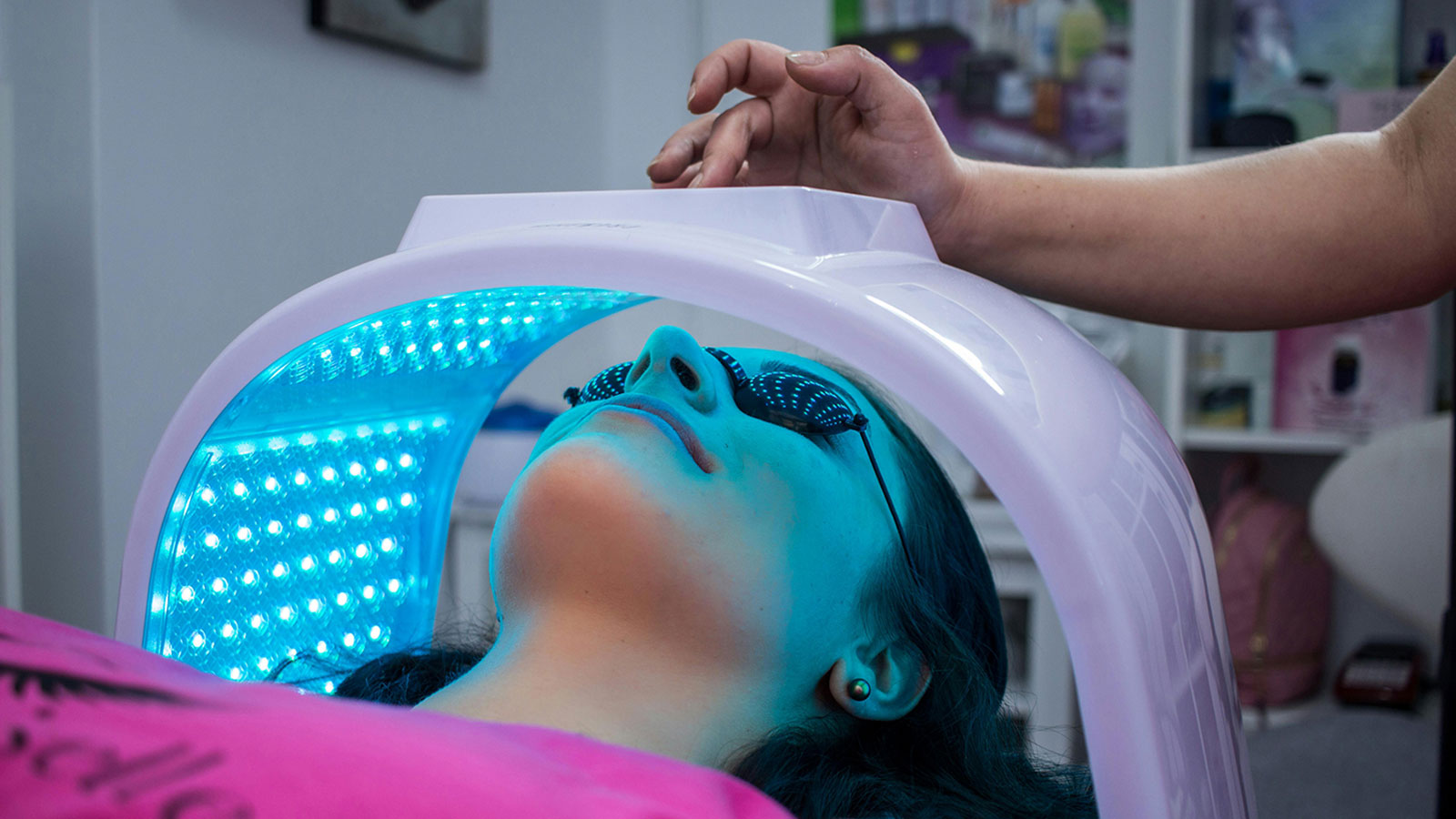
Skin care and technology are merging to create a new wave of at-home beauty solutions. LED therapy masks, ultrasonic cleansing devices and AI-powered skin analyzers are making professional-grade treatments more accessible. These innovations provide a personalized skincare experience and enhance results without the need for in-office treatments.
Derma-cosmetics
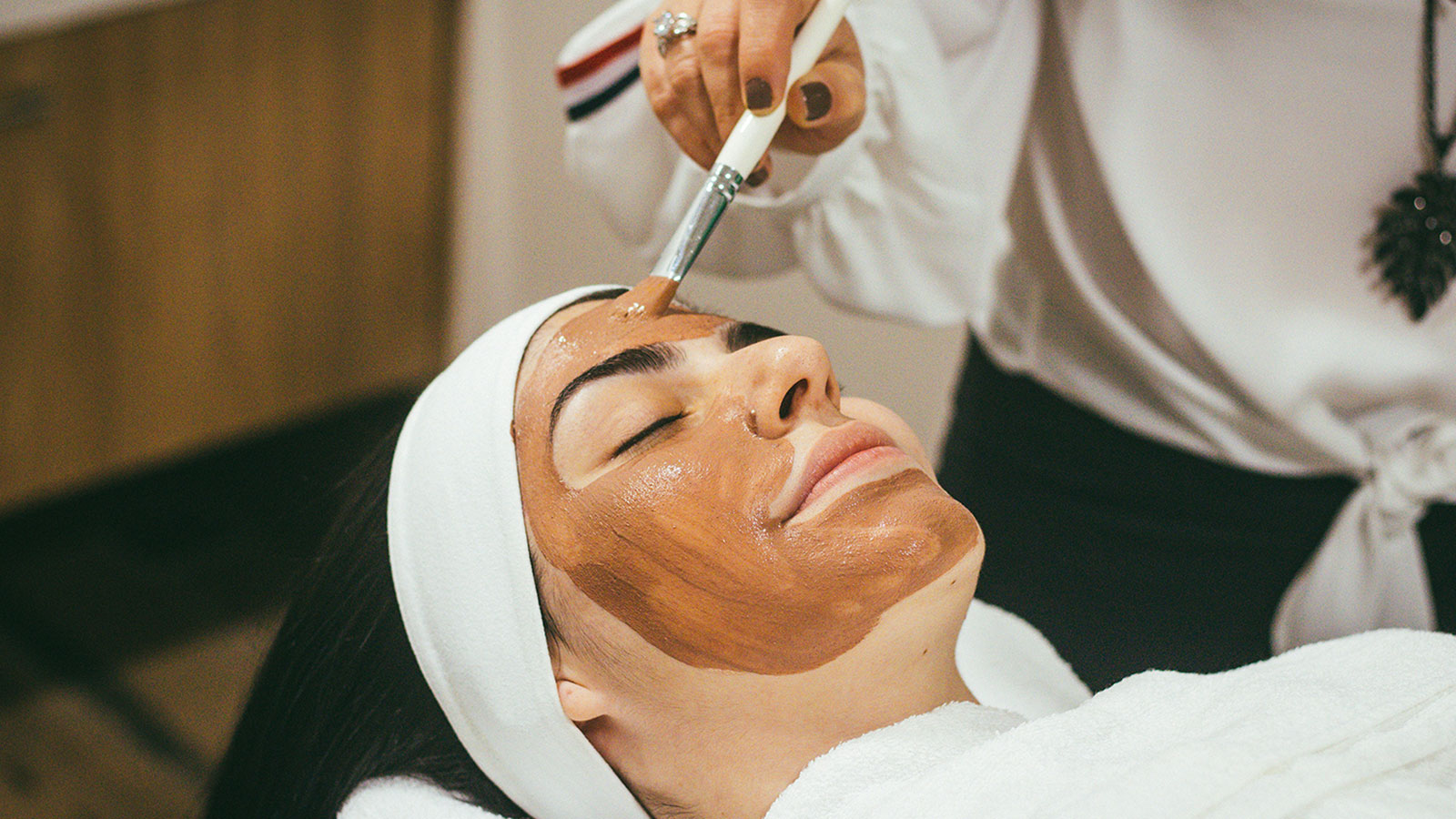
Blurring the lines between dermatology and skin care, derma-cosmetics offers science-backed solutions for sensitive, acne-prone and aging skin. Products infused with clinically proven ingredients such as niacinamide, Centella asiatica and ceramides provide targeted treatments for common skin concerns.
K-Beauty future
The K-beauty landscape is changing, but one thing remains constant: the drive to deliver innovative, effective and sustainable beauty solutions. These trends reflect the growing desire for products that cater to individual needs, promote self-care and align with conscious values. What’s most exciting is that K-Beauty continues to set the standard for global beauty trends, pushing the boundaries of what’s possible and staying ahead of the curve. Whether it’s the integration of AI to personalize routines or the focus on sustainable packaging, Korean beauty brands are not just creating products – they’re creating experiences that align with the values and needs of today’s conscious consumer.
Looking ahead, buyers and other sourcing professionals will play a crucial role in shaping the future of K-Beauty by identifying and investing in innovative products that align with the latest trends. With increasing demand for clean, sustainable, and personalized beauty solutions, there’s a significant opportunity for sourcing professionals to connect with forward-thinking brands that are meeting these consumer needs.

