




Retrieving or extracting a vehicle that has become immobilized is an essential service, crucial for maintaining the safety and efficiency of roadways, as well as ensuring the well-being of drivers and passengers. The complexity of such operations can vary significantly, from simple roadside assistance to complicated extractions in challenging terrains.
In recent years, the field has seen significant advancements in technology and equipment, with innovations improving the speed, safety and effectiveness of recovery operations and benefiting both vehicle owners and recovery service providers.
Situations requiring vehicle recovery
Vehicle recovery may be necessary in a multitude of scenarios, each with challenges requiring specific approaches.
Accidents: When vehicles are involved in crashes or collisions, they may be rendered inoperable or unsafe to drive and must be carefully extracted and transported to prevent further damage or safety hazards.
Mechanical failures: Breakdowns due to engine problems, transmission issues or other mechanical failures necessitate recovery services, especially when repairs cannot be made on-site.
Weather-related incidents: Severe weather conditions such as heavy snow, ice or flooding can leave vehicles stranded or stuck, requiring specialized recovery techniques.
Off-road mishaps: Vehicles venturing off-road may become stuck in mud, sand or other terrains, necessitating recovery services with special equipment.
These situations highlight the diverse nature of vehicle recovery operations and underscore the importance of having access to a wide range of equipment and expertise.
Aspects of vehicle recovery
Vehicle recovery encompasses several key aspects that recovery professionals must consider when approaching each situation:
Safety: The welfare of the recovery team, the vehicle occupants and other road users is paramount in any recovery operation. Proper safety protocols, equipment and training are essential to minimize risks during the recovery process.
Environmental considerations: Recovery operations must be conducted with minimal impact on the surrounding environment. This is particularly important in sensitive areas such as protected natural habitats or areas prone to erosion.
Legal and regulatory compliance: Vehicle recovery operations must adhere to local and national regulations governing road safety, vehicle transportation and environmental protection. Recovery professionals must ensure compliance.
Efficiency and timeliness: Quick response times and efficient recovery operations are crucial to minimizing traffic disruptions and ensuring the safety of all involved parties. This requires well-maintained equipment, skilled personnel and effective coordination.
Damage prevention: Recovery techniques and equipment must be carefully chosen and implemented to prevent additional damage to the vehicle being retrieved.
Types of equipment
Vehicle recovery operations rely on an array of equipment, selecting which is based on the vehicle size, the nature of the recovery situation and the surrounding environment.
Winches: These powerful devices pull vehicles out and range from small electric winches for light-duty applications to large hydraulic types for heavy-duty recoveries.
Recovery straps and ropes: These flexible, high-strength tools connect recovery vehicles to the stranded vehicle, providing a safe and efficient means of transferring pulling force.
Shackles and hooks: These components, in various sizes and strengths to accommodate different scenarios, are crucial for securely connecting recovery equipment to vehicles.
Recovery traction boards: Also called recovery tracks, these portable, lightweight boards provide traction for wheels in slippery or soft conditions, aiding in self-recovery or assisted recovery situations.
Tow trucks and flatbed carriers: These specialized vehicles are the workhorses of the recovery industry, capable of safely transporting recovered vehicles over long distances.
Equipment used in urban areas
Urban recovery equipment is designed to be efficient, maneuverable and capable of operating in confined spaces while minimizing disruption to surrounding traffic and infrastructure such as buildings and utility lines.
Wheel lift tow trucks: These can quickly and safely lift the drive wheels of a vehicle, making them ideal for navigating tight urban spaces such as parking structures or narrow streets.
Flatbed tow trucks: These provide a flat, level surface for transporting vehicles, which is particularly useful for recovering damaged vehicles or luxury cars that require extra care.
Hydraulic rotators: Equipped with a rotating boom, they allow precise vehicle positioning in confined urban spaces.
Air cushions: These inflatable devices can be used to lift vehicles in situations where traditional lifting methods are impractical or dangerous, such as in underground parking structures with low clearance.
Portable winches: Compact and versatile, these tools can be used in tight spaces where larger recovery vehicles cannot access.
Vehicle recovery in rural areas
Rural and off-road vehicle recovery operations often involve challenging terrains and remote locations, requiring specialized equipment:
Off-road recovery vehicles: Equipped with four-wheel drive, high ground clearance and specialized recovery equipment, these rugged vehicles can access remote or difficult terrains.
Heavy-duty winches: Capable of generating significant pulling force, these tools are essential for retrieving large vehicles or those stuck in particularly challenging situations.
Snatch blocks: These pulley devices are used to change the direction of winching forces and increase pulling power, which is particularly useful in complex scenarios.
Recovery anchors: In areas without suitable natural anchors, portable anchors can be used to provide a secure point for winching operations.
Chainsaw and cutting equipment: In remote areas, recovery teams may need to clear fallen trees or other obstacles to access the stranded vehicle.
| Equipment type | Urban use | Rural use |
| Tow trucks | Compact wheel lift and flatbed | Large, off-road capable |
| Winches | Smaller, usually electric | Heavy-duty hydraulic |
| Recovery straps | Standard-duty | Heavy-duty, longer |
| Lifting equipment | Hydraulic lifts, air cushions | Hi-lift jacks, bottle jacks |
| Auxiliary equipment | Traffic cones, warning lights | Chainsaws, portable generators |
| Navigation tools | GPS, street maps | Topographic maps, satellite phones |
| Traction aids | Sand, kitty litter | Recovery boards, chains |
| Vehicle protection | Wheel skates, dolly systems | Tree trunk protectors, snatch blocks |
Recovery kits for vehicle owners
Vehicle owners can benefit from having their own recovery kits, which can be crucial in emergency situations or for self-recovery in minor incidents. These kits generally fall into two categories:
Bare minimum: For everyday drivers, these kits are essential for basic recovery situations and roadside emergencies. They contain items such as tow strap or rope, gloves, flashlight and extra batteries, basic first-aid kit, emergency blanket, multi- or basic tool kit, jumper cables and warning triangle or flares. Such a kit easily stores in the vehicle without taking up much space.
Full size: These comprehensive kits provide a wider range of recovery options but require more storage space and investment. They are particularly valuable for off-road enthusiasts, adventure travelers or those frequently driving in challenging conditions.
Full-size recovery kits include a heavy-duty recovery strap or kinetic rope, snatch block, tree trunk protector, D-ring shackles, recovery boards or traction mats, shovel, hi-lift jack, tire repair kit and portable air compressor, winch accessory kit (if the vehicle is equipped with a winch), heavy-duty gloves, comprehensive first-aid kit and an emergency communication device like a satellite phone or a personal locator beacon.
Professional-grade equipment
Professional recovery service companies utilize a wide array of specialized equipment to handle diverse recovery scenarios efficiently and safely. These machines are built to withstand frequent use, handle extreme loads and operate in challenging conditions.
Heavy-duty recovery vehicles include rotator trucks and all-in-one vehicles with towing, lifting and recovery capabilities as well as slideback carriers or those with tilting beds and powerful winching systems for recovering larger vehicles.
For other scenarios, there are specialized recovery tools such as hydraulic spreaders and cutters, underwater recovery equipment and remote-controlled recovery robots. The last type can access tight or dangerous spaces, providing visual information and sometimes assisting in recovery operations.
Importing vehicle recovery equipment from China
Many businesses in the vehicle recovery industry consider sourcing equipment from China due to potential cost savings and a wide range of available products. However, this approach comes with both benefits and challenges:
Benefits
- Cost-effectiveness: Chinese manufacturers often offer competitive prices, allowing businesses to reduce equipment costs.
- Product variety: China's large manufacturing sector provides a wide range of equipment options, from basic tools to specialized machinery.
- Customization options: Many manufacturers accommodate customization, allowing businesses to tailor equipment to their market’s specific needs.
- Potential for white-labeling: Some makers offer white-labeling services, enabling businesses to create their own branded equipment.
Risks and challenges
- Quality control: Ensuring consistent product quality can be challenging when dealing with overseas manufacturers.
- Communication barriers: Language differences and time zone disparities can complicate communication and order processes.
- Regulatory compliance: Imported equipment must meet local safety and quality standards, which may require additional testing or certification.
- Intellectual property concerns: There is a risk of design or technology infringement when sharing product specifications with overseas manufacturers.
- Shipping and logistics: Long shipping times and potential customs delays can impact inventory management and order fulfillment.
Tips for successful sourcing
- Thorough research: Invest time in researching potential suppliers, their reputation and product quality.
- Request samples: Always request and test product samples before placing large orders.
- Clear specifications: Provide detailed product specifications and quality requirements to avoid misunderstandings.
- Establish strong communication: Work with suppliers who have English-speaking representatives and use clear, written communication for all orders and agreements.
- Quality assurance measures: Implement a quality control process, potentially including third-party inspections, to ensure products meet required standards.
- Understand regulations: Familiarize yourself with import regulations and ensure all equipment meets necessary safety and quality standards.
- Start small: Begin with smaller orders to test the reliability of the supplier and product quality before committing to larger purchases.
Consider a local partner: Working with a reputable sourcing agent or partner in China can help navigate cultural and business differences.
By carefully considering these factors and implementing appropriate strategies, businesses can potentially benefit from sourcing vehicle recovery equipment from China while mitigating associated risks.
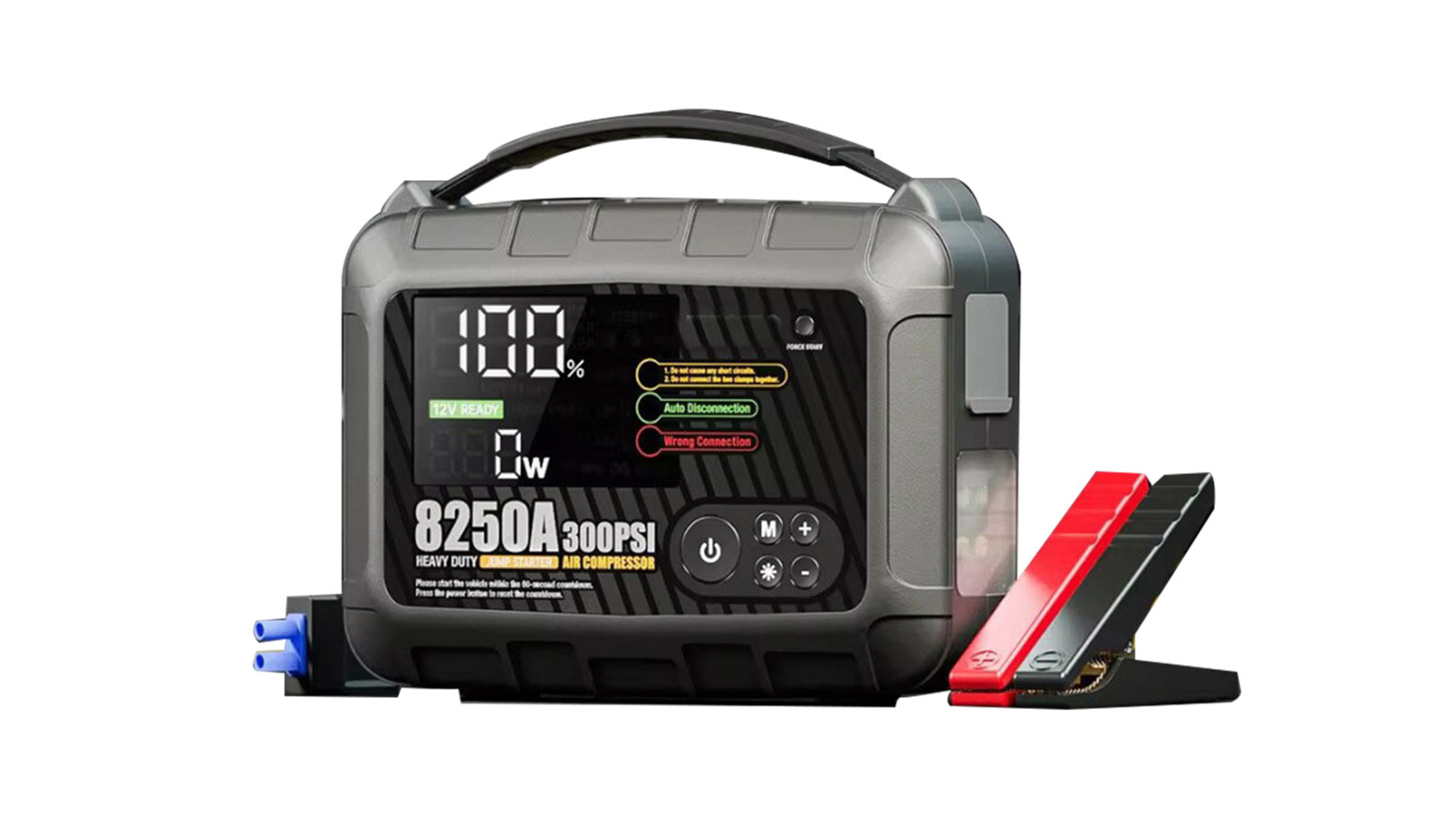
Jump starter, air compressor in one
Company: China Flame Group Ltd
China Flame’s 12V portable jump-starter and air compressor in one device, the PB-CS02-8250A-9, has 8,250A peak current and 300psi. It is compatible with 14L gasoline- or diesel-powered vehicles and can inflate large tires at 45L/min. This 240x173x85mm tool has a 32,000mAh battery, supports 65W fast charging and can charge up to four devices simultaneously with 230W maximum output via USB-C and Type-A ports. It includes a storage case.
MOQ: 1,000 units
Lead time: 10 to 15 days
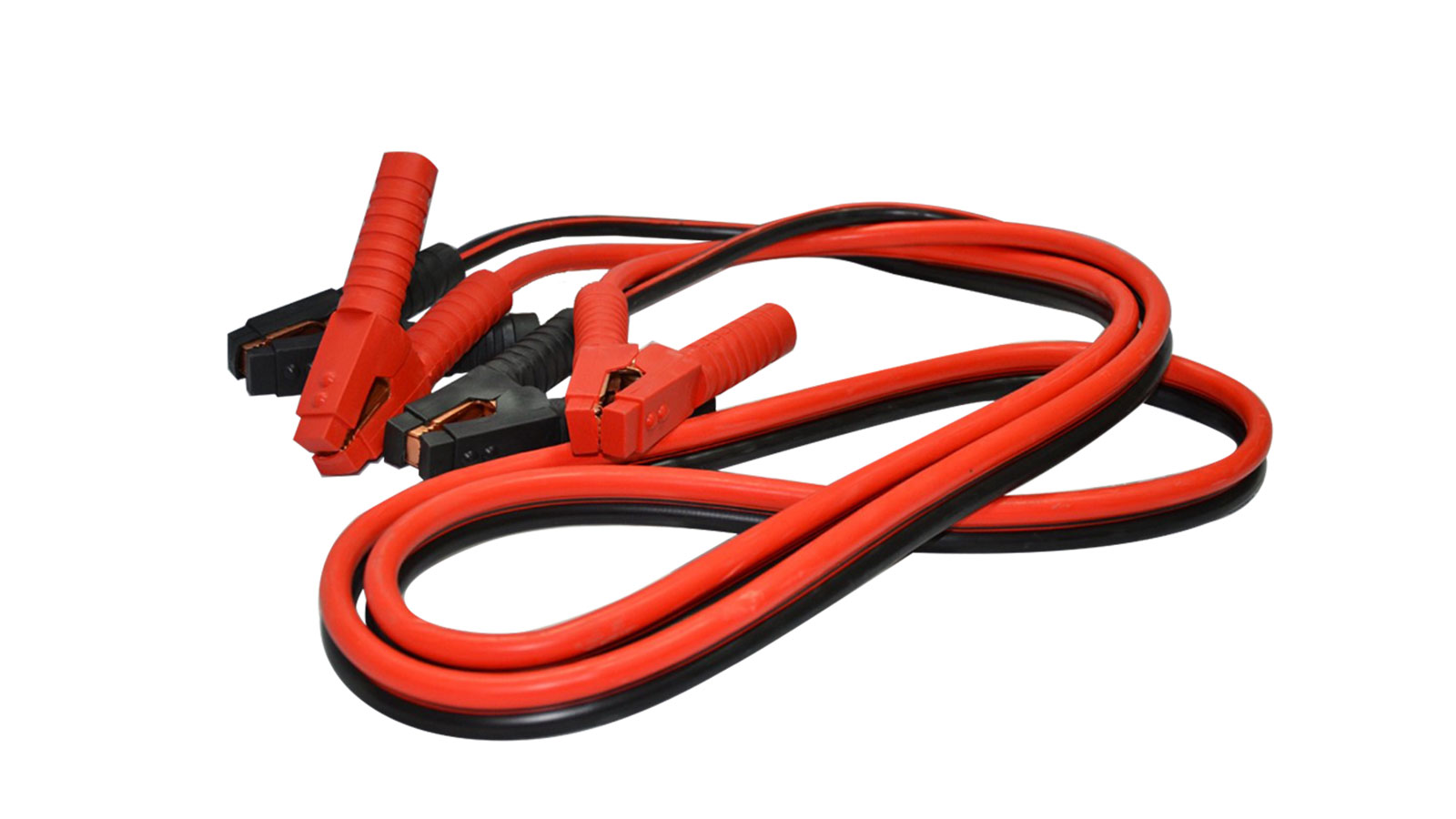
Industry-standard booster cable
Company: Dongguan Shilong Lianfa Hardware & Electric Co. Ltd
The LF6008-LF602862-7261 from Dongguan Shilong Lianfa is a booster cable with surge protection to ensure vehicle electronics are safe when jump-starting the engine of a car, motorcycle or truck. This product has a hard case. It meets CE, RoHS, FCC, UL, EMC, GS, CB, LVD, e/E-mark and ETL standards.
MOQ: 1,200 sets
Lead time: 10 to 30 days
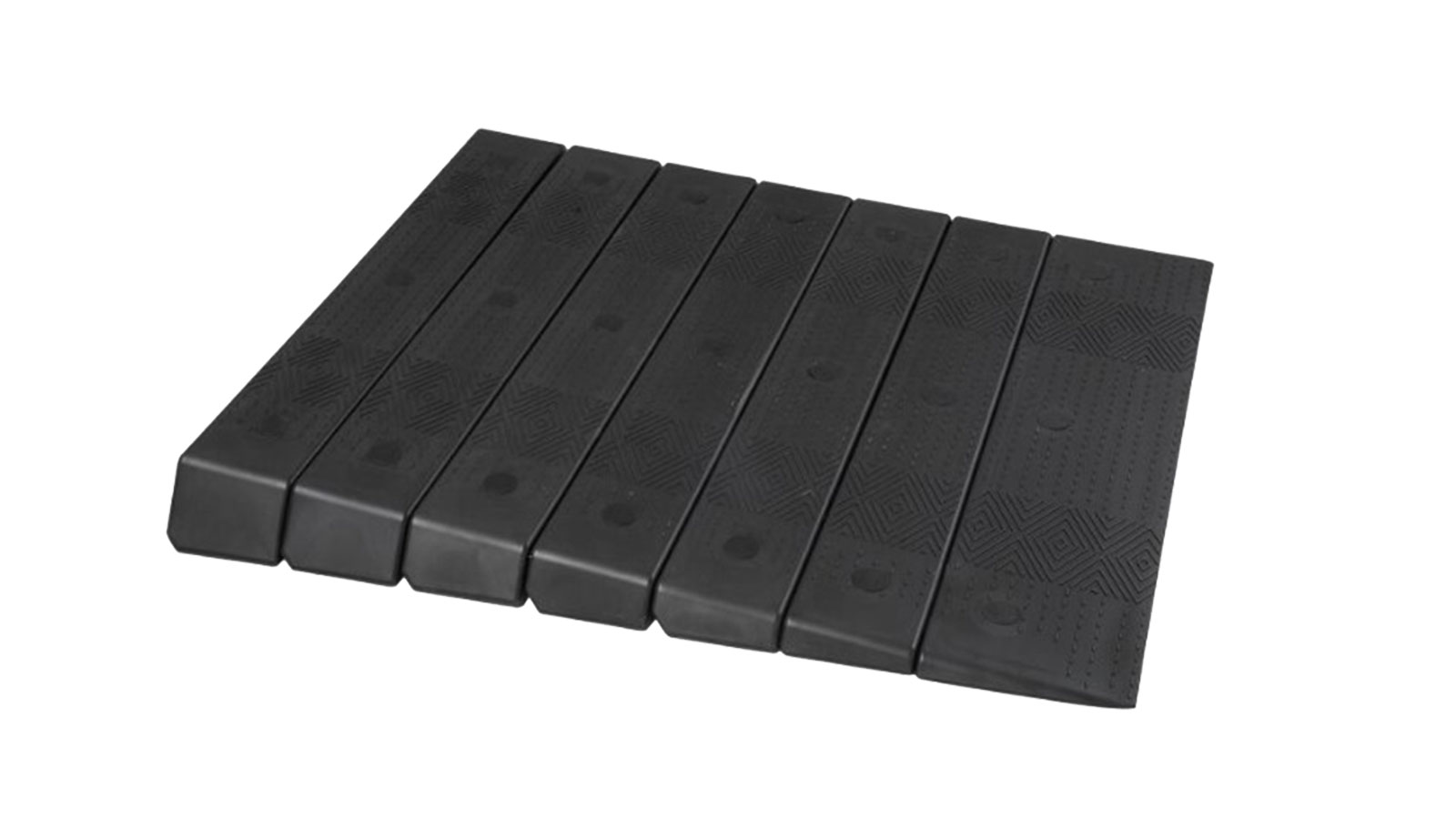
Height-adjustable ramp
Company: Lichtmega Technology Co. Ltd
Lichtmega ’s RP10-20240805-001 is a removable ramp made of HDPE and UV-resistant material. It is subjected to 15,000 cycles of fatigue testing at 500kg load. This height-adjustable product, suitable for scooters, measures 44.5 inches in length, 42.5 inches in width and 3.94 inches in height.
MOQ: 10 pieces
Lead time: 15 to 30 days
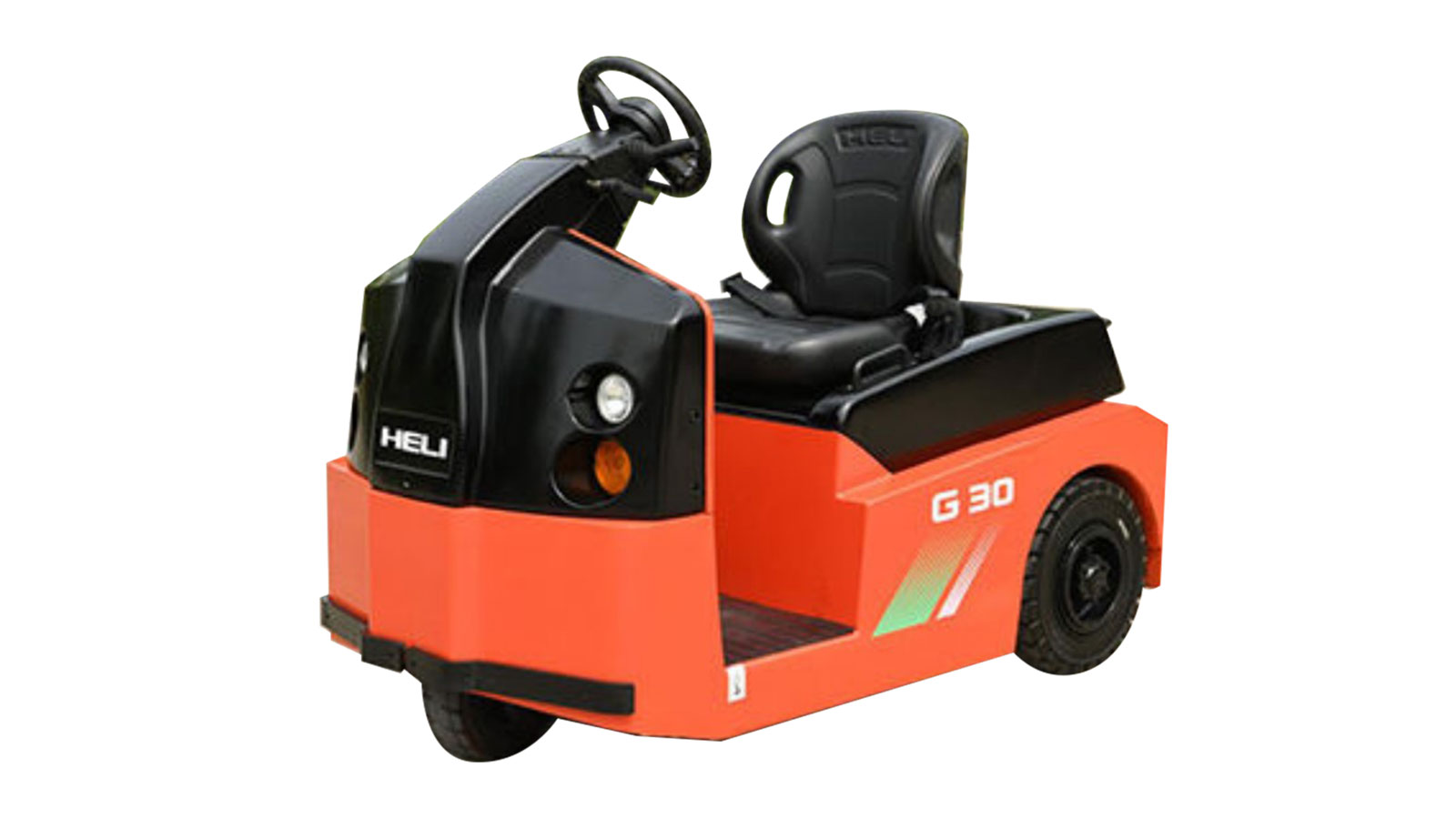
Electric tow tractor
Company: Oriemac Machinery & Equipment (Shanghai) Co. Ltd
The QYD20S-E1 is an electric tow tractor from Oriemac. It can be used as an alternative to traditional tow trucks, especially in navigating tight spaces. This sit-down type has a load capacity of 2,000kg and runs on a 24V, 280Ah battery.
MOQ: 1 unit
Lead time: 20 to 35 days
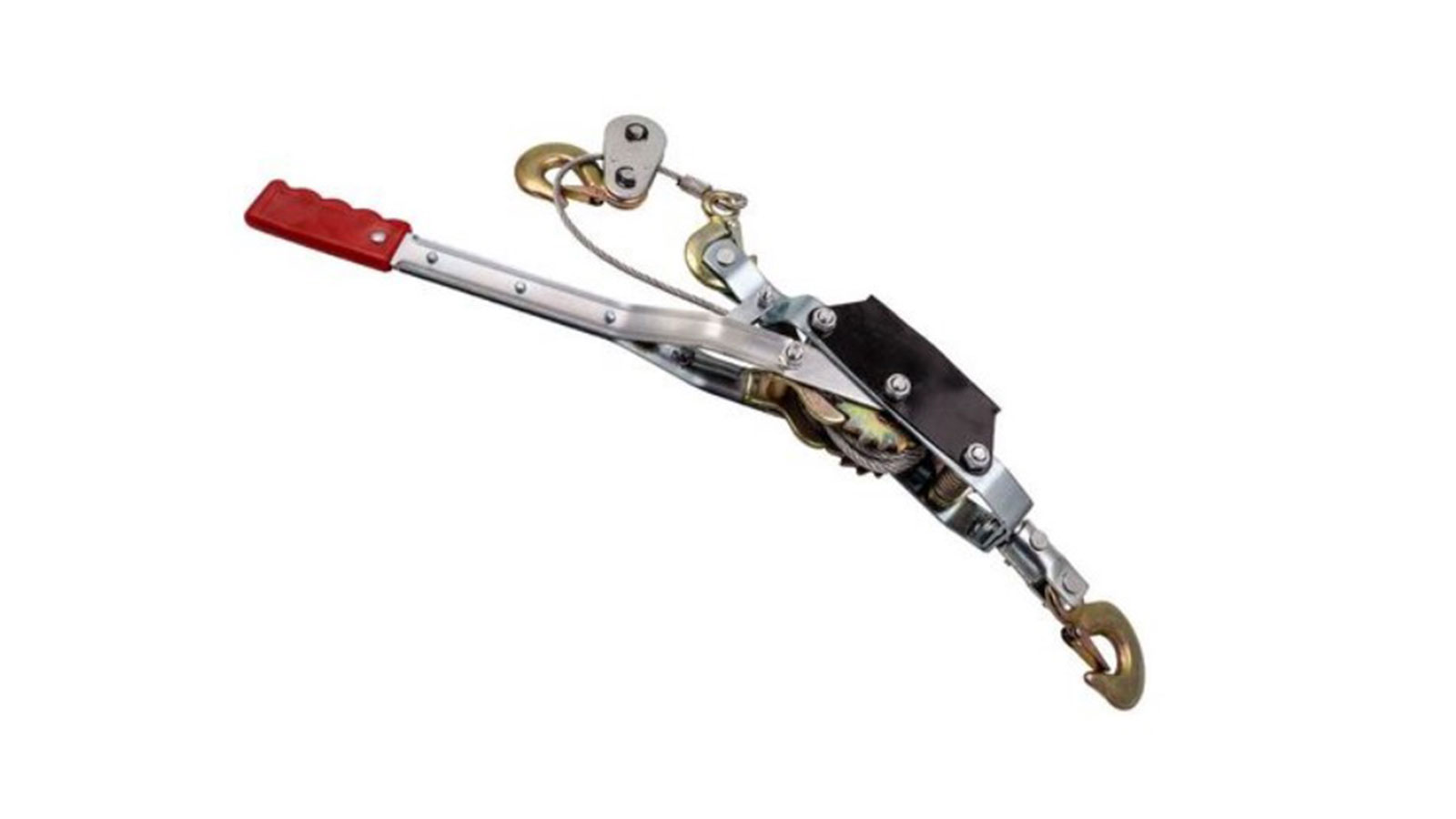
Hand puller
Company: Qingdao Huahan Machinery Co. Ltd
Qingdao Huahan’s model hp01-1-1218 is a hand puller with gear and hooks. It is made of zinc-plated aluminum alloy and uses a steel wire rope measuring 4.2mmx1.8m to 6mmx3m. This tool has a capacity of up to four tons.
MOQ: 300 pieces
Lead time: 25 to 30 days
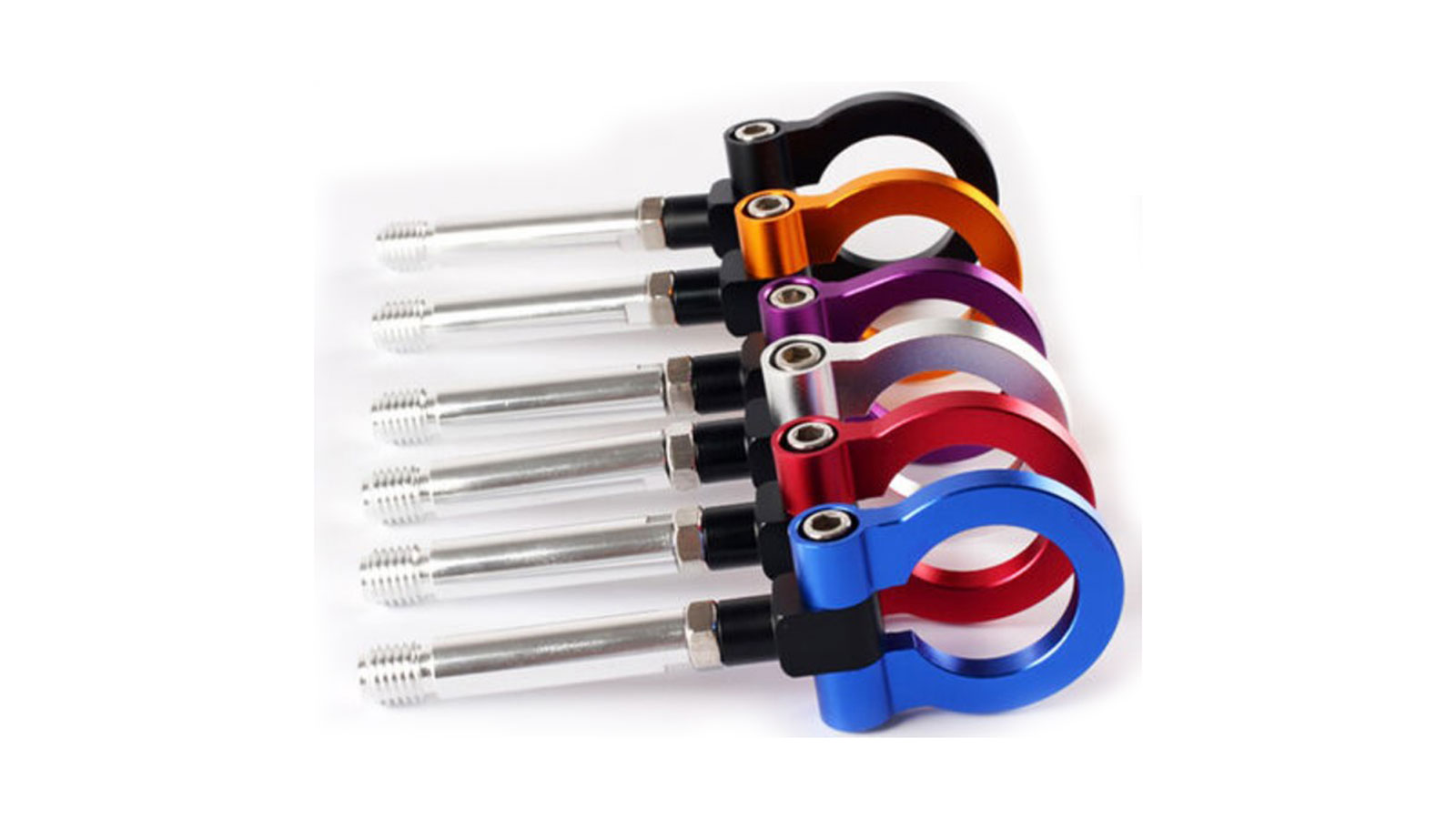
Wrench
Company: Shanghai Anma Industry Co. Ltd
This wrench from Shanghai Anma, the 812021-lx, is a towing tool that provides grip and mechanical advantage in applying torque to turn fasteners such as nuts and bolts or keep them from turning.
MOQ: 500 pieces
Lead time: 25 to 30 days

