




The kidult market enters 2026 not as an emerging curiosity, but as a firmly established core driver of global toy and collectible growth. Adults now routinely account for a significant share of new product launches, licensing deals, and retail floor space, pushing brands to prioritize 25–45-year-old consumers alongside, and often ahead of, traditional children’s segments. What began as a nostalgia-driven spike has matured into a durable purchasing pattern, with kidult spending proving resilient even amid shifting economic conditions and evolving consumer priorities.
In 2026, the same forces that shaped the market in 2025—nostalgia, stress relief, premium quality expectations, and social media–driven community building—are being amplified and refined. Collectors are demanding higher authenticity in licensed products, more sophisticated storytelling around limited editions, and clearer value propositions that balance emotional appeal with perceived investment potential. At the same time, sustainability and ethical manufacturing are moving from “nice-to-have” differentiators to baseline expectations, particularly for millennial and Gen Z kidults who scrutinize brand values as closely as product features.
For B2B buyers, this evolution translates into both opportunity and pressure. The bar for quality, packaging, and brand alignment continues to rise, while regional nuances and regulatory requirements grow more complex as kidult products expand into new markets and channels. Strategic sourcing, careful portfolio curation, and differentiated pricing and positioning are now essential to stand out in an increasingly crowded premium space.
The sections that follow—originally focused on understanding the kidult market in 2025—remain directly relevant in 2026, providing a solid foundation on market size, consumer psychology, product categories, sourcing considerations, and regional dynamics. By applying these insights through a 2026 lens—emphasizing sustainability, digital integration, and elevated collector expectations—B2B stakeholders can more effectively identify winning categories, structure profitable partnerships, and capture long-term value in this rapidly maturing segment.
Table of Contents
Understanding the Kidult Market in 2025
Top Kidult Product Categories for 2025
Market Trends Driving Kidult Purchases
Sourcing and Manufacturing Considerations
Pricing Strategies and Market Positioning
Future Outlook and Investment Opportunities
The global toy industry is experiencing an unprecedented transformation as adults become the driving force behind market growth. The kidult phenomenon—adults purchasing toys, games, and collectibles for themselves—now represents 30% of annual toy and game sales, fundamentally reshaping how manufacturers, retailers, and distributors approach product development and marketing strategies.
This comprehensive guide explores the lucrative kidult market, providing B2B buyers with actionable insights for sourcing, pricing, and positioning adult-oriented toy products. From understanding consumer psychology to navigating international supply chains, we examine the key factors driving this $20.3 billion projected market and how businesses can capitalize on this fastest-growing retail segment.
Understanding the Kidult Market in 2025

The kidult market has emerged as a dominant force in the toy industry, fundamentally altering traditional business models and consumer expectations. This demographic shift represents one of the most significant opportunities for B2B buyers seeking to diversify their product portfolios and tap into premium market segments with higher profit margins and year-round purchasing patterns.
Market Size and Growth Projections
The global kidult market demonstrates remarkable growth trajectory, with the toy collectibles segment alone valued at $12.5 billion in 2023 and projected to reach $20.3 billion by 2032, representing a compound annual growth rate of 5.7%. This growth significantly outpaces traditional children's toy segments, which have experienced relatively flat growth over the same period.
The adult toy purchasing demographic now accounts for 30% of total toy industry sales according to Circana data, with this percentage continuing to expand as millennials and Generation X consumers maintain disposable income levels and nostalgic connections to childhood brands. Industry analysts project that kidult purchasing will drive approximately 18% year-over-year growth in adult toy purchases through 2025, making it the fastest-growing segment across all retail categories tracked by major market research firms.
Demographic Breakdown and Target Audience
The primary kidult demographic consists of adults aged 25-45 with established careers and disposable income levels that support discretionary spending on nostalgic and collectible items. This group includes millennials who grew up during the golden age of action figures, video games, and animated franchises, creating deep emotional connections to specific brands and intellectual properties. Their purchasing power, combined with nostalgia-driven motivations, creates a reliable customer base for premium toy products.
Secondary markets include younger adults aged 18-24, particularly college students and early-career professionals who use toy purchases as stress relief and social connection tools. Additionally, adults over 45 represent an emerging segment, particularly those with grandchildren who serve as purchasing catalysts while also fulfilling personal collecting interests.
Purchasing Motivations and Consumer Psychology
Adult toy purchases are driven by complex psychological factors that differ significantly from traditional children's toy buying patterns. Nostalgia represents the primary motivational factor, with adults seeking to recapture positive childhood memories and emotional connections to specific brands, characters, or franchises. This emotional purchasing behavior creates opportunities for premium pricing and brand loyalty that extends across multiple product categories.
Stress relief and mental health benefits constitute another significant purchasing driver, with adults using collecting, building, and displaying activities as therapeutic outlets for managing work-life balance and anxiety. The mindfulness aspects of organizing collections, the satisfaction of completing sets, and the social connections formed through collecting communities provide measurable psychological benefits that justify continued purchasing behavior.
Economic Impact on Toy Industry
The economic impact of kidult purchasing extends far beyond simple revenue increases, fundamentally restructuring toy industry business models and supply chain strategies. Traditional seasonal purchasing patterns have shifted toward year-round demand, with adult consumers making purchases based on personal milestones, stress relief needs, and collecting opportunities rather than holiday gift-giving cycles. This shift provides manufacturers and retailers with more predictable revenue streams and improved inventory management capabilities.
Premium pricing acceptance among adult consumers has elevated average selling prices across multiple product categories, with kidult-focused items commanding 40-60% higher margins than traditional children's toys. The willingness of adult consumers to invest in limited editions, exclusive variants, and high-quality materials has created new product development opportunities and partnership possibilities with luxury brands and entertainment franchises.
Top Kidult Product Categories for 2025
The kidult market encompasses diverse product categories, each with unique characteristics, sourcing requirements, and profit potential. Understanding these categories enables B2B buyers to make informed inventory decisions and develop targeted sourcing strategies that align with consumer demand patterns and seasonal trends.
Action Figures and Collectibles

Premium adult-oriented action figures represent one of the highest-value segments within the kidult market, with sophisticated collectors willing to pay substantial premiums for detailed craftsmanship, authentic materials, and limited production runs. These products typically feature enhanced articulation, premium packaging, and adult-focused design aesthetics that differentiate them from traditional children's toys.
Limited edition releases and exclusive variants drive significant demand, with pre-order campaigns often selling out within hours of announcement. Licensed characters from popular franchises command the highest prices, particularly those tied to nostalgic properties from the 1980s and 1990s that resonate with core kidult demographics. Manufacturers increasingly focus on screen-accurate details, premium materials like die-cast metal components, and sophisticated packaging that doubles as display cases.
Retro Gaming and Tech Toys

Vintage console reproductions and handheld gaming devices tap into powerful nostalgia for classic gaming experiences, with adult consumers seeking authentic gameplay combined with modern convenience features. Arcade cabinet miniatures and classic game compilations provide space-efficient alternatives to full-size arcade machines while maintaining the authentic gaming experience that drives purchasing decisions.
Tech-enhanced traditional toys incorporate modern connectivity features, app integration, and digital experiences that appeal to tech-savvy adult consumers who appreciate innovation combined with nostalgic design elements. This category benefits from rapid product development cycles and opportunities for software updates that extend product lifecycles and create recurring revenue opportunities through downloadable content and premium features.
Premium Plush and Comfort Items

High-quality materials and sophisticated design aesthetics distinguish adult-oriented plush products from traditional children's toys, with manufacturers using premium fabrics, detailed embroidery, and adult-appropriate sizes that serve both collectible and functional purposes. Stress-relief and therapeutic benefits drive significant purchasing behavior, with adults using plush toys as comfort items for managing anxiety, sleep issues, and work-related stress.
Collectible series and limited edition collaborations with popular franchises, artists, and designers create scarcity value and drive repeat purchasing behavior among dedicated collectors. The category benefits from strong social media presence, with collectors sharing photos and reviews that drive organic marketing and community building around specific brands and product lines.
Trading Cards and Mystery Boxes

Sports collectibles with investment potential and rarity factors appeal to adult consumers who view card collecting as both hobby and financial investment strategy. Mystery packaging creates excitement and repeat purchases, with the element of surprise driving engagement levels that exceed traditional retail products.
Digital integration with apps and online communities enhances the collecting experience by providing authentication services, trading platforms, and social features that connect collectors globally. The category benefits from strong secondary market activity that validates investment potential and drives continued purchasing behavior among both casual and serious collectors.
STEM and Educational Toys for Adults

Complex building sets and engineering challenges appeal to adults seeking intellectually stimulating activities that provide sense of accomplishment and skill development. Science kits and educational games for lifelong learners tap into adult interests in personal development and continuous learning, with products designed for adult attention spans and complexity preferences.
Professional development tools disguised as engaging play experiences create unique value propositions that justify higher price points and position products as investments in personal growth rather than simple entertainment purchases.
Licensed Merchandise from Popular Franchises
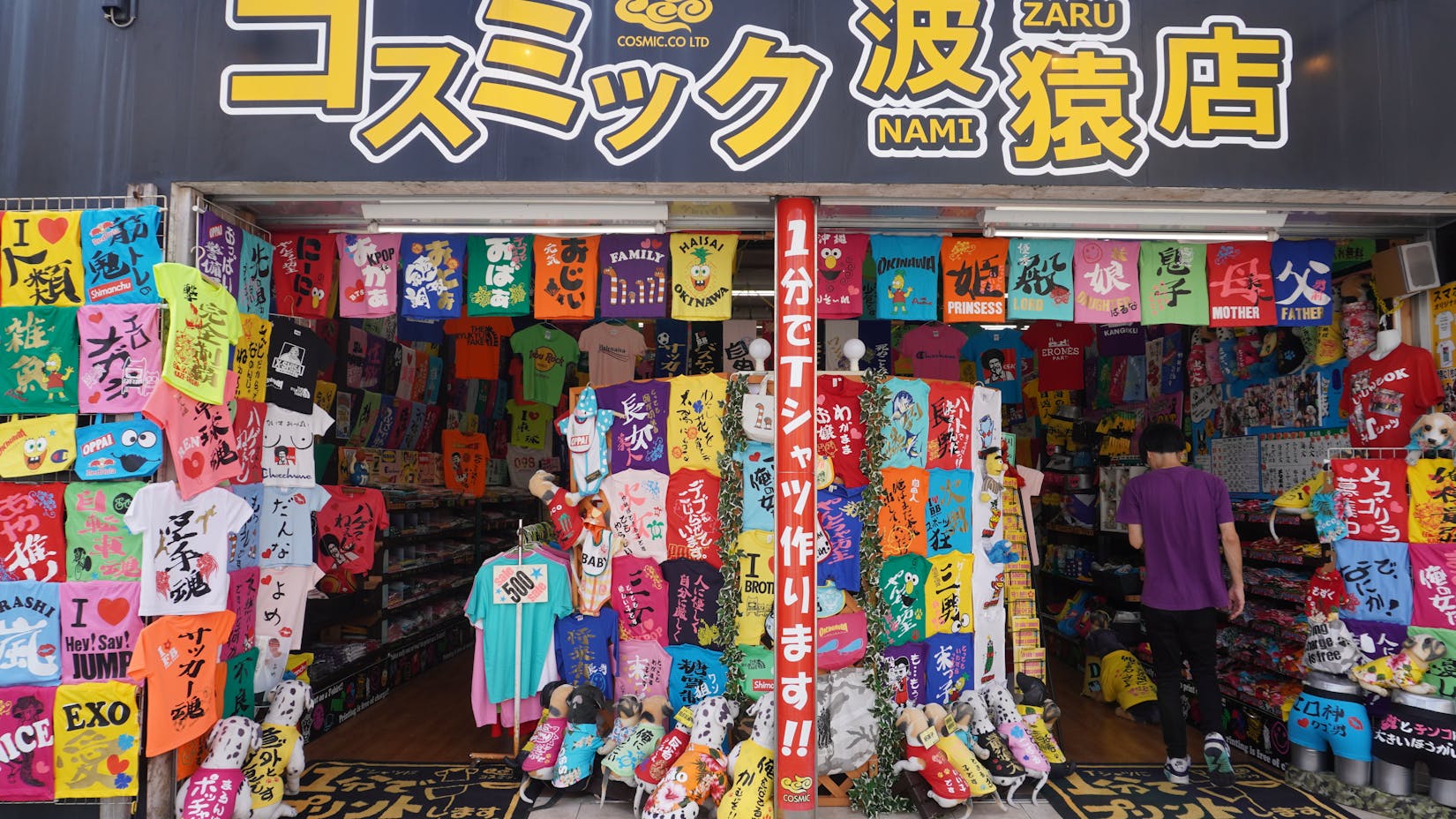
Movie and TV show tie-ins with adult appeal benefit from established fan bases and marketing synergies with entertainment releases, creating predictable demand spikes and cross-promotional opportunities. Anime and gaming merchandise for dedicated fan communities represents particularly lucrative segments with highly engaged consumers willing to pay premium prices for authentic, high-quality products.
Cross-generational brands spanning multiple decades provide broad appeal and reduced risk compared to trend-dependent products, with established intellectual properties offering built-in marketing advantages and consumer recognition.
Market Trends Driving Kidult Purchases
Understanding the psychological and social factors influencing adult toy purchases enables B2B buyers to develop more effective marketing strategies and product positioning approaches that resonate with target demographics and drive sustainable sales growth.
Nostalgia Marketing Effectiveness
Emotional connections to childhood memories drive purchase decisions with remarkable consistency, creating opportunities for brands to leverage nostalgic themes and retro design elements that trigger positive emotional responses. Brand loyalty spanning decades creates reliable customer bases that demonstrate predictable purchasing patterns and reduced price sensitivity compared to newer market entrants.
Retro revival trends across multiple entertainment mediums provide ongoing opportunities for product tie-ins and cross-promotional marketing campaigns that amplify brand awareness and drive sales conversions.
Social Media Influence and Community Building
Instagram and TikTok showcasing collections and unboxing experiences create viral marketing opportunities that drive organic brand awareness and product discovery among target demographics. Influencer partnerships provide credible product endorsements and authentic user-generated content that resonates more effectively than traditional advertising approaches.
Online communities foster shared interests and purchasing recommendations, creating peer-to-peer marketing networks that drive sales through trusted social connections rather than corporate messaging.
Stress Relief and Mental Health Benefits
Collecting as therapeutic activity for managing work-life balance provides compelling value propositions that justify premium pricing and position products as wellness investments rather than discretionary purchases. Mindfulness aspects of building, organizing, and displaying collections offer measurable mental health benefits that create emotional attachment and brand loyalty.
Escapism through play provides mental health benefits for adults dealing with increasing workplace stress and social pressures, creating sustainable demand for products that offer psychological relief and emotional satisfaction.
Premium Quality Expectations
Adult consumers demand higher quality materials and craftsmanship compared to traditional children's toys, creating opportunities for premium positioning and improved profit margins. Sophisticated packaging and presentation meeting luxury standards enhance perceived value and justify higher price points while creating gift-giving opportunities.
Investment mindset treating collectibles as appreciating assets drives purchasing behavior and creates secondary market activity that validates product value and encourages continued collecting behavior.
Sustainability and Ethical Considerations
Eco-friendly materials and responsible manufacturing practices increasingly influence purchasing decisions, particularly among environmentally conscious millennials and Generation Z consumers. Fair trade and ethical sourcing become purchasing factors for socially aware consumers who research brand values and manufacturing practices before making buying decisions.
Longevity and durability reduce environmental impact while providing superior value propositions compared to disposable alternatives, creating competitive advantages for brands emphasizing quality and sustainability.
Sourcing and Manufacturing Considerations

Navigating the complex landscape of kidult product sourcing requires understanding unique quality standards, regulatory requirements, and consumer expectations that differ significantly from traditional children's toy manufacturing processes.
Quality Standards and Safety Certifications
Adult toy safety requirements and regulatory compliance involve standard toy safety regulations plus additional quality expectations for durability, premium materials, and sophisticated manufacturing processes. Premium material specifications and durability testing ensure products meet adult expectations for longevity and quality, reducing returns and warranty claims while building brand reputation.
International certification requirements for global distribution include CE marking for European markets, CPSIA compliance for US sales, and various regional safety standards that affect manufacturing processes and material selection.
Minimum Order Quantities and Pricing Tiers
Category-specific MOQ ranges vary significantly, with action figures typically requiring 500-1000 unit minimums, plush toys 200-500 units, and collectibles 100-300 units depending on customization levels and manufacturing complexity. Volume discount structures provide opportunities for larger buyers to achieve competitive pricing while smaller retailers can access premium products through consolidated ordering programs.
Payment terms and financing options for new buyers include letter of credit arrangements, trade financing programs, and graduated payment schedules that reduce cash flow requirements for market entry.
Customization and OEM/ODM Opportunities
Private label manufacturing options enable retailers to develop branded products with exclusive designs and packaging that differentiate their offerings from competitors. Custom packaging and presentation solutions create unique value propositions and brand recognition while meeting adult expectations for premium presentation and collectible packaging.
Personalization services and limited edition production capabilities provide opportunities for premium pricing and exclusive product offerings that drive customer loyalty and repeat purchases.
Packaging and Presentation Requirements
Adult-oriented design aesthetics require sophisticated packaging that appeals to mature consumers while maintaining collectible value and display functionality. Premium materials and printing techniques justify higher price points while creating unboxing experiences that generate social media content and word-of-mouth marketing.
Display-ready packaging serves dual purposes as product protection and presentation solution, reducing retailer costs while enhancing consumer satisfaction and perceived value.
International Shipping and Compliance
Import/export regulations for toy products vary by destination country and require careful attention to documentation, labeling, and certification requirements that affect shipping costs and delivery timelines. Shipping cost optimization through consolidated containers, strategic warehouse placement, and efficient packaging design reduces landed costs and improves competitive positioning.
Documentation requirements and customs procedures must be carefully managed to avoid delays and additional costs that can significantly impact profit margins and customer satisfaction.
Supplier Verification and Quality Control
Factory audit procedures and certification verification ensure manufacturing partners meet quality standards and ethical requirements that align with brand values and consumer expectations. Sample evaluation and quality testing protocols provide early identification of potential issues and ensure final products meet specifications before full production runs.
Long-term partnership development and relationship management create competitive advantages through improved communication, priority production scheduling, and collaborative product development opportunities.
Pricing Strategies and Market Positioning
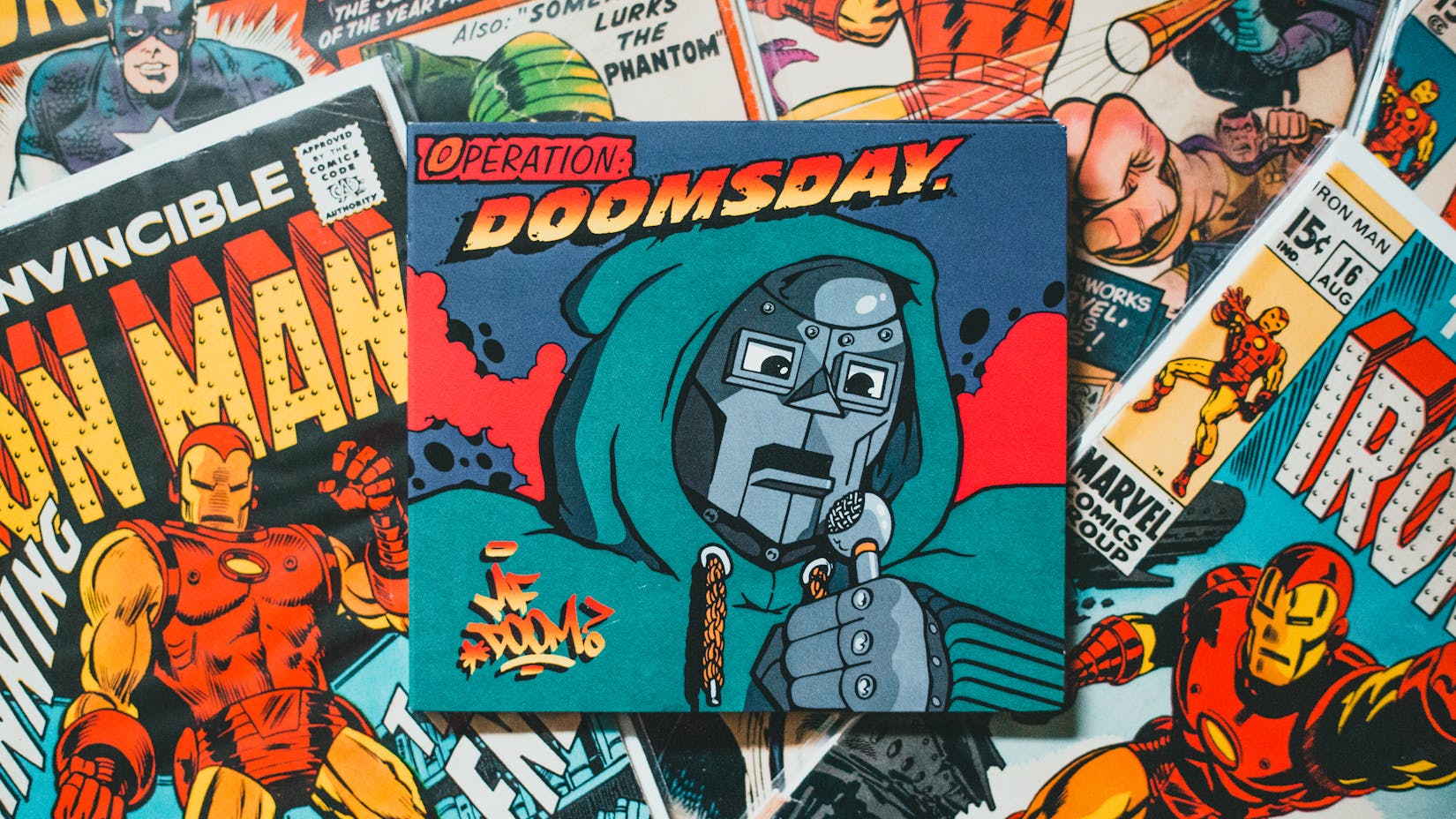
Developing effective pricing strategies for kidult products requires understanding the unique value propositions and consumer psychology that drive purchasing decisions in this premium market segment.
Premium Pricing Justification Factors
Quality materials and craftsmanship command higher prices through demonstrable superiority in durability, aesthetics, and functionality compared to mass-market alternatives. Limited edition and exclusive releases create scarcity value that justifies premium pricing while driving urgency and reducing price sensitivity among target consumers.
Brand licensing fees and intellectual property costs represent significant value additions that consumers willingly pay for authentic, officially licensed products from beloved franchises and properties.
Price Segmentation by Demographic
Entry-level products for younger adults and budget-conscious buyers provide market access while maintaining quality standards that build brand loyalty for future premium purchases. Mid-tier collectibles for mainstream adult consumers balance quality and affordability to capture the largest market segment while providing upgrade paths to premium products.
Premium luxury items for serious collectors and enthusiasts command highest margins while serving as brand flagship products that enhance overall brand perception and desirability.
Seasonal Pricing Fluctuations and Strategies
Holiday season premium pricing capitalizes on gift-giving behavior and reduced price sensitivity during peak purchasing periods while maintaining brand positioning and profit margins. Back-to-school promotions and nostalgic marketing campaigns target specific demographic triggers and seasonal emotional states that drive purchasing behavior.
Movie and media tie-in pricing strategies coordinate with entertainment releases to maximize cross-promotional benefits and capitalize on heightened consumer interest and media attention.
Competition Analysis and Market Positioning
Competitive pricing research and positioning strategies require understanding both direct product competitors and alternative entertainment and collectible options that compete for consumer attention and spending. Value proposition development and differentiation tactics focus on unique features, quality advantages, and brand associations that justify premium pricing compared to alternatives.
Market share analysis and pricing optimization techniques help identify opportunities for market penetration while maintaining profitability and brand positioning objectives.
Value-Added Services and Pricing Models
Subscription box services and recurring revenue models provide predictable income streams while offering consumers convenience and exclusive access to limited products. Exclusive member pricing and loyalty program benefits create customer retention while justifying premium pricing through perceived value and special access privileges.
Custom services and personalization premium pricing capitalize on individual consumer preferences while creating unique value propositions that differentiate offerings from mass-market alternatives.
Regional Market Opportunities

Geographic market analysis reveals significant variations in consumer preferences, regulatory requirements, and growth potential that influence sourcing strategies and market entry approaches for kidult products.
North American Market Leadership
US market driving 18% growth in adult toy purchases represents the largest and most mature kidult market globally, with established distribution channels and consumer acceptance of premium pricing. Canadian market trends follow US patterns with additional considerations for bilingual packaging and metric measurements that affect product development and marketing strategies.
Regional preferences include strong demand for nostalgic 1980s and 1990s franchises, superhero properties, and sports-related collectibles that align with North American cultural preferences and entertainment consumption patterns.
European Premium Segment Growth
UK and German markets lead European adoption of kidult products, with sophisticated consumers demonstrating willingness to pay premium prices for quality and authenticity. EU regulations and compliance requirements include CE marking, REACH chemical compliance, and multilingual packaging that affect manufacturing processes and increase complexity.
Cultural differences in collecting preferences favor European gaming franchises, football-related merchandise, and design-focused collectibles that emphasize aesthetics and craftsmanship over action features.
Asian Manufacturing Advantages and Market Potential
China's dual role as manufacturer and growing consumer market creates unique opportunities for cost-effective production combined with expanding domestic sales potential. Japan's influence on global collectible trends through anime culture, character design, and quality manufacturing standards drives worldwide demand for Japanese-inspired products.
Southeast Asian emerging markets show increasing disposable income and Western cultural influence that creates growth opportunities for established kidult product categories.
Emerging Markets and Growth Potential
Latin American market development focuses on licensed sports merchandise, particularly football-related collectibles, and entertainment properties with regional cultural relevance. Middle Eastern luxury market opportunities exist for premium collectibles and high-end gaming products among affluent consumers with international cultural exposure.
African market potential remains limited by economic factors and distribution challenges, though South African market shows some development in gaming and collectible categories.
Cultural Preferences and Regional Variations
Anime and manga influence in Asian markets drives demand for character-based collectibles, premium figurines, and limited edition collaborations with popular franchises. Western superhero and movie franchise preferences dominate North American and European markets, with strong demand for Marvel, DC, and Star Wars-related products.
Local cultural icons and regional licensing opportunities provide differentiation strategies and reduced competition compared to global franchise products.
Regulatory Considerations and Market Entry
Import regulations and safety standards vary significantly by region, requiring careful attention to certification requirements, testing protocols, and documentation that affect market entry costs and timelines. Distribution channel requirements range from established toy retail networks to specialty collectible stores and online marketplaces that serve different consumer segments.
Currency fluctuations and pricing strategies for global markets require hedging strategies and flexible pricing models that maintain profitability across different economic conditions and exchange rate environments.
Future Outlook and Investment Opportunities
The kidult market's evolution presents numerous opportunities for forward-thinking B2B buyers willing to invest in emerging technologies, sustainable practices, and innovative business models that align with changing consumer expectations.
Technology Integration Trends
Augmented reality and virtual reality integration in traditional toys creates immersive experiences that justify premium pricing while appealing to tech-savvy adult consumers seeking cutting-edge entertainment options. Smart toys with app connectivity and digital experiences provide ongoing engagement and create opportunities for recurring revenue through premium features and content updates.
Blockchain technology for collectible authentication and trading addresses fraud concerns while creating new secondary market opportunities and investment validation for serious collectors.
Sustainability Movement Impact
Eco-friendly materials and sustainable manufacturing practices increasingly influence purchasing decisions, particularly among environmentally conscious millennials who research brand values before making buying decisions. Circular economy models and product lifecycle management create competitive advantages while reducing environmental impact and appealing to socially responsible consumers.
Consumer demand for environmentally responsible products drives innovation in materials science and manufacturing processes that create differentiation opportunities and premium positioning possibilities.
Direct-to-Consumer Growth and Digital Transformation
E-commerce platform optimization and online marketplace strategies become increasingly important as consumers shift toward digital purchasing channels and expect seamless online experiences. Social commerce integration and influencer partnerships create new marketing channels that reach target demographics more effectively than traditional advertising approaches.
Digital marketing and customer acquisition strategies focus on community building and authentic engagement rather than traditional mass marketing techniques.
Subscription Models and Recurring Revenue Opportunities
Monthly collectible box services and curated experiences provide predictable revenue streams while offering consumers convenience and exclusive access to limited products. Membership programs with exclusive access and benefits create customer loyalty while justifying premium pricing through perceived value and special privileges.
Community-driven platforms and user-generated content enhance engagement while reducing marketing costs through authentic peer-to-peer recommendations and social proof.
Cross-Industry Collaborations and Innovation
Fashion and lifestyle brand partnerships create new product categories and expand market reach beyond traditional toy retail channels. Entertainment industry tie-ins and media collaborations provide marketing synergies and cross-promotional opportunities that amplify brand awareness and drive sales conversions.
Technology company partnerships for enhanced experiences create competitive advantages while positioning products at the intersection of entertainment, technology, and lifestyle categories.
Conclusion
The kidult market represents a transformative $20.3 billion opportunity by 2032, driven by nostalgia, premium quality expectations, and adult purchasing power accounting for 30% of toy industry sales. Success requires understanding consumer psychology, establishing quality supplier relationships, and implementing region-specific strategies. B2B buyers should prioritize premium positioning, comprehensive quality control, and authentic brand partnerships to capitalize on this fastest-growing retail segment. The convergence of technology integration, sustainability trends, and direct-to-consumer models creates multiple pathways for profitable market entry and long-term growth in this dynamic industry.

