




Healthy living starts in the kitchen, and the right tools can make all the difference. As people look for ways to eat healthier without spending hours cooking, today’s kitchen appliances are making nutritious meals easier and more convenient than ever.
Health and nutrition experts from multiple online sources emphasize the growing shift toward fresh, whole foods and nutrient-rich diets. In response to this trend, kitchen appliances are becoming more advanced, helping people prepare healthy meals with ease. From smart cooking functions to nutrient-preserving technology, these tools simplify the process of making fresh, wholesome food at home. Here’s a look at some game-changing kitchen appliances that simplify healthy meal prep.
Smart kitchen innovations
The fusion of smart technology in kitchen appliances is transforming cooking and eating habits. Smart ovens, air fryers and blenders with AI-enabled features enable consumers to cook healthier meals with ease. These appliances can recommend recipes according to diet, monitor nutritional intake and even modify cooking temperatures to preserve maximum nutrients.
For example, smart fridges now track expiration dates, provide healthy recipe suggestions based on ingredients on hand and connect with grocery apps to automate shopping lists. This kind of convenience not only improves meal planning but also reduces food waste – a key issue for consumers and businesses alike.
Air fryers and steam ovens
Air fryers have become extremely popular because they can produce crispy, tasty food with very little oil. Unlike deep frying, air frying minimizes the intake of unhealthy fats without sacrificing the taste and texture people enjoy. Most air fryers now come with intelligent controls where consumers can choose cooking modes, track food from afar and even get notified about cooking through mobile apps. According to Global Market Insights, the air fryer market is expected to reach $1.9 billion in 2032, growing at a 7.4 percent CAGR from 2024.

Another appliance that is picking up steam is the steam oven. The appliance employs steam to cook food uniformly and preserve vital vitamins and minerals. In contrast to traditional ovens, steam ovens do away with the use of excess oils and fats, which makes them an ideal choice for consumers who want nutrient-dense meals. Wholesalers and retailers need to pay attention to this increasing demand and increase their product lines to feature high-efficiency steam ovens with easy-to-use controls and stylish, contemporary designs.
High-powered blenders and cold-press juicers
Juicers and blenders are no longer mere kitchen appliances; they have become a staple for consumers who are adopting plant-based diets and superfood nutrition. High-powered blenders can whip up smoothies, soups, nut butters and even plant-based milk with ease, making them a kitchen must-have. The global market for household blenders was valued at $2.046 billion in 2024 and is expected to reach $2.549 billion by 2033, as per Global Market Statistics.

Cold-press juicers, meanwhile, were valued at $2.8 billion in 2024 and are anticipated to reach a 7.2 percent CAGR from 2025 to 2034. These appliances have become popular for their capacity to yield maximum nutrients from vegetables and fruits without causing much oxidation. Contrary to the conventional juicers that produce heat and kill some of the nutrients, cold-press technology keeps vitamins and enzymes intact. As
the wellness sector continues growing, companies serving health-conscious consumers should carry these appliances to cater to increasing demand.
Multifunction cookware
Consumers today demand more from their kitchen appliances, and this has fueled the growth of multifunctional cookware. Pressure cookers, for instance, have become one-stop-shop devices that can slow cook, steam, sauté and even produce yogurt. These devices save time, minimize energy usage and offer healthier cooking options by retaining nutrients in food.
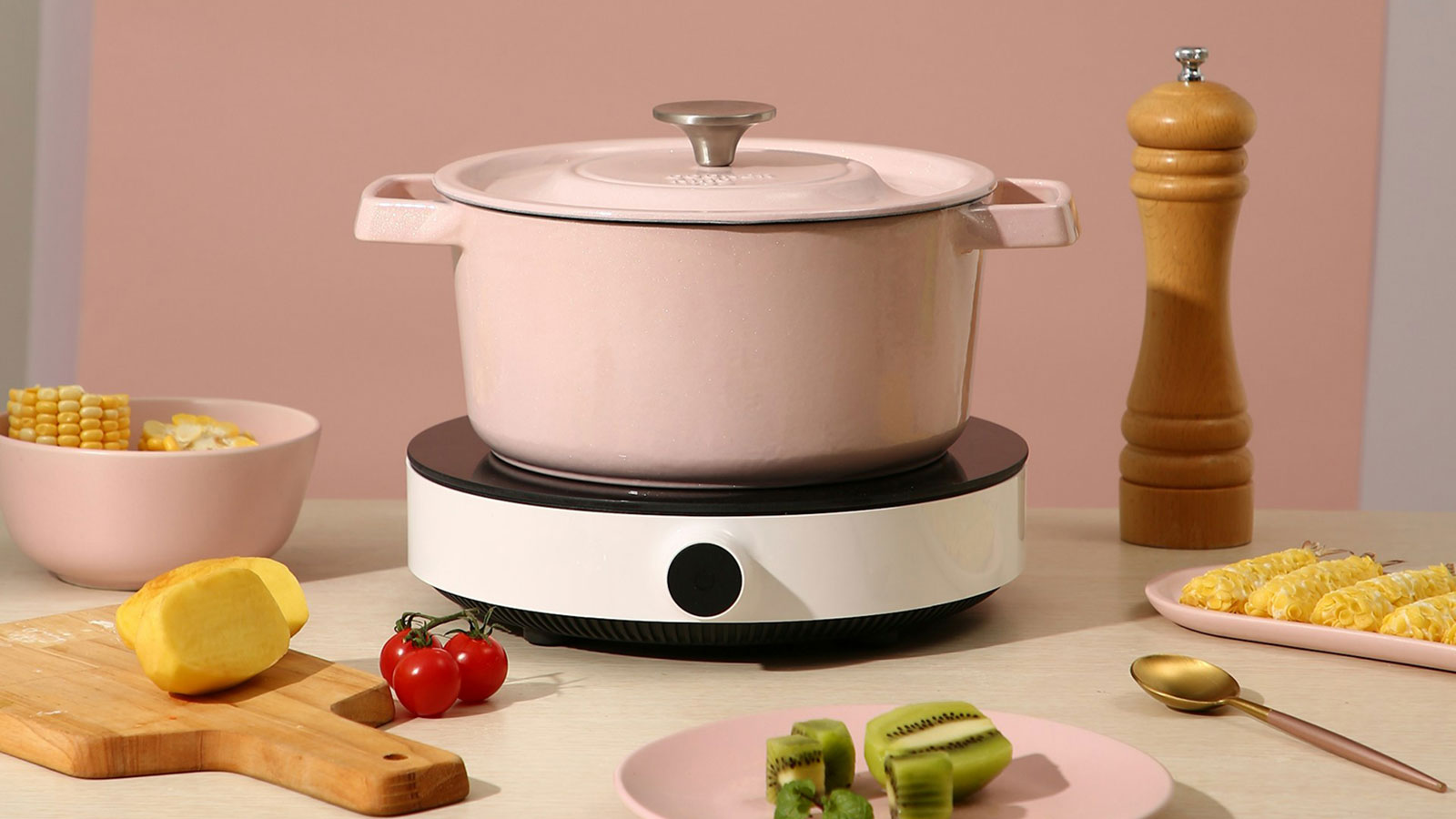
Another popular product is the integration of induction cooktops with in-built smart sensors. These appliances optimize temperatures to cook food evenly while conserving energy. Induction cooking also does away with toxic emissions associated with gas stoves, which suits the
increasing momentum for green kitchen solutions.
Sustainable and eco-friendly designs
Sustainability is a dominant driver in the kitchen appliance sector. Consumers are looking for energy-efficient, eco-friendly products that reduce waste and carbon emissions. Companies are answering by creating appliances from recycled materials, adding energy-saving technologies and designing environmentally friendly packaging.
Water-recycling dishwashers, natural refrigerant refrigerators and composting machines that turn food waste into fertilizer are becoming popular. Companies that join forces with green initiatives not only attract environmentally aware consumers but also help create a cleaner world.
Growing demand for customization and personalization
Personalized cooking and nutrition experiences are defining the future of kitchen devices. People increasingly look for appliances that adapt to their individual nutritional requirements, be it gluten-free, keto or plant-based meal cooking. Intelligent kitchen technology is enabling this with users being able to personalize cooking parameters, monitor their nutrient consumption and get AI-driven meal suggestions according to their requirements.
Personalized kitchen appliances, ranging from customizable smart toasters with variable options to coffee brewers that learn customers' preferences, provide retailers a market advantage as consumers increasingly value personalized experiences.
Opportunities for sourcing professionals
With the growth of health-conscious consumers, the kitchen appliance industry is full of potential for wholesalers, retailers and other sourcing professionals. Buyers can tap into this expanding market by sourcing innovative appliances that promote healthier cooking.
As consumer demand for healthful living grows, kitchen appliances are adapting to accommodate the expectations of today's consumer. From intelligent technology to functional and green innovations, today's latest breakthroughs are redefining home cooking. To keep up with these trends and maintain a market edge, it is critical for wholesalers, retailers and manufacturers to stay at the forefront of what is trending in kitchen appliances.
Through innovation, sustainability and personalization, companies can meet the changing tastes of health-conscious consumers and spur growth in the kitchen appliance market. Healthy living begins in the kitchen, and the right appliances can be the key.

