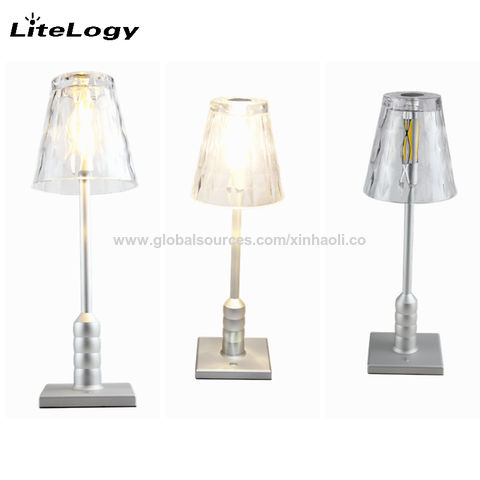
The world of light has changed with LED lighting technology. These lights do not use as much energy, produce fewer emissions of heat and last significantly longer than traditional incandescent light bulbs or fluorescent tubes. With many advantages and benefits, LEDs continue to be increasingly favored for use both indoors and outdoors.
LED advantages over traditional lighting
Efficiency is one of the main advantages of LED technology, as these lights convert a higher percentage of electrical energy into light, resulting in a reduction in waste. This means lower electricity bills and a lower carbon footprint.
LED lights have a longer life span compared to traditional bulbs, requiring less frequent replacements and lower maintenance costs. They can last up to 50,000 hours or more, depending on the quality of the fixture. Residential LEDs, for instance, are 75 percent more energy-efficient and can last up to 25 times longer than incandescent bulbs.
LED lights deliver a higher quality of light as well. They can be produced with a range of color temperatures, from warm to cool white, unlike incandescent bulbs that emit a yellowish light. LEDs also have a high color rendering index (CRI), which means they can accurately reproduce colors, making them ideal for spaces where this is important, such as art galleries and clothing stores.
Different types of LED lights
LED lights come in various forms, each designed for specific applications. The most common types include bulbs, tubes, strips and panels.
LED bulbs are direct replacements for incandescent and compact fluorescent bulbs. They come in different shapes and sizes to fit standard light fixtures and can be used for general lighting in homes, offices or commercial spaces.
LED tubes are designed to replace fluorescent types. They offer better energy efficiency, longer life span and improved light quality. They can be installed in existing fluorescent fixtures by bypassing the ballast or using retrofit kits.
LED strip lights are ideal for decorative or accent lighting, as they can be easily installed in tight spaces or curved surfaces such as under cabinets, in coves, or used for highlighting architectural features.
LED panel lights are flat, thin fixtures that provide uniform and glare-free lighting. They are commonly used in offices, schools or healthcare facilities where a large area needs to be illuminated. LED panel lights offer energy savings and a modern aesthetic.
Indoor LED lights
Indoor LED lights have become increasingly popular for their versatility. They can be used in conjunction with lighting controls or smart systems for enhanced functionality and energy efficiency. Here are some of their common uses:
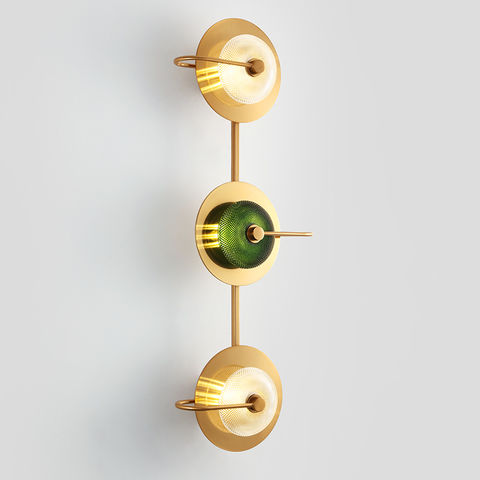
Residential lighting: LED lights can be used in homes for general, task or accent lighting. They can be installed in various fixtures such as ceiling, pendant, track and recessed lights.
Commercial lighting: They are ideal for illuminating offices, retail stores, restaurants and hotels. LED lights provide bright and energy-efficient lighting, enhancing the overall ambiance and productivity of the space.
Architectural lighting: These lights can be used to highlight architectural features or create dramatic lighting effects. They can be installed in alcoves, niches or on the façade to enhance the visual appeal of the structure.
Display lighting: LED lights are commonly used in museums, art galleries and retail stores. Their high CRI ensures accurate color reproduction, making them suitable for showcasing artwork, merchandise or exhibits.
Exploring outdoor LED lights
LED lights provide bright and efficient illumination, enhance the security and aesthetics of outdoor spaces and contribute to energy savings. Here are some common applications and benefits:
- Landscape lighting: Outdoor LED lights are commonly used for landscape lighting, and illuminating pathways, gardens and outdoor features. They can create a visually appealing and inviting environment, enhancing the overall aesthetics of the landscape. LED lights offer flexibility in design, allowing for various lighting techniques such as uplighting, downlighting or wall washing.
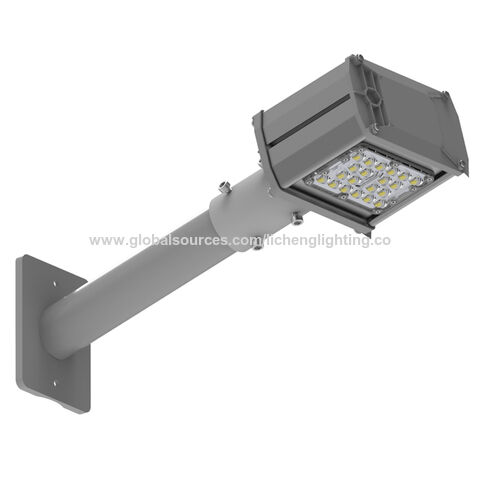
- Security lighting: They provide bright and focused illumination, making them ideal for security lighting purposes such as illuminating entrances, driveways and parking lots, deterring potential intruders and improving safety. LED lights with motion sensors are particularly effective in detecting movement and alerting residents or security personnel.
- Architectural lighting: Outdoor LED lights can help create dramatic effects, adding visual interest and uniqueness to any structure. They offer a wide range of color options, allowing for creative lighting designs.
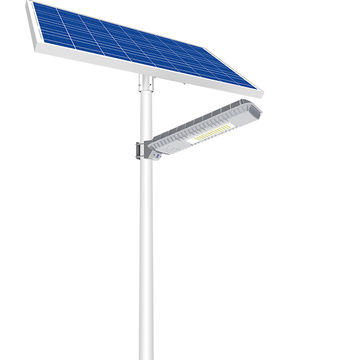
- Street lighting: In addition to their energy efficiency and long life span, LED lights provide bright and uniform illumination, improving visibility and safety on roads. They also offer better color rendering, ensuring accurate perception of objects and surroundings.
- Signage lighting: LED lights are commonly used for illuminating signs, billboards and banners. They offer bright and even lighting, ensuring good visibility even at night. Their energy efficiency makes them cost-effective for long-term signage lighting.
Factors to consider when sourcing LED lights
When sourcing indoor and outdoor LED lights, consider these factors for optimal performance. Here’s what to keep in mind:
- Light output: For general lighting, higher lumen output may be required, while accent lighting may require a lower one.
- Color temperature: LED lights are available in different color temperatures, ranging from warm to cool white. Warm white is suitable for creating a cozy and inviting atmosphere, while cool white is ideal for spaces that require bright and focused lighting.
- Beam angle: This determines the spread of light. Narrow beam angles are suitable for spot lighting or highlighting specific areas, while wider beam angles are ideal for general lighting.
- Dimmability: For spaces requiring adjustable lighting levels, source LED lights that are compatible with dimmers as not all are dimmable.
- IP rating: For outdoor lighting, LED lights should have a suitable ingress protection rating to withstand installation conditions. Look for an IP65 or higher rating for such applications.
- Design and aesthetics: For outdoor applications, consider the design and aesthetics of the lights, especially for architectural or landscape lighting. They should complement this environment.
- Quality and reliability: Look for reputable brands that offer warranties and have a proven track record of producing high-quality products. LED lights with good build quality and reliable components are likely to have better performance and longevity.
- Energy efficiency: Look for those with higher lumens per watt ratings, as they indicate better energy efficiency.
- Cost: Consider the initial versus the long-term costs. LED lights may have a higher upfront cost compared to traditional bulbs, but their energy savings and longer life span offset the initial investment.
Conclusion
As LED technology continues to advance, lights are expected to become even more efficient, versatile and cost-effective and contribute to a sustainable future.