




Lithium-ion batteries have been powering mobile electronics for more than a decade and have found a niche in the energy sector in recent years. From 50 percent in 2016, the energy sector now represents over 90 percent of demand for these batteries, according to the International Energy Agency.
Indeed, the Li-ion category has been beating alternatives because of high capacity, charge and discharge cycles, long operating life and small size, in addition to being available in various chemistries. It has overtaken traditional lead-acid batteries while continuing to outstrip sodium-sulfur (NaS) and flow types as the energy storage solution.
In China, the world’s largest battery market, over 97 percent of energy storage batteries installed are Li-ion, according to the China Battery Industry Association. Based on type, LiFePO4 batteries have over two-thirds share and will continue to outdo ternary batteries in this application for the foreseeable future.
Ongoing lithium battery projects in China
China’s lithium batteries for energy storage reached 110GWh from January to August 2023 based on data from the Ministry of Industry and Information Technology. They are expected to post double-digit growth through 2025, carrying on the trend started in 2022 when the total reached 100GWh for a year-on-year increase of 21 percent.
More than 90 energy storage projects, covering batteries, systems and components, began between January and August 2024, according to Chinese market research company GGII. The total investment in these undertakings was $43 billion, with $34.55 billion allocated for lithium batteries and systems having an annual capacity of 683GWh. The remained was allotted to flow and NaS batteries at 48 and 65GWh, respectively.
LFP battery initiatives
Key Chinese battery manufacturers have been devoting R&D efforts to increasing LFP cell capacity, which is currently at a maximum of 280Ah. At time of writing, more than 20 companies have realized over 300Ah.
CATL has presented 306 and 314Ah energy storage battery cells, while REPT Battero has introduced 320Ah units with an energy density as high as 400Wh/L and a life span exceeding 10,000 cycles. The latter maker also has a 340Ah, 430Wh/L cell.
EVE, meanwhile, has adopted CTT (cell to terawatt-hour) technology to achieve up to 628Ah capacity and over 12,000-cycle life span. The company launched its “Mr. Big” battery cell and “Mr. Giant” system in early 2024, to represent its breakthroughs in long-duration lithium battery energy storage. Mass production for the global market was scheduled to have begun in October and November.
Top industry players
There are hundreds of manufacturers of lithium batteries for energy storage in China and among them are homegrown global leaders.
Based on Chinese research institute EVTank’s list, the top 10 players in China in 2023 were CATL, BYD, EVE, REPT, Ganfeng Lithium, Gotion, Hithium, Great Power, AESC and Ampace. The first four companies had respective shares of 33.5, 11.3, 8.9 and 7.5 percent of the Chinese market.
Many Chinese suppliers are found in Guangdong and Jiangsu, specifically in Shenzhen, Dongguan, Zhongshan, Suzhou and Changzhou. The rest are in Zhejiang, Fujian, Shandong, Anhui and Jiangxi.
China-made Li-ion batteries
LiFePO4 and ternary batteries make up the mainstream selection in China. They are available in variants with a rated voltage of 12, 24 or 48V, an energy density of more than 200Wh/kg and a life span of over 2,000 charge and discharge cycles. These units have -20 to 60 C operating temperature and built-in overcharge, -discharge, -voltage, -current and -temperature protection.
China-made Li-ion batteries can be customized to meet requirements on capacity, size and other specifications. They are UL-listed, CE-marked and RoHS-compliant, pass the UN 38.3 standard for transportation testing and are shipped with MSDS.
Companies leverage the country's abundant sources of cathode and anode materials, electrolytes and shells for Li-ion battery production. They obtain them from top suppliers, including Dynanonic, Lopal, Easpring, BTR, Ningbo Shanshan and Putailai.
Rising demand
Up to 224.2GWh energy storage batteries were shipped worldwide in 2023, rising by 40.7 percent over the previous year, according to EVTank. Of this, 203.8GWh came from China, accounting for 90.9 percent.
The same source forecasts global shipments will increase to 1,397.8GWh by 2030, signifying greater shift to renewable energy sources and electric vehicles.
The products in this gallery have been handpicked by our China-based market analyst for representing current trends in LiFePO4 batteries for energy storage from Chinese makers.
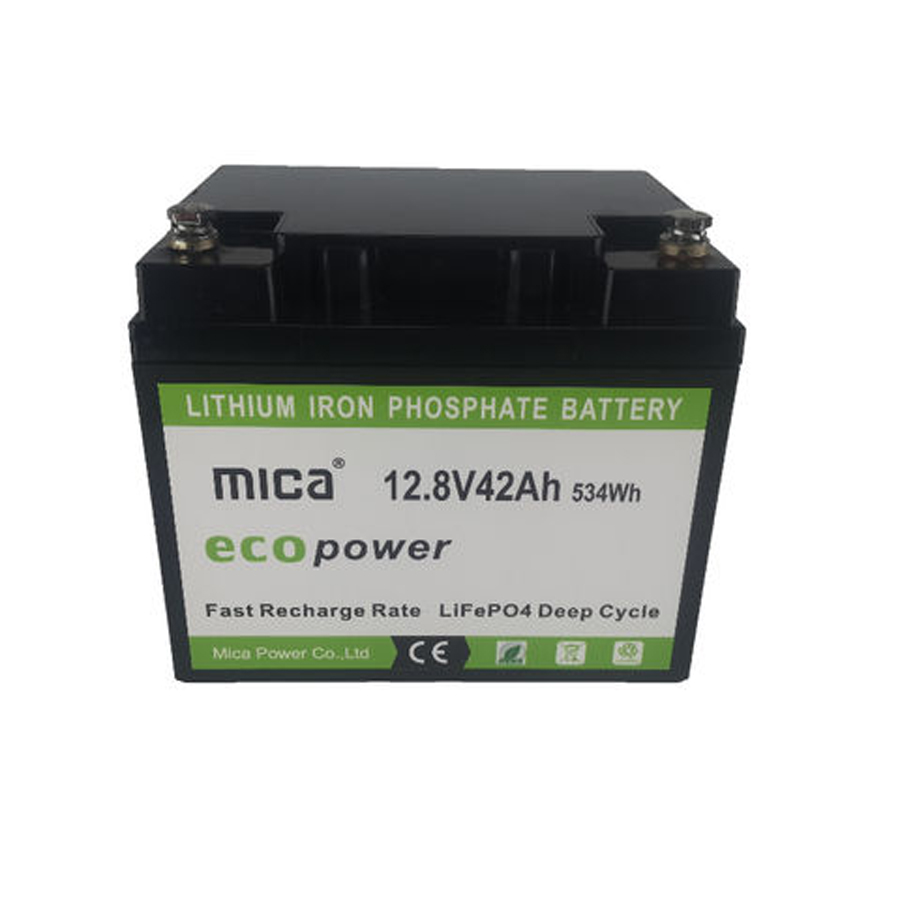
12.8V, 42Ah LFP battery
Company: Mica Power Co. Ltd
The MC-12V42Ah-2 from Mica is a LiFePO4 battery with 12.8V voltage, 42Ah capacity at 25 C, 10C, 504Wh energy at 25 C, 10C, and 0 to 45 C charge and -20 to 60 C discharge temperatures. This IP56-rated unit has built-in overcharge, -discharge, -current and temperature protection and cell balancing function. It conforms to UL, UN 38.3 and IEC 62133 requirements.
MOQ: Negotiable
Lead time: 25 days
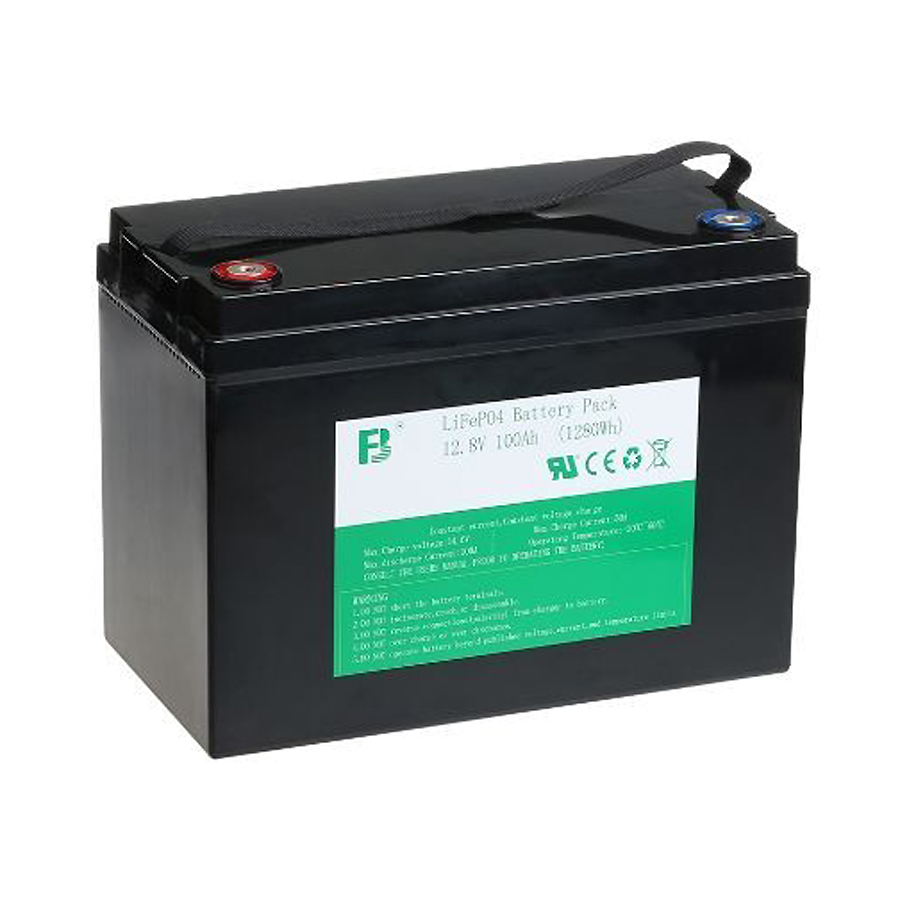
12.8V, 100Ah LFP battery
Company: Shenzhen FBTech Electronics Ltd
This IP56-rated LiFePO4 battery from Shenzhen FBTech, the FB-LFP12.8V100Ah, has 12.8V voltage, 100Ah capacity, ≤45mohm internal resistance, 0.2C charge and discharge rate at 90 percent DoD, more than 2,000-cycle life span and -20 to 60 C operating temperature. The energy rating is 1,280Wh.
MOQ: 2,000 units
Lead time: 25 days
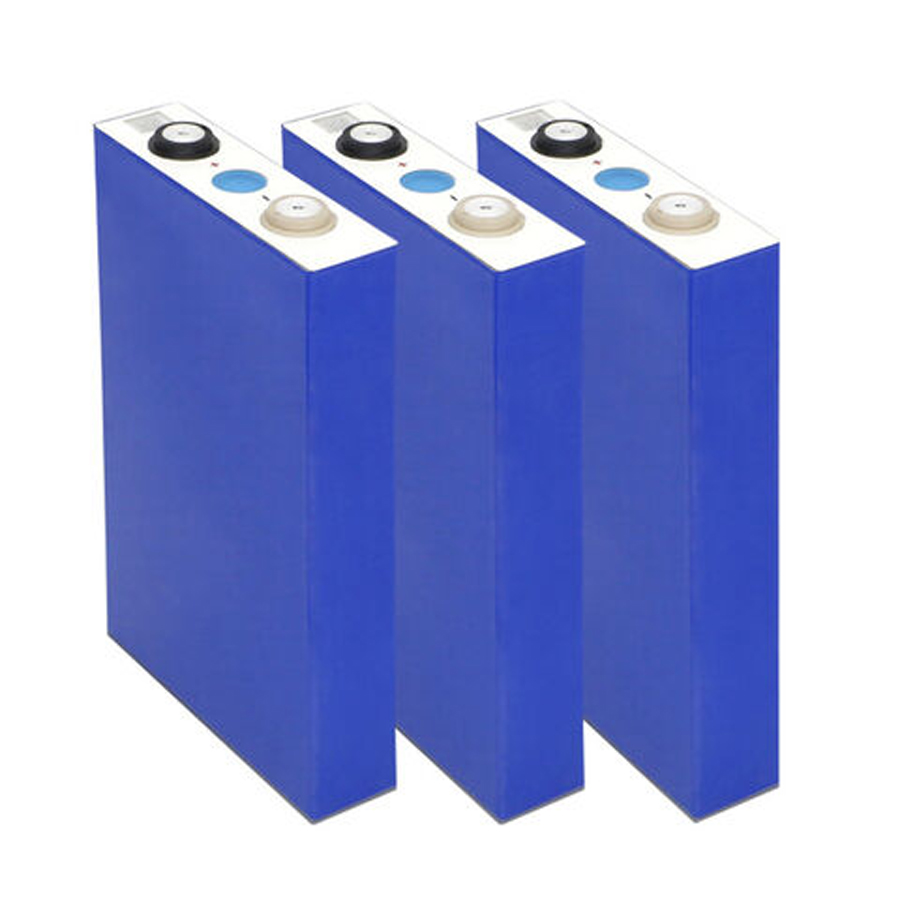
3.2V, 90Ah LFP battery
Company: Sopray Solar Group Co. Ltd
Sopray’s SR-bt002-0146 LiFePO4 battery has 3.2V nominal and 2.5V cut-off voltage, 90Ah capacity and ≥6,000-cycle life span at 1C, 80 percent DoD. It measures 200x130.7x36.7mm.
MOQ: 2 units
Lead time: 10 days
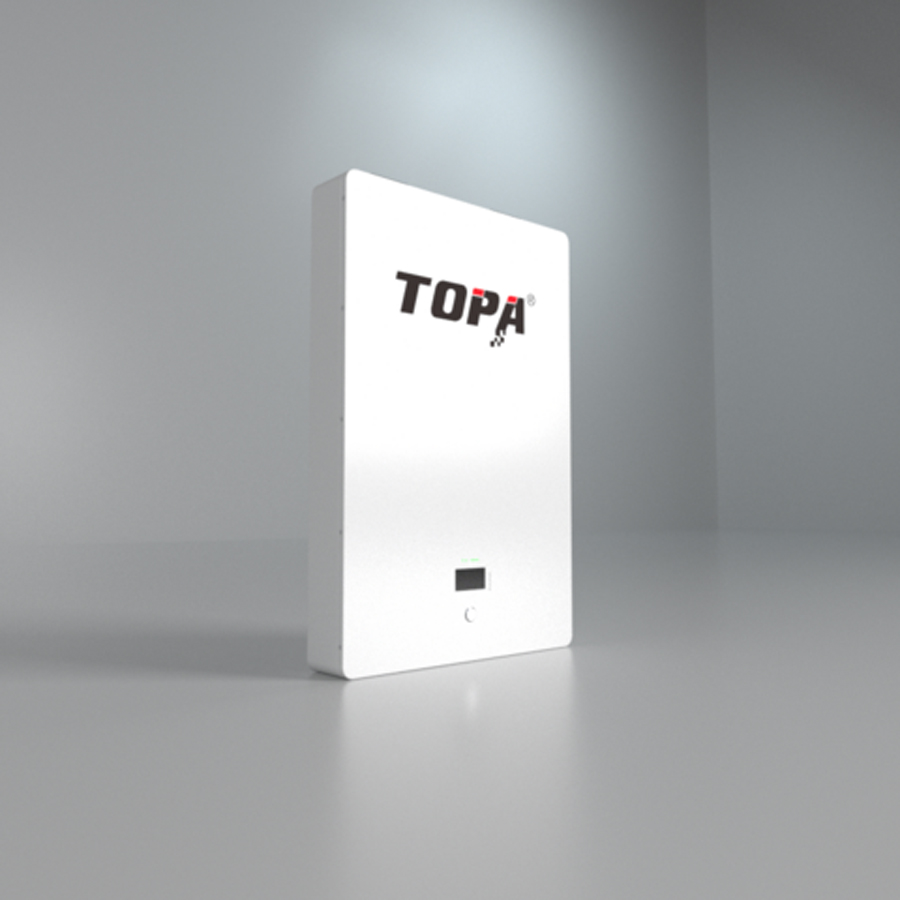
9,420.8kWh LFP battery
Company: Topa Technology Ltd
Rated at 9,420.8kWh, Topa’s model 942 LiFePO4 battery has 51.2V voltage, 184Ah rated capacity and ≥4,000-cycle life span at 25 C, 0.5C, 80 percent DoD. It has built-in BMS and conforms to UN 38.3 requirements.
MOQ: Negotiable
Lead time: 35 days

