




Load cells, which provide highly sensitive and accurate measurements of force and weight, are used in industrial, medical and aerospace applications. Their key function of converting tension, compression, pressure or torque into measurable electrical signals and their robustness across various environments make them a key component enabling monitoring and control in many applications.
In the industrial sphere, these electromechanical devices are used in weighing systems such as platform and bench scales in warehouses, factories and distribution centers as well as truck scales and weighbridges. They are also employed in material testing, manufacturing and process control, robotics and automation, heavy machinery monitoring, mining and quarrying, wind turbines, oil and gas fields, automotive manufacturing and testing, and the food and beverage and agricultural sectors.
The medical industry uses load cells in hospital beds with built-in scales, baby incubators, patient mobility systems, infusion pumps and ventilators, biomaterial testing, therapeutic equipment and pharmaceutical manufacturing. Specialized applications include gynecology and mammography machines, dental devices and kidney dialysis systems.
In aerospace engineering, these components are extensively utilized in aircraft design, testing, weighing and balance, flight control systems, operational monitoring, assembly and maintenance and parachute deployment systems. They are also employed in spacecraft applications, including satellite antennas, solar arrays and interstage attachments. NASA's Mars Rover has them.
Load cells have a large market, which Industry Arcs estimates will reach $16 billion by 2030 and post 3.4 percent CAGR from 2024. The trends driving this category include wireless and IoT technologies and miniaturization.
At present, the global load cell market is led by Spectris, MinebeaMitsumi, TE, Vishay, Flintec, Mettler Toledo, Siemens and Honeywell. Other major players are Chinese companies, including Ningbo Keli, AVIC Zhonghang Electronic Measuring Instruments and Dongguan Hualanhai.
Ensuring high performance
In China, manufacturers of load cells continue R&D initiatives to guarantee high product sensitivity and reliability. They cater to applications such as industrial measurement and medical equipment.
These suppliers turn to circuit compensation technology, a typical method, to minimize the effects of temperature or humidity on load cells and ensure their accuracy and stability over time, especially in challenging conditions and environments.
In addition, many are harnessing the availability of IoT technology by integrating smart control into these components to enable remote monitoring of operation and performance. This also includes the addition of alarms for detecting abnormal circumstances.
Chinese companies will also press on with miniaturization amid demand for more compact sensors in various applications, especially those with limited space.
China-made load cells
In mainstream supply in China are load cells with a rated capacity ranging from 10g to 1,000kg. These have a typical creep of 0.03 percent and a linearity of 0.03 percent, both at full scale, and an operating temperature range of -35 to 70 C.
Water-resistant types are available, usually with an IP65 rating or higher. Load cells based on custom specifications are produced as well.
Some manufacturers secure certifications such as NETP or the National Type Evaluation Program for load cells used in legal-for-trade weighing applications in the US.
Key parts used in the production of load cells, such as strain gauges, springs, plates and shells, may be made of stainless steel, aluminum alloy or alloy steel and are sourced from domestic or foreign providers, depending on buyers’ preferences.
Supplier base
There are hundreds of manufacturers of load cells in China, more than 70 percent of which are domestic companies operating on a small or medium scale, offering entry-level and midrange products.
The top suppliers of industrial load cells in the country are Ningbo Keli, AVIC Zhonghang, HBM and General Measure. Along with American company Mettler Toledo, they collectively accounted for 72 percent of the Chinese market in 2023, according to QY Research. This source said that this market is forecast to reach $240 million by 2030, with a CAGR of 5.4 percent from 2024. The demand drivers are the industrial, chemical, food processing, transportation and consumer fields.
This upward projection, in turn, has been encouraging expansion. Ningbo Keli, for instance, built two new factories, one in Ningbo and the other in Zhenghou, with a total area of 73,000 and 84,500sqm respectively. Both facilities, which started operating on a full scale in 2024, brought the company’s total sales value to $127 million in the first quarters of the year or a 14.03 percent increase over the same period in the previous year.
Factories turning out load cells are scattered across China, with many found in Shenzhen, Dongguan, Ningbo and Changzhou and some inland in Shandong, Sichuan and Shaanxi. Most of these facilities ship 10 to 50 percent of their output overseas, mainly to Europe, North America and the Asia-Pacific region, with some shipments destined for South America and the Middle East.
The products in this gallery have been handpicked by our Shanghai-based market analyst for representing current trends in load cells from China.
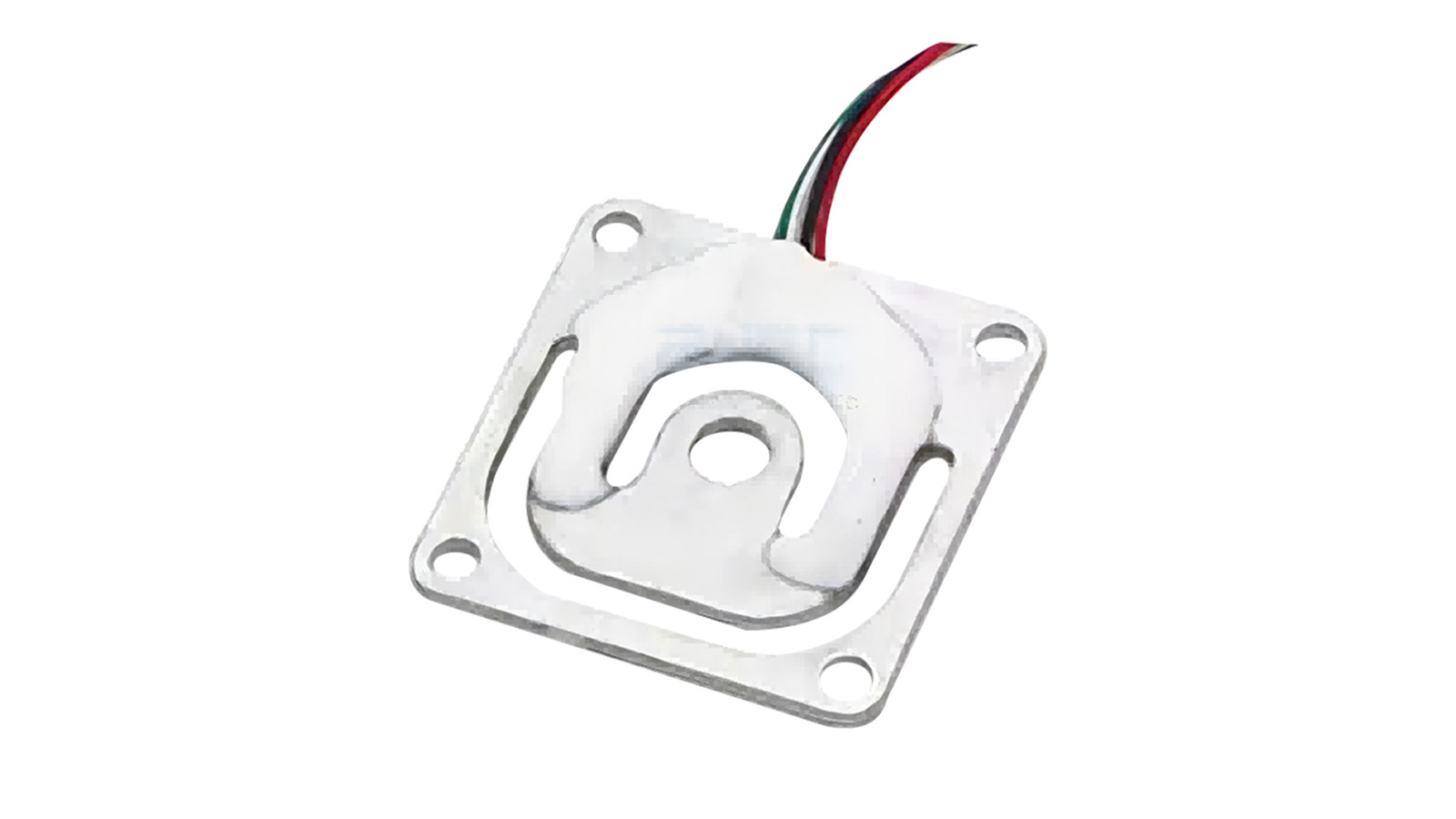
Load cell, 10 to 150kg-rated types
Company: All New Semi Electronic Co. Ltd
In rated capacities of 10, 30, 50, 75, 100 and 150kg, All New Semi’s GML670 load cell has 0.8±0.2mV/V half- and 1.6±0.2mV/V full-bridge output sensitivity, and 1,000±20ohm input and output resistance. At full scale, its percent linearity, repeatability and hysteresis error value and creep is 0.05 percent in one minute.
MOQ: 50 units
Lead time: 3 days
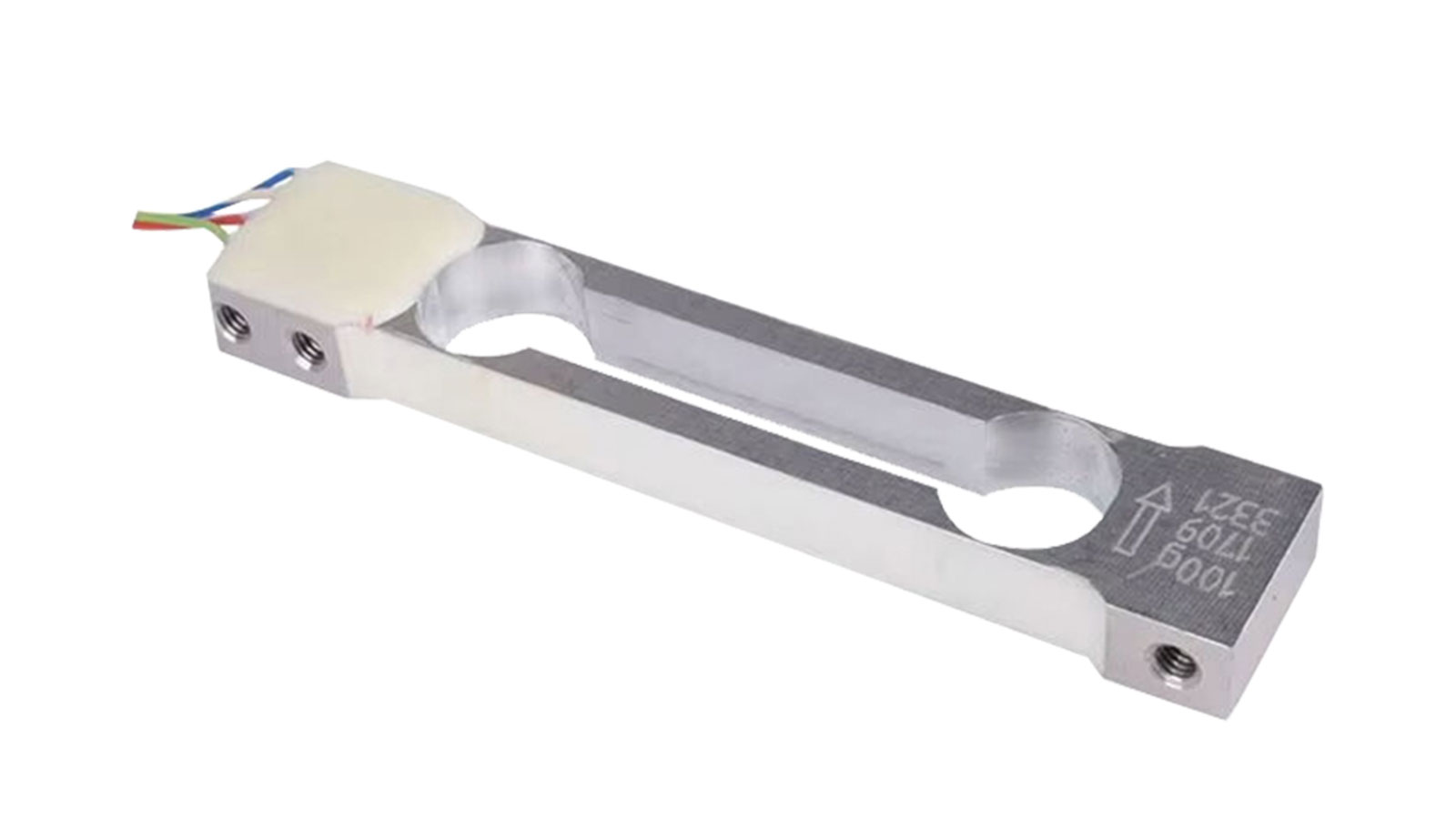
Load cell for truck scales
Company: Dongguan Xianghe Hardware Products Co. Ltd
For truck scales, Dongguan Xianghe’s WCS load cell is made of aluminum alloy and meets RoHS standards.
MOQ: Negotiable
Lead time: 7 days
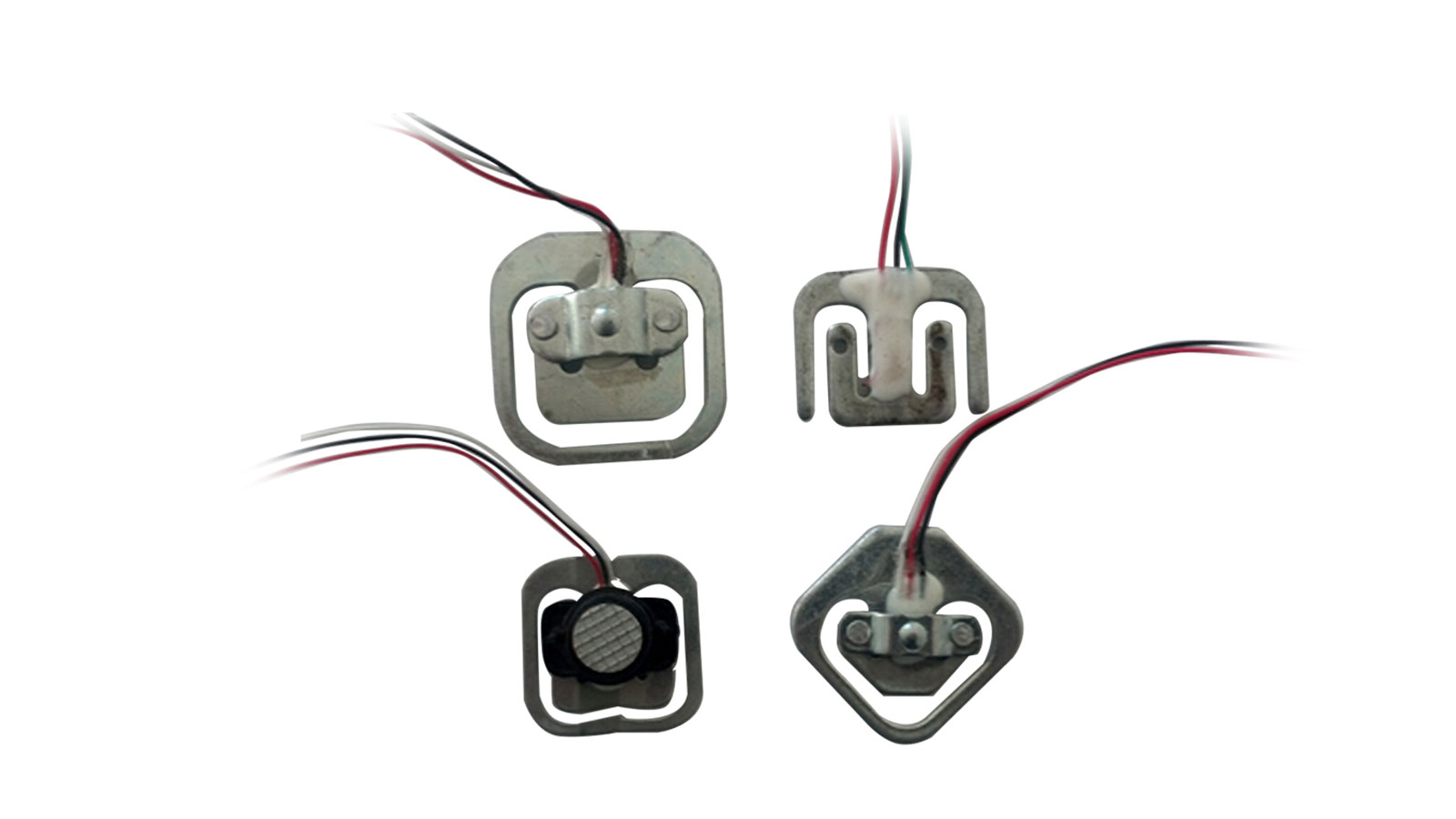
IP65-rated load cell, 5 to 50kg capacity
Company: Hangzhong Quan Yuan Electronic Co. Ltd
Hangzhong Quan’s IP65-rated alloy steel load cell, the QH-C5, has 5 to 50kg capacity, 1±0.15mV/V rated output, and 1,000±10ohm input and 500±10ohm output resistance. At full scale, it has ≤±0.1 percent creep in 5 minutes, ≤±0.1 percent nonlinearity, and ≤±0.2 percent hysteresis and repeatability. The operating temperature is -20 to 60 C. This unit meets CE and RoHS.
MOQ: 100 units
Lead time: 7 days
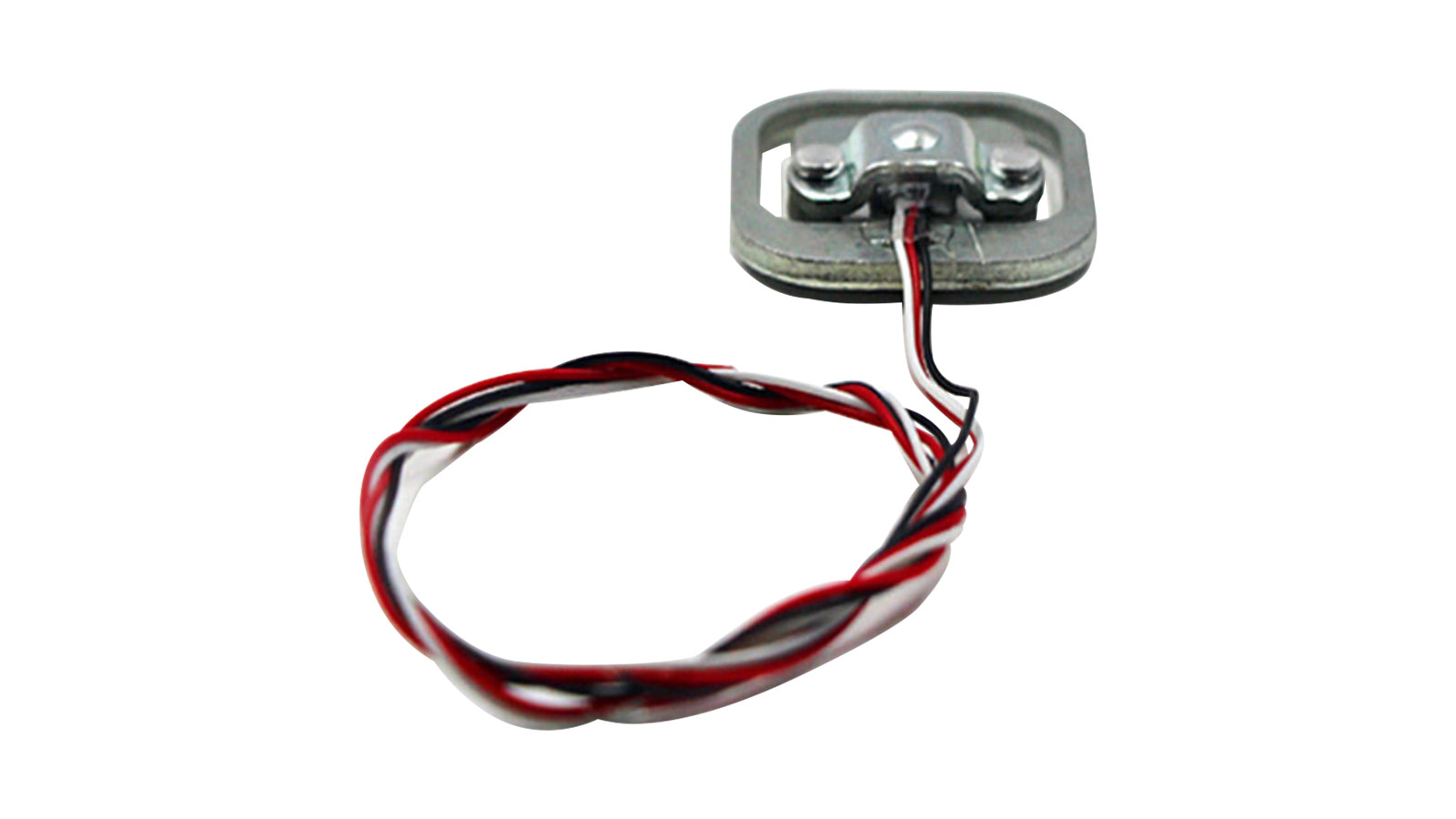
Load cell, 5 to 50kg capacity, IP65 rating
Company: Jinjiang Jiaxing Supply Management Co. Ltd
Made of aluminum alloy, Jinjiang Jiaxing’s 622Z load cell has 5 to 50kg capacity and 150 percent full-scale overload limit. This IP65-rated unit has 0.015 percent creep in 10 minutes and -35 to 65 C operating temperature.
MOQ: 1,000 units
Lead time: 15 days

