Download App
Better Online and Trade Show Sourcing Experiences.Scan the QR code to download.
Learn More
Hot Topics
The increasing number of clothing manufacturers focusing on sustainable materials and processes is pushing the growth of the lyocell fiber market.
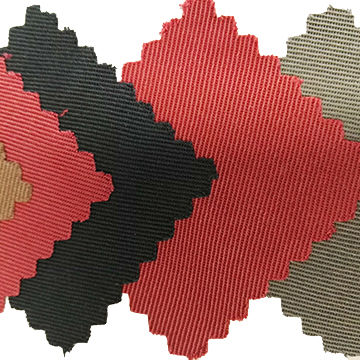
The shift of many apparel brands toward fibers that can be recycled after a product's life cycle is likely to propel the lyocell fabric market to a $1.5 billion industry by 2024, according to a recent report by business intelligence firm Global Market Insights.
The trend is particularly strong in North America, where a growing number of clothing manufacturers are focusing on sustainable materials and processes. The region accounted for 40 percent of the lyocell fiber market in 2016, which is the largest share during the period.
The cellulose fiber is a form of viscose derived from dissolving bleached wood pulp via dry jet-wet spinning. It is biodegradable and naturally breathable, and has a better moisture-absorption capacity than cotton. Lyocell's moisture-management property make it anti-bacterial as well. These attributes, according to the report, present strong growth potential in the market.
In addition, lyocell has a wide range of applications, including apparel, baby diapers, home textiles, automotive filters and surgical products. The report predicted that the healthcare and wound care textiles segment is also likely to grow at a rapid pace as technologies for the recovery of surgical wounds develop. This will likewise pave the way for an upshift in the lyocell fiber market.
Despite these opportunities, the relatively high costs of manufacturing lyocell fibers compared with other environment-friendly alternatives pose a great a challenge for the market. Lyocell fabrics also require special care such as cold rinsing, handwashing and dry-cleaning, which adds to maintenance costs. Moreover, the textile shrinks by 3 percent after the first wash. These are the possible constraints the market faces in coming years.
More Sourcing News
Read Also

关注 “环球资源外贸” 官方微信,获取实时外贸资讯
iOS & Android
iOS & Android(Mainland China)
Copyright © 2026 Publishers Representatives Limited. All rights reserved.




