




Machined parts are essential components in machinery, equipment and assemblies that can be made from metal, plastic and composite materials. They are used in a wide range of applications, including automotive, aerospace, medical and consumer products, where precision, durability and customizability are required.
Machining processes
The manufacturing of machined parts involves various processes, the most common of which are:
Turning involves rotating a workpiece against a cutting tool to allow the removal of material from the outer surface and create cylindrical or conical shapes. This is commonly used for producing shafts, spindles and other rotational components.
Milling requires rotating multitooth tools to create flat surfaces, slots, pockets and complex 3D shapes and is usually employed in making automotive and aerospace parts, as well as mold and die components.
Drilling creates holes or cavities in the workpiece with rotating cutting tools to produce fastener holes, cooling channels and other functional features.
Grinding is a finishing process done with an abrasive wheel to realize precise dimensions and a smooth surface. It is used for components that require tight tolerances and specific surface characteristics.
Electrical discharge machining (EDM) uses electrical discharges to produce hard and conductive materials, as well as to create complex shapes and intricate features.
These processes can be combined and customized to meet specific requirements with varying levels of complexity and precision.
Manual and CNC machining
In manual machining, skilled operators use traditional tools, such as lathes, mills and drill presses, to manually control the cutting tools and guide the workpiece. This method relies heavily on the operator's expertise and experience to achieve the desired accuracy and quality.
CNC machining, on the other hand, involves computer-controlled tools that follow precise numerical instructions to perform the operations. These instructions are generated from computer-aided design (CAD) models or programming languages for highly accurate and repeatable results.
CNC machining has advantages of increased precision and consistency, improved efficiency and productivity and capability for complex geometries and intricate features. In addition, it results in reduced setup times and operator intervention and enhanced repeatability and quality control.
However, manual machining is still preferred for certain applications, such as prototyping, small-batch production or when flexibility and operator expertise are essential.
Metal parts
Machined parts can be produced from a wide range of metal materials, with the choice depending on strength, corrosion resistance, machinability and intended application. The common metal inputs for machined parts include:
Aluminum alloys: Lightweight and corrosion-resistant, they are widely used in the aerospace, automotive and consumer product industries.
Stainless steel: For its excellent corrosion resistance and strength, it is utilized in parts for food processing, medical and chemical industries.
Carbon steel: High strength and affordability make it suitable for automotive components and structural parts.
Titanium alloys: Their high strength-to-weight ratio and corrosion resistance are preferred in aerospace, medical and chemical applications.
Copper alloys: Enhanced electrical and thermal conductivity make these materials an option in electrical and electronic components, as well as heat exchangers.
Nickel alloys: They offer high-temperature strength and corrosion resistance and are used in aerospace, chemical processing and energy industries.
Plastic parts
Plastic materials can be machined using specialized tooling and techniques to produce components with unique properties and advantages.
Polyoxymethylene (POM), also known as acetal, is a rigid and durable plastic with excellent dimensional stability and low friction properties. It is commonly used in precision parts, gears and bearings.
Polytetrafluoroethylene (PTFE), or Teflon, has low friction and nonstick properties, and are suitable for applications involving sliding or bearing surfaces.
Polyamide (PA) or nylon is a strong and abrasion-resistant plastic used in gears, bushings and insulators.
Polyethylene (PE) has low density and excellent chemical resistance, suitable for machined parts in the chemical and food processing industries.
Polyvinyl chloride (PVC) is a versatile and cost-effective plastic used in machined parts for pipes, fittings and electrical insulation.
Polycarbonate (PC), known for its high impact resistance and transparency, is used in machined parts for safety glasses, optical components and electronic housings.
Finishes used in machined parts
Machined parts undergo finishing processes to enhance their appearance, functionality or surface characteristics.
Polishing removes microscopic surface irregularities to achieve a smooth and reflective finish. It is used for decorative or cosmetic purposes, as well as to enhance corrosion and wear resistance.
Anodizing adds a protective oxide layer on metal, particularly aluminum and titanium, to improve corrosion and wear resistance. It can also be used for decorative purposes with various color options.
Plating deposits a thin layer of chromium, nickel or zinc onto the machined part. This process can enhance corrosion and wear resistance or provide decorative finishes.
Painting is a common finishing process used to protect machined parts from corrosion, provide decorative finishes or enhance visibility for safety or identification purposes.
Heat treatment, which may be hardening, tempering or annealing, can be applied to machined parts to modify their strength, hardness and ductility.
Surface texturing techniques, like knurling or shot peening, are used to create specific surface patterns or textures on machined parts for improved grip, wear resistance or aesthetic purposes.
Machining tolerances
Machining tolerances refer to the allowable deviations from the specified dimensions or geometric features of a machined part. These ensure proper fit, function and interchangeability of components.
Dimensional tolerances specify the acceptable range of variation in length, width and diameter, and are expressed as plus/minus values from the nominal dimension.
Geometric tolerances define the allowable deviations from the intended form of a feature, such as flatness, parallelism, concentricity or perpendicularity. These are essential for the proper mating and alignment of components.
Surface finish tolerances are the acceptable range of surface roughness or texture on a machined part. These are expressed in Ra for arithmetic average roughness or Rz for maximum roughness depth.
Positional tolerances are the allowable variation in the location or orientation of a feature relative to a datum or reference point. These are crucial for ensuring proper assembly and functionality.
Runout tolerances refer to the allowable deviation from the intended circular or cylindrical form of a rotating component, such as a shaft or bearing surface.
Tighter tolerances generally result in higher precision and quality but may increase manufacturing costs and complexity.
Applications
Automotive: Machined parts are extensively used in automotive components, such as engine parts, transmission components, and suspension and brake systems. These parts require high precision and durability to guarantee reliable performance and safety.
Aerospace: This industry heavily relies on machined parts for critical components like aircraft structures, engine components, landing gear and hydraulic systems. These parts must meet stringent quality and safety standards due to the extreme operating conditions in these applications.
Medical and dental: Precision and biocompatibility are essential for parts used in these industries. Examples include surgical instruments, implants, prosthetics and dental components.
Machinery and equipment: Machined parts are integral components in pumps, valves, gears, bearings and shafts. They ensure smooth operation, efficient power transmission and reliable performance.
Consumer products: Electronics, appliances and sporting goods incorporate machined parts for their durability, precision and aesthetic appeal.
Tooling and mold-making: Machined parts are needed in the production of tools, dies and molds used in manufacturing processes, including injection molding, stamping and forging.
Defense and military: This sector relies heavily on machined parts for components used in weapons systems, vehicles and specialized equipment.
Advantages of machined over forged, molded and 3D-printed parts
Here are some key advantages of machined parts over other manufacturing processes, such as forging, molding and 3D printing.
Precision and accuracy: Machining processes, particularly CNC, offer high precision and accuracy in producing parts with tight tolerances and complex geometries. This is not easy to achieve with other manufacturing methods.
Surface finish: Machined parts can achieve rough to mirror-like surface finishes, depending on the machining process and tooling used. This flexibility meets specific functional or aesthetic requirements.
Material versatility: Machining can be performed on various materials, offering greater flexibility compared to molding and 3D printing.
Strength and durability: Compared to molded or 3D-printed versions, machined parts, particularly metal ones, exhibit superior strength and durability for applications with high loads or harsh environments.
Design flexibility: Design changes and modifications are relatively easy, enabling greater flexibility in product development and customization compared to forging and molding, which require costly tooling changes.
Batch size flexibility: Machining can accommodate both small and large batches, making it suitable for prototyping, low- and high-volume manufacturing.
Post-processing: Machined parts can undergo heat treatment, surface finishing or plating to enhance their properties or appearance and provide additional customization options.
Tips on contracting CNC machining suppliers overseas
As businesses increasingly seek cost-effective solutions and global sourcing opportunities, contracting CNC machining overseas has become a common practice. However, working with international suppliers can present unique challenges. Here are some tips to help ensure a successful collaboration:
- Invest time in researching potential suppliers, their capabilities, certifications and reputation. Look for suppliers with a proven track record and experience in your industry or application.
- Provide detailed specifications, drawings and requirements to ensure clear communication and avoid misunderstandings. Consider providing sample parts or prototypes to illustrate expectations.
- Determine the preferred communication channels and establish clear protocols for exchanging information, addressing questions and resolving issues. Ensure that language barriers are addressed and that both parties have a shared understanding.
- Inquire about the supplier's QC processes, inspection procedures and certifications. Consider implementing one’s own quality checks or arranging for third-party inspections to ensure compliance with standards.
- Discuss realistic lead times for production, shipping and delivery. Evaluate logistics options, such as air or sea freight, and factor in potential delays or customs clearance processes.
- Clearly define terms and conditions, including payment terms, intellectual property rights, confidentiality agreements and liability clauses. Seek legal advice if necessary to ensure protection for both parties.
- Be aware of potential cultural differences and adapt communication style and business practices accordingly. Respect local customs and traditions to foster a positive working relationship.
- Aim to establish long-term partnerships with reliable suppliers. Consistent communication, mutual respect and a commitment to continuous improvement can strengthen these relationships over time.
- Leverage local resources, such as trade associations, chambers of commerce or government agencies, to gain insights into the local business environment and receive guidance on working with overseas suppliers.
- Regularly review the supplier's performance, quality and adherence to agreed-upon terms. Consider conducting on-site audits or inspections to ensure ongoing compliance and identify areas for improvement.
By following these tips and maintaining open communication, businesses can effectively work with overseas CNC machining suppliers and leverage the benefits of global sourcing while ensuring quality and reliability.
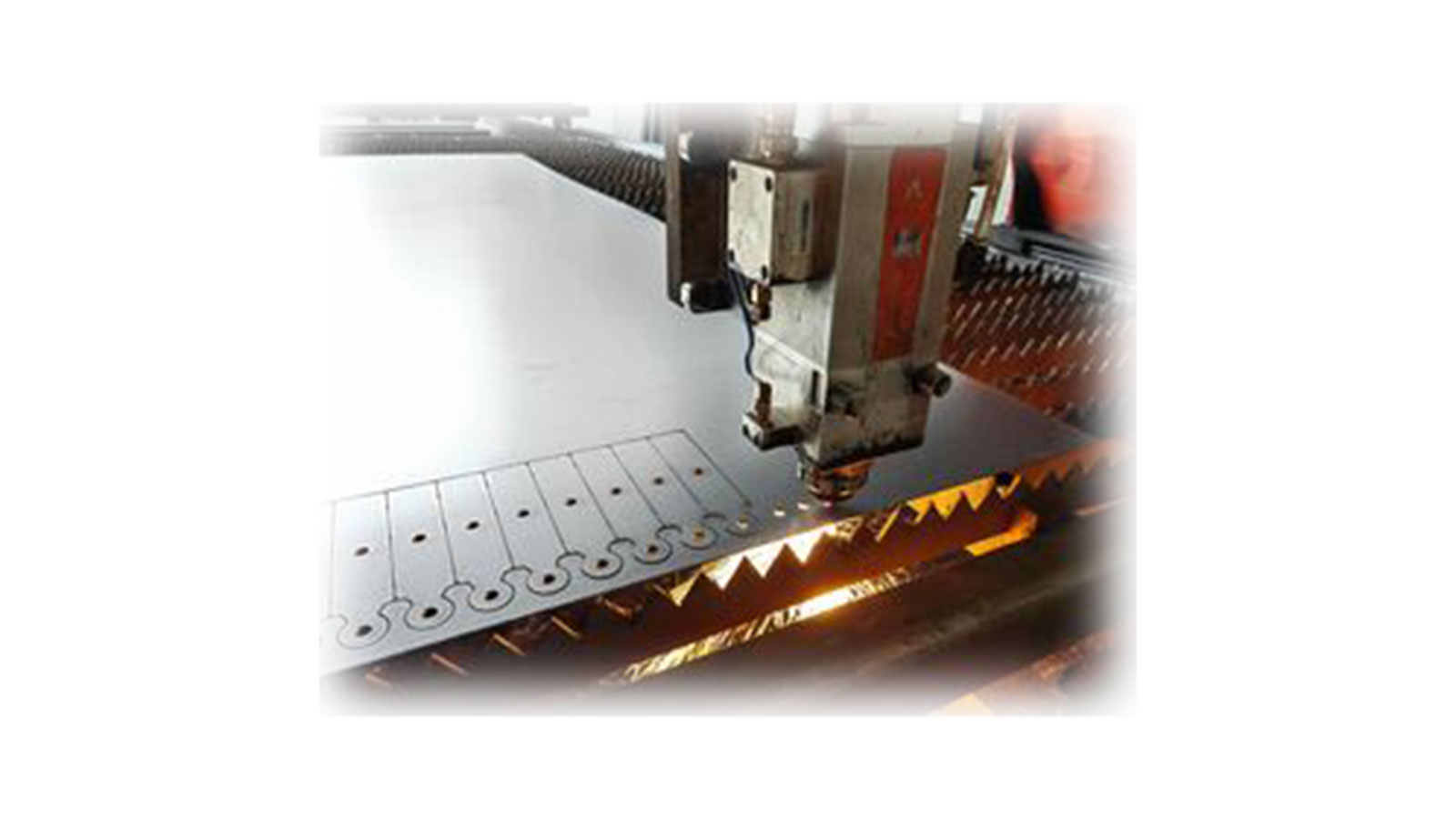
Laser-cut steel or stainless steel part
Company: Deren Mfg Chongqing Ltd
Deren offers OEM laser cutting services for steel and stainless parts for industrial applications. These parts can be made based on 3D Max, SolidWorks, CAD and UG 2D/3D drawings. The usual thickness is 0.2 to 50mm for plates measuring up to 1,510x6000mm, and 0.2 to 20mm for tubes up to 300mm for round and 240x240mm for square with a maximum length of 9,000mm.
MOQ: 100 meters
Lead time: 7 to 15 days
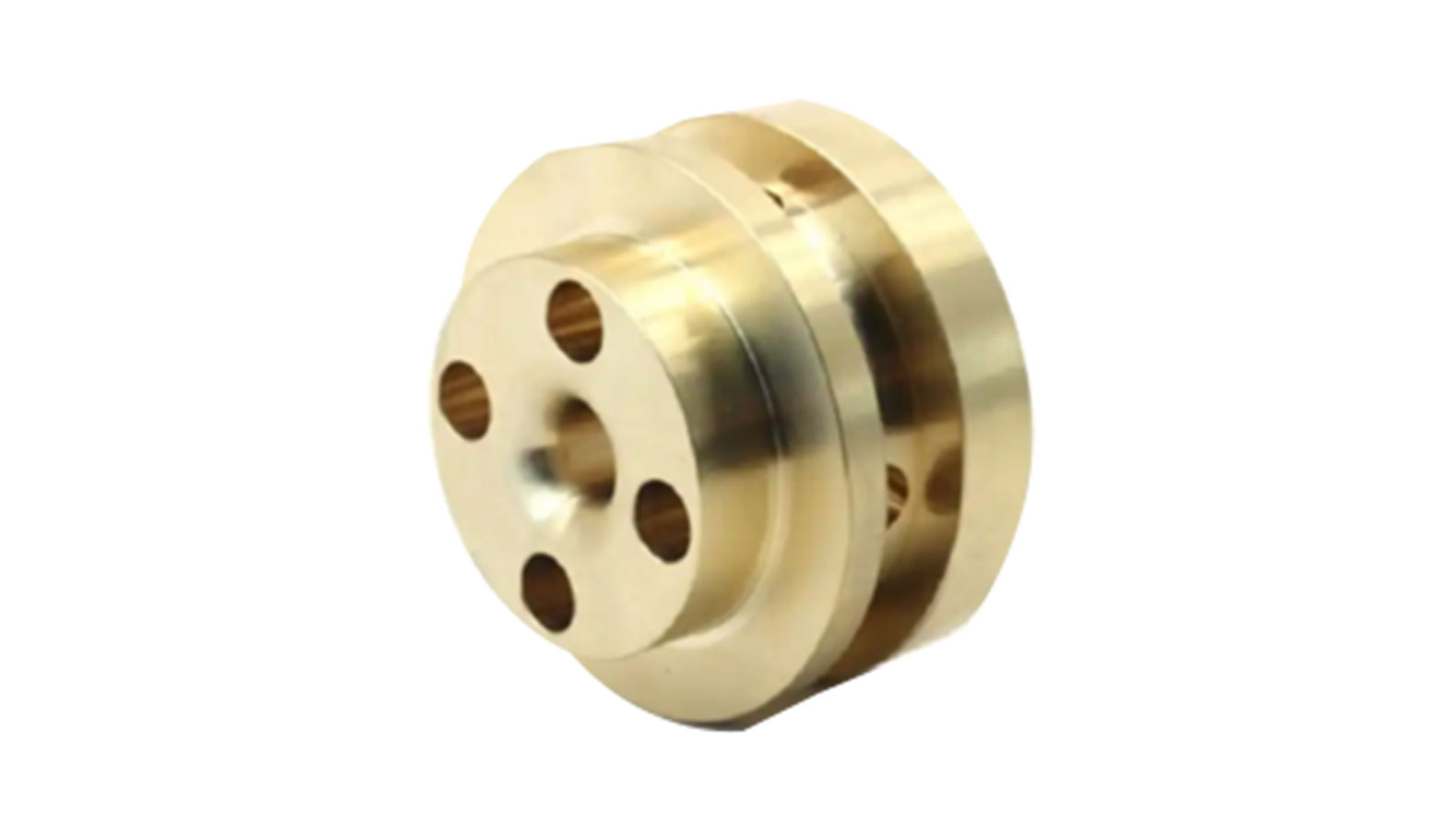
Metal or plastic part
Company: Dong Guan Ruopan Plastic Hardware Products Co. Ltd
Model RPC-169 from Dong Guan Ruopan is a high-precision CNC machined part. The supplier can produce this using plastic, aluminum, brass, bronze, copper, stainless steel, steel alloy or titanium. Plastic parts have a typical tolerance of ±0.01mm and metal ones ±0.05mm, with as tight ±0.002mm achievable when specified.
MOQ: 10 pieces
Lead time: 10 to 20 days
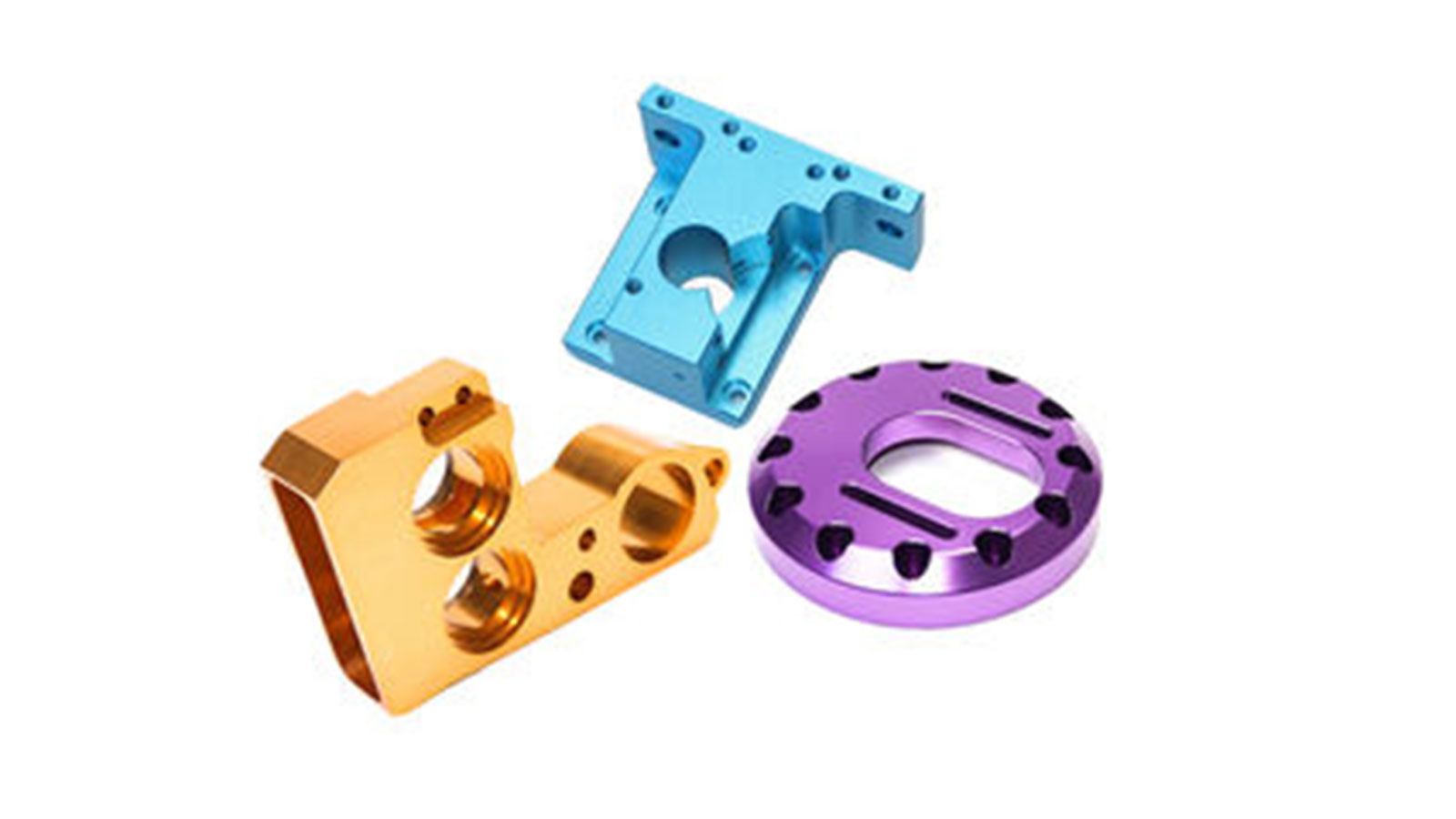
Metal part, ±0.01mm tolerance
Company: Dongguan Exalt Parts Co. Ltd
Dongguan Exalt’s ZY-80 is a CNC machined part that can be made of aluminum, brass, bronze, copper, stainless steel, steel alloy or plastic with ±0.01mm tolerance. It may have a polished, plated, passivated or anodized surface finish. The size and color are based on custom requirements.
MOQ: 1,000 pieces
Lead time: 15 to 25 days
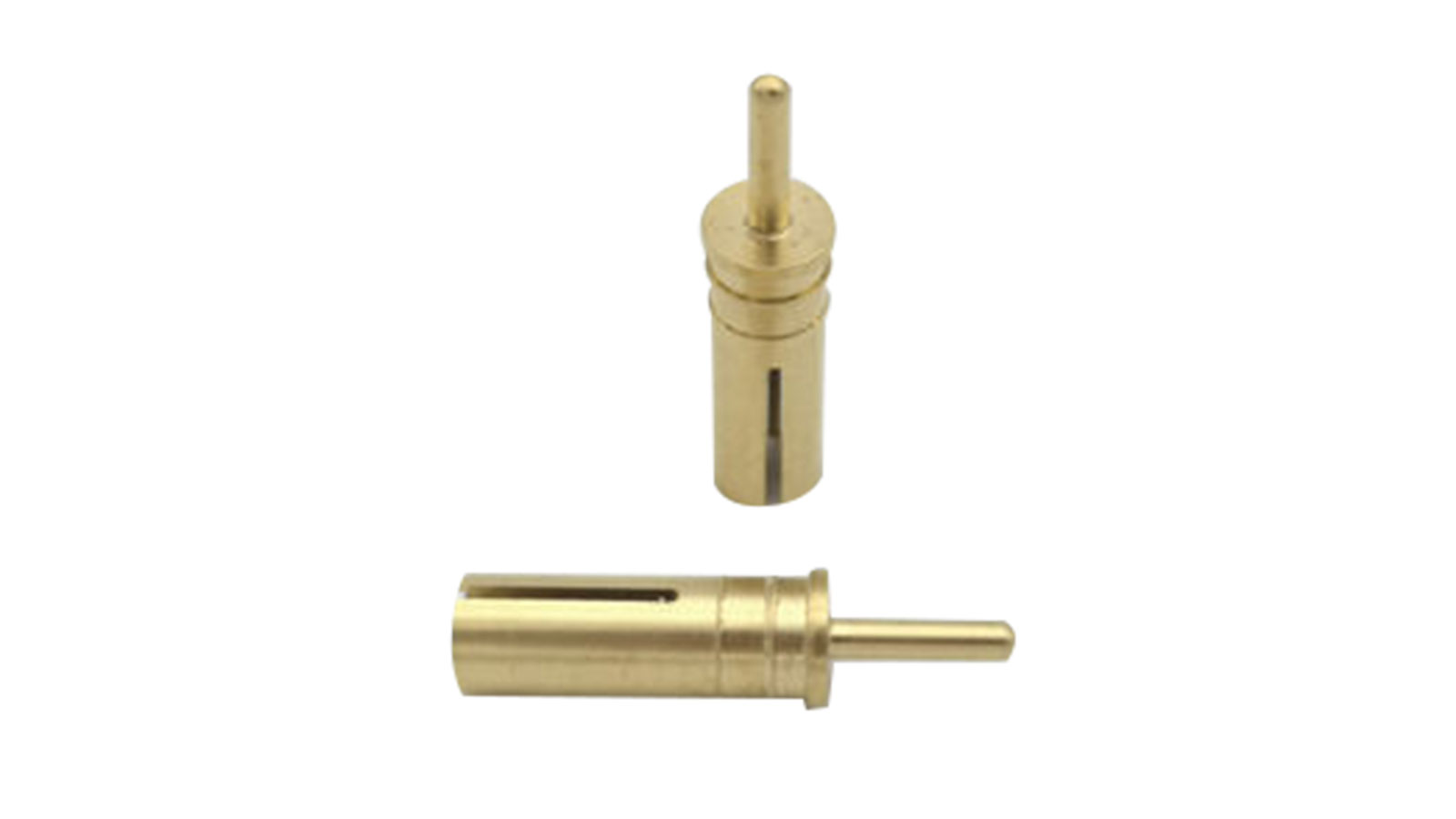
Automotive connector
Company: Dongguan Fortuna Metals Ltd
The MC-220222-034 from Dongguan Fortuna is a brass automotive connector machined using a CNC lathe. It can be plated with copper, nickel, tin, gold or silver as required. This RoHS-compliant part is free of burrs, oil, scratches and other flaws and has a roughness of 0.8 Ra.
MOQ: 10,000 pieces
Lead time: 20 to 40 days
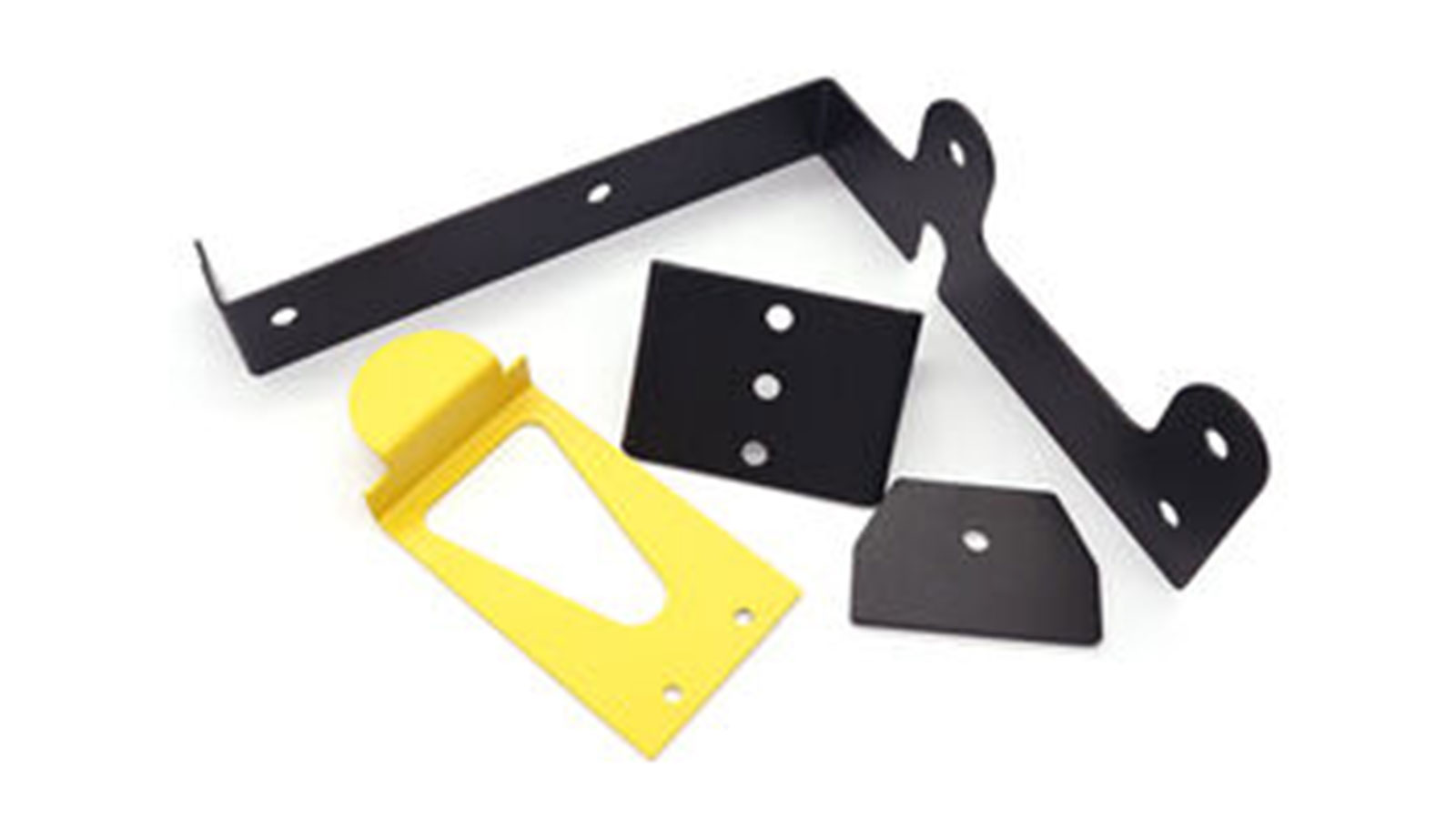
Laser-cut metal part
Company: Dongguan Xinruida Precision Technology Co. Ltd
The B-436 from Dongguan Xinruida is an example of laser-cut parts that it can manufacture using aluminum, stainless steel, brass, copper, iron or plastic. It is RoHS-compliant. Stainless steel can be polished, passivated, sandblasted or laser-engraved, while steel can have a zinc, black oxide, nickel, chrome, carburized or powder-coated finish. Aluminum can have a clear, color or sandblasted anodized, brushed, polished or chemical film surface treatment. Plastic can be painted or laser-engraved, with gold plating an option for ABS parts and brushing for acrylic ones.
MOQ: 1 piece
Lead time: 10 to 15 days
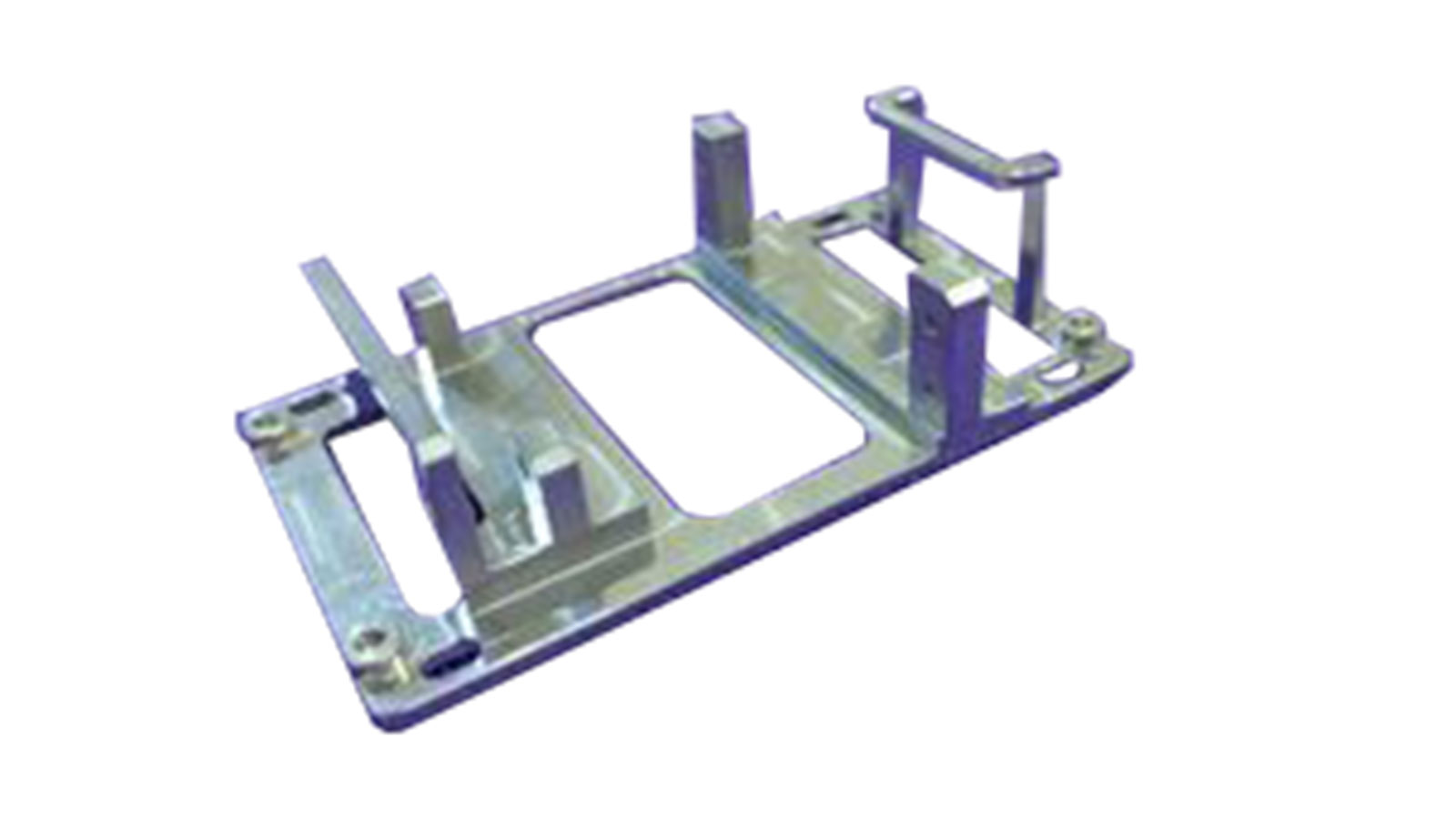
Aluminum part
Company: Shenzhen Ponyo Technology Co. Ltd
The PY-C1084-2234 from Shenzhen Ponyo is an aluminum CNC machined part. It undergoes a complete QC check, from IQC and PQC to QA. The supplier provides other services, including plastic molding and injection, and stamping molds and parts.
MOQ: 3 pieces
Lead time: 5 to 30 days

