




Image from iStock
Today’s pet care products are bringing more function into familiar essentials, creating new specifications and design considerations across collars, harnesses, and training devices. Across the category, materials, construction, comfort, durability, functionality, and emerging technology are shaping how pet care essentials are designed and specified.
The global pet accessories market was valued at approximately $7.2 billion in 2025 and is projected to reach $12.3 billion by 2033, representing a CAGR of 7.1 percent from 2026 to 2033, according to Grand View Research. Collars, leashes, and harnesses accounted for 31.7 percent of the market in 2025, making them the largest product segment within the category.
Within this category, product specifications begin with the intended use and physical requirements. Everyday pet care products may need to accommodate different animal sizes, activity levels, environments, and usage frequencies. Size ranges, adjustment points, materials, hardware, weight, cleaning requirements, and packaging dimensions can therefore form part of the basic product specification. Clear measurement information also supports consistent product sizing across different models and product ranges.
Pet collars cover functions such as identification, leash attachment, visibility, tracking, and training. Basic specifications can include neck-size range, strap width, material, buckle or clasp type, D-ring construction, adjustment range, and product weight. Common strap materials include nylon, polyester, leather, and coated webbing, with each material having defined characteristics relating to flexibility, moisture exposure, cleaning, and surface finish.
Fit is particularly relevant to collar design. Manufacturers can specify minimum and maximum neck circumference, strap width, adjustment increments, buckle dimensions, and recommended size ranges. The collar's D-ring, buckle, stitching, rivets, and adjustment hardware form part of its overall construction. Where mechanical strength is stated, the specification should identify the applicable test method and load conditions rather than relying on a general strength claim.
Visibility features are also being incorporated into pet accessories intended for outdoor use. Reflective webbing, reflective stitching, reflective printing, and LED components can be specified according to the product design. LED collars may use rechargeable lithium-ion batteries, replaceable batteries, or USB charging systems, with specifications covering battery capacity, charging voltage, charging time, operating modes, and illumination duration. Where electronic products carry an ingress protection rating, the applicable IP classification can indicate the level of protection against solid particles and water under defined test conditions.
Connected collars add another layer of functionality. GPS-enabled models can incorporate GNSS positioning, Bluetooth, Wi-Fi, cellular connectivity, accelerometers, and other sensors. Specifications may include location technology, positioning accuracy, location-update frequency, battery capacity, operating time, charging time, cellular network compatibility, supported mobile operating systems, and subscription requirements. The global pet wearable market was valued at approximately $3.4 billion in 2025 and is projected to reach $11.4 billion by 2033, representing a CAGR of 16.8 percent from 2026 to 2033, according to Grand View Research. Smart collars held the largest share of the market by product in 2025.
Activity-monitoring functions are also appearing in connected pet wearables. Accelerometers and other sensors can collect information related to movement, activity, rest, or behavior, with data transmitted through a smartphone application or connected platform. Product documentation can identify the sensors included, data functions, connectivity requirements, battery specifications, storage arrangements, and any recurring service requirements.
Pet training devices cover products such as clickers, whistles, treat dispensers, remote training systems, vibration devices, and electronic collars. Specifications depend on the operating method and can include dimensions, materials, control type, transmission range, operating frequency, number of channels, battery type, charging time, operating time, and water-resistance properties. The global dog training equipment market is projected to reach approximately $3.85 billion by 2030, with a CAGR of 6.54 percent from 2025 to 2030, according to Grand View Research.
Electronic training devices require clearly defined operating specifications. Remote systems may provide manufacturer-defined functions such as tone, vibration, or other stimulation modes. Where adjustable output levels are available, the number of settings and operating parameters should be documented. Battery capacity, charging method, receiver dimensions, transmitter dimensions, operating temperature, and waterproofing can also form part of the technical specification.
Connected training equipment is incorporating functions such as GPS tracking, remote monitoring, smartphone applications, and activity sensors. Grand View Research identifies AI, GPS tracking, and remote monitoring as technology developments within the dog training equipment market. For connected products, specifications can include Bluetooth or cellular connectivity, supported applications, mobile-device compatibility, firmware requirements, location services, and data transmission functions.
Pet harnesses have their own set of specifications because their construction distributes attachment points across the animal's body. Product information can include neck circumference, chest or girth circumference, strap width, adjustment range, number of adjustment points, attachment-ring configuration, material, padding, and total weight. Step-in, vest-style, front-attachment, back-attachment, and multi-point designs represent different construction formats.
Harness materials can include nylon webbing, polyester, mesh fabrics, neoprene, leather, synthetic leather, and coated textiles. Mesh and padded sections may be specified by fabric composition, thickness, cushioning material, and ventilation characteristics. Hardware can include stainless steel, aluminum, zinc alloy, acetal, or other polymers, with buckle type and adjustment hardware forming part of the product specification.
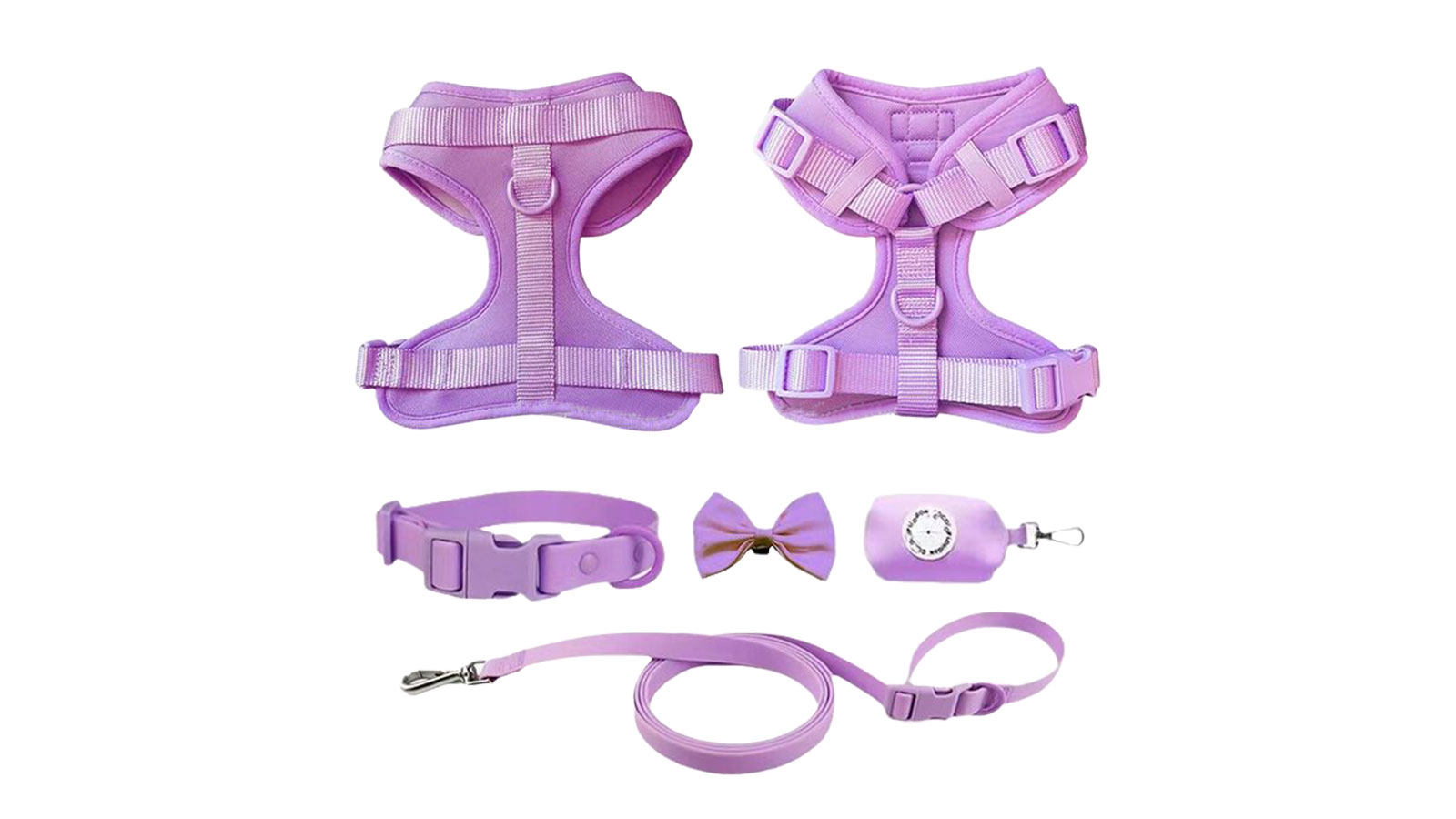
Pull-resistant pet harness
Company: B&G Fashions International Ltd
Available in various colors and sizes, the B-Q1M09 pet harness from B&G is made of PVC fabric and has a reflective design. It is pull-resistant and suitable for dogs prone to sudden movement.
MOQ: 1,000 pieces
Lead time: 25 to 35 days
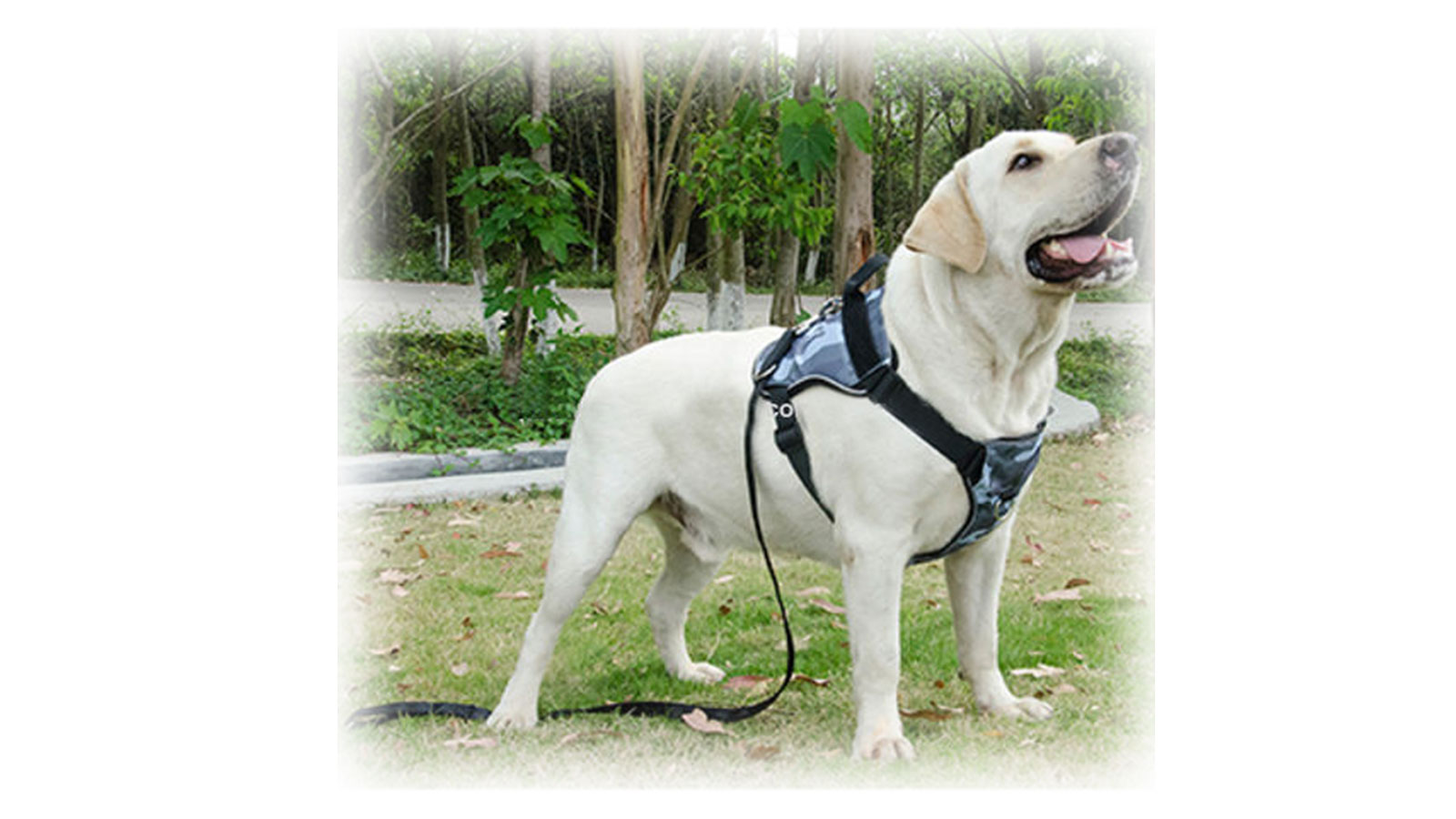
Camouflage pet harness
Company: Dongguan Xianghao Bag Co. Ltd
Dongguan Xianghao’s XH-A9-40006 pet harness comes in camouflage design and custom colors, with sizes from 2XS to 2XL. It is made of 600D polyester, sandwich mesh, PP webbing and nylon reflective edging, with a stainless steel D-ring and plastic buckle.
MOQ: 500 pieces
Lead time: 35 to 60 days
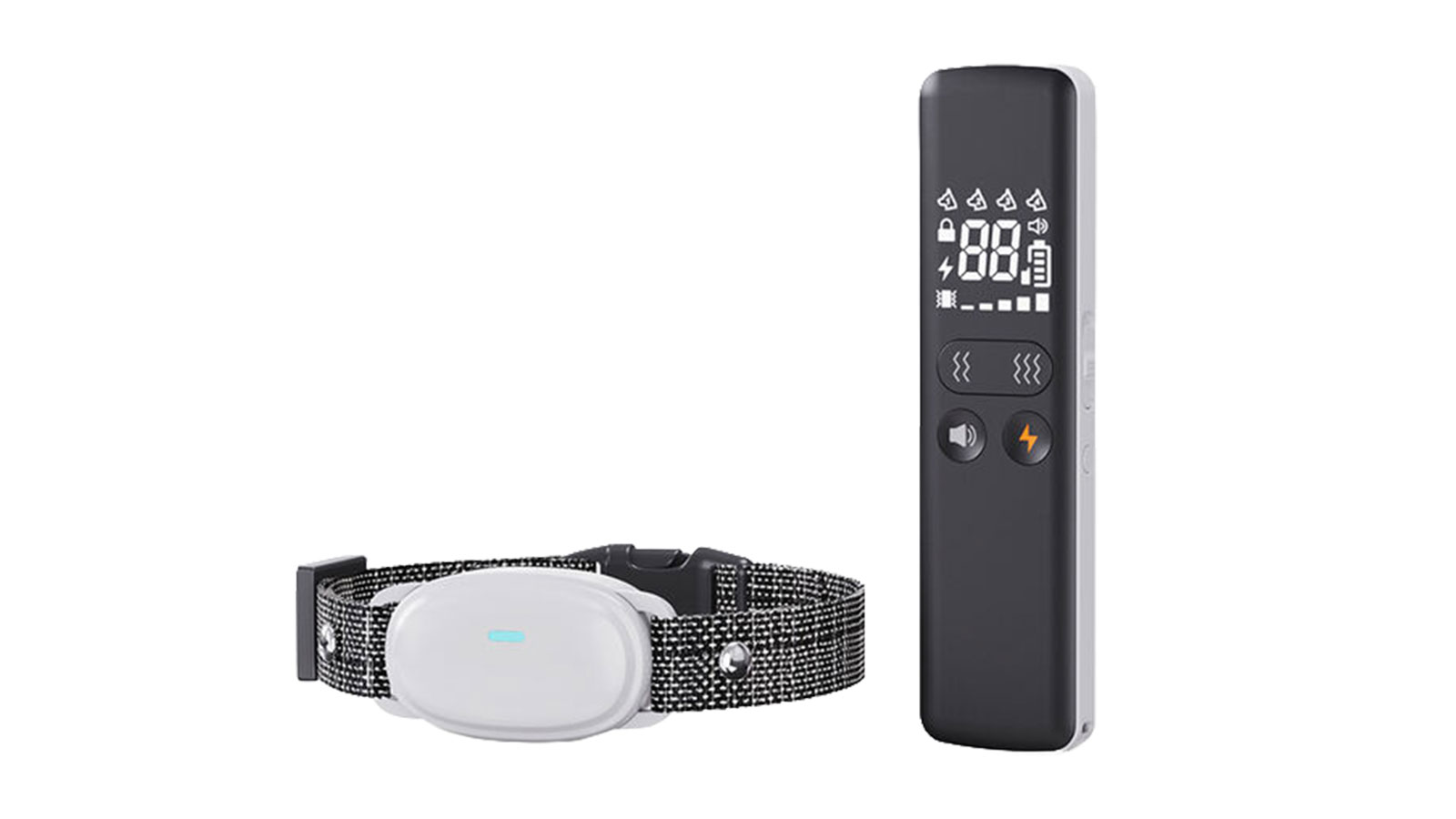
Pet training collar
Company: Huizhou Huayi High Energy New Energy Co. Ltd
The E1 from Huizhou Huayi is an IPX7-rated pet training collar with beep, vibration and static training modes, five vibration levels, 30 shock levels, up to 400m range, replaceable contact point, LED light and security lock. It is suitable for dogs weighing 10 to 110 lbs and can control up to four dogs.
MOQ: 100 units
Lead time: 7 to 15 days
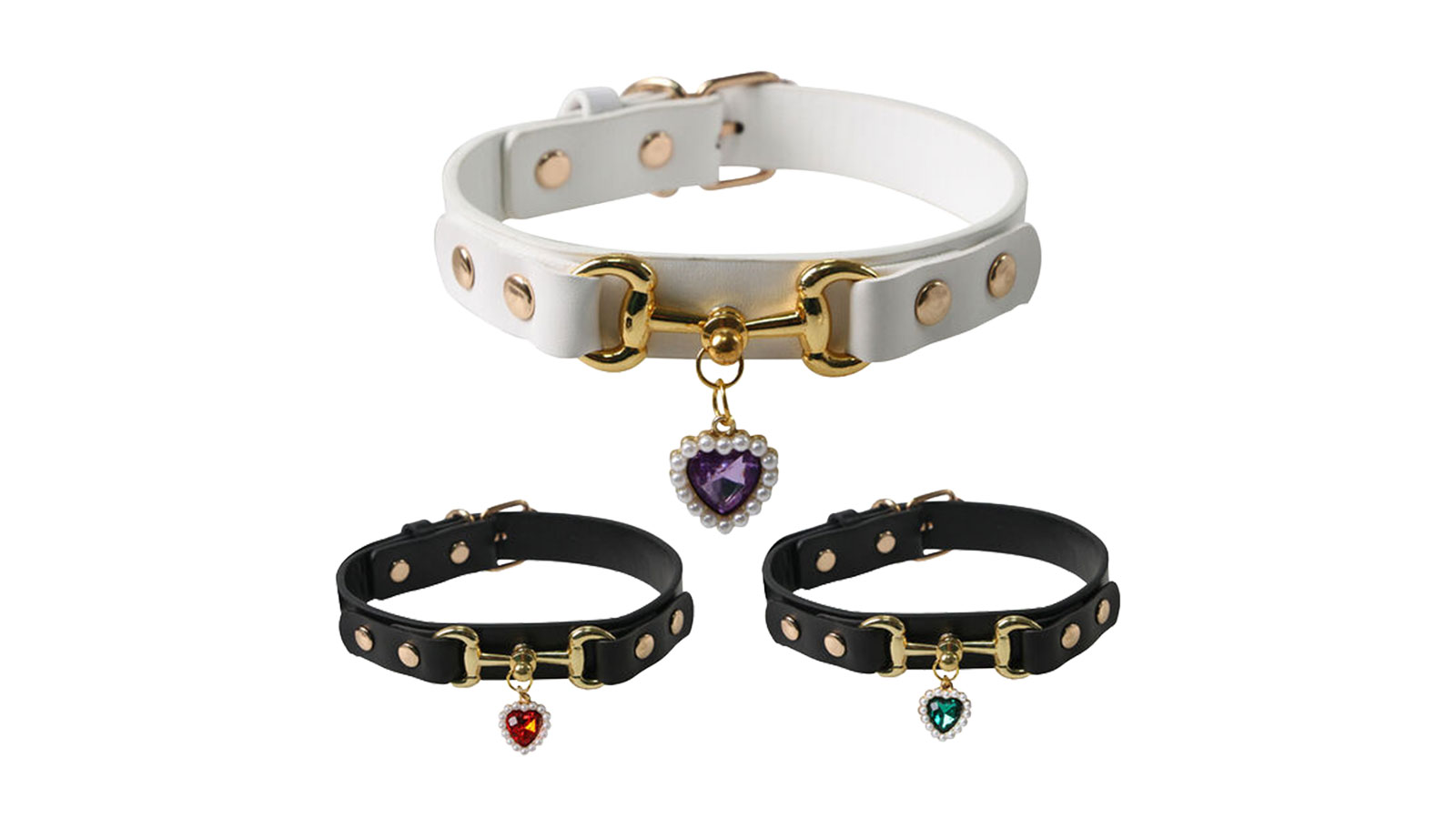
Leather pet collar
Company: Yiwu Jing Can Crystal Co. Ltd
Made of PU leather, Yiwu Jing Can’s 1018890910563 pet collar fits neck circumferences up to 39cm neck circumference and comes with various pendant options.
MOQ: 100 pieces
Lead time: 15 to 30 days