




From a concept to a trend, smart homes are now a growing market, driven by an appreciation for the convenience, safety and energy efficiency that technology offers. In such a setup, temperature, humidity, lighting, appliances, entertainment systems and security devices can be monitored and controlled remotely.
Enabling this automation are sensors, which collect and transmit data to smart home devices. Also called the “nerve endings” in such a network, they include motion, temperature and humidity, light, gas, voice, image and nano sensors.
In recent years, smart sensors have become popular in smart home applications as well, gaining traction thanks to the Internet of Things and AI. Unlike traditional sensing devices, they have embedded microprocessors that allow them not only to gather environmental data but also perform predefined functions.
MEMS technology is expected to be the future trend in the sensors segment, according to industry analysts. This is because sensing devices made using this manufacturing technique offer advantages of small size thanks to integrated electronics, as well as high sensitivity and low power dissipation.
The technology’s application in sensors used in smart homes was, in fact, on the agenda of the MEMS & Sensors Technical Congress (MSTC) 2024. The conference, which was held in early May at the University of California, Los Angeles, tackled the latest MEMS and sensors trends and innovations. It was sponsored by the SEMI Microelectromechanical Systems and Sensors Industry Group.
China’s smart sensors market
In China, the smart sensors market has a sizeable reach. It realized $19.86 billion in 2023 and is projected to hit $42.57 billion by 2030 at a CAGR of 11.5 percent, according to Puhua Policy, a Chinese market research company.
For this reason, sensors manufacturers will emphasize the development of MEMS sensors. A major company in this field in China, MemsFrontier has already released gas, temperature and other sensing devices for smart home applications. One of its temperature sensor models uses a high-sensitivity NTC thermistor as well as thermopile sensors in TO-39 packages.
In mainstream supply, however, are conventional temperature and humidity, motion, light, voice and image sensors, with the first three types accounting for the bulk of production. Most makers ensure that these comply with UL, CE and RoHS standards.
These sensors are made using chips sourced from major foreign companies, including TI, STMicroelectronics, Sony, NXP and Infineon, or their leading domestic counterparts such as Silan and MEMSIC. The rest of the inputs used are sensing and passive components, PCBs and cases usually purchased from Chinese providers.
Captive application
Smart home devices are an enormous driver for the sensors industry in China. Their market posted a 16 percent CAGR from $36.22 billion in 2016 to $90.27 billion in 2022, according to the Ministry of Industry and Information Technology. In 2023, this value rose further to $99.3 billion.
AskCI said that Chinese manufacturers shipped more than 220 million smart home devices in 2021 and 260 million in 2022. This volume is expected to surpass 500 million by 2026.
This upward trend will open more opportunities to sensors suppliers and has already attracted new investments. Zhejiang Jingyu Semiconductor, for instance, announced in 2023 its allocation of $138 million for a MEMS sensors and modules project in Lishui. The first phase in a 13,340sqm area, costing $30.55 million, will generate an annual production value of $55.55 million after mass production.
Manufacturing pool
There are hundreds of producers of sensors in the Chinese mainland and the majority can provide them for smart home application. They include companies from the US, Japan and the Taiwan region, most operating on a large scale. Their homegrown counterparts include Guide Infrared, Tianshui Huatian, HGTech and Hanwei Electronics.
Many of these suppliers are found in Shenzhen, Dongguan, Zhongshan, Suzhou, Wuxi, Shanghai, Ningbo, Nanjing, Qingdao and Beijing, with others in inland areas such as Changsha, Chengdu and Xi’an. It is worthy to note that the Smart Sensor Manufacturing and Innovation Center and Sensors Industry Park is in Chengdu and is scheduled to have been completed in mid-2024.
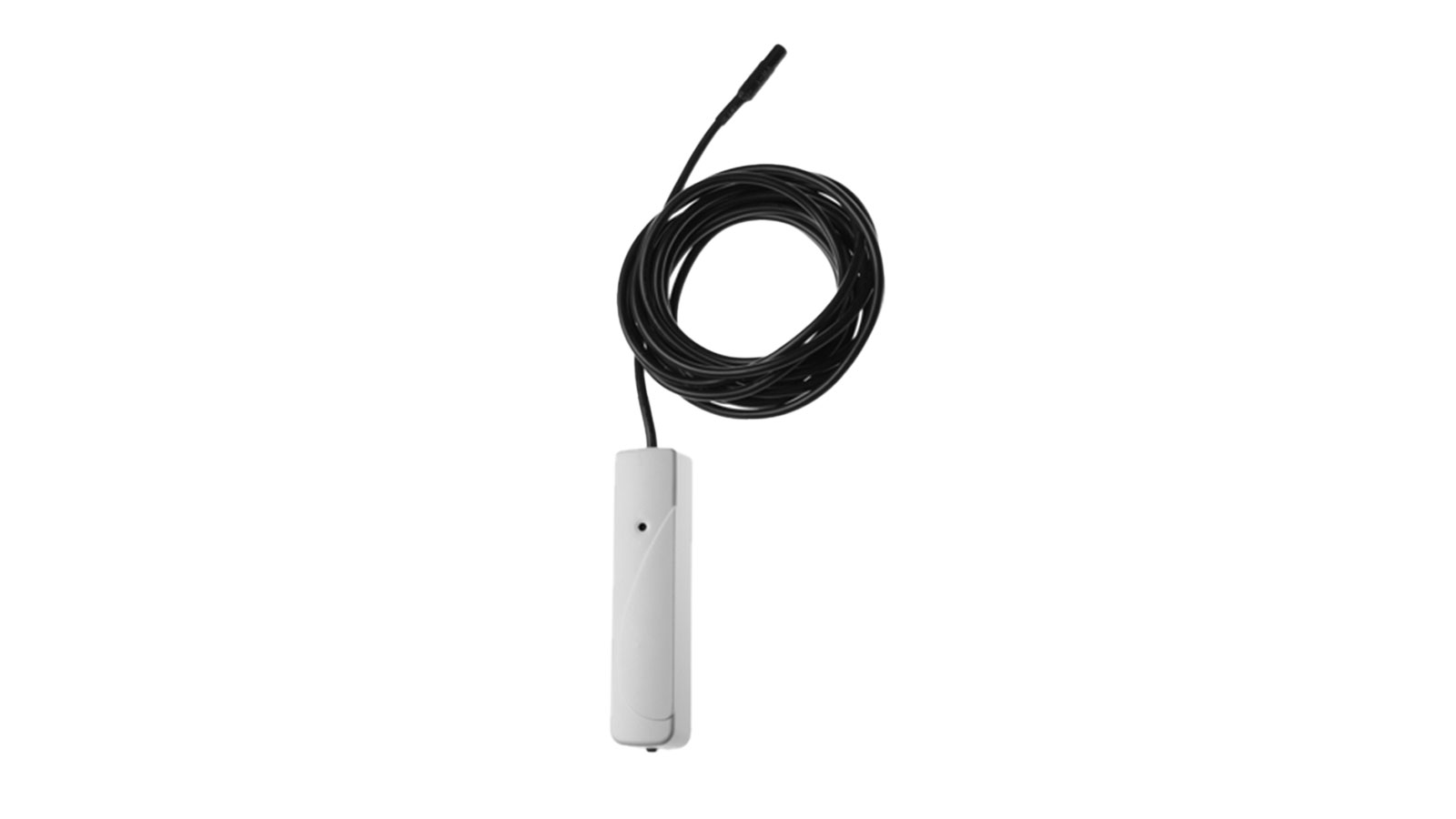
Temperature sensor, -30 to 100 C range
Company: Climax Technology Co. Ltd
Climax markets the TS0-9-EL, a temperature sensor with -30 to 100 C temperature range, ±1 C sensitivity and 868 or 433MHz frequency.
MOQ: Negotiable
Lead time: 7 days
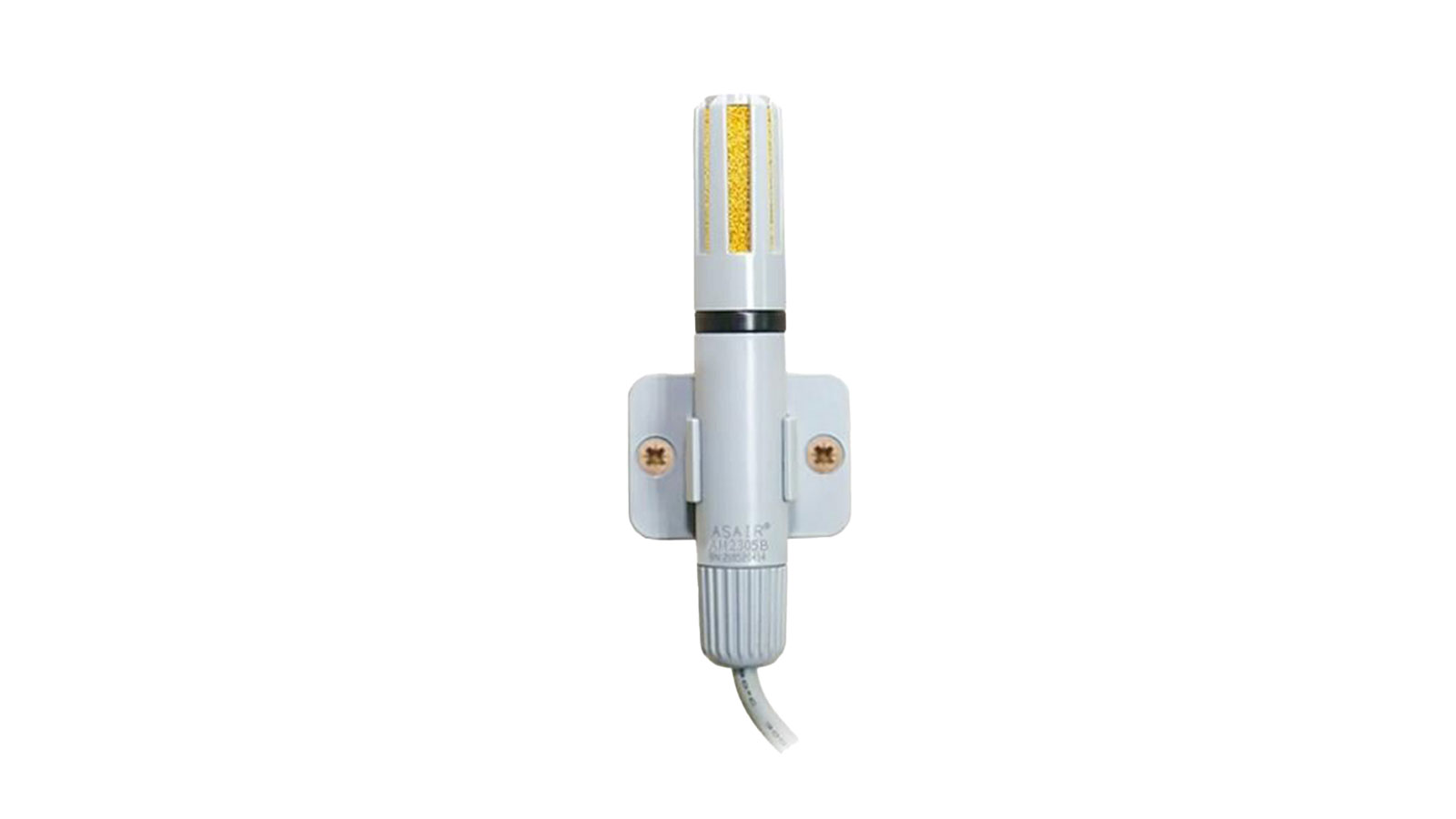
Temperature sensor, -40 to 80 C range
Company: Guangdong Jiepute Technology Co. Ltd
From Guangdong Jiepute, the AM2305B temperature sensor has -40 to 80 C temperature and 0 to 99.9 percent RH ranges. The temperature accuracy and repeatability are ±0.5 and ±0.2 C, while the humidity accuracy and repeatability are ±3 percent RH at 25 C and ±1 percent RH. This device has an operating voltage of 3.3 to 5.5VDC.
MOQ: 100 units
Lead time: 25 days
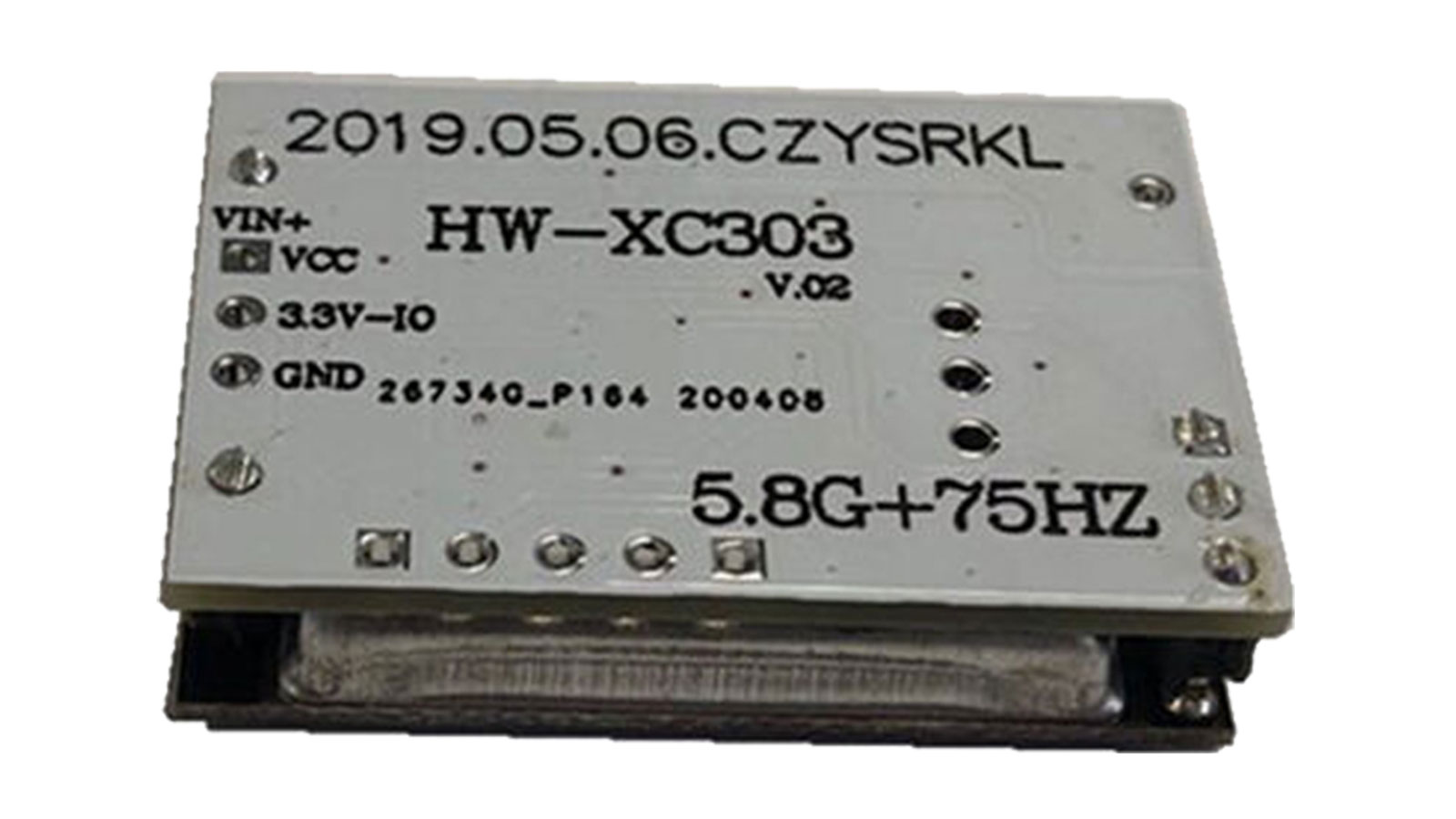
Motion sensor, 0.5 to 12m adjustable induction distance
Company: Hangzhou Assem Technology Co. Ltd
The Microwave Motion Sensor from Hangzhou Assem has 3.3V inductive output voltage, 5.8GHz±75MHz transmission frequency and -20 to 80 C operating temperature. Its potentiometer has 0.5 to 12m adjustable induction distance.
MOQ: Negotiable
Lead time: 15 days
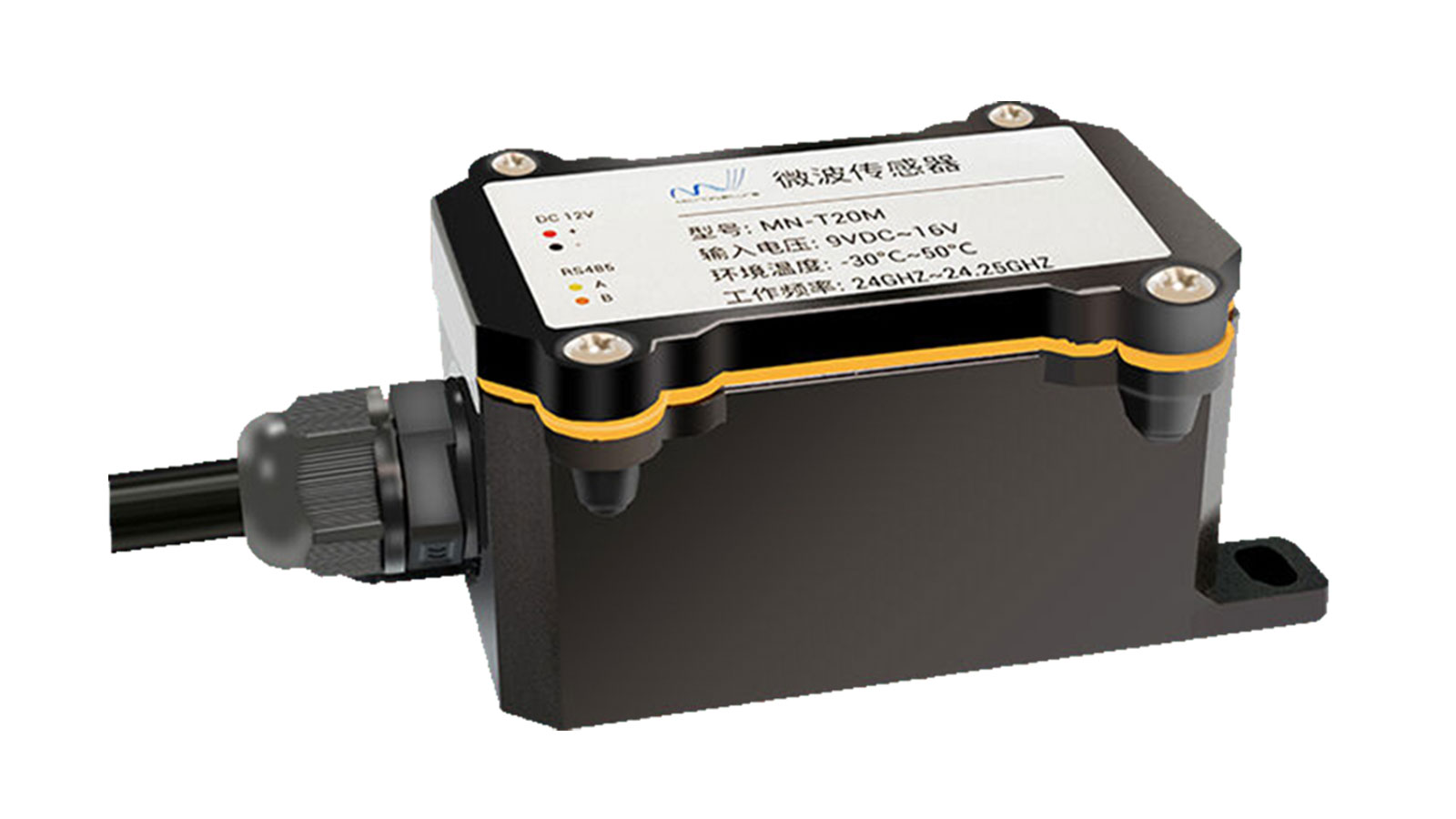
Motion sensor, 180-degree detection angle
Company: Shenzhen Trxcom Electronics Co. Ltd
The MN-T20M from Shenzhen Trxcom is a motion sensor with 180-degree detection angle, 1 to 8m detection distance and IP20 rating. It has 9 to 16VDC input voltage, less than 70mA current, 24 to 24.25GHz operating frequency and -30 to 50 C operating temperature. This device has an RS-485 relay output mode, with 3sec response time.
MOQ: Negotiable
Lead time: 7 days

