




Image from iStock
In today's fast-paced business environment, even small technology decisions can have an outsized impact on productivity, employee satisfaction and operational efficiency. One such decision is the choice between wired and wireless computer mice. As organizations increasingly prioritize flexible, ergonomic and future-ready workspaces, wireless mice have emerged as a practical upgrade that delivers measurable business value.
Supporting hybrid and flexible workspaces
The shift toward hybrid work models means employees are no longer tied to a single desk configuration. Wireless mice allow for seamless transitions between conference rooms, home offices and hot-desking setups without the hassle of tangled cables or hunting for available ports. For organizations investing in agile workspace design, wireless peripherals are a natural complement to modular furniture and flexible seating arrangements.
Reducing desk clutter and improving aesthetics
Cable management remains a persistent challenge in office environments. Wireless mice eliminate one more cord from the desktop, contributing to cleaner workstations. This is not just cosmetic – reduced clutter has been linked to improved focus and lower cognitive load, which can translate into better employee performance over the course of a workday.
Ergonomics and employee well-being
Repetitive strain injuries (RSIs) and musculoskeletal issues are a leading cause of workplace discomfort and lost productivity. Many premium wireless mice now come with ergonomic designs, adjustable DPI settings and vertical or contoured shapes that reduce wrist strain. Investing in ergonomic peripherals signals to employees that the organization values their long-term health – an increasingly important factor in talent retention.
Enhanced mobility for presentations and collaboration
For sales teams, consultants and executives who frequently present to clients or lead meetings, wireless mice offer freedom of movement that wired alternatives simply cannot match. The ability to control a presentation from across the room adds a layer of professionalism and confidence that resonates in client-facing scenarios.
Key sourcing considerations
When evaluating wireless mice for organizational deployment, procurement teams should weigh the following factors:
Connectivity Standards: Bluetooth vs RF (2.4GHz)
Bluetooth mice pair directly with laptops and desktops without a USB dongle, ideal for minimizing the number of ports used and especially relevant for ultrabooks with limited connectivity.
RF mice, which use a USB receiver, often provide more stable, lower-latency connections and are less prone to interference in crowded office environments with multiple Bluetooth devices.
For organizations with hundreds of employees working in close proximity, RF technology may reduce connectivity conflicts, while Bluetooth offers greater simplicity for mobile professionals.
Battery life and charging infrastructure
Battery life varies significantly between models – from a few weeks to over a year on a single charge. For large-scale deployments, consider:
- Rechargeable vs replaceable battery models (rechargeable reduces long-term waste and cost)
- Standardizing charging cables, with USB-C now the dominant standard
- Battery indicator features to preempt downtime during critical work
Security considerations
Wireless peripherals, particularly those using older or unencrypted RF protocols, can pose a security risk. Enterprises should prioritize devices with encrypted connections to prevent interception of keystrokes or mouse inputs – an often-overlooked vulnerability in corporate cybersecurity policies. Look for vendors who explicitly state AES encryption support or similar security certifications.
Compatibility and fleet standardization
For IT departments managing large device fleets, compatibility across operating systems (Windows, macOS, Linux) and ease of driver-free plug-and-play functionality reduces support overhead. Standardizing on a single mouse model or vendor also simplifies replacement logistics and warranty management.
Total cost of ownership
While wireless mice typically carry a higher upfront cost than wired counterparts, consider the total cost of ownership:
- Reduced cable replacement and repair costs
- Lower failure rates in modern wireless models
- Potential productivity gains from ergonomic and mobility benefits
- Bulk purchasing discounts available through most major vendors
Popular use cases across industries
Corporate offices: Standardized wireless mice for hot-desking and hybrid work environments
Creative and design firms: Precision wireless mice with customizable DPI for detailed work
Sales and consulting: Compact, travel-friendly wireless mice for on-the-go professionals
Call centers and data entry: Ergonomic wireless mice to reduce RSI-related absenteeism
Executive suites: Premium wireless mice paired with wireless keyboards for a polished, cable-free desk setup
Specialty wireless mice
The B2B peripherals market has seen significant growth in specialized wireless gaming mice, driven by advances that have eliminated the historical latency disadvantages of wireless connections. Modern gaming mice now leverage proprietary 2.4GHz RF technology alongside Bluetooth, offering polling rates exceeding 1,000Hz and response times under 1ms – performance metrics that rival, and in some cases exceed, wired alternatives.
Key features include ultralow latency wireless protocols designed for competitive esports environments; extended battery life ranging from 40 to 250+ hours, critical for tournament and enterprise settings; lightweight designs, usually under 60g, using honeycomb shells or reduced internal components; high-precision optical sensors with DPI ranges up to 30,000+, appealing to professional gaming organizations and esports training facilities; and customizable RGB lighting and onboard memory for brand customization and profile switching – valuable for markets serving gaming lounges, cybercafés or corporate esports programs.
Ring wireless mice – compact, finger-worn wireless pointing devices – are carving out a niche in both productivity and specialized gaming applications. Unlike traditional mice, these devices attach to the finger or hand, using gyroscopic or optical sensors to translate motion into cursor movement, usually paired with a separate clickable ring or thumb-operated buttons.
These mice provide mobile and remote workforce solutions, with compact form factor appealing to corporate clients equipping traveling employees or hot-desking environments; presentation and AV integration, as ring mice are increasingly bundled with presentation tools for boardrooms, allowing presenters to control slides without returning to a laptop; and accessibility markets, for ergonomic and adaptive technology suppliers exploring ring mice for clients with limited desk space or mobility considerations.
These wearable devices offer gaming crossover potential. While less prevalent than traditional gaming mice, ring-style controllers are gaining interest among mobile gaming and VR/AR peripheral manufacturers seeking alternative input methods.
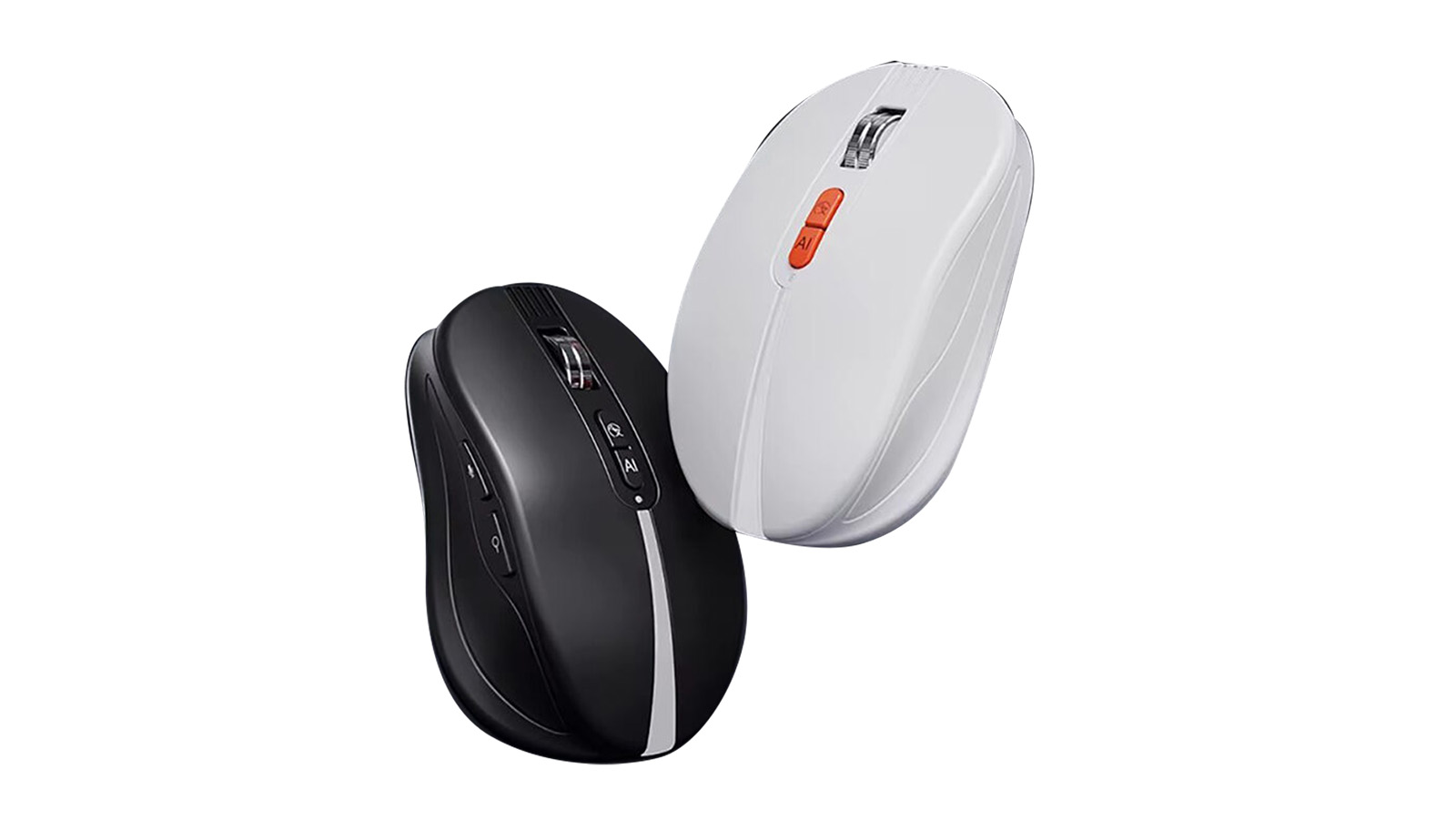
AI-powered mouse
Company: China Flame Group Ltd
China Flame markets model Lugy101-24, a wireless AI mouse with 103 AI functions, including voice recording, typing and translation, writing and drawing assistance, table and PowerPoint deck generation, and code generation. This CE-marked ergonomic device is programmable and has RGB backlighting.
MOQ: 500 units
Lead time: 10 to 15 days
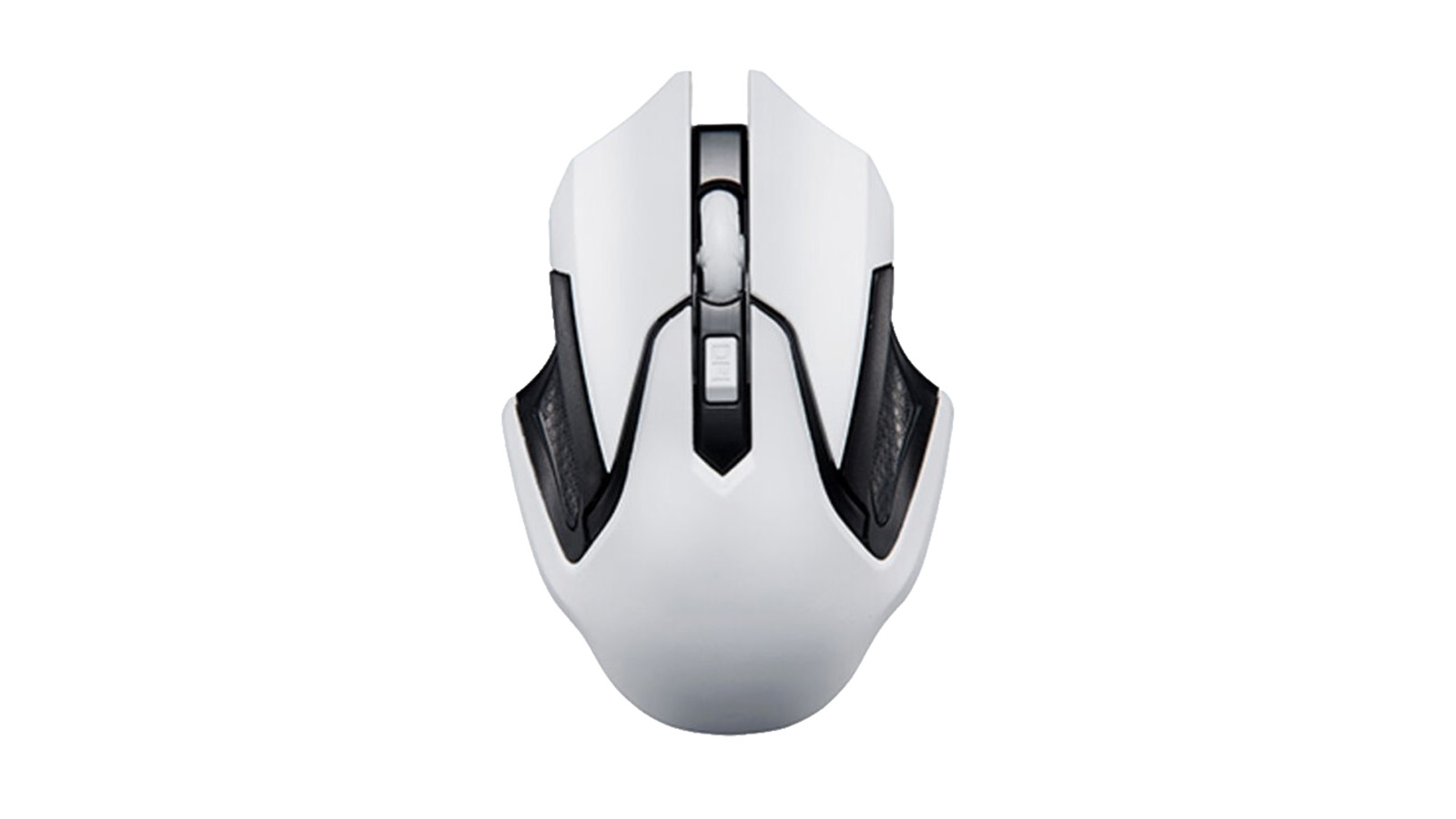
Wireless mouse with two-way communication, 16 channels
Company: Mototech Technology Group Ltd
The G409-5923 from Mototech is an optical 2.4GHz wireless mouse with 1,600dpi resolution. It has a mini hidden plug-and-play receiver and 8- to 10-meter operating distance. This mouse uses two-way communication and has 16 channels to avoid interference with other wireless devices. Its power-saving mode can extend battery life up to more than six months. The RoHS-compliant and CE-marked product has a life span of 500 million key presses or clicks.
MOQ: 3,000 units
Lead time: 25 to 30 days
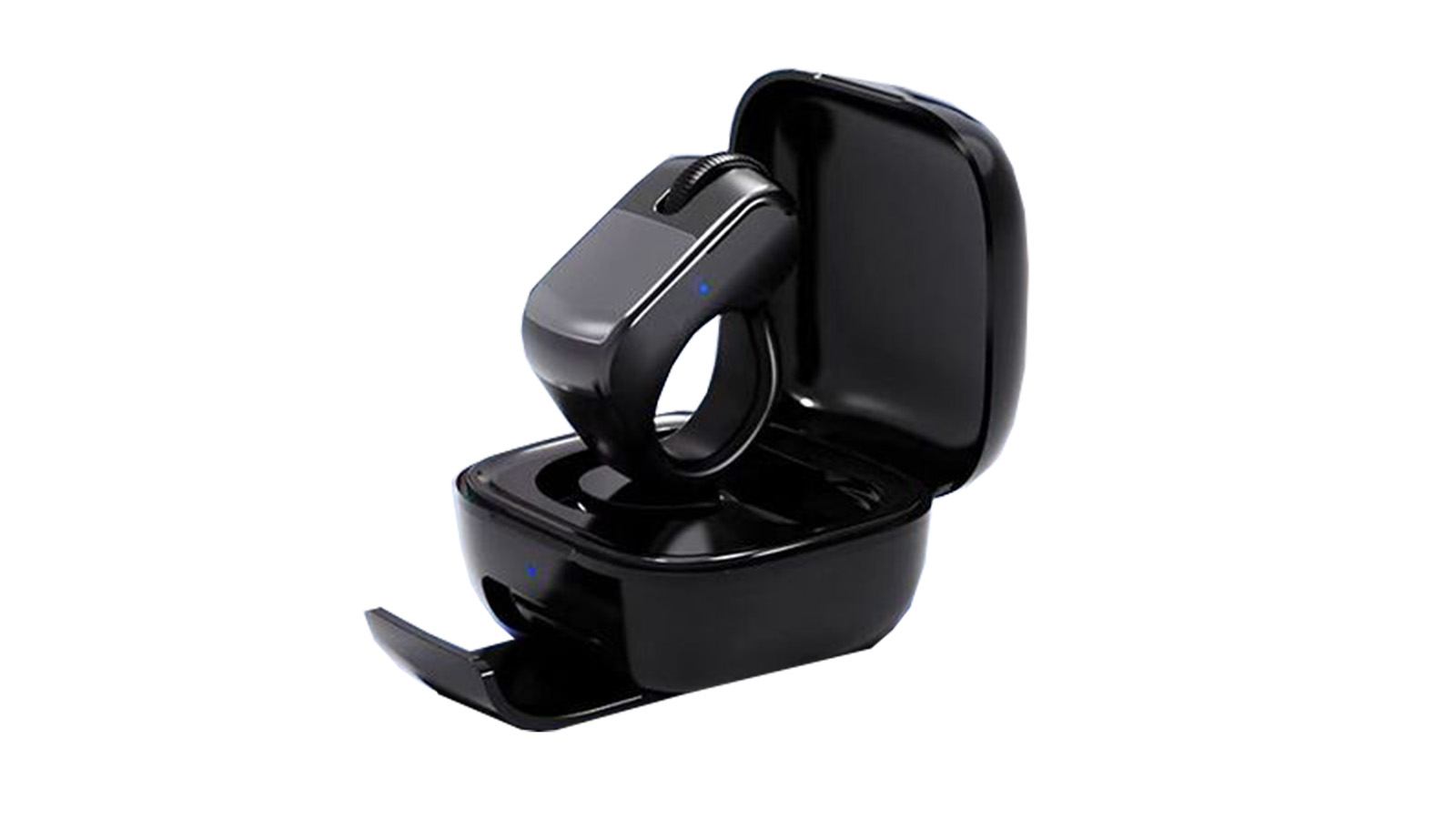
Finger-worn mouse
Company: Shenzhen Lingan Wireless Technology Co. Ltd
Shenzhen Lingan offers the D06, a 9.1g ring mouse for scrolling through short videos, turning slides, browsing, e-book reading, and taking selfies or videos. This Bluetooth 5.3 device is compatible with iOS, Android, Windows and macOS smartphones, tablets and PCs. It comes with a charging case that can recharge the ring up to five times, with each charge ensuring up to 10 hours of use. The MOQ is provided on direct inquiry.
Lead time: 15 to 20 days
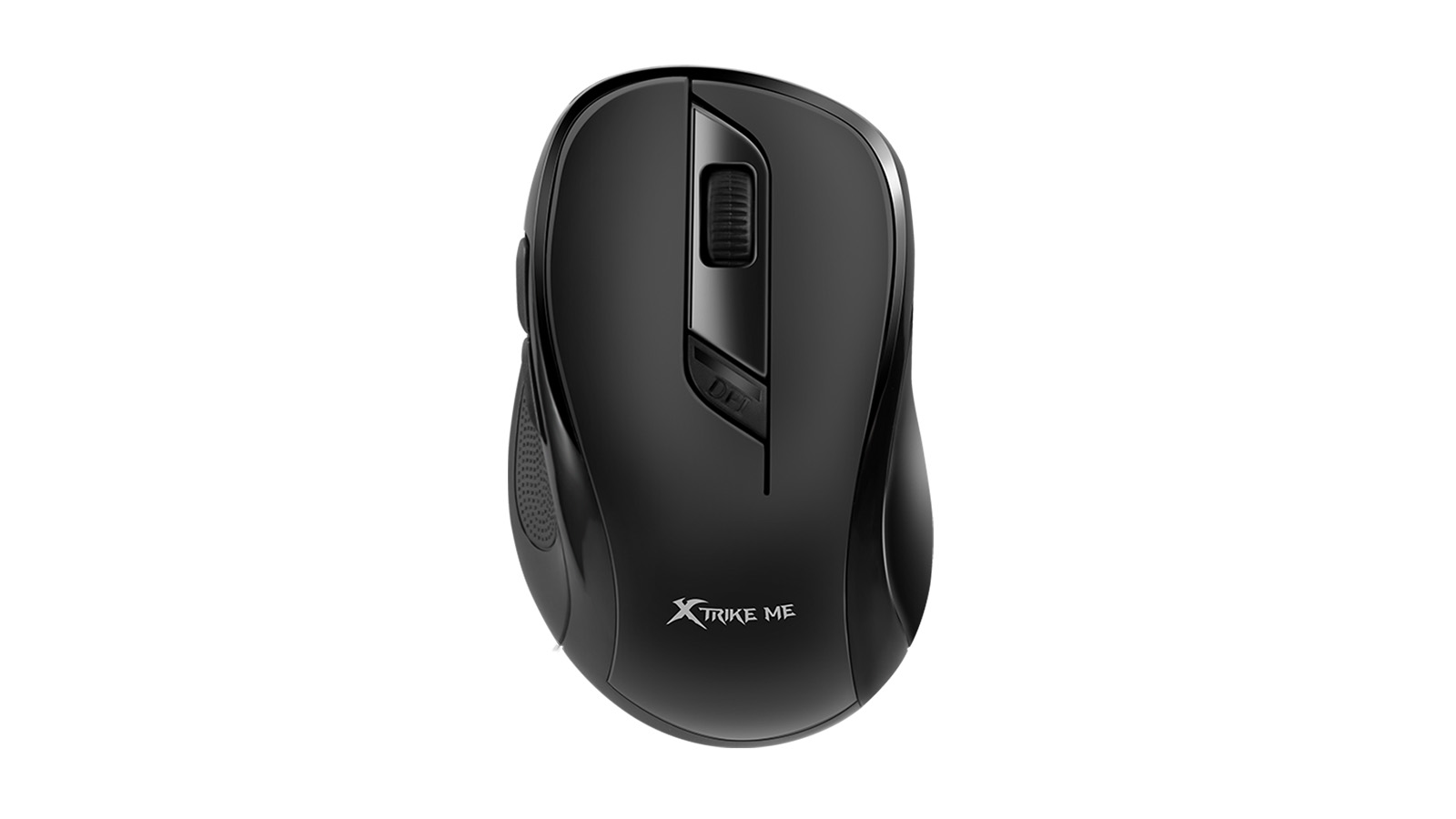
2.4GHz wireless office optical mouse with 10-meter range
Company: Shenzhen Mark Technology Co. Ltd
From Shenzhen Mark, the GW-109---#* is a 2.4GHz wireless office optical mouse for right-hand users. It has six buttons and runs on two AAA batteries. This unit has 600, 800 and 1,200dpi, up to 250Hz polling rate and 10-meter operating range. It can withstand up to 1 million clicks. Dimensions are 105x66x40mm and weight is 58g.
MOQ: 1,000 units
Lead time: 35 to 60 days