




Image from iStock
From smartphones and wearable health monitors to electric vehicles and 5G base stations, coils are among the most fundamental passive components in modern electronics. They store energy in magnetic fields, filter signals, manage power conversion and suppress electromagnetic interference.
As the electronics industry drives toward greater miniaturization for smaller, faster and more efficient systems, coils have become a focal point of both design challenge and materials innovation. Compounding this technical pressure is dependence on copper, the dominant conductor material whose availability and cost have become increasingly volatile.
Global copper demand has surged in recent years, driven not only by electronics but also by electric vehicle production, charging infrastructure, renewable energy systems and the general electrification of economies worldwide. Mining output has struggled to keep pace, with declining ore grades at existing mines, long lead times for new mine development and increasing environmental and regulatory constraints on extraction. The International Energy Agency (IEA) reported in March 2026 that “[b]ased on the current project pipeline, the IEA anticipates that the copper market could face a supply deficit of 30 percent by 2035.”
From copper to CCA
Copper-clad aluminum (CCA) wire is perhaps the most pragmatic response to copper cost and supply pressures for coil manufacturers. The fundamental logic is straightforward: at high frequencies, alternating current does not flow uniformly through a conductor’s cross-section but instead concentrates near the surface due to the skin effect. CCA exploits this by placing copper where it matters most, on the outer surface, while filling the interior with lighter and cheaper aluminum.
For coil applications, CCA wire offers several tangible benefits. Weight reduction is significant, typically 40 to 50 percent compared to solid copper wire of the same diameter, which matters in aerospace, automotive and portable electronics. Raw material cost is lower, and the supply chain is less exposed to copper market volatility since the copper content is reduced to roughly 10 to 15 percent of the total cross-section by area. At high frequencies, the performance trade-off relative to solid copper is modest, because the skin effect confines current flow to the copper cladding anyway.
At low frequencies and with direct current, however, CCA wire has significantly higher resistance than equivalently sized copper wire. This makes CCA a poor choice for coils in DC-heavy applications such as output inductors in power supplies carrying large ripple currents. The DC resistance increase translates directly into higher resistive heating, which can be problematic in thermally constrained designs.
Termination and joining present ongoing manufacturing challenges. The aluminum core is exposed at the wire ends when the wire is cut, and aluminum’s native oxide makes soldering difficult without specialized fluxes or processes. Galvanic corrosion can occur at the copper-aluminum interface if moisture is present, raising long-term reliability concerns in harsh environments. The metallurgical bond between the copper cladding and the aluminum core must be robust enough to withstand the mechanical stresses of coil winding – particularly at small bend radii – without delamination. Quality control of this bond adds complexity to the manufacturing process.
CCA wire has found commercial traction in RF, antenna and RFID transponder coils and some telecom transformers where the operating frequency is high enough that skin-effect conduction dominates and where weight or cost savings justify the trade-offs. For high-volume consumer electronics inductors operating in the multimegahertz range, CCA is an increasingly credible option. For power inductors with substantial DC current or for applications demanding the highest reliability in harsh environments, solid copper generally remains preferred.
High-frequency Litz wires
Litz wire is not an alternative to copper but an advanced construction technique applied to copper conductors. It consists of individually insulated fine-gauge strands that are twisted or braided together in a carefully controlled pattern. This is to mitigate two loss mechanisms associated with solid conductors at elevated frequencies: the skin effect and the proximity effect.
In a solid round wire or even a simple stranded wire, these effects can cause the AC resistance to be many times higher than the DC resistance at frequencies of even a few hundred kilohertz. In power electronics operating at switching frequencies of several hundred kilohertz to several megahertz – increasingly common in modern GaN- and SiC-based converters – these losses can become the dominant source of inefficiency in magnetic components. Litz wire addresses this problem, and when properly designed and matched to the operating frequency, it can reduce AC resistance.
For coil manufacturing, Litz wire is an excellent and proven solution for high-frequency inductors and transformers where AC winding loss is a critical design constraint. It is widely used in wireless power transfer coils (such as Qi charging pads), induction heating systems, resonant converter transformers, EMI filter inductors and high-Q RF coils. Its effectiveness is well understood and supported by decades of analytical modeling and empirical data.
The drawbacks are principally economic and geometric. Litz wire is substantially more expensive than solid magnet wire, owing to the cost of producing and insulating many fine strands and the complexity of the bunching and twisting process. This construction results in a lower packing factor as well, making a Litz-wound coil physically larger than a solid-wire coil of equivalent DC resistance and directly conflicting with miniaturization goals. The fine strands are also more fragile and harder to terminate reliably; stripped Litz wire must have all strand insulations removed and the strands soldered or welded together, a process that requires care to avoid leaving unconnected strands that degrade performance.
There is also a frequency window within which Litz wire is beneficial. Below a certain frequency, the skin depth is large enough that a solid conductor works fine, and the added cost and bulk of Litz construction are wasted. Above a certain frequency – generally in the tens of megahertz range – the individual strands themselves become large relative to the skin depth, and even more exotic approaches such as foil windings or planar spiral windings on PCBs may become preferable.
Recent research has focused on developing thinner strands to push effective Litz performance to higher frequencies, improving strand insulation materials to withstand higher temperatures and reduce inter-strand capacitance, and exploring rectangular or flat Litz constructions that improve packing factor. Some work has also investigated Litz-like structures fabricated using PCB traces or flexible printed circuits, which would enable planar Litz windings compatible with embedded and integrated inductor architectures – a potentially important bridge between the benefits of Litz construction and the miniaturization demands of modern electronics.
Nano-coated wires
Nano-coated wire is the least mature of the three technologies but arguably the most intriguing from a materials science perspective. The term encompasses several distinct approaches, all sharing the common theme of applying nanoscale surface treatments or coatings to conventional conductor wire to improve its high-frequency performance, thermal behavior or corrosion resistance.
One prominent research direction involves coating copper wire with thin layers of nanostructured magnetic material – such as iron-cobalt, nickel-iron or ferrite nanoparticles – to create a wire with an integrated magnetic sheath. However, the practical gains reported so far have been modest and highly frequency-dependent, and the coatings can introduce their own losses that partially or fully offset the conduction improvements outside the optimal frequency window.
Another approach involves coating wires with carbon nanotube or graphene layers. Some laboratory results have shown promising improvements in the maximum current a wire can carry before overheating for CNT-coated copper, which could allow the use of thinner wire in coil windings without exceeding thermal limits. The conductivity enhancements at the macroscopic level have been more difficult to demonstrate convincingly, and the durability of nanotube or graphene coatings under the mechanical stresses of coil winding, including bending, tension and abrasion against core materials, remains a significant open question.
Nanoceramic and nano-oxide coatings for improved insulation performance represent a more near-term application. Conventional magnet wire insulation, such as polyester, polyamide-imide, polyimide and similar polymers, limits the maximum operating temperature of a coil winding and can degrade under high-voltage stress or in chemically aggressive environments. Nano-filled insulation systems, incorporating nanoparticles of silica, alumina or titania into the polymer matrix, have shown improved dielectric strength, better resistance to partial discharge and enhanced thermal conductivity compared to unfilled polymers. While this does not change the conductor material itself, it enables coils to operate at higher temperatures and voltages in a given form factor, which is indirectly beneficial for miniaturization since thermal limits often constrain how small a coil can be made for a given power level.
But manufacturing scalability is a major concern. Depositing uniform, well-adhered nanoscale coatings on kilometers of fine wire at production speeds and costs compatible with commercial coil manufacturing is a formidable engineering challenge. QC and inspection of nanoscale coatings add complexity. In addition, long-term reliability data are largely absent, which makes qualification for automotive, aerospace, medical and other high-reliability applications difficult. And the performance benefits, while real in laboratory settings, have not yet been demonstrated to be large or consistent enough to justify the added cost and risk for most mainstream applications.
China’s R&D and production
Chinese manufacturers of coils are pursuing the same research initiatives to keep up with miniaturization and integration trends while being mindful of skyrocketing copper costs. At present, they continue to widely use enameled copper wires, with coils made of which already accounting for 78.5 percent of shipments in 2023, according to the China Electronic Materials Industry Association.
For better production efficiency and more high-performance coils, small and midsize suppliers are planning to follow major operations in adopting full automation. Such passive components for high-frequency applications are expected to have 48.5 percent share of shipments in China in 2026, from 34.7 percent in 2023, according to Beijing-based CCID Consulting.
Some companies are planning expansion projects. Jiangxi Baocheng has invested in a new facility in Jiangxi’s Xinyu Economic & Development Zone. The total area is 33,350sqm. The first phase started mass production in 2025 with an annual capacity of 2 billion inductors and coils. This volume will reach 3 billion units after the second phase starts operation in the next one or two years.
Driving these efforts is the country’s growing market for coils, projected to post a CAGR of 13.2 percent from 2024 to 2026. CCID said that electric vehicles, solar power systems, 5G communication and industrial applications are among the main catalysts.
There are hundreds of makers of coils in China, and they are found in Changzhou, Wuxi, Ningbo, Shenzhen, Dongguan, Huizhou and Chongqing.
Widely available from these companies are power, signal and choke coils with high Q value, and wide inductance and operating temperature ranges. These meet industry safety standards such as UL, CE and RoHS.
The products in this gallery have been handpicked by our China-based market analyst for representing current trends in coils from Chinese suppliers.
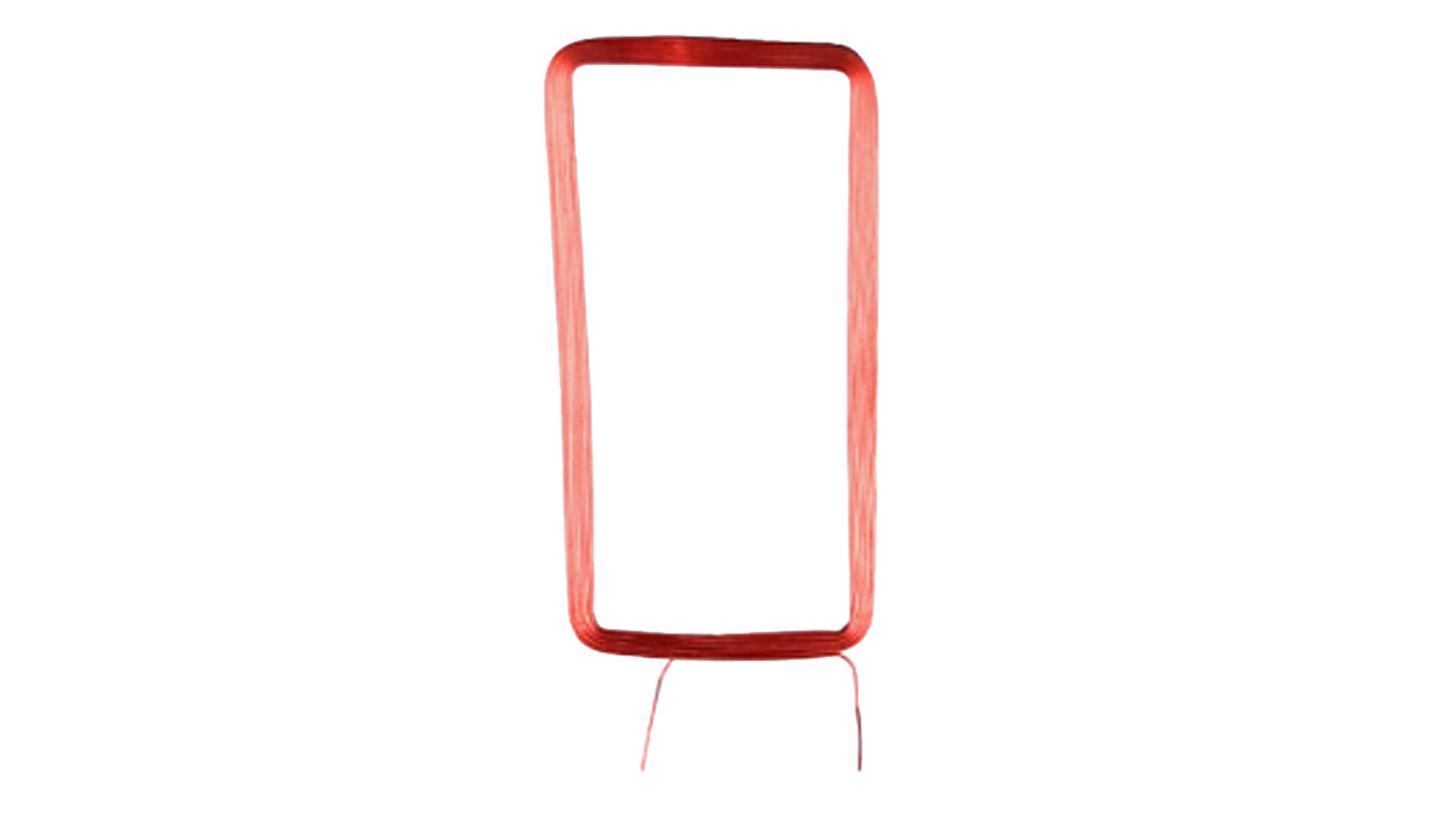
Coil made of enameled copper wire
Company: Dongguan Chipsen Electronics Technology Co. Ltd
The JYD-AC-001 from Dongguan Chipsen is a coil made of enameled copper wire and available in square and round versions. It has an operating temperature range of -40 to 100 C. This passive component is UL-listed and has CQC approval.
MOQ: 1,000 units
Lead time: 15 days
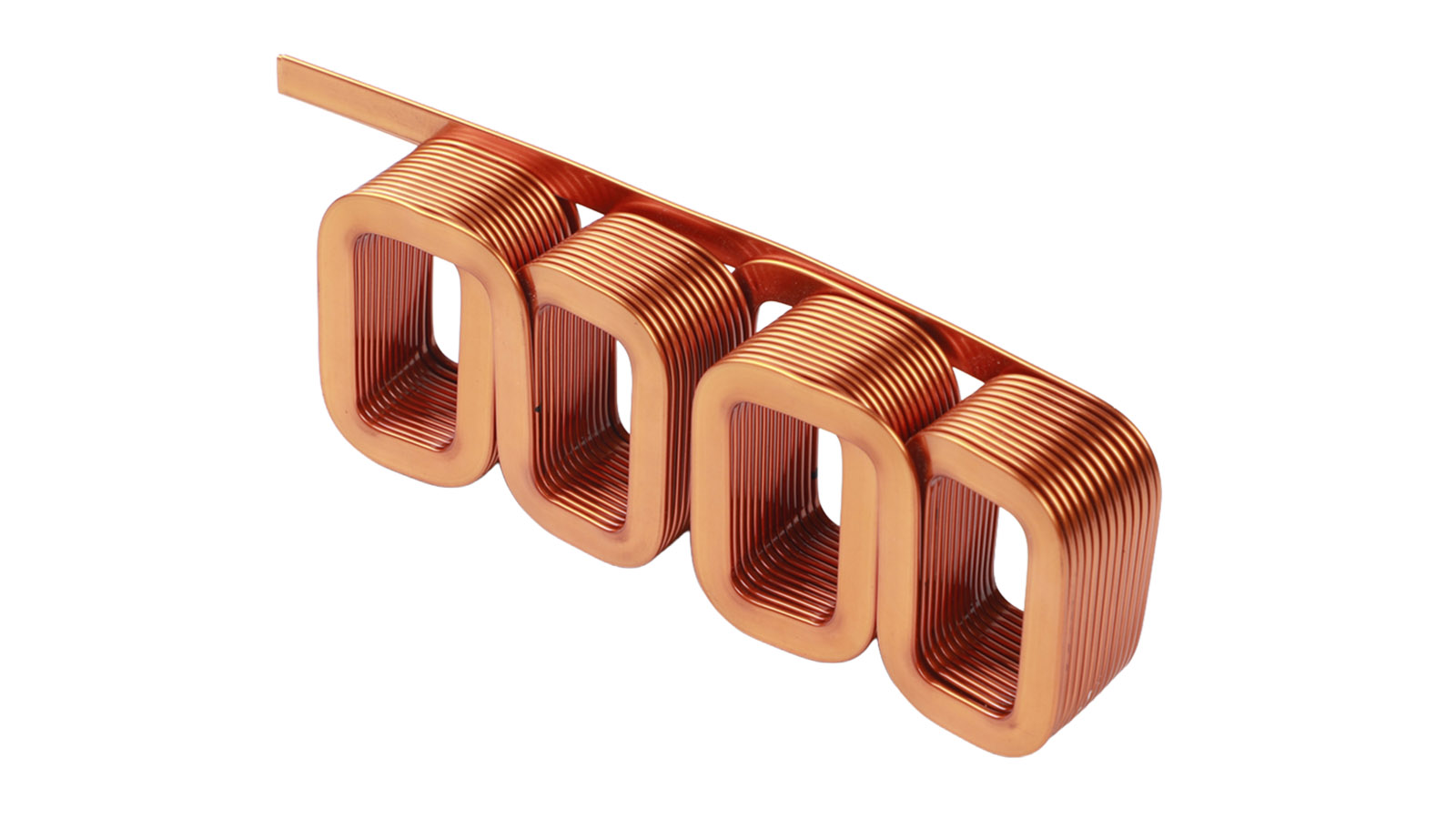
Coils in single-, three-phase variants
Company: Shenzhen Yamaxi Technology Co. Ltd
Shenzhen Yamaxi markets this flat coil, listed as model Motor Coils, available in single- and three-phase variants with 0.2 to 1,000kVA capacity, 50/60Hz rated frequency and Class B, F or H insulation. The MOQ is negotiable.
Lead time: 15 days
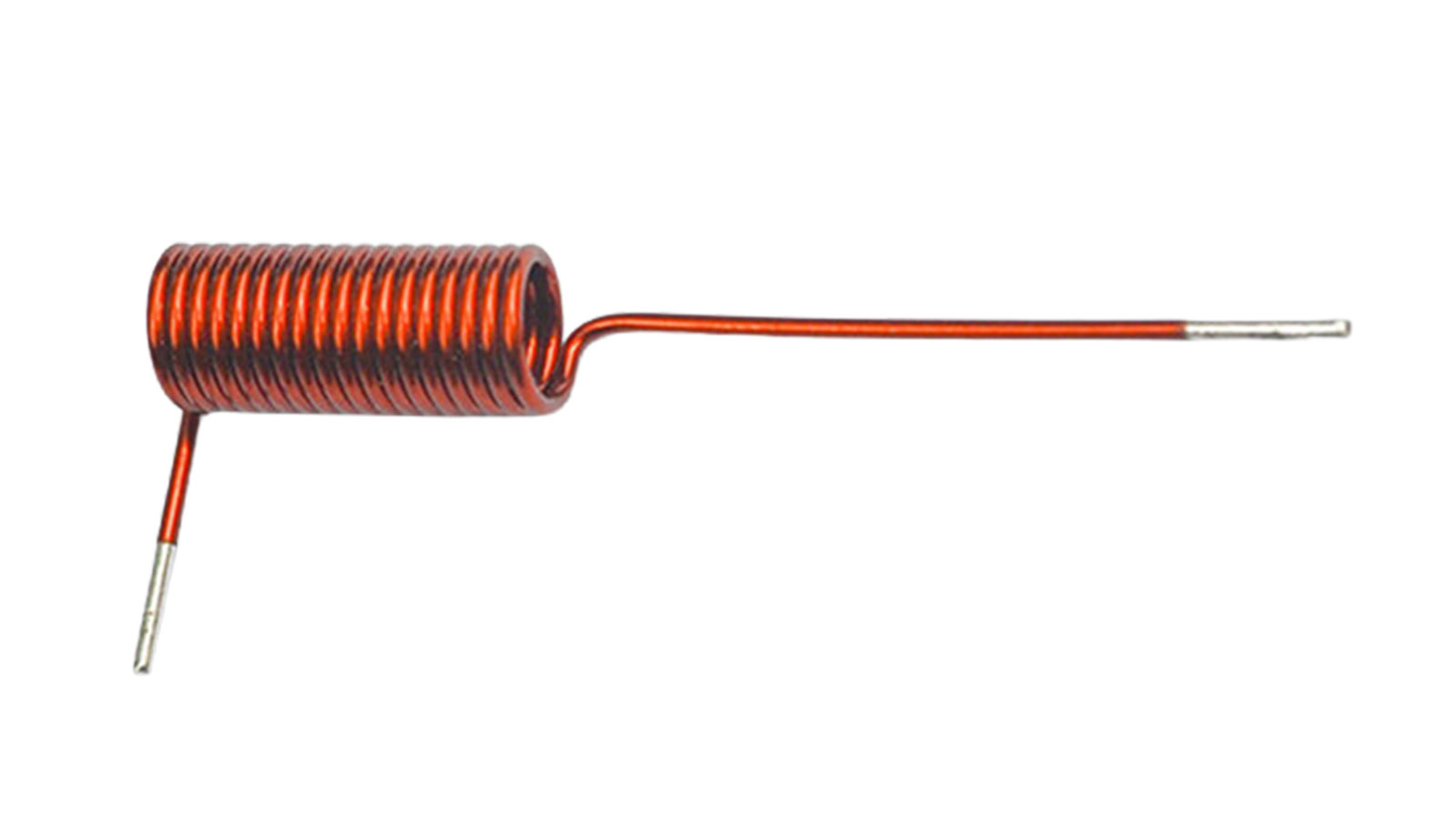
High-frequency coil
Company: Zhuhai Yongen Inductor Mfg Co. Ltd
Zhuhai Yongen offers this high-frequency coil, model AC-16-1. This passive component has a rated current of 2,000mA.
MOQ: 1,000 units
Lead time: 10 days
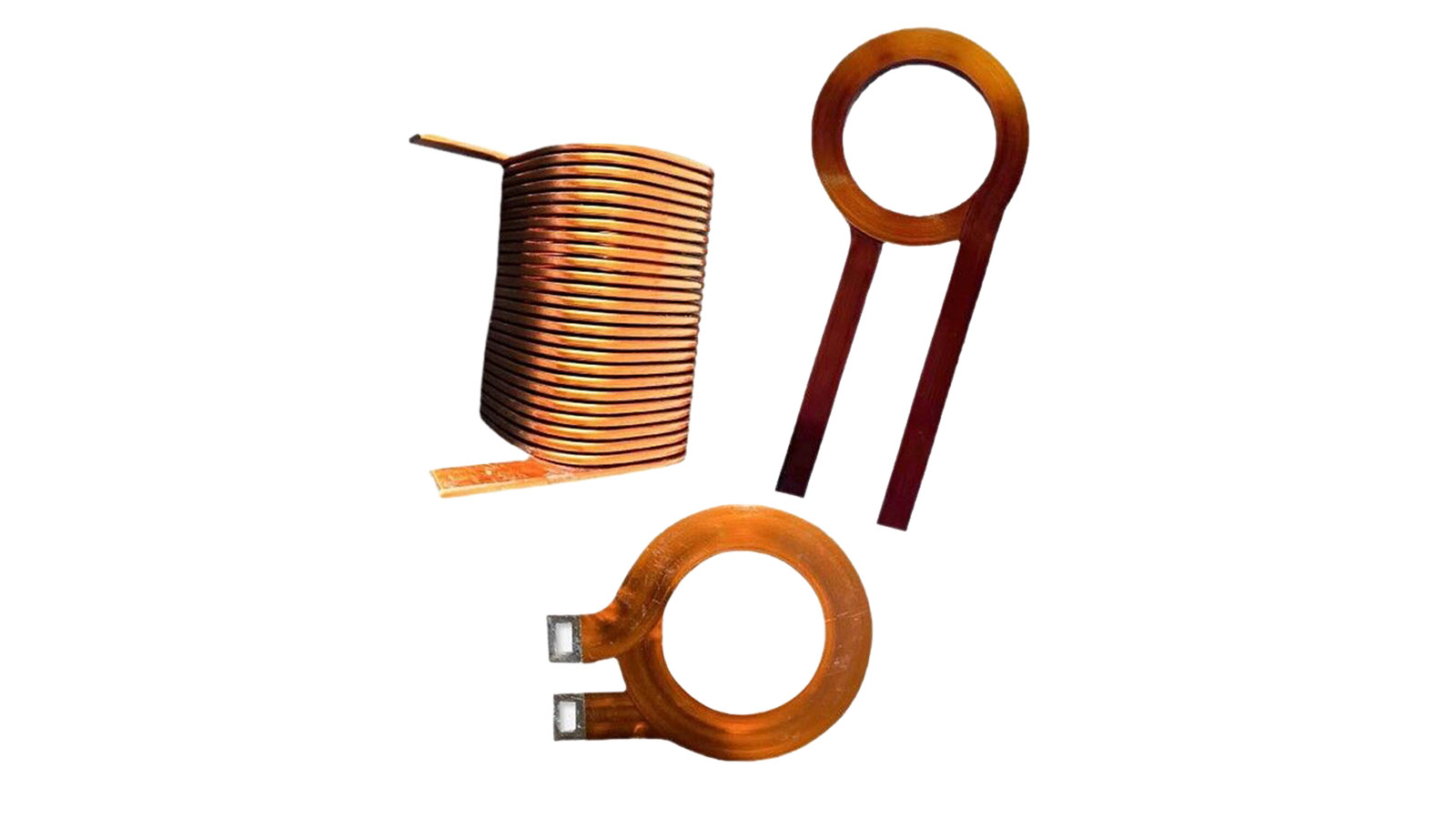
Copper coil
Company: Zibo Yunqi Electronic Technology Co. Ltd
Zibo Yunqi’s model Air Coil_5765 is made of copper and is available in various shapes. It meets CE, UL, UKCA, FCC and RoHS requirements.
MOQ: 100 units
Lead time: 7 days

