




In today's diverse housing market, mobile homes and manufactured homes offer two unique and affordable living options. While these two types of homes may look similar in appearance, they are fundamentally different in design, legal standards, price and lifestyle. Understanding these differences and connections is critical for anyone considering purchasing this type of home, as they directly impact housing choice, investment value, and residential satisfaction.
Table Of Contents
Definition and historical background
The evolution and current trends of both
Advantages and Disadvantages of Mobile Homes
Advantages and Disadvantages of Manufactured Homes
Definition and historical background

Definition and History of Mobile Homes
Mobile homes were originally designed as a solution to provide temporary or seasonal accommodation, and their history dates back to the early 20th century. As technology developed, these houses became more stable and comfortable, but still maintained their original character of mobility. This type of house was originally created to meet the needs of travelers or workers, but over time their purpose and design changed.
Definition and History of Manufactured Homes
In contrast, a manufactured home is a home that is constructed entirely in a factory to specific standards and then transported to its final residence and installed on a permanent foundation. The National Manufactured Home Construction and Safety Standards Act (HUD Code) passed by the U.S. government in 1976 set strict standards for the construction and installation of manufactured homes, marking the official birth of manufactured homes as a form of housing.
The evolution and current trends of both
Both mobile and manufactured homes have undergone significant evolution as construction technology advances and consumer demands change. Today, these homes not only offer a diverse range of designs and configurations, but also offer significant advances in sustainability and energy efficiency.
Main differences

Legal and regulatory standards
Mobile homes generally follow more flexible local standards, while manufactured homes must comply with the HUD Code, which means manufactured homes need to meet higher safety and quality standards during construction and installation.
Design and construction features
In terms of design, manufactured homes offer more customization options, with an exterior and interior layout that is closer to that of a traditional home. In contrast, mobile homes are generally more minimalist in design and material selection, although they also offer a degree of customization.
Price vs Value
From a cost perspective, mobile homes typically have a lower initial price, but due to their portability, may not have the same return on investment and long-term value as manufactured homes.
Advantages and Disadvantages of Mobile Homes
Advantages
1. Cost-Effectiveness: Mobile homes typically cost less than traditional or manufactured homes, providing an affordable living option.
2. Flexibility: Due to their mobility, mobile homes can be moved from one location to another, providing residents with greater flexibility.
3. Quick installation: The construction and installation process of mobile homes is relatively quick, meaning residents can move in faster.
4. Simplified Maintenance: Mobile homes are generally simpler to maintain and clean due to their smaller size and simplicity of design.
Disadvantages
1. Rate of depreciation: Mobile homes typically depreciate faster than traditional or manufactured homes.
2. Difficulty of financing: Obtaining a loan for a mobile home can be more difficult than for a traditional home because banks and lenders may view it as a higher-risk asset.
3. Limited customization options: Mobile homes have a relatively fixed design and layout and offer limited customization options.
4. Lack of a permanent foundation: Mobile homes often do not have a permanent foundation, which can affect their stability and durability.
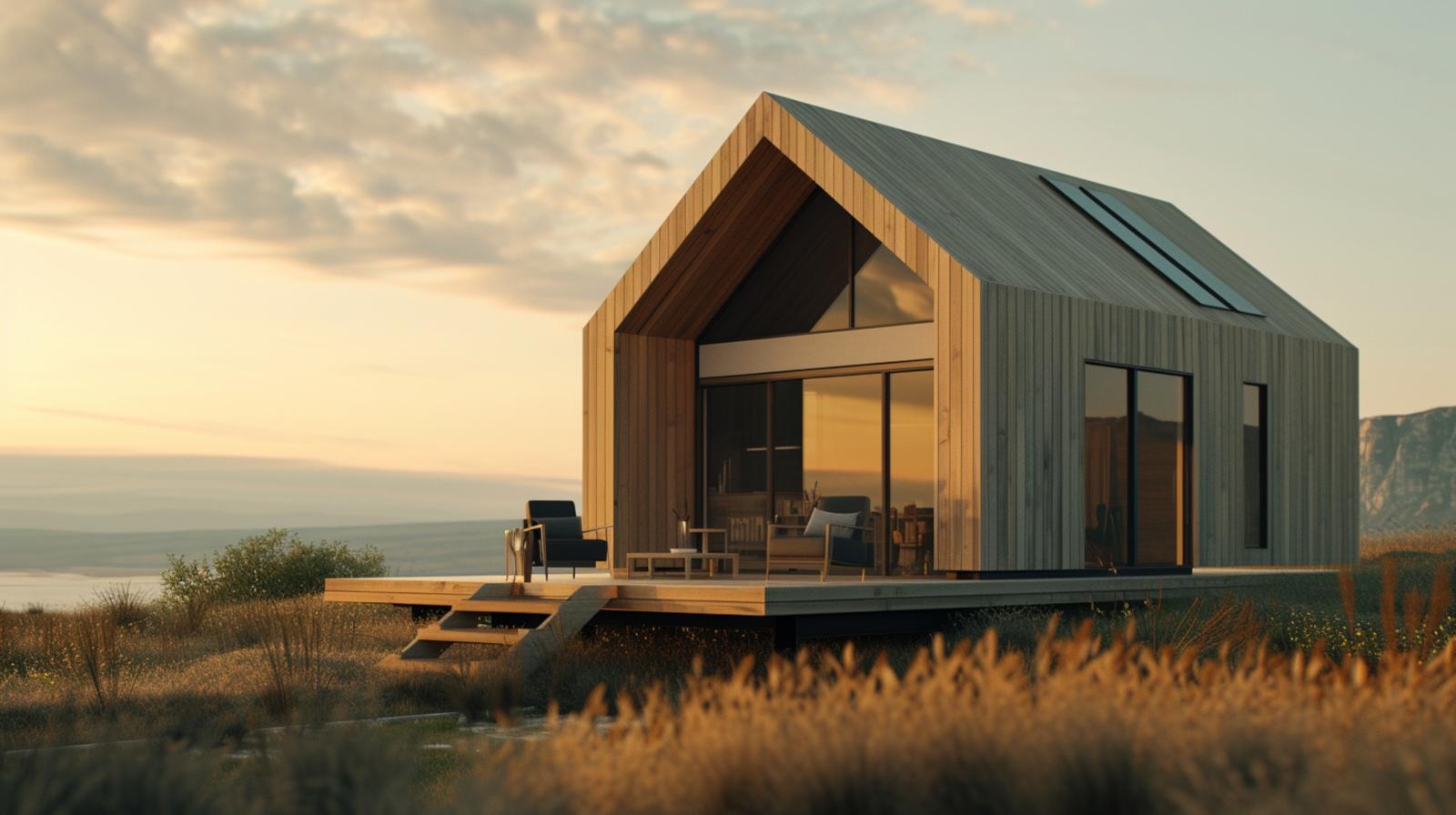
Advantages and Disadvantages of Manufactured Homes
Advantages
1. Quality Control: Manufactured homes are built in factories to strict national standards, ensuring quality consistency and reliability.
2. Cost-Effectiveness: Manufactured homes generally offer greater cost-effectiveness than traditional construction because factory production reduces material waste and construction time.
3. Environmentally friendly: The high efficiency of factory production and the precise use of materials reduce the impact on the environment.
4. Customizability: Manufactured homes offer a wide range of design and customization options to meet the needs and preferences of different buyers.
Disadvantages
1. Land Issues: Manufactured homes need to be installed on a permanent foundation, which means the buyer needs to own the land or purchase additional land.
2. Financing Challenges: While easier than a mobile home, financing a manufactured home can still be more challenging than a traditional home, especially if the home is not installed on a permanent foundation.
3. Cost of Insurance: In some cases, the cost of insuring a manufactured home can be higher than that of a conventional home.
4. Community Restrictions: Some communities and areas may have restrictions on the placement of manufactured housing, which may limit options for where to live.
Commonalities and Connections
Despite their differences, mobile homes and manufactured homes also have some things in common. They all offer a relatively affordable lifestyle option while also offering a degree of mobility and flexibility. In addition, both are becoming increasingly aware of environmental impact, adopting more eco-friendly construction methods and materials.
Selection guide
When choosing a mobile or manufactured home, potential homeowners need to consider their long-term needs and preferences, including cost, design, mobility, and the characteristics of the neighborhood. At the same time, it is also very important to find reliable manufacturers and sellers, and to understand the relevant laws and regulations.
FAQS
Are mobile and manufactured homes able to withstand severe weather?
Mobile and manufactured homes are designed to meet specific safety standards, but their ability to withstand severe weather depends on several factors, such as the home’s age, construction quality, and location. Homes built after 1976, when the U.S. Department of Housing and Urban Development (HUD) established federal construction and safety standards, are generally more durable and better equipped to handle harsh weather conditions compared to older mobile homes. These HUD standards require manufactured homes to meet specific wind resistance and structural strength requirements, particularly in areas prone to hurricanes or tornadoes.
In regions with high wind risks, such as coastal areas, manufactured homes must comply with stricter guidelines known as Wind Zones. For example, Wind Zone III homes are designed to withstand winds up to 110 miles per hour, making them more resilient in hurricane-prone areas. However, even homes built to these standards may not be as secure as site-built homes during extreme weather events.
Proper installation and anchoring are critical for a mobile or manufactured home’s ability to endure severe weather. Homes must be securely tied down with anchors or straps to prevent movement or tipping during high winds. Additionally, adding features like storm shutters, reinforced doors, and impact-resistant windows can improve safety.
While modern manufactured homes are far safer than older models, severe weather events like tornadoes and hurricanes can still pose significant risks. Residents in high-risk areas should always have an emergency plan and consider installing a storm shelter or safe room nearby for added protection. Ultimately, while manufactured homes are built to withstand many weather challenges, their safety depends on compliance with regulations, proper installation, and preparedness.
Can I own land in a mobile home or manufactured home?
Yes, you can own land while living in a mobile or manufactured home, but it depends on your financial situation, preferences, and local zoning regulations. Many people choose to place their mobile or manufactured home on land they own, which can provide greater stability, independence, and long-term investment benefits. Owning the land also eliminates the need to pay rent for a lot in a mobile home park, which can save money over time.
When you own both the land and the home, it is often easier to secure financing because lenders view the property as real estate, rather than personal property. This can result in better loan terms and lower interest rates. Additionally, owning the land allows you to make modifications, such as landscaping or building additional structures, without needing permission from a landlord or park manager.
However, there are some factors to consider. Local zoning laws and building codes may restrict where you can place a mobile or manufactured home. For instance, some areas may require homes to be installed on a permanent foundation or have specific size and aesthetic requirements. It’s essential to research local regulations before purchasing land for a mobile or manufactured home.
Alternatively, many people choose to lease land in a mobile home park or community. While this is typically more affordable upfront, it comes with ongoing lot rental fees and less control over the property. Leasing land can also make it harder to build equity compared to owning both the home and the land.
In summary, owning land with a mobile or manufactured home is possible and offers many advantages, but it requires careful planning, research, and adherence to local regulations.
Why is it called a mobile home?
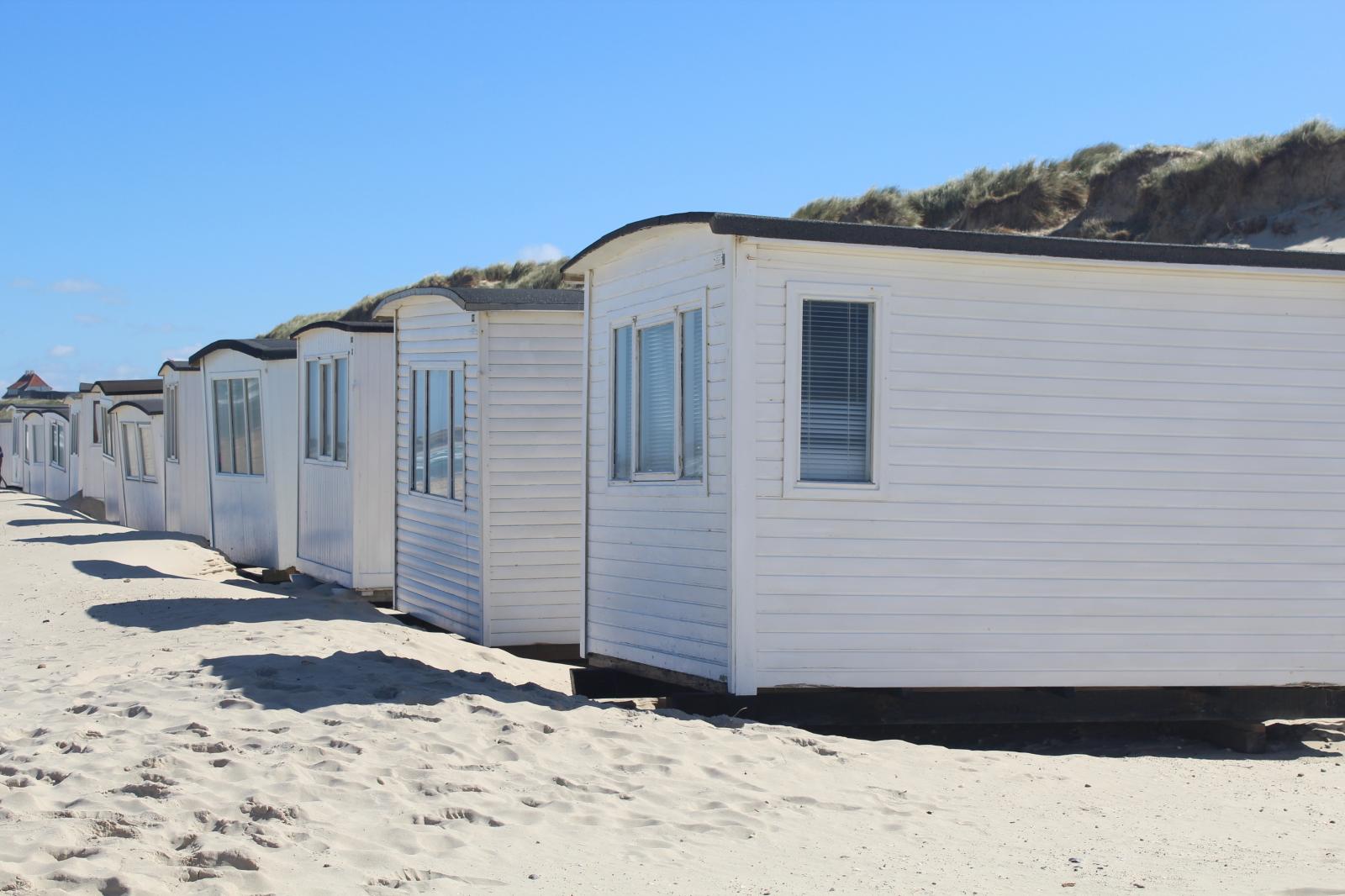
The term "mobile home" originates from the fact that these structures were initially designed to be easily movable from one location to another. In the mid-20th century, mobile homes were built to serve as a more affordable and flexible housing option compared to traditional houses. They were constructed on a chassis with wheels, allowing them to be transported to different locations without requiring disassembly or permanent foundations. This mobility made them popular for people seeking temporary housing, seasonal living, or affordable alternatives to conventional homes.
Mobile homes became especially prevalent in the United States during the post-World War II era, when there was a significant demand for affordable housing for returning veterans and their families. Over time, the design and purpose of mobile homes evolved. While early models were small and resembled campers or trailers, modern mobile homes are much larger and more permanent in appearance, often indistinguishable from traditional homes once installed.
Despite their name, most mobile homes today are not frequently moved after their initial placement. They are typically installed on leased land or in mobile home parks, where they remain for years. The term "mobile" persists largely due to historical usage, even though the mobility aspect has become less relevant for most modern units.
What is the politically correct term for a mobile home?
The politically correct term for a mobile home is "manufactured home." This terminology shift occurred in 1976 when the U.S. Department of Housing and Urban Development (HUD) introduced new regulations and construction standards for mobile homes. These standards ensured better safety, durability, and energy efficiency, distinguishing modern manufactured homes from earlier, less-regulated mobile homes.
The term "manufactured home" reflects the fact that these homes are built in a factory and then transported to their final location. Unlike traditional site-built homes, manufactured homes are assembled in a controlled environment, ensuring consistent quality and reducing construction costs. This term also helps to reduce the stigma historically associated with "mobile homes," which were often viewed as lower-quality or temporary housing.
"Manufactured home" is now widely used in official documentation, real estate listings, and industry communications. It is considered more respectful and accurate because it emphasizes the home’s construction process rather than its mobility. Other acceptable terms include "factory-built home" or "prefabricated home." However, "mobile home" is still commonly used in casual conversation, especially when referring to units built before 1976, which did not adhere to HUD standards.
Using the term "manufactured home" helps to acknowledge the advancements in construction quality and design while avoiding outdated stereotypes. It also aligns with the growing recognition that these homes can be a viable, affordable, and long-term housing solution.
Is a double wide the same as a mobile home?
A double wide is a type of mobile home or manufactured home, but not all mobile homes are double wides. The term "double wide" refers specifically to the size and structure of the home. A double wide is constructed in two separate sections at the factory and then transported to the home site, where the two sections are joined together. This results in a wider and more spacious home compared to a single-wide mobile home, which is built as one continuous unit.
Double wides are typically 20 to 36 feet wide and can range from 40 to 80 feet in length, offering more living space and layout options. They often feature multiple bedrooms, bathrooms, and larger kitchens, making them a popular choice for families or individuals seeking more room while maintaining affordability.
While double wides are a type of mobile or manufactured home, the term "mobile home" is broader and includes single-wide homes, double-wide homes, and even triple-wide homes. The key distinction lies in the size and configuration. Both single-wide and double-wide homes are built to HUD standards (if constructed after 1976) and share the same factory-built construction process.
In summary, a double wide is a specific category within the broader classification of mobile or manufactured homes. It is not a separate type of housing but rather a larger and more spacious variation of the same concept.
Conclusion
Mobile homes and manufactured homes each have their own characteristics, and understanding these differences and connections is critical to making an informed housing choice. As the market develops, both types of housing will continue to provide people with diverse residential solutions to meet the needs of different consumers.

