




In today's digital era, reselling gently used clothing and accessories has become a convenient and lucrative endeavor. With the rise of online marketplaces, individuals can easily declutter their closets while earning extra income. However, choosing the right platform is crucial to ensure a seamless and profitable selling experience. This comprehensive guide explores the best websites for reselling apparel, footwear, and fashion accessories, catering to various seller preferences and merchandise types.
Streamlined Consignment: ThredUP
ThredUP has emerged as a go-to destination for individuals seeking a hassle-free way to offload multiple pieces of women's and children's clothing simultaneously. This online consignment store simplifies the selling process by taking care of the listing, pricing, and shipping aspects.
How it Works
- Request a Clean Out: Sign up on ThredUP's website and initiate the process by requesting a "clean out." This step signals your intention to send in your gently used items for evaluation.
- Prepare and Ship: Once you receive the prepaid shipping label, carefully package your freshly laundered and like-new clothing items. Ensure that the garments are free from signs of wear, damage, or alterations to increase the chances of acceptance.
- Evaluation and Listing: ThredUP's team of experts meticulously evaluates each piece, ensuring that only high-quality items are listed for sale on their platform. Accepted items are professionally photographed, described, and priced based on market trends and condition.
- Earn Your Share: When your listed items sell, you receive a percentage of the final selling price. The commission rate varies depending on the item's selling price, with higher-priced items earning a more substantial share.
ThredUP's user-friendly interface and streamlined process make it an excellent choice for those seeking a convenient way to declutter their closets while earning cash for their gently used apparel.
Peer-to-Peer Marketplace: Poshmark
Poshmark stands out as a vibrant online community where fashion enthusiasts can buy, sell, and connect with like-minded individuals. This platform empowers sellers to take control of the entire selling process, from listing to pricing and shipping.
How it Works
- Create a Listing: Download the Poshmark app or visit their website to create a seller account. Then, upload high-quality photos of your item, craft a detailed description, and set a competitive price.
- Participate in Posh Parties: Poshmark hosts virtual "Posh Parties" several times a day, where you can submit your listings based on specific themes, such as brands, occasions, or product categories. This feature increases visibility and exposure to potential buyers.
- Make a Sale: When an item sells, Poshmark provides you with a prepaid USPS shipping label. Package the item securely and ship it to the buyer.
- Receive Payment: Once the buyer receives and approves the item, you'll receive your earnings, minus Poshmark's commission, which is $2.95 for sales under $15 and 20% for transactions of $15 or more.
Poshmark's social aspect and user-friendly interface make it an excellent choice for fashion-savvy individuals who enjoy the thrill of curating and marketing their pre-owned items.
Luxury Resale: The RealReal
For those with designer and high-end items to sell, The RealReal presents an ideal platform. This online consignment store specializes in authenticating and reselling luxury fashion from renowned brands such as Gucci, Chanel, and Louis Vuitton.
How it Works
- Request a Consignment Kit: Visit The RealReal's website and request a free, prepaid shipping label or schedule an in-person drop-off or pickup, depending on your location.
- Send Your Items: Carefully package and ship your designer items using the provided shipping materials or drop them off at a designated location.
- Authentication and Pricing: The RealReal's team of experts meticulously authenticates each item and sets a competitive price based on market trends, condition, and other relevant factors.
- Earn Your Commission: Unlike traditional consignment stores, The RealReal pays you a commission based on the total sales value of your items over a calendar month. The commission rate starts at 20% for sales of $99 or less and increases progressively, reaching 70% for sales exceeding $5,000.
With its focus on luxury fashion and stringent authentication processes, The RealReal offers a secure and reputable platform for sellers looking to monetize their high-end clothing and accessories.
Curated Style: Grailed
Grailed caters to fashion-forward individuals with a keen eye for style and a penchant for curating their pre-owned collections. Originally focused on menswear, this platform has expanded to include womenswear, offering a diverse range of merchandise, from luxury designer pieces to streetwear and vintage clothing.
How it Works
- Create a Listing: Sign up on Grailed's website and upload high-quality photos, detailed descriptions, and set competitive prices for your items.
- Authentication Process: Grailed employs a digital authentication process to verify the authenticity and condition of your listed items. Be prepared to provide additional information or clarification if requested.
- Make a Sale: Once an item sells, print a USPS or UPS shipping label provided by Grailed and send the package to the buyer.
- Receive Payment: After the buyer receives and approves the item, you'll receive your earnings via PayPal, minus Grailed's 9% commission and standard PayPal fees.
Grailed's focus on curation and authentication appeals to fashion enthusiasts seeking a platform to buy and sell stylish, high-quality pre-owned apparel and accessories.
Luxury Consignment: Vestiaire Collective
Vestiaire Collective is a premier online consignment store that specializes in luxury fashion brands. This platform caters to trend-setters and fashion connoisseurs who appreciate the finer things in life and seek to monetize their high-end wardrobes.
How it Works
- Create a Listing: Sign up on Vestiaire Collective's website and upload detailed photographs, descriptions, and set competitive prices for your luxury items.
- Authentication Process: Vestiaire Collective employs a rigorous authentication process, carefully reviewing each listed item before publishing it on their platform.
- Make a Sale: When an item sells, Vestiaire Collective provides you with a printable shipping label. Package the item securely and ship it to the buyer.
- Receive Payment: For items priced at $80 or above, Vestiaire Collective takes a 15% commission, while a flat fee of $12 applies to items sold below $80. Additional processing fees may also apply.
With its focus on luxury brands and stringent authentication measures, Vestiaire Collective offers a trusted platform for fashion enthusiasts to sell their high-end apparel and accessories to a discerning global audience.
Local and Neighborhood Marketplaces
While online consignment stores and marketplaces offer convenience and reach, some sellers may prefer to sell their clothing locally to avoid dealing with shipping logistics. In such cases, neighborhood sites and apps like Craigslist, Facebook Marketplace, Nextdoor, and VarageSale can be excellent options.
How it Works
- Create a Listing: Sign up or create an account on the chosen platform and post your items for sale. Include detailed descriptions, high-quality photographs, and competitive pricing.
- Coordinate with Buyers: Interested buyers will contact you directly through the platform. Negotiate terms, arrange a meetup location, and facilitate the transaction in person.
- Complete the Sale: Once the buyer inspects and approves the item, complete the sale by exchanging the merchandise for the agreed-upon payment.
Local marketplaces eliminate the need for shipping and provide a more personal selling experience. However, it's important to prioritize safety by meeting in public locations and exercising caution when conducting in-person transactions.
Broad Online Marketplaces: Etsy and eBay
For those seeking a more expansive reach and a diverse range of potential buyers, broader online marketplaces like Etsy and eBay can be viable options for selling clothing, shoes, and accessories.
Etsy
Originally focused on handmade and vintage items, Etsy has evolved into a vibrant marketplace for various products, including clothing and fashion accessories. Here's how it works:
- Create a Shop: Sign up on Etsy and set up your personalized shop, where you can list your items for sale.
- List Your Items: Upload high-quality photographs, detailed descriptions, and set competitive prices for your clothing and accessories.
- Promote Your Shop: Utilize Etsy's marketing tools and social media platforms to promote your shop and increase visibility.
- Handle Transactions: When an item sells, Etsy facilitates the transaction, and you'll be responsible for packaging and shipping the item to the buyer.
eBay
eBay is a well-established online marketplace that offers a vast audience and diverse selling options, including auctions and fixed-price listings. Here's how to sell on eBay:
- Create a Seller Account: Sign up on eBay and set up your seller account, which will allow you to list items for sale.
- List Your Items: Choose between auction-style or fixed-price listings, upload detailed photographs and descriptions, and set your pricing strategy.
- Manage Listings: Monitor your listings, respond to buyer inquiries, and facilitate transactions when items sell.
- Ship and Receive Payment: Once an item sells, package and ship it to the buyer, and eBay will facilitate the payment process, deducting their fees.
Both Etsy and eBay offer extensive reach and exposure, making them suitable platforms for sellers looking to tap into a broader customer base for their pre-owned clothing and accessories.
Also Read: Business and Manufacturing
- Start a clothing brand
- Find Chinese clothing manufacturers
- Clothing manufacturers for startups
- Sell wholesale clothing online
- Wholesale clothing websites
- Wholesale clothing apps
- Clothing trade shows 2024-2025
- Wholesale clothing trade shows
- Boutique clothing trade shows
- Boutique wholesale vendors
- Private label clothing manufacturers
- Streetwear manufacturers on GlobalSources
Profitable Resale: Sourcing Clothes on Global Sources - Unlock Your Fashion Empire
The allure of the fashion industry is undeniable. The thrill of spotting a trend, the satisfaction of curating a unique style, and the potential to turn passion into profit – it's a dream many harbor. But navigating the world of fashion entrepreneurship can seem daunting, especially when it comes to sourcing high-quality, affordable clothing. This is where Global Sources steps in, offering a gateway to a world of wholesale possibilities.
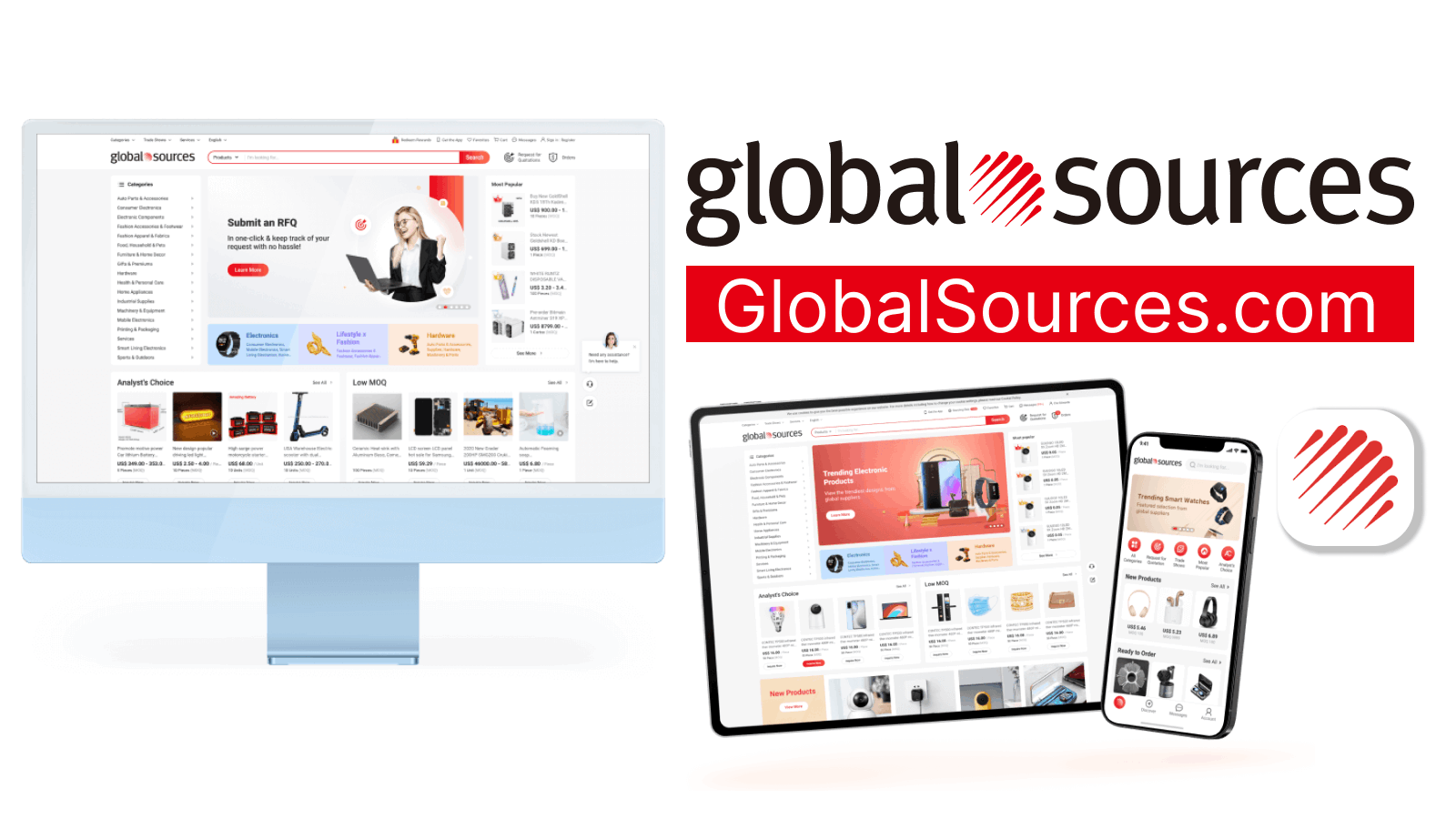
Global Sources is a leading B2B platform connecting businesses worldwide with a vast network of verified suppliers, primarily based in Asia. For aspiring fashion entrepreneurs, it's a goldmine waiting to be explored. Imagine having access to a diverse catalog of trendy clothing, from everyday basics to statement pieces, all at wholesale prices that allow for healthy profit margins.
This guide is your roadmap to navigating the exciting landscape of Global Sources and building a successful online reselling business. We'll delve into the intricacies of sourcing wholesale clothing, empowering you to make informed decisions every step of the way.
Why Global Sources?
- Vast Supplier Network: Access thousands of verified clothing manufacturers and wholesalers, offering a diverse range of styles, materials, and price points.
- Competitive Pricing: Benefit from wholesale pricing, allowing you to purchase products at significantly lower costs than retail, maximizing your profit potential.
- Direct Communication: Connect directly with suppliers, fostering transparent communication regarding product specifications, customization options, and order details.
- Quality Control: Leverage supplier verification processes, certifications, and buyer reviews to ensure product quality and supplier reliability.
- Flexible MOQs: Negotiate Minimum Order Quantities (MOQs) to suit your business needs, starting small and scaling as your business grows.
From Trendspotting to Storefront
This guide will equip you with the knowledge and strategies needed to navigate every stage of your reselling journey:
- Defining Your Niche: We'll explore the importance of identifying your target audience, understanding their style preferences, and pinpointing profitable niches within the vast fashion landscape.
- Mastering Global Sources: Learn the art of effective supplier research, utilizing keywords, filters, and supplier profiles to pinpoint the perfect partners for your business.
- Communication & Negotiation: Master the art of clear communication with suppliers, requesting quotes, negotiating MOQs and pricing, and securing favorable payment terms.
- Quality Assurance: Understand the importance of ordering samples, evaluating product quality, and ensuring consistency before committing to bulk orders.
- Building Your Online Empire: Explore the diverse world of e-commerce platforms, from Shopify to Etsy, and learn how to create compelling product listings, manage inventory, and handle shipping logistics.
- Marketing & Growth: Discover effective marketing strategies to reach your target audience, build brand awareness, and drive sales, propelling your business towards success.
Unlocking Your Fashion Potential
This guide is more than just a set of instructions; it's an invitation to unleash your entrepreneurial spirit. Whether you dream of launching a trendy online boutique, curating a niche collection, or simply supplementing your income with a side hustle, Global Sources provides the tools to turn your vision into reality.
Get ready to embark on an exciting journey, armed with the knowledge and resources to source incredible wholesale clothing and build a profitable online reselling business. The world of fashion awaits – are you ready to make your mark?
Also Read: Fashion Trends and Consumer Insights
- Chinese clothing brands
- Resell clothing platforms
- Cheap clothing websites
- Cyberpunk clothing trends
- Gender-neutral clothing styles
- Teenage clothing trends
- Baby items and clothing trends
Optimizing Your Online Selling Experience
Regardless of the platform you choose, there are several best practices to ensure a successful and profitable selling experience:
Merchandise Preparation
- Freshening Up: Ensure your items are freshly laundered, free from stains, and in pristine condition. Polish hardware on shoes and handbags, and buff away any scuff marks.
- Careful Packaging: Carefully package your items to prevent wrinkles, creases, or damage during transit. Consider using acid-free tissue paper or garment bags for added protection.
Listing Optimization
- High-Quality Photos: Invest in taking clear, well-lit photographs that showcase your items from multiple angles. Consider using a plain background or backdrop to highlight the item's details.
- Detailed Descriptions: Provide accurate and comprehensive descriptions, including size, brand, condition, fabric composition, and any unique features or flaws. Be transparent about any imperfections to build trust with potential buyers.
- Competitive Pricing: Research similar items on the platform to determine a fair and competitive pricing strategy. Consider factors such as brand, condition, and demand when setting your prices.
Customer Service and Communication
- Prompt Responses: Respond promptly to buyer inquiries, addressing any concerns or questions in a friendly and professional manner.
- Timely Shipping: Package and ship sold items promptly to ensure a positive buyer experience and maintain a good seller rating.
- Feedback and Ratings: Encourage satisfied buyers to leave positive feedback and ratings, as these can significantly impact your credibility and future sales on the platform.
By following these best practices, you can create a seamless and rewarding experience for both you and your buyers, increasing the chances of successful sales and repeat customers.
Conclusion
Reselling clothing and accessories online offers a lucrative opportunity to declutter your closet while earning extra income. With a variety of platforms available, ranging from specialized consignment stores to broader online marketplaces, sellers can choose the option that best suits their merchandise and selling preferences. Whether you have designer pieces, everyday wear, or a curated collection, the right platform awaits. By following best practices for merchandise preparation, listing optimization, and customer service, you can maximize your earning potential and establish a reputation as a trusted and reliable seller in the online fashion resale community.
People Also Like:
- Optimal Reselling Platforms
- How Resellers Make Money
- Best Selling Resale Items 2024
- Buy Cheap Wholesale Products
- Flip Phones for Profit
- Best Items to Flip on Alibaba
- Most Profitable Item to Flip
FAQs
Is Poshmark or Depop better?
Both Poshmark and Depop are popular platforms for buying and selling secondhand clothing, but they cater to different audiences and offer distinct features. Deciding which is "better" depends entirely on your individual needs and priorities.
Poshmark:
Pros:
- Wider audience: Caters to a broader demographic, including older users and those seeking designer or higher-end items.
- Social shopping features: Encourages community engagement through "Posh Parties" and sharing listings.
- Strong shipping infrastructure: Offers prepaid shipping labels and handles the shipping process, simplifying logistics for sellers.
- Authentication service: Provides authentication for luxury goods over $500, increasing buyer confidence.
Cons:
- Higher fees: Charges a flat commission of $2.95 for sales under $15 and 20% for sales over $15.
- Limited international reach: Primarily focused on the US market, with limited international selling options.
- Less focus on unique or vintage items: While vintage is present, the platform leans towards contemporary brands and styles.
Depop:
Pros:
- Trend-focused community: Popular among Gen Z and millennials seeking unique, vintage, and streetwear styles.
- Lower fees: Charges a 10% commission on sales, making it more cost-effective for sellers.
- International marketplace: Allows for buying and selling across multiple countries, expanding your potential customer base.
- Creative freedom: Encourages personalized shop aesthetics and individual style expression.
Cons:
- Smaller audience: Caters to a more niche audience, potentially limiting the reach for certain items.
- Less shipping support: Sellers are responsible for handling shipping logistics, which can be more complex.
- Higher risk of scams: Requires more vigilance from both buyers and sellers due to less platform oversight.
In Conclusion:
Poshmark offers a more established platform with a wider audience and streamlined logistics, making it suitable for sellers targeting a broader demographic and prioritizing convenience. Depop thrives on its trend-focused community, lower fees, and international reach, making it ideal for sellers specializing in unique, vintage, or streetwear styles.
Is Depop or Vinted better?
Depop and Vinted are both popular online marketplaces for secondhand clothing, each with its own strengths and weaknesses. Choosing the "better" platform depends on your individual selling preferences and target audience.
Depop:
Pros:
- Trend-focused community: Attracts a younger demographic interested in unique, vintage, and streetwear styles.
- Strong brand identity: Known for its distinctive aesthetic and emphasis on individual style expression.
- International marketplace: Allows for buying and selling across multiple countries, expanding your potential customer base.
- Lower fees: Charges a 10% commission on sales, making it more cost-effective for sellers.
Cons:
- Smaller overall audience: Caters to a more niche audience, potentially limiting the reach for certain items.
- Less shipping support: Sellers are responsible for handling shipping logistics, which can be more complex.
- Higher risk of scams: Requires more vigilance from both buyers and sellers due to less platform oversight.
Vinted:
Pros:
- Large user base: Boasts a massive global community of buyers and sellers, offering a wider potential reach.
- Free listings and selling: Does not charge commission fees on sales, making it very cost-effective for sellers.
- Focus on affordability: Attracts buyers seeking budget-friendly secondhand clothing options.
- Integrated shipping options: Offers prepaid shipping labels and integrated shipping services, simplifying logistics.
Cons:
- Less curated aesthetic: Lacks the distinct style focus of Depop, potentially leading to a less targeted audience.
- Lower average selling prices: The emphasis on affordability may result in lower profit margins for sellers.
- Limited seller tools: Offers fewer features for promoting listings and engaging with potential buyers.
In Conclusion:
Depop excels in its trend-focused community, lower fees, and international reach, making it ideal for sellers specializing in unique or vintage styles. Vinted attracts a larger, more cost-conscious audience, offering free selling and integrated shipping, making it suitable for sellers prioritizing affordability and reach.
What is better, Poshmark or ThredUp?
Poshmark and ThredUp offer distinct approaches to buying and selling secondhand clothing. Poshmark is a social marketplace where individuals list and sell their own items, while ThredUp is a consignment service that handles the selling process for you.
Poshmark:
Pros:
- Control over pricing and listings: You set your own prices and manage your listings, allowing for greater control over your sales.
- Social shopping experience: Engage with other users, participate in "Posh Parties," and build a following for your closet.
- Potential for higher profits: You keep a larger portion of your earnings compared to consignment services.
- Strong shipping infrastructure: Offers prepaid shipping labels and handles the shipping process, simplifying logistics.
Cons:
- Requires more effort: You're responsible for photographing, listing, and promoting your items.
- Higher fees: Charges a flat commission of $2.95 for sales under $15 and 20% for sales over $15.
- No guarantee of sales: The success of your listings depends on your efforts and market demand.
ThredUp:
Pros:
- Convenience and ease of use: You simply send in your clothes, and ThredUp handles the listing, photographing, and selling process.
- No listing or selling fees: You only pay a commission on items that sell, with no upfront costs.
- Sustainable focus: Promotes responsible consumption and reduces textile waste.
- Wide range of accepted brands: Accepts a diverse range of brands and styles, increasing the chances of your items being accepted.
Cons:
- Lower potential profits: You receive a smaller percentage of the sale price compared to selling independently.
- Limited control over pricing: ThredUp sets the prices for your items based on their algorithms.
- Rejection of items: Not all items submitted are accepted for consignment, and rejected items may be donated or returned at your expense.
In Conclusion:
Poshmark offers greater control, potential for higher profits, and a social shopping experience, making it suitable for those willing to invest time and effort in managing their listings. ThredUp provides convenience, ease of use, and a sustainable focus, making it ideal for those seeking a hassle-free way to sell unwanted clothing.
Is Depop good to sell on?
Depop can be a good platform to sell on, but its suitability depends on your target audience and the type of clothing you're selling.
Pros of Selling on Depop:
- Trend-focused audience: Depop is known for its young, fashion-conscious user base interested in unique, vintage, and streetwear styles. If your inventory aligns with these trends, you'll find a receptive audience.
- Lower fees: Depop's 10% commission fee is lower than many other platforms, allowing you to keep a larger portion of your profits.
- International reach: Depop allows you to sell to buyers worldwide, expanding your potential customer base and market reach.
- Creative freedom: Depop encourages sellers to personalize their shops and express their individual style, attracting buyers who appreciate curated aesthetics.
Cons of Selling on Depop:
- Smaller overall audience: While Depop has a dedicated user base, it's smaller than some other platforms, potentially limiting your reach for certain items.
- Less shipping support: Depop sellers are responsible for handling shipping logistics, which can be more complex and time-consuming than platforms with integrated shipping options.
- Higher risk of scams: Depop requires more vigilance from both buyers and sellers due to less platform oversight, increasing the risk of fraudulent activity.
In Conclusion:
Depop can be a profitable platform for sellers offering unique, trendy, or vintage clothing that aligns with the platform's aesthetic and target audience. However, sellers should be prepared to handle shipping logistics independently and be vigilant about potential scams. If you're willing to put in the effort and cater to Depop's specific market, it can be a rewarding platform for building a successful reselling business.
You May Also Like:
Etsy Alternatives: 10+ Marketplaces for Unique Handmade Goods
Profiting from Your Closet: The Ultimate Guide to Selling Clothes Online
20 Best Websites for Finding Manufacturers in 2025
[Ultimate] Complete List 2025: Top 16 Best Chinese Product Sourcing Websites
15 Chinese Websites Like Amazon for Online Shopping
Top 15 Wholesale Shoe Websites for Retailers and Business Owners Worldwide
Top 10 B2B E-Commerce Websites for Business Owners to Explore
30 Best Alibaba Alternatives: Sites like Alibaba for Product Sourcing
10 Best Websites Like Dhgate: Top DHgate Alternatives 2025
Top 20 China Wholesale Websites for Business Success in 2025: Ultimate Guide
Discover the Best Wholesale Websites: How to Find Top Suppliers for Your Business

