




Table of Contents
Part 1. Top 10 China Clothing Brands
Part 2. Why Wholesale Clothing from China
Part 3. Key Players in China's Clothing Market
Part 4. Wholesale Clothing on Global Sources
Part 5. Types of Clothing in China
Part 6. Market Trends and Challenges of China's Clothing Industry
China's clothing industry is a global powerhouse, known for its competitive pricing. This guide will explore some of the top Chinese clothing brands, look into the benefits of wholesale clothing from China, and highlight key players in the market. We'll also discuss wholesale options on Global Sources, various types of clothing produced in China, and the industry's outlook. Finally, we'll address frequently asked questions to help you navigate the dynamic world of China's clothing industry.
Part 1. Top China Clothing Brands
1. Li-Ning (李宁): From Sportswear to Fashion Forward
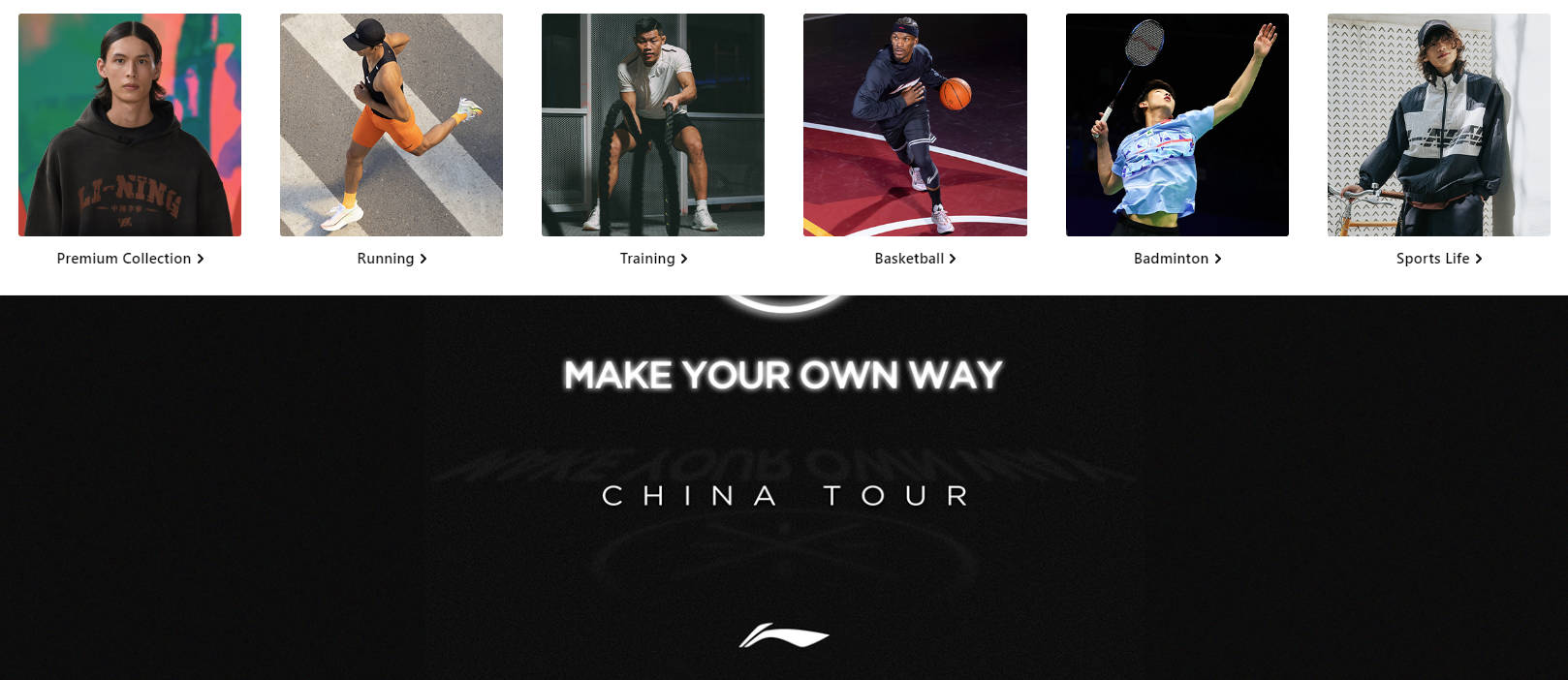
Overview: Li-Ning, founded by the former Olympic gymnast of the same name, is one of China's most prominent sportswear brands. Established in 1990, the brand initially focused on athletic wear but has since expanded into the fashion realm.
Founded: 1990
Specialty: Athletic wear, sportswear, and lifestyle fashion
Design Philosophy: Blend of Chinese heritage with modern athletic technology
Target Market: Sports enthusiasts and fashion-conscious consumers aged 18-45
Global Reach: Present in over 30 countries, strong presence in Southeast Asia and Europe
Recognition: Official partner of multiple Olympic teams, known for innovative designs at Paris Fashion Week
Key Highlights:
- Innovative Designs: Li-Ning is known for its designs that blend functionality with style. The brand has collaborated with international designers and showcased collections at major fashion weeks.
- Global Presence: Li-Ning has successfully positioned itself as a global brand, although it withdrew from the US market in 2022 due to sanctions against it for using North Korean labor in its supply chain.
- Sustainability: The brand is committed to sustainable practices, but has been found to contribute significantly to pollution of the Yangtze and Pearl River in its manufacturing.
2. Bosideng (波司登): Mastering the Art of Down Jackets
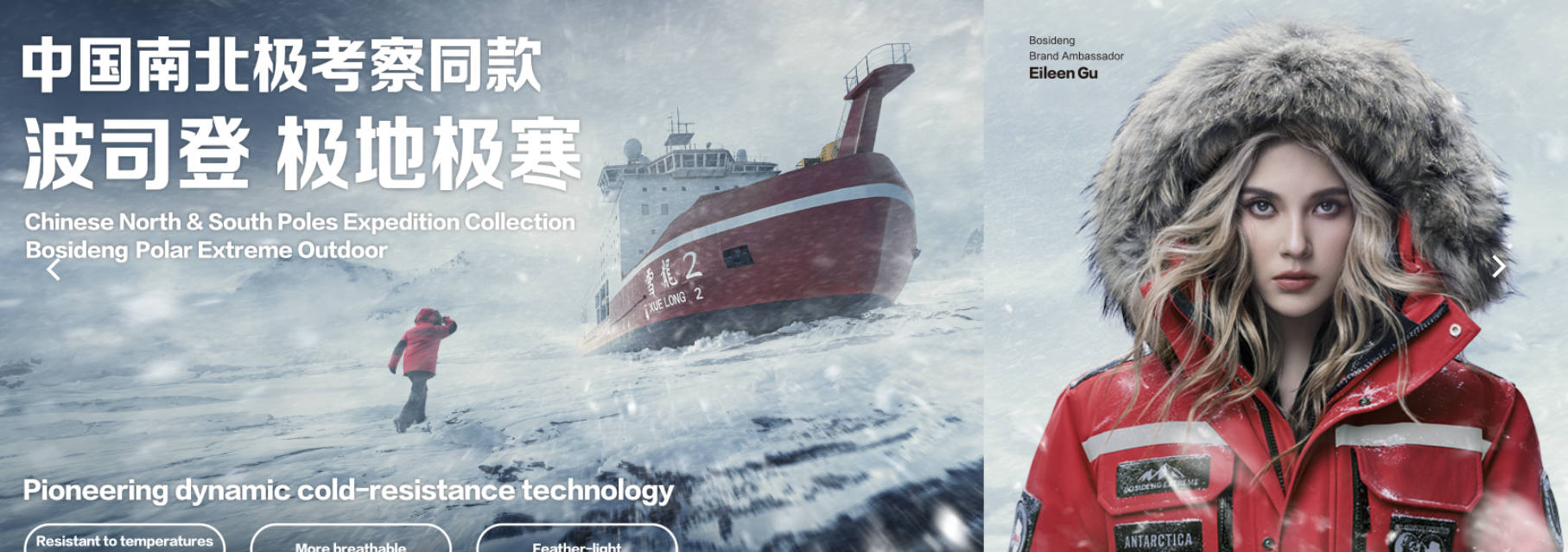
Overview: Bosideng, established in 1976, is renowned for its high-quality down jackets. The brand has become a household name in China, thoguh it is essentially unknown overseas.
Founded: 1976
Specialty: Down jackets and winter outerwear
Design Philosophy: Technical excellence in winter wear with fashion-forward designs
Target Market: Middle to upper-middle-class consumers seeking quality winter wear
Global Reach: International presence in Europe, particularly strong in UK market
Recognition: World's largest down jacket manufacturer, multiple international design awards
Key Highlights:
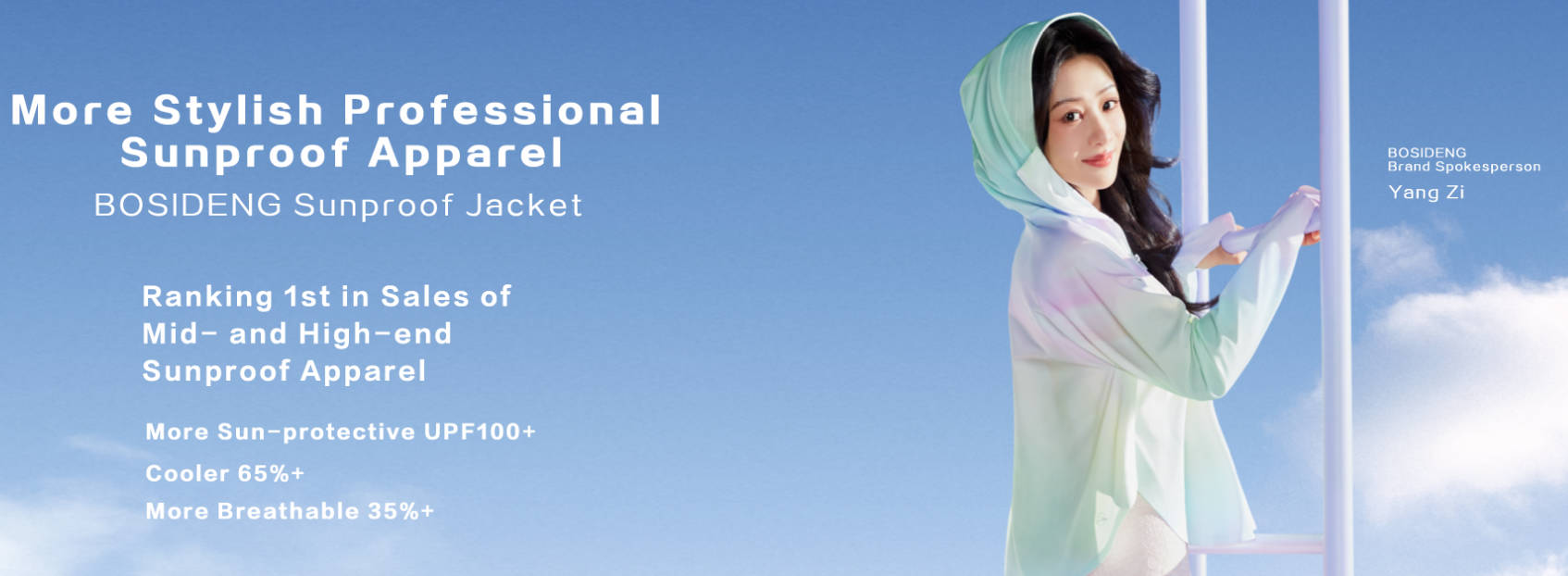
- Quality and Innovation: Bosideng's jackets are known for their superior quality, warmth, and innovative designs. The brand invests heavily in research and development to enhance its products.
- International Expansion: Bosideng has opened a store in London.
- Celebrity Endorsements: The brand has collaborated with international celebrities and designers, including Jean-Paul Gaultier, aiming to raise its profile in the fashion industry.
3. Peacebird (太平鸟) : Trendy and Affordable Fashion
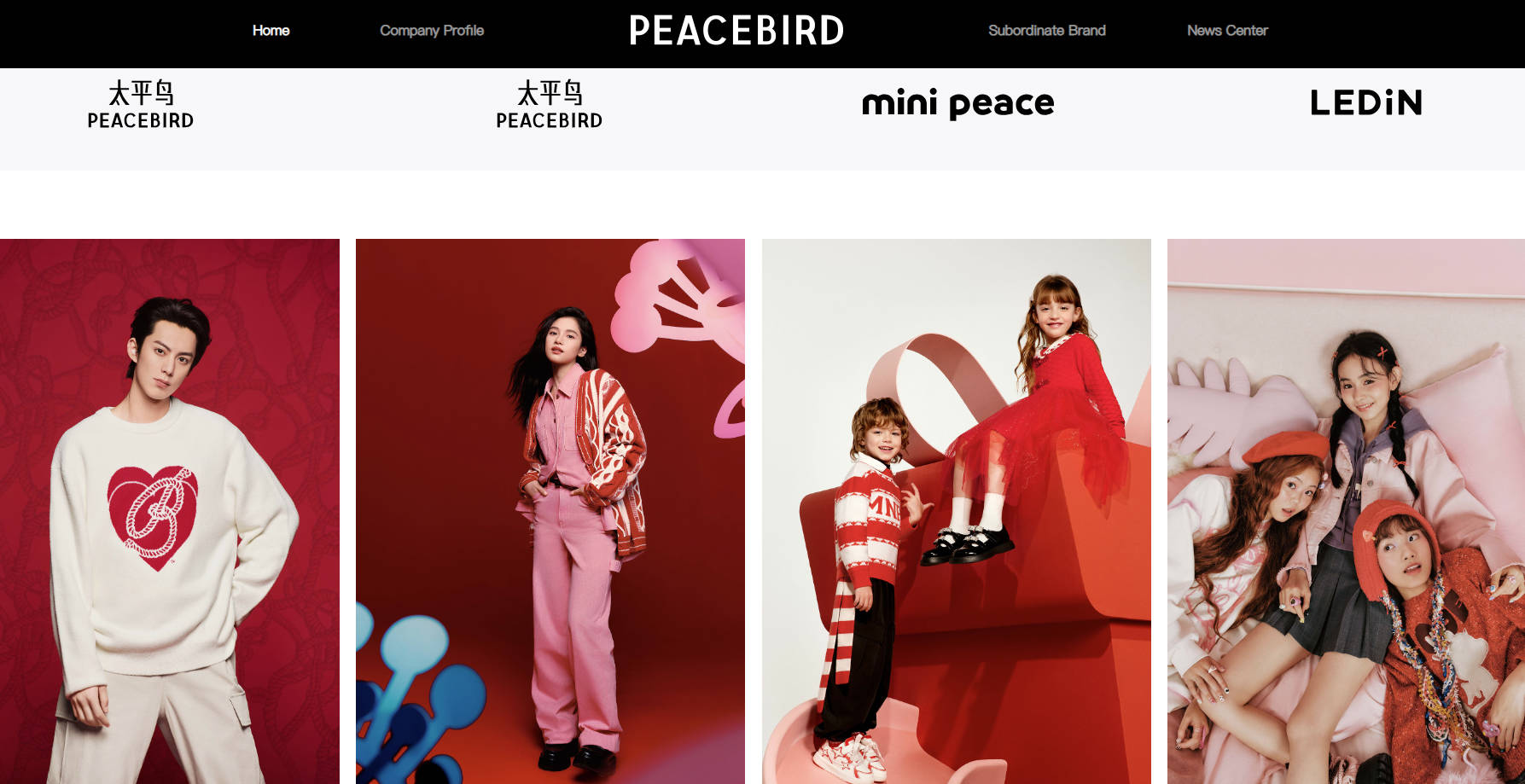
Overview: Peacebird, founded in 1996, targets young, fashion-conscious consumers with its trendy and affordable clothing and now has over 4,000 stores across China. The brand's rapid growth and strong social media presence have made it a favorite among millennials and Gen Z.
Founded: 1996
Specialty: Fast fashion and contemporary clothing
Design Philosophy: Modern Chinese street style with international fashion elements
Target Market: Young urban professionals and fashion-forward millennials
Global Reach: Primarily focused on domestic Chinese market with growing Asian presence
Recognition: One of China's top 10 fashion brands, known for celebrity collaborations
Key Highlights:
- Youthful Appeal: Peacebird's collections are characterized by vibrant colors, bold patterns, and contemporary styles that resonate with the younger demographic.
- Digital Marketing: The brand leverages social media and e-commerce platforms to reach a wider audience, engaging with customers through innovative marketing campaigns.
- Collaborations: Peacebird frequently collaborates with artists and designers to create unique and limited-edition collections.
4. Meters/bonwe (美特斯邦威): Casualwear for the Youth
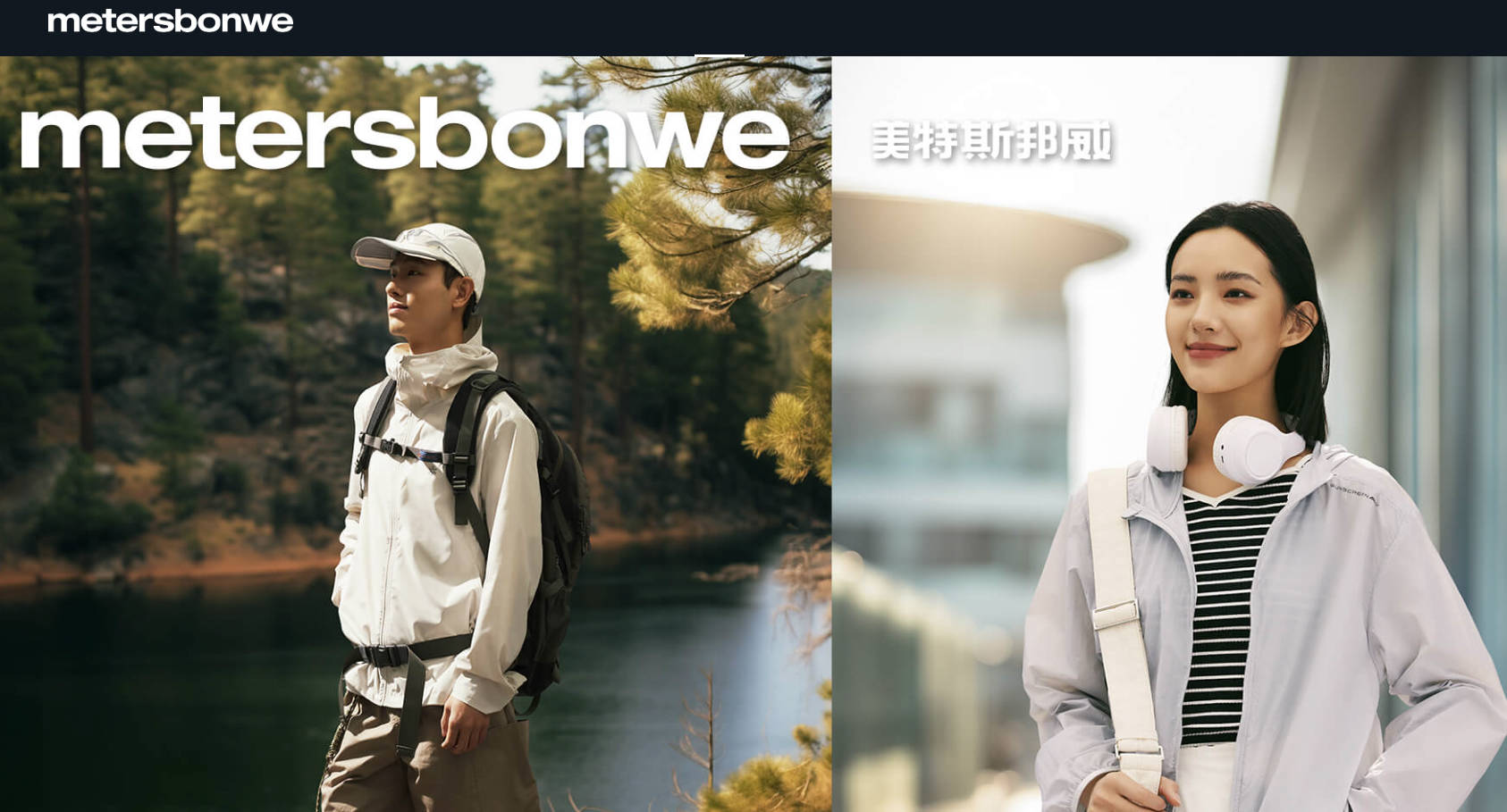
Overview: Meters/bonwe, founded in 1995, is one of China's largest casualwear brands. It caters to customers aged 18 to 25 with its stylish and affordable clothing.
Founded: 1995
Specialty: Casual wear and denim
Design Philosophy: Youthful, casual, and accessible fashion
Target Market: Teenagers and young adults aged 15-25
Global Reach: Over 4,000 stores across China and expanding in Southeast Asia
Recognition: One of China's largest casual wear retailers
Key Highlights:
- Wide Range of Products: Meters/bonwe offers a diverse range of clothing, from casual wear to accessories, ensuring there is something for everyone.
- Retail Network: The brand boasts an extensive retail network across China, with plans for international expansion.
- Marketing Strategies: Meters/bonwe employs effective marketing strategies, including celebrity endorsements and collaborations, to enhance brand visibility.
5. Anta (安踏): Leading Sportswear Brand
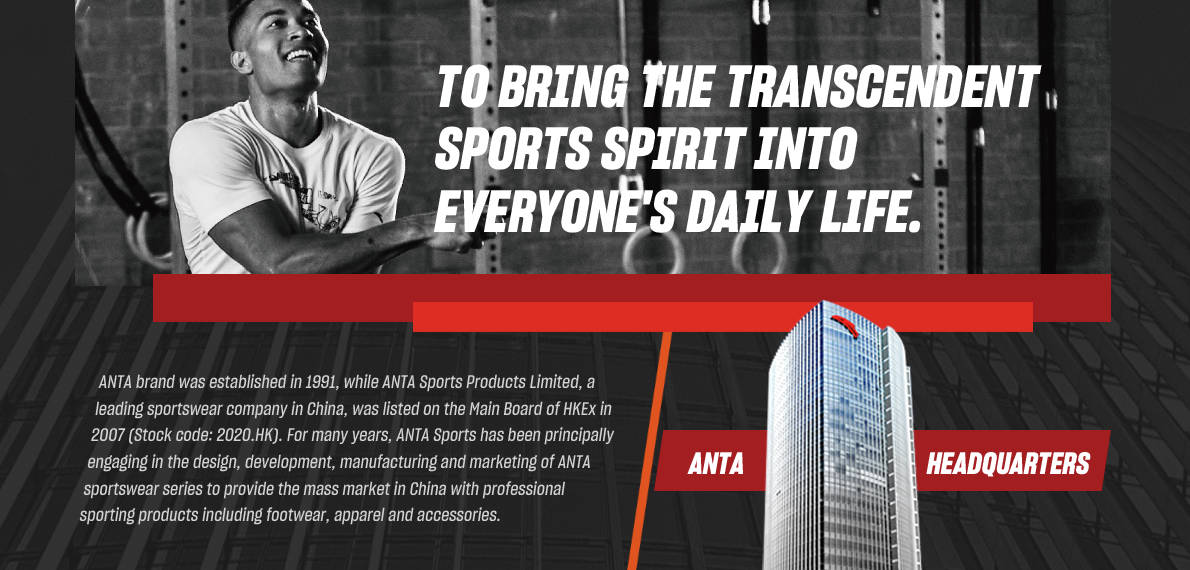
Overview: Anta, established in 1991, is a leading sportswear brand in China.
Founded: 1991
Specialty: Sports equipment and athletic wear
Design Philosophy: Performance-driven design with technological innovation
Target Market: Athletes and sports enthusiasts across all age groups
Global Reach: Present in over 40 countries
Recognition: Official partner of Chinese Olympic Committee, owner of FILA China
Key Highlights:
- Technological Innovation: Anta invests in advanced technologies to develop high-quality sportswear that enhances athletic performance.
- Global Acquisitions: The brand has acquired international sportswear companies, such as Amer Sports, to strengthen its global presence.
- Sponsorships: Anta sponsors numerous athletes and sports teams, boosting its visibility in the sports industry.
6. Septwolves (七匹狼): Classic Menswear
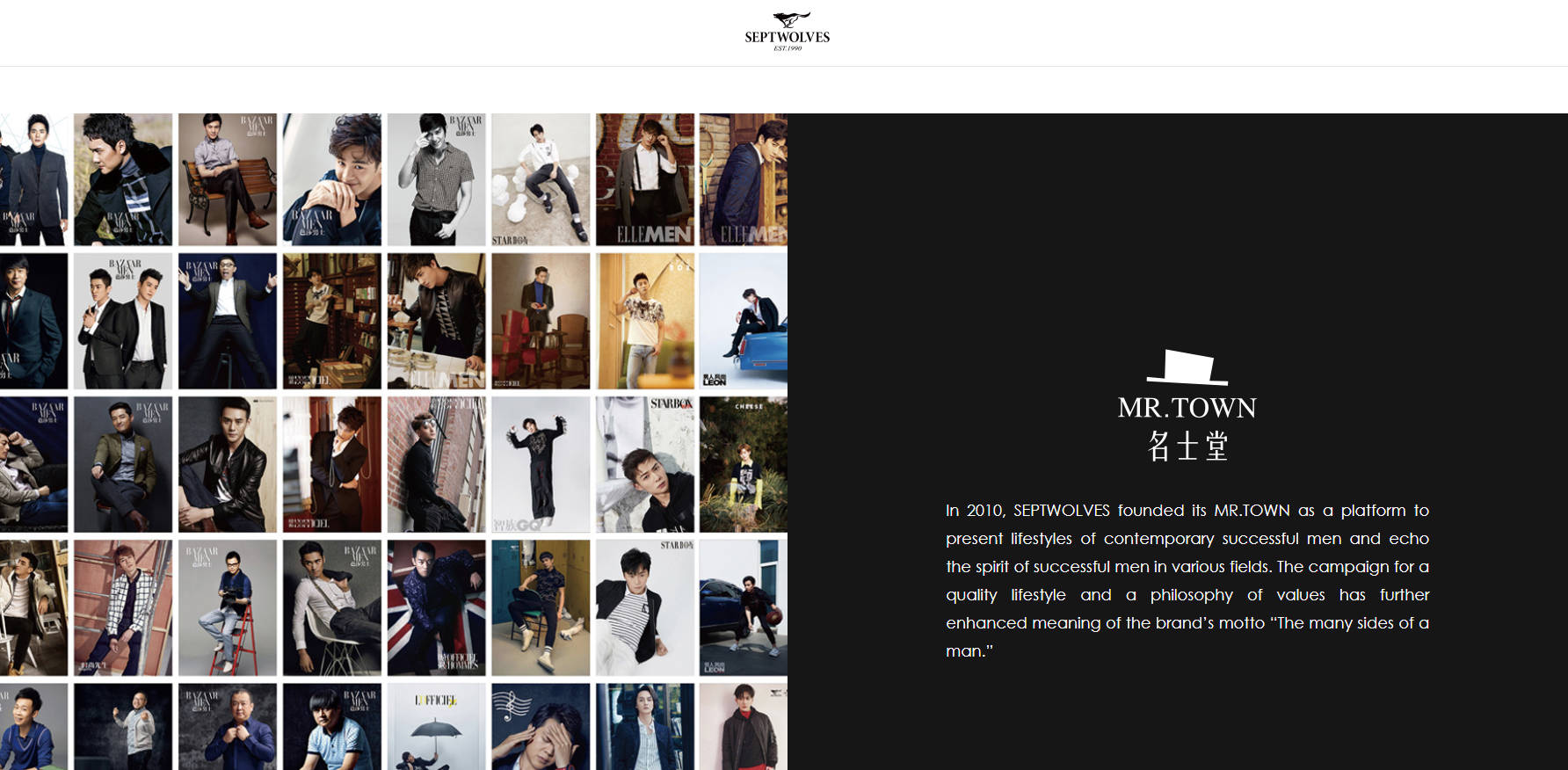
Overview: Septwolves, founded in 1990, is a well-known menswear brand in China. The brand is synonymous with classic and sophisticated men's fashion, offering a range of clothing and accessories.
Founded: 1990
Specialty: Men's business and casual wear
Design Philosophy: Contemporary professional style with traditional elements
Target Market: Professional men aged 25-45
Global Reach: Primarily focused on Chinese market with selective Asian expansion
Recognition: Leading menswear brand in China's business casual segment
Key Highlights:
- Timeless Designs: Septwolves' collections feature timeless designs that combine traditional tailoring with modern trends.
- Brand Heritage: The brand's rich heritage and commitment to quality have earned it a loyal customer base in China.
- Retail Expansion: Septwolves continues to expand its retail footprint, with plans to enter new international markets.
7. Ochirly (欧时力): High-Street Fashion for Women

Overview: Ochirly, established in 1999, is a high-street fashion brand for women. The brand offers chic and contemporary clothing that appeals to fashion-forward women.
Founded: 1999
Specialty: Women's contemporary fashion
Design Philosophy: European-inspired designs with Asian aesthetics
Target Market: Fashion-conscious women aged 20-35
Global Reach: Strong presence in China and expanding in Southeast Asia
Recognition: One of China's top women's fashion brands
Key Highlights:
- Fashion-Forward Designs: Ochirly's collections are characterized by modern and stylish designs that reflect the latest fashion trends.
- Celebrity Collaborations: The brand frequently collaborates with celebrities and influencers to create buzz and attract new customers.
- Strong Online Presence: Ochirly leverages e-commerce platforms and social media to engage with customers and drive sales.
8. Heilan Home (海澜之家): Affordable Menswear
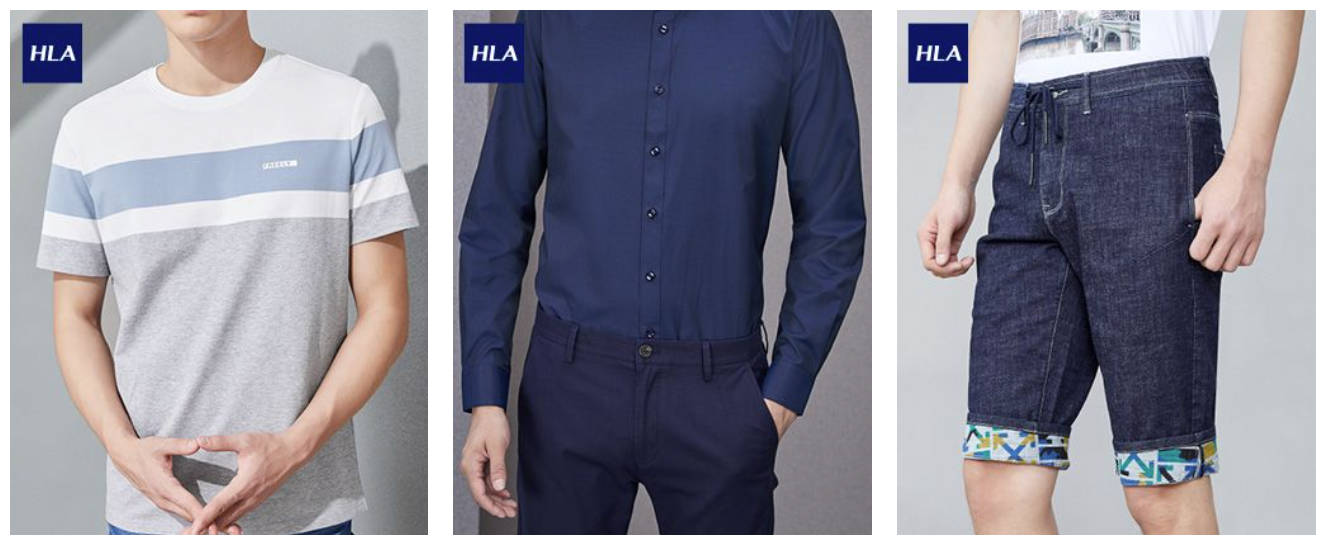
Overview: Heilan Home, also known as HLA, is one of China's largest clothing companies, an arm of the China Heilan Group founded in 1988. The brand specializes in affordable menswear, offering a wide range of clothing and accessories for men.
Founded: 1988
Specialty: Men's casual and formal wear
Design Philosophy: Quality basics at accessible prices
Target Market: Middle-class male consumers aged 25-45
Global Reach: Extensive network in China with international expansion plans
Recognition: Largest menswear retailer in China by sales volume
Key Highlights:
- Value for Money: Heilan Home is known for its affordable prices without compromising on quality, making it a popular choice for budget-conscious consumers.
- Extensive Product Range: The brand offers a comprehensive range of menswear, from casual to formal attire.
- Retail Dominance: Heilan Home has an extensive retail network across China, with plans for further expansion.
9. Urban Revivo (快尚时装): Trendy and Affordable Fashion
Overview: Urban Revivo, commonly known as UR, is a rapidly growing fashion brand that offers trendy and affordable clothing for both men and women. Established with the aim of making high-street fashion accessible, UR is known for its contemporary designs and wide-ranging collections.
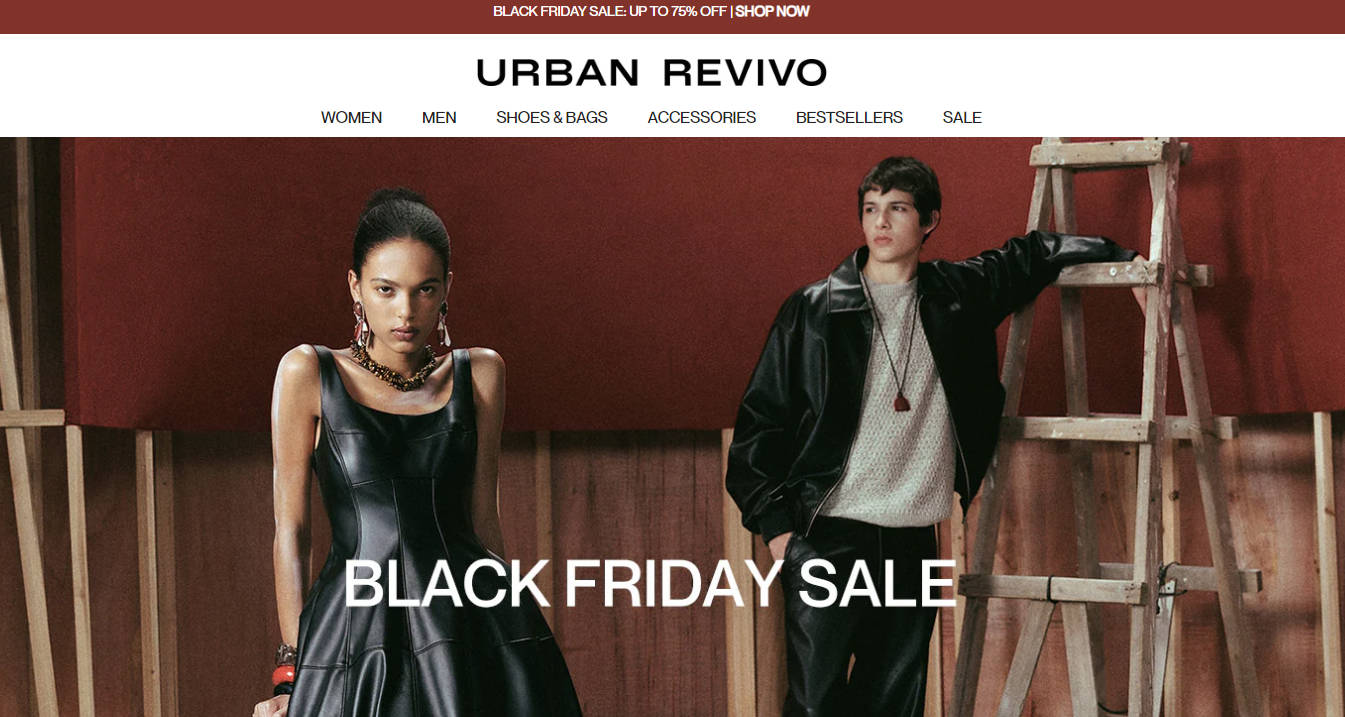
Founded: 2006
Specialty: Fast fashion for men and women
Design Philosophy: Runway-inspired designs at accessible prices
Target Market: Fashion-conscious young adults aged 18-35
Global Reach: Present in Singapore, Thailand, Philippines, and expanding globally
Recognition: Known as "China's Zara," rapid international growth
Key Highlights:
- On-Trend Collections: Urban Revivo is renowned for its ability to quickly adapt to the latest fashion trends, ensuring that its collections are always current and stylish.
- Global Expansion: The brand has been expanding internationally, opening stores in major cities around the world to reach a broader audience.
- Diverse Product Offerings: UR provides a vast selection of apparel and accessories, catering to various fashion preferences and styles.
10. Semir (森马): Fashion for the Young and Stylish
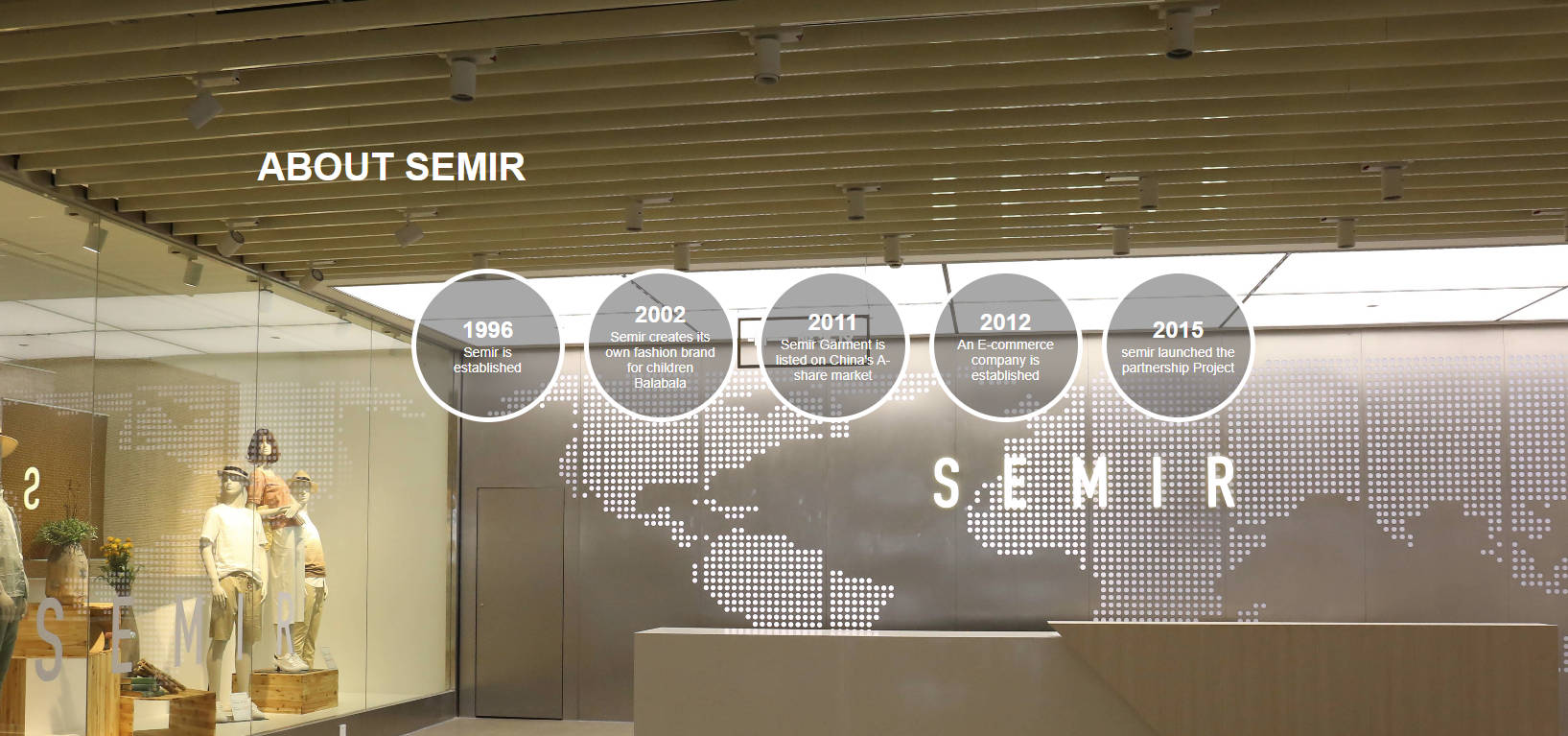
Overview: Semir is a well-known Chinese fashion brand that targets young and trendy consumers with its extensive range of casual and youthful apparel. Founded in 1996, the brand has become a popular choice for those seeking fashionable and affordable clothing.
Founded: 1996
Specialty: Casual fashion for men, women, and children
Design Philosophy: Contemporary fashion with a focus on comfort and trendiness
Target Market: Young urban professionals and students aged 18-30
Global Reach: Primarily focused on the Chinese market with a developing international presence
Recognition: One of China's leading casual fashion brands, known for its youthful appeal and affordability
Key Highlights:
- Youthful Appeal: Semir's designs are crafted for young consumers, offering stylish and vibrant looks that resonate with a youthful audience.
- Affordable Fashion: The brand focuses on providing trendy styles at accessible price points, making it popular among budget-conscious shoppers.
- Strong Retail Network: Semir boasts an extensive retail presence across China, with numerous stores in major cities and shopping areas.
Also Read: Business and Manufacturing
- Start a clothing brand
- Find Chinese clothing manufacturers
- Clothing manufacturers for startups
- Sell wholesale clothing online
- Wholesale clothing websites
- Wholesale clothing apps
- Clothing trade shows 2024-2025
- Wholesale clothing trade shows
- Boutique clothing trade shows
- Boutique wholesale vendors
- Private label clothing manufacturers
- Streetwear manufacturers on GlobalSources
Part 2. Why Wholesale Clothing from China?
China has become a global powerhouse in the clothing manufacturing industry, attracting businesses worldwide seeking to source apparel at competitive prices. But what exactly makes wholesale clothing from China so appealing? Let's explore the key advantages:
Cost-Effectiveness: A Cornerstone of Attraction
Low Manufacturing Costs:
China's manufacturing prowess is deeply rooted in its cost-effective production processes. Several factors contribute to this advantage:
- Lower Labor Costs: Compared to many Western nations, China enjoys lower labor costs, significantly reducing overall production expenses.
- Economies of Scale: The sheer scale of China's manufacturing sector allows for economies of scale. Factories can produce large quantities of clothing at lower costs per unit, further enhancing price competitiveness.
- Government Support: The Chinese government actively supports its manufacturing industry through various policies and incentives, contributing to a favorable manufacturing environment.
Attractive Bulk Discounts:
Ordering in bulk from Chinese suppliers unlocks substantial cost savings. Wholesalers often offer tiered pricing structures, with discounts increasing proportionally with order volume. This allows businesses to maximize their profit margins by leveraging bulk purchasing power.
Unparalleled Product Variety: Catering to Diverse Demands
Diverse Manufacturing Ecosystem:
China's clothing manufacturing landscape is incredibly diverse, encompassing a wide spectrum of production capabilities:
- Large-Scale Factories: Equipped with advanced machinery and streamlined processes, these factories excel in mass production, fulfilling high-volume orders efficiently.
- Specialized Workshops: Focusing on niche products or specific manufacturing techniques, these smaller workshops cater to businesses seeking unique or specialized clothing items.
- Vertically Integrated Suppliers:Some suppliers manage the entire production process, from raw materials sourcing to finished garments, offering greater control over quality and lead times.
Trend Adaptability and Speed:
Chinese manufacturers are known for their agility in responding to ever-evolving fashion trends. They possess a remarkable ability to quickly adapt designs, incorporate new fabrics, and implement emerging production techniques. This ensures a constant stream of fresh and on-trend clothing options for businesses to capitalize on.
Flexible Minimum Order Quantities (MOQs): Lowering Barriers to Entry
Catering to Businesses of All Sizes:
Unlike some sourcing destinations with rigid MOQ requirements, China offers flexibility, accommodating businesses with varying order volumes:
- Low MOQ Suppliers: Numerous suppliers specialize in fulfilling smaller orders, making it feasible for startups, small businesses, and independent retailers with limited budgets to access wholesale pricing.
- High-Volume Production: Larger factories cater to established brands and retailers requiring substantial quantities, ensuring production capacity aligns with demand.
Facilitating Product Testing and Market Entry:
Lower MOQs empower businesses to test the market with new products or designs without committing to large, potentially risky inventory investments. This flexibility allows for agile market entry and reduces financial exposure during product testing phases.
Robust Infrastructure and Established Supply Chains: Ensuring Smooth Operations
Efficient Logistics and Transportation:
China boasts a highly developed infrastructure supporting efficient manufacturing, logistics, and shipping operations:
- Extensive Transportation Networks: A comprehensive network of roads, railways, and ports facilitates the smooth and timely movement of goods within China and internationally.
- Streamlined Customs Procedures: Well-established customs procedures and efficient processing times minimize delays and ensure the smooth flow of goods across borders.
- Variety of Shipping Options: Businesses can choose from a wide range of shipping options, including sea freight, air freight, and express courier services, based on their budget and delivery time requirements.
Experienced and Reliable Suppliers:
Years of experience in international trade have equipped Chinese suppliers with the expertise to navigate complex import/export processes:
- Proficiency in Documentation: Suppliers are well-versed in handling the necessary documentation, ensuring compliance with international trade regulations and minimizing potential delays.
- Communication and Language Support: Many suppliers have dedicated English-speaking staff or utilize translation services, facilitating effective communication and minimizing misinterpretations.
- Quality Control Measures: Established suppliers often have stringent quality control measures in place throughout the production process, ensuring products meet required standards.
Conclusion: The Compelling Case for Sourcing Wholesale Clothing from China
The convergence of cost-effectiveness, product variety, flexible MOQs, and a robust infrastructure makes China an undeniably attractive sourcing destination for wholesale clothing. By leveraging these advantages, businesses can access high-quality garments at competitive prices, fueling their growth and success in the dynamic global apparel market.
Part 3. Key Players in China's Clothing Market
Navigating the vast landscape of China's clothing market requires understanding the key players shaping the industry. From sprawling manufacturing hubs to influential online platforms, let's explore the prominent entities driving the sector's growth:
Manufacturing Hubs: The Heart of Production
Guangdong Province:
- The "World's Factory": Known as the "world's factory," Guangdong province is a manufacturing powerhouse, housing a significant portion of China's clothing production.
- Key Cities: Cities like Guangzhou, Shenzhen, and Dongguan are renowned for their garment factories, specializing in various clothing categories, from fast fashion to high-end apparel.
- Industry Clusters: The region benefits from well-established industry clusters, fostering collaboration and innovation within the garment manufacturing ecosystem.
Zhejiang Province:
- Textile and Apparel Hub: Zhejiang province is another major player in China's clothing industry, renowned for its textile production and apparel manufacturing capabilities.
- Specialization: The region specializes in silk products, knitted garments, and high-quality fabrics, attracting businesses seeking premium materials and craftsmanship.
- Key Cities: Cities like Hangzhou, Ningbo, and Shaoxing are home to numerous clothing manufacturers and textile mills, contributing significantly to the province's apparel output.
Jiangsu Province:
- Emerging Manufacturing Base: Jiangsu province is rapidly emerging as a key player in the clothing industry, attracting investments and fostering growth in garment manufacturing.
- Competitive Advantages: The region offers competitive labor costs, a skilled workforce, and proximity to major shipping ports, making it an attractive destination for clothing production.
- Key Cities: Cities like Suzhou, Wuxi, and Nanjing are witnessing a surge in garment factories and textile mills, contributing to the province's rising prominence in the industry.
Online B2B Platforms: Connecting Buyers and Suppliers
Global Sources:
- Sourcing Expertise: Global Sources is a renowned B2B platform specializing in connecting buyers with verified suppliers from Asia, including a strong focus on China's clothing industry.
- Industry Events: Global Sources organizes major sourcing fairs and exhibitions, providing opportunities for buyers to meet suppliers face-to-face, inspect samples, and negotiate deals.
Alibaba.com:
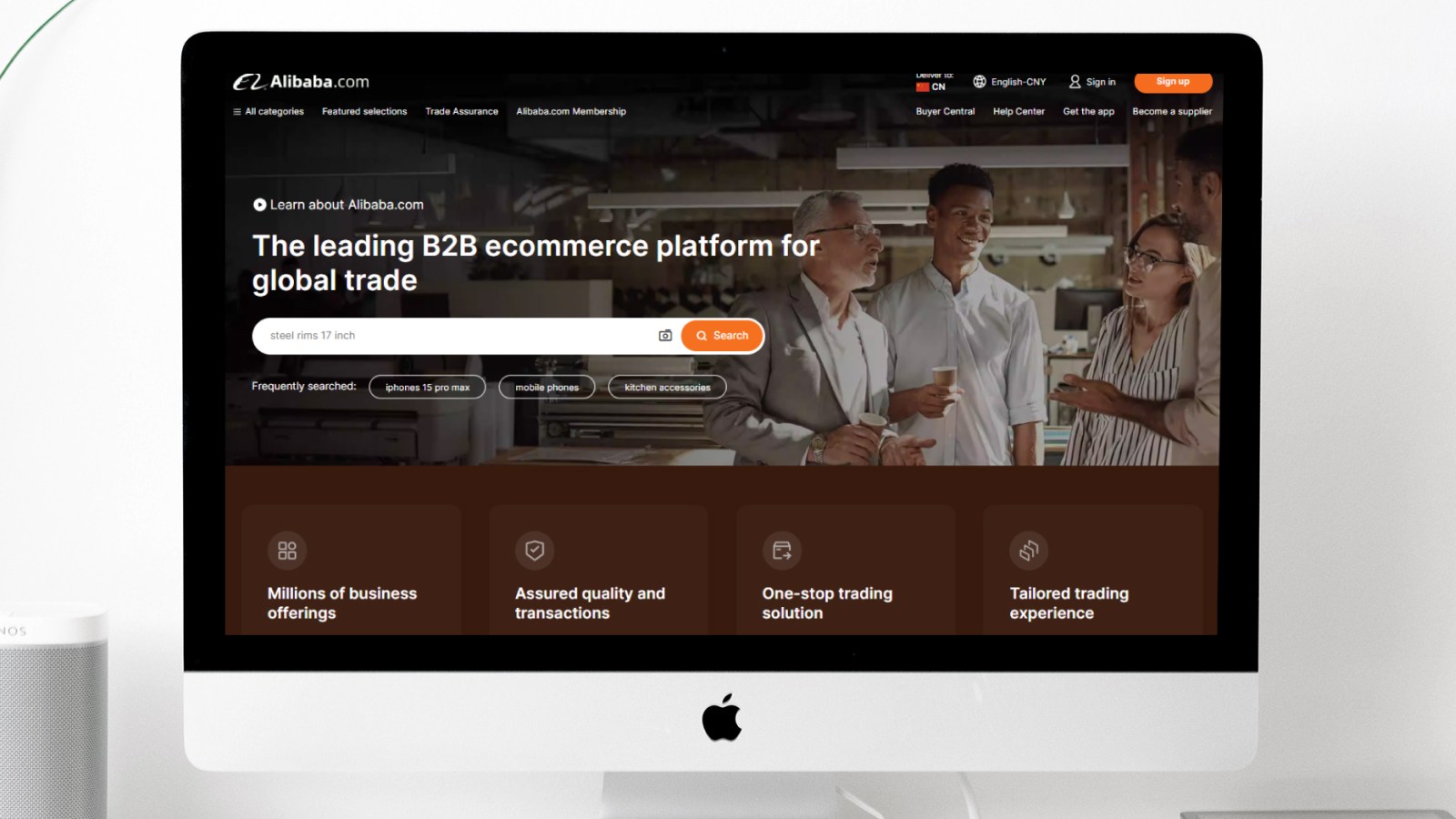
- Global B2B Giant: Alibaba.com is a leading global B2B platform connecting buyers and suppliers worldwide. It features a vast selection of Chinese clothing manufacturers and wholesalers, offering a wide range of products and MOQs.
- Comprehensive Services: Alibaba provides various services to facilitate trade, including secure payment gateways, trade assurance, and logistics support, simplifying the sourcing process for buyers.
Made-in-China.com:

- China-Focused Platform: Made-in-China.com is a B2B platform dedicated to promoting Chinese products and suppliers, including a comprehensive directory of clothing manufacturers and wholesalers.
- Government Support: The platform receives support from the Chinese government, enhancing its credibility and attracting a wide range of verified suppliers.
Traditional Trade Shows: Facilitating Face-to-Face Interactions
Canton Fair:
- World's Largest Trade Fair: Held twice a year in Guangzhou, the Canton Fair is the world's largest trade fair, featuring a dedicated section for textiles and garments, attracting buyers from across the globe.
- Product Showcase: The fair provides a platform for Chinese clothing manufacturers to showcase their latest collections, connect with potential buyers, and negotiate deals in person.
Intertextile Shanghai Apparel Fabrics:
- Fabric and Textile Focus: Intertextile Shanghai Apparel Fabrics is a leading trade fair specializing in textiles, fabrics, and accessories, attracting textile mills and garment manufacturers from China and beyond.
- Sourcing Opportunities: The fair offers buyers a comprehensive overview of the latest fabric trends, innovative materials, and sourcing opportunities for their clothing production needs.
Leading Clothing Manufacturers: Shaping the Industry Landscape
Shenzhou International Group Holdings:
- Vertically Integrated Giant: Shenzhou International is one of China's largest garment manufacturers, known for its vertically integrated operations, encompassing spinning, weaving, dyeing, and garment production.
- Global Clientele: The company manufactures for renowned international brands, highlighting its production capabilities and commitment to quality.
Youngor Group:
- Diversified Apparel Giant: Youngor Group is a diversified apparel giant with a wide range of brands catering to different market segments, from affordable fashion to high-end menswear.
- Retail Network: The company operates a vast retail network across China and is expanding its international presence through strategic partnerships and acquisitions.
Part 4. Wholesale Clothing on Global Sources
Global Sources stands out as a prominent B2B platform connecting buyers worldwide with verified suppliers, particularly in the Asian market. For businesses seeking wholesale clothing from China, Global Sources offers a comprehensive and reliable sourcing solution. Let's delve into the key aspects of sourcing wholesale clothing through this platform:
Navigating the Platform: Finding the Right Suppliers
Product Search and Filtering:
- Extensive Product Categories: Global Sources features a wide array of clothing categories, from men's, women's, and children's wear to specialized apparel like sportswear, workwear, and lingerie.
- Advanced Search Filters: Buyers can refine their search using various filters, including product type, material, style, size, color, MOQ, price range, and supplier location.
- Keyword Optimization: Using specific keywords related to the desired clothing items, materials, or styles can enhance search results and lead to more relevant supplier listings.
Supplier Verification and Vetting:
- Verified Supplier Badges: Global Sources employs a rigorous supplier verification process, awarding badges to suppliers who have undergone identity and business verification checks.
- Supplier Profile Analysis: Buyers can access detailed supplier profiles, including company information, production capabilities, certifications, customer reviews, and trade show participation history.
- Direct Communication: The platform facilitates direct communication with suppliers through messaging features, allowing buyers to inquire about product details, MOQs, pricing, and other relevant information.
Ensuring Product Quality and Compliance
Sample Ordering and Inspection:
- Sample Request: Global Sources encourages buyers to request samples before placing bulk orders, allowing for product quality assessment, sizing verification, and material inspection.
- Third-Party Inspection Services: Buyers can opt for independent third-party inspection services to ensure products meet quality standards, specifications, and compliance requirements.
Certifications and Compliance:
- Supplier Certifications: Many suppliers on Global Sources hold certifications such as ISO 9001 (quality management) and OEKO-TEX (textile safety), indicating adherence to industry standards.
- Compliance Requirements: Buyers should communicate their specific compliance requirements, including labeling, packaging, and safety regulations, to ensure suppliers meet necessary standards.
Streamlining the Ordering and Payment Process
Secure Payment Options:
- Trade Assurance: Global Sources offers Trade Assurance, a service that safeguards buyer payments and ensures product quality. If disputes arise, Global Sources intervenes to mediate and facilitate resolution.
- Secure Payment Gateways: The platform supports secure online payment methods, such as PayPal, credit cards, and wire transfers, providing secure transaction processing.
Order Management and Tracking:
- Order Tracking System: Global Sources provides an order tracking system, allowing buyers to monitor the status of their orders from placement to delivery.
- Communication Channels: Buyers can communicate with suppliers directly through the platform's messaging system to address any order-related inquiries or concerns.
Leveraging Global Sources' Value-Added Services
Sourcing Events and Trade Shows:
- Virtual and In-Person Events: Global Sources hosts virtual and in-person sourcing events, including trade shows and product showcases, providing opportunities for buyers to connect with suppliers directly.
- Targeted Product Categories: These events often focus on specific product categories, allowing buyers to efficiently source within their desired niche.
Market Insights and Trend Analysis:
- Industry Reports and Analysis: Global Sources provides valuable market insights, trend analysis, and industry reports, keeping buyers informed about the latest developments in the clothing industry.
- Sourcing Guides and Tips: The platform offers sourcing guides, tips, and best practices to assist buyers in navigating the sourcing process effectively.
Conclusion: A Reliable Partner in Wholesale Clothing Sourcing
Global Sources has established itself as a trusted platform for sourcing wholesale clothing from China. Its comprehensive supplier directory, verification processes, secure payment options, value-added services, and commitment to buyer satisfaction make it an invaluable resource for businesses seeking reliable and efficient sourcing solutions in the global apparel market.
Part 5. Types of Clothing in China
China's clothing industry is renowned for its vast and diverse production capabilities, encompassing a wide spectrum of clothing types to cater to global market demands. From everyday essentials to specialized apparel, let's explore the diverse categories of clothing manufactured in China:
Everyday Apparel: Clothing the Masses
Men's Wear:
- Casual Wear: T-shirts, polo shirts, shirts, jeans, trousers, shorts, hoodies, sweatshirts, jackets.
- Formal Wear: Suits, blazers, dress shirts, trousers, ties, vests.
- Activewear: Tracksuits, shorts, t-shirts, tank tops, hoodies, sweatpants.
Women's Wear:
- Tops: T-shirts, blouses, shirts, tank tops, crop tops, sweaters, sweatshirts, hoodies.
- Bottoms: Jeans, trousers, skirts, shorts, leggings, dresses.
- Outerwear: Jackets, coats, blazers, sweaters, cardigans.
Children's Wear:
- Infant Wear: Onesies, rompers, sleepers, bodysuits, pants, hats, mittens.
- Toddler Wear: T-shirts, shirts, dresses, skirts, pants, shorts, jackets, sweaters.
- Kids' Wear: Similar to adult wear but in smaller sizes and often with playful designs and patterns.
Specialized Clothing: Catering to Specific Needs
Sportswear and Activewear:
- Performance Wear: Designed for specific sports, such as running, yoga, gym workouts, and swimming.
- Athleisure: Blends athletic performance with style for everyday wear.
- Outdoor Apparel: Hiking gear, camping clothing, ski wear, designed for outdoor activities.
Lingerie and Underwear:
- Bras: Various styles, including push-up, sports, strapless, and bralettes.
- Underwear: Panties, thongs, briefs, boxers, shapewear.
- Lingerie: Sleepwear, robes, chemises, designed for comfort and style.
Swimwear:
- Bikinis: Two-piece swimsuits in various styles and coverage options.
- One-Piece Swimsuits: Offer more coverage and support.
- Swim Trunks: For men and boys, available in various lengths and styles.
Formal and Occasion Wear: Dressing for Special Events
Evening Gowns and Cocktail Dresses:
- Formal Events: Elegant and sophisticated gowns for galas, weddings, and black-tie events.
- Cocktail Parties: Shorter, more playful dresses for semi-formal occasions.
Suits and Tuxedos:
- Weddings, Business Events: Classic suits in various colors and fabrics for formal occasions.
- Black-Tie Events: Tuxedos for the most formal events.
Bridesmaid Dresses and Prom Dresses:
- Wedding Parties: Bridesmaid dresses in coordinating styles and colors.
- Prom Night: Formal dresses for high school proms.
Workwear and Uniforms: Clothing for Professional Settings
Corporate Wear:
- Suits, Shirts, Trousers: Professional attire for office settings.
- Uniforms: For specific industries, such as hospitality, healthcare, and aviation.
Industrial Workwear:
- Safety Gear: Coveralls, high-visibility clothing, safety shoes, designed to protect workers in hazardous environments.
- Work Pants and Shirts: Durable and functional clothing for manual labor.
A Diverse Array of Clothing for Every Need
China's clothing industry demonstrates remarkable versatility in producing a wide range of clothing types. From everyday essentials to specialized apparel and formal wear, Chinese manufacturers cater to diverse market segments and consumer demands worldwide. This vast production capacity and adaptability solidify China's position as a global leader in the clothing manufacturing landscape.
Part 6. Market Trends & Challenges of China's Clothing Industry
China's clothing industry has experienced remarkable growth over the past few decades, transforming into a low-cost manufacturing hub. Let's look into the factors driving this impressive growth trajectory:
Economic Reforms and Open Door Policy:
- Market Liberalization: China's economic reforms and open-door policy in the late 1970s paved the way for foreign investment, trade liberalization, and private sector growth, creating a fertile ground for the clothing industry to flourish.
- Access to Global Markets: These reforms opened up access to international markets, allowing Chinese clothing manufacturers to tap into global demand and establish themselves as key players in the global apparel supply chain.
Competitive Advantages: Fueling Production and Export
Low Labor Costs:
- Cost-Effective Production: China's abundant and relatively low-cost labor force, with limited rights for workers, has been a significant driver of its manufacturing competitiveness, allowing for cost-effective production of clothing on a large scale.
- Wage Evolution: While wages have been rising in China, they remain competitive compared to many developed nations, preserving China's attractiveness as a manufacturing hub for labor-intensive industries like apparel.
Economies of Scale:
- Large-Scale Production: China's massive manufacturing infrastructure and capacity for large-scale production enable clothing manufacturers to produce goods at lower costs per unit, further enhancing their price competitiveness in global markets.
- Meeting Global Demand: This ability to produce large volumes efficiently has been crucial in meeting the growing global demand for affordable and trendy apparel.
Government Support:
- Industry Incentives: The Chinese government has implemented various policies and incentives to support the growth of its textile and apparel industry, including tax breaks, subsidies, and infrastructure development.
- Export Promotion: Government initiatives have also focused on promoting exports, providing support to Chinese clothing manufacturers seeking to expand their presence in international markets.
Evolving Manufacturing Capabilities: From OEM to ODM and Beyond
Original Equipment Manufacturing (OEM):
- Early Stages: In the early stages of its growth, China's clothing industry primarily focused on OEM production, manufacturing garments based on designs and specifications provided by foreign brands.
- Building Expertise: This phase allowed Chinese manufacturers to gain valuable experience in production techniques, quality control, and meeting international standards.
Original Design Manufacturing (ODM):
- Design Capabilities: As Chinese manufacturers accumulated expertise, they transitioned towards ODM, offering design services alongside production, allowing them to capture a larger share of the value chain.
- Brand Collaboration: This shift led to closer collaborations with international brands, with Chinese manufacturers contributing design input and innovation to product development.
Emerging Trends: Branding and Innovation
- Developing Own Brands: Chinese clothing companies are increasingly investing in developing their own brands, aiming to move beyond manufacturing and establish their presence in the global fashion market.
- Focus on Innovation: There's a growing emphasis on innovation, with companies investing in research and development, exploring new materials, and adopting advanced manufacturing technologies to enhance product quality and design.
Challenges and Transformations: Navigating a Changing Landscape
Rising Labor Costs and Competition:
- Wage Pressures: Rising labor costs in China are putting pressure on profit margins, leading some manufacturers to explore production options in lower-cost countries.
- Competition from Southeast Asia: Countries like Vietnam, Bangladesh, and Cambodia are emerging as competitive manufacturing hubs, attracting investments and challenging China's dominance in low-cost apparel production.
Focus on Sustainability and Ethical Practices:
- Environmental Concerns: Growing global awareness of the environmental impact of fast fashion is prompting a shift towards more sustainable practices in the clothing industry.
- Ethical Sourcing: Consumers are increasingly demanding transparency and ethical sourcing practices, pushing Chinese manufacturers to improve working conditions and stop using forced labor.
Digitalization and eCommerce:
- Online Sales Channels: The rise of e-commerce and online sales channels is transforming the clothing industry, creating new opportunities and challenges for Chinese manufacturers.
- Direct-to-Consumer (D2C): Some companies are adopting D2C business models, leveraging online platforms to reach consumers directly, bypassing traditional retail channels.
Conclusion: An Industry Poised for New Challenges
- China's clothing industry has undergone a remarkable transformation, driven by economic reforms, competitive advantages, and evolving manufacturing capabilities. While facing challenges such as rising labor costs, sustainability concerns, and digital disruption, this highly developed industry is entering a period of decline. The future of China's clothing sector depends on its as-yet untested ability to embrace sustainable practices and human rights protections, leverage technology and foster innovation, ensuring its continued contribution to the global fashion landscape.
Part 7. FAQs
What are the largest clothing companies in China?
China's clothing industry is vast and diverse, encompassing a wide range of companies that cater to both domestic and international markets. Some of the largest and most influential clothing companies in China include:
- Anta Sports Products Limited: Founded in 1994, Anta is one of the leading sportswear brands in China. It has grown significantly through strategic acquisitions, including the purchase of Amer Sports, which owns brands like Salomon, Arc'teryx, and Wilson. .
- Li-Ning Company Limited: Established by the famous Chinese gymnast Li Ning in 1990, this company has become a powerhouse in the sportswear industry. Li-Ning offers a wide range of products, including footwear, apparel, and accessories.
- Shenzhou International Group Holdings Limited: Shenzhou is one of the largest vertically integrated knitwear manufacturers in China. It supplies products to numerous global brands, including Nike, Adidas, and Uniqlo.
- Bosideng International Holdings Limited: Bosideng is renowned for its down jackets and has established itself as a leading brand in the outerwear segment. Founded in 1976, the company has expanded its product line to include a variety of apparel items.
- Youngor Group Co., Ltd.: Youngor is a major player in the men's clothing market in China. Established in 1979, the company has diversified its business to include real estate and investment. However, its core business remains in the production and sale of men's suits, shirts, and casual wear.
- HLA Corporation Limited (Heilan Home): HLA is one of the largest menswear retailers in China, offering a wide range of clothing and accessories.
- Peacebird Fashion Co., Ltd.: Peacebird is a prominent fashion brand targeting the youth market in China. The company offers trendy and affordable clothing through its various brands, including Peacebird Women, Peacebird Men, and LED'IN. Peacebird's ability to quickly adapt to changing fashion trends has made it a favorite among young consumers.
These companies represent a mix of sportswear, casual wear, and high-end fashion, reflecting the diverse preferences of Chinese consumers. Their success is driven by a combination of strong brand identity, innovative design, efficient supply chain management, and strategic expansion both domestically and internationally. As China's economy slows, these companies are likely to play an increasingly important role in the fashion industry.
Is Shanghai Tang a luxury brand?
Shanghai Tang is considered a luxury brand, known for its distinctive blend of Chinese heritage and contemporary fashion. Founded in 1994 by Hong Kong businessman Sir David Tang, the brand was established with the vision of reviving and modernizing traditional Chinese craftsmanship and aesthetics for a global audience.
Heritage and Aesthetic: Shanghai Tang draws heavily on Chinese cultural elements, incorporating traditional motifs, fabrics, and techniques into its designs. The brand is known for its vibrant colors, intricate embroidery, and luxurious materials, which are often inspired by the rich history and diverse cultural heritage of China. This unique fusion of East and West has allowed Shanghai Tang to carve out a niche in the luxury market, appealing to both Chinese and international customers who appreciate its distinctive style.
Product Range: The brand offers a wide range of products, including ready-to-wear clothing for men and women, accessories, homeware, and fragrances. Each product line reflects the brand's commitment to quality and craftsmanship. For instance, its clothing often features silk, cashmere, and other premium materials, while its accessories and homeware items are designed with meticulous attention to detail.
Global Presence: Shanghai Tang has established itself as a global luxury brand with boutiques in major cities around the world, including Hong Kong, New York, London, and Paris. The brand's flagship store in Hong Kong is a testament to its luxury status, offering an immersive shopping experience that showcases its unique blend of Chinese and Western influences. Additionally, Shanghai Tang's presence in international fashion capitals helps reinforce its position as a luxury brand on the global stage.
Collaborations and Partnerships: Over the years, Shanghai Tang has collaborated with various designers and artists to create limited-edition collections that further enhance its luxury appeal. These collaborations often bring fresh perspectives to the brand's traditional aesthetic, attracting new customers and generating media attention. Such partnerships are a common strategy among luxury brands to maintain relevance and excitement in the market.
Ownership and Management: In 2017, Shanghai Tang was acquired by Italian entrepreneur Alessandro Bastagli and Hong Kong-based private equity firm Cassia Investments. This acquisition marked a new chapter for the brand, with a renewed focus on expanding its international reach and enhancing its product offerings. The involvement of experienced luxury industry professionals in the brand's management has helped reinforce its luxury positioning.
Customer Experience: Luxury brands are often defined by the quality of the customer experience they provide, and Shanghai Tang is no exception. The brand emphasizes personalized service, exclusive events, and bespoke offerings to cater to its high-end clientele. This focus on customer experience is crucial in maintaining the brand's luxury status and fostering customer loyalty.
What luxury brands are made in China?
The perception of luxury brands being produced in China has evolved significantly over the past decade. While China was traditionally seen as a hub for mass production, it has increasingly become a center for high-quality manufacturing, attracting several luxury brands to set up production facilities in the country. Here are some notable luxury brands that either manufacture their products in China or source significant components from Chinese suppliers:
- Burberry: Burberry, the iconic British luxury brand, has been producing some of its apparel and accessories in China for years. The brand maintains strict quality control measures to ensure that products made in China meet the same high standards as those produced in Europe. Burberry's decision to manufacture in China is driven by the country's advanced manufacturing capabilities and cost efficiencies.
- Michael Kors: Michael Kors, a global luxury fashion brand, produces a substantial portion of its products, including handbags and accessories, in China. The brand leverages China's skilled labor force and efficient production processes to maintain its competitive edge in the luxury market. Michael Kors ensures that all products adhere to rigorous quality standards, regardless of their manufacturing origin.
- Coach: Coach, the American luxury leather goods brand, has a significant portion of its production based in China. Known for its high-quality craftsmanship, Coach works closely with Chinese manufacturers to produce its iconic handbags and accessories. The brand's commitment to quality and design excellence is maintained through stringent oversight and collaboration with its Chinese partners.
- Prada: Prada, the renowned Italian luxury fashion house, has also embraced Chinese manufacturing for some of its products. While the brand primarily produces its high-end items in Italy, it sources certain components and engages in assembly processes in China. This strategy allows Prada to balance cost efficiencies with the maintenance of its luxury standards.
- Ralph Lauren: Ralph Lauren, the American luxury lifestyle brand, manufactures a variety of its products, including apparel and accessories, in China. The brand's decision to produce in China is influenced by the country's advanced manufacturing infrastructure and skilled workforce. Ralph Lauren ensures that all products, regardless of their production location, meet the brand's stringent quality criteria.
- Mulberry: Mulberry, the British luxury leather goods brand, has shifted some of its production to China to take advantage of the country's expertise in leather craftsmanship. The brand maintains rigorous quality control to ensure that its products, whether made in the UK or China, reflect Mulberry's commitment to excellence and luxury.
- Furla: Furla, the Italian luxury accessories brand, produces a significant portion of its handbags and small leather goods in China. The brand's focus on quality materials and craftsmanship is upheld through close collaboration with Chinese manufacturers. Furla's products are known for their elegant design and high-quality finish, regardless of their manufacturing origin.
Also Read: Chinese Fashion and Lifestyle

