




Table of Contents
Part 1. Top 10 China Electric Cars Brands
Part 2. Why Wholesale Electric Cars from China
Part 3. Key Players in China's Electric Car Market
Part 4. Wholesale Electric Cars on Global Sources
Part 5. Types of Electric Cars in China
Part 6. Growth of China's Electric Car Industry
Part 7. Market Trends and Challenges of China's Electric Car Industry
Part 1. Top 10 China Electric Cars Brands
China has emerged as a global leader in the electric vehicle (EV) market, driven by government incentives, technological advancements, and a strong push towards sustainable transportation. Chinese electric car brands are not only dominating the domestic market but are also making significant inroads into international markets. Here’s a comprehensive look at the top 10 Chinese electric car brands that are shaping the future of mobility.
1. BYD (Build Your Dreams)
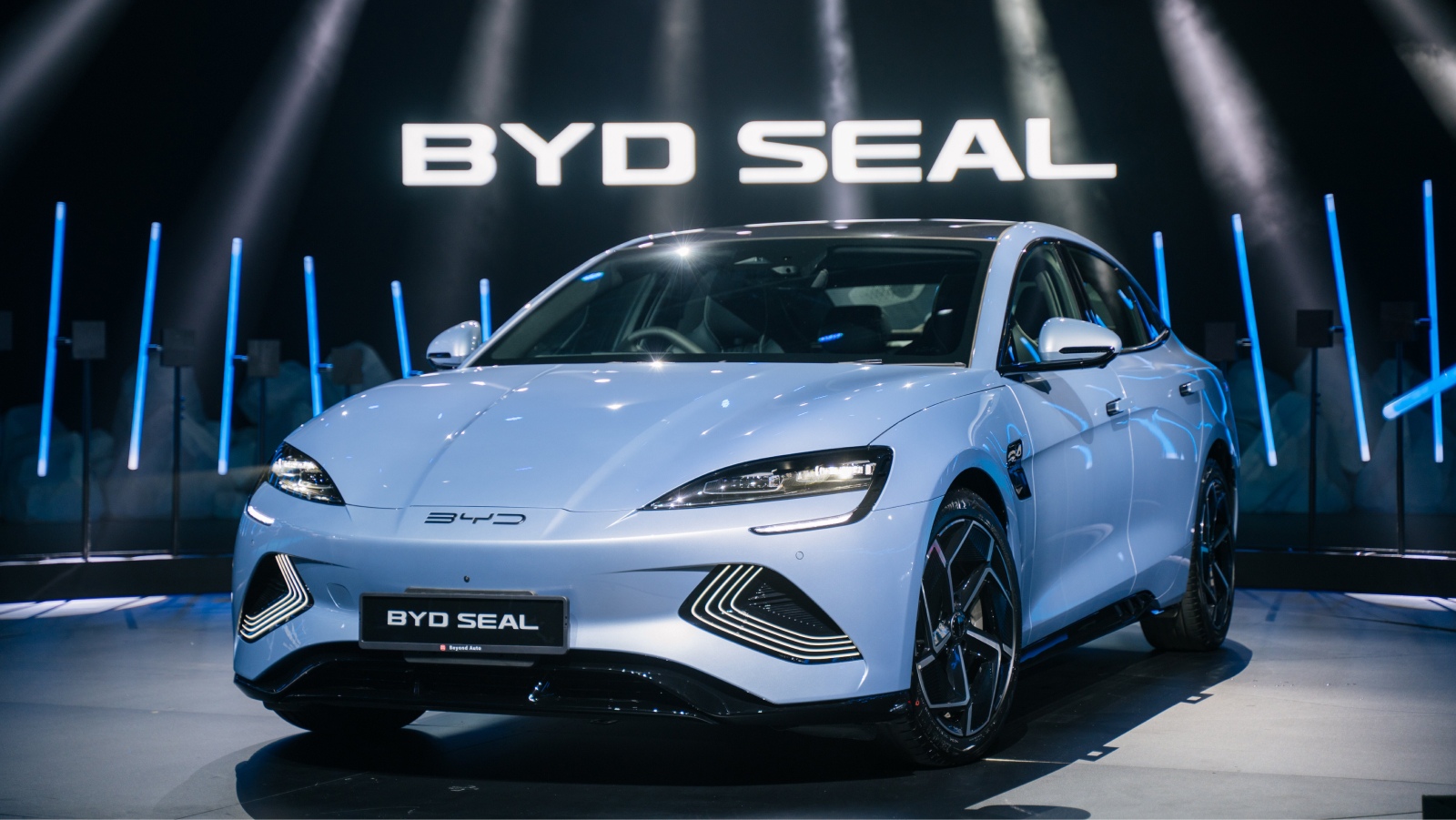
Overview: BYD, short for "Build Your Dreams," is one of the most prominent names in the Chinese EV market. Founded in 1995, BYD initially focused on rechargeable batteries before expanding into the automotive industry. Today, BYD is a leading manufacturer of electric vehicles, with a diverse portfolio that includes passenger cars, buses, and commercial vehicles.
Key Models:
- BYD Tang EV: This electric SUV combines luxury with performance, offering a range of over 500 kilometers on a single charge. It features a sleek design, advanced safety features, and a spacious interior.
- BYD Han EV: A flagship electric sedan known for its impressive range, fast charging capabilities, and cutting-edge technology. The Han EV is equipped with BYD's proprietary Blade Battery, which enhances safety and energy density.
Strengths:
- Battery Technology: BYD’s Blade Battery is a significant innovation, offering superior safety and energy density.
- Diverse Portfolio: BYD’s extensive range of vehicles, including buses and commercial vehicles, showcases its versatility.
- Global Reach: BYD has a strong international presence, exporting vehicles and collaborating with global partners.
2. NIO
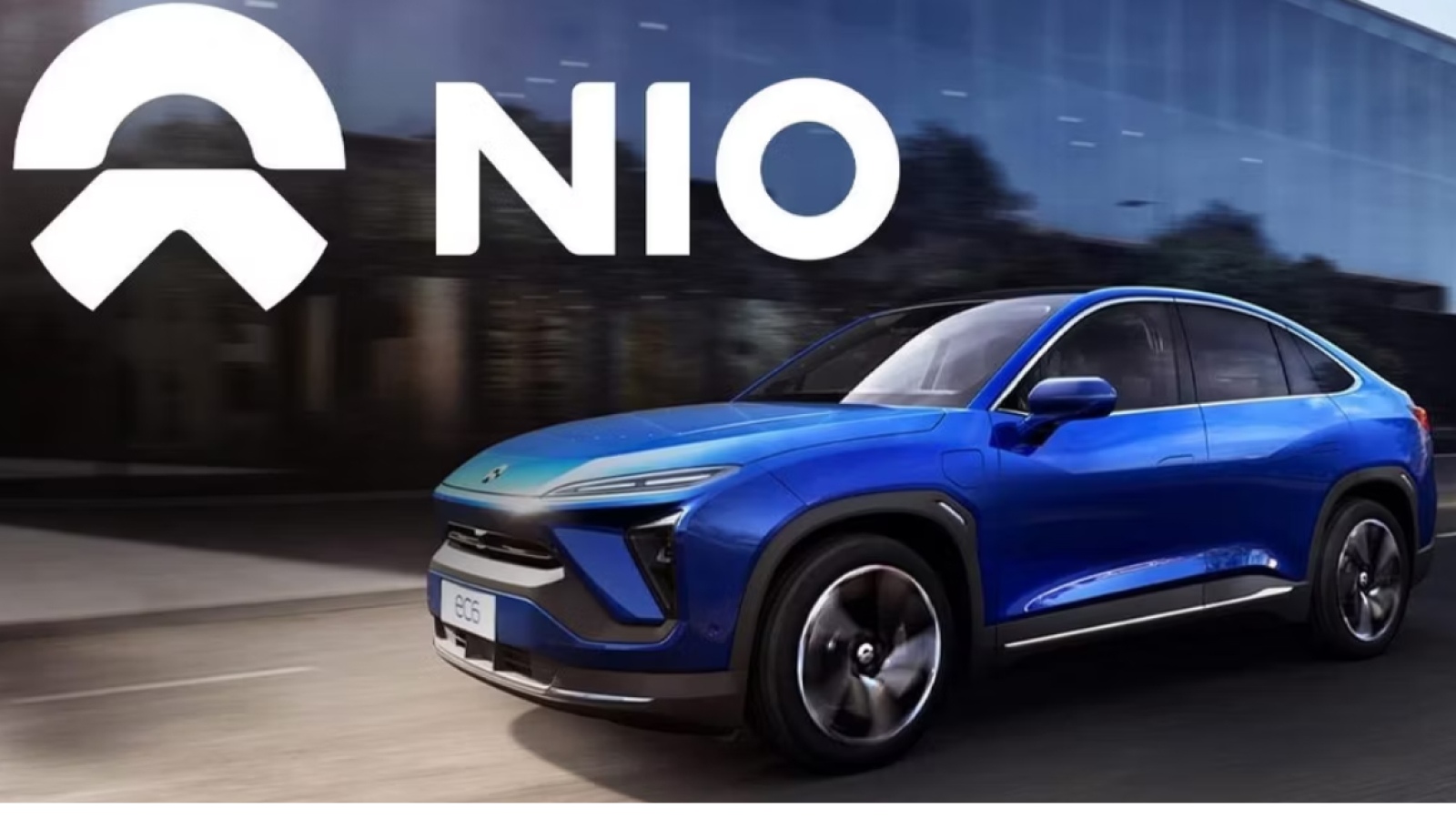
Overview: Founded in 2014, NIO has quickly risen to prominence as a leading Chinese EV manufacturer. Known for its premium electric SUVs and sedans, NIO positions itself as a lifestyle brand, offering a unique ownership experience through its innovative services and customer-centric approach.
Key Models:
- NIO ES8: A full-size electric SUV with a range of up to 580 kilometers. The ES8 features a luxurious interior, advanced driver-assistance systems, and a powerful electric drivetrain.
- NIO ET7: An electric sedan that combines performance with luxury. The ET7 boasts a range of over 1,000 kilometers (with the 150 kWh battery option) and features autonomous driving capabilities.
Strengths:
- Battery Swapping Technology: NIO’s battery-swapping stations allow for quick battery replacements, reducing downtime and addressing range anxiety.
- Customer-Centric Services: NIO’s subscription-based battery-as-a-service (BaaS) model offers flexibility and cost savings.
- Premium Positioning: NIO’s focus on luxury and high-performance vehicles appeals to affluent consumers.
3. Xpeng Motors
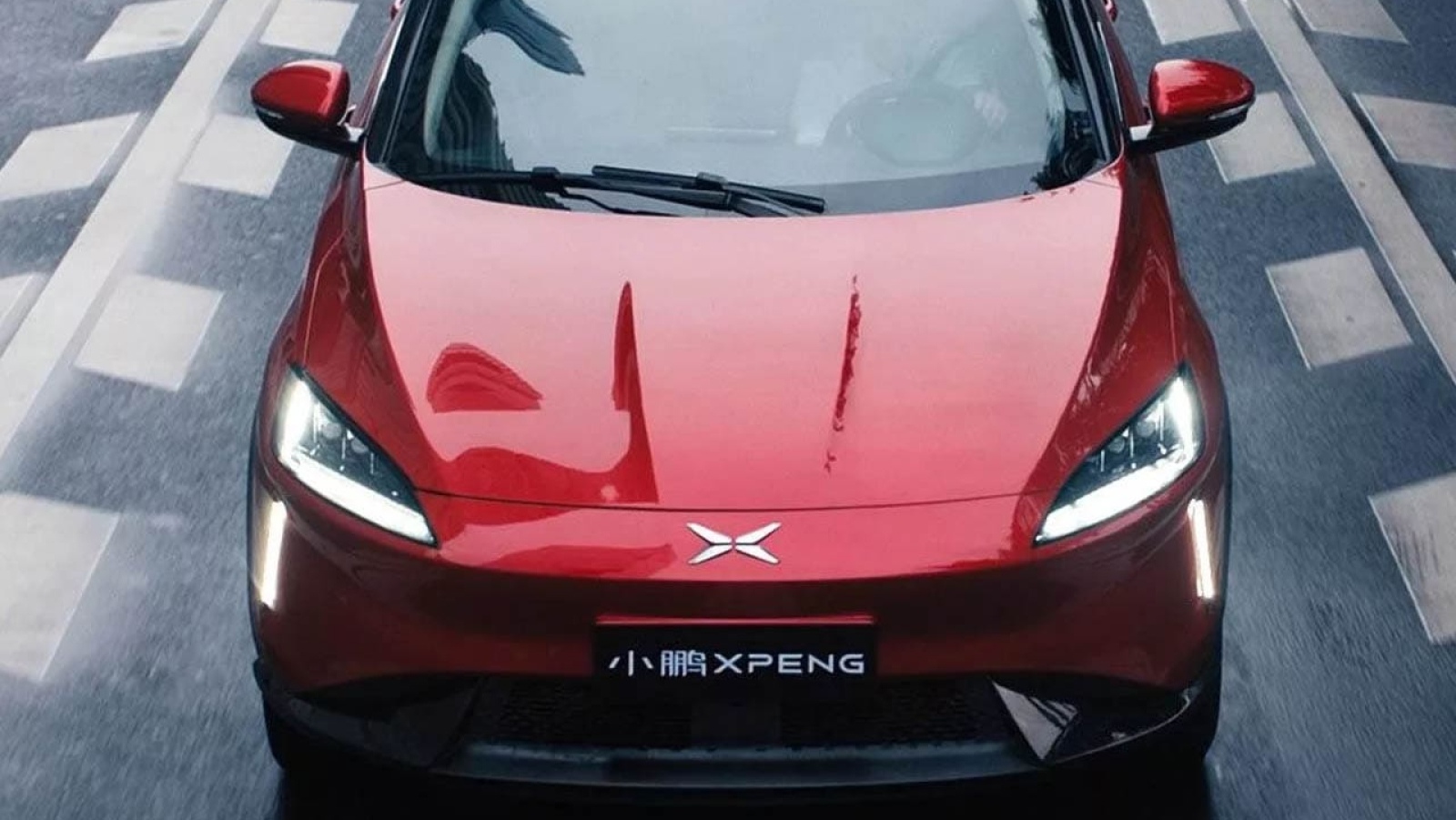
Overview: Xpeng Motors, also known as Xiaopeng Motors, was founded in 2014 and has quickly become a key player in the Chinese EV market. The company focuses on smart, connected electric vehicles, leveraging advanced technology to enhance the driving experience.
Key Models:
- Xpeng P7: A mid-size electric sedan that competes with the Tesla Model 3. The P7 offers a range of up to 706 kilometers and features a sleek design, autonomous driving capabilities, and a high-tech interior.
- Xpeng G3: A compact electric SUV designed for urban environments. The G3 offers a range of around 520 kilometers and features advanced driver-assistance systems and a spacious cabin.
Strengths:
- Autonomous Driving Technology: Xpeng’s XPILOT system offers advanced features like lane-keeping assist and automated parking.
- Smart Connectivity: Xpeng integrates features like voice recognition and over-the-air updates to enhance user experience.
- Competitive Pricing: Xpeng offers high-tech vehicles at competitive prices, making advanced EV technology more accessible.
4. Li Auto
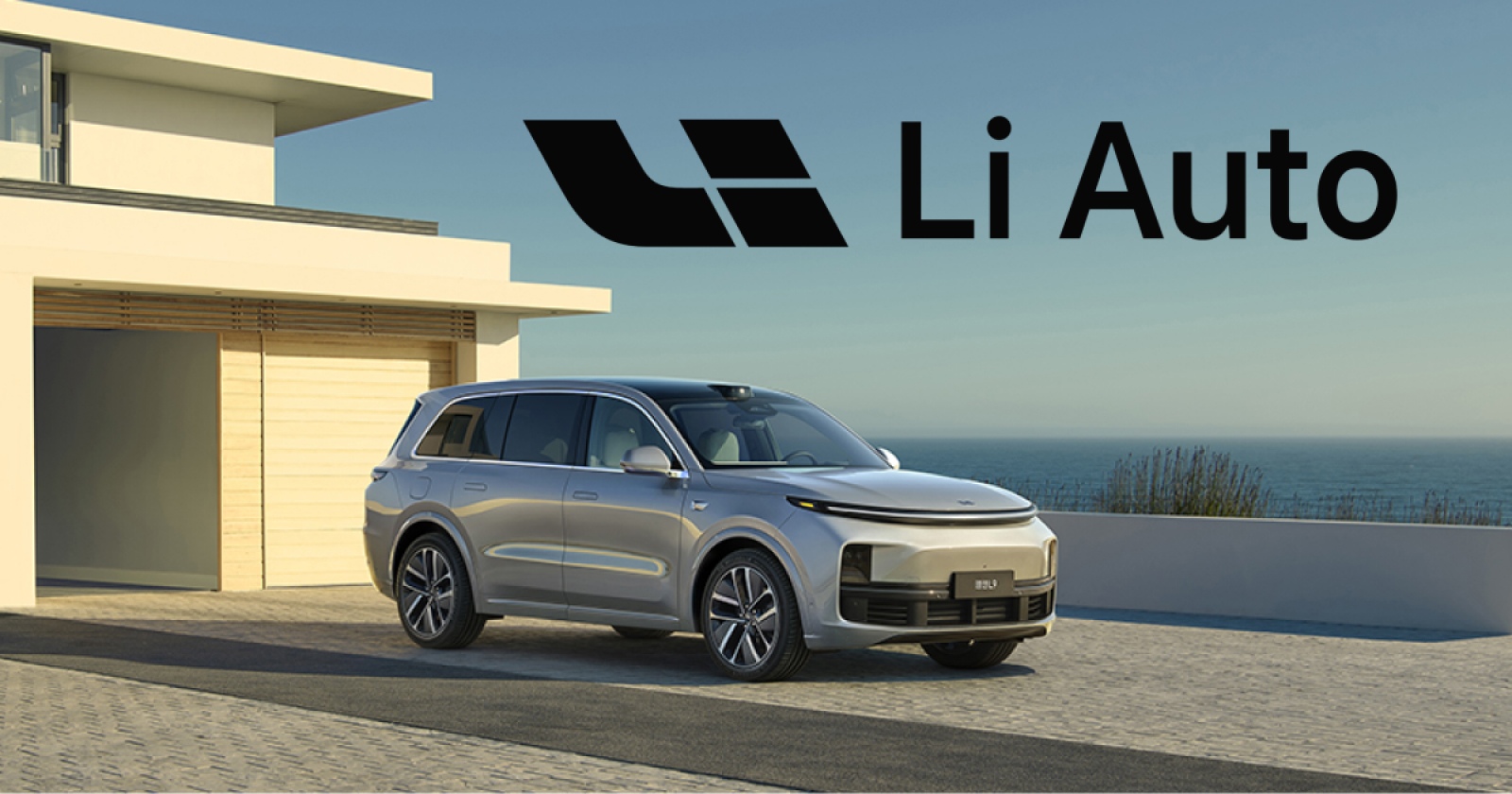
Overview: Li Auto, also known as Li Xiang, was founded in 2015 and specializes in extended-range electric vehicles (EREVs). The company aims to address range anxiety by combining electric drivetrains with small internal combustion engines that act as range extenders.
Key Models:
- Li ONE: A mid-size electric SUV with an extended range of over 800 kilometers. The Li ONE features a spacious interior, advanced driver-assistance systems, and a user-friendly infotainment system.
Strengths:
- Extended Range Technology: Li Auto’s use of range extenders addresses range anxiety, offering longer driving ranges without relying solely on batteries.
- Spacious and Luxurious Interiors: The Li ONE is designed to provide comfort and luxury, appealing to family-oriented buyers.
- Practicality: By combining electric and combustion technologies, Li Auto offers practical solutions for long-distance travel.
5. Geely
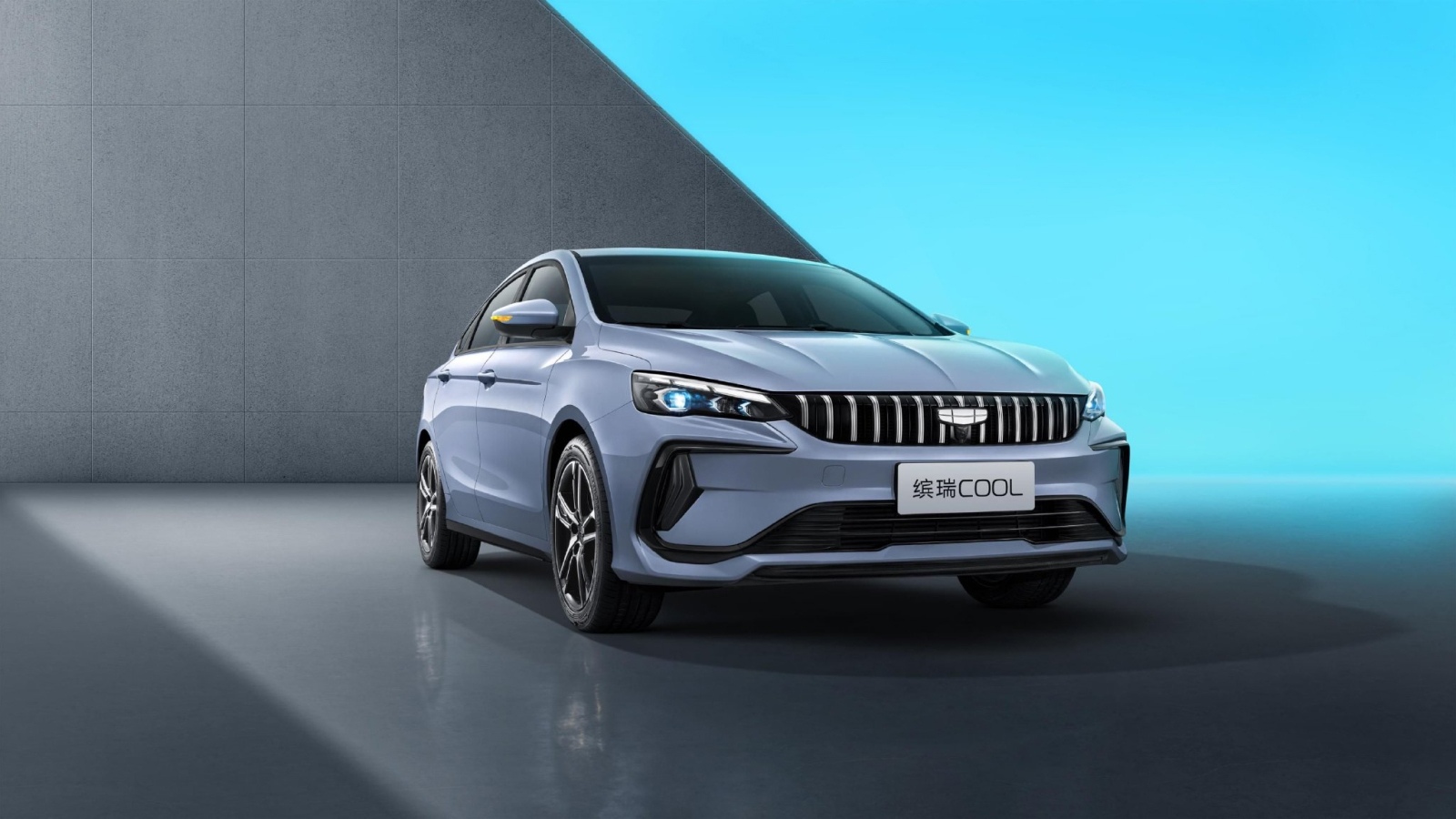
Overview: Geely is one of China's largest automotive manufacturers and has made significant strides in the electric vehicle market. The company owns several well-known brands, including Volvo and Polestar, and has a strong focus on innovation and sustainability.
Key Models:
- Geometry A: An all-electric sedan under Geely's Geometry brand. The Geometry A offers a range of up to 500 kilometers and features a minimalist design, advanced safety features, and a comfortable interior.
- Zeekr 001: A high-performance electric shooting brake under Geely's premium Zeekr brand. The Zeekr 001 offers a range of up to 700 kilometers and features cutting-edge technology and a luxurious interior.
Strengths:
- Global Partnerships: Geely’s ownership of Volvo and Polestar enhances its technological and design capabilities.
- Innovation and R&D: Geely invests heavily in research and development, driving advancements in EV technology.
- Sustainability Focus: Geely’s commitment to reducing carbon emissions and promoting green transportation is evident in its product lineup.
6. Great Wall Motors (GWM)
Overview: Great Wall Motors is a well-established Chinese automaker known for its SUVs and pickup trucks. The company has recently expanded into the electric vehicle market with its ORA brand, which focuses on affordable, stylish electric cars.
Key Models:
- ORA Good Cat (Haomao): A compact electric hatchback with a retro design. The ORA Good Cat offers a range of up to 501 kilometers and features a modern interior, advanced safety features, and smart connectivity.
- ORA Black Cat (Heimao): A smaller electric city car designed for urban environments. The ORA Black Cat offers a range of around 300 kilometers and features a compact design, efficient drivetrain, and user-friendly technology.
Strengths:
- Affordability: ORA’s focus on affordable electric vehicles makes EVs accessible to a broader audience.
- Stylish Design: The retro and modern designs of ORA vehicles appeal to style-conscious consumers.
- Urban Focus: ORA’s compact cars are ideal for urban environments, offering practicality and efficiency.
7. SAIC Motor
Overview: SAIC Motor is one of China's largest automotive manufacturers and has a significant presence in the electric vehicle market. The company operates several brands, including MG and Roewe, and has a strong focus on innovation and international expansion.
Key Models:
- Roewe Marvel R: An all-electric SUV with a range of up to 505 kilometers. The Marvel R features a futuristic design, advanced driver-assistance systems, and a high-tech interior.
- MG ZS EV: An electric compact SUV under the MG brand. The MG ZS EV offers a range of around 335 kilometers and features a stylish design, spacious interior, and modern technology.
Strengths:
- International Presence: SAIC’s brands like MG have a strong presence in international markets, enhancing global reach.
- Technological Advancements: SAIC invests in advanced driver-assistance systems and smart connectivity.
- Strong Brand Portfolio: With multiple brands under its umbrella, SAIC caters to various market segments.
8. BAIC Group
Overview: BAIC Group is a major Chinese automaker with a strong presence in the electric vehicle market. The company operates several brands, including BJEV (Beijing Electric Vehicle), which focuses on producing electric cars for both the domestic and international markets.
Key Models:
- Arcfox Alpha-T: A premium electric SUV under the Arcfox brand. The Alpha-T offers a range of up to 653 kilometers and features a sleek design, advanced driver-assistance systems, and a luxurious interior.
- BJEV EX5: A compact electric SUV designed for urban environments. The EX5 offers a range of up to 520 kilometers and features a modern design, efficient drivetrain, and smart connectivity.
Strengths:
- Advanced Battery Technology: BAIC’s focus on battery technology enhances the efficiency and range of its vehicles.
- Diverse Product Range: BAIC offers a variety of electric vehicles, catering to different market needs.
- Commitment to Innovation: BAIC’s investment in R&D drives continuous improvement in EV technology.
9. Changan Automobile
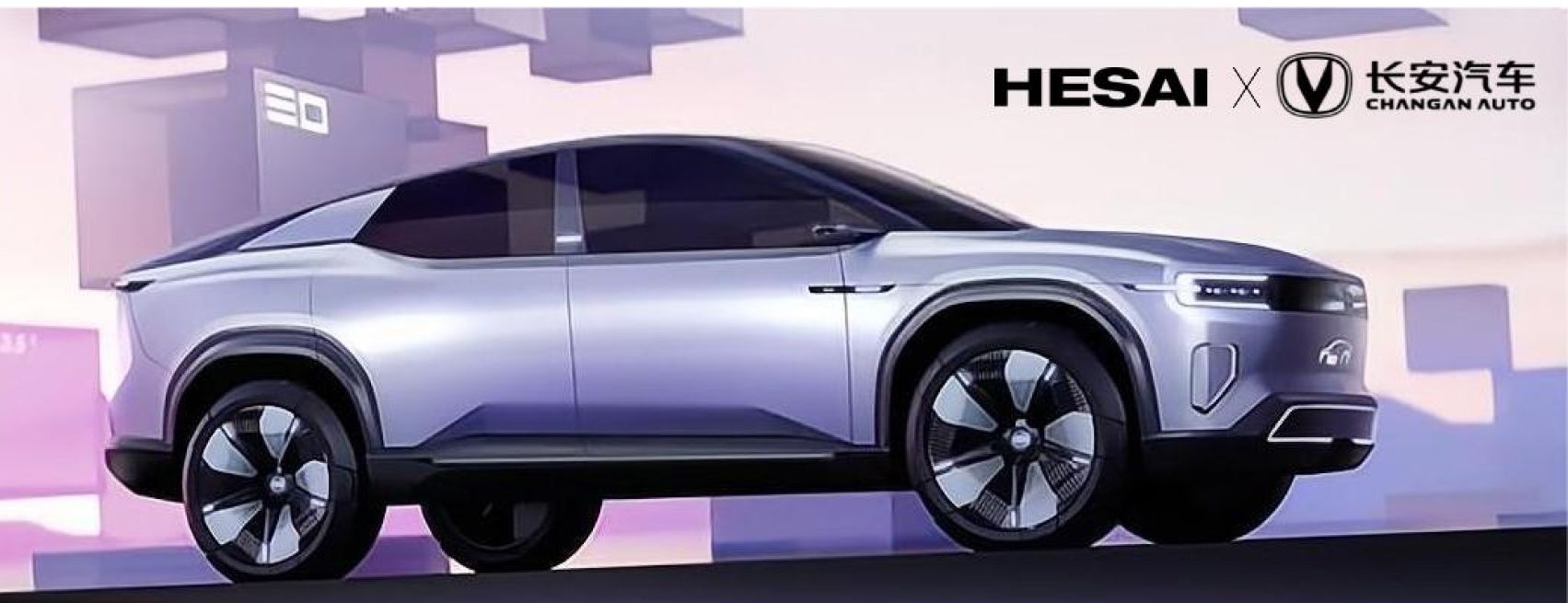
Overview: Changan Automobile is one of China's oldest and largest automakers, with a growing presence in the electric vehicle market. The company is focused on producing high-quality, affordable electric cars that cater to a wide range of consumers.
Key Models:
- Changan Eado EV: An all-electric sedan with a range of up to 405 kilometers. The Eado EV features a sleek design, advanced safety features, and a comfortable interior.
- Changan CS55 E-Rock: An electric compact SUV designed for urban environments. The CS55 E-Rock offers a range of around 605 kilometers and features a modern design, efficient drivetrain, and user-friendly technology.
Strengths:
- Affordability: Changan’s focus on producing affordable electric vehicles makes them accessible to a broader audience.
- Quality and Reliability: Changan is known for its high-quality manufacturing standards and reliable vehicles.
- Technological Integration: The company integrates advanced safety features and smart connectivity into its vehicles, enhancing the overall driving experience.
10. GAC Group (Guangzhou Automobile Group)
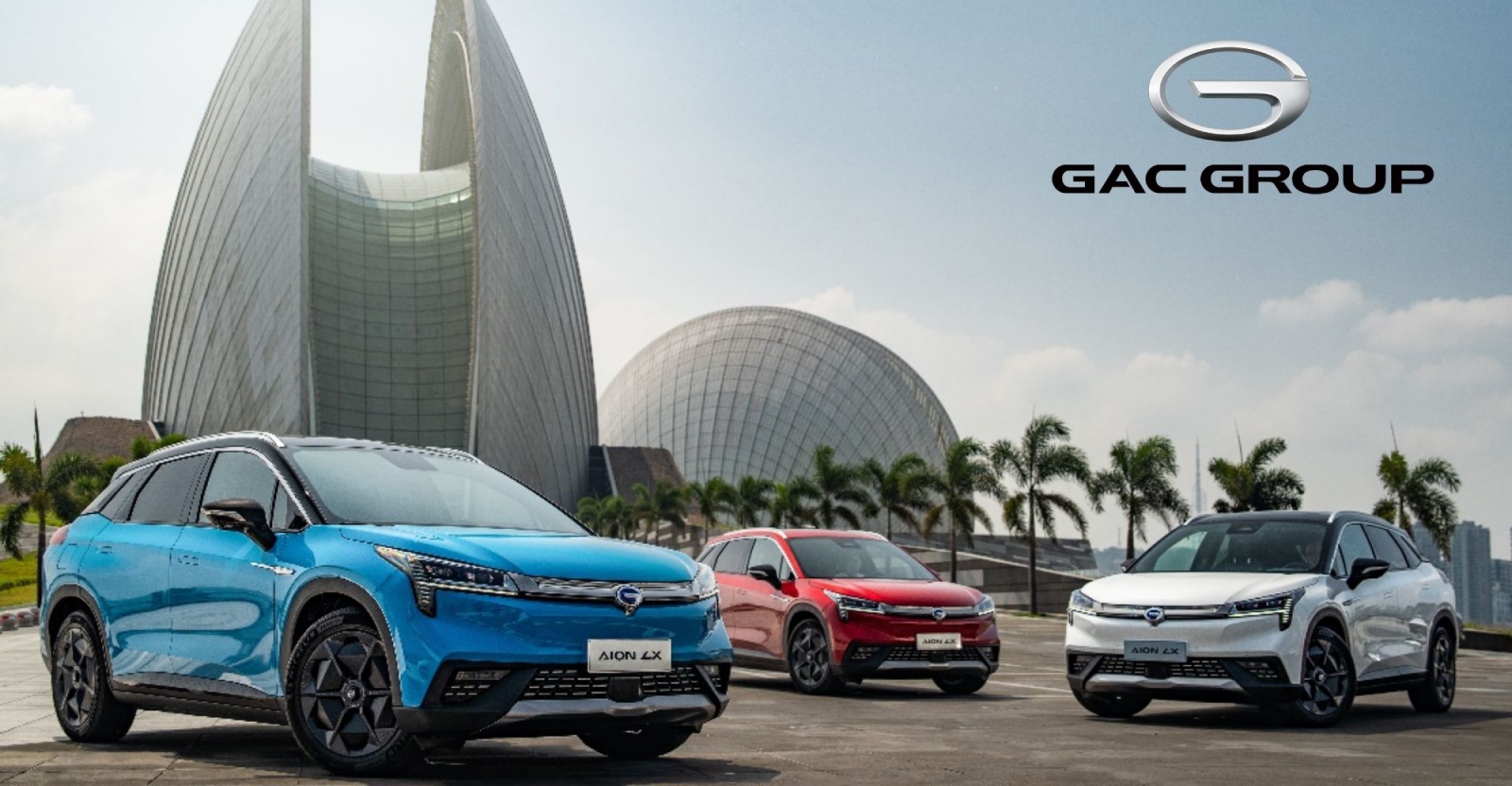
Overview: GAC Group, also known as Guangzhou Automobile Group, is a major Chinese automotive manufacturer that has made significant strides in the electric vehicle market. The company operates several brands, including GAC New Energy, which focuses on producing electric cars for both domestic and international markets.
Key Models:
- Aion S: An all-electric sedan under the GAC New Energy brand. The Aion S offers a range of up to 510 kilometers and features a sleek design, advanced driver-assistance systems, and a high-tech interior.
- Aion LX: A premium electric SUV with a range of up to 650 kilometers. The Aion LX features a luxurious interior, cutting-edge technology, and impressive performance.
Strengths:
- Advanced Battery Technology: GAC’s focus on battery innovation ensures long-range capabilities and efficient energy use.
- Luxury and Performance: The Aion LX, in particular, combines luxury with high performance, appealing to premium market segments.
- Sustainability Commitment: GAC is dedicated to promoting green transportation and reducing carbon emissions through its new energy vehicles.
China's electric vehicle market is rapidly evolving, with numerous brands emerging as leaders in the industry. These top 10 Chinese electric car brands—BYD, NIO, Xpeng Motors, Li Auto, Geely, Great Wall Motors, SAIC Motor, BAIC Group, Changan Automobile, and GAC Group—are at the forefront of this transformation, each bringing unique innovations and competitive advantages to the table.
These companies are not only addressing the growing demand for sustainable transportation but are also pushing the boundaries of automotive technology. From advanced battery technologies and autonomous driving systems to smart connectivity and innovative business models, these brands are setting new standards in the global electric vehicle market.
As the world continues to shift towards cleaner and more efficient modes of transportation, these Chinese electric car brands are poised to play a crucial role in shaping the future of mobility. Their commitment to innovation, sustainability, and customer satisfaction will undoubtedly drive the continued growth and success of the electric vehicle industry.
Part 2. Why Wholesale Electric Cars from China?
The global automotive industry is undergoing a seismic shift, driven by the rising demand for sustainable and eco-friendly transportation solutions. At the heart of this revolution are electric vehicles (EVs), poised to redefine personal mobility as we know it. While several countries are making strides in EV development and adoption, China has emerged as an undisputed leader, establishing itself as the world's largest EV market and a manufacturing powerhouse. This dominance presents a compelling case for businesses and individuals looking to wholesale electric cars, making China the go-to destination for sourcing high-quality, innovative, and competitively priced EVs.
Here's a deeper look at the key factors driving the appeal of wholesaling electric cars from China:
1. Cost Competitiveness:
- Economies of Scale: China's massive manufacturing scale, honed over decades, translates to significant cost advantages in EV production. This allows Chinese manufacturers to offer competitive pricing, often significantly lower than their international counterparts, without compromising on quality.
- Government Support: The Chinese government has implemented robust policies and incentives to foster the growth of its domestic EV industry. This includes subsidies for both manufacturers and consumers, tax breaks, and investments in charging infrastructure, making Chinese EVs even more affordable.
- Supply Chain Efficiency: China boasts a well-established and integrated supply chain for EV components, from batteries and motors to electronics and software. This localized ecosystem ensures readily available materials, streamlined logistics, and reduced production costs.
2. Technological Advancement:
- Innovation Hub: China is a hotbed of innovation in the EV sector, with companies constantly pushing the boundaries of technology. This dedication to research and development has resulted in advancements in battery technology, range extension, autonomous driving features, and smart connectivity, making Chinese EVs highly competitive on a global scale.
- Early Adoption: China's early and widespread adoption of EVs has created a dynamic market with diverse consumer demands. This has fueled rapid technological advancements and a wide range of models catering to various needs and budgets.
- Manufacturing Expertise: Chinese manufacturers have accumulated extensive experience in EV production, mastering complex manufacturing processes and quality control measures. This expertise translates to reliable and high-performing vehicles that meet international standards.
3. Market Diversity and Choice:
- Wide Range of Models: From compact city cars to luxury SUVs and commercial vehicles, the Chinese EV market offers an extensive selection of models to cater to diverse needs and preferences. This variety allows wholesalers to source vehicles tailored to specific target markets and applications.
- Emerging Brands and Established Players: The Chinese EV market is home to a mix of established automotive giants and innovative startups, each contributing to the industry's dynamism. This provides wholesalers with a wide range of brands to choose from, each offering unique selling points and competitive advantages.
- Customization Options: Many Chinese EV manufacturers are open to customization requests, allowing wholesalers to tailor vehicles to specific market demands. This flexibility extends to branding, features, and even technical specifications, enabling businesses to differentiate their offerings.
4. Supportive Infrastructure and Ecosystem:
- Charging Infrastructure: China is aggressively expanding its EV charging infrastructure, aiming to create a seamless charging experience for EV owners. This nationwide network of charging stations reduces range anxiety and makes EVs a more practical choice for consumers.
- Government Regulations: The Chinese government has implemented stringent regulations and safety standards for EV production and sales, ensuring that vehicles meet high quality and safety benchmarks. This instills confidence in buyers and promotes the reliability of Chinese EVs.
- Growing Industry Expertise: The rapid growth of China's EV industry has fostered a skilled workforce and a deep pool of expertise in EV manufacturing, research, and development. This expertise extends to supporting industries, creating a robust ecosystem for EV production and distribution.
5. Sustainability Focus:
- Environmental Responsibility: As the world grapples with climate change, the shift towards sustainable transportation is paramount. China's commitment to reducing carbon emissions and promoting green technologies aligns with the global push for a cleaner future, making Chinese EVs an environmentally responsible choice.
- Resource Efficiency: China is actively investing in research and development of sustainable battery technologies, including lithium-iron-phosphate (LFP) batteries known for their longer lifespan and reduced reliance on rare earth materials. This focus on resource efficiency aligns with global sustainability goals.
- Circular Economy Initiatives: The Chinese government is promoting a circular economy approach to EV production, encouraging recycling and reuse of EV components, including batteries. This reduces environmental impact and promotes sustainable resource management.
In conclusion, wholesaling electric cars from China presents a compelling opportunity for businesses worldwide. The combination of cost competitiveness, technological advancement, market diversity, supportive infrastructure, and sustainability focus makes China the ideal sourcing destination for those looking to capitalize on the burgeoning EV market. As the world transitions towards a greener future, partnering with Chinese EV manufacturers offers a strategic advantage in meeting the growing demand for sustainable and innovative transportation solutions.
Part 3. Key Players in China's Electric Car Market
China's electric car market is a dynamic landscape teeming with both established automotive giants and ambitious startups, each vying for a share of this rapidly growing sector. Understanding the key players in this market is crucial for anyone looking to wholesale electric cars from China, as it provides insights into the competitive landscape, technological advancements, and market trends.
Here's a closer look at some of the most prominent players shaping China's electric car industry:
Established Automotive Manufacturers:
- BYD Auto: As one of the world's largest EV manufacturers, BYD Auto boasts a diverse portfolio of electric cars, buses, and trucks. Known for its vertically integrated supply chain, including in-house battery production, BYD offers competitive pricing and technological innovation. Popular models include the Han sedan, Tang SUV, and Dolphin hatchback.
- SAIC Motor: China's largest automaker, SAIC Motor, has made significant investments in its EV division, producing a range of popular models under its Roewe, MG, and Maxus brands. The company is known for its focus on design, technology, and international expansion, with MG EVs gaining popularity in European markets.
- Geely Automobile: A major player in the global automotive market, Geely has embraced electrification with its Geometry and Zeekr brands. The company is known for its stylish designs, advanced technology features, and strategic partnerships with global players like Volvo and Daimler.
- Great Wall Motor: Primarily known for its SUVs and pickup trucks, Great Wall Motor has entered the EV market with its dedicated ORA brand, targeting younger demographics with stylish and affordable electric cars. The company is also investing heavily in battery technology and autonomous driving features.
- Changan Automobile: One of China's "Big Four" automakers, Changan has been steadily expanding its EV lineup under its Avatr and Shenlan brands. The company is focusing on high-end electric vehicles with advanced technology and autonomous driving capabilities.
Emerging EV Startups:
- NIO: Positioned as a premium EV brand, NIO has gained recognition for its stylish designs, advanced technology, and innovative battery swapping infrastructure. The company focuses on providing a premium ownership experience with features like over-the-air updates and personalized services.
- XPeng: Known for its focus on technology and autonomous driving, XPeng offers a range of EVs equipped with advanced driver-assistance systems and intelligent features. The company is also developing its flying car technology, showcasing its commitment to innovation.
- Li Auto: Differentiating itself with its extended-range electric vehicles (EREVs), Li Auto targets consumers concerned about range anxiety. Its vehicles come equipped with a small gasoline engine that acts as a generator, extending the vehicle's range.
- Leapmotor: Focusing on affordability and technology, Leapmotor offers a range of EVs with competitive pricing and advanced features. The company is vertically integrated, developing its own battery management systems and autonomous driving technologies.
- Hozon Auto: Targeting younger and tech-savvy consumers, Hozon Auto's Neta brand offers stylish and affordable EVs with a focus on connectivity and smart features. The company is also expanding into overseas markets, aiming to become a global EV player.
Beyond these key players, numerous other companies are contributing to China's vibrant EV ecosystem, including:
- Battery Manufacturers: CATL and BYD are among the world's largest EV battery manufacturers, supplying batteries to both domestic and international automakers.
- Technology Companies: Tech giants like Huawei, Baidu, and Alibaba are investing heavily in EV technology, developing autonomous driving systems, software platforms, and connected car solutions.
- Charging Infrastructure Providers: Companies like State Grid Corporation of China and TELD are rapidly expanding China's EV charging network, making it easier for consumers to charge their vehicles.
The competitive landscape of China's electric car market is constantly evolving, with new players emerging and existing players adapting to the changing dynamics. This dynamic environment fosters innovation and drives technological advancements, making it an exciting time to be a part of the global EV revolution.
Part 4. Wholesale Electric Cars on Global Sources
Navigating the vast landscape of China's electric car market can be daunting, especially for international buyers seeking to wholesale EVs. This is where B2B platforms like Global Sources come into play, providing a trusted and efficient way to connect with verified Chinese EV manufacturers and suppliers.
Here's how Global Sources simplifies the process of wholesaling electric cars from China:
1. Extensive Supplier Directory
- Verified Manufacturers: Global Sources features a comprehensive directory of verified Chinese EV manufacturers, ensuring that buyers are connected with legitimate and reliable suppliers.
- Detailed Company Profiles: Each supplier profile provides detailed information about the company, including its manufacturing capabilities, product range, certifications, and contact details.
- Product Catalogs: Suppliers showcase their EV offerings through detailed product catalogs, complete with specifications, images, and pricing information.
2. Streamlined Sourcing Process
- Product Search: Buyers can easily search for specific EV models or browse through different categories based on vehicle type, battery capacity, range, and other criteria.
- Request for Quotation (RFQ): The platform allows buyers to send RFQs to multiple suppliers simultaneously, streamlining the process of obtaining quotes and comparing offers.
- Direct Communication: Global Sources facilitates direct communication between buyers and suppliers through its messaging system, enabling efficient negotiation and clarification of details.
3. Trust and Security
- Supplier Verification: Global Sources employs a rigorous supplier verification process, including on-site visits and document checks, to ensure the legitimacy and credibility of its listed manufacturers.
- Trade Assurance: The platform's Trade Assurance program provides buyers with financial protection, safeguarding their payments in case of order discrepancies or supplier defaults.
- Secure Payment Options: Global Sources offers secure payment gateways, ensuring that transactions are processed safely and securely.
4. Value-Added Services
- Market Insights: The platform provides valuable market insights, industry news, and trends, helping buyers stay informed about the latest developments in the Chinese EV market.
- Sourcing Support: Global Sources offers dedicated sourcing support to assist buyers with their sourcing needs, from identifying suitable suppliers to navigating the complexities of international trade.
- Logistics and Shipping: The platform can connect buyers with reputable logistics providers, simplifying the process of shipping vehicles from China to their destination.
By leveraging the power of Global Sources, wholesalers can:
- Reduce Sourcing Costs: Access to a wider pool of verified suppliers enables buyers to compare prices and negotiate better deals.
- Save Time and Effort: The streamlined sourcing process eliminates the need for extensive travel and communication, saving valuable time and resources.
- Mitigate Risks: Supplier verification, Trade Assurance, and secure payment options minimize the risks associated with international trade.
- Access Quality Products: Verified manufacturers and detailed product information ensure that buyers are sourcing high-quality EVs that meet their requirements.
In conclusion, Global Sources serves as a trusted bridge connecting international buyers with reputable Chinese EV manufacturers. By leveraging the platform's comprehensive features and value-added services, wholesalers can confidently navigate the complexities of the Chinese EV market and source high-quality electric cars at competitive prices.
Part 5. Types of Electric Cars in China
China's electric car market is characterized by its remarkable diversity, offering a wide array of vehicles to cater to the needs and preferences of a vast and evolving consumer base. From compact city cars designed for urban environments to spacious SUVs catering to families and adventurers, the options are plentiful. This variety extends beyond size and body style, encompassing different electric vehicle technologies, each with its advantages and target markets.
Here's a closer look at the prominent types of electric cars available in China:
1. Battery Electric Vehicles (BEVs)
- Mechanism: BEVs are powered solely by electricity stored in a rechargeable battery pack. They have no gasoline engine and produce zero tailpipe emissions.
- Range: BEVs typically offer a longer driving range compared to other types of electric vehicles, with some models exceeding 500 kilometers on a single charge.
- Charging: BEVs can be charged at home using a standard household outlet or at public charging stations, with charging times varying depending on the battery capacity and charging infrastructure.
- Popular Models: Wuling Hongguang Mini EV (compact city car), Tesla Model 3 (luxury sedan), BYD Han (premium sedan), XPeng P7 (sports sedan).
2. Plug-in Hybrid Electric Vehicles (PHEVs)
- Mechanism: PHEVs combine a gasoline engine with an electric motor and a smaller battery pack. They can be driven on electricity alone for a limited range and switch to gasoline power for longer journeys.
- Range: PHEVs offer the flexibility of extended range thanks to the gasoline engine, alleviating range anxiety for some drivers.
- Charging: PHEVs can be plugged in to recharge the battery, similar to BEVs, but they can also be refueled with gasoline.
- Popular Models: BYD Tang (SUV), Li Auto One (SUV), BMW X5 xDrive40e (luxury SUV).
3. Extended-Range Electric Vehicles (EREVs)
- Mechanism: EREVs, also known as series hybrids, are primarily powered by an electric motor, with a gasoline engine acting as a generator to recharge the battery when needed.
- Range: EREVs offer a longer driving range compared to PHEVs, as the gasoline engine is not directly connected to the wheels.
- Charging: Like PHEVs, EREVs can be plugged in to recharge the battery or refueled with gasoline.
- Popular Models: Li Auto Ideal (SUV).
4. Fuel Cell Electric Vehicles (FCEVs)
- Mechanism: FCEVs use a fuel cell to convert hydrogen gas into electricity, which powers the electric motor. They emit only water vapor as a byproduct.
- Range: FCEVs typically offer a long driving range comparable to gasoline vehicles.
- Refueling: FCEVs need to be refueled with hydrogen gas at specialized fueling stations.
- Popular Models: Toyota Mirai (sedan), Hyundai Nexo (SUV).
Beyond these main categories, the Chinese market also sees the emergence of specialized electric vehicles, including:
- Electric Commercial Vehicles: Electric vans, trucks, and buses are gaining traction for logistics, transportation, and public transit.
- Electric Two-Wheelers: Electric scooters and motorcycles are popular for personal mobility, especially in urban areas.
- Low-Speed Electric Vehicles (LSEVs): These smaller and more affordable EVs are designed for short-distance travel within cities and towns.
The diversity of electric car types in China reflects the country's commitment to providing a wide range of options for consumers, catering to different needs, budgets, and driving preferences. This variety also fosters competition and innovation, driving the development of new technologies and pushing the boundaries of electric mobility.
Part 6. Growth of China's Electric Car Industry
China's electric car industry has experienced nothing short of meteoric growth over the past decade, transforming from a nascent sector into a global powerhouse. This remarkable ascent is a testament to the country's strategic vision, supportive policies, and the relentless innovation of its automotive industry.
Here's a closer look at the key factors driving the phenomenal growth of China's electric car industry:
1. Government Support and Policy Initiatives
- Financial Incentives: The Chinese government has implemented generous subsidies for both EV manufacturers and consumers, making EVs more affordable and stimulating demand.
- Charging Infrastructure Development: Recognizing the importance of a robust charging network, China has invested heavily in building a nationwide charging infrastructure, alleviating range anxiety and encouraging EV adoption.
- Favorable Regulations: Stringent emission standards, preferential licensing policies for EVs, and restrictions on the production and sale of gasoline vehicles have further fueled the growth of the EV market.
2. Increasing Consumer Demand
- Environmental Awareness: Growing concerns about air pollution and climate change have led to increased consumer awareness and acceptance of EVs as a cleaner and more sustainable mode of transportation.
- Rising Fuel Prices: Fluctuations in global oil prices have made gasoline-powered vehicles more expensive to operate, making EVs a more economically viable option for many consumers.
- Technological Advancements: Improvements in battery technology, range, and charging infrastructure have addressed key consumer concerns, making EVs more practical and appealing.
3. Technological Innovation and Manufacturing Prowess
- Battery Technology Leadership: China has emerged as a global leader in EV battery production, with companies like CATL and BYD supplying batteries to both domestic and international automakers.
- Vertical Integration: Many Chinese EV manufacturers have vertically integrated their supply chains, controlling key components like batteries, motors, and software, enabling them to reduce costs and accelerate innovation.
- Manufacturing Expertise: China's decades of experience in manufacturing, coupled with its vast industrial base, has allowed it to scale up EV production rapidly and efficiently.
4. Emergence of Domestic EV Champions
- BYD Auto: A pioneer in the Chinese EV market, BYD has established itself as a global leader, producing a wide range of EVs, including cars, buses, and trucks.
- NIO: Positioned as a premium EV brand, NIO has gained recognition for its innovative battery swapping technology and focus on customer experience.
- XPeng: Known for its advanced driver-assistance systems and commitment to autonomous driving, XPeng is targeting tech-savvy consumers.
5. Growing Global Ambitions
- International Expansion: Chinese EV manufacturers are increasingly setting their sights on global markets, exporting their vehicles and establishing manufacturing facilities overseas.
- Strategic Partnerships: Chinese companies are forming strategic partnerships with international automakers, technology companies, and charging infrastructure providers to expand their reach and accelerate EV adoption worldwide.
The growth of China's electric car industry is not just a national phenomenon but a global trendsetter, shaping the future of mobility. As the world transitions towards a more sustainable transportation system, China's leadership in EV production, innovation, and infrastructure development positions it at the forefront of this revolution.
Part 7. Market Trends and Challenges of China's Electric Car Industry
While China's electric car industry enjoys a position of global leadership, its journey is not without its hurdles. The market is dynamic, with evolving consumer preferences, technological advancements, and regulatory shifts shaping its trajectory. Understanding these trends and challenges is crucial for anyone involved in the Chinese EV market, particularly for those looking to wholesale electric cars.
Here's an exploration of the key market trends and challenges facing China's electric car industry:
Market Trends
Segment Diversification:
- Beyond City Cars: While compact, affordable city cars initially dominated the market, there's a growing demand for larger, more premium EVs, including sedans, SUVs, and luxury vehicles.
- Niche Segmentation: Manufacturers are increasingly targeting specific niches with tailored offerings, such as family-friendly EVs, performance-oriented models, and vehicles designed for ride-hailing services.
Technological Advancements:
- Battery Technology Evolution: Continuous improvements in battery technology are resulting in higher energy densities, faster charging times, and longer lifespans, addressing key consumer concerns about range and convenience.
- Autonomous Driving Features: Chinese EV makers are aggressively integrating advanced driver-assistance systems (ADAS) and pursuing autonomous driving capabilities, enhancing safety and convenience.
- Smart and Connected Features: Connectivity is paramount, with EVs increasingly equipped with sophisticated infotainment systems, over-the-air software updates, and features that integrate seamlessly with smartphones and smart homes.
Shifting Ownership Models:
- Battery-as-a-Service (BaaS): Innovative ownership models like BaaS, where consumers lease the battery separately from the vehicle, are gaining traction, lowering the upfront cost of EV ownership.
- Subscription Services: Some automakers are experimenting with subscription-based models, offering flexible access to EVs for a monthly fee, appealing to urban dwellers and those seeking alternative ownership options.
International Expansion:
- Global Ambitions: Chinese EV makers are increasingly looking beyond their borders, targeting mature markets like Europe and Southeast Asia with competitive products and strategic partnerships.
- Building Global Brands: Companies are investing in brand building and marketing efforts to establish themselves as global players, moving away from perceptions of solely being low-cost manufacturers.
Challenges
Intensifying Competition:
- Domestic Rivalry: The Chinese EV market is becoming increasingly competitive, with new entrants and established players vying for market share, putting pressure on pricing and profitability.
- Global Players Entering China: Foreign automakers are ramping up their EV offerings in China, bringing their brand recognition and technological expertise to the competition.
Charging Infrastructure Bottlenecks:
- Uneven Distribution: While China boasts an extensive charging network, its distribution remains uneven, with rural areas and certain regions lagging behind, creating challenges for long-distance travel.
- Charging Speeds: The prevalence of slower AC charging stations can lead to longer charging times, impacting convenience, particularly for long journeys.
Supply Chain Concerns:
- Raw Material Costs: Fluctuations in the prices of raw materials, particularly lithium and cobalt used in battery production, can impact production costs and profitability.
- Semiconductor Shortages: The global semiconductor shortage has affected the automotive industry worldwide, including China, leading to production delays and supply chain disruptions.
- Ethical Issues: Supply chains in China are widely contaminated by the use of forced labor, poor working conditions, environmental degradation and other issues.
Evolving Regulations:
- Subsidy Reductions: The Chinese government is gradually phasing out EV subsidies, which could impact affordability and potentially slow down sales growth in the short term.
- Data Security Concerns: As EVs become more connected, data security and privacy are emerging as critical considerations, with regulations evolving to address these concerns.
Consumer Perception and Education:
- Range Anxiety: Despite advancements in battery technology, range anxiety remains a barrier for some consumers, particularly those accustomed to the longer ranges of gasoline vehicles.
- Education and Awareness: Continued efforts are needed to educate consumers about the benefits of EVs, address misconceptions, and promote the environmental and economic advantages of electric mobility.
Navigating the Future
Despite these challenges, the long-term outlook for China's electric car industry remains positive. The government's commitment to clean energy and sustainable transportation, coupled with the industry's rapid innovation and growing consumer demand, suggests continued growth in the years to come.
For those involved in wholesaling electric cars from China, staying informed about market trends, understanding evolving consumer preferences, and adapting to regulatory changes will be crucial for success. Building strong relationships with reliable manufacturers, ensuring access to high-quality vehicles, and offering competitive pricing and after-sales support will be essential for navigating this dynamic and evolving market.
Part 8. FAQs
1. How do Chinese electric cars compare to Tesla?
Answer: Chinese electric cars have made significant strides in recent years and offer competitive alternatives to Tesla. While Tesla is renowned for its performance, range, and extensive Supercharger network, Chinese brands are closing the gap with their own innovations and strengths:
- Affordability: Chinese electric vehicles often come at a lower price point compared to Tesla, making them more accessible to a broader range of consumers.
- Technology: Brands like NIO and Xpeng are at the forefront of autonomous driving technology and smart features. NIO's battery-swapping technology and Xpeng's advanced driver-assistance systems (ADAS) are notable examples.
- Range and Performance: While Tesla still leads in terms of range and performance, Chinese brands are rapidly improving. BYD's Blade Battery and NIO's high-performance models demonstrate significant advancements in this area.
- Design and Luxury: Chinese brands like NIO focus on providing a luxurious driving experience with high-quality interiors and advanced infotainment systems, rivaling Tesla's premium offerings.
2. Are Chinese electric cars available in international markets?
Yes, many Chinese electric car brands are expanding their presence in international markets. For instance:
- BYD: BYD has been selling electric buses and cars in various countries, including several European nations and South America. The company is also making inroads into the North American market.
- NIO: NIO has begun its international expansion, starting with Europe. The company has launched its ES8 SUV in Norway and plans to enter other European markets soon.
- Xpeng Motors: Xpeng has also started selling its vehicles in Europe, with the G3 SUV and P7 sedan available in countries like Norway.
- Geely: Geely's electric models are available in several international markets, leveraging its global presence through brands like Volvo.
These brands aim to compete globally by offering technologically advanced and cost-effective electric vehicles, supported by local partnerships and infrastructure development.
3. What types of battery technology do Chinese electric vehicles use?
Chinese electric vehicle manufacturers use various types of battery technologies, with the most common being Lithium-ion batteries. Key advancements include:
- Lithium Iron Phosphate (LFP): BYD's Blade Battery is a type of LFP battery known for its safety, durability, and cost-effectiveness. LFP batteries are less prone to overheating and have a longer lifespan compared to traditional lithium-ion batteries.
- Nickel Cobalt Manganese (NCM): NIO uses ternary lithium batteries (NCM) which offer higher energy density, resulting in longer range and better performance. These batteries are prevalent in high-performance electric vehicles.
- Solid-State Batteries: Some Chinese manufacturers are exploring solid-state batteries, which promise higher energy density and improved safety over conventional lithium-ion batteries. Though still in the development phase, solid-state batteries could revolutionize the electric vehicle market.
4. What government incentives support the growth of Chinese electric car brands?
The Chinese government has implemented several incentives to support the growth of electric car brands, including:
- Subsidies and Tax Breaks: Financial incentives for both manufacturers and consumers help reduce the cost of electric vehicles. These subsidies make electric cars more affordable and attractive to buyers.
- License Plate Privileges: In major cities, electric vehicles benefit from easier and cheaper access to license plates, which are often limited and expensive for traditional internal combustion engine vehicles.
- Infrastructure Development: The government invests heavily in charging infrastructure, ensuring that electric vehicle owners have access to convenient and widespread charging stations.
- Research and Development Grants: Funding is provided for the development of new technologies, including battery advancements and vehicle efficiency improvements.
- Regulatory Support: Policies aimed at reducing emissions and encouraging the production and purchase of electric vehicles over traditional combustion engine cars play a crucial role in driving the market forward.
These incentives have significantly contributed to the rapid growth and innovation in the Chinese electric vehicle market, positioning China as a global leader in electric mobility.
Also Read: Chinese Fashion and Lifestyle

