




Table of Contents
Part 1. Top 13 China Car Brands
Part 2. Why Wholesale Cars from China
Part 3. Key Players in China's Car Market
Part 4. Wholesale Cars on Global Sources
Part 5. Types of Cars in China
Part 6. Growth of China's Car Industry
Part 7. Market Trends and Challenges
Part 1. Top 10 China Car Brands
The global automotive landscape is shifting. Where established giants once reigned supreme, a new breed of automakers is rapidly gaining traction, driven by innovation, ambition, and a hunger to redefine mobility for the future. China is emerging as a significant player in this transformation, evolving from a manufacturing powerhouse to a notable force in technology and innovation.
This shift is most evident in the automotive industry, where Chinese car brands are no longer content to play catch-up. They are challenging established norms, pushing technological boundaries, and captivating consumers with combination of quality, affordability, and advanced features.
This guide delves into the dynamic world of Chinese car brands, introducing 10 prominent players that are shaping the future of mobility:
1. BYD Auto: The Electrification Pioneer
BYD Auto is a leading Chinese automaker celebrated for its pioneering efforts in the electric vehicle (EV) sector. Founded in 2003 as a subsidiary of BYD Company Ltd., which initially specialized in rechargeable batteries, BYD Auto has leveraged its expertise in battery technology to become a global leader in the EV industry. The company’s product lineup includes a wide range of electric and hybrid vehicles, such as the BYD Tang, Han, and Qin, which are known for their impressive range, performance, and advanced features.
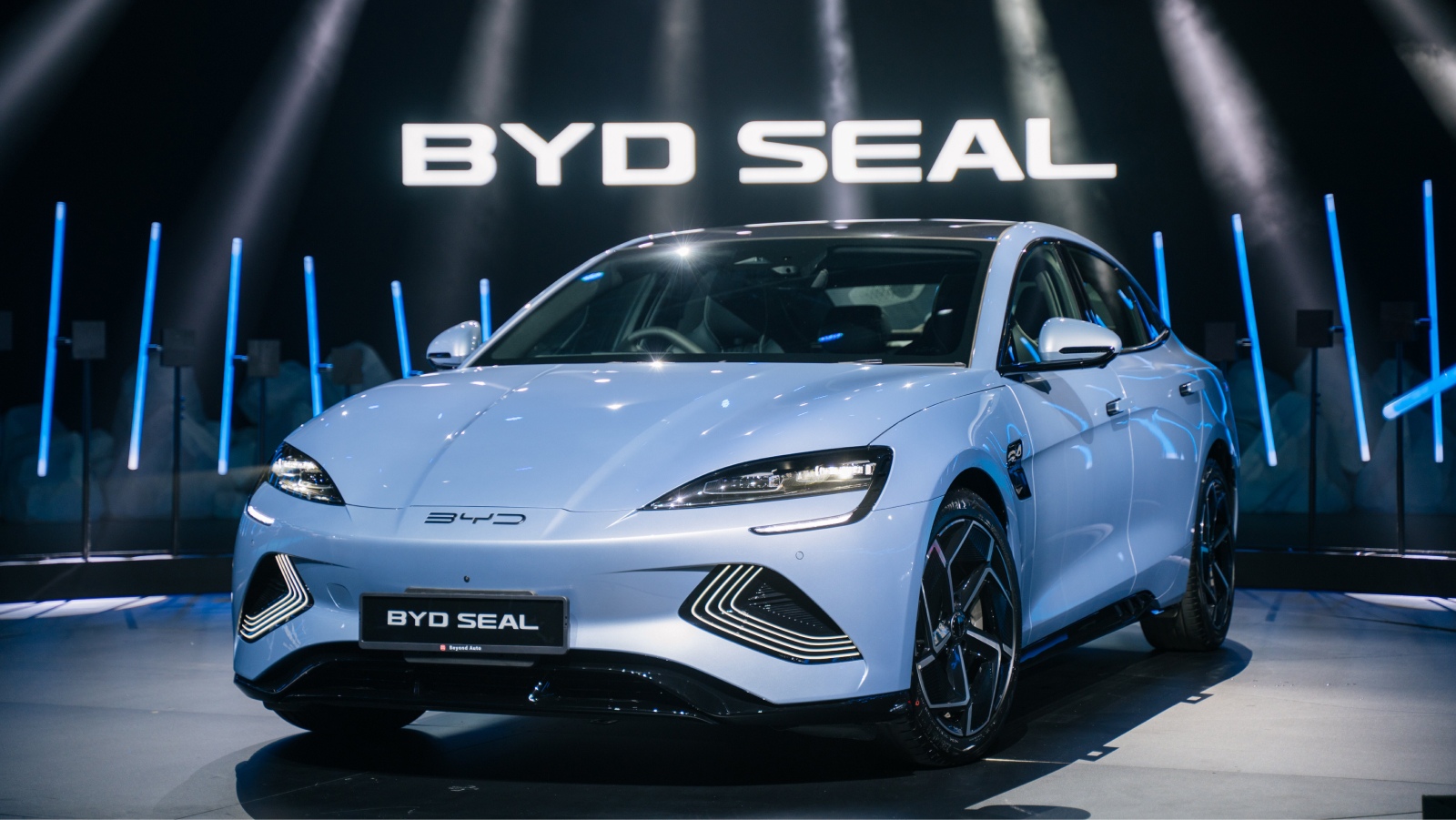
BYD's commitment to sustainability and innovation is evident in its development of the Blade Battery, a LiFePO4 battery that offers enhanced safety, longevity, and energy density. This technological advancement has positioned BYD as a key player in the global transition to clean energy transportation. Additionally, BYD is not just limited to passenger vehicles; it also produces electric buses, trucks, and other commercial vehicles, further expanding its impact on reducing carbon emissions worldwide.
The company’s global presence is strengthened by its manufacturing facilities and partnerships across various continents, including North America, South America, Europe, and Asia. BYD has established itself as a formidable competitor in the international market, often compared to industry giants like Tesla, due to its growth in the EV sector. Its strategic collaborations with companies such as Toyota and Daimler have also bolstered its technological capabilities and market reach.
In summary, BYD Auto stands out as the electrification pioneer in China’s automotive industry. Its focus on innovation, sustainability, and global expansion has not only made it a leader in the EV market but also a significant contributor to the global efforts in combating climate change.
Background:
BYD Auto was founded in 2003. However, the parent company, BYD Co. Ltd, was established in 1995 initially as a battery manufacturer. BYD Auto, the automotive subsidiary, has since become a significant player in the EV market and new energy solutions.
- 1995: BYD Co. Ltd was founded by Wang Chuanfu. The company initially focused on rechargeable batteries and quickly became one of the largest manufacturers of rechargeable batteries in the world.
- 2003: BYD Auto was established as a subsidiary of BYD Co. Ltd, marking the company's entry into the automotive industry. Leveraging its expertise in battery technology, BYD Auto began developing electric and hybrid vehicles.
- 2008: BYD launched the F3DM, the world's first mass-produced plug-in hybrid vehicle, showcasing its commitment to electrification.
- 2010s: BYD continued to expand its lineup of electric vehicles, including buses, trucks, and passenger cars. The company also entered international markets, establishing a presence in Europe, North America, and other regions.
- 2020s: BYD has solidified its position as a global leader in the EV market, offering a broad range of electric and hybrid vehicles. The company continues to innovate in battery technology, including the development of the Blade Battery, which offers improved safety and performance.
BYD's success in the EV market is attributed to its vertical integration strategy, controlling the entire supply chain from battery production to vehicle manufacturing. This approach has allowed BYD to maintain competitive pricing and ensure high quality across its products.
Strengths:
- Vertical Integration: BYD controls its entire supply chain, from battery production to vehicle assembly, ensuring quality control and cost efficiency.
- Battery Technology: Renowned for its "Blade Battery" technology, offering enhanced safety, range, and lifespan.
- Diverse Product Portfolio: Offers a wide range of EVs, including compact cars, SUVs, sedans, and even electric buses and trucks.
Popular Models: BYD Han, BYD Tang, BYD Dolphin
Global Presence: Expanding rapidly in Europe, Asia-Pacific, and Latin America.
2. Geely Auto: The Global Collaborator
Geely Auto, a subsidiary of Zhejiang Geely Holding Group (ZGH), is one of China’s most prominent automotive manufacturers. While it was formally established only in 2002, Geely Auto's vehicle manufacturing operations actually have roots in 1997 when the broader Geely organization began developing its first car -- the Geely Haoqing. The parent company ZGH has rapidly expanded its footprint both domestically and internationally through strategic acquisitions and partnerships. ZGH's acquisition of Volvo Cars in 2010 marked a significant milestone, showcasing its ambition to become a global automotive powerhouse. ZGH also owns a majority stake in Lotus, further enhancing its portfolio with high-performance and luxury vehicles.
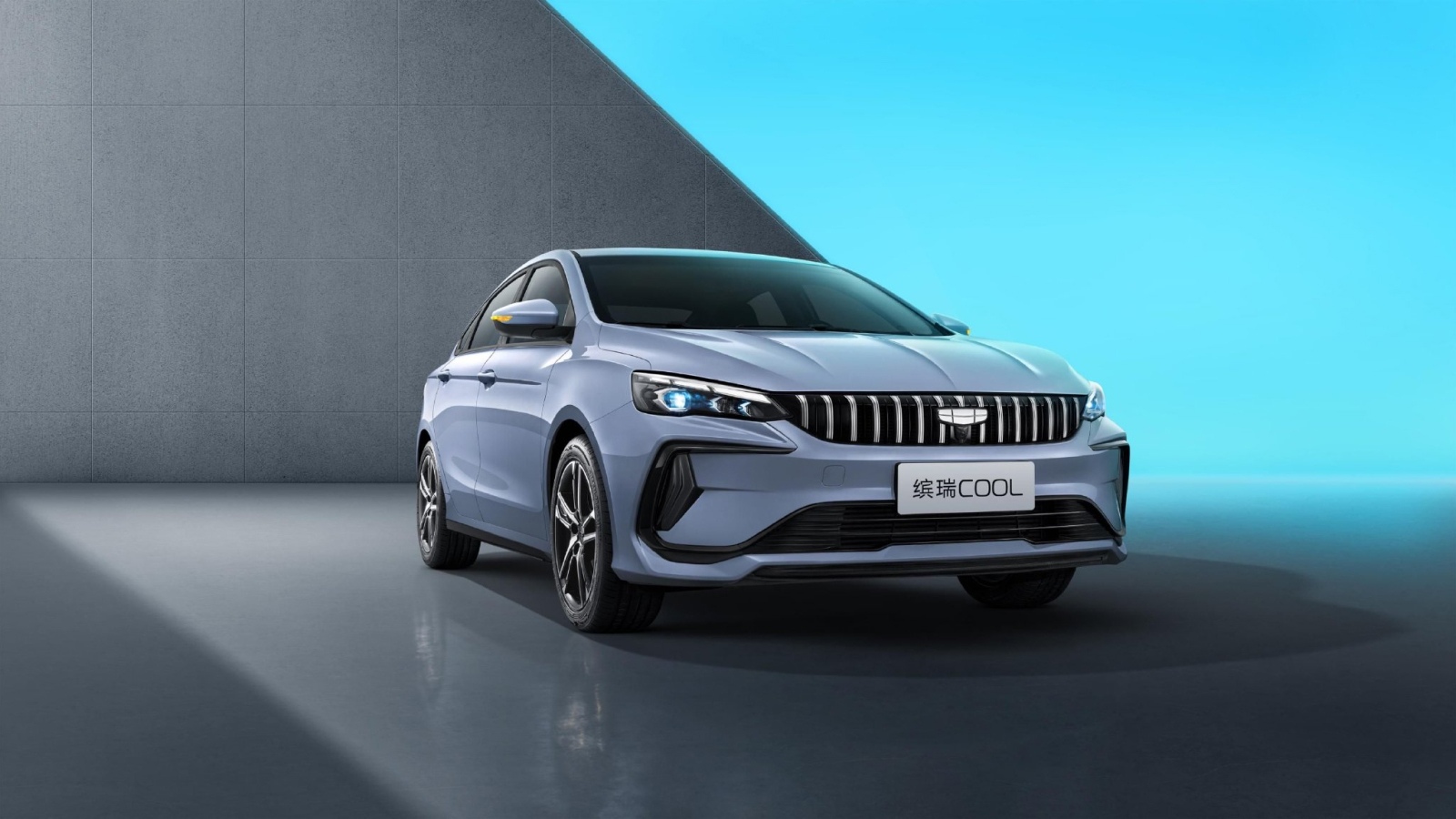
Geely Auto’s product lineup is diverse, catering to various market segments with models like the Geely Emgrand, Atlas, and Xingyue. These vehicles are known for their innovative design, advanced technology, and competitive pricing. Geely Auto’s commitment to quality and customer satisfaction has earned it a strong reputation in the automotive industry.
One of Geely Auto’s key strengths is its ability to integrate and leverage global technologies and expertise. The company has established research and development centers in China, Sweden, UK, and Germany, fostering a culture of innovation and continuous improvement. This global approach has enabled Geely Auto to incorporate cutting-edge technologies into its vehicles, including advanced driver-assistance systems (ADAS), connectivity features, and electric powertrains.
The strategic collaborations of Geely Auto's parent company extend beyond its acquisitions. ZGH has formed joint ventures with several international brands, including Daimler AG, to develop next-generation smart and electric vehicles. These partnerships have not only enhanced Geely Auto's technological capabilities but also expanded its market reach.
In conclusion, Geely Auto and ZGH exemplify the role of a global collaborator in China’s automotive industry. Its strategic acquisitions, partnerships, and commitment to innovation have positioned it as a major player on the global stage. Geely’s ability to blend Chinese ingenuity with international expertise has set a benchmark for other Chinese automakers aspiring to achieve global success.
Background: Founded in 1986, Geely has grown through strategic acquisitions and partnerships, becoming one of China's largest private automakers.
Strengths:
- International Partnerships: Owns Volvo Cars, Lotus, and holds a significant stake in Daimler AG (Mercedes-Benz).
- Design and Technology: Leverages global expertise to develop stylish and technologically advanced vehicles.
- Focus on Quality and Safety: Prioritizes safety features and rigorous quality control measures.
Popular Models: Geely Coolray, Geely Azkarra, Geely Tugella
Global Presence: Strong presence in Southeast Asia, Europe, and expanding into other markets.
3. SAIC Motor: The Legacy Giant
SAIC Motor Co. Ltd, commonly known as SAIC Motor, is one of China’s largest and oldest automotive manufacturers. Founded in 1955, SAIC has a rich history and a legacy of innovation and excellence in the automotive industry. As a state-owned enterprise, SAIC has played a pivotal role in shaping China’s automotive landscape and continues to be a dominant force in the market.
SAIC’s extensive portfolio includes several well-known brands such as Roewe, MG (Morris Garages), and Maxus. The company’s product range is diverse, encompassing passenger cars, commercial vehicles, and new energy vehicles (NEVs). Popular models like the Roewe RX5, MG ZS, and Maxus G10 are well-regarded for their quality, performance, and advanced features.
One of SAIC’s key strengths is its robust network of joint ventures with global automotive giants. The company has long-standing partnerships with General Motors (GM) and Volkswagen (VW), producing vehicles under the Buick, Chevrolet, and Volkswagen brands for the Chinese market. These joint ventures have not only enhanced SAIC’s manufacturing capabilities but also facilitated the transfer of advanced technologies and best practices.
SAIC is also at the forefront of the electric vehicle revolution. The company has invested heavily in the development of NEVs, launching several electric and hybrid models under its Roewe and MG brands. SAIC’s commitment to sustainability and innovation is evident in its efforts to build a comprehensive ecosystem for electric mobility, including charging infrastructure and battery recycling initiatives.
In summary, SAIC Motor stands as a prominent legacy giant in China’s automotive industry. Its rich history, diverse portfolio, and strategic partnerships have cemented its position as a market leader. SAIC’s continuous pursuit of innovation and excellence ensures that it remains a key player in the global automotive landscape.
Background: China's largest automaker by sales volume, SAIC has a long history dating back to the 1950s, initially focused on manufacturing vehicles under joint ventures with foreign brands.
Strengths:
- Manufacturing Prowess: Vast production capacity and experience in mass production.
- Joint Ventures: Partnerships with Volkswagen and General Motors provide access to technology and global markets.
- Emerging EV Brand: SAIC is developing its own EV brand, "IM" (Intelligence in Motion), targeting the premium segment.
Popular Models: MG ZS, Roewe RX5, Maxus D90
Global Presence: Expanding its MG brand in Europe, Southeast Asia, and Australia.
4. Great Wall Motor (GWM): The SUV Specialist
Great Wall Motor Co. Ltd, commonly known as Great Wall Motor (GWM), is a leading Chinese automaker renowned for its specialization in SUVs and pickup trucks. Founded in 1984, GWM has grown to become one of China’s largest and most successful automotive manufacturers, with a strong focus on producing robust and reliable vehicles.
GWM’s product lineup is dominated by its Haval brand, which is dedicated to SUVs. The Haval H6, in particular, has been a best-seller in the Chinese market for several years, known for its stylish design, advanced technology, and excellent performance. GWM also produces pickup trucks under the Great Wall brand, with models like the Great Wall Pao gaining popularity for their durability and versatility.
One of GWM’s key strengths is its commitment to research and development. The company has established several R&D centers globally, including in China, Japan, US, and Germany. This global approach to innovation has enabled GWM to incorporate advanced technologies into its vehicles, such as intelligent safety systems, connectivity features, and efficient powertrains.
GWM is also making significant strides in the new energy vehicle (NEV) segment. The company has introduced several electric and hybrid models under its Haval and ORA brands, aligning with the global shift towards sustainable mobility. The ORA brand focuses on compact EVs designed for urban use, with models like the ORA R1 gaining attention for their affordability and practicality.
In conclusion, Great Wall Motor (GWM) is a specialist in the SUV and pickup truck segments, known for producing robust, reliable, and technologically advanced vehicles. The company’s focus on R&D, innovation, and sustainability has positioned it as a key player in China’s automotive industry and a formidable competitor in the global market.
Background: Founded in 1984, GWM has established itself as a leading SUV and pickup truck manufacturer in China.
Strengths:
- SUV Expertise: Focuses on developing robust and feature-rich SUVs across various segments.
- Off-Road Capabilities: Known for its Haval brand, which offers capable off-road vehicles.
- Emerging EV Sub-Brands: Investing in EV technology with dedicated sub-brands like ORA and Wey.
Popular Models: Haval H6, Haval Jolion, GWM Ute
Global Presence: Expanding its presence in Australia, South Africa, and other emerging markets.
5. Changan Automobile: The Innovation Seeker
Changan Automobile, officially known as Chongqing Changan Automobile Co. Ltd, is one of China’s oldest and most innovative automakers. Founded in 1862 as a military supply factory, Changan transitioned to the automotive industry in the 1950s and has since become a major player in the Chinese market. The company is known for its commitment to innovation, quality, and customer satisfaction.
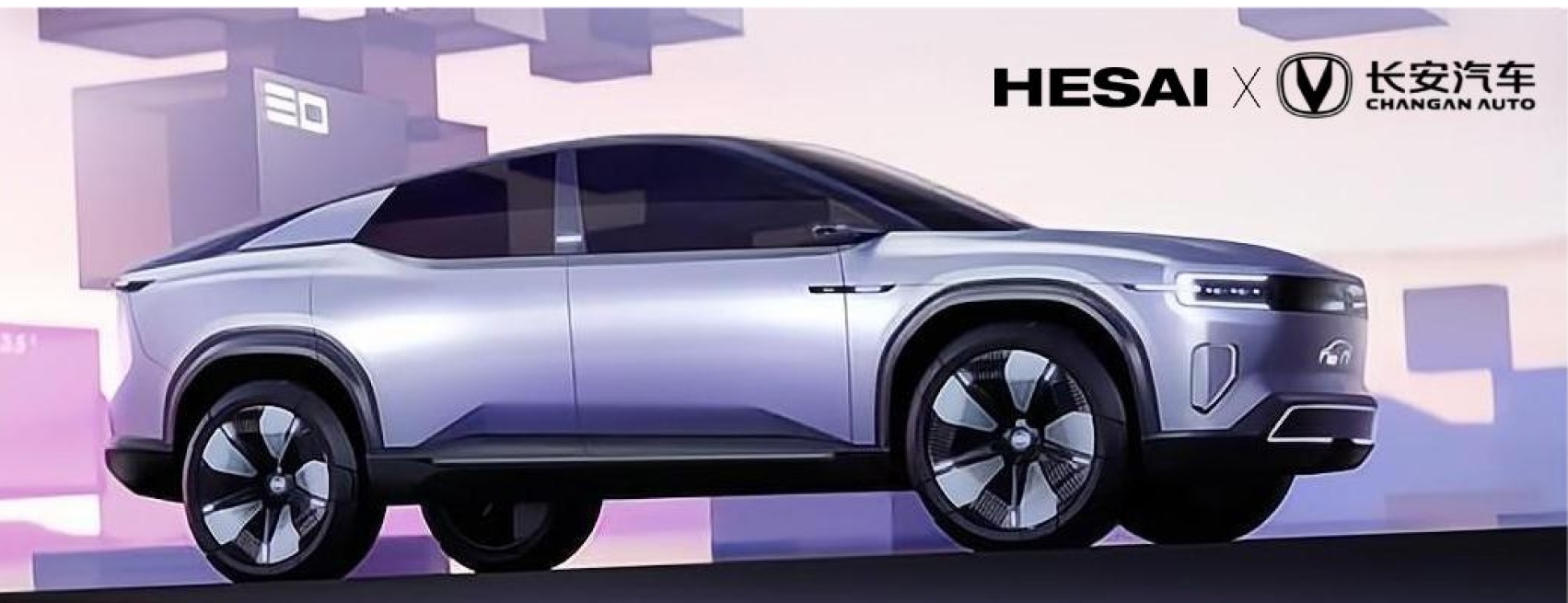
Changan’s extensive product lineup includes a wide range of vehicles, from compact cars to SUVs and commercial vehicles. Popular models such as the Changan CS75, Eado, and Raeton have gained a strong following for their stylish design, advanced features, and reliable performance. The company also produces new energy vehicles (NEVs), including electric and hybrid models, under its Changan New Energy brand.
One of Changan’s key strengths is its focus on research and development. The company operates multiple R&D centers around the world, including in China, the United States, Italy, and Japan. This global network enables Changan to stay at the forefront of automotive technology, incorporating cutting-edge innovations into its vehicles. Changan’s R&D efforts are particularly evident in its development of intelligent and connected car technologies, such as advanced driver-assistance systems (ADAS) and smart infotainment systems.
Changan’s commitment to sustainability is also noteworthy. The company has set ambitious targets for reducing its carbon footprint and increasing the production of NEVs. Changan’s electric vehicle lineup includes models like the Changan Eado EV and the Changan Benni EV, both of which offer impressive range and performance.
In summary, Changan Automobile is an innovation seeker in China’s automotive industry. With a rich history, a diverse product lineup, and a strong focus on R&D and sustainability, Changan continues to push the boundaries of automotive technology and deliver high-quality vehicles to its customers.
Background: One of China's "Big Four" state-owned automakers, Changan has a long history and is increasingly focused on innovation and technology.
Strengths:
- R&D Investment: Heavily invests in R&D, particularly in areas like autonomous driving and new energy vehicles.
- Stylish Designs: Known for its modern and appealing vehicle designs.
- Value Proposition: Offers a compelling combination of features and affordability.
Popular Models: Changan CS75 Plus, Changan Uni-T, Changan Eado
Global Presence: Expanding its presence in South America, the Middle East, and Africa.
6. Nio: The Premium EV Challenger
Nio Inc., founded in 2014, is a premium EV manufacturer that has quickly risen to prominence in China’s automotive industry. Known for its innovative approach to design and technology, Nio aims to redefine the EV market with its high-performance, luxury vehicles. The company’s mission is to shape a joyful lifestyle by offering premium smart electric vehicles and providing the best user experience.

Nio’s product lineup includes a range of premium electric SUVs and sedans, such as the Nio ES8, ES6, and the flagship ET7. These vehicles are renowned for their cutting-edge technology, luxurious interiors, and impressive performance. The Nio ES8, for instance, is a full-size SUV that offers a blend of power, range, and advanced features, making it a strong competitor in the premium EV segment. The Nio ET7, a luxury sedan, is equipped with autonomous driving capabilities, a high-performance battery, and a sleek design, positioning it as a direct rival to Tesla’s Model S.
One of Nio’s standout innovations is its battery-swapping technology. Unlike traditional EVs that rely solely on charging stations, Nio offers a unique battery swap service that allows users to exchange their depleted battery for a fully charged one in a matter of minutes. This service, known as Nio Power Swap, significantly reduces downtime for EV owners and enhances the overall convenience of owning an electric vehicle.
Nio also places a strong emphasis on customer experience. The company has developed a comprehensive ecosystem that includes Nio House (a network of lifestyle spaces for Nio users), Nio Service (a suite of after-sales services), and Nio Power (a network of charging solutions). This holistic approach ensures that Nio customers receive a premium experience beyond just the vehicle itself.
In addition to its domestic success, Nio is expanding its presence internationally. The company has entered the European market, starting with Norway, and plans to further its global footprint in the coming years. This international expansion is part of Nio’s broader strategy to become a leading global EV brand.
In conclusion, Nio is a premium EV challenger that is redefining the EV market with its innovative technology, luxurious designs, and exceptional customer experience. Its unique battery-swapping technology, comprehensive ecosystem, and ambitious international expansion plans position Nio as a formidable player in the global automotive industry.
Background: Founded in 2014, Nio has quickly become a prominent player in the premium EV market, challenging established luxury brands.
Strengths:
- Luxury Focus: Emphasizes high-end design, advanced technology, and a premium customer experience.
- Battery Swapping Technology: Offers innovative battery swapping stations, addressing range anxiety concerns.
- Autonomous Driving Capabilities: Investing heavily in autonomous driving technology development.
Popular Models: Nio ES8, Nio ES6, Nio ET7
Global Presence: Expanding in Europe, starting with Norway and Germany.
7. XPeng: The Tech-Driven Innovator
XPeng Motors, also known as Xiaopeng Motors, is a cutting-edge Chinese EV manufacturer that has garnered significant attention for its focus on technology and innovation. Founded in 2014, XPeng aims to create smart, connected vehicles that offer a superior driving experience. The company’s mission is to transform the future of mobility through intelligent technology and sustainable practices.
XPeng’s product lineup includes a range of electric sedans and SUVs, such as the XPeng P7, G3, and G9. The XPeng P7, a mid-sized electric sedan, has been particularly well-received for its advanced autonomous driving capabilities, long-range battery, and sleek design. The XPeng G3, a compact SUV, combines practicality with innovative features, making it a popular choice among urban drivers.
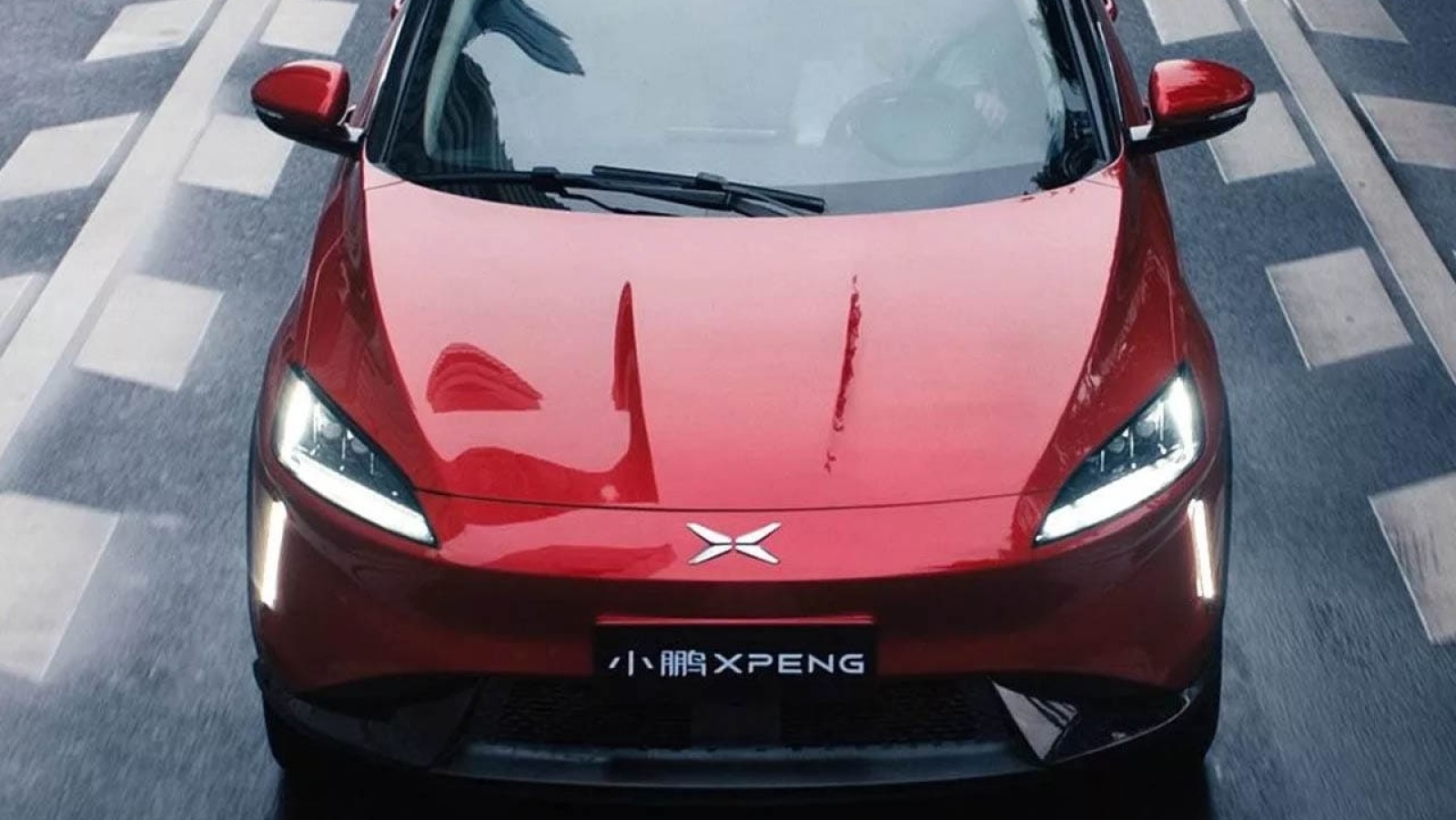
One of XPeng’s key differentiators is its emphasis on autonomous driving technology. The company has developed its own autonomous driving system, XPILOT, which offers features such as lane-keeping assistance, adaptive cruise control, and automated parking. XPeng continuously updates XPILOT through over-the-air (OTA) software updates, ensuring that its vehicles remain at the forefront of autonomous driving technology.
XPeng also focuses on creating a seamless and connected user experience. The company’s vehicles are equipped with advanced infotainment systems that integrate with various digital services, providing drivers with a highly interactive and personalized experience. XPeng’s smart cockpit features voice recognition, gesture control, and a large touchscreen interface, enhancing the overall driving experience.
In addition to its technological prowess, XPeng is committed to sustainability. The company is dedicated to reducing its environmental impact by producing zero-emission vehicles and investing in renewable energy solutions. XPeng’s manufacturing processes are designed to be energy-efficient and environmentally friendly, aligning with its vision of a sustainable future.
XPeng is also expanding its presence beyond China. The company has entered the European market, with plans to further its international expansion. This global strategy reflects XPeng’s ambition to become a leading player in the global EV market.
In summary, XPeng Motors is a tech-driven innovator in China’s automotive industry. With its focus on autonomous driving technology, connected user experience, and sustainability, XPeng is well-positioned to lead the transformation of the future of mobility.
Background: Founded in 2014, XPeng is a technology-driven EV manufacturer focused on intelligent and connected vehicles.
Strengths:
- Autonomous Driving Technology: Known for its advanced driver-assistance systems and autonomous driving capabilities.
- Smart Features: Integrates cutting-edge technology, including voice control, AI assistants, and over-the-air updates.
- Vertical Integration: Develops its own autonomous driving software and hardware.
Popular Models: XPeng P7, XPeng G3, XPeng P5
Global Presence: Expanding in Europe, starting with Norway, Sweden, and the Netherlands.
8. Li Auto: The Extended-Range Pioneer
Li Auto Inc., founded in 2015, is a Chinese EV manufacturer that has carved out a niche in the market with its focus on extended-range electric vehicles (EREVs). The company’s flagship model, the Li ONE, is a luxury SUV that combines the benefits of electric driving with the convenience of a range-extending internal combustion engine. This unique approach addresses range anxiety, a common concern among EV buyers, by providing a backup power source for long-distance travel.
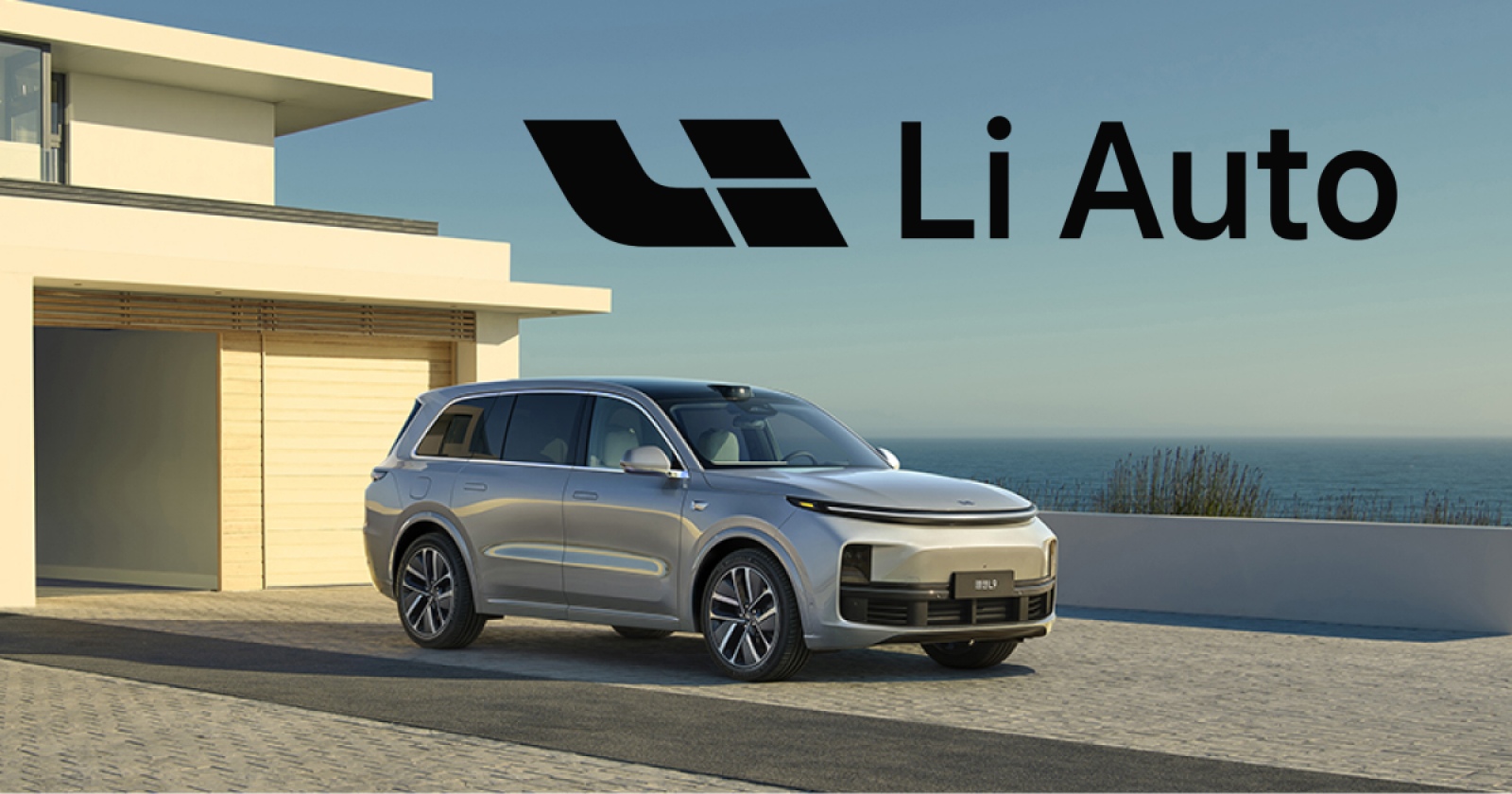
The Li ONE has been well-received in the Chinese market for its spacious interior, advanced technology, and impressive range. It features a sophisticated infotainment system, intelligent driver-assistance systems, and a comfortable, family-friendly design. The success of the Li ONE has established Li Auto as a significant player in the Chinese EV market, particularly among consumers seeking a practical and versatile electric vehicle.
Li Auto’s extended-range technology sets it apart from other EV manufacturers. The company’s EREV system allows the vehicle to operate as a pure electric vehicle for daily commuting while utilizing the range extender for longer journeys. This dual-mode capability provides the best of both worlds: zero-emission driving in urban environments and extended range for road trips, without the need for frequent charging stops.
In addition to its technological innovation, Li Auto is committed to sustainability and environmental responsibility. The company’s manufacturing processes prioritize energy efficiency and the use of eco-friendly materials. Li Auto also invests in renewable energy projects and initiatives to reduce its overall carbon footprint.
Li Auto is expanding its product lineup to include more models with extended-range capabilities. The company is also exploring international markets, with plans to introduce its vehicles to other regions in the future. This expansion strategy is part of Li Auto’s vision to become a global leader in the electric vehicle industry.
In summary, Li Auto is a pioneer in the extended-range EV segment. With its innovative EREV technology, focus on sustainability, and commitment to expanding its product offerings, Li Auto is well-positioned to address the evolving needs of the global automotive market.
Background: Founded in 2015, Li Auto focuses on extended-range electric vehicles (EREVs), combining a battery with a small gasoline engine for range extension.
Strengths:
- Range Anxiety Solution: EREV technology addresses range concerns by providing a gasoline backup.
- Family-Oriented Vehicles: Primarily targets families with spacious SUVs offering comfort and practicality.
- Growing Sales: Experiencing rapid sales growth in the Chinese market.
Popular Models: Li ONE
Global Presence: Currently focused on the Chinese market, with plans for international expansion.
9. GAC Group: The Rising Star
Guangzhou Automobile Group Co., Ltd. (GAC Group) is a rapidly growing Chinese automaker that has emerged as a significant player in the automotive industry. Founded in 1954, GAC Group has expanded its operations to include a diverse range of vehicles, including passenger cars, commercial vehicles, and new energy vehicles (NEVs). The company’s commitment to quality, innovation, and sustainability has earned it a strong reputation both domestically and internationally.
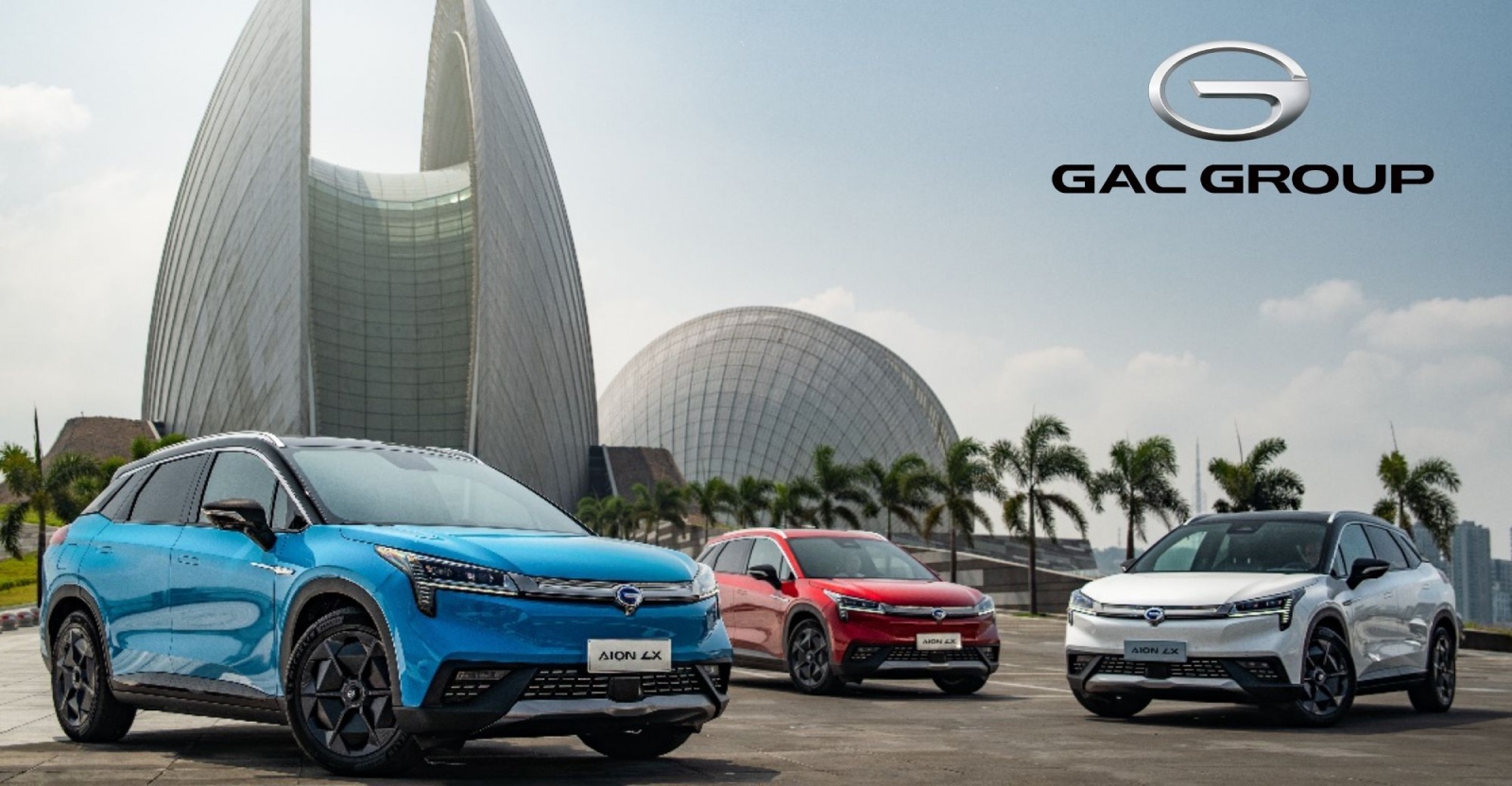
GAC Group’s product lineup includes several popular brands, such as Trumpchi, Aion, and Gonow (now discontinued). The Trumpchi brand has gained recognition for its stylish and high-quality vehicles, including models like the Trumpchi GS4 and GA8. The Aion brand focuses on electric vehicles, with models like the Aion S and Aion LX showcasing GAC’s advancements in EV technology.
One of GAC Group’s key strengths is its emphasis on R&D. The company operates multiple R&D centers globally, including in China, US, and Europe. This global approach to innovation allows GAC to incorporate cutting-edge technologies into its vehicles, such as ADAS, connectivity features, and efficient powertrains.
GAC Group is also a leader in the new energy vehicle (NEV) sector. The company has invested heavily in the development of electric and hybrid vehicles, aligning with global trends towards sustainable mobility. GAC’s Aion brand is at the forefront of this effort, offering a range of electric vehicles with impressive range, performance, and advanced features.
In addition to its domestic success, GAC Group is expanding its presence in international markets. The company has established partnerships with global automakers, including Honda, Toyota, and Mitsubishi, to produce vehicles for various markets. GAC’s international expansion strategy includes exporting its vehicles to regions such as Southeast Asia, the Middle East, and Europe.
In conclusion, GAC Group is a rising star in China’s automotive industry. With its diverse product lineup, strong focus on R&D, and commitment to sustainability, GAC is well-positioned to continue its growth and success in the global automotive market.
Background: A state-owned conglomerate, GAC Group has emerged as a major player in the Chinese automotive market with its own brands and joint ventures.
Strengths:
- Diverse Portfolio: Offers a wide range of vehicles, from budget-friendly options to premium SUVs and EVs.
- Design Language: Known for its distinctive and often bold design language.
- Technological Advancements: Investing in areas like autonomous driving and new energy vehicles.
Popular Models: GAC GS8, GAC GN8, Aion V
Global Presence: Expanding its presence in Southeast Asia, the Middle East, and South America.
10. Dongfeng Motor: The Commercial Vehicle Powerhouse
Dongfeng Motor Co., commonly known as Dongfeng Motor, is one of China’s largest and most influential automotive manufacturers. Founded in 1969, Dongfeng has a long history of producing a wide range of vehicles, including passenger cars, commercial vehicles, and new energy vehicles (NEVs). The company’s extensive product lineup and strategic partnerships have cemented its position as a powerhouse in the automotive industry.
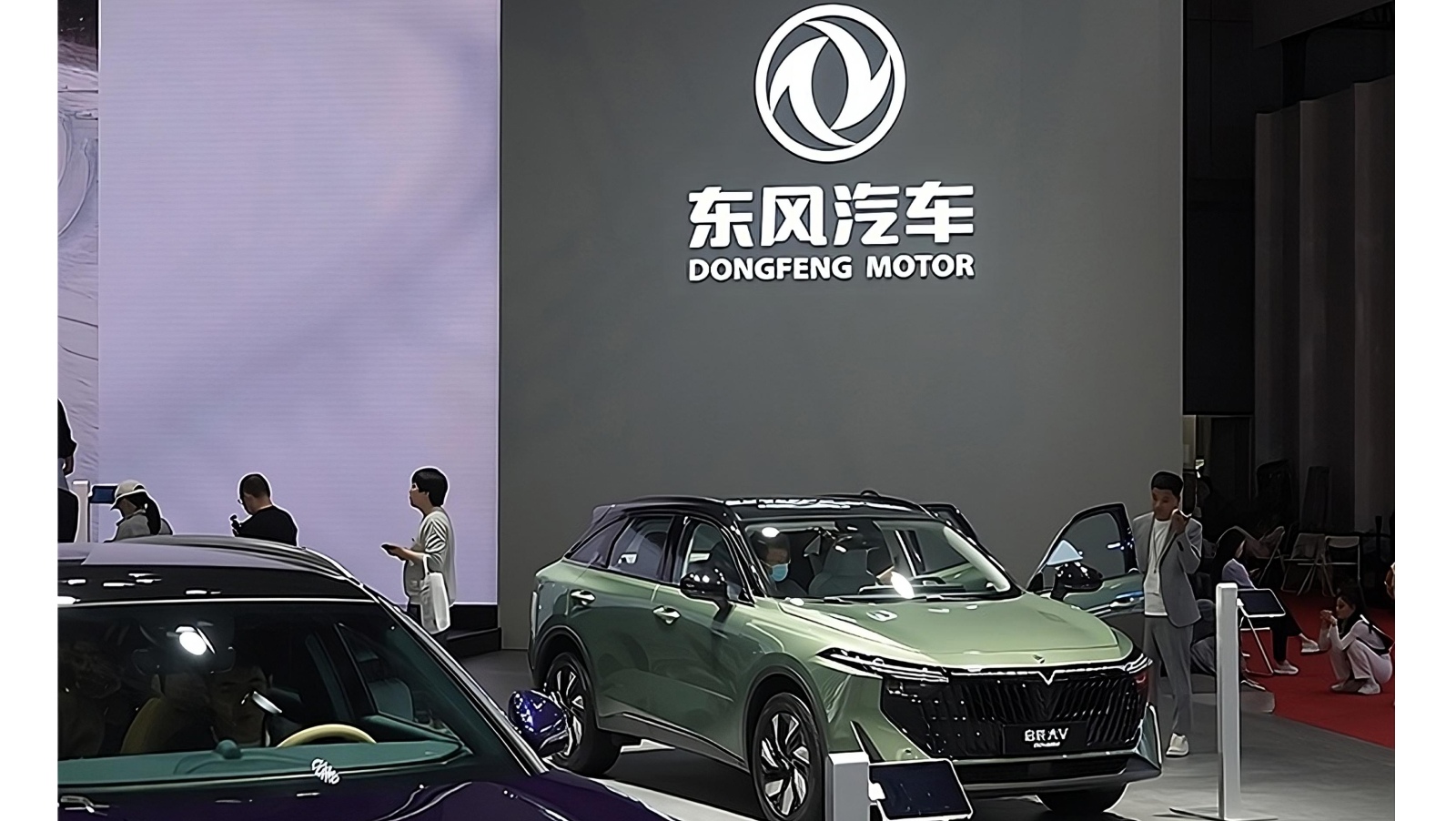
Dongfeng’s commercial vehicle segment is particularly noteworthy. The company produces a variety of trucks, buses, and construction vehicles that are widely used in China and exported to international markets. Dongfeng’s commercial vehicles are known for their durability, reliability, and advanced technology, making them a top choice for businesses and government agencies.
In addition to its commercial vehicle expertise, Dongfeng also produces a range of passenger cars under its own brands, such as Dongfeng Fengshen and Dongfeng Fengxing. Popular models include the Fengshen AX7 and Fengxing S560, which are well-regarded for their quality, performance, and affordability. Dongfeng’s passenger cars cater to a broad spectrum of consumers, from budget-conscious buyers to those seeking more premium options.
Dongfeng’s commitment to innovation is evident in its investment in new energy vehicles (NEVs). The company has developed several electric and hybrid models, aligning with global trends towards sustainable mobility. Dongfeng’s NEV lineup includes electric buses, trucks, and passenger cars, demonstrating its versatility and dedication to reducing carbon emissions. The Dongfeng E70, an all-electric sedan, and the Dongfeng EV300, an electric SUV, are examples of the company’s efforts to lead in the NEV segment.
Dongfeng Motor’s strategic partnerships have played a crucial role in its success. The company has established joint ventures with several global automotive giants, including Nissan, Honda, and PSA Group (now part of Stellantis). These collaborations have enabled Dongfeng to access advanced technologies, expand its product offerings, and enhance its manufacturing capabilities. For instance, the Dongfeng Nissan joint venture produces popular models like the Nissan Sylphy and Qashqai, which are well-received in the Chinese market.
R&D is a cornerstone of Dongfeng’s strategy. The company operates multiple R&D centers in China and abroad, focusing on developing new technologies and improving vehicle performance. Dongfeng’s R&D efforts are geared towards autonomous driving, intelligent connectivity, and alternative energy solutions, ensuring that it remains competitive in the rapidly evolving automotive industry.
Dongfeng Motor is also expanding its global footprint. The company exports its vehicles to over 100 countries and regions, with a strong presence in Southeast Asia, Africa, and South America. Dongfeng’s international strategy includes establishing overseas manufacturing facilities and forming strategic alliances to better serve local markets.
In summary, Dongfeng Motor is a commercial vehicle powerhouse with a diverse product lineup, strong focus on innovation, and extensive global reach. Its commitment to quality, reliability, and sustainability, combined with strategic partnerships and robust R&D capabilities, positions Dongfeng as a key player in both the domestic and international automotive markets.
Background: One of China's "Big Four" state-owned automakers, Dongfeng is a major player in commercial vehicles and has a growing presence in the passenger car market.
Strengths:
- Commercial Vehicle Expertise: A leading manufacturer of trucks, buses, and other commercial vehicles.
- Joint Ventures: Partnerships with Nissan, Honda, and Peugeot-Citroën provide access to technology and global markets.
- Expanding Passenger Car Lineup: Developing its own brand identity and expanding its passenger car offerings.
Popular Models: Dongfeng Fengshen AX7, Dongfeng Forthing T5 EVO
Global Presence: Primarily focused on the Chinese market, with a growing presence in Southeast Asia and Africa.
11. FAW Group (First Automobile Works): The Industry Foundation
FAW Group, officially known as China FAW Group Co., Ltd., holds the prestigious distinction of being China's first automotive manufacturer and remains a cornerstone of the nation's automotive industry. Established in 1953 in Changchun, Jilin Province, FAW has evolved from a single truck manufacturer into one of China's "Big Four" state-owned automotive conglomerates, playing an instrumental role in the country's industrial development and modernization.
FAW's comprehensive portfolio encompasses multiple brands, each serving distinct market segments. The flagship Hongqi (Red Flag) brand represents China's luxury automotive heritage, serving as the official vehicle for government ceremonies and high-ranking officials. Bestune targets the mainstream passenger car market with modern designs and competitive pricing, while Jiefang dominates the commercial vehicle sector as China's leading truck brand. The company's product range spans from compact passenger cars to heavy-duty commercial vehicles, demonstrating remarkable versatility in meeting diverse transportation needs.
One of FAW's defining characteristics is its strategic approach to international partnerships. The company has established successful joint ventures with prestigious global automakers including Volkswagen, Audi, and Toyota. FAW-Volkswagen and FAW-Audi have become household names in China, producing vehicles that combine German engineering excellence with local market understanding. These partnerships have not only enhanced FAW's technological capabilities but also established the company as a trusted manufacturing partner for international brands.
FAW is actively embracing the electric vehicle transformation through its comprehensive NEV strategy. The company has launched electric variants across its brand portfolio, with Hongqi leading the charge in the luxury EV segment. Popular models like the Hongqi E-HS9 electric SUV and the Bestune T77 demonstrate FAW's commitment to sustainable mobility while maintaining its reputation for reliability and performance.
Background: China's pioneering automotive manufacturer, FAW was established as part of China's first Five-Year Plan, marking the beginning of the country's modern automotive industry.
Strengths:
- Historical Legacy: Seven decades of automotive manufacturing experience and deep industry expertise
- Strategic Partnerships: Long-standing joint ventures with Volkswagen, Audi, and Toyota providing technology transfer and market access
- Brand Diversity: Comprehensive portfolio from luxury Hongqi to commercial Jiefang vehicles
- Government Relations: Strong ties with state institutions and preferred supplier status for official vehicles
Popular Models: Hongqi H9, Bestune T77, Jiefang J6P, FAW-Volkswagen Sagitar, FAW-Audi A6L
Global Presence: Expanding Hongqi brand internationally while maintaining strong domestic market leadership and exporting commercial vehicles to Southeast Asia, Africa, and Latin America.
12. Brilliance Auto: The Joint Venture Specialist
Brilliance Auto Group, formally known as Brilliance China Automotive Holdings Limited, has established itself as one of China's most successful automotive joint venture specialists since its founding in 1992. Headquartered in Shenyang, Liaoning Province, Brilliance has built its reputation on strategic partnerships, manufacturing excellence, and the ability to bridge Eastern and Western automotive philosophies.
The company's brand portfolio reflects its dual focus on partnership facilitation and independent development. Brilliance operates its proprietary brands including Zhonghua, which targets the mid-range sedan market, and Jinbei, specializing in commercial vehicles and MPVs. These brands showcase Brilliance's independent research and development capabilities while serving as platforms for technology integration and market experimentation.
Brilliance's crown jewel is its highly successful joint venture with BMW, known as BMW Brilliance Automotive (BBA). This partnership has become a model for international automotive collaboration in China, producing luxury vehicles including the BMW 3 Series, 5 Series, and X1 specifically for the Chinese market. The joint venture has not only generated substantial revenue but also elevated Brilliance's manufacturing standards and technological capabilities to international levels.
The company is strategically positioning itself in the new energy vehicle market through both independent development and partnership leverage. Brilliance has launched electric variants of its Zhonghua models while working closely with BMW to develop and manufacture electric vehicles for the Chinese market. This dual approach ensures the company remains competitive across both traditional and emerging automotive segments.
Background: Established in the 1990s as China opened its automotive market, Brilliance specialized in creating successful partnerships with international automakers while developing domestic brands.
Strengths:
- Partnership Expertise: Proven track record in managing successful international joint ventures, particularly with BMW
- Manufacturing Excellence: World-class production facilities meeting international quality standards
- Technology Integration: Effective transfer and adaptation of international automotive technologies
- Quality Assurance: Rigorous quality control systems developed through international partnerships
Popular Models: BMW 3 Series Li, Zhonghua V7, Jinbei Hiace, BMW X1, Zhonghua V6
Global Presence: Exporting Jinbei commercial vehicles to Southeast Asia and Africa while leveraging BMW partnership for technology development and international market insights.
13. Lynk & Co: The Subscription-Based Disruptor
Lynk & Co represents a revolutionary approach to automotive brand development and customer engagement, launched in 2016 as a premium subsidiary of Geely Auto Group in collaboration with Volvo Car Corporation. Based in Gothenburg, Sweden, and Shanghai, China, this innovative brand challenges traditional automotive paradigms through its unique blend of Scandinavian design philosophy, Chinese manufacturing efficiency, and digital-first customer experience.
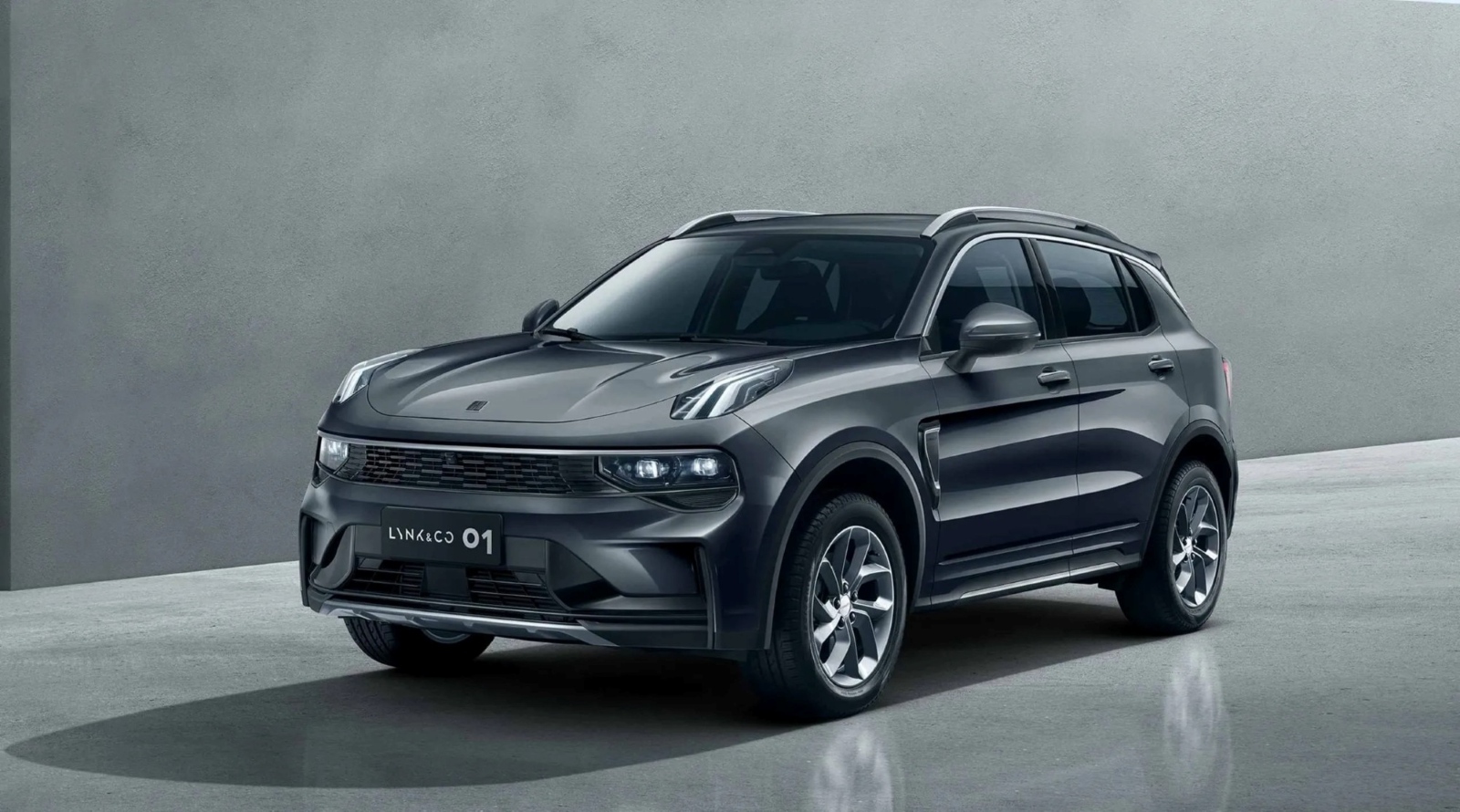
The brand's vehicle portfolio reflects its commitment to modern mobility solutions and contemporary design. Lynk & Co's lineup includes the 01 compact SUV, 02 coupe SUV, 03 sedan, and 05 coupe SUV, each featuring distinctive design elements that combine minimalist Scandinavian aesthetics with bold, urban-inspired styling. These vehicles are built on Geely's Compact Modular Architecture (CMA), co-developed with Volvo, ensuring high safety standards and advanced engineering.
What truly distinguishes Lynk & Co is its revolutionary business model that reimagines vehicle ownership and brand interaction. The company pioneered subscription-based ownership models, allowing customers to access vehicles through flexible monthly subscriptions rather than traditional purchase or lease agreements. This approach appeals particularly to younger, urban consumers who value flexibility and convenience over traditional ownership structures.
Lynk & Co's commitment to connectivity and digital integration sets new standards for automotive user experience. Every vehicle comes equipped with advanced infotainment systems, over-the-air update capabilities, and seamless smartphone integration. The brand's focus on creating a lifestyle ecosystem extends beyond vehicles to include branded merchandise, experiential retail spaces, and community-building initiatives.
Background: Born from Geely's acquisition of Volvo and subsequent collaboration, Lynk & Co was designed from inception to challenge traditional automotive business models and appeal to digitally-native consumers.
Strengths:
- Innovative Business Model: Pioneering subscription-based ownership and flexible mobility solutions
- Design Excellence: Scandinavian-Chinese design fusion creating distinctive and appealing aesthetics
- Digital Integration: Advanced connectivity features and over-the-air update capabilities
- Brand Experience: Lifestyle-oriented approach extending beyond traditional automotive boundaries
Popular Models: Lynk & Co 01, Lynk & Co 03, Lynk & Co 05, Lynk & Co 02
Global Presence: Successfully launched in European markets including Netherlands, Belgium, and Sweden, demonstrating China's capability to export premium automotive brands to developed markets.
The Future of Chinese Car Brands:
The rise of Chinese car brands is undeniable. They are no longer simply imitating; they are innovating, leading the way in areas like EV technology, autonomous driving, and connected car features.
Here's what the future holds for Chinese car brands:
- Global Expansion: Chinese automakers are aggressively pursuing international expansion, targeting both developed and emerging markets.
- Technological Leadership: Expect to see continued innovation in areas like electric vehicles, autonomous driving, and connected car technologies.
- Brand Building: Chinese brands are investing heavily in brand building, focusing on design, quality, and customer experience to compete with established players.
- Sustainability Focus: With China's commitment to reducing emissions, expect to see a strong emphasis on electric and hybrid vehicles.
The global automotive industry is on the cusp of a new era, and Chinese car brands are poised to play a pivotal role in shaping its future. As these brands continue to innovate, expand, and redefine mobility, the world will be watching closely.
Part 2. Why Wholesale Cars from China?
The Chinese car market has exploded in recent years, becoming a major player on the global stage. This growth has spurred interest in wholesale car imports from China, driven by several compelling factors:
1. Competitive Pricing: Chinese automakers are known for their competitive pricing strategies, often offering vehicles at lower costs compared to established brands from Japan, Korea, or Europe. This price advantage is particularly attractive for wholesalers seeking higher profit margins.
2. Growing Quality and Technology: Gone are the days when Chinese cars were perceived as low-quality. Chinese manufacturers have made significant strides in improving build quality, reliability, and technology. Many models now boast advanced features and safety standards comparable to international counterparts.
3. Diverse Product Range: From budget-friendly sedans to electric SUVs and even commercial vehicles, China offers a wide range of vehicles to cater to diverse market needs. This variety allows wholesalers to diversify their inventory and target specific customer segments.
4. EV and New Energy Focus: China is a global leader in EV technology and production. Importing EVs or hybrid vehicles from China allows wholesalers to tap into the growing demand for eco-friendly transportation options.
5. Potential for Customization: Some Chinese manufacturers are open to collaborating with wholesalers on customized vehicle designs and features, catering to specific market demands or brand preferences.
6. Government Support and Incentives: The Chinese government actively promotes its automotive industry, offering incentives and support for vehicle exports, which can benefit wholesalers.
However, it's crucial to consider potential challenges:
- Logistics and Import Regulations: Navigating international shipping, customs regulations, and import duties requires careful planning and expertise.
- Competition: The global automotive market is highly competitive, and wholesalers need to differentiate themselves and offer competitive pricing and services.
- Building Trust and Brand Awareness: Building trust with customers and establishing brand reputation for imported Chinese vehicles may take time and effort.
Overall, wholesaling cars from China presents a significant opportunity for businesses seeking cost-effective, quality vehicles with the potential for high returns. Thorough market research, due diligence, and a strategic approach are essential for success.
Part 3. Key Players in China's Car Market
China's car market is one of the largest and most dynamic in the world, featuring a mix of domestic and international players. Here are some of the key players:
Domestic Automakers
SAIC Motor Co. Ltd (SAIC)
- One of the largest automotive manufacturers in China.
- Joint ventures with General Motors (GM) and Volkswagen (VW).
Zhejiang Geely Holding Group
- Known for its rapid expansion and acquisition of Volvo Cars.
- Parent company of several brands, including Geely Auto, and joint ventures Lynk & Co. and Polestar.
BYD Auto
- Leading manufacturer of EVs and batteries.
- Strong presence in both passenger and commercial vehicle markets.
Great Wall Motors
- Specializes in SUVs and pickup trucks.
- Brands include Haval and WEY.
Changan Automobile
- One of the oldest car manufacturers in China.
- Joint ventures with Ford and Mazda.
NIO
- Prominent electric vehicle manufacturer.
- Focuses on premium electric SUVs and sedans.
Xpeng Motors
- Known for its smart EVs with advanced autonomous driving features.
Li Auto
- Specializes in extended-range electric vehicles (EREVs).
International Automakers
Volkswagen Group China
- Operates joint ventures with SAIC and FAW.
- Strong market presence with brands like VW, Audi, and Porsche.
General Motors China
- Joint ventures with SAIC and Wuling.
- Popular brands include Buick, Chevrolet, and Cadillac.
Toyota Motor Co.
- Joint ventures with FAW and GAC.
- Increasing focus on hybrid and electric vehicles.
Honda Motor Co. Ltd
- Joint ventures with Dongfeng and GAC.
- Known for reliable sedans and SUVs.
BMW Group
- Joint venture with Brilliance Auto.
- Strong luxury car market presence.
Daimler AG (Mercedes-Benz)
- Joint venture with BAIC.
- Significant player in the luxury segment.
Emerging Trends
- Electric Vehicles (EVs): China is the largest market for EVs, with significant government support and investment in infrastructure.
- Autonomous Driving: Companies like Baidu are leading in the development of autonomous driving technologies.
- New Energy Vehicles (NEVs): The push for greener transportation has led to a surge in NEV production and sales.
These players and trends highlight the competitive and rapidly evolving nature of China's car market.
Part 4. Wholesale Cars on Global Sources
Global Sources is a premier B2B platform that has established itself as a reliable intermediary connecting buyers and suppliers from around the globe. For businesses or individuals seeking to purchase wholesale cars, Global Sources offers a comprehensive and user-friendly platform to explore a wide array of options. Below is a detailed recommendation on why and how to use Global Sources for purchasing wholesale cars.
Why Choose Global Sources for Wholesale Cars?
- Extensive Network of Suppliers: Global Sources boasts an extensive network of suppliers, including manufacturers, distributors, and dealers from various parts of the world. This vast network ensures that buyers have access to a diverse range of vehicles, from new to used, and from economy models to luxury brands.
- Verified Suppliers: One of the standout features of Global Sources is its stringent supplier verification process. Suppliers on the platform are required to undergo a rigorous vetting process to ensure they meet high standards of quality and reliability. This reduces the risk of fraud and ensures that buyers are dealing with credible and trustworthy suppliers.
- Comprehensive Product Listings: The platform provides detailed product listings that include specifications, pricing, and high-quality images. This comprehensive information allows buyers to make informed decisions by comparing different vehicles and understanding their features and conditions.
- User-Friendly Interface: Global Sources offers a user-friendly interface that simplifies the search and purchasing process. The platform’s search functionality allows users to filter results based on various criteria such as vehicle type, make, model, year, and location. This makes it easy to find exactly what you are looking for without sifting through irrelevant listings.
- Direct Communication with Suppliers: The platform facilitates direct communication between buyers and suppliers. This direct line of communication enables buyers to ask questions, request additional information, and negotiate terms directly with the suppliers. This transparency is crucial for building trust and ensuring that both parties are on the same page.
- Trade Shows and Online Events: Global Sources organizes trade shows and online events that bring together buyers and suppliers. These events provide an excellent opportunity to network, discover new products, and establish long-term business relationships. Participating in these events can give buyers firsthand insights into the latest trends and innovations in the automotive industry.
How to Use Global Sources for Purchasing Wholesale Cars
- Create an Account: Start by creating an account on the Global Sources website. This will give you access to a range of features, including the ability to contact suppliers and participate in trade shows and events.
- Conduct a Search: Use the search bar to enter keywords related to your needs, such as "wholesale cars," "used cars," "electric vehicles," or specific brands and models. Utilize the filters to narrow down the search results based on your preferences.
- Review Listings: Carefully review the listings that match your criteria. Pay close attention to the details provided, including the vehicle specifications, condition, pricing, and the supplier’s profile. Look for listings from verified suppliers to ensure credibility.
- Contact Suppliers: Once you have identified potential suppliers, use the contact information provided to reach out to them. Prepare a list of questions to ask about the vehicles, such as their history, condition, warranty, and payment terms. This is also the time to negotiate prices and discuss shipping arrangements.
- Request Samples or Inspections: If possible, request samples or arrange for an inspection of the vehicles. This can be done either in person or through a third-party inspection service. Inspecting the vehicles beforehand ensures that they meet your expectations and reduces the risk of receiving subpar products.
- Verify Supplier Credentials: Before finalizing any deals, verify the supplier’s credentials. Check their business registration, certifications, and any reviews or ratings from other buyers. This due diligence is crucial to avoid potential scams and ensure a smooth transaction.
- Finalize the Purchase: Once you are satisfied with the supplier and the vehicles, proceed to finalize the purchase. Ensure that all terms and conditions are clearly outlined in a written agreement. This should include details on payment, shipping, delivery timelines, and any warranties or guarantees.
- Arrange for Shipping and Logistics: Work with the supplier to arrange for shipping and logistics. Ensure that all necessary documentation, such as bills of lading, customs declarations, and import permits, is in order. Consider using a reputable logistics provider to handle the transportation of the vehicles.
- Follow Up: After the vehicles have been delivered, conduct a thorough inspection to ensure they match the descriptions and specifications agreed upon. If there are any issues, contact the supplier immediately to resolve them.
Global Sources is an excellent platform for purchasing cars wholesale, offering a wide range of vehicles from verified suppliers around the world. Its user-friendly interface, comprehensive listings, and direct communication channels make it easy for buyers to find and purchase vehicles that meet their needs. By following the recommended steps and conducting thorough due diligence, buyers can leverage Global Sources to secure high-quality vehicles at competitive prices, thereby enhancing their business operations or personal collections.
Part 5. Types of Cars in China
China has a diverse automotive market with a wide range of car types catering to different consumer needs and preferences. Here are some of the main types of cars available in China:
Sedans (轿车):
- Compact Sedans
- Mid-size Sedans
- Full-size Sedans
- Luxury Sedans
SUVs (运动型多用途车):
- Compact SUVs
- Mid-size SUVs
- Full-size SUVs
- Luxury SUVs
Electric Vehicles (EVs) (电动车):
- Battery Electric Vehicles (BEVs)
- Plug-in Hybrid Electric Vehicles (PHEVs)
- Extended Range Electric Vehicles (EREVs)
Hatchbacks (两厢车):
- Subcompact Hatchbacks
- Compact Hatchbacks
Crossovers (跨界车):
- Subcompact Crossovers
- Compact Crossovers
- Mid-size Crossovers
MPVs (Multi-Purpose Vehicles) (多用途车):
- Compact MPVs
- Full-size MPVs
Luxury Cars (豪华车):
- Luxury Sedans
- Luxury SUVs
- Luxury Coupes
Coupes (跑车):
- Compact Coupes
- Luxury Coupes
Convertibles (敞篷车):
- Sports Convertibles
- Luxury Convertibles
Pickup Trucks (皮卡):
- Compact Pickups
- Full-size Pickups
Commercial Vehicles (商用车):
- Light Commercial Vehicles
- Heavy-duty Trucks
- Buses
Hybrid Vehicles (混合动力车):
- Mild Hybrids
- Full Hybrids
Off-road Vehicles/4WD Trucks (越野车):
- Hardcore Off-road Vehicles
- Mid-size 4WD SUVs
- Pickup-based 4WD Trucks
Minivans (面包车):
- Compact Minivans
- Mid-size Minivans
- Commercial Minivans
China's automotive market also includes a variety of domestic brands like BYD, Geely, Great Wall Motors, and NIO, as well as international brands like Volkswagen, Toyota, BMW, and Tesla. The market is notably growing in the electric vehicle sector, driven by government incentives and increasing environmental awareness.
Part 6. Growth of China's Car Industry
- Global Export Leader: In 2023, China surpassed Japan to become the world's largest car exporter, with more than 5 million vehicles exported. This marked a significant rise from its sixth-place position in 2020. Companies like SAIC, Dongfeng, BYD, and Nio have been instrumental in this growth, with BYD emerging as a major player in the electric vehicle (EV) market.
- Market Dominance: China has been the largest automobile market globally since 2008, both in terms of sales and ownership. The domestic market has seen a substantial rise in the production and sale of EVs, which accounted for nearly 60 percent of global EV sales in 2022. New EV sales in China grew by 82 percent in 2022, contributing to 35% of global EV exports.
- Technological Advancements: Chinese automakers have made significant strides in EV technology and production efficiency. For instance, BYD surpassed Tesla in 2023 to become the world's largest manufacturer of purely battery-powered vehicles, selling 526,000 EVs in the last quarter of 2023 alone. The country’s focus on core technologies and operational solutions has played a crucial role in this rapid growth.
- Competitive Pricing: Chinese automakers have also set new standards for vehicle production and pricing. BYD's Seagull, an affordable EV priced at roughly $11,400, exemplifies how Chinese manufacturers are producing cost-effective yet innovative vehicles. This competitive pricing strategy has allowed Chinese EVs to gain significant market share in regions like Europe and Mexico.
- Government Support: The Chinese government's substantial support through subsidies and incentives has been a key driver of the industry's growth. Between 2015 and 2020, BYD alone received approximately $4.3 billion in state support. Additionally, government policies have prioritized the development of the EV sector, including investments in charging infrastructure and R&D.
Part 7. Market Trends and Challenges
The Chinese automotive industry has been experiencing significant growth and transformation over the past few years. Here are some of the key market trends and challenges specific to Chinese cars as of 2024:
Market Trends
Electric Vehicles (EVs):
- Rapid Adoption: China is the world's largest market for EVs, driven by government incentives, environmental concerns, and advancements in battery technology.
- Domestic Brands: Companies like BYD, NIO, and XPeng are becoming increasingly competitive, both domestically and internationally.
Technological Advancements:
- Autonomous Driving: Chinese car manufacturers are investing heavily in autonomous driving technologies, with significant progress in Level 3 and Level 4 autonomous vehicles.
- Connected Cars: The integration of IoT in vehicles, offering features like real-time traffic updates, remote diagnostics, and in-car entertainment.
Global Expansion:
- Export Growth: Chinese car manufacturers are expanding their presence in international markets, targeting regions like Europe, Southeast Asia, and Latin America.
- Strategic Partnerships: Collaborations with foreign carmakers and technology companies to enhance capabilities and market reach.
Sustainability:
- Green Manufacturing: Increased focus on sustainable manufacturing practices and reducing the carbon footprint of production processes.
- Battery Recycling: Development of efficient battery recycling methods to support the growing EV market.
Challenges
Regulatory Environment:
- Stringent Emission Standards: Adherence to increasingly strict emission regulations both domestically and in export markets.
- Safety Standards: Meeting international safety standards, which can vary significantly from one region to another.
Supply Chain Issues:
- Chip Shortages: Global semiconductor shortages affecting production timelines and costs.
- Material Costs: Fluctuating prices of raw materials, particularly those used in battery production like lithium and cobalt.
Competition:
- Domestic Competition: Intense competition among domestic brands, leading to price wars and pressure on profit margins.
- International Rivals: Competing with established international brands that have strong brand recognition and loyalty.
Consumer Perception:
- Quality Concerns: Overcoming historical perceptions of lower quality compared to Western and Japanese brands.
- Brand Recognition: Building brand recognition and trust in new international markets.
Technological Barriers:
- Autonomous Driving Regulations: Navigating the regulatory landscape for autonomous vehicles, which varies greatly across different regions.
- Infrastructure: Developing the necessary infrastructure, such as charging stations for EVs, to support widespread adoption.
Economic Factors:
- Economic Slowdown: Potential economic slowdowns, both domestically and globally, which could impact consumer spending on new vehicles.
- Trade Tensions: Ongoing trade tensions and tariffs that could affect export strategies and profitability.
The Chinese automotive industry is positioned for continued growth, particularly in the EV segment, but it must navigate these challenges to sustain its momentum and expand its global footprint.
Part 8. FAQs
What is the best Chinese car brand?
Determining the "best" Chinese car brand can be subjective and depends on various factors such as quality, innovation, market performance, and consumer preference. However, one of the most prominent and widely recognized Chinese car brands is BYD, whose parent company's slogan is "Build Your Dreams."
BYD stands out for several reasons:
Innovation and Technology:
- BYD has made significant strides in EV technology. The company is a leader in battery technology, producing advanced lithium iron phosphate (LFP) batteries that are known for their safety, longevity, and cost-effectiveness.
- The brand has developed the "Blade Battery," which enhances safety and energy density, making it a significant advancement in the EV industry.
Product Range:
- BYD offers a wide range of vehicles, including electric cars, plug-in hybrids, and traditional internal combustion engine vehicles. Their lineup includes popular models like the BYD Tang, BYD Han, and BYD Qin.
- The company also produces electric buses and trucks, contributing to its reputation as a comprehensive manufacturer of electric transport solutions.
Global Presence:
- BYD has expanded its footprint globally, exporting its vehicles to various markets, including Europe, South America, and Asia. The brand has also established manufacturing facilities outside China, such as in the United States and Brazil.
- The company has formed strategic partnerships with global firms, enhancing its technological capabilities and market reach.
Sustainability and Vision:
- BYD is committed to sustainability and reducing carbon emissions. The company's vision aligns with global efforts to combat climate change by promoting the adoption of clean energy vehicles.
- The brand's focus on renewable energy solutions extends beyond vehicles to include solar power generation and energy storage systems.
Recognition and Awards:
- BYD has received numerous awards and accolades for its innovation and product quality. It has been recognized as one of the top global EV manufacturers, often competing with industry giants like Tesla.
While BYD is a leading contender, other Chinese car brands like Geely, NIO, and Great Wall Motors also deserve mention for their contributions to the automotive industry. Geely, for instance, owns Volvo and has a significant stake in Daimler AG, showcasing its influence and ambitions on the global stage. NIO is known for its premium electric vehicles and innovative battery-swapping technology, while Great Wall Motors is a major player in the SUV and pickup truck segments.
In conclusion, BYD is often considered the best Chinese car brand due to its leadership in electric vehicle technology, diverse product range, global presence, commitment to sustainability, and industry recognition. However, the dynamic nature of the automotive industry means that other brands are also making significant strides and could potentially challenge BYD's position in the future.
What brands of cars are made in China?
China's automotive industry is one of the largest and most diverse in the world, producing a wide range of vehicles from numerous brands, both domestic and international. Here are some of the key brands of cars made in China:
Domestic Brands:
BYD:
- Known for its electric vehicles (EVs) and battery technology, BYD produces a variety of electric and hybrid cars, including the BYD Tang, BYD Han, and BYD Qin.
Geely
- A major player in the Chinese automotive market, Geely owns several international brands, including Volvo and Lotus. Geely's popular models include the Geely Emgrand and Geely Atlas.
Great Wall Motors:
- Specializing in SUVs and pickup trucks, Great Wall Motors produces models like the Haval H6 and the Great Wall Pao.
NIO:
- A premium EV, NIO is known for its innovative battery-swapping technology and models such as the NIO ES8 and NIO ET7.
Changan Automobile:
- One of the oldest and largest automakers in China, Changan produces a wide range of vehicles, including the Changan CS75 and Changan Eado.
SAIC Motor (Shanghai Automotive Industry Corporation):
- SAIC is a state-owned enterprise that produces vehicles under its own brands, such as Roewe and MG (Morris Garages). Popular models include the Roewe RX5 and MG ZS.
XPeng Motors:
- Another notable electric vehicle manufacturer, Xpeng produces models like the Xpeng P7 and Xpeng G3.
Li Auto:
- Known for its extended-range electric vehicles (EREVs), Li Auto's popular model is the Li ONE.
BAIC Group (Beijing Automotive Industry Holding Co., Ltd.):
- BAIC produces vehicles under several sub-brands, including Beijing, Senova, and Arcfox.
GAC Group (Guangzhou Automobile Group Co., Ltd.):
- GAC produces vehicles under its own brand, Trumpchi, and has joint ventures with several international brands. Popular models include the GAC Trumpchi GS4.
International Brands with Manufacturing in China:
Volkswagen
- Volkswagen has a significant presence in China through joint ventures with SAIC and FAW. Models produced include the Volkswagen Passat and Volkswagen Tiguan.
General Motors (GM)
- GM operates in China through joint ventures with SAIC and produces models like the Buick Excelle and Chevrolet Malibu.
Toyota
- Toyota manufactures a range of vehicles in China through joint ventures with FAW and GAC. Models include the Toyota Corolla and Toyota Camry.
Honda
- Honda produces vehicles in China through joint ventures with Dongfeng and GAC. Popular models include the Honda Civic and Honda CR-V.
BMW
- BMW has a joint venture with Brilliance Auto and produces models like the BMW 3 Series and BMW X3 in China.
Mercedes-Benz
- Mercedes-Benz operates in China through a joint venture with BAIC, producing models such as the Mercedes-Benz E-Class and GLC.
Ford
- Ford manufactures vehicles in China through a joint venture with Changan, including models like the Ford Focus and Ford Escape.
Hyundai
- Hyundai has a joint venture with Beijing Motor Co. (BAIC), producing models like the Hyundai Elantra and Hyundai Tucson.
Nissan:
- Nissan operates in China through a joint venture with Dongfeng, producing models such as the Nissan Sylphy and Nissan X-Trail.
Tesla:
- Tesla has a Gigafactory in Shanghai, where it produces the Tesla Model 3 and Tesla Model Y for the Chinese market and export.
In conclusion, China's automotive industry is a blend of robust domestic brands and international brands with local manufacturing operations, making it one of the most diverse and competitive markets globally.
Are any Chinese cars sold in the US?
As of now, the presence of Chinese car brands in the United States is limited, but there are a few notable instances of Chinese cars being sold or planned for sale in the US market. Here are some key points regarding Chinese cars in the US:
Polestar:
Polestar is a premium electric vehicle brand jointly owned by Volvo Car Group and its parent company, Geely. Polestar vehicles, including the Polestar 2, are manufactured in China and sold in the US. The Polestar 2 has received positive reviews for its design, performance, and technology, making it one of the more successful Chinese-manufactured cars in the US market.
BYD:
BYD, a leading Chinese electric vehicle manufacturer, has made inroads into the US market primarily through its electric buses and commercial vehicles. While BYD has not yet introduced its passenger cars to the US market, it has established a manufacturing facility in Lancaster, California, where it produces electric buses for various transit agencies across the country.
NIO:
NIO, a premium electric vehicle manufacturer, has expressed interest in entering the US market. While NIO has not yet started selling its vehicles in the US, the company has been expanding its global presence and infrastructure, suggesting that a future entry into the US market is possible.
GAC Motor:
GAC Motor, a subsidiary of GAC Group, has showcased its vehicles at the North American International Auto Show (NAIAS) in Detroit and has announced plans to enter the US market. However, as of now, GAC has not yet commenced sales in the US, and the timeline for their market entry remains uncertain.
Geely:
Geely, the parent company of Volvo and Polestar, has a significant presence in the US through its ownership of these brands. While Geely-branded vehicles are not sold directly in the US, the company's influence is felt through its subsidiaries.
Challenges and Considerations:
Chinese automakers face several challenges in entering the US market, including stringent regulatory requirements, safety and emissions standards, and the need to establish a strong brand reputation among US consumers.
Trade tensions and tariffs between the US and China have also impacted the ability of Chinese automakers to export vehicles to the US market.
Prospects:
The growing demand for electric vehicles (EVs) in the US presents an opportunity for Chinese automakers, particularly those specializing in EV technology. As Chinese brands continue to innovate and improve their product offerings, it is likely that more Chinese cars will be introduced to the US market in the coming years.
What is the latest Chinese car brand?
The Chinese automotive market is dynamic and constantly evolving, with new brands emerging to cater to various segments and technological advancements. One of the most notable new Chinese car brands is Zeekr.
Zeekr:
Background and Launch:
- Zeekr is an electric vehicle (EV) brand under Geely Automobile Holdings, one of China's largest and most influential automotive manufacturers. Geely launched Zeekr in March 2021 with the aim of creating a premium, high-performance electric vehicle brand.
- The brand is part of Geely's broader strategy to expand its presence in the global EV market and compete with established players like Tesla.
Product Lineup:
- Zeekr's first model, the Zeekr 001, is a luxury electric sedan that has garnered significant attention for its impressive specifications and features. The Zeekr 001 is built on Geely's Sustainable Experience Architecture (SEA) platform, which is designed specifically for electric vehicles.
- The Zeekr 001 boasts a range of up to 700km (approximately 435 miles) on a single charge, rapid acceleration, and advanced autonomous driving capabilities. It also features a sleek, modern design and a high-tech interior, positioning it as a competitor to other premium electric vehicles in the market.
Technology and Innovation:
- Zeekr places a strong emphasis on technology and innovation. The brand incorporates cutting-edge features such as over-the-air (OTA) software updates, advanced driver-assistance systems (ADAS), and a sophisticated infotainment system.
- The SEA platform allows for flexible vehicle design and scalability, enabling Zeekr to develop a range of electric vehicles across different segments.
Market Strategy:
- Initially, Zeekr focuses on the Chinese market, where there is a growing demand for electric vehicles due to government incentives and increasing environmental awareness. However, Geely has plans to expand Zeekr's presence internationally, targeting markets in Europe and potentially North America in the future.
- Zeekr aims to differentiate itself through a direct-to-consumer sales model, like Tesla, which allows for a more streamlined purchasing process and closer customer interaction.
Partnerships and Collaborations:
- Zeekr benefits from Geely's extensive network of partnerships and collaborations. For example, Geely has a strategic partnership with Baidu to develop autonomous driving technologies, which could enhance Zeekr's capabilities in this area.
- The brand also collaborates with other Geely-owned entities, such as Volvo and Polestar, to leverage shared technologies and expertise.
Prospects:
- As a new entrant in the EV market, Zeekr has ambitious plans to establish itself as a leading premium electric vehicle brand. The success of the Zeekr 001 will be a key indicator of the brand's potential and ability to compete with established players.
- With continued investment in research and development, innovative product offerings, and strategic market expansion, Zeekr is well-positioned to make a significant impact in the global automotive industry.
In conclusion, Zeekr represents one of the most exciting new Chinese car brands, with a strong focus on electric vehicle technology, premium quality, and innovative features. Its emergence reflects the broader trends in the Chinese automotive market towards electrification and technological advancement, positioning it as a brand to watch in the coming years.
Also Read: Chinese Fashion and Lifestyle

