




The automotive parts market encompasses a wide array of components, from the smallest nuts and bolts to the most sophisticated electronic systems. Demand for them is growing, driven by the increasing number of vehicles on the roads and the need for regular maintenance and repairs. As a business owner or professional in the automotive industry, understanding this market will lead to informed decisions that can benefit businesses, enhance customer satisfaction and ensure the longevity of the vehicles serviced.
Types of replacement car parts
The automotive parts market is a diverse ecosystem, and it's essential to understand the different types of replacement parts available.
Genuine/Original equipment manufacturer (OEM) parts: These are manufactured by the same company that produced the original components for the vehicle.
Aftermarket parts: Produced by third-party manufacturers, they are designed to be compatible with specific vehicle makes and models.
Remanufactured or reconditioned parts: Refurbished from used or damaged components, these parts undergo a rigorous process of cleaning, inspection and replacement of worn-out portions.
Used or salvage parts: These are sourced from vehicles that have been involved in accidents or have reached the end of their life span.
OEM vs aftermarket car parts
OEM parts are designed to meet the exact specifications and quality standards set by the automaker, ensuring a perfect fit and optimal performance. They have comprehensive warranty coverage as well and are usually available for both new and older vehicle models.
However, OEM parts can be expensive, which may impact your business' bottom line, especially when dealing with large fleets or high-volume repairs.
Aftermarket parts, meanwhile, are cost-effective alternatives to businesses operating on tight budgets. They remain available for older or discontinued vehicle models and offer more options and customization possibilities. But it's important to note that their quality and fit can vary, potentially leading to premature wear, reduced performance or compatibility issues.
When choosing between OEM and aftermarket parts, it's essential to consider the age and condition of the vehicle, the importance of the components and the potential impact on vehicle performance and safety. In some cases, a combination of OEM and high-quality aftermarket parts may be the optimal solution for balancing cost and quality considerations.
Reconditioned and used car parts
Many businesses in the automotive industry explore the cost-effective options of reconditioned and used car parts. However, it's crucial to carefully weigh their pros and cons.
Reconditioned, remanufactured or rebuilt parts offer lower cost compared to new OEM or aftermarket parts, availability even for older vehicles and reduced environmental impact through reusing. But they may have a shorter service life and their availability can be limited, especially for less common vehicle models or components.
Used, salvage or junkyard parts are significantly lower cost compared to new or reconditioned parts and may be the solution for rare or hard-to-find components for older vehicles. However, they come with inherent risks and drawbacks as their condition and remaining life span can be difficult to assess. These parts do not have warranty coverage and their availability can be limited.
Key automotive parts
Electronic components are vital in controlling various vehicle systems and functions. The most important electronic parts include engine control units (ECUs), sensors, actuators, infotainment systems and advanced driver assistance systems (ADAS). Ensuring their proper functioning ensures vehicle performance, fuel efficiency and emissions compliance.
Brake components, such as pads, rotors, calipers, valves and fluid, are critical to vehicle safety. Their regular maintenance is essential to braking performance and accident prevention while following replacement intervals can prevent costly repairs down the line.
The engine is the heart of a vehicle, and its components include spark plugs, engine pistons, piston rings, intake and exhaust valves and timing belts or chains. Regular maintenance and replacement will extend the engine life span and help avoid expensive repairs.
Wiper components that ensure visibility and safety during inclement weather conditions include arms, blades, motors and linkages.
Wire harnesses are the backbone of a vehicle's electrical system, connecting components and enabling the flow of power and data. They are used in engine management, and lighting infotainment and systems.
Sourcing replacement car parts
Effective sourcing strategies ensure a steady supply of high-quality components at competitive prices. Here are some tips.
Develop strong supplier relationships: Building ties with reputable automotive parts suppliers can provide numerous benefits, including access to reliable inventory, competitive pricing and priority support. Cultivate long-term partnerships with suppliers who consistently deliver high-quality products and exceptional service.
Leverage online marketplaces: These platforms have revolutionized the way businesses obtain automotive parts, offering a wide range of options from various suppliers, and enabling price and quality comparison. However, it's always better to exercise caution and thoroughly vet potential suppliers to ensure genuine and high-quality products.
Utilize industry networks and associations: These allow interaction with fellow professionals, sharing of best practices and gaining access to exclusive supplier networks and discounts.
Implement inventory management: Effective inventory management results in a smooth flow of parts and less downtime. This involves tracking stock levels, forecasting demand and automating reordering processes to reduce carrying costs and improve operational efficiency.
Consider alternative sourcing: While OEM and aftermarket parts are the most common options, exploring alternatives such as reconditioned or used parts can provide cost savings in certain situations. However, it's essential to carefully evaluate the quality, reliability and warranty coverage of these parts before making a purchase.
Stay updated on industry trends and regulations: Keep up to date on new technologies, regulations and trends shaping the market. Stay informed by attending trade shows and subscribing to industry publications to stay ahead of the competition.
Buying high-quality car parts
Consider the following tips to ensure the quality of replacement parts sourced.
Supplier credibility: Before making a purchase, thoroughly research potential suppliers and verify their credibility. Look for companies with a proven track record of delivering genuine, high-quality parts and check for industry certifications, customer reviews and ratings to assess their reputation.
Quality over cost: Investing in high-quality parts can prevent premature failures, costly repairs and potential safety issues, saving money in the long run.
Specifications and compatibility: Ensure parts sourced are compatible with the specific make, model and year of the vehicle. Incorrect parts can lead to performance issues, damage and potential safety hazards.
Parts inspection: Thoroughly check all parts upon delivery to ensure they are free from defects or damage. If any issues are identified, promptly address them with the supplier to ensure a timely resolution.
Warranties and guarantees: Look for suppliers that offer comprehensive warranties or guarantees. These protections can provide peace of mind and ensure recourse if the parts fail prematurely or do not meet quality standards.Storage and handling: Proper storage and handling of automotive parts are crucial to maintaining their quality and integrity. Follow the manufacturer's recommendations for temperature, humidity and protection from environmental factors.
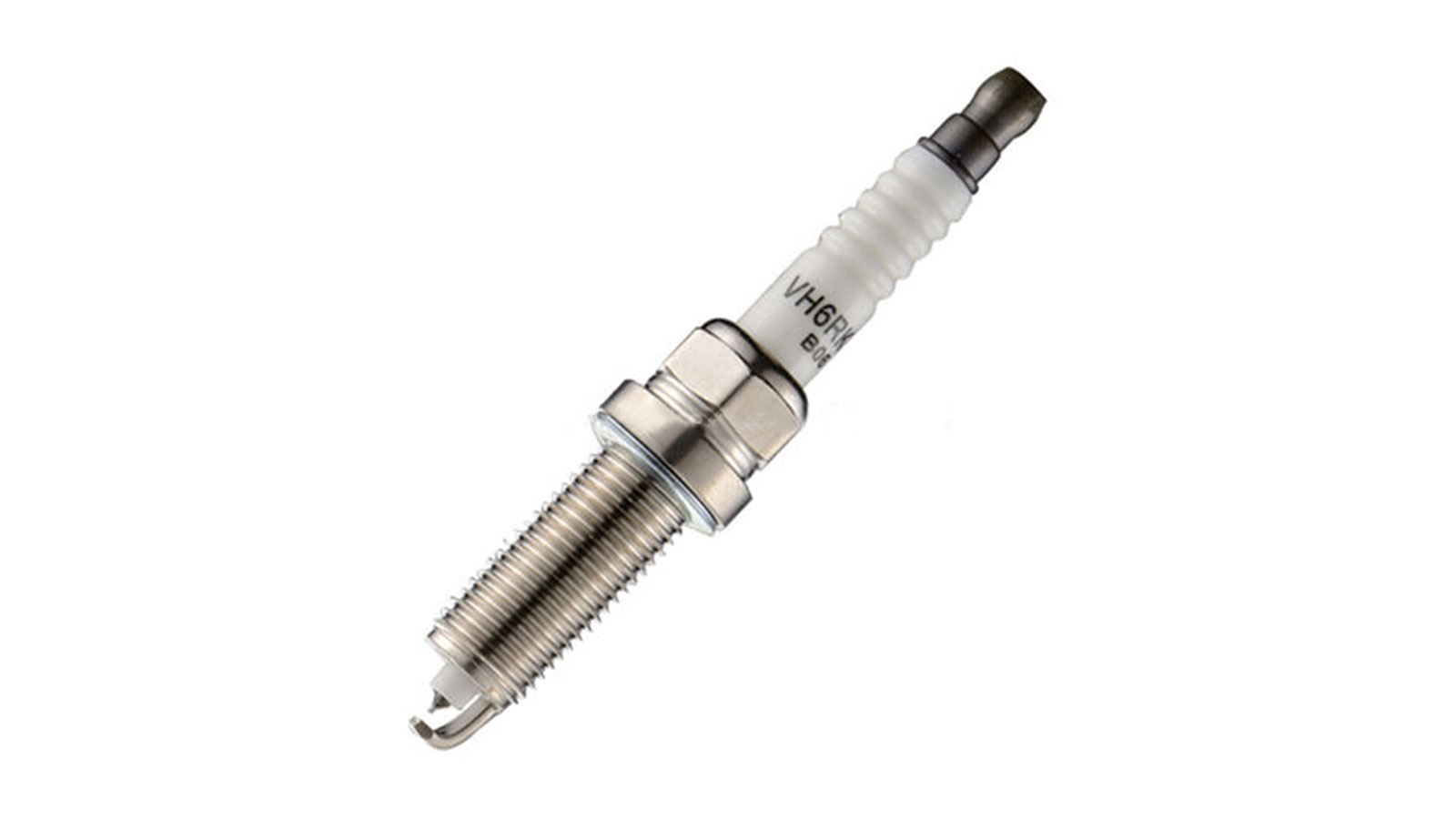
Spark plug
Company: Cixi Wang's Automobile Parts Fty
The Sc20hr11-9621 from Cixi Wang's is a spark plug with part number 90919-01253 compatible with the Toyota Corolla and Prius. It has a resistor, gasket seat, nickel grounding electrode and center electrode with an iridium tip. The thread size and pitch are 14mm and 1.25mm, the reach is 26.5mm and the hex size is 16mm.
MOQ: 3,000 units
Lead time: 30 to 40 days
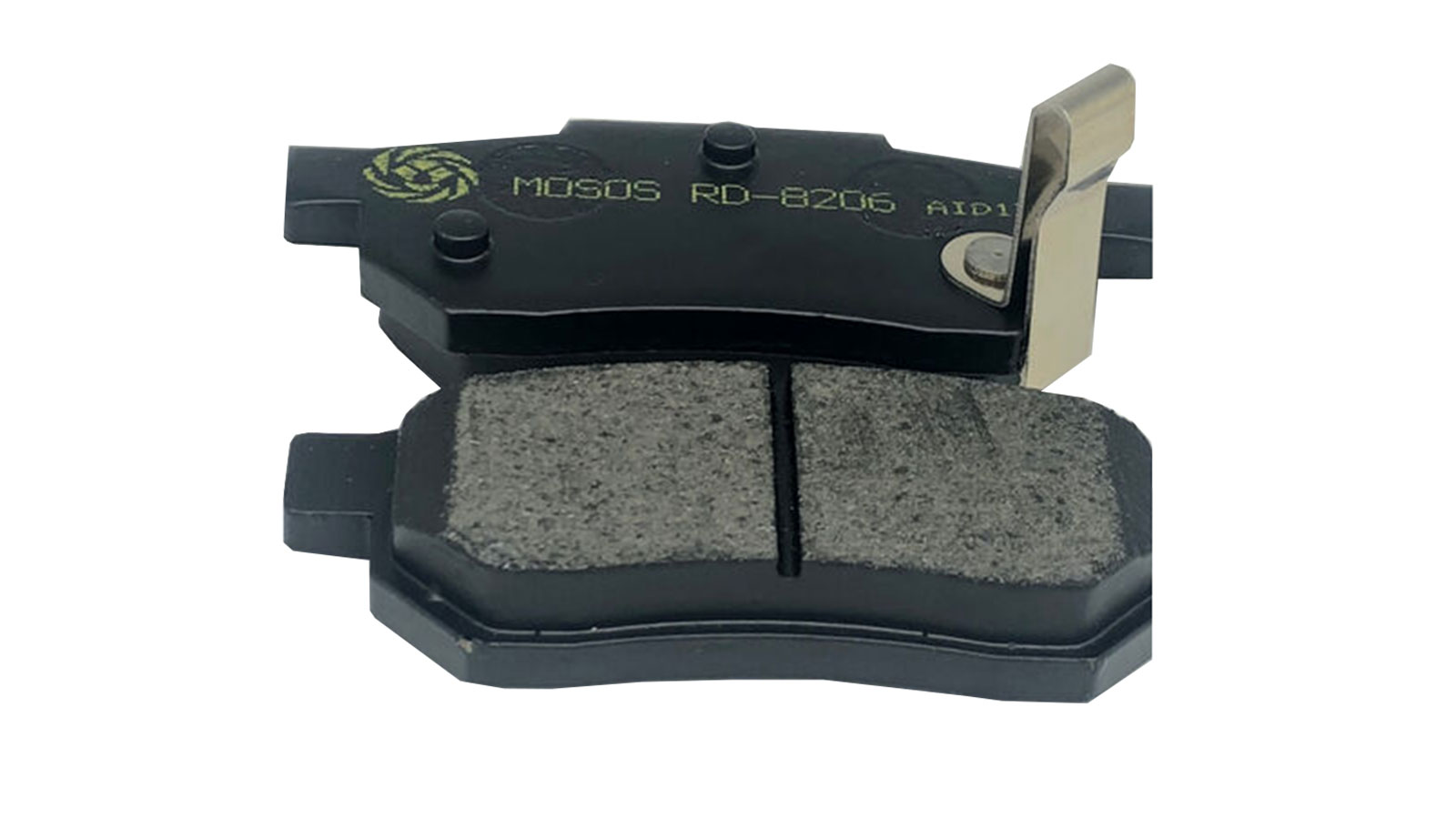
Brake pads for rear axles
Company: Dongguan Roland Brake Technology Co. Ltd
Dongguan Roland’s model RD-8206 is a set of semimetallic rear axle brake pads compatible with the Honda Civic and Accord 2001. It measures 88.8x35.3x13mm. The operating temperature is 27 to 650 C, with an optimal range at up to 400 C. This product, compliant with Ameca and E-Mark standards, comes with a one-year warranty and is available in ceramic, low-metallic and non-asbestos organic variants as well.
MOQ: 100 sets
Lead time: 45 to 60 days
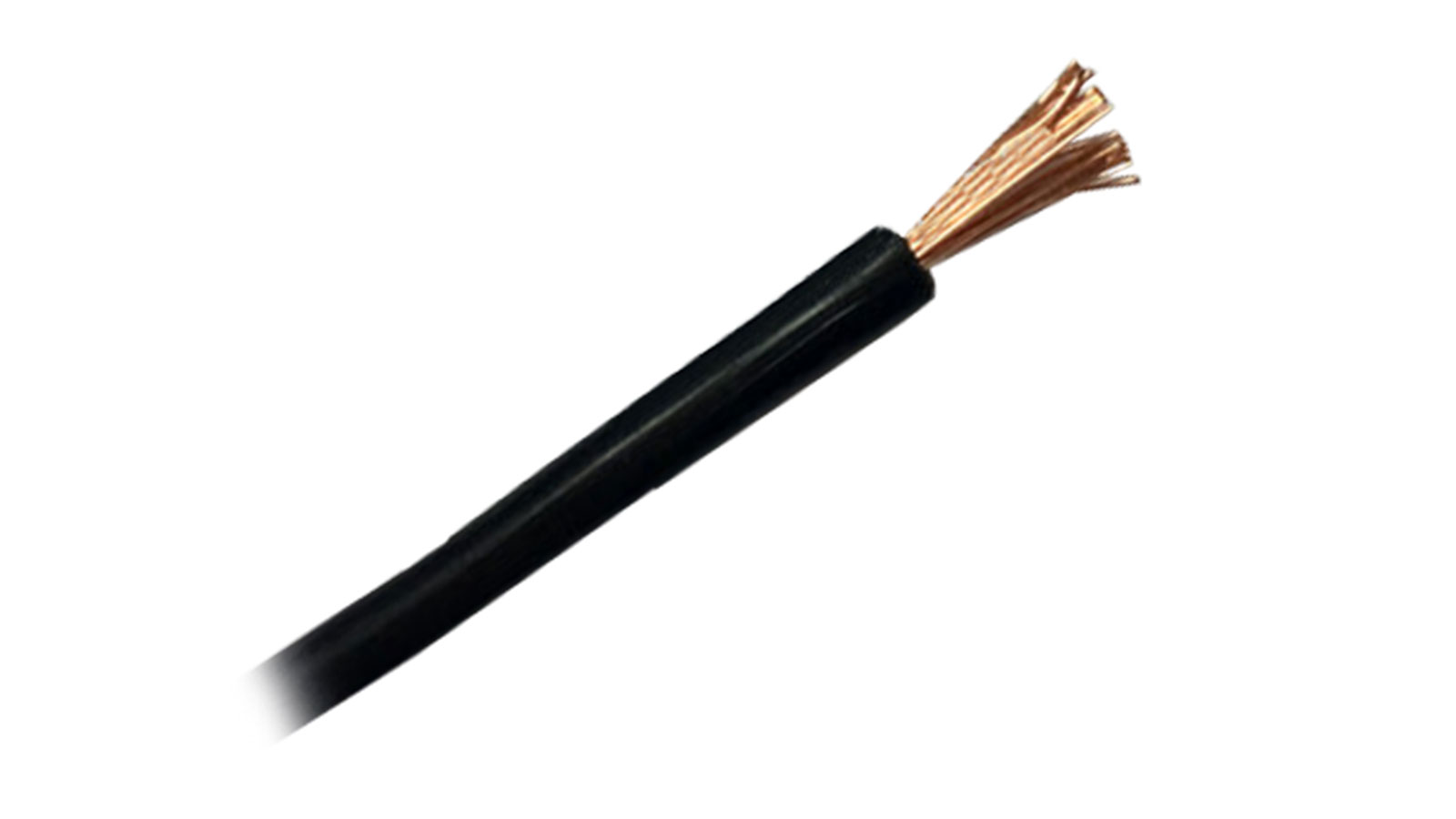
Oxygen-free copper cable
Company: Dongguan Shilong Lianfa Hardware & Electric Co. Ltd
Dongguan Shilong Lianfa offers the 12V/24V PVC Auto Cable 63-8872, which is available in variants with two to 10 cores and a rating of 5 to 25A.
This cable, which may be solid or stranded, has 100 percent oxygen-free pure copper conductors and PVC insulation. It complies with IE C227, BS6004 and AS/NZS 5000.2 standards. The shelf life is 30 years.
MOQ: 10,000 meters
Lead time: 10 to 30 days
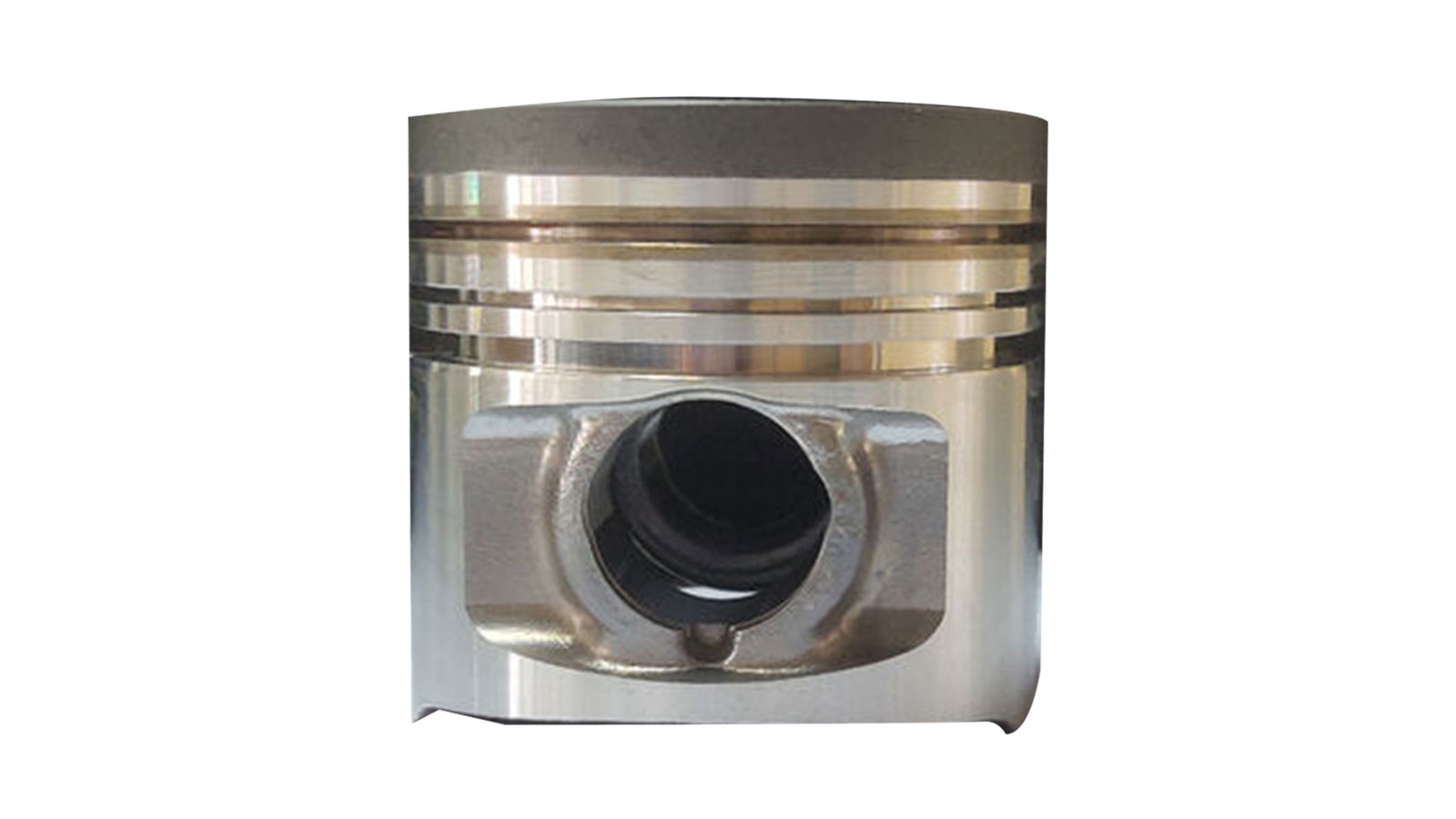
Automotive piston
Company: Guangzhou Eurosun Piston Co. Ltd
This piston from Guangzhou Eurosun, with model number 5014 332AA, is compatible with the Chrysler HR Turbo.
MOQ: On direct inquiry
Lead time: 30 to 45 days
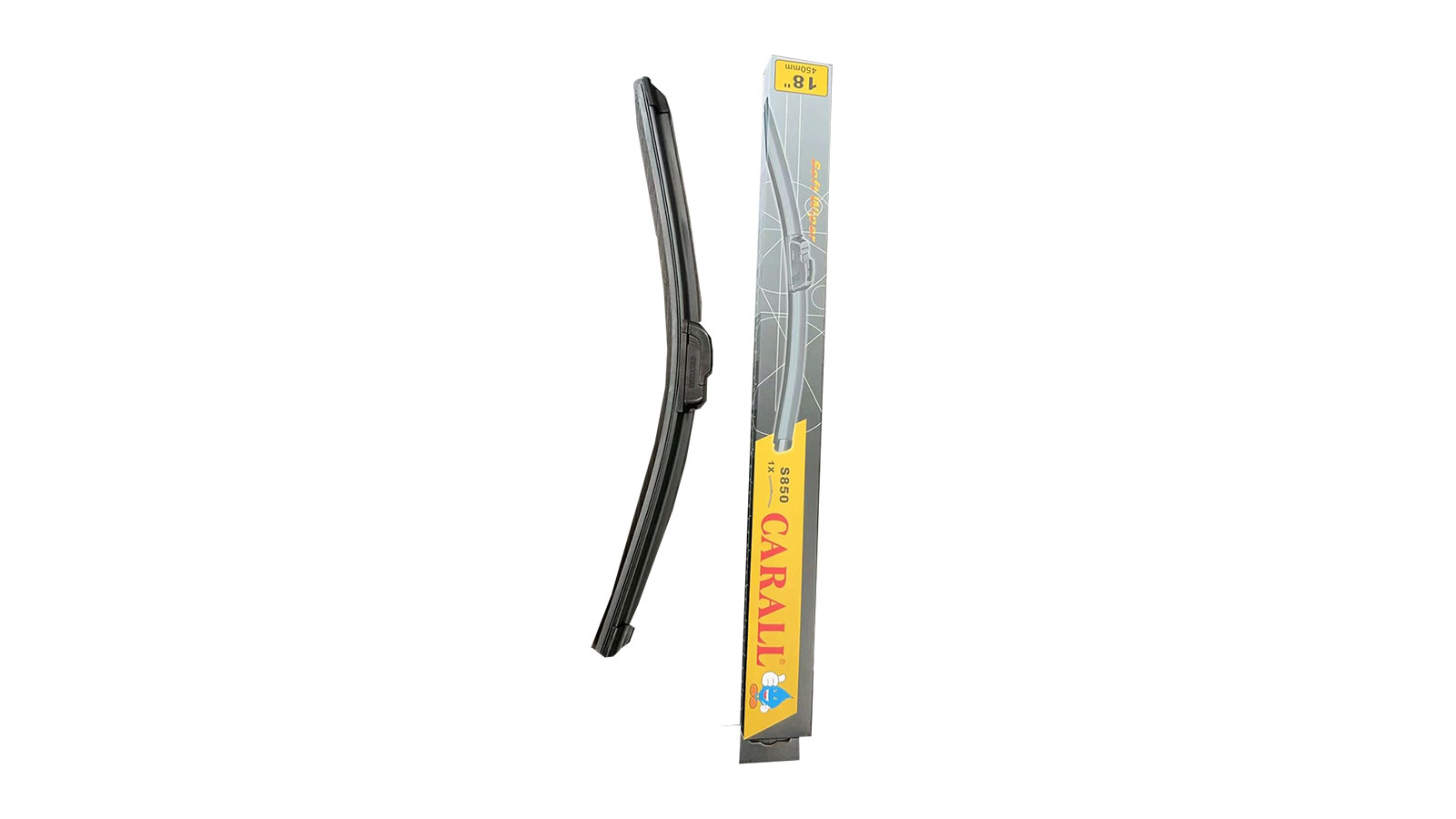
Wiper blade
Company: Xiamen Deerxuan Car Accessories Co. Ltd
The S850A from Xiamen Deerxuan is a front windshield wiper blade measuring 14 to 28in in length. It is made of natural rubber, plastic and stainless steel and has a locking mechanism for easy installation. This frameless product includes nine adapters and can be used in most cars.
MOQ: 50 pieces
Lead time: 15 to 60 days
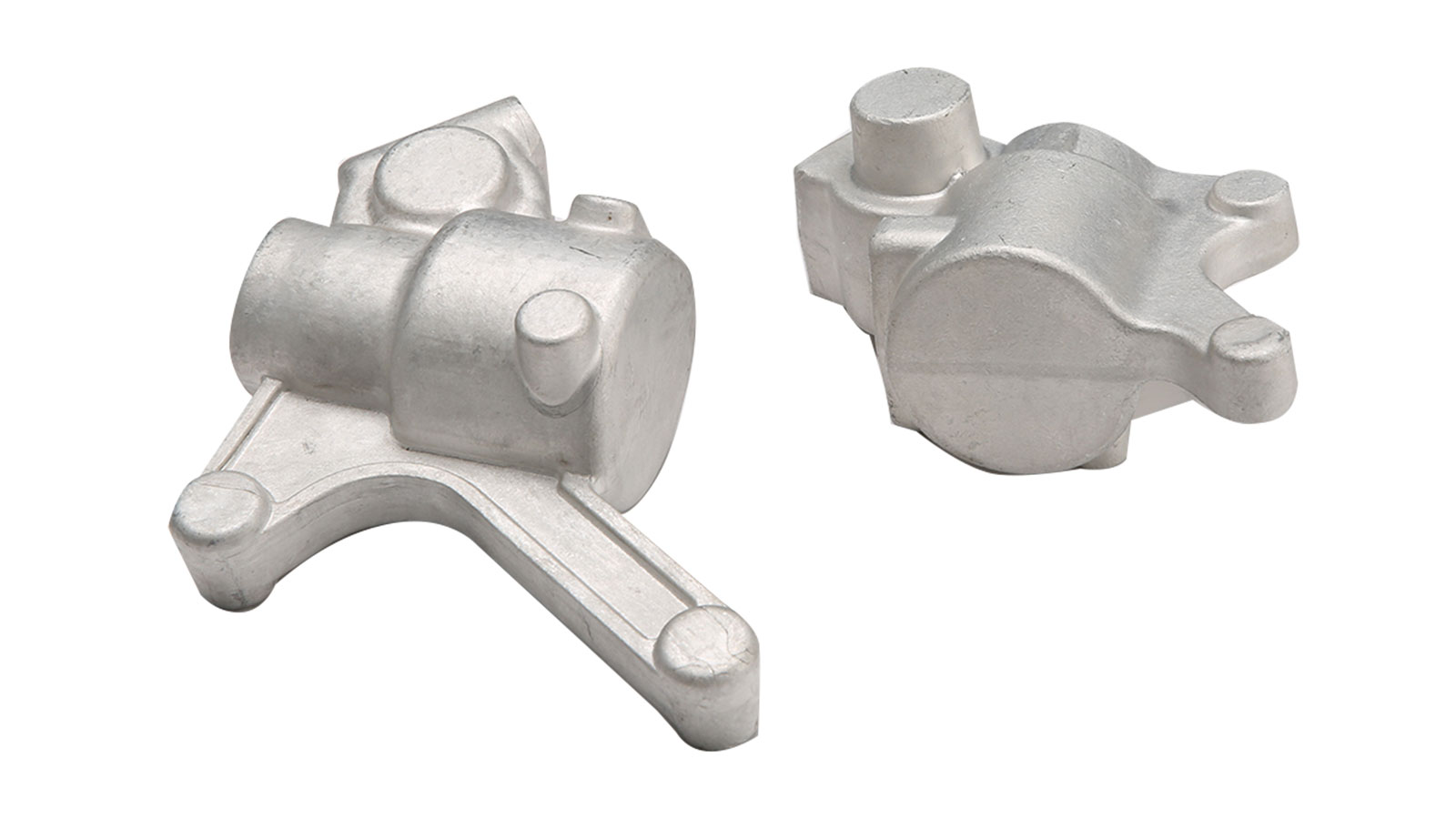
Brake valve
Company: Zhejiang Aviation Precision Forging Co. Ltd
Zhejiang Aviation’s model BR001 is a brake valve made using aluminum and forging.
MOQ: 500 pieces
Lead time: 15 to 40 days

