




Image from iStock
Die-casting and stamping are among the most widely used metal forming methods. Die-casting produces complex shapes with excellent surface finishes and dimensional accuracy, while stamping is a go-to solution for creating everything from appliance panels to intricate electronic connectors. Together, these processes play a critical role in modern industry, enabling the efficient, repeatable and cost-effective production of metal parts for a range of applications.
Die-casting
Die-casting is a highly efficient metal forming process used to manufacture precise, complex and high-volume metal parts. It involves forcing molten metal under high pressure into a specially designed steel mold or die. Once the metal cools and solidifies, the finished part is ejected, ready for use or minimal finishing.
One of its standout advantages over metal stamping, forging or machining is the ability to create parts with intricate shapes and fine details in a single process. Die-casting delivers exceptional dimensional accuracy and smooth surface finishes, often eliminating the need for further machining or polishing. This makes it ideal for components that require tight tolerances and aesthetic quality, such as those used in the automotive, electronics and consumer products industries.
In addition, die-casting is extremely efficient for mass production. Once the die is made, the process can quickly and consistently produce thousands of identical parts, making it cost-effective for large-scale manufacturing runs. The process also minimizes material waste, as most of the molten metal is utilized, and excess material can be recycled.
Another key advantage is the ability to integrate multiple features or parts into a single die-cast component, reducing assembly steps and improving product strength and reliability.
When compared to stamping or forging, die-casting stands out for its versatility in creating complex geometries, thin walls and intricate details. While forging is best for producing very strong, simple parts and stamping excels at shaping flat metal sheets, die-casting offers a unique combination of design freedom, precision and speed.
The materials best suited for die-casting are nonferrous metals, which melt at lower temperatures and flow easily into the detailed cavities of a die. They include aluminum alloys valued for their light weight, strength and corrosion resistance; zinc alloys for their ability to produce thin-walled and highly detailed parts; and magnesium alloys for being the lightest structural metals, ideal for applications where weight is a concern. Copper alloys are also used in specialized cases for their strength and conductivity, though less frequently due to higher melting points and cost.
In summary, die-casting is a cornerstone of modern manufacturing, offering unmatched efficiency, precision and versatility for producing high-quality metal parts. Its key advantages – superior detail, high production speed and material efficiency – make it the preferred choice for many industries, especially when using materials like aluminum, zinc and magnesium alloys.
Metal stamping
Stamping involves shaping flat sheets of metal into specific forms using a press and a die. The process encompasses a variety of operations such as blanking, punching, bending, embossing and coining, which can be combined or performed separately to create complex parts. Metal stamping is essential in the production of components for automotive, electronics, appliances and many other industries where high-volume, uniform parts are required.
One of its major advantages compared to die-casting, forging or machining is efficiency and speed in high-volume production. Stamping presses can rapidly produce thousands of identical parts with consistent quality, making it highly cost-effective for large-scale manufacturing. The process is also highly repeatable, ensuring uniformity and precision across all parts produced.
Another advantage is the ability to work with a wide range of materials and thicknesses, from very thin foils to thicker sheets. Metal stamping is especially effective for producing lightweight, flat or slightly contoured parts, and it allows for the creation of intricate shapes and patterns through precise tooling. Additionally, because stamping is a cold-forming process, it can maintain the material’s inherent strength and surface finish, usually eliminating the need for extensive post-processing.
Metal stamping also offers lower tooling costs than processes like die-casting or injection molding, particularly for simpler part geometries. It generates minimal waste, as parts can be nested efficiently on the metal sheet, and any scrap can be recycled.
The best materials for metal stamping are malleable enough to be formed without cracking or breaking. Common choices include carbon steel for its strength and affordability; stainless steel for corrosion resistance; aluminum for light weight and good formability;
copper and brass for electrical conductivity and ease of forming; and various specialty alloys. The selection of material depends on the application’s specific requirements for strength, conductivity, corrosion resistance and formability.
In summary, metal stamping is a fast, reliable and economical method for producing high volumes of precision metal parts. Its key advantages of speed, material versatility, low waste and consistent quality make it a preferred choice for many industries. The process is best suited to malleable sheet metals like steel, aluminum, copper and their alloys, supporting a wide range of applications from automotive panels to electronic connectors.
Tips for outsourcing metal parts
Outsourcing the manufacturing of die-cast and stamped metal parts can help companies access specialized expertise, reduce costs and focus on core competencies. However, achieving consistent quality and timely delivery requires careful planning and supplier management. Here are key tips to help ensure a successful outsourcing experience:
Define clear specifications
- Provide detailed drawings, 3D models and technical requirements
- Specify tolerances, material grades, surface finishes and any critical dimensions
- Include standards (e.g., ASTM, DIN, ISO) and inspection criteria
Choose the right supplier
- Look for suppliers with proven experience in your industry and the specific process whether die-casting or stamping
- Evaluate their certifications (such as ISO 9001), production capacity and quality control systems
- Request references or case studies from similar projects
Assess tooling capabilities
- Inquire about the supplier’s die/mold and stamping die design expertise
- Confirm their ability to handle part complexity, size and required production volume
- Discuss tooling lead times, costs and maintenance responsibilities
Request samples or prototypes
- Before full-scale production, ask for prototypes or initial samples to validate part quality, fit and function.
- Use these samples for testing and to refine design or process requirements if necessary
Clarify quality assurance processes
- Understand the supplier’s inspection procedures, measurement equipment and traceability systems
- Agree on inspection frequencies, reporting formats and acceptance criteria
- Consider third-party audits or inspections for critical parts
Communicate forecasts and lead times
- Provide realistic production forecasts and timelines to help suppliers plan materials and capacity
- Clarify expected lead times for both initial tooling and ongoing production
Consider logistics and packaging
- Discuss shipping options, incoterms (EXW, FOB, DDP, etc.) and customs requirements
- Ensure proper packaging to protect parts during transit and storage
Review cost structure and payment terms
- Break down all costs, including tooling, unit price, secondary operations, finishing, inspection and shipping
- Establish clear payment terms and milestones (e.g., deposits, payments on delivery, etc.)
Plan for design changes and flexibility
- Determine how design modifications will be managed and quoted after production starts
- Choose suppliers who can accommodate changes in volume or specifications if your needs evolve
Build strong relationships
- Maintain open communication channels for addressing issues quickly
- Arrange regular reviews or visits (in-person or virtual) to monitor progress and align expectations
Advantages of outsourcing die-casting, stamping
Outsourcing the production of die-cast parts and stamped metal components is a strategic choice for many companies. This approach offers a range of advantages, allowing businesses to stay agile, control costs and deliver high-quality products to market faster.
One compelling benefit is cost savings. By partnering with specialized suppliers, companies avoid the significant capital investment required for purchasing die-casting machines, stamping presses and precision tooling. This also eliminates the ongoing expenses associated with maintaining a manufacturing facility and managing a specialized workforce. Instead, resources can be directed toward core business activities such as product development, marketing and customer service.
Outsourcing also provides access to technical expertise and advanced technology. Established suppliers have years of industry experience and usually use the latest equipment, quality control systems and best practices. This means outsourced parts are manufactured with high precision and consistency, meeting tight tolerances and quality standards. Many suppliers hold industry certifications, providing further assurance of reliability and product performance.
Another key advantage is operational flexibility. Outsourcing allows companies to quickly scale production up or down in response to market demand, without the constraints of in-house capacity. It also reduces risk by enabling businesses to diversify their supply chain or take advantage of suppliers located closer to end markets, which can shorten lead times and lower shipping costs.
Finally, outsourcing can enhance innovation and efficiency. Experienced partners offer value-added services such as design support, finishing, assembly and packaging, helping to optimize parts for manufacturability and cost-effectiveness. With these benefits, companies can focus on what they do best while leveraging the specialized skills and resources of their manufacturing partners.
In summary, outsourcing die-cast and stamped metal parts is a smart way to reduce costs, improve quality, increase flexibility and accelerate time to market – all critical factors for success in today’s global economy.
China still a viable source for metal parts
Amid rising US tariffs and shifting global trade dynamics, many companies are reevaluating their supply chains and sourcing strategies. Yet, despite these challenges, China continues to hold a strong position as a source for die-cast parts and stamped metal components. Several important factors contribute to China's ongoing viability in this sector, even as tariffs add cost and complexity.
First, China boasts a vast network of die-casting and stamping suppliers supported by decades of experience, world-class facilities and a skilled workforce. Many Chinese factories have invested heavily in advanced machinery, automation and quality control, enabling them to deliver precise, high-volume production that meets international standards. For companies needing large quantities, intricate designs or rapid turnaround, this capability is difficult to replicate elsewhere on short notice.
Second, China’s mature supply chain infrastructure provides easy access to raw materials, tooling and auxiliary services such as finishing, assembly and logistics. This integrated ecosystem allows for efficient production and can offset some of the costs imposed by tariffs. In many cases, the overall savings from lower labor costs, higher productivity and economies of scale still make Chinese sourcing competitive, especially for complex or labor-intensive components.
Moreover, Chinese suppliers are often flexible and responsive to customers' needs. Many offer improved customer service, transparent pricing and options like partial local assembly or value-added services that can help reduce the tariff impact. Some manufacturers have also established operations in neighboring countries, giving buyers the option to diversify sourcing while still leveraging Chinese expertise and know-how.
Finally, the sheer volume and capacity of Chinese manufacturing mean that, for many companies, there are simply more qualified suppliers to choose from in China than in other regions. This abundance fosters competition, drives innovation and helps maintain high quality at reasonable prices.
In summary, while high US tariffs have changed the economics of outsourcing to China, the country’s strengths in manufacturing scale, expertise, supply chain integration and supplier diversity continue to make it a viable source of die-cast and stamped metal parts. Companies that carefully select and manage their Chinese partners can still find significant value, even in a more challenging trade environment.
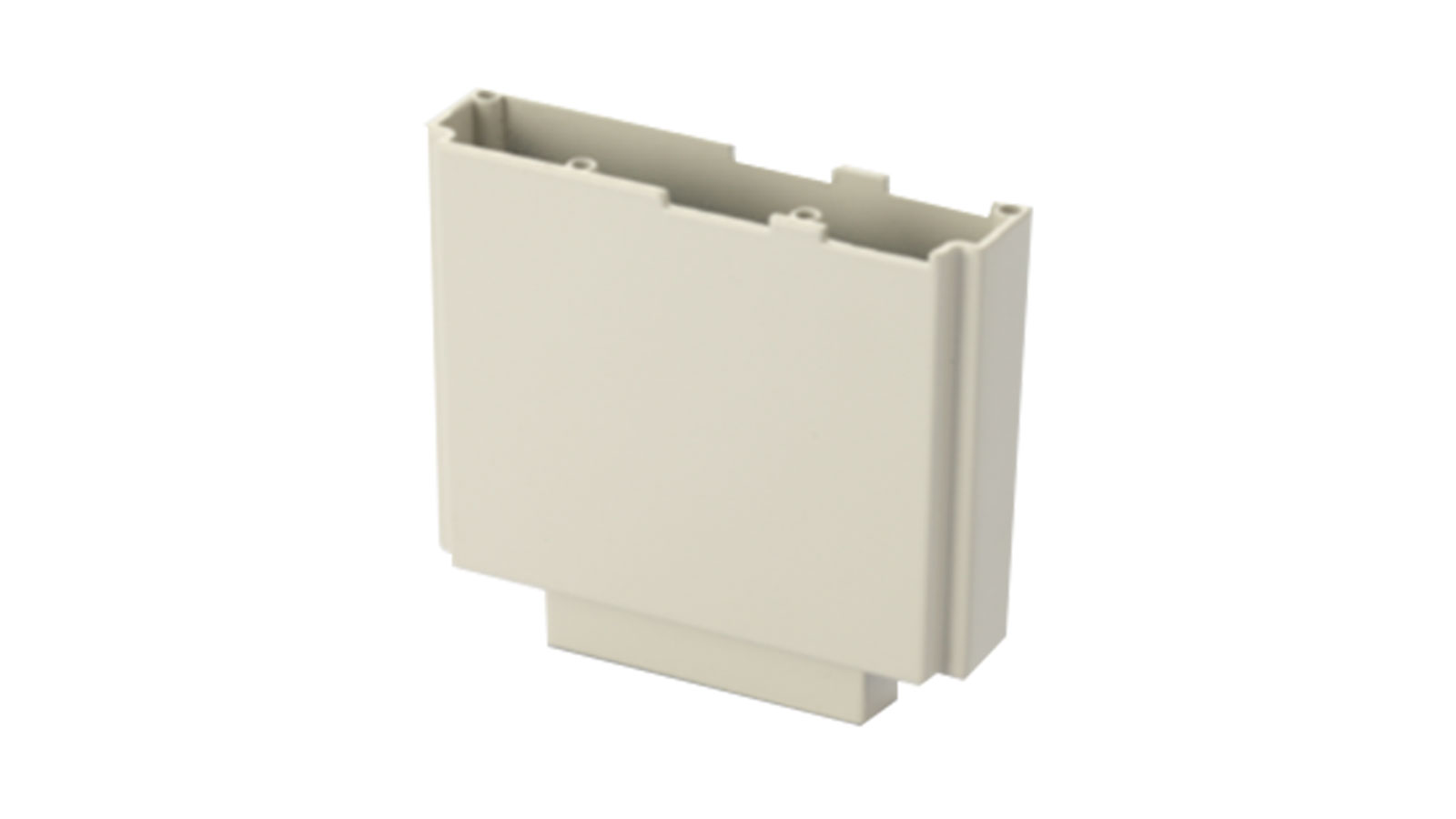
Die-cast zinc alloy part
Company: Dongguan Kinggold Industry Co. Ltd
The KGI-1208G from Dongguan Kinggold is a die-cast part for base stations. It is made of zinc alloy and has a powder-coated finish. This metal part conforms to RoHS and REACH standards.
MOQ: 1,000 pieces
Lead time: 15 to 20 days
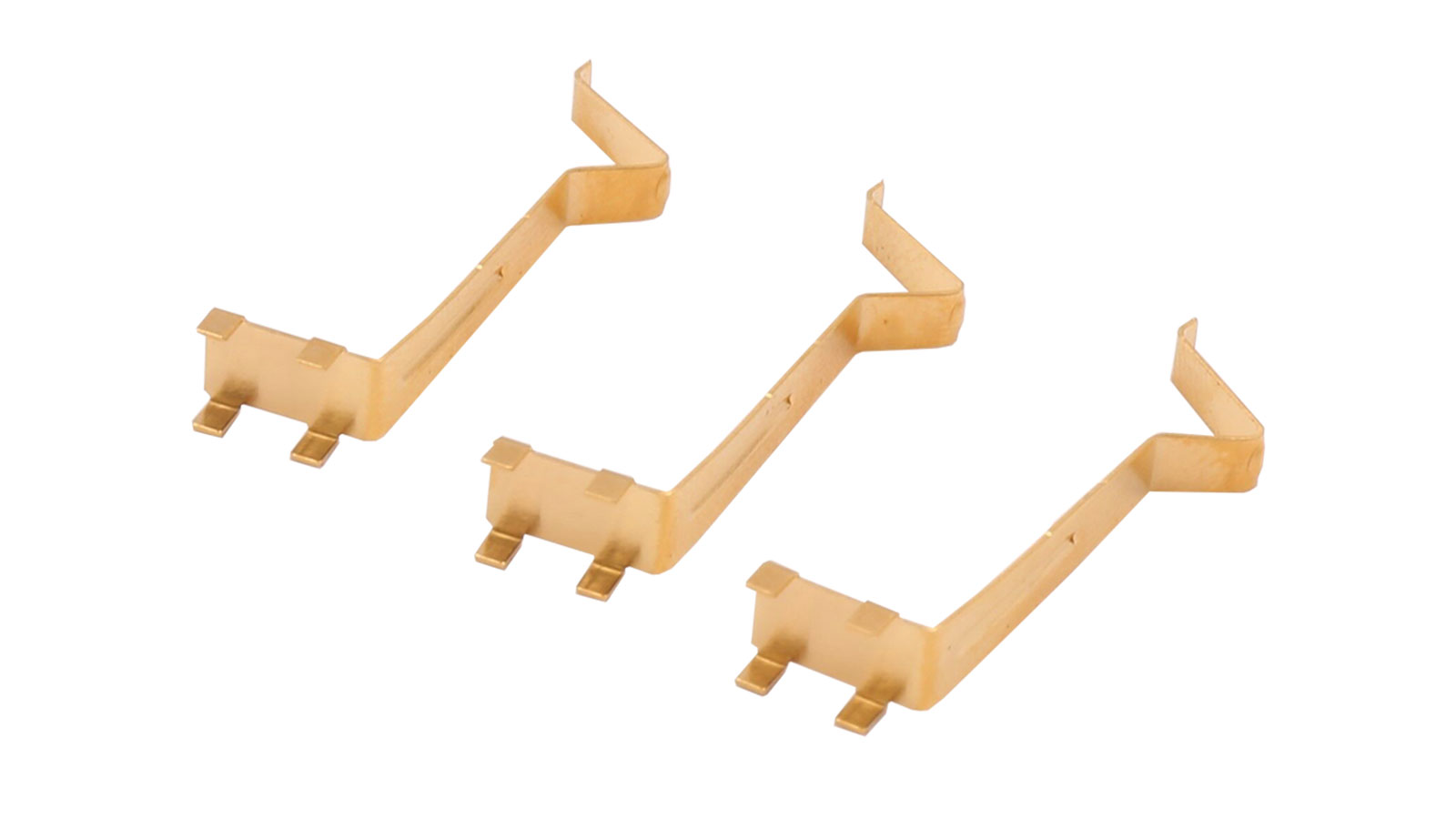
Stamped phosphor bronze part
Company: Dongguan Kinggold Industry Co. Ltd
Dongguan Kinggold’s model KGI-1172G is a stamped metal contact for battery chargers. It is made of gold-plated phosphor bronze and measures 0.3mm in thickness. This part meets RoHS and REACH requirements.
MOQ: 8,000 pieces
Lead time: 15 to 25 days
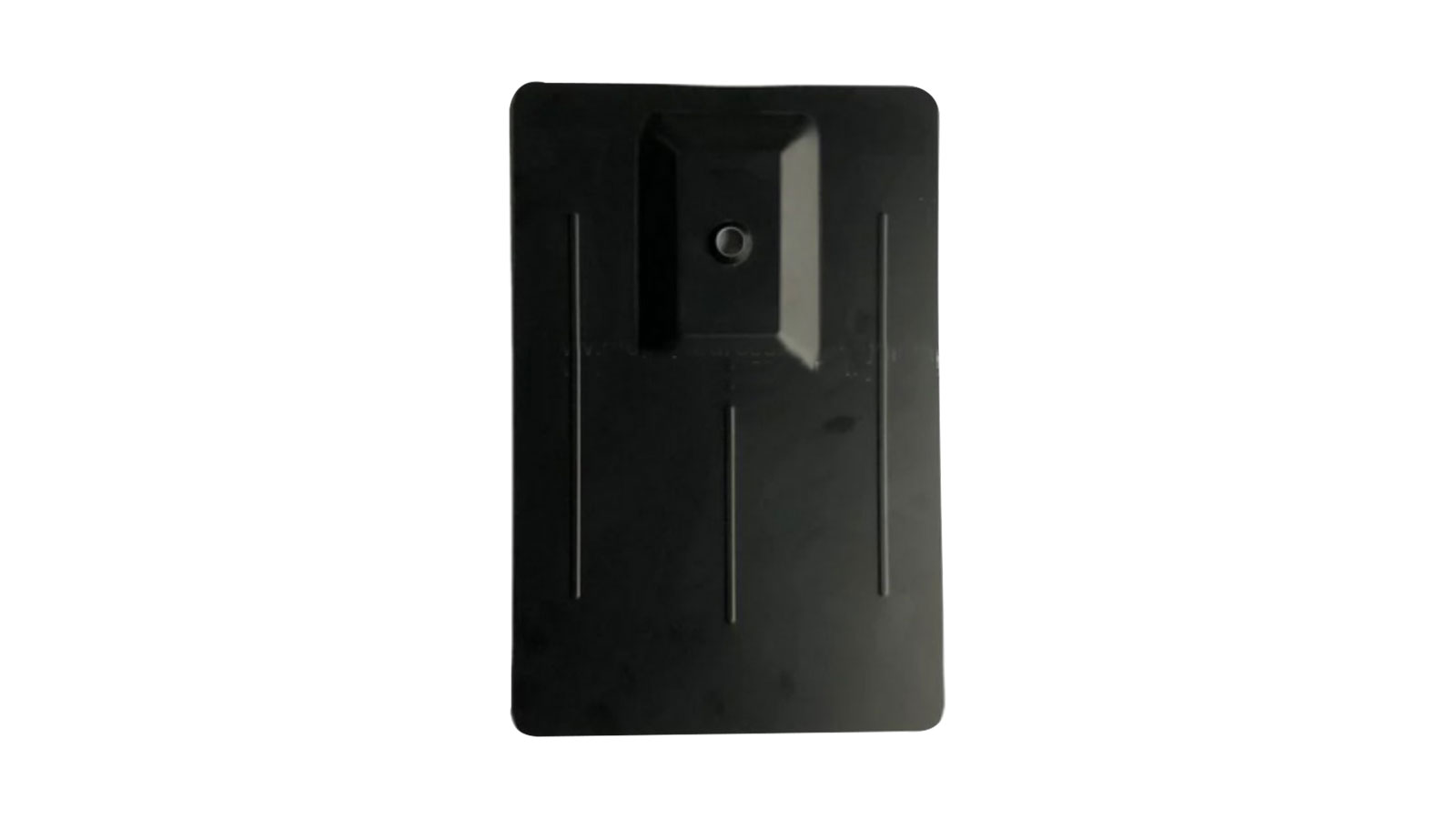
Stamped aluminum plate
Company: Dongguan Mei Jie Metal Parts Ltd
The MJ-MSJ-402 from Dongguan Mei Jie is a solar panel roof mount flashing plate made of aluminum and processed using stamping. Its tolerance range is 0.02 to 0.1mm.
MOQ: 500 pieces
Lead time: 7 to 12 days
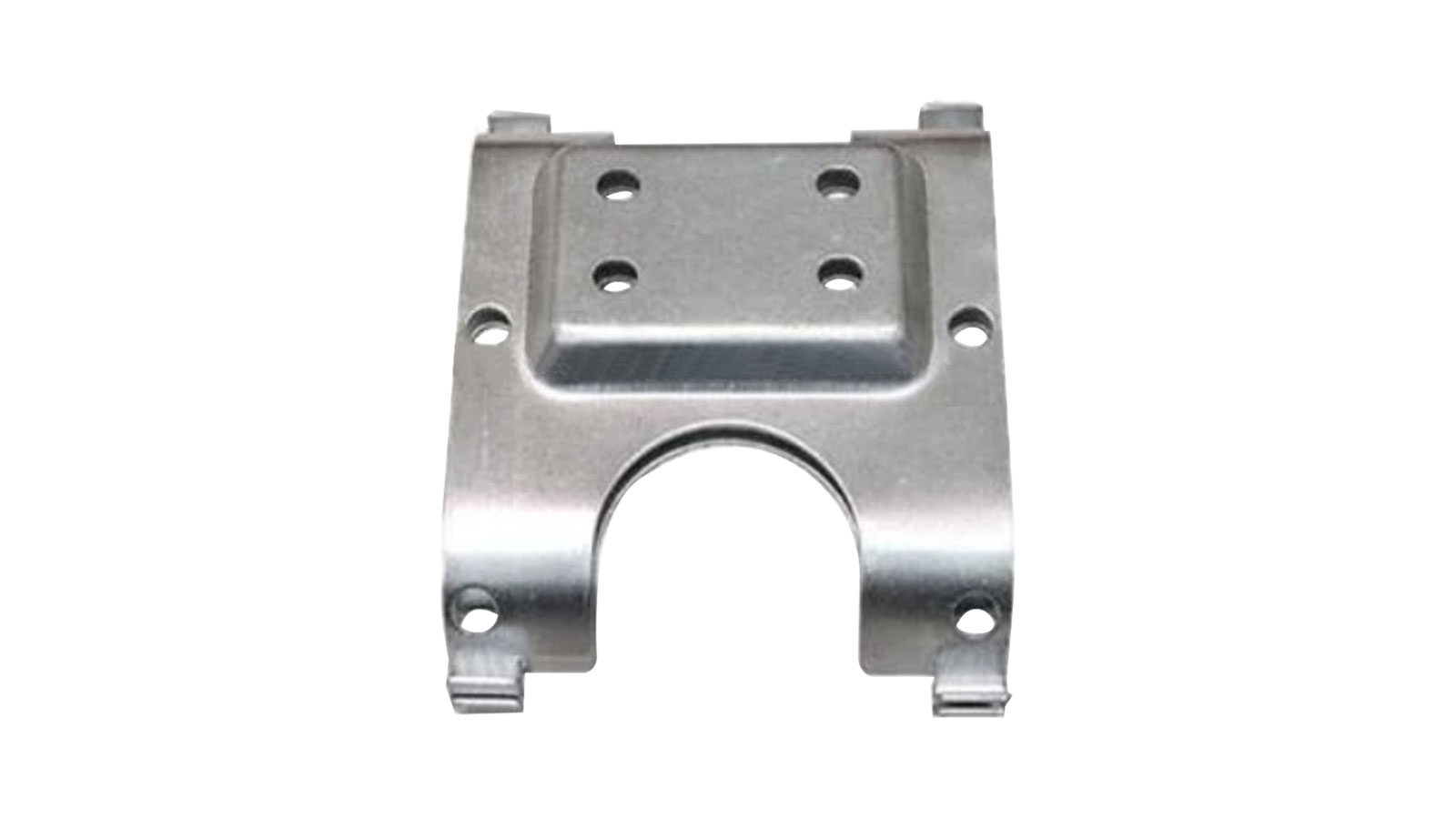
Stamped 42CrMo4 part
Company: Dongguan Mei Jie Metal Parts Ltd
Dongguan Mei Jie offers stamped truck parts such as the MJ-MS-005. This product is made using 42CrMo4, a strong low-alloy steel. It complies with various industry standards, including CE, RoHS, FCC, LVD, EMC, PSE, CB, UKCA, ETL, UL, SAA and CCC.
MOQ: 1,000 pieces
Lead time: 5 to 10 days
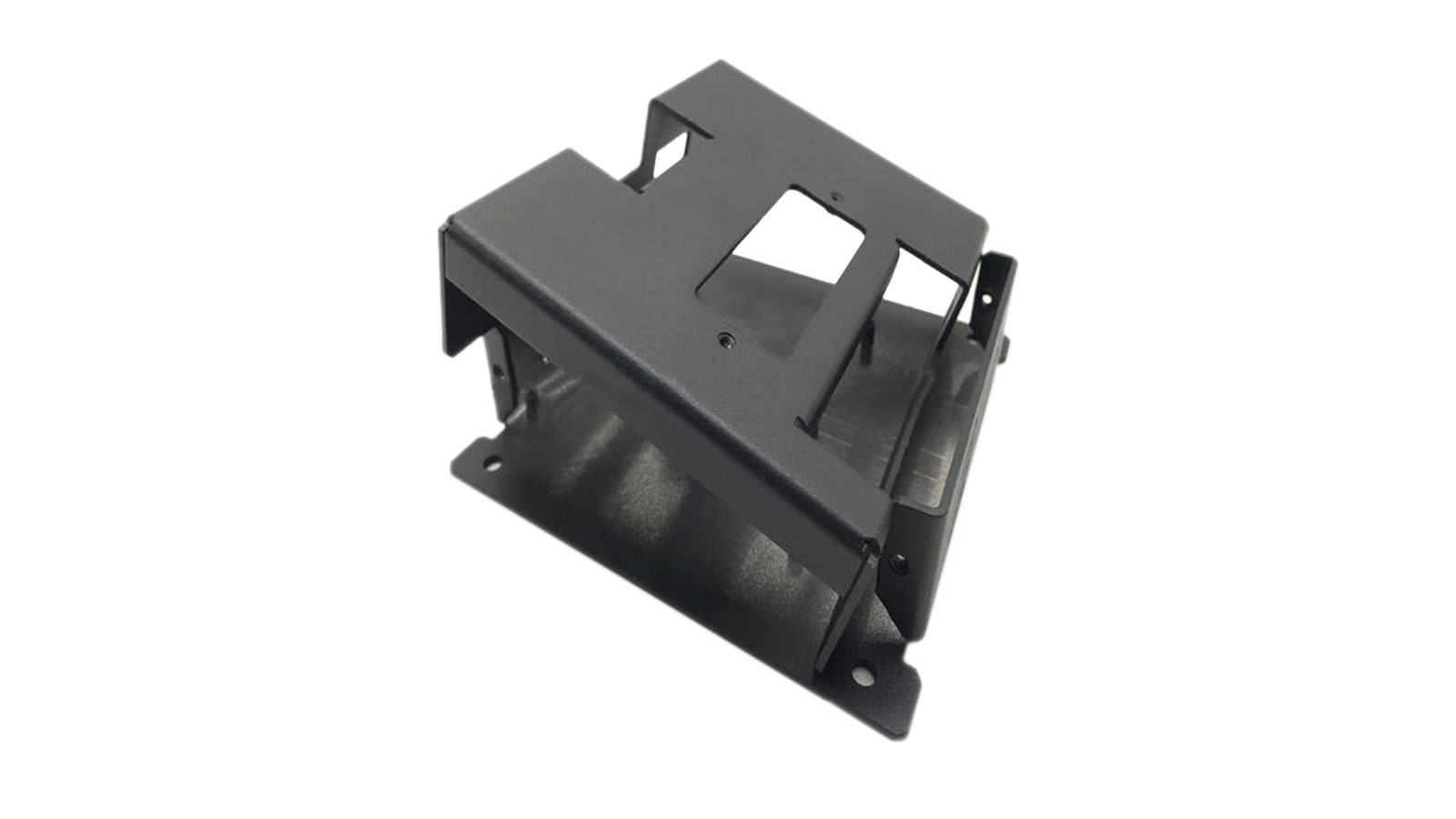
Stamped steel part
Company: M&E Metalworks Ltd
The ME-540 from M&E is a stamped steel part with a zinc- or powder-coating surface finish. Its tolerance range is ±0.01 to ±0.05mm. This part can be made from a drawing or sample.
MOQ: 1,000 pieces
Lead time: 15 to 25 days
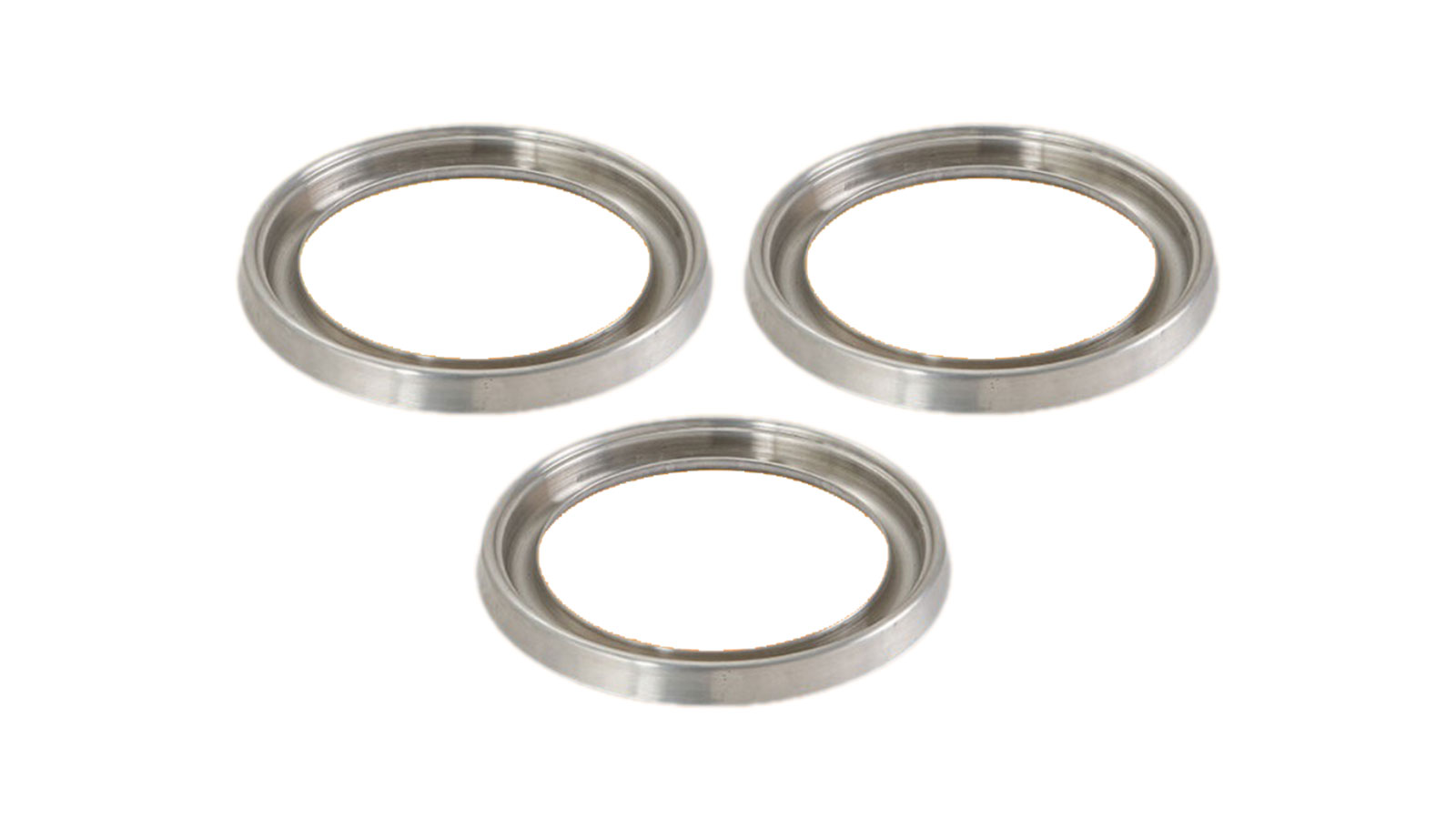
Die-cast metal part
Company: Zhongshan Qili Electric Appliance Co. Ltd
Zhongshan Qili’s QL-2025172504 is a die-cast ring that can be custom-made from any metal material, and post-processed and tested according to requirement.
MOQ: 10 pieces
Lead time: 10 to 20 days

