




Pneumatic or air motors are a crucial component in many industries, providing reliable mechanical power for a wide range of applications. There are two primary types: vane and piston motors.
Vane motors are known for their simplicity, durability and consistent performance. They use vanes that slide in and out of rotor slots to create rotational motion. Piston motors have reciprocating pistons that convert compressed air into linear motion, which is then transformed into rotational motion. They are highly efficient and capable of delivering high torque, making them ideal for heavy-duty applications.
Benefits of pneumatic motors
Pneumatic motors offer several advantages over other electric and hydraulic types.
High power-to-weight ratio: They are very lightweight for the amount of power that can be produced. This makes them ideal for applications where weight is a concern, such as in aircraft or robots.
High starting torque: These motors can produce a high amount of torque even at low speeds and are therefore ideal for applications that require a lot of starting power, such as starting large engines or lifting heavy loads.
Variable speed: Their speed can be easily controlled by adjusting the air pressure. This makes them suitable for applications that require variable speed control, such as in conveyor belts or fans.
High efficiency: Pneumatic motors are highly efficient, as they convert a large percentage of the input air pressure into useful work.
Simple design and low maintenance: Pneumatic motors are easy to maintain and repair. They have no complex electronic circuits or wiring, making them less prone to issues like overheating, overloading and electrical failures. This makes them less expensive than other types of motor.
Safe and clean operation: Pneumatic motors are safe to operate in hazardous environments or in areas with flammable or explosive materials because they do not produce sparks or heat. They do not produce any emissions either, and this makes them environmentally
friendly.
While pneumatic motors offer these advantages, they also have limitations. They have a limited speed range compared to other types of motor and can be noisy, especially at high speeds. They require a constant supply of compressed air, which can be expensive to generate. In addition, they are sensitive to moisture, which can cause them to rust or malfunction, and to temperature, which can affect their performance. It is important to carefully consider these limitations when selecting a power device for specific applications.
Uses of pneumatic motors
Pneumatic motors find applications in various industries. In manufacturing, they are commonly used on assembly lines to power conveyor belts, pumps and other machinery, while in the construction industry, they are utilized in heavy machinery, such as cranes, excavators, jackhammers and drills. These motors also play a crucial role in automotive assembly plants, powering robotic arms and other automated systems, and in transportation applications, such as in buses, trucks and trains.
In the aerospace industry, they are found in aircraft systems, such as landing gear, flight control mechanisms and door actuators. Pneumatic motors are also used in some medical applications, including dental drills and surgical instruments.
Pneumatic motors are indispensable in many industries, offering reliable mechanical power for various applications. With their durability, versatility and ability to operate in hazardous environments, they continue to play a vital role in industrial processes.
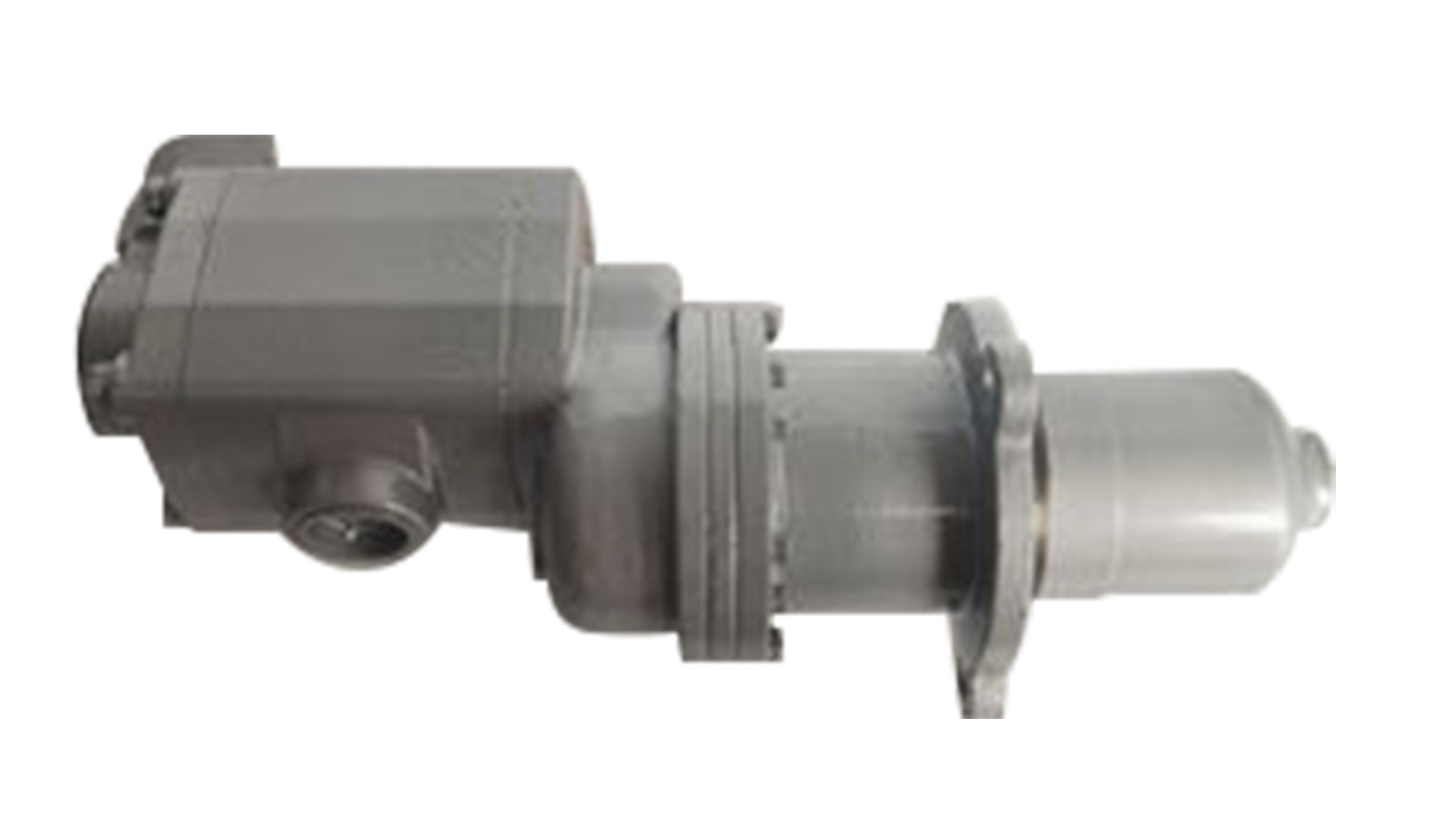
0.8MPa rated pressure
Company: Flame Diesel Co. Ltd
Flame markets the QQ-20, a pneumatic motor for Weichai 6200/8200 marine diesel engines as well as for construction machinery and the diesel engines of generators. This product has a rated pressure of 0.8MPa, rated power of 9.7kW and rated speed of 1,500rpm.
MOQ: 3 units
Lead time: 15 to 30 days
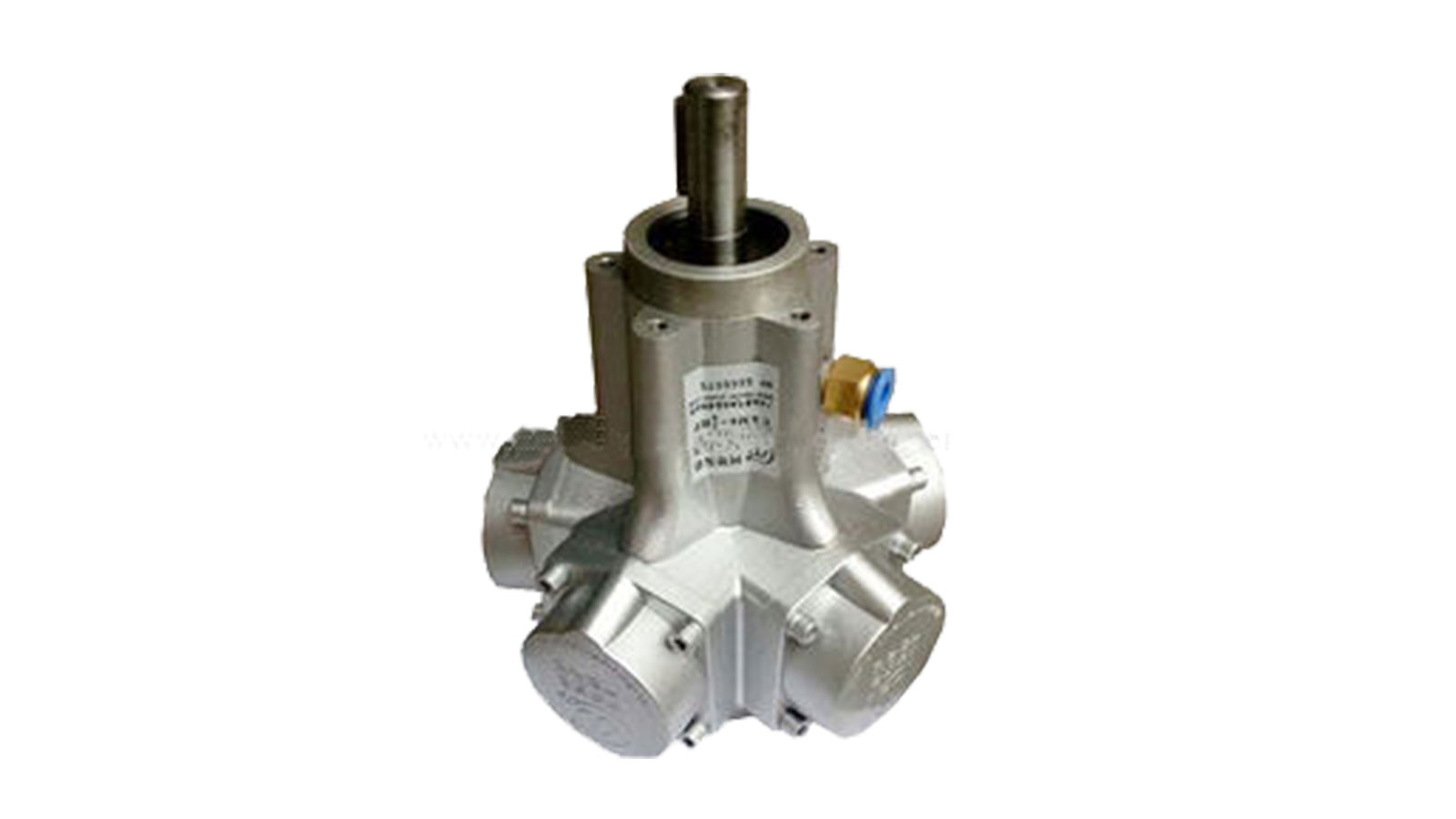
Explosionproof
Company: Guangzhou Canner Pneumatic Equipment Co. Ltd
The CAM6-T-6727-4378 from Guangzhou Canner is an explosionproof pneumatic motor designed for face or flange mounting. This piston-type unit is made of aluminum. It has stepless speed control and is reversible.
MOQ: 1 set
Lead time: 15 to 20 days
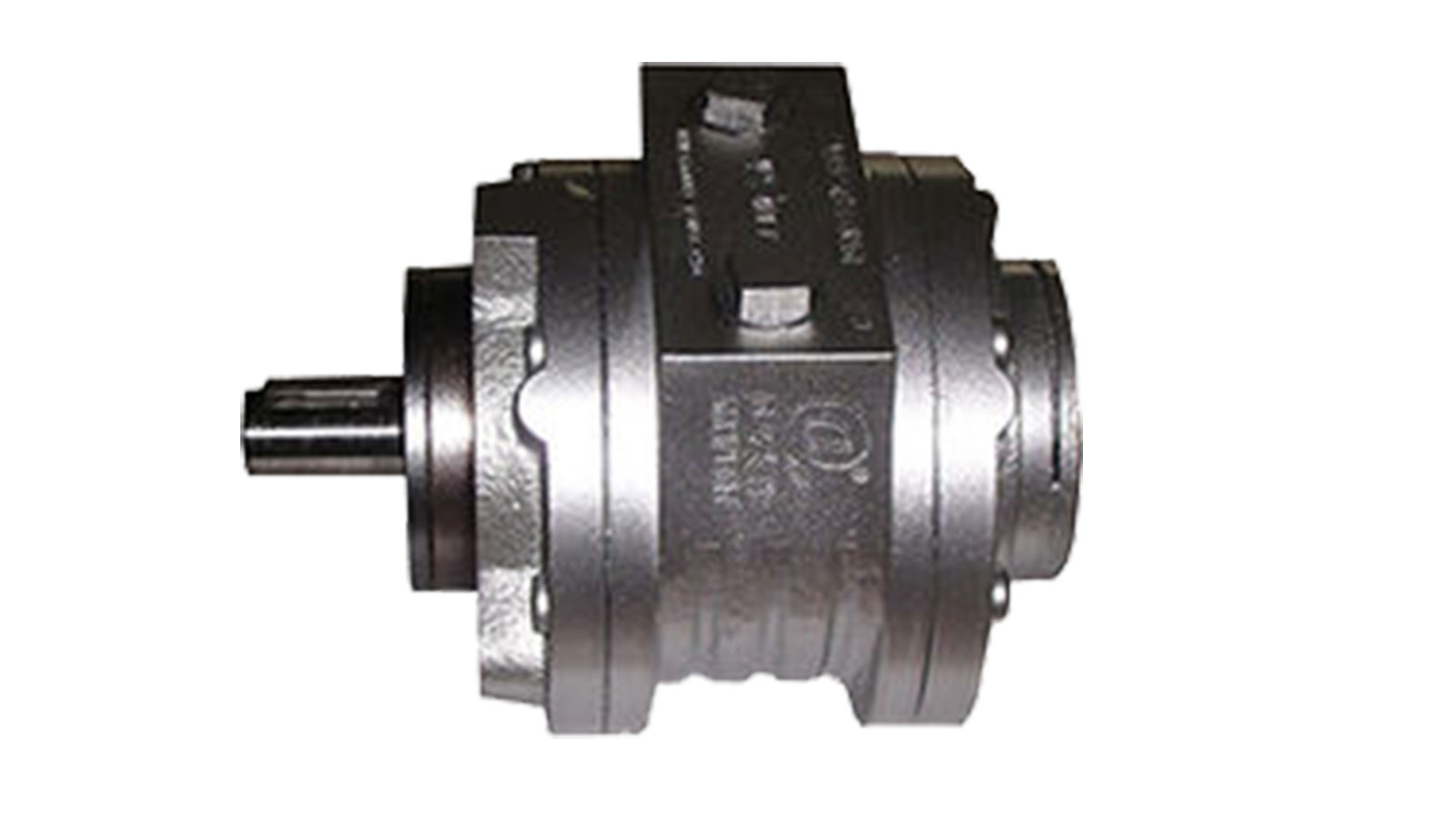
Vane type
Company: Guangzhou Canner Pneumatic Equipment Co. Ltd
Guangzhou Canner’s CAM-666-7200 is vane-type pneumatic motor that is 100 percent explosionproof. It delivers high torque and speed and has low noise and power consumption. This reversible unit has stepless speed control.
MOQ: 1 unit
Lead time: 25 to 30 days
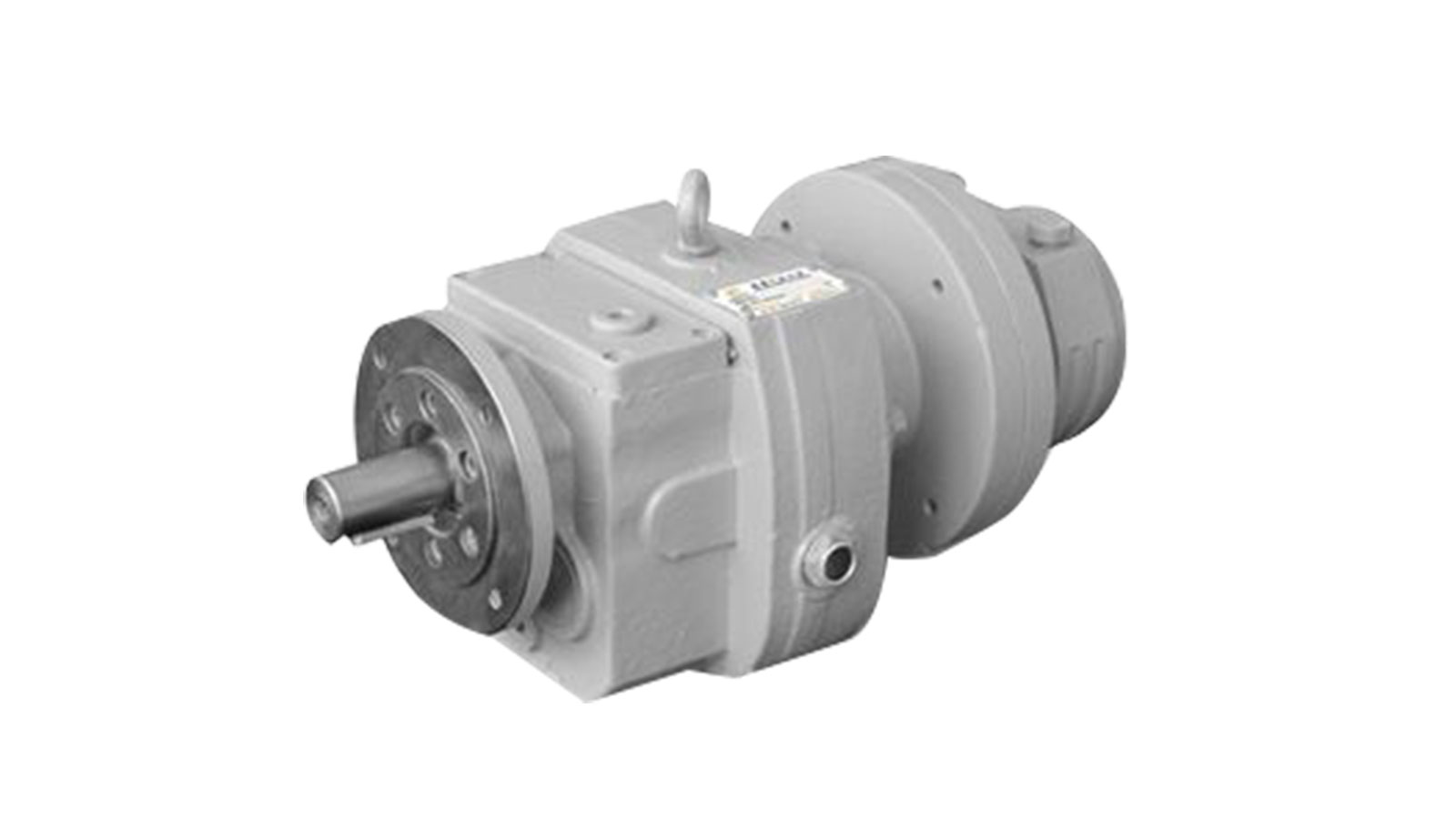
Helical gear reduction
Company: Xian Huan-Tai Technology & Development Corp. Ltd
The HT004-1864 from Xian Huan-Tai is a helical gear reduction air motor with an output of 0.6 to 7kW. It is designed for mining machinery and applications in the paper-making and chemical industries.
MOQ: 1 unit
Lead time: 45 to 50 days

