




In a time when mobile devices play an integral role in work, leisure and social connectivity, the demand for consistent and reliable power sources has surged. Portable solutions – including power banks, portable power stations and solar chargers – have emerged as essential for users with high power needs, whether for professional endeavors including remote work, field service during emergencies and outdoor construction, or for recreational purposes such as camping and hiking or ‘tailgating’ in parking lots at football games or concerts.
Each of these power solutions has its own set of features and benefits to suit specific needs and usage scenarios. With advancements in battery technology and renewable energy solutions, these devices offer not only convenience but also a means to enhance one’s autonomy in an increasingly mobile-centric world.
Power banks: Ubiquitous companions
Power banks have become synonymous with the mobile lifestyle. Originally designed to deliver emergency charges for smartphones and tablets, today's power banks are sophisticated devices capable of powering multiple gadgets across various platforms.
A power bank stores electrical energy in its internal battery and then transfers that energy to mobile devices via USB ports. The trend in power banks has shifted toward high-capacity units that can deliver quick energy top-ups. Key specifications of available models include:
Capacity: Entry-level power banks typically range from 5,000 to 10,000mAh, midrange models 10,000 to 20,000mAh and high-end units 20,000 to 100,000mAh.
Output power: Entry-level devices usually provide about 5 to 10W, midrange variants about 10 to 20W and high-end models up to 66W or more.
Fast-charging capability: Entry-level units offer fast charging at about 18 to 30W, midrange models 30 to 60W and high-end versions 60 to 140W or more. Technologies like Qualcomm Quick Charge and USB Power Delivery are commonly used.
Wireless charging: The latest power banks feature Qi wireless charging and Apple’s MagSafe technology. High-end models even support simultaneous wireless and wired charging, catering to a broader range of gadgets.
Ports: Basic models have one or two USB ports, midrange units may have multiple USB ports and high-end variants can include USB-C and AC outlets.
Weight: Entry-level power banks weigh about 200 to 400g, midrange models are between 400 and 800g and high-end units can be over 1kg.
Additional features: Entry-level versions may have basic features like LED indicators, midrange units might include fast charging and multiple ports and high-end models can offer features like OLED screens, app compatibility and multiple output ports. Companies like Anker and RAVPower have pioneered innovations such as power banks that can intelligently adjust the output based on the needs of the device connected to them.
In terms of aesthetics, power banks are no longer just black and brick-like. Custom designs, sleek profiles and eco-friendly materials are trending such that some models resemble fashion accessories rather than utility devices.
Portable power stations
While power banks are ideal for smartphones and tablets, portable power stations are designed for larger devices, such as laptops and cameras, and can be used off-grid. Equipped with high-capacity batteries, they can power up multiple gadgets and even appliances like refrigerators for camping trips. They can be charged via wall outlets, car chargers or solar panels. They typically come equipped with various output ports, including AC, DC and USB, making them versatile for a wide range of applications. Here are some key features differentiating models available in the market:
Battery technology: Portable power stations utilize a variety of battery technologies, each with its own advantages. Li-ion batteries are the most common due to their high energy density, longer life span and light weight. LiFePO4 batteries are known for their safety and stability, as they are less prone to overheating and catching fire, though they have a lower energy density compared to standard Li-ion batteries. NiMH batteries are less common now but are appreciated for their long life span and reliability, making them a cost-effective option. Lead-acid batteries, while heavier and bulkier, have a shorter life span and are generally used in stationary backup power systems due to their affordability.
Some power stations are equipped with solar panels to recharge, making them ideal for environmentally conscious users and those who expect to be off-grid for extended periods of time.
Capacity: Entry-level models usually range from 150 to 300Wh, midrange units from 300 to 700Wh and high-end versions from 700 to 2,000Wh or more.
Output power: Entry-level units typically offer about 200 to 300W, midrange variants about 300 to 600W and high-end models can provide 1,000W or more.
Ports: Entry-level types generally have one or two AC outlets, a couple of USB ports and DC ports. Midrange models have more AC outlets, additional USB ports, including USB-C, and even car charger ports. High-end versions feature multiple AC outlets, USB and USB-C ports, and
sometimes even high-power outputs for larger appliances.
Weight: Entry-level power stations weigh about 3 to 5kg, midrange models between 5 and 10kg and high-end ones over 15kg.
Manufacturers are focusing on lightweight, durable designs that factor in portability. Innovations in materials and battery management technologies are allowing these units to pack a punch without adding bulk, making them convenient for both outdoor adventures and home use.
Upcoming trends for power stations
The portable power station market is evolving rapidly, marked by several noteworthy trends. Smart technology integration is becoming more prevalent, with brands leveraging IoT to create "smart" power stations that allow users to monitor battery state, power usage and charging patterns via mobile applications, enhancing convenience and device management.
The demand for fast charging capabilities has grown, with next-generation models offering quick recharging options using advanced adapters or cutting-edge solar technology, reducing downtime for users.
The trend toward sustainability is also shaping the market with products that utilize biodegradable materials and promote solar charging, catering to eco-conscious consumers.
As electric vehicles gain popularity, there is an increasing demand for portable power stations that can charge them. This trend is pushing manufacturers to optimize power outputs to fulfill this rising need.
Solar chargers
With a greater emphasis worldwide on sustainability, solar chargers have gained in popularity. While they have been around for some time, recent technological advancements have revived interest.
Solar chargers harness energy from the sun to charge electronic devices and store power in batteries. They use photovoltaic cells to convert sunlight into electrical energy, which can then be used to charge mobile phones, tablets, cameras and other small devices.
Today's solar chargers are compact and increasingly user-friendly, making them ideal for adventure seekers. Many models come equipped with foldable panels that can easily fit into backpacks. Key specifications of available models are:
Power output: Entry-level units offer about 5 to 10W, midrange models 10 to 30W and high-end counterparts 30 to 100W or more.
Panel type: Entry-level solar chargers often use polycrystalline panels, which are affordable but less efficient. Midrange units may use more efficient monocrystalline panels and high-end models often feature advanced solar cell technologies like PERC (Passivated Emitter and Rear Cell) or IBC
(Interdigitated Back Contact).
Port options: Entry-level variants usually have USB ports, midrange models may include multiple USB ports, including a USB-C port, and high-end solar chargers can offer DC output and USB-C ports and even AC outlets.
Weight and portability: Entry-level versions are lightweight and compact, often folding into a small package for easy transport. Midrange models are slightly larger but still portable, while high-end types can be bulkier due to higher power output but often come with carrying handles or cases for convenience.
Durability: Entry-level models may have basic protection against the elements, midrange models are often built with more robust materials for increased durability and high-end units typically feature weather-resistant and rugged designs for use in harsh outdoor conditions.
Conclusion
The future of portable power solutions looks bright, with continuous advancements in technology shaping how people power their mobile electronics. As consumers prioritize convenience and sustainability, the industry is responding with innovative products, from robust power banks to
versatile portable power stations, eco-friendly solar chargers and other power solutions. There is a multitude of options for different situations such that every customer – from outdoor enthusiasts to remote workers – can find a solution for their portable power needs.
Here is a gallery of products representing trends in portable power solutions on offer from suppliers in China.
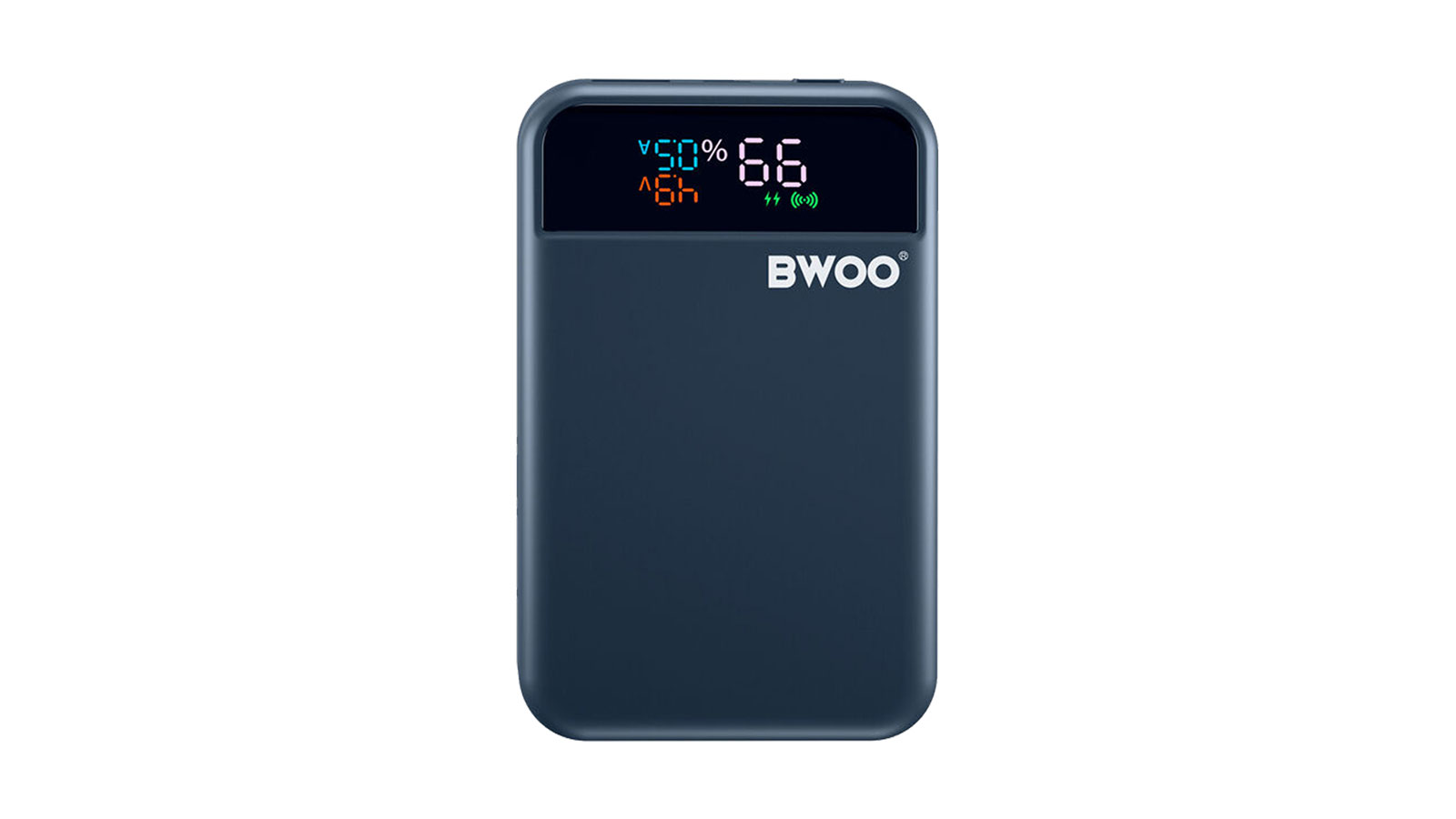
Wireless power bank
Company: Guangzhou Wusen Electronic Technology Co. Ltd
The BO-P53 from Guangzhou Wusen is a 10,000mAh wireless power bank capable of fast charging at 15W or as much as 20W via a USB-C port. It features a smart chip that ensures safe fast charging of devices, including Apple products. This unit has an LED screen and is 103x67x20mm and 195g.
MOQ: 50 units
Lead time: 7 to 14 days
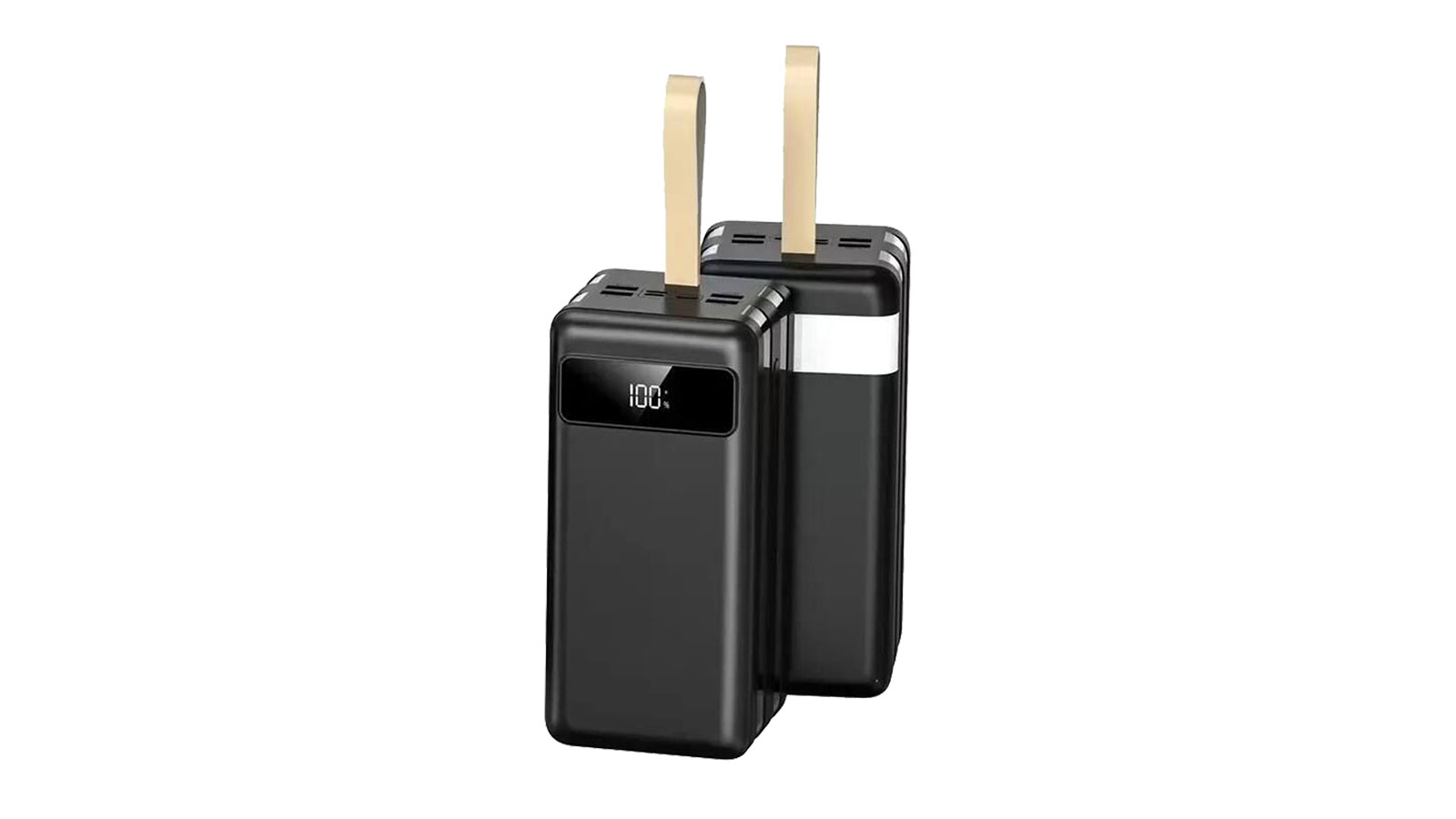
60,000mAh power bank
Company: Dongguan Pinnoda Technology Co. Ltd
Dongguan Pinnoda’s model L-T165-PD is a 60,000mAh power bank with dual USB and Type-C output ports, providing 4.5 and 5V 3A, 5V 3A, 9V 2A and 12V 1.5A. It has Micro-USB and USB-C input ports and an LCD screen for monitoring battery power. Product dimensions are 178x83x57mm.
MOQ: 50 units
Lead time: 5 to 25 days
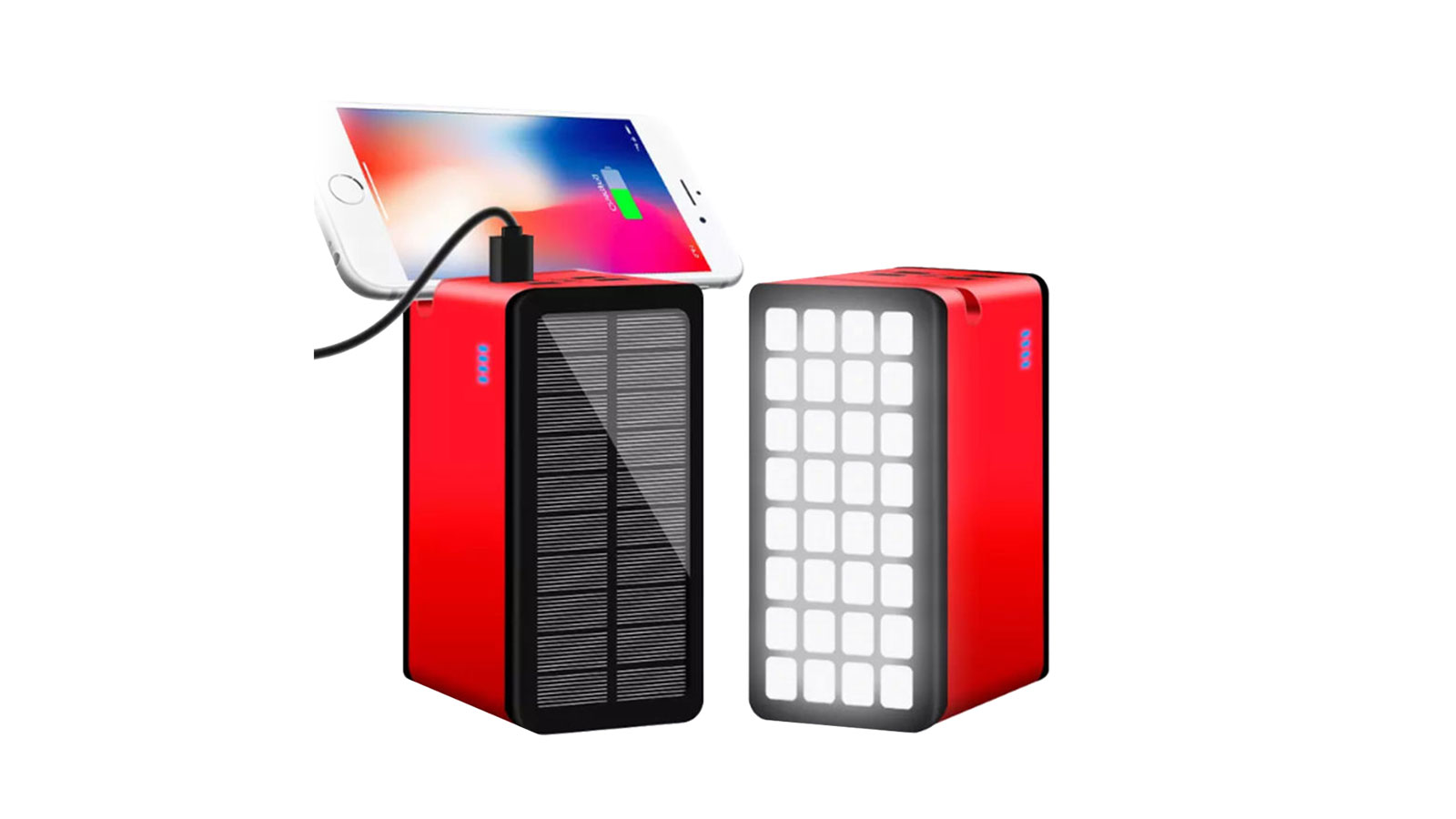
100,000mAh solar power bank with camping light
Company: Shenzhen Qianhai Kingstar Technology Co. Ltd
Model PS-10+ from Shenzhen Qianhai Kingstar is a 100,000mAh solar power bank with 94 percent efficiency. Micro-USB input specifications are 5V 2A, 9V 2A and 12V 1.5A and Type-C 5V 3A, 9V 3A, 12V 3A, 15V 3A and 20V 2.25A. Type-C output is 65W maximum and USB 5V 3 and 4.5A, 9V 2A and 12V 1.5A. This power bank is made of aluminum alloy and measures 48.8x101.3x72mm.
MOQ: 1 set
Lead time: 7 to 30 days
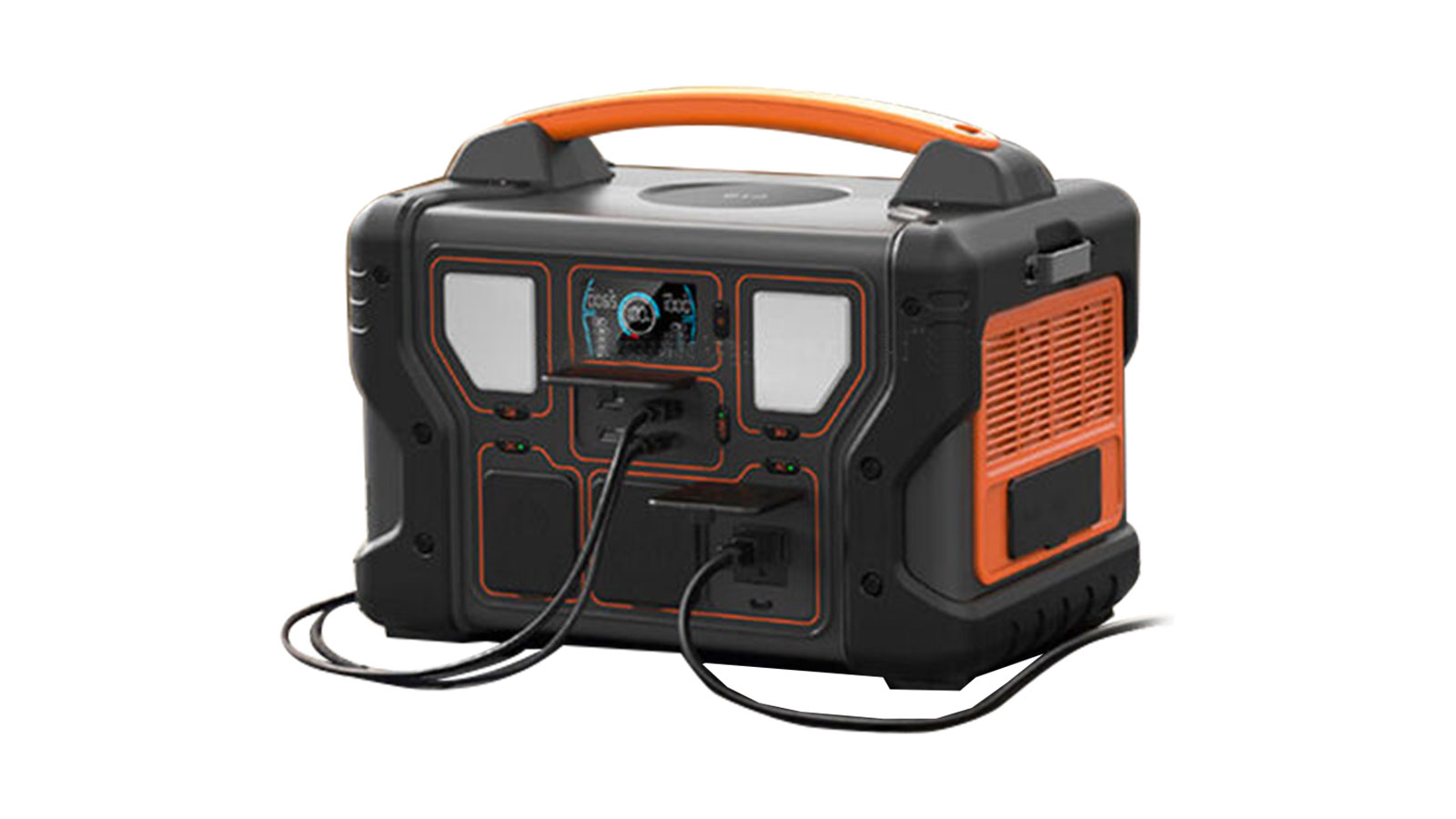
1,200W LiFePO4 power station
Company: Shenzhen MiQi Electronic Co. Ltd
Shenzhen MiQi’s model Q1200-8373 is an LFP battery-based power station with 1,200W power and 1,008Wh capacity. It can deliver up to 100W via the Type-C port and a total of 54W via QC 3.0 through three USB-A ports. This unit takes two to three hours to fully charge via AC input and supports solar charging as well. It has ABS+PC housing, dual LED lights with SOS and flashlight functions and an LCD showing battery information.
MOQ: 1 unit
Lead time: 45 to 60 days

