




Precision machined parts made to exact specifications for seamless integration into larger assemblies form the backbone of complex machinery, necessitating reliability and durability. Common types include shafts, gears, bushings and fasteners.
The materials used vary widely, from metals such as aluminum and stainless steel to plastics and composites, and influence the choice of process and the final application. Metals are favored for their strength and heat resistance, while plastics may be chosen for their lightweight and corrosion-resistant properties.
Businesses sourcing such parts must consider factors such as load-bearing capacity, environmental conditions and compatibility with other components. This ensures that the parts not only fit but also perform optimally over their life span.
CNC machining
CNC machining automates the machining tools through computer programming, allowing for unparalleled precision and repeatability. It is particularly useful for producing complex designs that would be difficult to achieve manually.
One of the key benefits of this technology is its ability to produce consistent and accurate parts with minimal human intervention, reducing the potential for errors. It is highly efficient, enabling faster production times and reduced waste.
CNC turning and CNC milling are among the most commonly employed techniques. CNC turning is typically used for making cylindrical parts such as shafts and rods in automotive and aerospace manufacturing. CNC milling is suitable for creating complex shapes and intricate features like slots and holes.
Metal stamping
Stamping or pressing uses a die to cut and shape metal sheets into desired forms, making it highly efficient for producing large volumes of parts with consistent quality. It can handle a wide range of materials, including steel, aluminum and copper. Parts made using this process are commonly used in industries such as automotive and electronics, where high strength-to-weight ratios are required.
Metal stamping encompasses several techniques, with the most common methods including blanking or cutting a piece of metal from a larger sheet, typically used to create flat parts, punching or removing material from a workpiece to form holes or shapes, bending or forming metal into a specific angle or curvature, and embossing or creating raised or recessed designs on the surface of a workpiece.
In addition to CNC machining and metal stamping, drilling, grinding and boring are the other manufacturing techniques.
Advanced machining technologies
As technology continues to advance, new methods offer even greater capabilities and efficiencies. They include electrical discharge machining (EDM) and laser machining, both of which are particularly suited for intricate and complex parts.
EDM is for producing parts with tight tolerances and complex geometries, such as those used in aerospace and medical applications. Laser machining, meanwhile, is especially useful for creating intricate designs on metals, plastics and ceramics.
Metal forming is another advanced technique that involves shaping metal using mechanical force through forging, extrusion and stamping. This method produces parts with high strength and durability, specifically for demanding applications in industries such as automotive and construction.
Sourcing precision machined parts
When sourcing precision machined parts, businesses must consider these factors to ensure they select the right components for their needs.
Quality: Ensuring that the parts meet the required specifications and tolerances is crucial for maintaining product reliability and performance. Businesses should work with suppliers who have a proven track record of delivering high-quality components.
Cost: Balancing cost with quality is essential. Companies should seek competitive pricing without compromising on quality or performance.
Lead times: Timely delivery of parts is crucial for maintaining production schedules and meeting customer demands. Businesses should work with suppliers who can provide reliable lead times and have the capacity to meet their needs.
Supplier reliability: Partnering with reliable suppliers is vital for ensuring consistent quality and timely delivery of parts. Companies should conduct thorough evaluations of potential suppliers, considering factors such as experience, reputation and production capabilities.
Finding reliable suppliers
Selecting the right supplier is a critical step in sourcing precision machined parts, as it directly impacts the quality, cost and delivery of the components. To find reliable suppliers, businesses should consider the following strategies:
Research and recommendations: Conduct thorough research to identify potential suppliers, leveraging industry networks, trade shows and online platforms. Recommendations from industry peers can also provide valuable insights into reputable suppliers.
Supplier evaluation: Assess potential suppliers based on experience, production capabilities, quality control processes and customer reviews. Visiting supplier facilities can provide firsthand insights into their operations and commitment to quality.
Request for quotations (RFQs): Solicit multiple quotations from different suppliers to compare pricing, lead times and service offerings. This process can help businesses identify the best value for their specific needs.
Build relationships: Establish strong relationships with chosen suppliers to foster collaboration and ensure mutual understanding of requirements and expectations. Open communication and regular feedback can help address potential issues and maintain a successful partnership.
Conclusion
Sourcing precision machined parts is a complex process that requires careful consideration, from understanding different machining techniques to evaluating supplier reliability. Staying informed about the latest technologies and trends in precision machining is crucial.
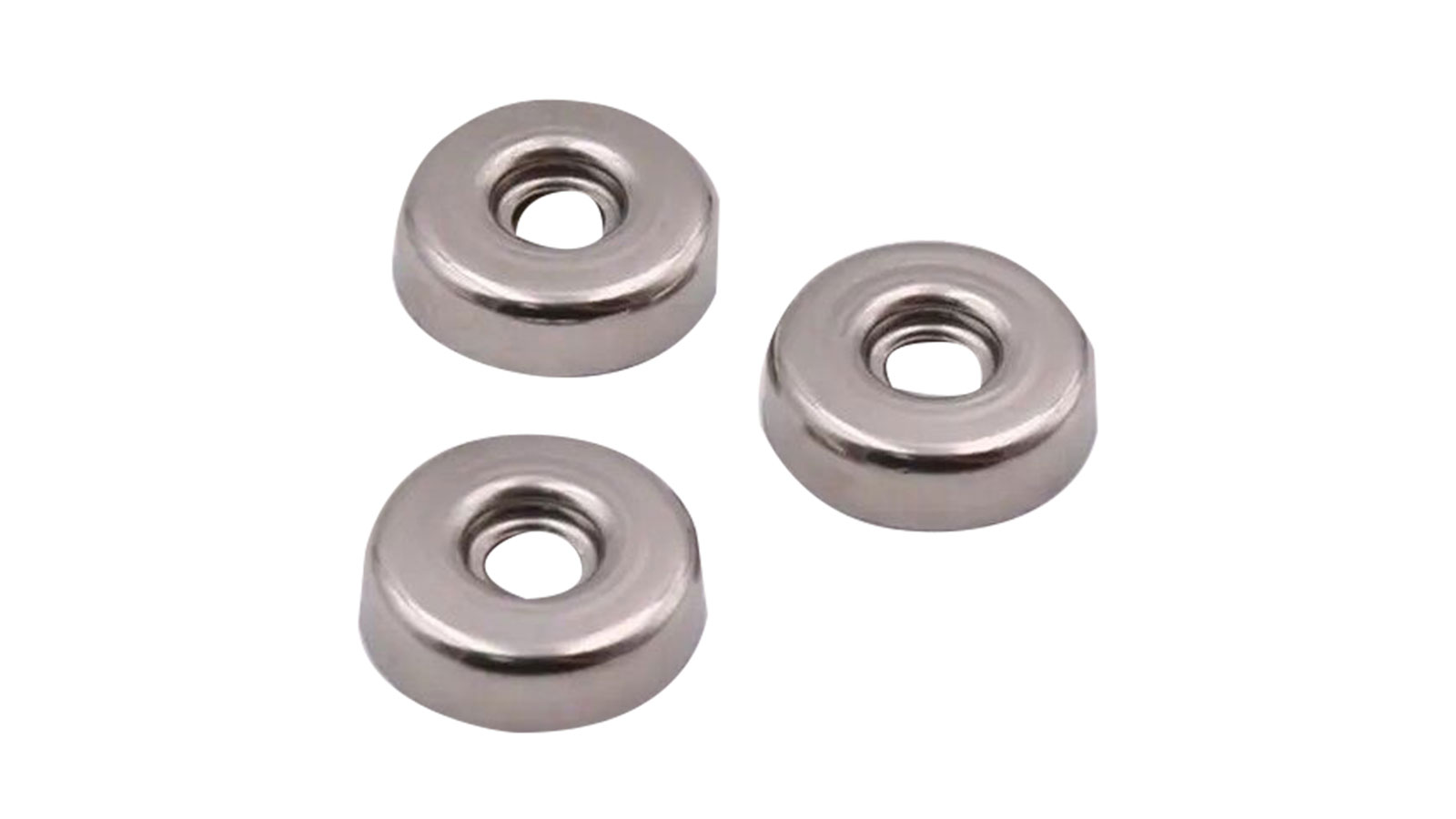
Stamped metal part
Company: Dongguan Kinggold Industry Co. Ltd
The KGI2001 from Dongguan Kinggold is a custom stamped part made of stainless steel. It complies with RoHS and REACH standards. The supplier can produce parts using a variety of materials and offers a range of finish and packaging options.
MOQ: 5,000 pieces
Lead time: 15 to 25 days
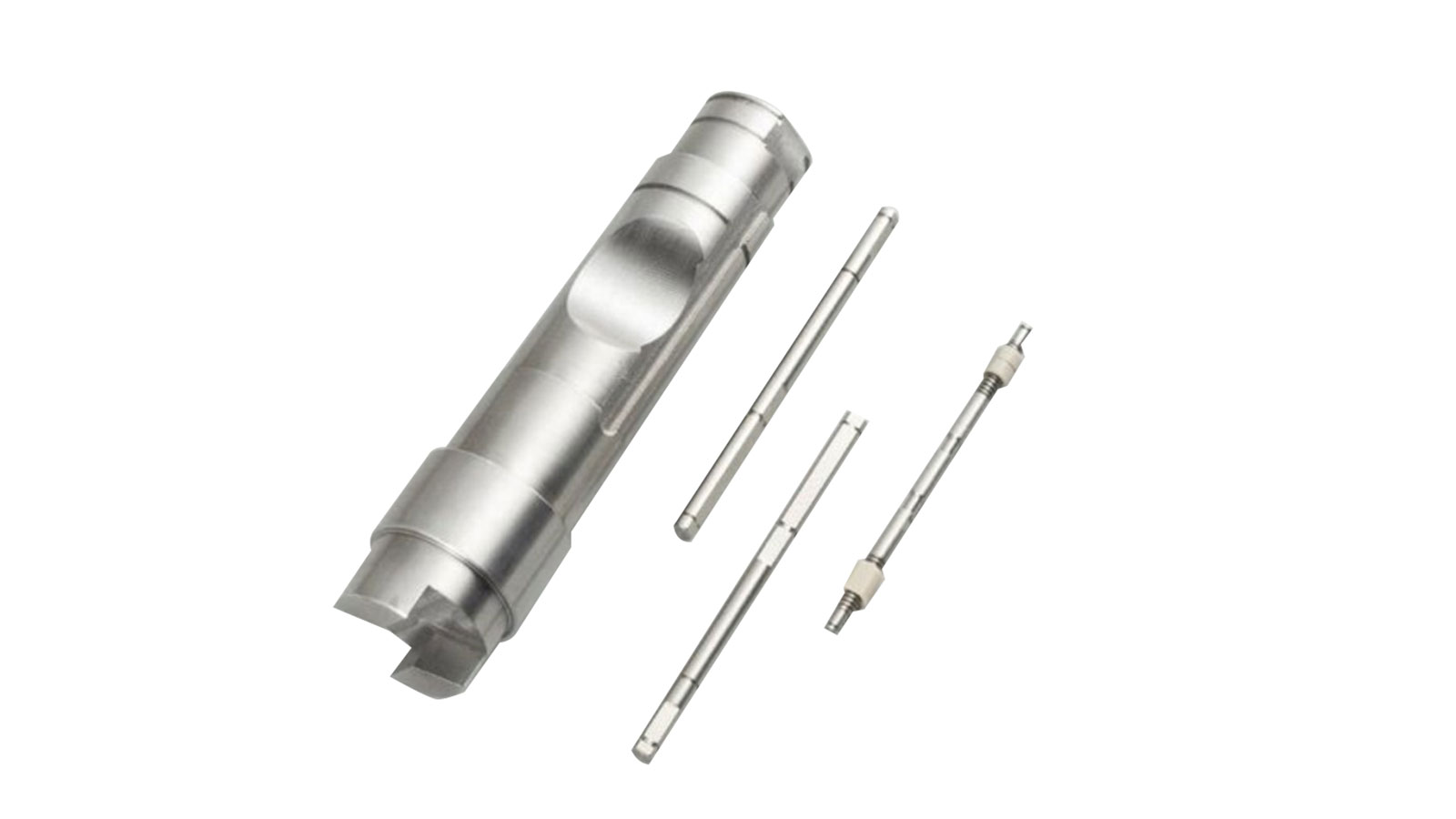
CNC machined part, 0.01mm tolerance
Company: Dongguan Taihe Hardware Products Co. Ltd
Dongguan Taihe provides CNC machining services, with these CNC turned parts as examples. The supplier produces parts that are made of aluminum, brass, bronze, copper, stainless steel and other metal materials, with a tolerance of 0.01mm. Parts made have no burrs, sharp edges, traces, scratches and machining marks. They are inspected using calipers and height gauges.
MOQ: 100 pieces
Lead time: 15 to 28 days
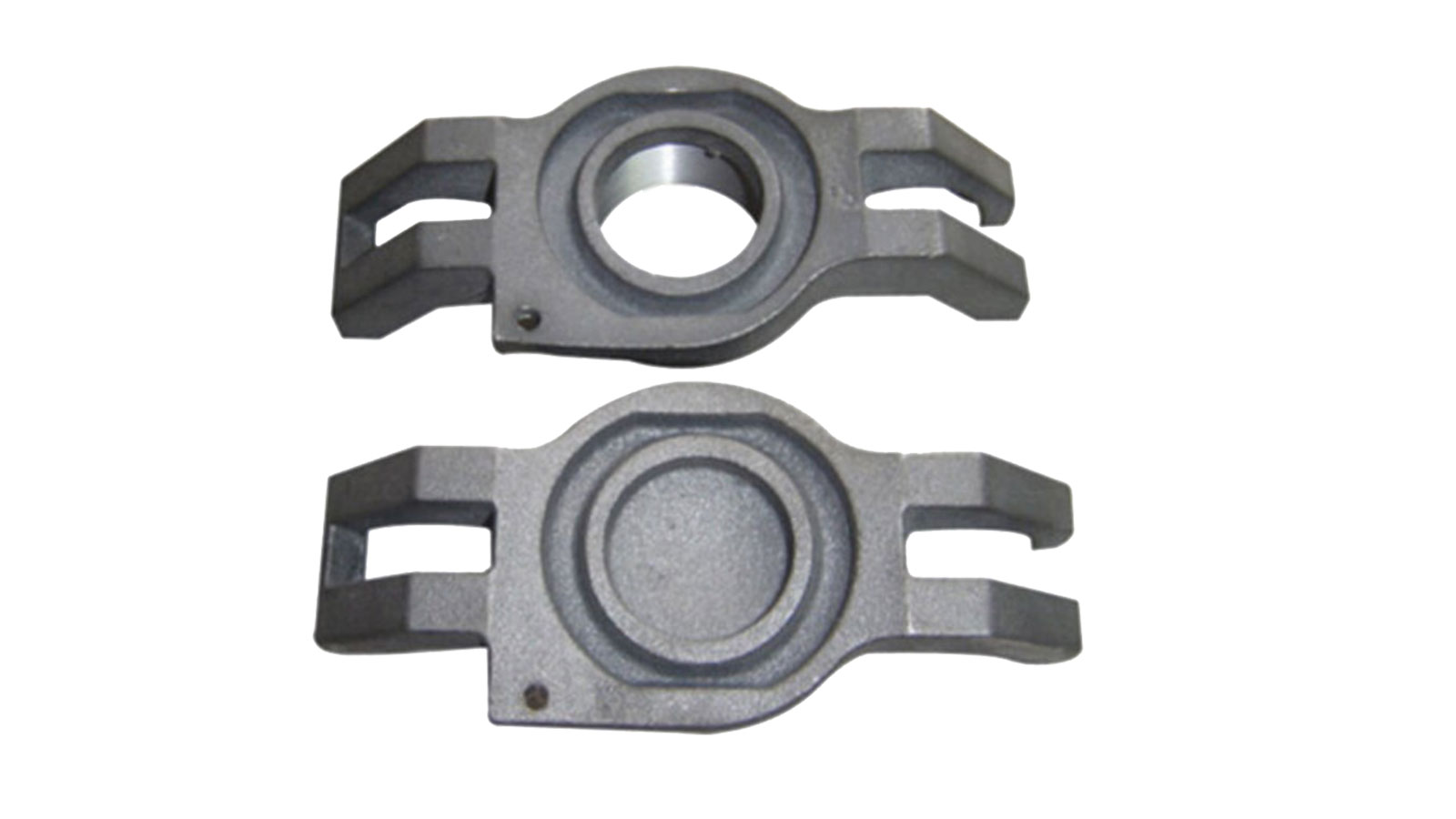
CNC machined part
Company: Huayi International Industry Group Ltd
Huayi’s model HYPZ5009 is a custom CNC machined part. The company has a range of advanced equipment for machining and testing parts made of ABS and other plastic materials as well as aluminum, brass, bronze, copper, stainless steel, alloy and titanium.
MOQ: 100 pieces
Lead time: 7 to 15 days
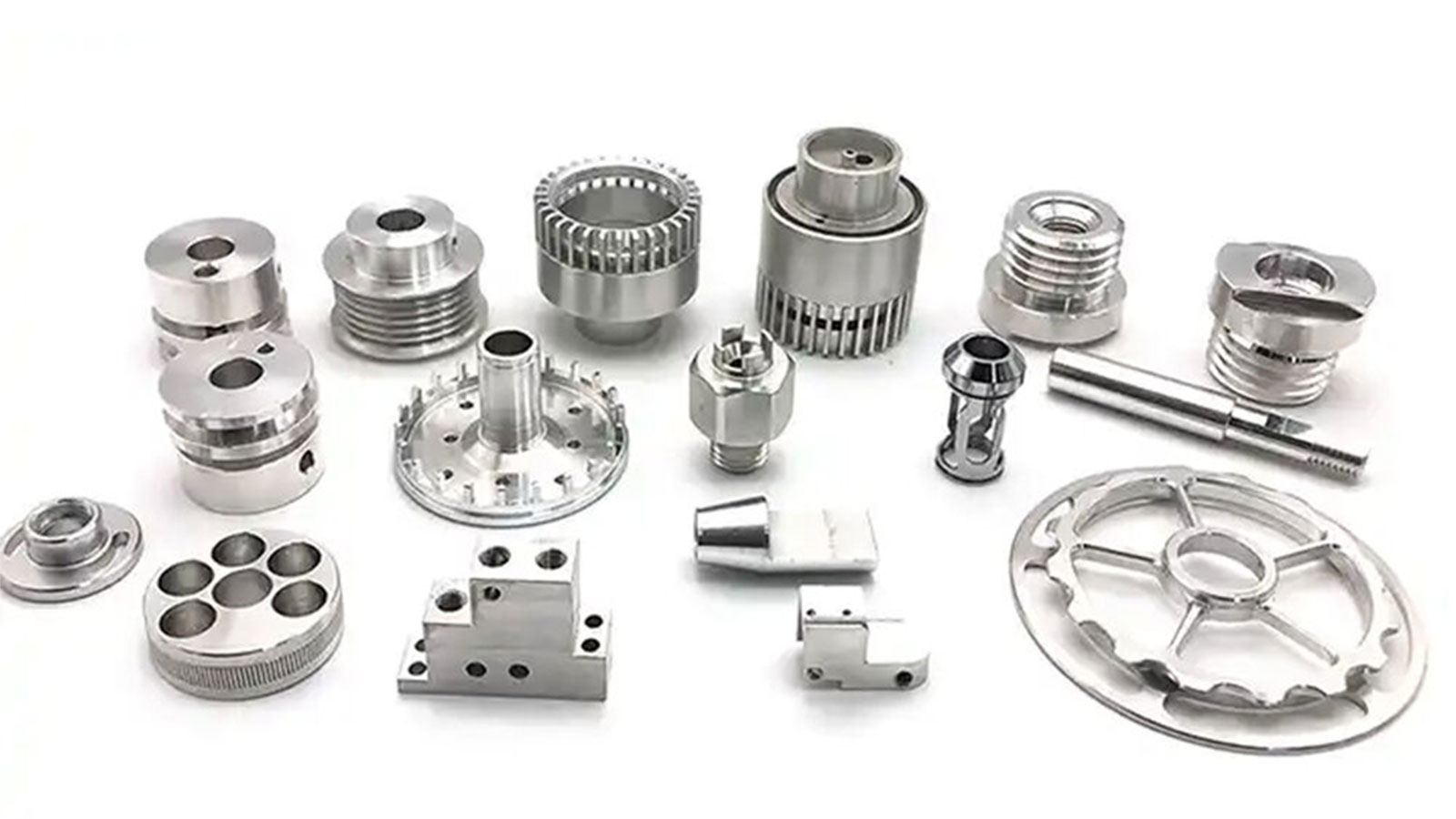
Machined part
Company: MYT Technology Co.
The CEP-006-1484 from MYT is a sample machined part, which can be made based on a customer’s drawing or sample. It may be produced using any metal, machining method and surface treatment. The maximum length that can be made is 5 meters, width 2 meters and height 1.5 meters. The supplier can add a logo and provide material test reports on request.
MOQ: 1 piece
Lead time: 7 to 28 days
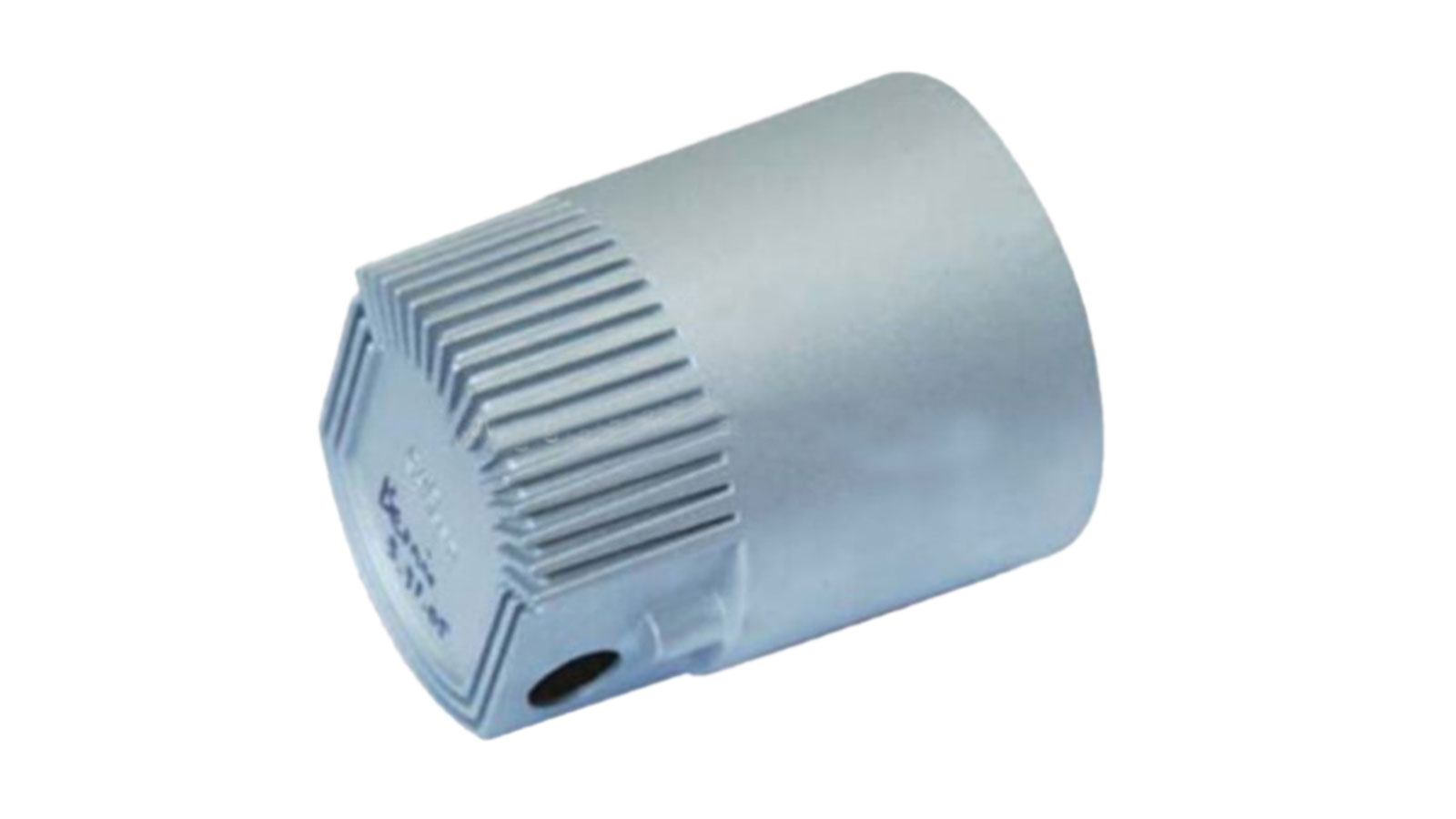
Custom automotive or machinery part
Company: Shanghai ESME Corp. Ltd
Shanghai ESME’s CA-86900 is a custom electric motor housing made of die-cast aluminum. The company can produce automotive, tool and machinery parts from various metal materials using CAD or 3D design, and casting, machining and test equipment. Its parts are RoHS-compliant.
MOQ: 10 pieces
Lead time: 10 to 35 days
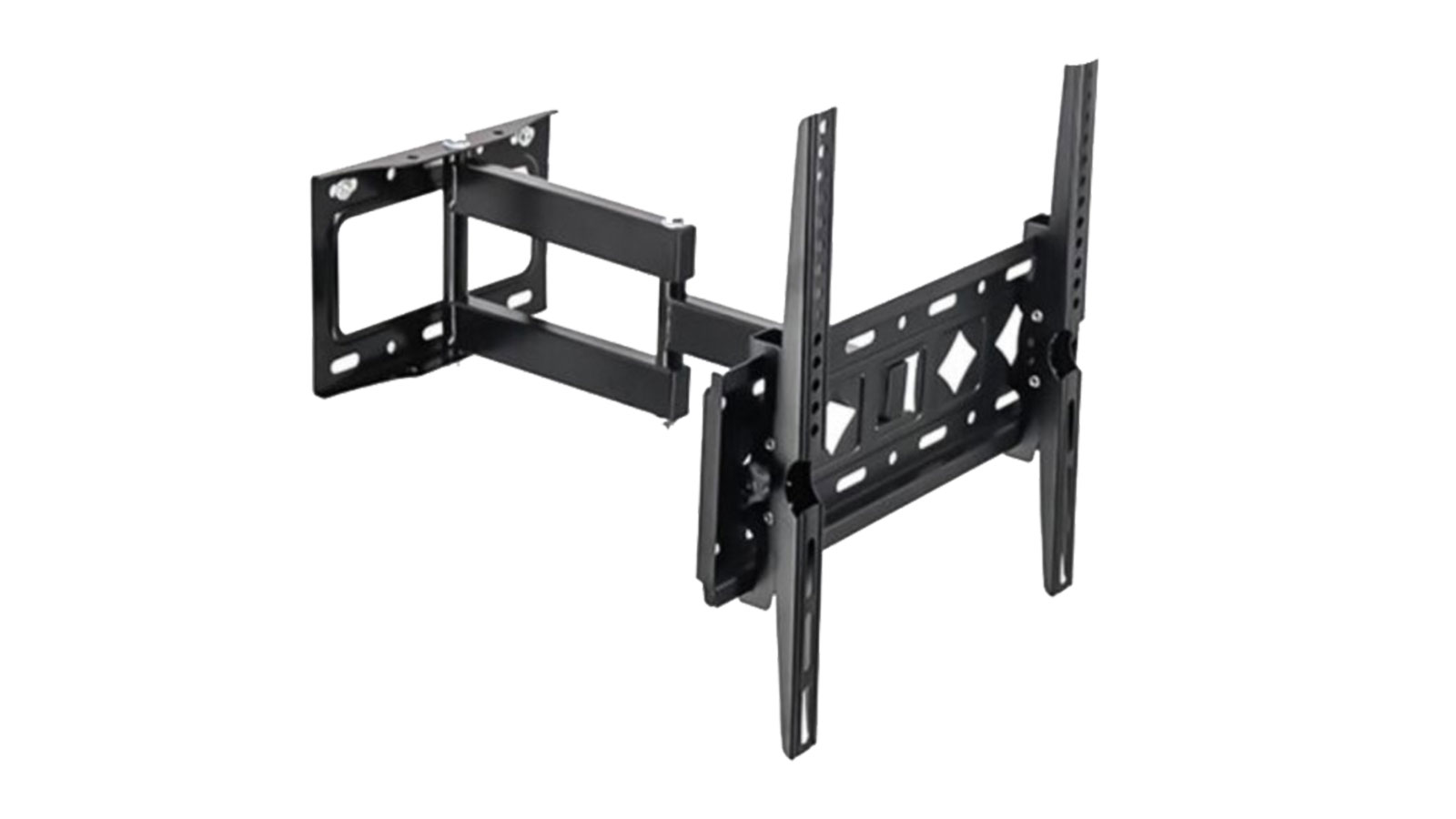
Wall-mount TV bracket
Company: Shenzhen Sinrui Technology Co. Ltd
Shenzhen Sinrui’s MFP SRCP12-L12 is a wall-mount bracket for 14 to 85-inch TVs. This is made using metal forming or stamping and electroplating. The supplier also has automatic lathes, CNC machines and other equipment.
MOQ: 1,000 pieces
Lead time: 7 to 10 days

