




Image from Unsplash
Printing products cover a range of everyday and specialized applications, from producing color documents and photos to printing labels, receipts and barcodes. For B2B buyers, product specifications and practical features are important when comparing models, developing assortments and matching equipment with different user requirements. The category includes color ink cartridges, inkjet printers and thermal printers, along with related products such as monochrome ink cartridges, multifunction printers, portable printers, label printers, receipt printers, thermal paper, adhesive labels and printer accessories.
Current market data shows continued demand across several printing technologies. IDC reported that worldwide inkjet shipments remained broadly stable year over year in Q1 2026, with ink-tank devices continuing to gain share across consumer, small-office and small-business segments. IDC also noted that cartridge-based inkjet devices continued to decline in markets where ink-tank adoption is more advanced.
Inkjet printers are available in a wide range of configurations, from compact home models to multifunction, large-format and industrial systems. Mordor Intelligence valued the global inkjet printer market at $4.1 billion in 2025 and identifies home and small-office, office and enterprise, packaging and labels, textile, industrial and commercial printing among its end-use segments.
Inkjet printers are designed to produce text, graphics and images by depositing liquid ink onto compatible media. Key specifications include print resolution, print speed, paper capacity, supported media sizes and connectivity. Resolution is generally measured in dots per inch (DPI), while print speed is commonly listed in pages per minute (PPM). Buyers can also compare automatic duplex printing, which enables printing on both sides of a sheet, and multifunction capabilities that combine printing with scanning and copying.
Connectivity can include USB, Wi-Fi, Ethernet and Bluetooth, depending on the model. Wireless models may support printing from smartphones, tablets and computers, while some products are compatible with dedicated mobile applications. For buyers sourcing products for different markets, operating system compatibility, mobile-printing support and available drivers should be confirmed before production.
Physical design is another consideration. Compact inkjet printers can be suited to home offices and smaller workspaces, while larger multifunction models can provide greater paper capacity and additional functions. Specifications such as product dimensions, weight, input and output tray capacity, power requirements and supported paper types can help buyers compare models for different applications.
Thermal printing is widely used across applications where fast, consistent output is required, particularly for labels, receipts, tickets and product identification. According to Grand View Research, the global thermal printer market was valued at approximately $5.7 billion in 2025 and is forecast to reach $6 billion in 2026 and $9.3 billion by 2033, representing a projected 6.5 percent CAGR between 2026 and 2033. North America accounted for the largest regional share, generating 36.1 percent of market revenue in 2025. Growth is being supported by expanding applications across e-commerce, retail and logistics, where thermal printers are used for labels, receipts, tickets and other printed materials.
Thermal printers use heat rather than conventional liquid ink to produce printed output, with direct thermal and thermal transfer representing the two main formats. Direct thermal printers create images by applying heat directly to heat-sensitive paper or labels, making them suitable for receipts, tickets, shipping labels and similar applications. Key specifications include print width, resolution, print speed, media size, roll diameter and connectivity. Thermal transfer printers, meanwhile, use a ribbon to transfer material onto the printing surface and can support a broader range of substrates. Buyers evaluating these models can compare ribbon width and length, media compatibility, resolution and printing speed, along with connectivity and overall media-handling capabilities.
For label and barcode applications, buyers should also evaluate barcode compatibility, 1D and 2D code support, media sensors and label-positioning functions. Some models support QR codes and other two-dimensional formats, while sensors can detect gaps, black marks or other indicators on label rolls.
Portable thermal printers provide another product format for users who need printing away from a fixed workstation. Their specifications can include battery capacity, charging time, operating duration, weight, dimensions and wireless connectivity. Bluetooth and Wi-Fi are common options, while compact construction can make these models suitable for mobile labeling, receipts and other portable printing requirements.
Other printer categories can broaden an assortment. Portable inkjet printers provide mobility for users who need color or document printing outside a traditional office setup. Multifunction printers combine printing, scanning and copying, while photo printers are designed around image reproduction and may support specialized photo media. Label printers can be available in inkjet, direct thermal or thermal transfer formats, depending on the application. Receipt printers generally use thermal technology and can be differentiated by print speed, paper width, connectivity and compatibility with point-of-sale systems.
Color ink cartridges form a complementary and recurring product category. Depending on the printer design, cartridges may be available as individual cyan, magenta, yellow and black units or as combined color cartridges. Important specifications include printer compatibility, ink type, cartridge capacity, page yield, dimensions and electronic recognition.
Page yield indicates the approximate number of pages a cartridge can produce under specified testing conditions. Actual yield can vary according to document coverage, print settings, media and other factors, so buyers should compare yield figures using consistent testing standards. For compatible or private-label cartridges, printer recognition is also important because electronic components may be
required for the printer to identify and operate with the cartridge.
Ink formulation can influence characteristics such as color reproduction, drying time, water resistance and print longevity. Cartridge construction, seals, reservoir capacity and packaging can also affect transportation and storage. Other related consumables include black ink cartridges, photo ink cartridges and specialty cartridges designed for particular printer models.
Consumables can also extend beyond ink cartridges and thermal media. Buyers can source thermal paper, adhesive labels, thermal transfer ribbons, photo paper, specialty media, replacement print heads, maintenance kits and printer cables. Compatibility is particularly important for these products because dimensions, materials and printer interfaces can vary between models.
Technical specifications should be clearly documented before supplier comparison and sample evaluation. Inkjet printers can be assessed according to resolution, speed, paper handling, connectivity and supported media, while cartridges can be evaluated based on compatibility, capacity, ink formulation and yield. Thermal printers require specifications covering printing method, speed, resolution, media compatibility, connectivity and, where applicable, barcode functionality.
Packaging and physical specifications should also be included in supplier discussions. Product dimensions, weight, carton configuration, power requirements and included accessories can affect shipping, storage and final landed cost. For international markets, voltage, plug type, electrical requirements and applicable compliance documentation should be verified according to the destination country.
Across the category, inkjet printers, color ink cartridges, thermal printers and related printing products offer different combinations of functionality, consumables and use cases. Detailed product specifications provide buyers with a practical basis for comparing suppliers and developing assortments for home users, offices, retail environments, logistics operations and other everyday printing applications.
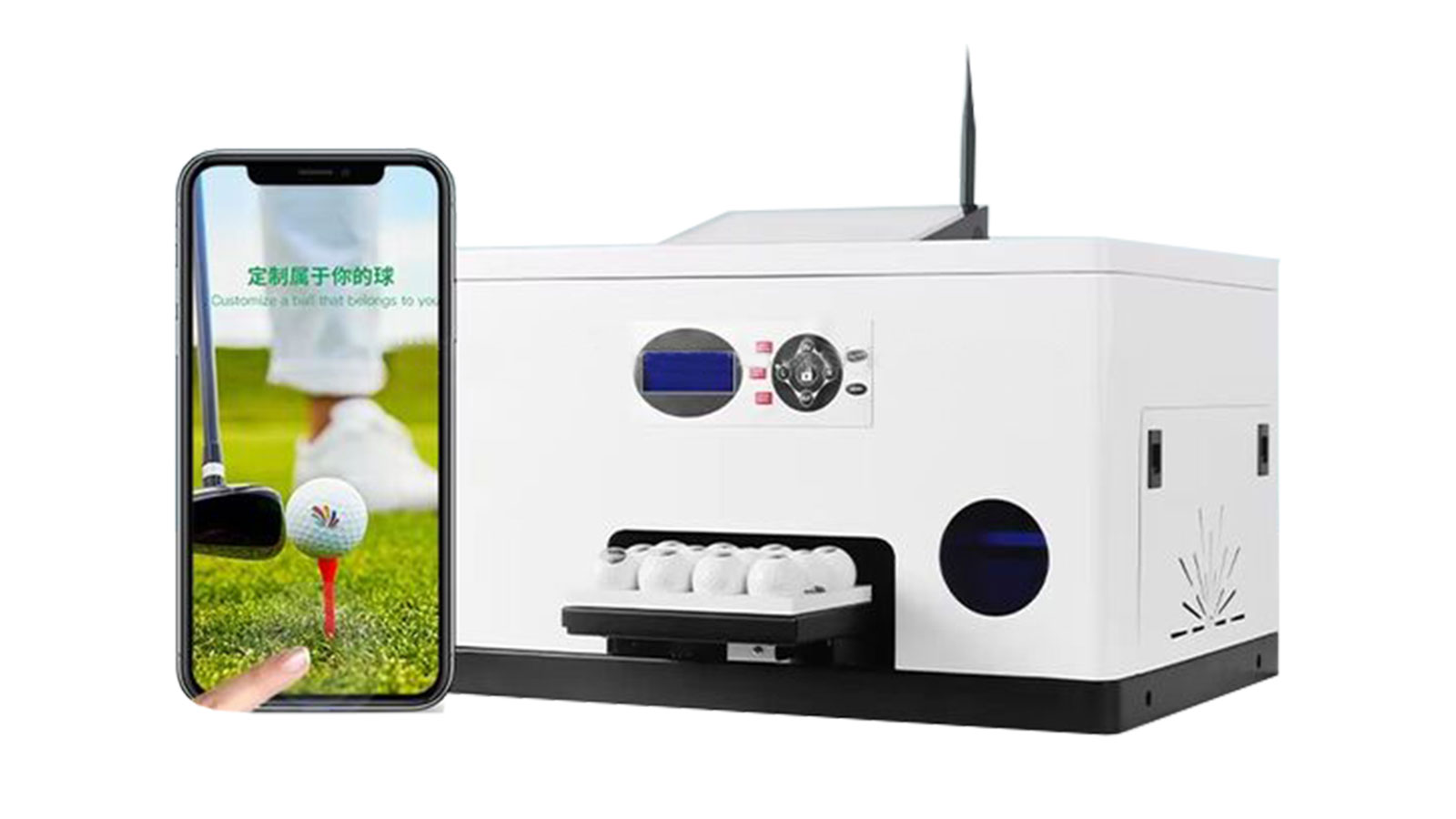
Golf ball printer
Company: China Xinrui Group Ltd
China Xinrui’s XR-GF1 golf ball printer can print on up to 12 golf balls in two to three minutes. Each unit has a unique QR code that users scan to load, edit and print graphics, while the printing process can be monitored through a cloud-based platform.
MOQ: 5 units
Lead time: 10 to 25 days
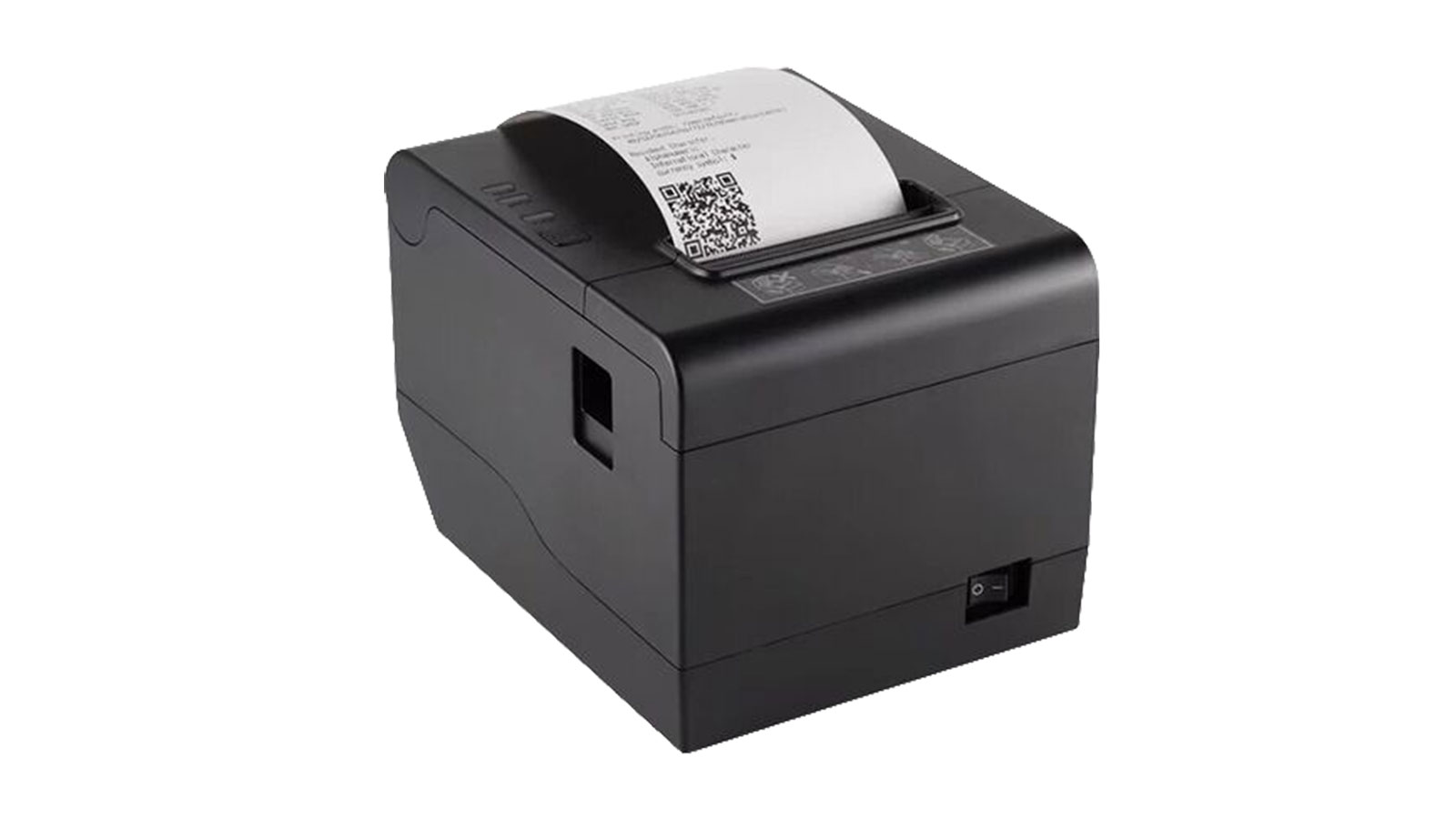
Thermal printer
Company: Oawell Products Co. Ltd
From Oawell, the OA-68-9739 thermal printer has an auto cutter, wear-resistant print head and built-in power adapter. It features QR code and barcode printing, custom templates, multiple languages and error alerts. Connectivity options include USB, LAN, serial, Wi-Fi and Bluetooth. A cash drawer port enables integration with POS terminals, barcode scanners, and cash drawers for retail, bakery, supermarket and restaurant applications. No MOQ is required.
Lead time: 5 to 9 days
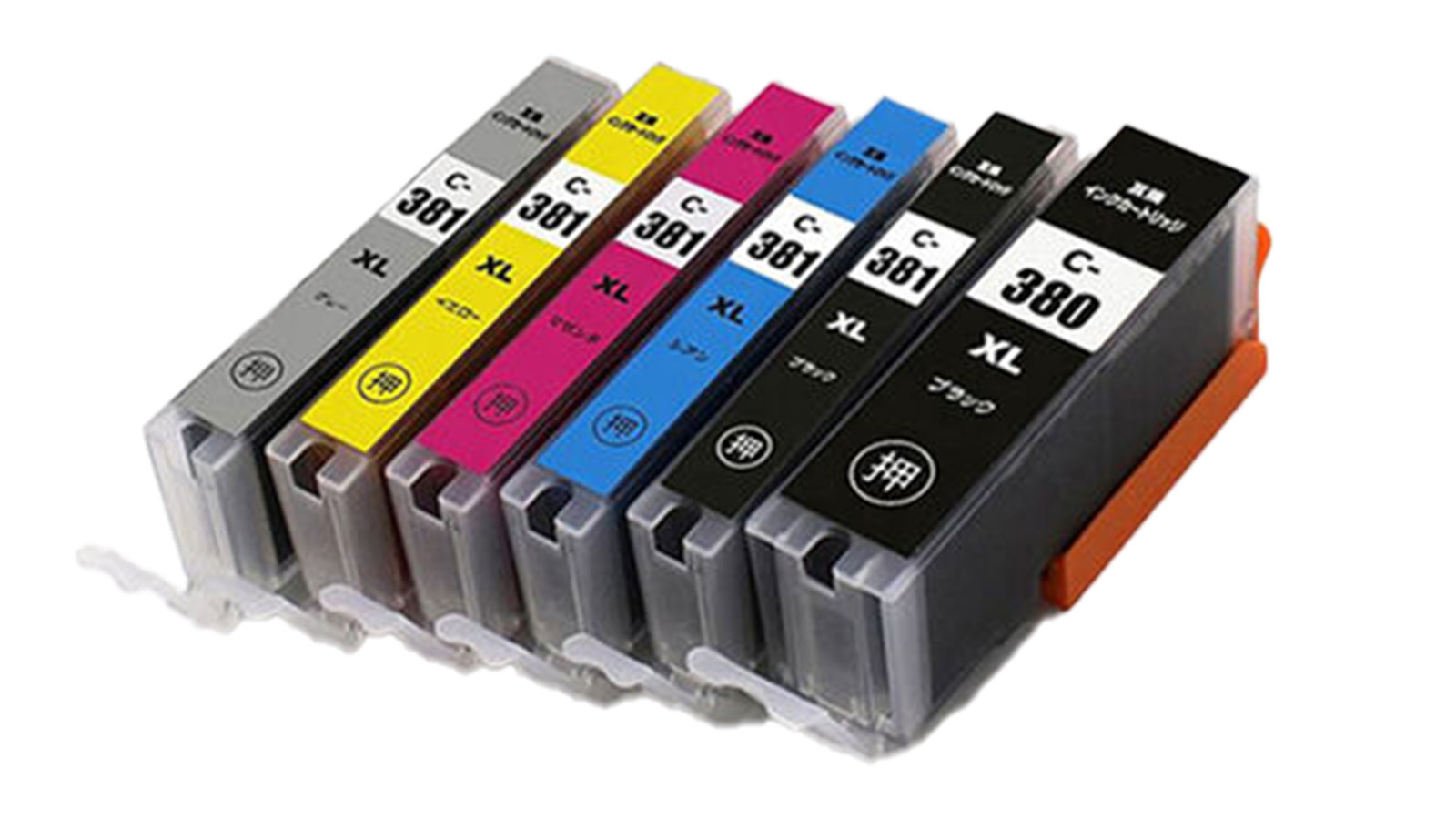
Ink cartridge
Company: Pinelime Technology Co. Ltd
The BCI-381 Y-1-3-3370 ink cartridge from Pinelime is designed for use with Canon PIXUS TS8130, TS6130, TR8530, TR7530, TS8230, TS6230, TR9530, TR703, TS8330, TS7330 and TS6330 printers. It features a compatible chip and an ink volume designed to provide page yields comparable to the original cartridge.
MOQ: 4 units
Lead time: 10 to 30 days
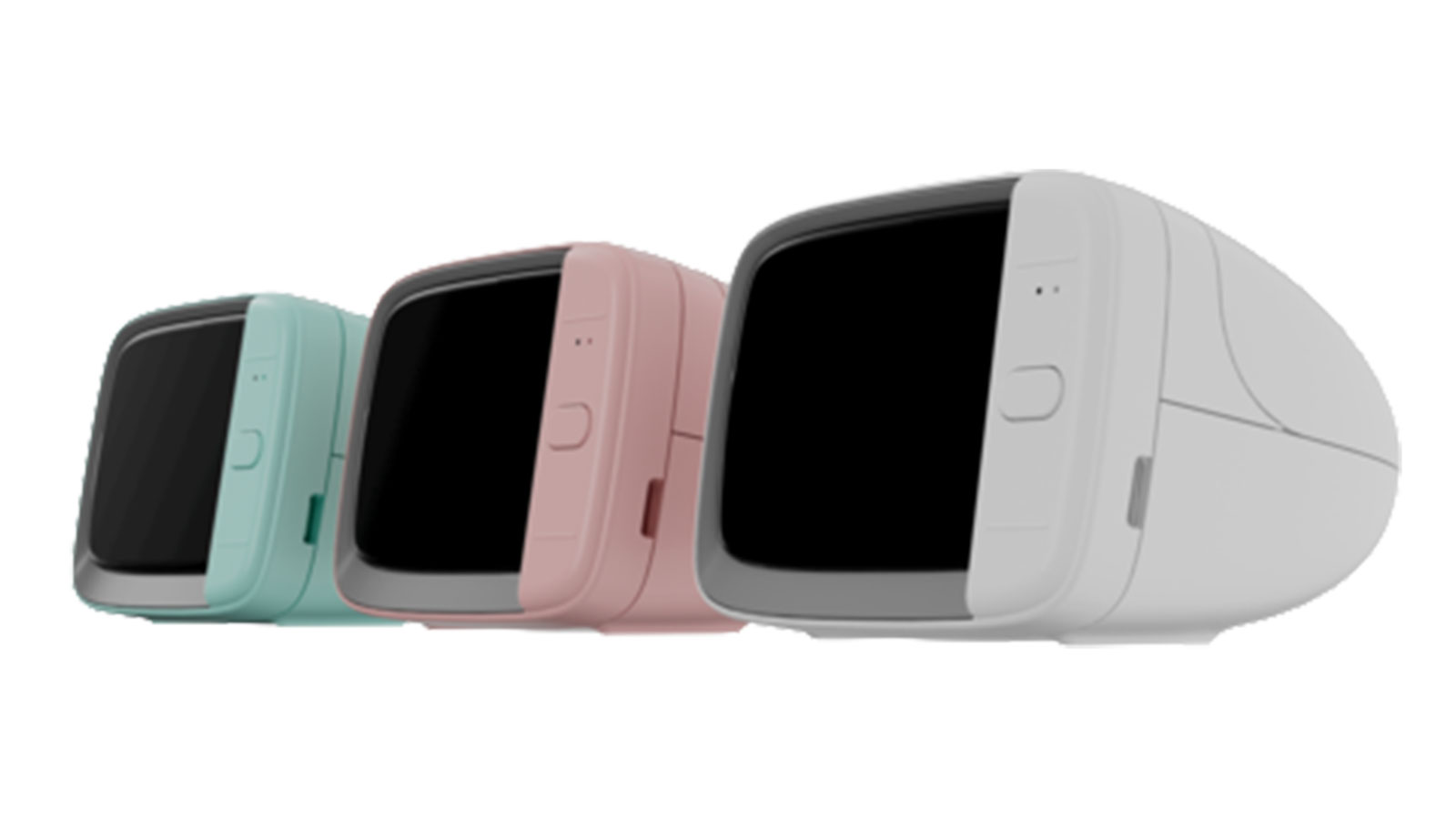
Label printer
Company: Xiamen Aiyin Technology Co. Ltd
Xiamen Aiyin markets the B22 Bluetooth label printer with 203dpi resolution, 20mm/sec maximum printing speed, 56mm paper width, 30mm paper roll diameter and 1,200mAh battery capacity. It measures 80.6x57.2x64.3mm and comes in white, green and pink variants.