




Image from iStock
Reinforcement wire mesh is one of the most widely used steel reinforcement products in construction, infrastructure, precast concrete, roadwork, flooring and industrial projects. It is a high-volume but specification-sensitive product: small differences in wire diameter, mesh opening, steel grade, welding quality, coating and packaging can significantly affect structural performance, project approval and total landed cost.
Whether you are an importer, building-material distributor, construction contractor, precast manufacturer or infrastructure procurement team, sourcing reinforcement wire mesh requires more than comparing price per roll or price per sheet.
Welded wire reinforcement
Reinforcement wire mesh, also called welded wire reinforcement, welded wire, concrete reinforcing or steel reinforcement mesh, is made from steel wires arranged in a grid pattern and welded at each intersection. It is embedded in concrete to help control cracking, distribute loads and improve tensile performance.
Common formats include flat welded mesh sheets, welded mesh rolls, and ribbed steel, plain wire, galvanized and epoxy-coated reinforcement mesh. There are stainless steel welded mesh and custom fabricated reinforcement mesh panels as well.
In construction supply chains, reinforcement wire mesh is typically purchased according to project drawings, national standards or contractor specifications.
Key applications
Reinforcement wire mesh is used across many construction and industrial sectors.
In construction, it is employed in concrete slabs, industrial floors, residential foundations, driveways and pavements, road reinforcement, bridge decks, tunnels, retaining walls, precast concrete panels, shotcrete and masonry reinforcement, airport pavements, warehouse floors and agricultural concrete flooring.
As for industrial and infrastructure applications, wire mesh is deployed in drainage channels, culverts, pipe reinforcement, security barriers, mining support, marine concrete structures, utility and energy projects and railway and metro foundations.
Types
Welded wire mesh sheets
Flat sheets are the most common format for slab reinforcement and precast concrete. They are easy to place, overlap and tie on-site. Typical sheet sourcing details include sheet size, wire diameter, mesh spacing, steel grade, surface treatment, weight per sheet, bundle quantity and standard or custom panel size.
Welded wire mesh rolls
Rolls are commonly used for light concrete reinforcement, fencing, plaster reinforcement, road mesh, and certain agricultural or landscaping applications. Sourcing details include roll width and length, wire and roll diameter, mesh opening and packaging method. Rolls can reduce handling time for long runs, but heavier gauges may be difficult to unroll and keep flat on-site.
Ribbed reinforcement mesh
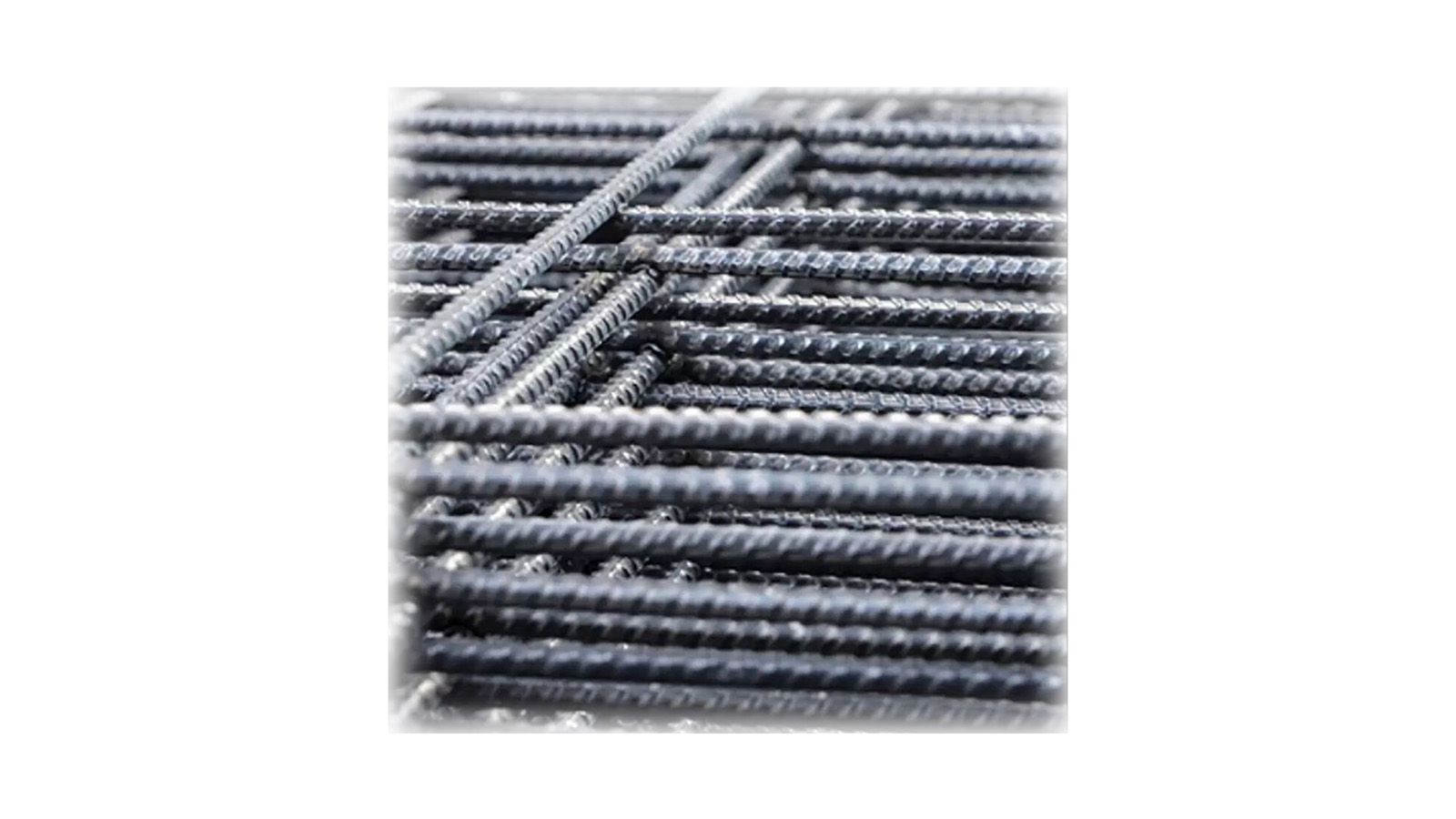
Ribbed or deformed wire mesh provides better bonding with concrete compared with plain wire. It is often preferred for structural concrete applications.
Buyers should confirm rib pattern, wire grade, yield, tensile and weld shear strength, elongation and compliance with local reinforcement standards.
Galvanized reinforcement mesh
Galvanized mesh provides improved corrosion resistance compared with black steel mesh. It may be used in humid environments, precast products, agricultural flooring or nonstructural concrete applications. Important sourcing considerations include checking the type of galvanization processes used after welding, zinc coating weight, weld points (if fully protected) and coating (if uniform and compliant with project specification).
Epoxy-coated or stainless reinforcement mesh
For marine, bridge, chemical or highly corrosive environments, epoxy-coated or stainless steel reinforcement may be specified. These products are more expensive but can improve durability in aggressive exposure conditions. For these categories, B2B buyers should require complete test reports and coating documentation.
Critical specifications
Reinforcement wire mesh is not a product where visual inspection alone is enough. Buyers should issue a detailed RFQ with all technical parameters.
Wire diameter
Wire diameter directly affects strength, weight and price. Even a small reduction in diameter can reduce steel content and load capacity. Buyers should specify nominal wire diameter, diameter tolerance, diameter measured before or after coating, plain or ribbed wire and longitudinal and transverse wire sizes. Common wire diameters vary by market and application, but buyers should always follow project drawings and local standards.
Mesh opening or spacing
Mesh spacing is the center-to-center distance between wires. The mesh opening affects crack control, steel distribution, handling and concrete placement.
Sheet or roll size
Common panel sizes differ by region. Some markets use metric sizes, while others use imperial sizes. Buyers should confirm the overall sheet length and width, effective coverage after overlap, roll width and length, edge overhang and custom cutting requirements. For container loading, sheet dimensions also affect how efficiently the product can be packed and shipped.
Steel grade and mechanical properties
Important steel properties include yield and tensile strength, elongation, carbon content, bend performance, ductility class and weldability. Buyers should not accept generic “high quality steel” descriptions. The grade must be clearly stated and matched to the target standard or project requirement.
Weld quality
Welded reinforcement mesh must have consistent welds at intersections. Poor welds can break during handling, transportation, or concrete placement. Key checks include weld shear strength, spacing consistency and proper alignment of longitudinal and transverse wires. There should be no missed welds, burn-through, brittle weld fracture and excessive weld spatter. For structural applications, weld strength testing should be included in the inspection plan.
Surface treatment
Surface options include black steel, galvanized, epoxy-coated, stainless steel, zinc-aluminum coated wire and PVC-coated mesh for certain nonstructural uses. Surface treatment affects corrosion resistance, price, storage and application suitability.
Weight
Weight is a major pricing and quality-control factor. Reinforcement mesh is often quoted by per ton, square meter, sheet, roll or bundle. Buyers should calculate theoretical weight based on wire diameter, spacing and sheet size, then compare it with supplier data. A lower unit price may simply mean lower steel weight.
Standards
Reinforcement wire mesh must often comply with national or regional standards. The applicable standard depends on the destination market and project type.
Examples of commonly referenced standards include:
- ASTM A1064/A1064M – Carbon-steel wire and welded wire reinforcement for concrete
- ASTM A185/A185M – Older reference for steel welded wire reinforcement
- ASTM A497/A497M – Older reference for deformed steel welded wire reinforcement
- BS 4483 – Steel fabric for reinforcement of concrete
- BS 4482 – Steel wire for reinforcement of concrete products
- EN 10080 – Steel for reinforcement of concrete
- AS/NZS 4671 – Steel reinforcing materials
- ISO standards where applicable
- Local project-specific standards
B2B buyers should verify which standard applies to the final market, whether the supplier has experience producing to that standard, whether third-party testing is available, whether mill test certificates can be provided and whether the certification matches the exact batch.
For public infrastructure or government projects, noncompliant reinforcement materials can lead to rejection, penalties or major project delays.
Final takeaway
Reinforcement wire mesh may look like a commodity, but from a B2B sourcing perspective it is a technical steel product. The right sourcing strategy should combine competitive pricing with strict control over wire diameter, mesh spacing, steel grade, weld quality, coating, packaging and documentation.
For importers, distributors and contractors, the best suppliers are not simply the cheapest. They are the manufacturers that can repeatedly deliver the correct specification, provide valid test certificates, maintain stable quality across batches and support efficient logistics.
A disciplined sourcing process – clear RFQ, verified standards, approved samples, production inspection and proper documentation – helps reduce project risk and protects both buyer margins and end-user trust.
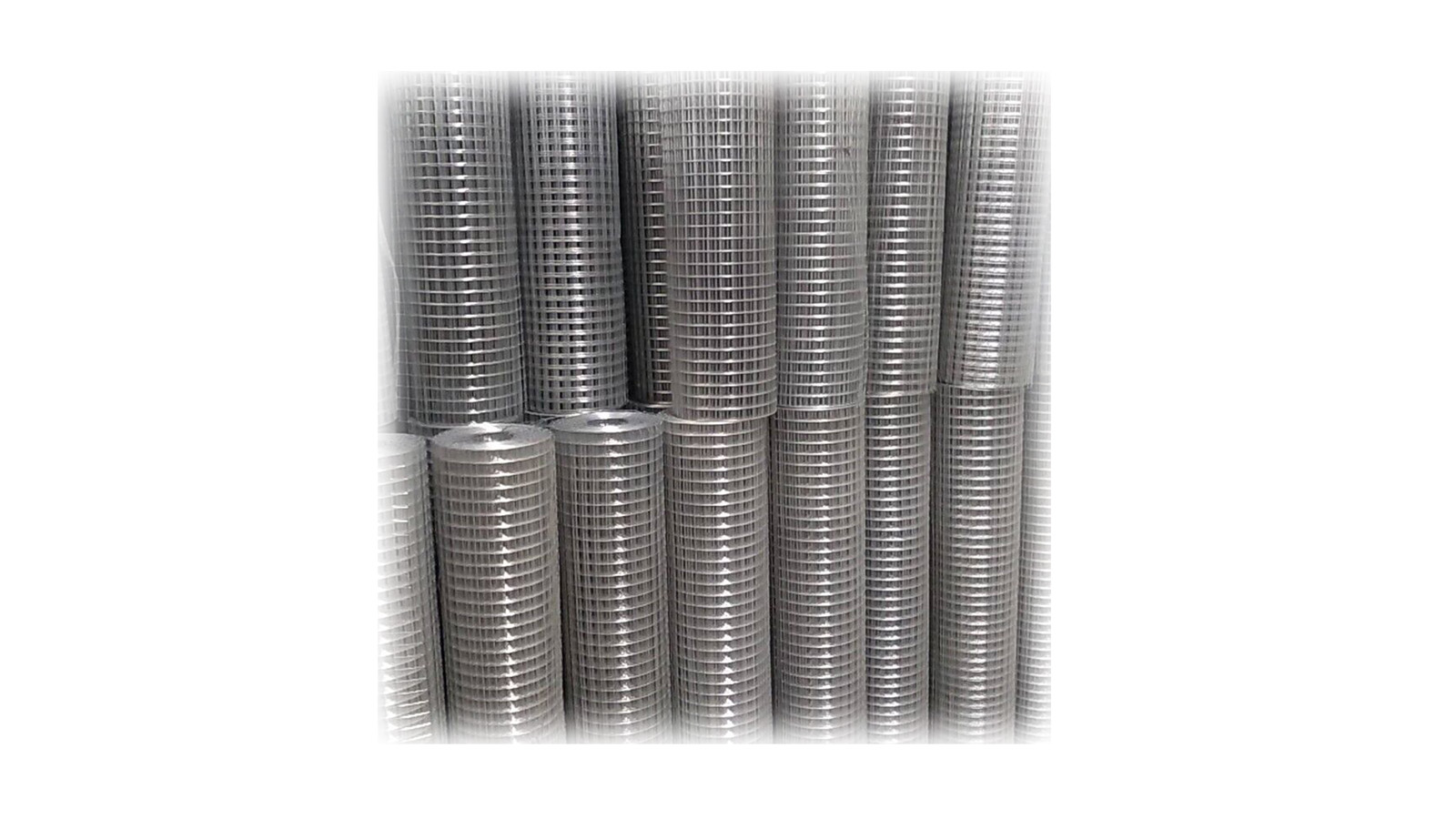
Galvanized, welded reinforcement wire mesh
Company: Anping Hua Cheng Wire and Netting Making Co. Ltd
The Huacheng-1-9610 from Anping Hua Cheng is a 10x10 reinforcement wire mesh for construction projects. It is made with plain steel wires that undergo hot-dip zinc coating after being welded together. Various gauges are available as well as stainless steel and PVC-coated versions.
Lead time: 3 to 15 days
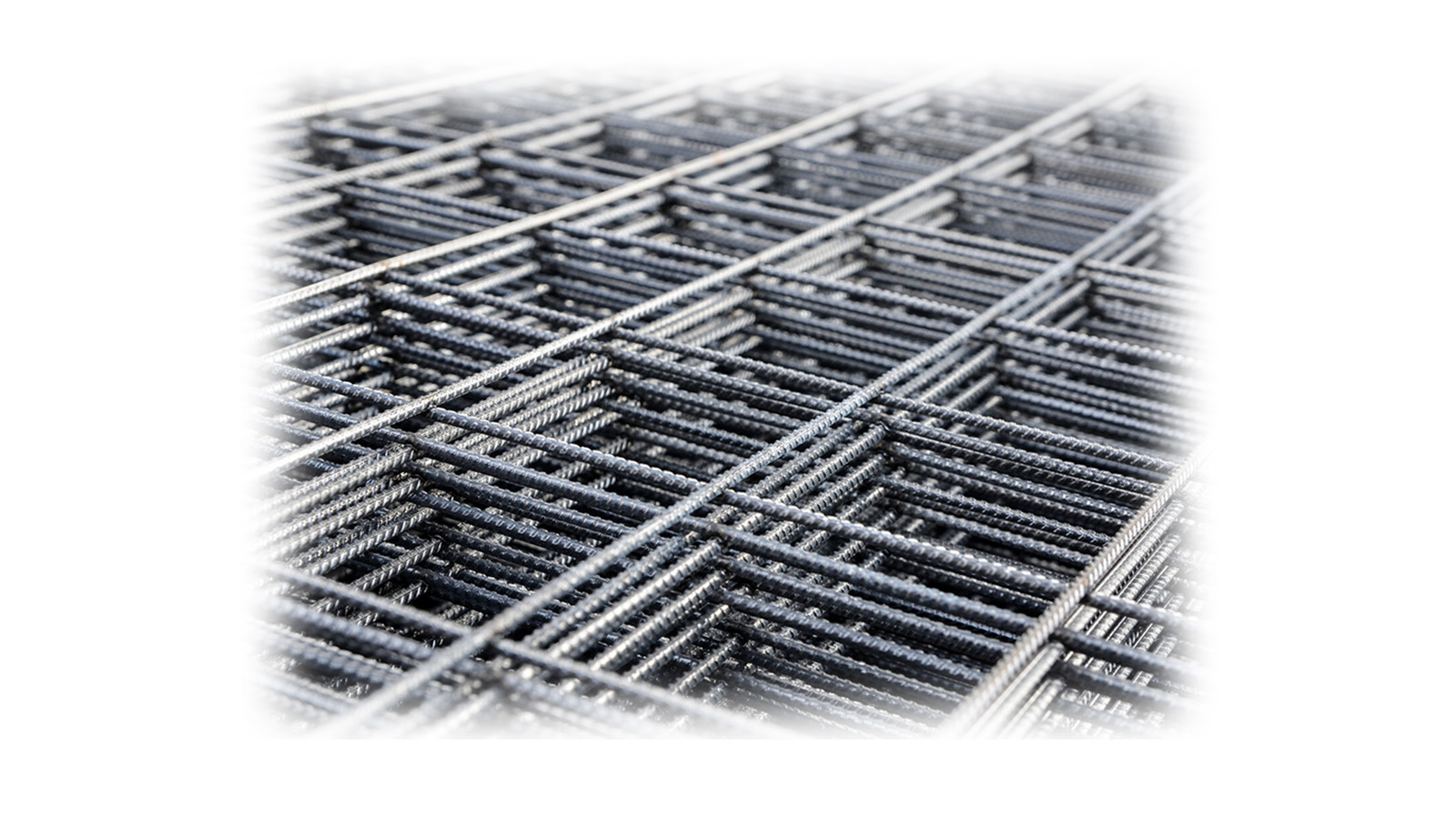
Reinforcement wire mesh with ribbed rebars
Company: Anping Dongfu Wire Mesh Co. Ltd
Anping Dongfu’s DF-RWM-122 is a reinforcing wire mesh made using cold-rolled L-grade ribbed steel rebars. The square version is designed for flat concrete elements such as slabs in driveways, patios, pavement areas, sheds and precast panels. The rectangular type is for floor slabs and walls, patios, tilt-up slabs and other industrial or warehouse applications, where more strength is required in one direction than the other. The trench variant is for residential footing trenches and industrial building concrete footing and beam reinforcement. This product can be manufactured in custom sizes and according to the quality standards of different markets.
Lead time: 7 to 15 days
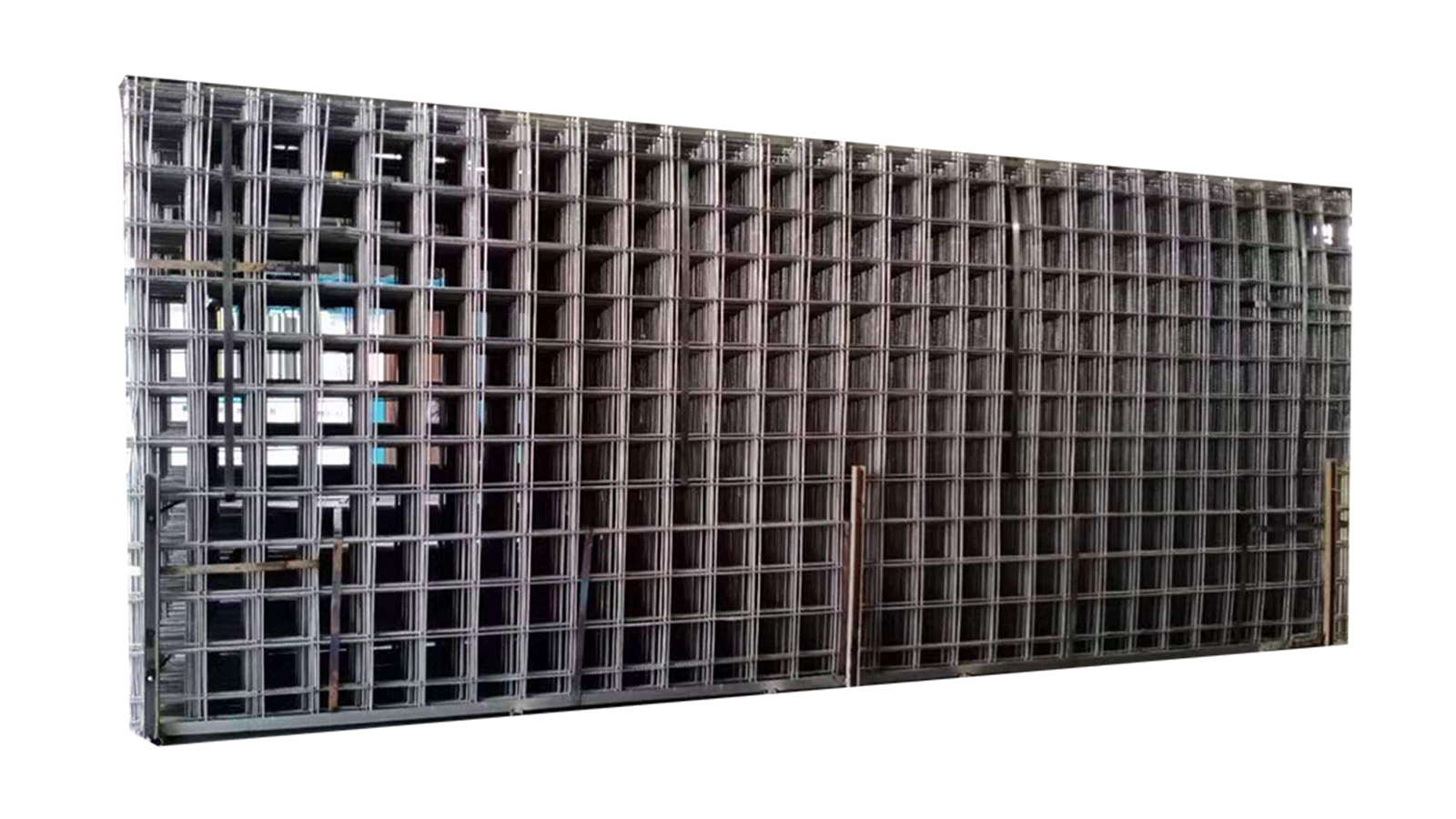
Reinforcement wire mesh in roll, sheet or panel
Company: Anping Yaqi Wire Mesh Products Co. Ltd
The YQ-W1227-2993 from Anping Yaqi is a welded reinforcement wire mesh available in PVC- or powder-coated, hot-dipped or electro-galvanized versions in rolls, sheets, panels and cut-to-size pieces.
MOQ: 50 pieces
Lead time: 5 to 10 days
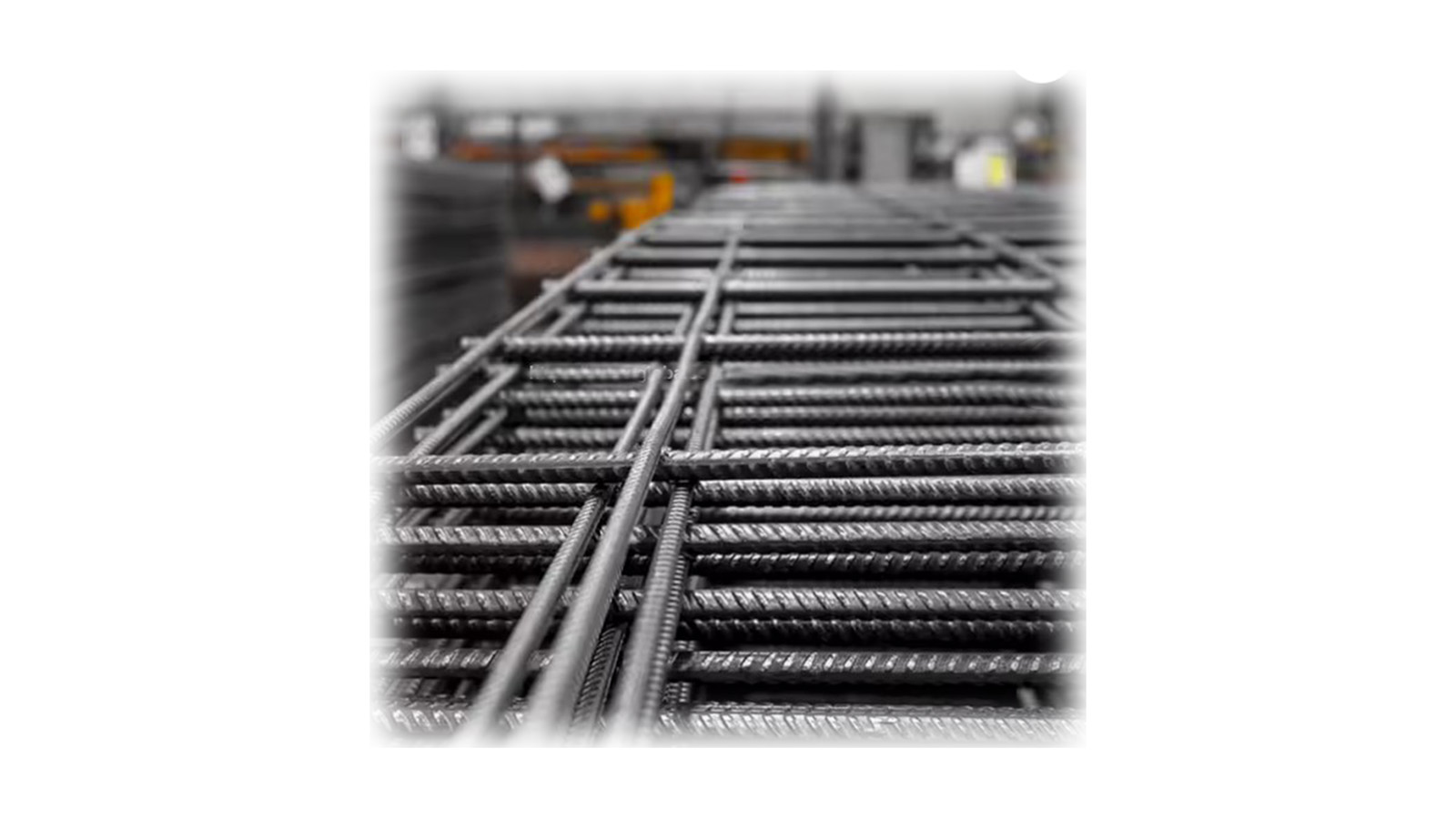
Reinforcement mesh with 1.2 to 14mm-diameter wires
Company: Dingzhou Huaxin Metal Products Co. Ltd
Dingzhou Huaxin’s model HXL160708-A-2102 is a reinforcement wire mesh made using low carbon steel, galvanized steel, stainless steel or redrawing wires. Wire diameter ranges from 1.2 to 14mm, mesh opening size 1x0.5 to 15x15 inches and panel width 0.5 to 2.6 meters. Applications include mining, tunnels, bridges and roads.
MOQ: 200 pieces
Lead time: 15 to 20 days
Welded, galvanized reinforcement wire mesh
Company: Hebei Jiefan Import & Export Trading Co. Ltd
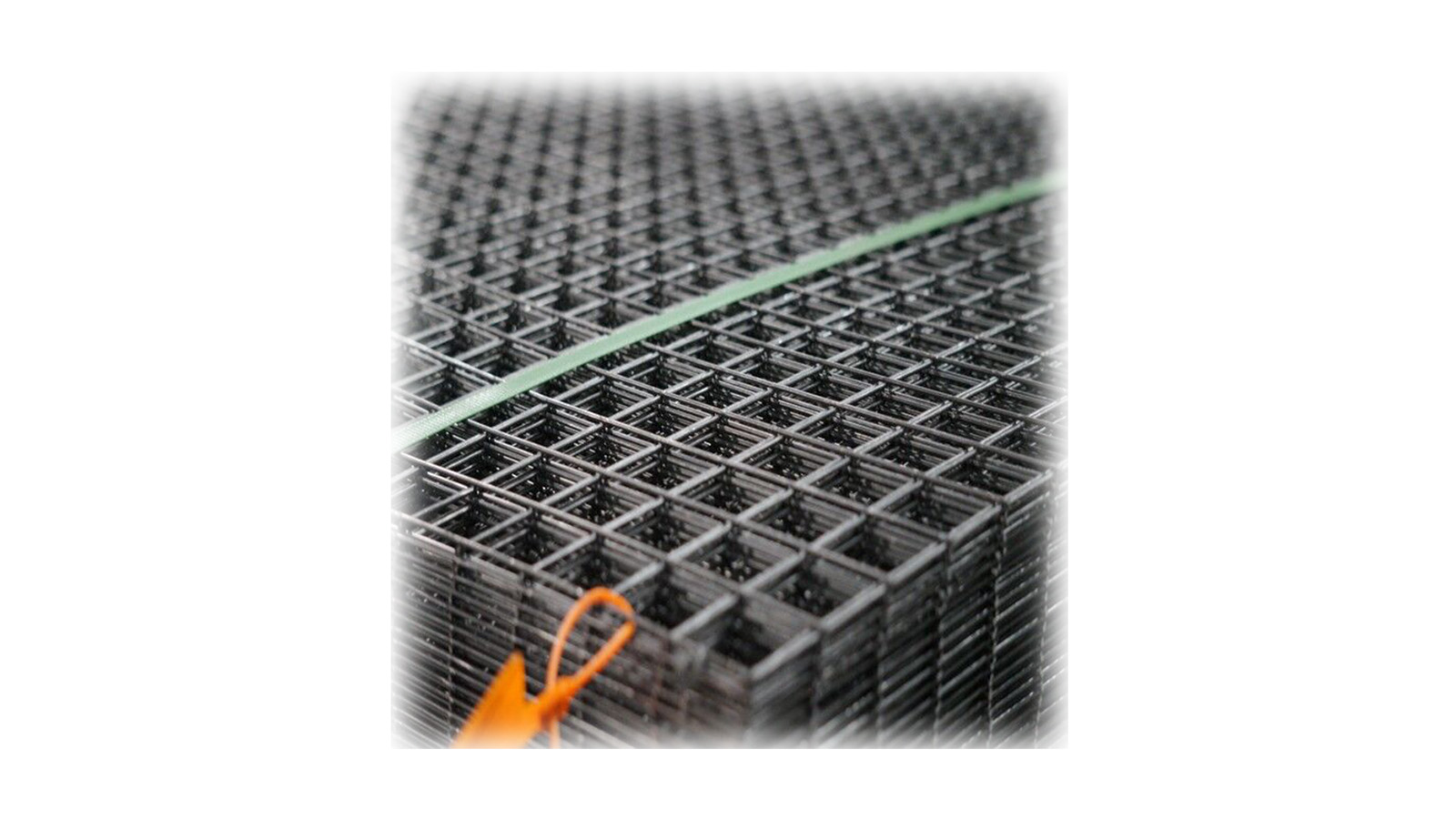
Hebei Jiefan markets the JF-M-094-25 welded reinforcement wire mesh made of welded and galvanized steel wires. This product is available in mesh openings of 1x1 to 6x6 inches or 25x25 to 150x150mm. Standard panel length ranges from 0.5 to 5.8 meters and width 0.5 to 2.4 meters, with custom dimensions accepted.
Lead time: 20 to 35 days
Reinforcement wire mesh with 25x25 to 150x150mm meshes
Company: Sunwinvista Construction Engineering Co. Ltd
Sunwinvista offers the Wire Mesh-4772 for slabs, concrete elements such as arches, domes lotus petals, as well precast elements which are thin or are difficult to reinforce such as curved arch flat members, hyperbolic paraboloid shells, folded plate roof girders and fins. This product has 1x1 to 6x6 inches or 25x25 to 150x150mm mesh openings and is available in standard panel lengths of 0.5 to 5.8 meters and widths of 0.5 to 2.4 meters. Custom sizes are accepted.
MOQ: 28 tons (UK)
Lead time: 7 to 25 days

