




Robotics’ relevance in sectors including manufacturing, agriculture, healthcare, education, service industries, entertainment and research continues to increase, helping to achieve higher precision, productivity, efficiency and safety. As such, the market for robotics has been expanding over the years. Statista has said that it will likely reach $42.82 billion by the end of 2024 and remain on a growth path at 11.25 percent CAGR between 2024 and 2028.
The same source said that industrial robotics will account for $9.31 billion in 2024 and $10.41 billion of the overall market value of $65.59 billion by 2028. Most will be coming from China in 2024, which will generate a total of $1.44 billion.
As early as 2022, China already accounted for 52 percent of all industrial robots used in the world, according to a recent South China Morning Post report, claiming that the country has “12 1/2 times more robots in its workforce than experts predicted.”
Based on earlier projections made by Qianzhan Industry Research Institute, China’s industrial robotics’ CAGR could get as high as 28.2 percent from 2022 to 2027. This segment will continue to represent the largest chunk of its robotics industry, which had a 79.1 percent share in 2023, and provide impetus to upstream categories such as PCBs.
PCB, backbone component
PCBs are critical to any robotics system, being the backbone or base for its various components such as power supply, body, feedback mechanisms, sensors, motors, user I/O devices and other key parts.
There are many types of PCBs used in robotics applications. They include rigid, flexible, rigid-flex, metal-core, high-frequency and HDI units in single-sided, double-sided and multilayered configurations.
In China, PCB manufacturers targeting the robotics market highlight multilayer rigid and rigid-flex kinds for their high density and reliability and enhanced EMI shielding as well as vibration and corrosion resistance.
HDI and rigid-flex PCBs
HDI PCBs have advantages of fine pitch traces and microvias, allowing mounting of components in greater density. The shorter traces streamline the layout, making routing more efficient and thereby reducing signal losses and reflections and crossing delays. These PCBs use thinner dielectrics that permit microvias to be placed closer to ground planes for better shielding.
Rigid-flex PCBs, meanwhile, eliminate the need for bulky cabling, can snake along the inside of robotic arms and graspers and offer dynamic flexing of rigid portions to accommodate motion and vibration associated with these systems.
Because of these features, Chinese suppliers are positioning themselves to push their HDI and rigid-flex PCBs, which they believe will be in great demand in the robotics market in the coming years.
Some companies are investing significantly in HDI PCB projects. Qing Ding, for instance, announced one in early 2023. The undertaking, which will cost $58.33 million and is expected to be completed in five years, will entail the annual production of 5 million square feet or 464,515.2sqm of HDI PCBs with 10 layers and above, and any-layer HDI units and SLPs. These boards, with 20µm minimum line width and spacing, target not only robotics but also AI, 5/6G communications and automotive applications.
Other manufacturers such as Huizhou Xindayuan Technology Co. Ltd are introducing multilayer rigid-flex PCBs specifically for smart robots. Victory Giant, a leading PCB maker in the country, has developed HDI PCBs for humanoid robots and plans to release new products in small batches for this application. Shenzhen BenQiang, meanwhile, has launched a 10-layer HDI unit based on a 2+N+2 or what Chinese suppliers call a two-step design. This PCB is intended for chip testing in the robotics, AI and 5G communication fields.
China-made robotics PCBs
There are over a thousand PCB manufacturers in China. They include the world’s top companies such as ZhenDing, UMTC, Dongshan Precision, NOK, TTM, Compeq, Tripod, Nanya, Ibiden and Shennan Circuits.
Most domestically owned enterprises can cater to the robotics market and these PCBs account for 10 to 30 percent of their total shipments.
Widely available from them are multilayer rigid and rigid-flex types with 3mil line width and spacing, 0.5 to 6oz copper and 0.4 to 3mm board thickness. These PCBs can have ENIG, HASL, lead-free HASL, OSP, ENEPIG, flash gold, or immersion gold, nickel, silver or tin surface treatment.
Customization remains extensively practiced, which is why many suppliers continue with R&D activities to match diverse requirements.
Most have ISO 9001, 14001 and 13485-compliant operations and ensure their products conform to UL, CE and RoHS standards.
Chinese companies leverage their proximity to materials, enabling them to boost their competitiveness. Copper clad laminates, for instance, account for about 30 percent of total PCB costs. These are in plentiful supply as China is the largest production base, which turned out 1.02 billion square meters of the material in 2023 according to AskCI. Kingboard, Shengyi, Nanya and EMC are the major providers.
Many PCB manufacturers in China are found in Shenzhen, Dongguan, Zhongshan, Guangzhou, Shantou, Shanwei and Xiamen. Others are in Suzhou, Kunshan, Changzhou, Ningbo and Hangzhou.
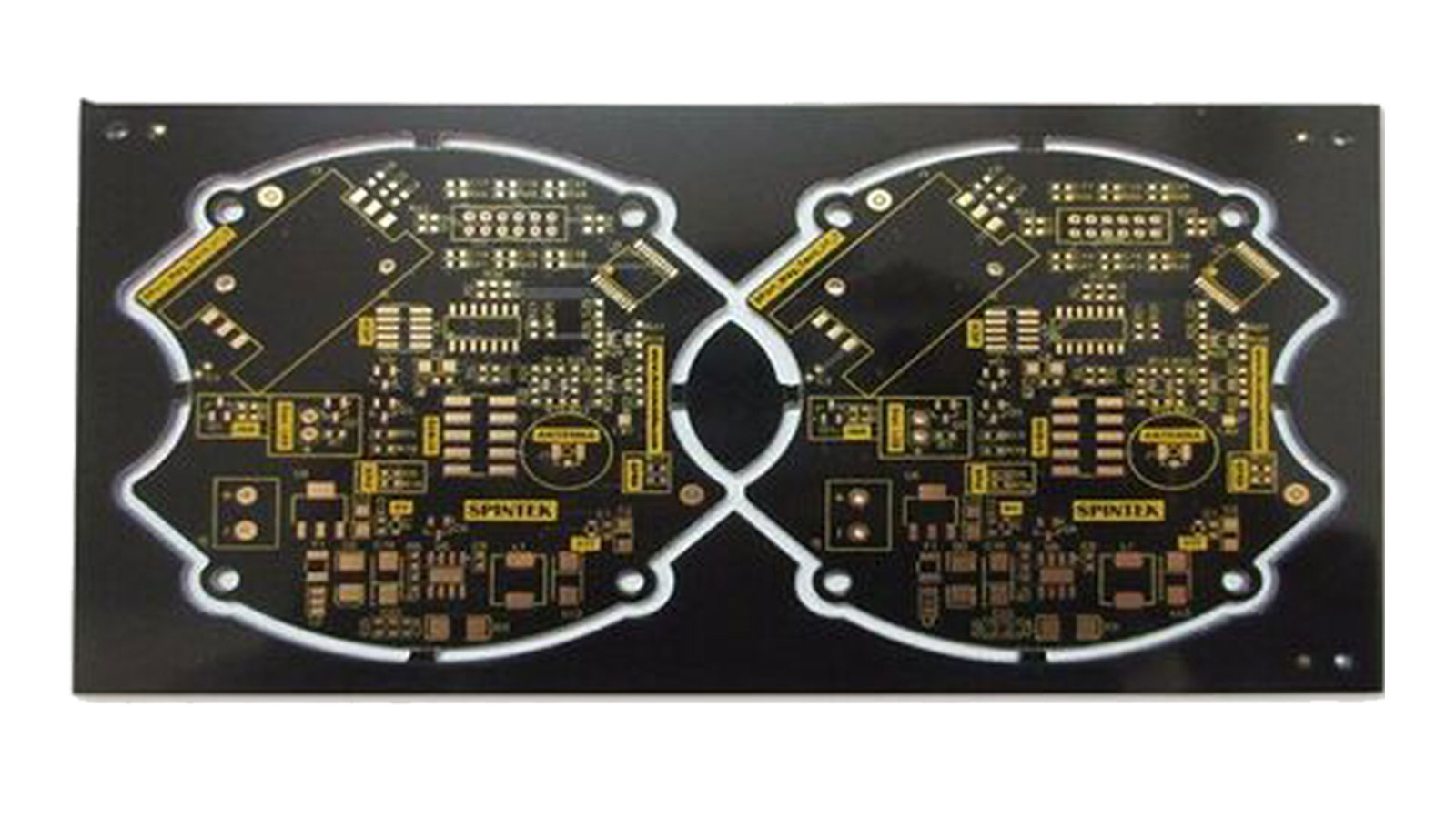
PCB, up to 32 layers
Company: Consons Electronic Technology Co. Ltd
Consons’ CNS-048-3647 is a PCB with 3.94mil minimum line width and spacing, 0.2mm minimum holes, HASL, gold-plated, immersion gold, tin or nickel, gold finger or OSP surface finish and green, yellow, black, red, white or blue solder mask. It can be made with up to 32 layers using FR-4, CEM-3 or CEM-1 halogen-free, Rogers or Teflon high-frequency or high-Tg base material. The board thickness is 0.6 to 3mm and the maximum board size 560x720mm.
MOQ: Negotiable
Lead time: 20 days
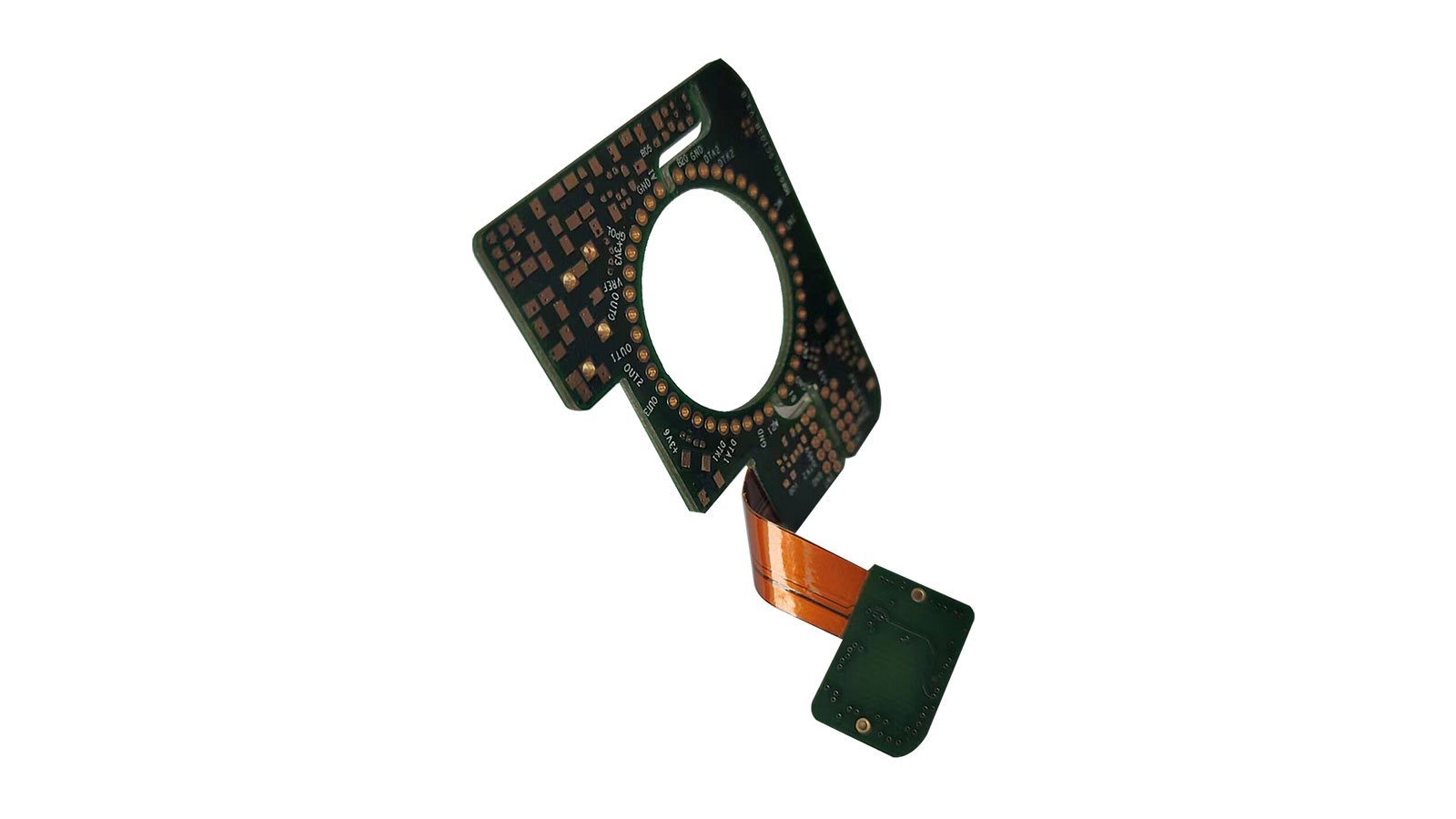
Rigid-flex PCB, 3±0.03mm board thickness
Company: Huizhou Xindayuan Technology Co. Ltd
Huizhou Xindayuan’s three-layer rigid-flex PCB, the XDYRF0013B, uses FR-4 and copper materials and has an immersion gold surface finish, green solder mask and 3±0.03mm board thickness.
MOQ: Negotiable
Lead time: 5 days
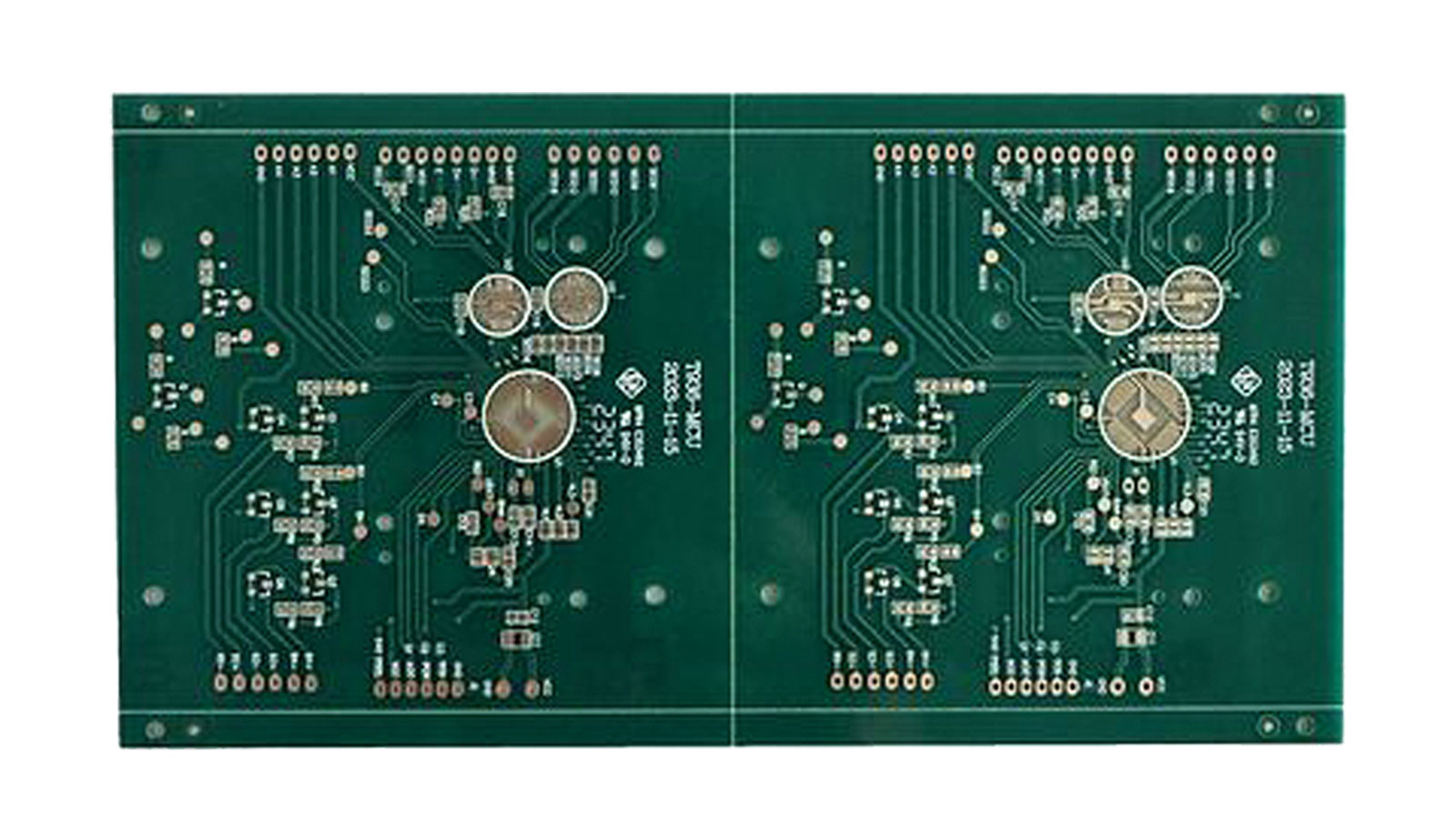
FR-4 PCB
Company: Kaimau Electronics (Dingnan) Co. Ltd
Available with HASL, OSP, ENIG, gold finger, gold panel, OSP or ENIG surface finish, Kaimau’s 231212A FR-4 PCB has 5mil minimum line width and spacing, 1/1oz copper, 0.3mm minimum hole size and green, yellow, black, white, red or blue solder mask. The board thickness is 1.6mm.
MOQ: Negotiable
Lead time: 8 days
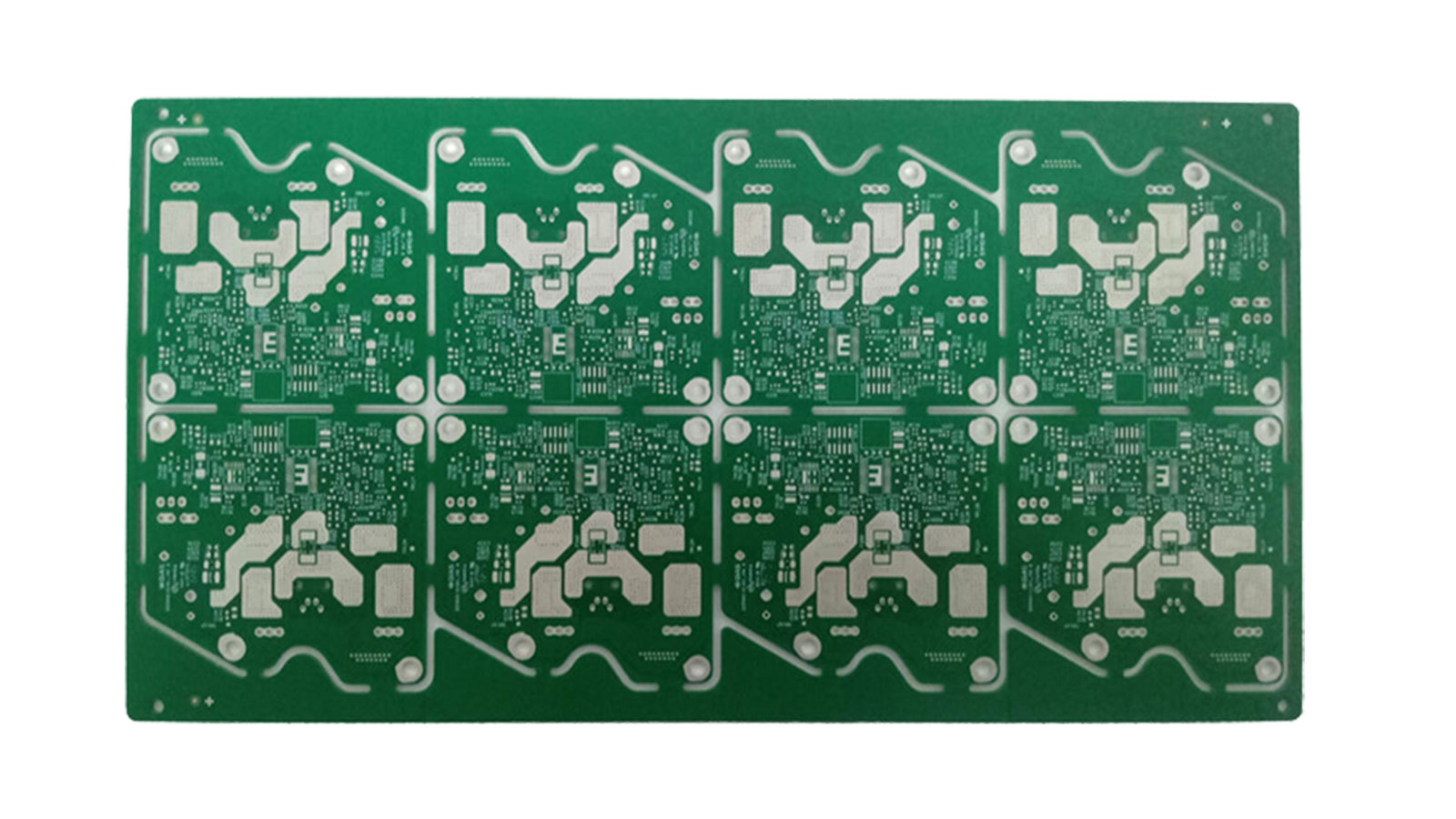
Up to 32-layer FR-4 PCB
Company: MKT Electronic Co. Ltd
This up to 32-layer FR-4 PCB from MKT, the A-70, has 3mil minimum line width and spacing, HAL, lead-free or immersion gold, tin or silver surface finish, 0.5 to 6oz finished copper thickness and 0.2 to 6mm finished board thickness.
MOQ: 2 units
Lead time: 3 days

