Download App
Better Online and Trade Show Sourcing Experiences.Scan the QR code to download.
Learn More
Hot Topics
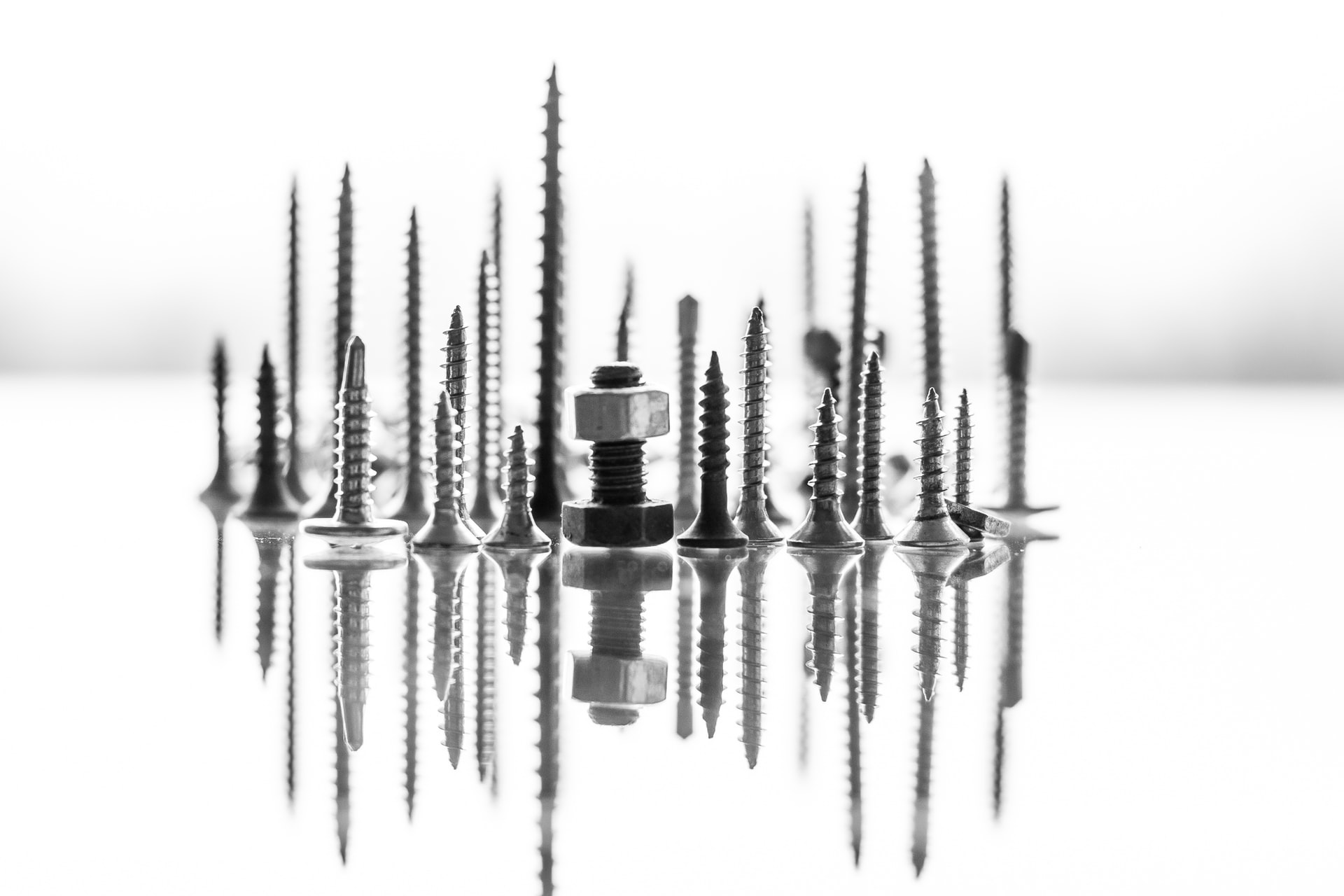
Different applications demand different screwheads – order the right types of screws for your market by knowing which heads are used where and for what.
Countersunk screws sit within the surface of the material they are installed in, keeping a flat or low profile compared to the surrounding surface. Countersinking is often used in woodwork projects, first drilling a pilot hole at the correct head angle before installing the screw itself. This helps prevent splitting.
Flat screwheads sit completely flush with the surface they are installed in, leaving none of the head exposed. This means the surrounding surface can be completely flat and the screws do not interfere with the object lying flat or snag on anything.
The screw can also be covered so that the head cannot be seen, for aesthetic reasons.

Raised or oval-shaped heads have a slightly domed head and protrude slightly from the surface when countersunk. These screwheads are typically chosen for decorative reasons.
Bugle heads are mainly used on plasterboard and drywall screws. They have a similar shape to a flat head but with a curved profile beneath the surface of the screwhead that helps reduce damage to the surface by spreading pressure across a wider area. Bugle screws are self-drilling, meaning that a pilot hole is not needed.
Non-countersunk means the head of the screw protrudes from the surface of the project. They do not typically have an angle, so there is no need to create an angle for the screwhead to sit in.
The most common type of rounded-top screw head. Pan heads are used when a flat-bottomed screw is required and are suitable substitutes for many similar head styles.
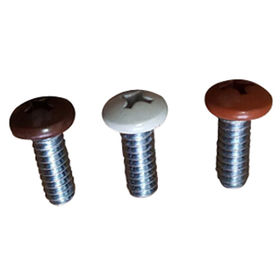
Roundhead screws are often used be used on machinery and with sheet material that would be too thin to use with countersunk screw heads.
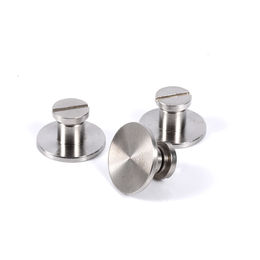
These screws have a slightly domed head and screw into each other with a male and female side.
Short binding screws are often used to bind large books, and are also used to hold together swatches, leather, and other materials.
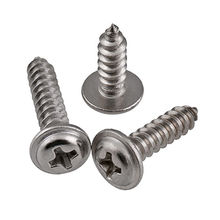
Sometimes called a mushroom head, a truss head provides a larger bearing surface and a lower profile than pan or round heads.
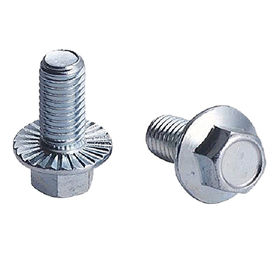
Flange or frame screws have circular or hexagonal heads, which sit on a circular flange directly under the head. The flange helps the screw to remain in its position, taking the place of a washer.
The drive of a screwhead determines the type of tool needed to install the screw. Some drives are better at avoiding stripping but may also cost more and be difficult to find the tools for.
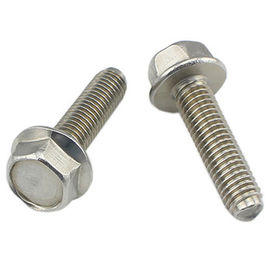
These hex heads have a hexagonal shape protruding upward, sometimes in a flange head configuration, otherwise with the hexagon shape as the whole screwhead.
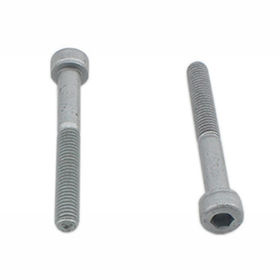
Installing or removing internal hex screws needs an Allen wrench. These screws are commonly used in furniture that is sold with assembly required. Unlike a Phillips head or slotted head screw, the tool is unlikely to slip and damage the surface.
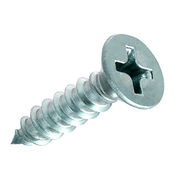
One of the most commons types of screw, Phillips heads have a cross shape in the center that helps anchor the screw so that it does not drill at the wrong angle. However, too much force can quickly strip the head.
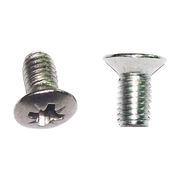
They look similar to Phillips head screws, but Pozidriv screws have additional grooves creating a star pattern. They provide more stability than Phillips heads when force is applied to them, but special Pozidriv screwdrivers or bits are needed to match them – you can sometimes use a Phillips head screwdriver to remove them, btu it doesn’t always work.
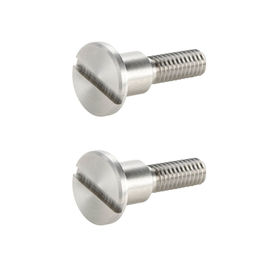
One of the most common and cheapest type of drive, slotted heads are also the most prone to stripping. But what you may not know is that this is a feature, not a bug: slotted screws are designed to strip, to prevent overtightening.
Also known as Robertsons, square recess screws have a square center point that prevents cam outs, where the screwdriver slips out from the head of a screw because of excess torque.
Double and triple versions exist, where two or three square recesses are superimposed to create a an eight- or twelve-pointed star shape. You can use a square bit to drive these, or special high-torque bits that fit exactly.
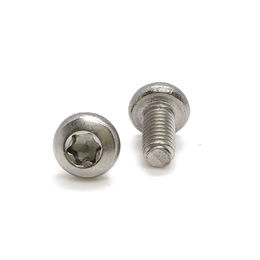
This kind of screw drive has a six-point star-shaped patter, and is often used on electronics like computers and media players. Torx Plus heads have shallower grooves between the point of the star pattern, allowing more contact with the screwhead and thus more applied force.
More Sourcing News
Read Also

关注 “环球资源外贸” 官方微信,获取实时外贸资讯
iOS & Android
iOS & Android(Mainland China)
Copyright © 2026 Publishers Representatives Limited. All rights reserved.




