




Table of Contents
- Part 1. Introduction to Temu, Alibaba, and Shopify
- Part 2. Temu vs Alibaba: A Comparative Analysis
- Part 3. Shopify vs Alibaba: Contrasting Features
- Part 4. Temu, Alibaba, and Shopify: The Preferred Choice for Sellers
- Part 5. Tips for Selecting Between Temu, Alibaba, and Shopify
- FAQs
Introduction to Temu, Alibaba, and Shopify
In the world of online commerce, three names often come up: Temu, Alibaba, and Shopify. These platforms offer varied services and cater to different audiences. Understanding the strengths and weaknesses of each can help businesses make more informed decisions when choosing their e-commerce platform.
| Feature/Aspect | Temu | Alibaba | Shopify |
|---|---|---|---|
| Introduction | A rising star in the online marketplace known for cost-effective prices and a broad product assortment. Primarily appeals to individual consumers in North America. | A prominent global e-commerce platform focusing on B2B transactions across a plethora of industries. Bridges the gap between buyers and sellers worldwide. | A leading e-commerce platform that enables businesses of all sizes to set up and manage their online stores. |
| Market Presence and Reach | Gaining momentum for its competitive pricing and diverse product range. | Has an impressive global footprint, reaching various markets across the globe. | Caters to a wide audience of entrepreneurs and businesses across different regions. |
| User Interface and Experience | Offers a user-friendly interface that makes shopping easy for consumers. | Provides a comprehensive platform equipped with numerous features and tools tailored to meet the needs of both buyers and sellers. | Offers a user-friendly platform with various features and tools to streamline the e-commerce experience for business owners. |
| Business Model | Operates on a direct-to-consumer (D2C) model, focusing on individual consumers and offering affordable products directly from sellers. | Operates as a B2B marketplace, facilitating global transactions between businesses and suppliers, mainly catering to bulk orders and wholesale transactions. | Enables businesses to create and manage their online stores, catering to both B2C and B2B transactions. |
| Product Variety and Quality | Offers a wide variety of products at competitive prices. | Boasts a more extensive product range, from budget-friendly items to high-quality goods sourced from global manufacturers and wholesalers. | Provides a platform for businesses to offer a diverse range of products, depending on the business's inventory. |
| Shipping and Delivery | Prioritizes fast shipping and easy returns for a seamless consumer experience. | Offers a broader range of shipping options and delivery services to cater to its international customer base. | Shipping options and delivery services depend on the business's chosen carriers and Shopify's integrations. |
| Customer Support and Return Policy | High emphasis on customer satisfaction, providing robust customer service support. | Similar emphasis on customer satisfaction with comprehensive support for both buyers and sellers. | Offers extensive support resources for merchants, including 24/7 customer service, to help manage their stores effectively. |
| Dropshipping Potential | Not explicitly designed for dropshipping but can work with dropshipping services like Sup Dropshipping. | A popular platform for dropshipping, offering customization options and tools tailored to the needs of dropshipping businesses. | Highly compatible with dropshipping apps, making it an ideal platform for entrepreneurs looking to enter the dropshipping market. |
| Payment Methods | Offers secure payment methods to protect sensitive customer information and ensure secure transactions. | Supports various secure payment methods, catering to the diverse needs of its global customer base. | Supports a wide range of payment methods, providing flexibility for businesses and their customers. |
| Preferred Choice for Sellers | Particularly appealing to budget-conscious consumers and small businesses looking for a seamless shopping experience with fast shipping options. | Well-suited for businesses engaged in B2B transactions, serving as a global trade hub that connects buyers and sellers worldwide. | Empowers businesses of all sizes to create and manage their online stores with ease. Its compatibility with dropshipping apps makes it an ideal platform for dropshipping entrepreneurs. |
| Selection Tips | Ideal for businesses targeting individual consumers in North America with a focus on affordability and a broad product assortment. | Best suited for businesses looking to engage in B2B transactions, requiring access to a global market and a wide range of products. | Perfect for entrepreneurs and businesses of all sizes seeking a customizable and scalable online store platform, with a focus on dropshipping or a diverse product offering. |
 Are you familiar with the methods sellers on platforms like Amazon, Temu, Wish, eBay, Shein, and Walmart use to find suppliers for the goods sold on their B2C platforms?
When it comes to major purchases, sellers tend to establish long-term strategic partnerships with manufacturers while also exploring trusted wholesalers face-to-face at trade shows. Additionally, in the digital age, finding verified suppliers through online third-party B2B platform channels has become a common and effective practice.
One notable B2B platform excelling in this regard is Global Sources. For over 50 years, Global Sources has stood as one of the world's largest facilitators of Business-to-Business (B2B) trade, garnering trust as a genuine and safe hands-on sourcing platform.
With a remarkable track record, it has served over 10 million registered buyers and users worldwide, boasting the participation of 97 of the world's top 100 retailers. Global Sources caters to online sellers across various platforms, including Amazon, Temu, Wish, eBay, Shein, Walmart, and Etsy. It offers a wide array of trusted suppliers from countries like China, Vietnam, South Korea, and India, ensuring diverse sourcing options.
Temu vs Alibaba: A Comparative Analysis
The Emergence of Temu and Alibaba
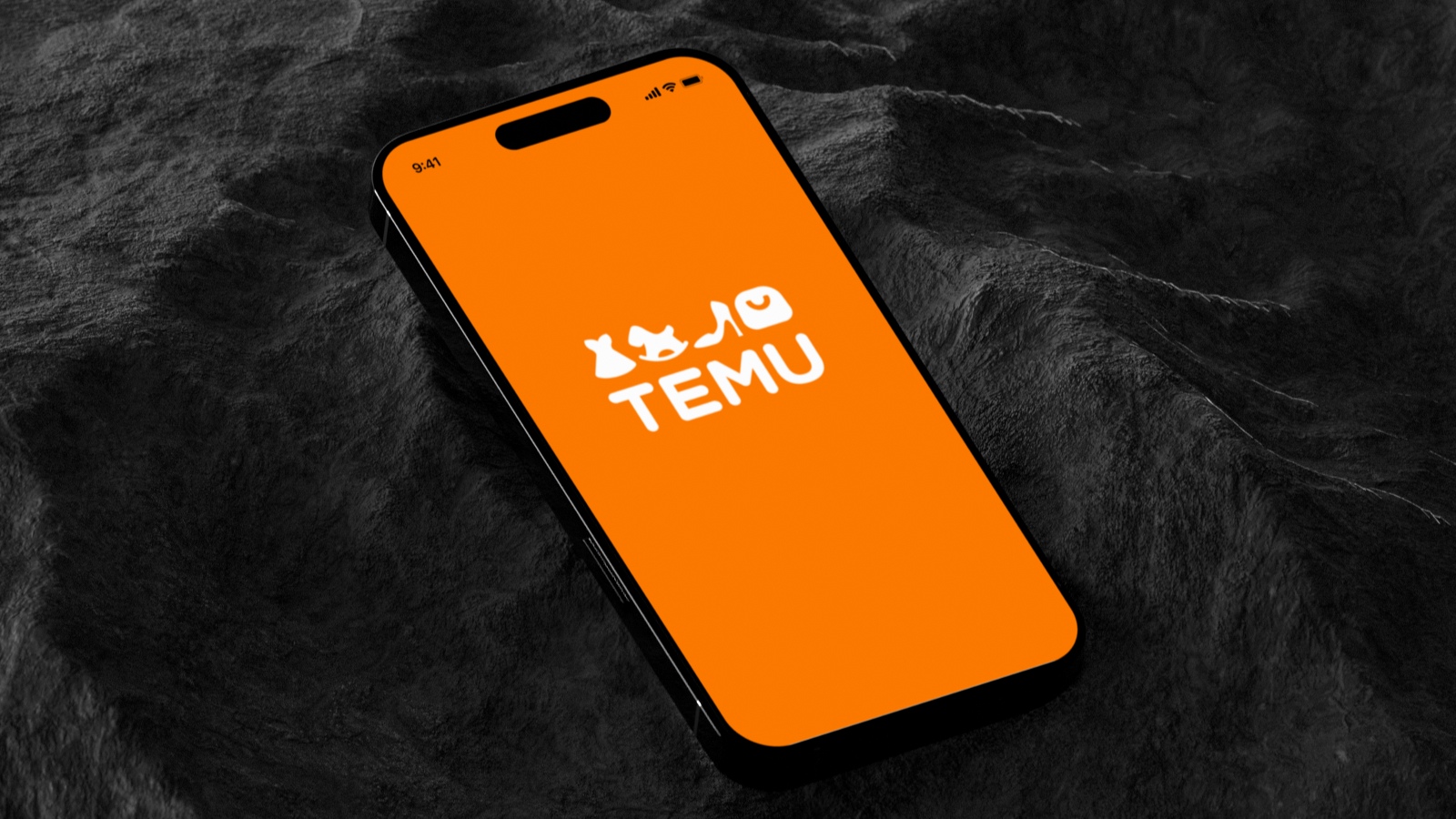
Temu, a rising star in the online marketplace, is recognized for its cost-effective prices and broad product assortment, particularly appealing to individual consumers in the North American market. Alibaba, a prominent global e-commerce platform, bridges the gap between buyers and sellers worldwide, with a primary focus on B2B transactions across a plethora of industries.
Market Presence and Reach
While Temu is gaining momentum for its competitive pricing and diverse product range, Alibaba has an impressive global footprint, reaching various markets across the globe.
User Interface and Experience
Temu offers a user-friendly interface that makes shopping a breeze, while Alibaba offers a comprehensive platform equipped with numerous features and tools tailored to meet the needs of both buyers and sellers.
Supply Chain and Business Models
Temu operates on a direct-to-consumer (D2C) model, focusing on individual consumers and offering affordable products directly from sellers. On the contrary, Alibaba operates as a B2B marketplace, facilitating global transactions between businesses and suppliers, mainly catering to bulk orders and wholesale transactions.
Product Variety and Quality
Temu offers a wide variety of products at competitive prices, but Alibaba boasts a more extensive product range, from budget-friendly items to high-quality goods sourced from global manufacturers and wholesalers.
Shipping and Delivery
While Temu prioritizes fast shipping and easy returns, Alibaba offers a broader range of shipping options and delivery services to cater to its international customer base.
Customer Support and Return Policy
Both Temu and Alibaba place a high emphasis on customer satisfaction, providing robust customer service support to address any issues or inquiries promptly.
Dropshipping Potential
While Temu isn't explicitly designed for dropshipping, it can still work with dropshipping services like Sup Dropshipping. On the other hand, Alibaba is a popular platform for dropshipping, offering more customization options and tools tailored to the needs of dropshipping businesses.
Payment Methods
Both Temu and Alibaba offer secure payment methods, protecting sensitive customer information and ensuring secure transactions.
Shopify vs Alibaba: Contrasting Features
Introduction to Shopify and Alibaba
While Shopify is a leading e-commerce platform that empowers businesses of all sizes to set up and manage their online stores, Alibaba stands as a global powerhouse, connecting buyers and sellers worldwide.
Market Position and Audience
While Shopify caters to a wide audience of entrepreneurs and businesses, Alibaba primarily targets businesses engaged in wholesale and bulk transactions.
Features and Tools
Shopify offers a plethora of features and tools to streamline the e-commerce experience. On the other hand, Alibaba provides an extensive suite of resources and tools tailored to facilitate global trade.
Pricing and Fees
While Shopify operates on a subscription-based pricing model, Alibaba does not charge sellers any listing fees but may levy fees for additional services.
Dropshipping Potential
Shopify is a popular choice for dropshipping businesses, offering seamless integration with dropshipping apps. Alibaba, while facilitating dropshipping, primarily serves as a B2B marketplace.
Payment Methods
Both Shopify and Alibaba support various payment methods, catering to the diverse needs of their global customer base.
Temu, Alibaba, and Shopify: The Preferred Choice for Sellers
Choosing the right e-commerce platform is crucial for the success of any online business. Let's weigh the strengths of these three platforms to determine which aligns best with your needs.
Temu: Diverse and Affordable
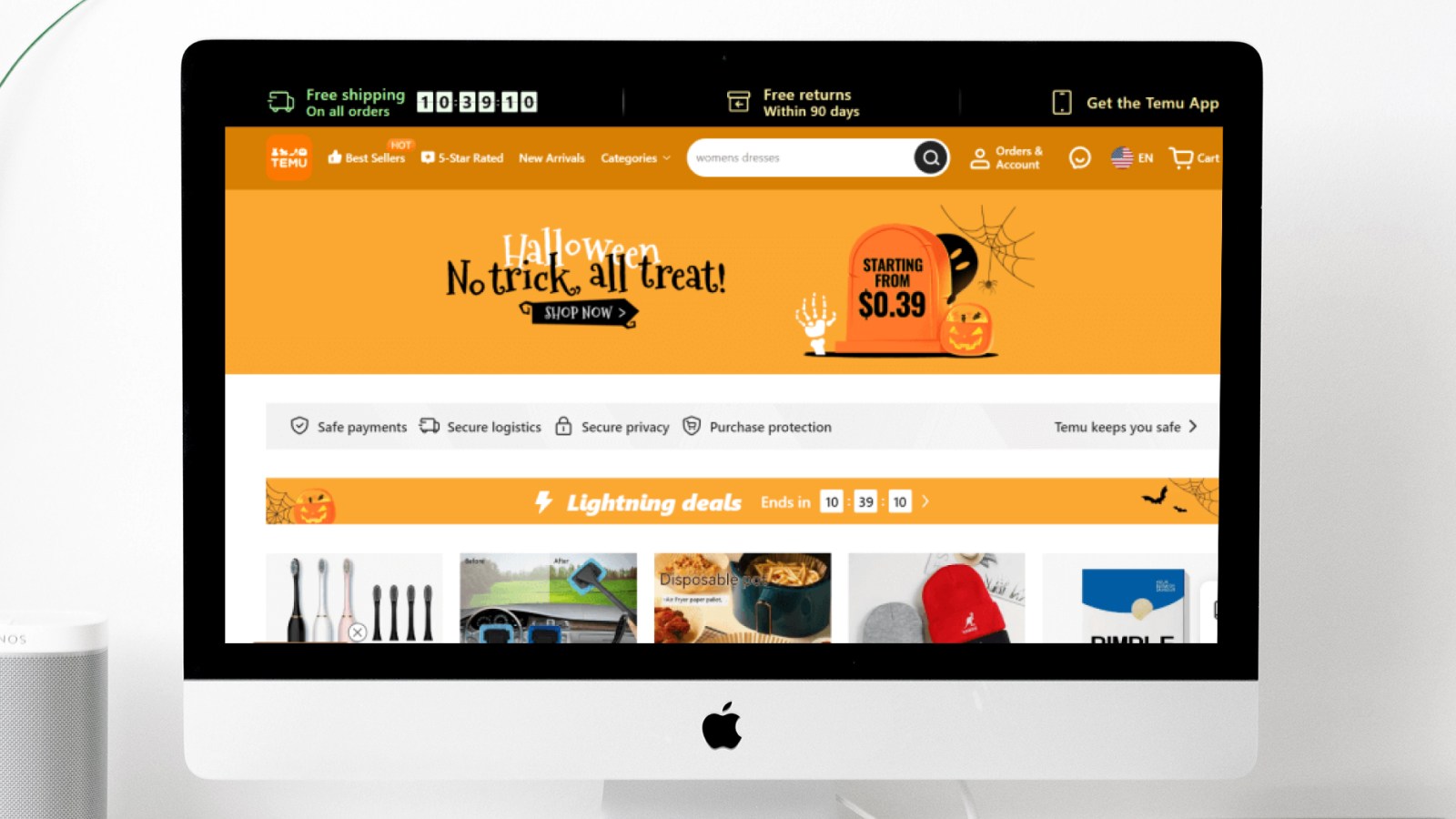
Temu is particularly appealing to budget-conscious consumers and small businesses. Its user-friendly interface and fast shipping options make for a seamless shopping experience.
Alibaba: A Global Trade Hub
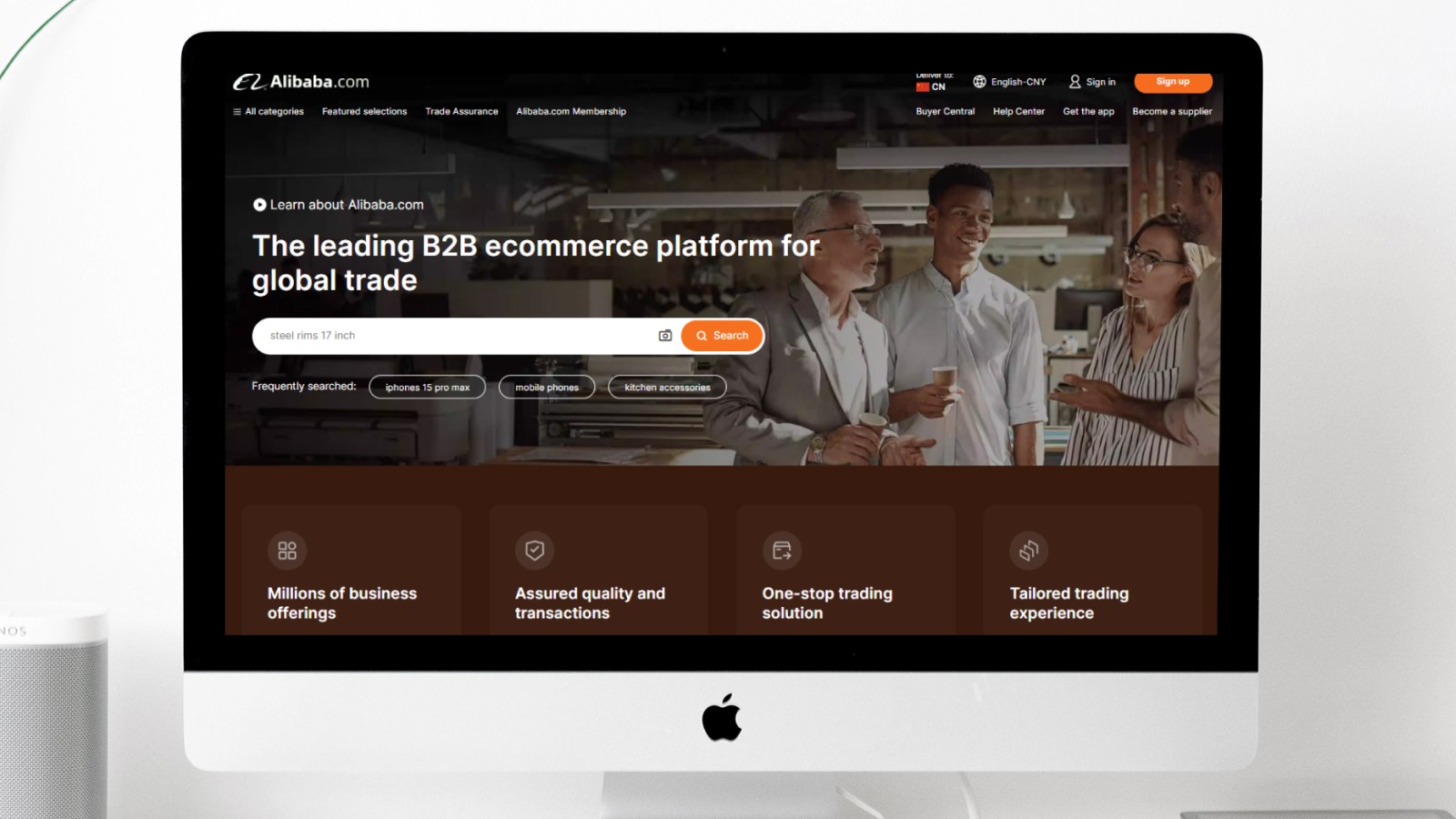
Alibaba is a global trade hub, connecting buyers and sellers worldwide and facilitating transactions across diverse industries. It's well-suited for businesses engaged in B2B transactions.
Shopify: Customizable and Scalable
Shopify empowers businesses of all sizes to create and manage their online stores with ease. Its compatibility with dropshipping apps makes it an ideal platform for entrepreneurs looking to enter the dropshipping market.
Tips for Selecting Between Temu, Alibaba, and Shopify
When it comes to e-commerce, choosing the right platform is crucial for the success of your business. Temu, Alibaba, and Shopify each offer unique advantages and cater to different needs. Here’s a detailed guide to help you decide which platform is best suited for your business.
1. Understand Your Business Model
- Temu: Ideal for businesses looking to source budget-friendly products directly from Chinese manufacturers. If your business model focuses on offering low-cost items and you are targeting price-sensitive customers, Temu could be a good fit.
- Alibaba: Best for bulk purchasing and B2B transactions. If your business involves buying large quantities of products at wholesale prices, Alibaba offers a vast network of suppliers. It’s perfect for retailers who want to stock up on inventory at competitive prices.
- Shopify: Designed for creating and managing your own online store. If you want to build a brand and have control over your e-commerce site, Shopify provides the tools to set up, customize, and run your online store with ease.
2. Evaluate Product Sourcing Needs
- Temu: Focuses on affordable, consumer-grade products. It’s suitable for businesses that need a steady supply of low-cost items to sell directly to consumers.
- Alibaba: Offers a wide range of products, including raw materials, machinery, and finished goods. It’s the go-to platform for sourcing products in bulk, negotiating prices, and establishing long-term supplier relationships.
- Shopify: Does not provide products directly; instead, it integrates with various dropshipping services and suppliers. This allows you to curate a selection of products from different sources to sell under your brand.
3. Consider Shipping and Logistics
- Temu: Shipping times can vary, as many products are shipped directly from China. If you can afford to wait for longer shipping periods, Temu’s low prices might be worth it.
- Alibaba: Shipping logistics depend on the agreement with suppliers. You can choose between different shipping methods, including air freight and sea freight, depending on your budget and time constraints.
- Shopify: Offers integration with various shipping carriers and fulfillment services. Shopify also provides tools to manage shipping rates, track orders, and handle returns efficiently.
4. Assess Customization and Branding
- Temu: Limited customization options since it’s primarily a marketplace. You can list your products but have less control over the storefront’s appearance and branding.
- Alibaba: As a B2B platform, it doesn’t offer storefront customization. However, you can work with suppliers to create custom products and packaging that reflect your brand.
- Shopify: Highly customizable, allowing you to design your online store to match your brand identity. Shopify’s themes and plugins enable you to create a unique shopping experience for your customers.
5. Analyze Cost Structure
- Temu: Generally low upfront costs, but be mindful of potential shipping fees and product quality.
- Alibaba: Costs can vary widely based on the volume of your orders and shipping methods. Be prepared for potential import duties and taxes.
- Shopify: Monthly subscription fees ranging from basic to advanced plans. Additional costs may include transaction fees, app subscriptions, and premium themes.
6. Customer Support and Resources
- Temu: Offers basic customer support, but it might not be as comprehensive as other platforms.
- Alibaba: Provides various support options, including trade assurance and dispute resolution services. However, communication can sometimes be challenging due to language barriers.
- Shopify: Known for excellent customer support, including 24/7 assistance via chat, email, and phone. Shopify also has a vast library of resources, tutorials, and community forums to help you succeed.
Choosing between Temu, Alibaba, and Shopify depends on your specific business needs and goals. Temu is great for sourcing affordable consumer products, Alibaba excels in bulk purchasing and B2B transactions, and Shopify is ideal for building and managing a branded online store. By considering your business model, product sourcing needs, shipping logistics, customization preferences, cost structure, and customer support requirements, you can make an informed decision and select the platform that will best support your e-commerce success.
Final Words
In conclusion, Temu, Alibaba, and Shopify each offer distinct advantages in the realm of e-commerce. The choice between them depends on the unique needs and requirements of your business. By understanding the strengths and weaknesses of each platform, you can make an informed decision that contributes to the success of your online venture.
Also read:
- Is Alibaba a Reliable Sourcing Platform?
- Alibaba vs DHgate: Best Choice for Businesses
- 1688 vs Alibaba: eCommerce Comparison
- Alibaba vs AliExpress: Sourcing Guide
- Shopify, Alibaba, or Temu: Best eCommerce Platform
- Global Sources, Alibaba, or Made in China: Wholesale Comparison
- Top Alibaba Alternatives for Product Sourcing
FAQs
Is Temu really Alibaba?
Temu and Alibaba, while both are prominent names in the e-commerce sector, are distinct entities with different ownerships and business models. Temu is not Alibaba; it is instead a part of PDD Holdings Inc., which also owns Pinduoduo, a popular e-commerce platform in China that emphasizes social shopping and group buying. PDD Holdings Inc. ventured into the North American market with Temu, aiming to offer products across a wide range of categories at competitive prices. The platform caters primarily to individual consumers, providing a direct-to-consumer (D2C) shopping experience.
Alibaba, on the other hand, was founded by Jack Ma and operates under Alibaba Group Holding Limited. It is a conglomerate with a diverse array of businesses but is best known for its e-commerce platforms, including Alibaba.com, which focuses on global wholesale trade, and Taobao, which caters to Chinese consumers through a consumer-to-consumer (C2C) model. Alibaba has established itself as a major player in the global e-commerce and technology sectors, with a broad business scope that extends beyond e-commerce into cloud computing, digital media, and entertainment.
While both Temu and Alibaba operate in the e-commerce space, their target markets, operational focus, and ownership differentiate them. Temu's entry into the North American market represents an expansion of PDD Holdings' international footprint, aiming to capture a share of the competitive e-commerce landscape outside China. Alibaba, with its established global presence, continues to focus on connecting buyers and sellers across the world, particularly through its B2B platform, Alibaba.com, and its expansive ecosystem that supports various aspects of e-commerce and digital trade.
Is Temu a Chinese company?
Yes. Temu is part of PDD Holdings Inc., a Chinese commerce group
The launch of Temu signifies PDD Holdings' efforts to diversify its market presence and tap into the e-commerce potential outside China.
Who is Alibaba's competitor in China?
Within China, Alibaba faces stiff competition from several major players in the e-commerce market. One of its most formidable competitors is JD.com (Jingdong), a leading e-commerce platform known for its direct sales model, extensive logistics network, and commitment to product authenticity and quality. JD.com offers a wide range of products, from electronics to apparel, and has invested heavily in technology and logistics to ensure fast and reliable delivery services.
Another significant competitor is Tencent's WeChat, which, through its WeChat Mini Programs, has created a vast ecosystem that integrates social media, messaging, and e-commerce functionalities. This integration allows consumers to shop within the app, leveraging the social aspects of WeChat to influence purchasing decisions.
Pinduoduo, under PDD Holdings, also poses competition to Alibaba, especially in the C2C and group buying segments. Pinduoduo's innovative approach to social shopping and its emphasis on value-for-money deals have helped it rapidly gain market share, particularly among price-sensitive consumers.
What is the difference between Alibaba and Tmall?
Alibaba and Tmall are both part of Alibaba Group's extensive e-commerce ecosystem but serve different market segments and purposes. Alibaba.com is Alibaba Group's international wholesale marketplace, connecting suppliers with buyers worldwide. It focuses primarily on B2B transactions, catering to businesses looking to purchase large quantities of products for resale or manufacturing purposes. Alibaba.com features a wide range of products across various industries, from raw materials to finished goods.
Tmall, on the other hand, is a premium B2C platform within China that hosts official brand stores, offering genuine branded goods to Chinese consumers. Tmall is designed for brands and official distributors to sell directly to consumers, ensuring product authenticity and quality. It caters to a more upscale market, with a focus on providing a premium shopping experience. Tmall's strict entry criteria for merchants and emphasis on brand integrity differentiate it from other e-commerce platforms, making it a preferred choice for international and domestic brands aiming to establish their presence in the Chinese market.
In summary, while Alibaba.com facilitates global B2B transactions, Tmall focuses on B2C sales within China, offering a platform for brands to connect with Chinese consumers directly.
Is Alibaba Compatible with Shopify?
Yes, Alibaba is compatible with Shopify, making it an excellent choice for entrepreneurs looking to source products for their online stores. Alibaba is one of the largest B2B marketplaces in the world, offering a vast array of products from suppliers globally. Shopify, on the other hand, is a leading e-commerce platform that enables businesses to create and manage online stores with ease. The compatibility between Alibaba and Shopify allows store owners to seamlessly integrate product sourcing and e-commerce operations.
To leverage Alibaba with Shopify, you can use the Alibaba app available on the Shopify App Store. This app simplifies the process of importing products from Alibaba directly into your Shopify store. It provides features such as product customization, automated order processing, and real-time inventory updates, ensuring a smooth and efficient workflow.
Using Alibaba with Shopify offers several benefits, including access to a wide range of products at competitive prices, the ability to negotiate directly with suppliers, and options for private labeling and custom manufacturing. This integration helps streamline the supply chain, reduce overhead costs, and improve profit margins.
Moreover, Shopify's robust platform supports various payment gateways, marketing tools, and analytics, enhancing the overall functionality of your e-commerce business. By combining Alibaba's extensive product catalog with Shopify's powerful e-commerce capabilities, you can create a successful online store that meets the demands of your target market.
In summary, Alibaba is highly compatible with Shopify, providing a comprehensive solution for sourcing products and managing your online store. This integration allows you to focus on growing your business while ensuring a seamless and efficient operation. Whether you're starting a new venture or expanding an existing one, leveraging Alibaba with Shopify can significantly enhance your e-commerce success.
How to Set Up Dropshipping on Alibaba with Shopify
Setting up dropshipping on Alibaba with Shopify involves a few strategic steps to ensure a smooth and successful operation. Dropshipping allows you to sell products without holding inventory, making it a popular business model for e-commerce entrepreneurs. Here’s a detailed guide on how to set up dropshipping on Alibaba with Shopify:
1. Create a Shopify Store: First, sign up for a Shopify account and set up your online store. Customize your store’s design, add essential pages (like About Us, Contact, and Shipping Information), and configure your payment gateways.
2. Install the Alibaba App: Go to the Shopify App Store and install the Alibaba app. This app will facilitate the integration between Alibaba and your Shopify store, allowing you to import products and manage orders efficiently.
3. Find Products on Alibaba: Use the Alibaba app to search for products you want to sell. Look for suppliers with good ratings, reviews, and trade assurance to ensure reliability. Contact suppliers to negotiate prices and confirm product details.
4. Import Products to Shopify: Once you’ve selected your products, use the Alibaba app to import them into your Shopify store. Customize product titles, descriptions, images, and pricing to make them appealing to your target audience.
5. Set Up Shipping and Fulfillment: Configure your shipping settings in Shopify. Decide whether you want to offer free shipping, flat-rate shipping, or real-time carrier rates. Ensure that your suppliers on Alibaba can meet your shipping requirements and timelines.
6. Automate Order Processing: Set up automated order processing to streamline operations. When a customer places an order on your Shopify store, the Alibaba app can automatically forward the order details to the supplier, who then ships the product directly to the customer.
7. Market Your Store: Promote your dropshipping store using various marketing strategies. Utilize Shopify’s built-in SEO tools, run social media campaigns, and consider paid advertising to drive traffic to your site.
8. Monitor and Optimize: Regularly monitor your store’s performance using Shopify’s analytics tools. Track key metrics like sales, conversion rates, and customer feedback. Use this data to optimize your product listings, marketing efforts, and overall store performance.
By following these steps, you can successfully set up dropshipping on Alibaba with Shopify. This integration allows you to leverage Alibaba’s extensive product catalog and Shopify’s powerful e-commerce platform, creating a streamlined and efficient dropshipping business.
You May Also Like:
- Is Temu Legit?
- Exploring Temu Warehouse
- Why is Temu so Cheap?
- How Long Does Temu Take to Ship?
- Can You Dropship from Temu?
- How to Sell on Temu
- How to Get Free Stuff on Temu
- Temu vs. Shein vs. AliExpress
- Temu vs AliExpress
- Temu vs Shein
- Temu vs Pinduoduo
- Temu vs Wish 2024
- Temu vs Amazon
- Shopify vs Alibaba vs Temu
- 8 Alternatives to Temu
- 40 Best Temu Alternatives

