




Smart rings and smartwatches both track your health, but they do so in fundamentally different ways. One slips discreetly onto your finger like jewelry, quietly monitoring sleep and recovery. The other commands attention on your wrist with a vibrant screen, real-time notifications, and powerful fitness tools. With options like the Samsung Galaxy Ring alongside established smartwatches from Apple and Garmin, choosing between them has never been more nuanced.
This guide breaks down the key differences across design, accuracy, and real-world usability to help you find the wearable that fits your life. And if you want to see where the industry is headed, join us at the Global Sources Hong Kong Shows.
What is a Smart Ring?
A smart ring is a compact, discreet wearable designed to fit on your finger like traditional jewelry while housing advanced sensors and microelectronics inside. Unlike bulkier wearables, smart rings prioritize minimalist design and all-day comfort, often weighing less than 5 grams. They blend seamlessly with everyday fashion, making them an appealing choice for users who want health tracking without the visibility of a wrist-worn device.
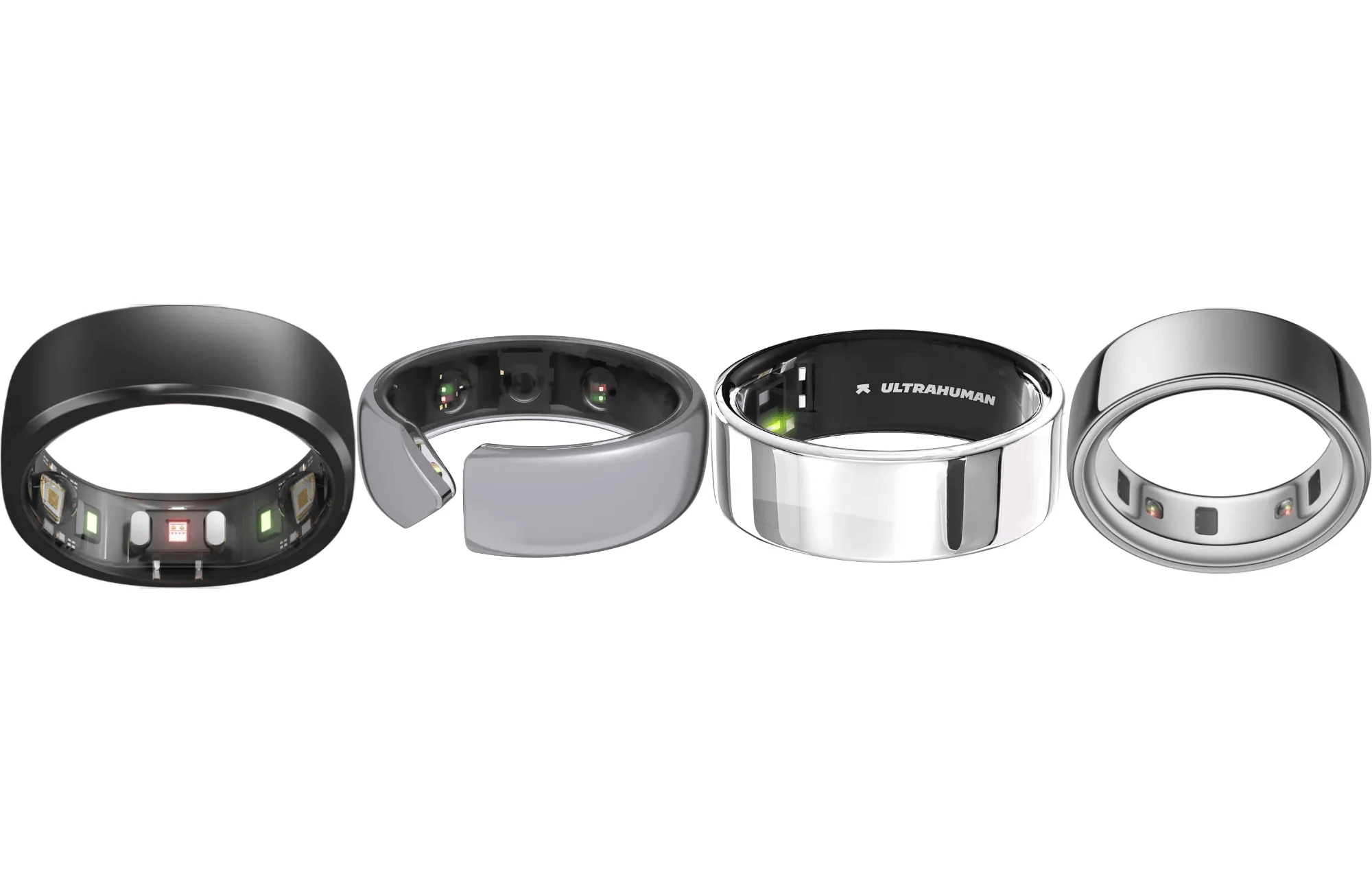
Despite their small size, smart rings pack significant functionality. They continuously monitor key health metrics such as heart rate, sleep patterns, activity levels, and—depending on the model—skin temperature, blood oxygen, and even menstrual cycle tracking. Devices like the Samsung Galaxy Ring leverage AI to deliver personalized insights, including energy scores and wellness tips, helping users make informed decisions about rest and recovery. The data syncs wirelessly to a companion app, typically on a smartphone, where users can view trends and long-term analysis.
How Does a Smart Ring Work
Smart rings rely on a combination of optical sensors, accelerometers, gyroscopes, and sometimes temperature sensors to collect physiological data continuously throughout the day and night. These sensors track metrics like heart rate via photoplethysmography (PPG), movement patterns, and sleep stages. Because the ring is worn on the finger—where blood flow is more easily detected than on the wrist—it can achieve consistent, high-quality data with minimal disruption to the user.
Once collected, the data is transmitted wirelessly to a paired smartphone app via Bluetooth. The app processes raw sensor data into actionable metrics such as sleep scores, readiness scores, and activity summaries. Most smart rings are designed for multi-day battery life, allowing users to wear them continuously without daily charging. The combination of passive data collection, comfortable fit, and intelligent software makes smart rings particularly well-suited for sleep tracking and long-term health trend analysis.
What is a Smart Watch?
A smartwatch is a wrist-worn device that extends far beyond traditional timekeeping, functioning as a compact extension of a smartphone. Modern smartwatches integrate health tracking, notifications, GPS navigation, music playback, voice assistants, and third-party apps into a single, interactive interface. Models like the Samsung Galaxy Watch series and Apple Watch offer advanced capabilities such as ECG monitoring, blood pressure tracking, and fall detection, making them powerful tools for both fitness enthusiasts and everyday users.
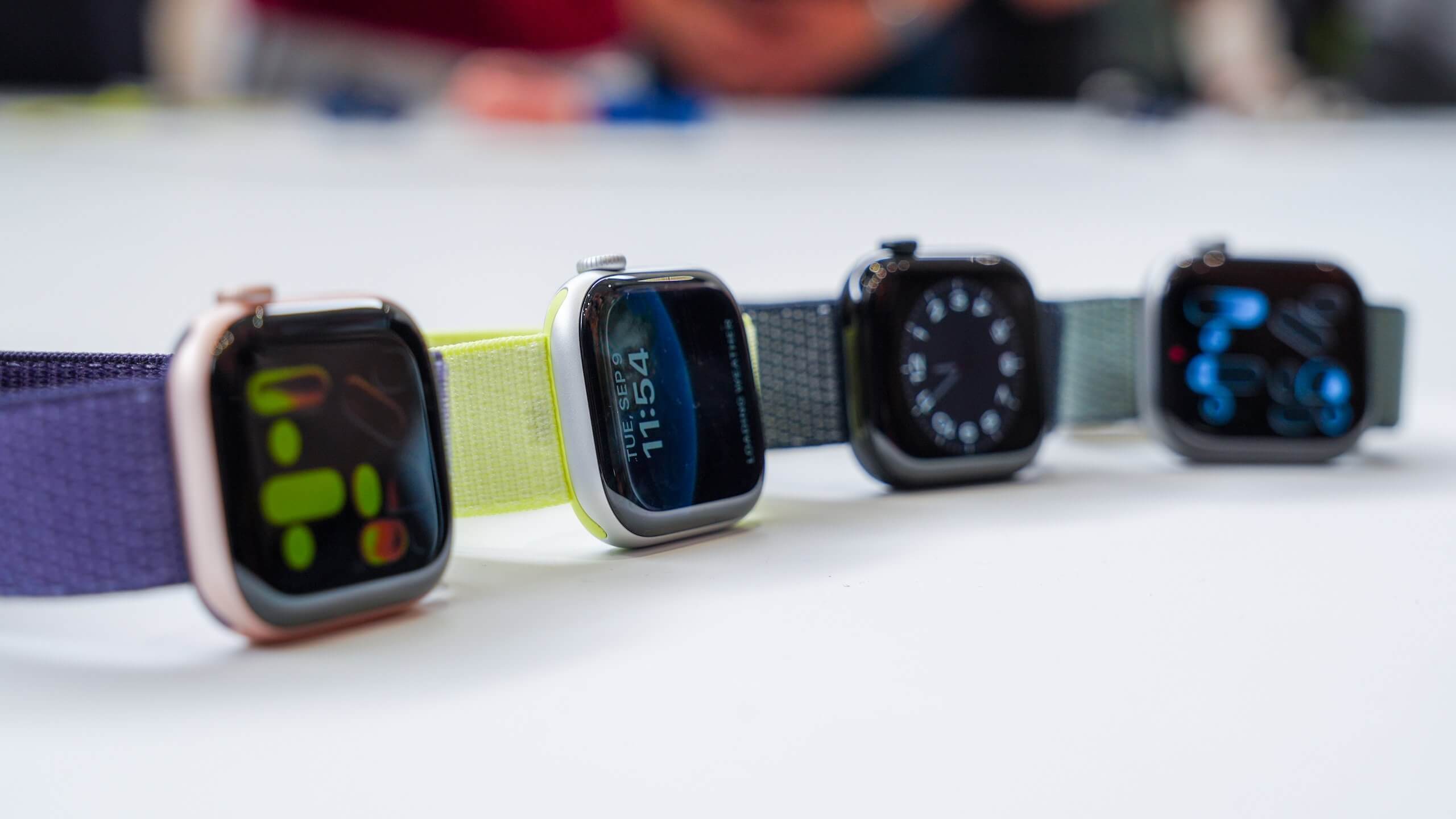
Smartwatches are designed for active engagement. Their larger screens and more powerful processors enable real-time feedback during workouts, on-wrist call management, and customizable watch faces and apps. Whether used for tracking a morning run, replying to messages, or making mobile payments, smartwatches serve as centralized hubs for connectivity and personal health management. They cater to a broad audience, from casual users seeking step tracking to serious athletes needing GPS routes and performance metrics.
How Does a Smart Watch Work
A smartwatch operates using a combination of sensors, a display screen, and wireless connectivity. Common sensors include optical heart rate monitors, accelerometers, gyroscopes, GPS receivers, and in advanced models, electrodes for ECG readings and temperature sensors. These sensors capture real-time data during both daily activities and structured workouts, allowing users to monitor metrics like pace, heart rate zones, calorie burn, and recovery status directly on their wrist.
The device connects to a smartphone via Bluetooth, Wi-Fi, or cellular (e-SIM) connectivity, enabling notifications, app syncing, and data uploads to a central health platform. Many smartwatches also support standalone functionality, allowing music streaming or calls without a phone nearby.
Unlike smart rings, smartwatches prioritize interactivity—users can respond to messages, control music, and view detailed workout summaries on-screen. Battery life varies by model, with fitness-focused watches often lasting several days, while full-featured smartwatches typically require daily charging due to their power-intensive displays and processors.
Smart Ring vs Smartwatch: What are the Key Differences?
Choosing between a smart ring and a smartwatch ultimately comes down to your lifestyle priorities. Smart rings prioritize discretion, comfort, and passive health monitoring, making them ideal for users who want continuous data without screen interaction. Smartwatches, by contrast, function as comprehensive digital companions, offering real-time feedback, extensive app ecosystems, and robust fitness tracking.
While both devices track similar health metrics, they differ significantly in design philosophy, feature sets, and how they integrate into daily life. Below is a detailed breakdown across the most important comparison points.
Smart Ring vs Smartwatch: Features
Smart Rings are designed for simplicity and passive data collection. Their feature set is intentionally limited to preserve battery life and maintain a minimalist form factor. Key features include:
- Continuous heart rate monitoring
- Sleep stage tracking (light, deep, REM)
- Activity tracking (steps, calories)
- Skin temperature sensing
- SpO₂ (blood oxygen) monitoring
- Stress level detection
- Menstrual cycle tracking
- Vibrating alarms
- Smartphone app synchronization
- Multi-day battery life (4–7 days typically)
- No screen or onboard controls
- Limited or no GPS
- No notification display
- No music or call controls
Smartwatches offer a vastly expanded feature set, functioning as an extension of your smartphone. Their larger physical footprint allows for more sensors, a full display, and greater interactivity. Key features include:
- Full-color touchscreen display
- Real-time heart rate monitoring
- GPS for route tracking and pace
- Multiple sport profiles (running, swimming, cycling, etc.)
- Music storage and playback controls
- Call and message notifications
- Voice assistant integration
- Mobile payments (NFC)
- ECG (electrocardiogram) capabilities
- Blood pressure monitoring (on select models)
- Body composition analysis
- Fall detection and SOS alerts
- Customizable watch faces and apps
- LTE/cellular connectivity options
- On-screen workout metrics
- App store access
- Typically 1–3 day battery life (fitness-focused models may last longer)
Smart Ring vs Smartwatch: Accuracy
Accuracy varies significantly between the two device types depending on the metric being measured and the activity context.
Heart Rate: Smart rings generally deliver excellent accuracy during rest and sleep due to consistent skin contact on the finger, where blood flow is easily detected. Studies suggest finger-based optical sensors can achieve accuracy within 1–3% of medical-grade devices during sedentary periods. However, during exercise, smartwatches tend to perform better. The larger sensor array and more stable wrist placement allow smartwatches to maintain contact even during high-movement activities like running or weightlifting, with many flagship models achieving accuracy within 2–5% of chest straps.
Step Counting: Smartwatches typically provide more reliable step counts because wrist movement correlates more consistently with ambulation. Smart rings, worn on the finger, can overcount steps due to hand movements such as typing, gesturing, or fidgeting—sometimes adding 10–20% more steps than actual walking distance.
Sleep Tracking: Both devices offer comparable accuracy for sleep stage detection, typically achieving 70–85% agreement with polysomnography (clinical sleep studies). However, smart rings often yield more consistent data because users are more likely to wear a ring overnight than a bulky watch. The finger placement also provides superior temperature tracking for circadian rhythm analysis.
GPS and Distance: Smartwatches with built-in GPS provide precise distance tracking with accuracy within 1–3% per mile. Smart rings lack GPS entirely and instead rely on phone GPS, which introduces latency and requires carrying a phone during activities.
Temperature Tracking: Smart rings generally lead in skin temperature consistency due to continuous finger contact, with deviations typically within ±0.1–0.2°C. This makes them particularly valuable for cycle tracking and illness detection.
Smart Ring vs Smartwatch: Health & Sleep Tracking
The way each device approaches health and sleep tracking reflects their underlying design philosophy: smart rings focus on passive, long-term trend analysis, while smartwatches emphasize active, real-time feedback.
Sleep Tracking: Smart rings excel in sleep tracking primarily due to wearability. Users consistently report finding rings comfortable enough to wear every night, whereas smartwatches are often removed due to bulk or charging needs. Rings provide detailed sleep stage breakdowns, resting heart rate, HRV (heart rate variability), and overnight temperature trends—metrics that feed into readiness scores and recovery insights. Smartwatches offer equally detailed sleep data but often suffer from inconsistent usage patterns; users may only wear them to sleep occasionally, which disrupts trend analysis.
Health Monitoring Philosophy: Smart rings are designed for passive, holistic health monitoring. They emphasize recovery, readiness, and long-term patterns. Features like the Oura Ring's Readiness Score or Samsung Ring's Energy Score synthesize multiple metrics to tell users whether they should rest or push forward. This approach appeals to users focused on overall wellness, stress management, and understanding their body's baseline.
Smartwatches, by contrast, are built for active health management. They provide real-time feedback during workouts, encourage meeting daily movement goals, and offer on-wrist coaching. ECG capabilities, fall detection, and blood pressure monitoring make smartwatches more suitable for users with specific medical concerns or those who want immediate health alerts. The trade-off is that smartwatches often present data in isolation rather than synthesized trends, requiring users to interpret multiple metrics themselves.
Cycle Tracking: Both devices support menstrual cycle tracking, but smart rings have an edge due to continuous temperature monitoring, which is critical for fertility awareness and cycle prediction. Smartwatches typically rely on manually logged data or less frequent temperature readings.
Smart Ring vs Smartwatch: What Reddit Users Are Saying
Reddit users generally treat smart rings and smartwatches as complementary tools rather than direct competitors. The consensus across r/Garmin and similar communities is that watches dominate active tracking—workouts, GPS, pace, and real-time data—while rings excel at passive monitoring, especially sleep, recovery, and temperature. Many users wear both, but a common refrain is that rings often feel redundant once the novelty wears off.
Comfort is the ring's biggest advantage for sleep tracking, with few users willing to wear a bulky watch overnight. However, rings fall short as standalone fitness devices: they lack GPS, can't display workout metrics, and pose safety concerns for weightlifting. Battery life comparisons vary, but the takeaway is clear—a ring makes sense primarily for sleep and recovery data, but it cannot replace a sports watch for active users.
Smart Ring vs Smartwatch: Pros and Cons
Each device type comes with distinct advantages and limitations. The choice ultimately depends on whether you prioritize comfort and passive tracking or functionality and interactivity.
| Device | Pros | Cons |
|---|---|---|
| Smart Ring | Extremely lightweight (under 5g); comfortable for 24/7 wear; excellent sleep tracking; multi-day battery life; discreet appearance; no screen distractions; consistent temperature and HRV data | No display; limited fitness tracking; no GPS; no notifications; cannot control music or calls; less accurate during exercise; may scratch easily; typically requires a sizing kit; some models have subscriptions |
| Smartwatch | Full-color touchscreen; extensive fitness features; built-in GPS; real-time workout metrics; call and message notifications; music controls; mobile payments; voice assistant; ECG and advanced sensors; customizable straps and faces | Bulky for sleep; shorter battery life (1–3 days); screen can be distracting; heavier on wrist; more expensive at high end; requires nightly charging for full-featured models |
Summary Comparison Table
| Dimension | Smart Ring | Smartwatch |
|---|---|---|
| Design | Finger-worn, minimalist, under 5g, fixed sizing, resembles jewelry | Wrist-worn, 30–60g, adjustable straps, customizable appearance |
| Display | No screen | Full-color touchscreen, always-on display options |
| Battery Life | 4–7 days (varies by model) | 1–3 days (fitness models may reach 14+ days) |
| Heart Rate Accuracy | Excellent at rest and sleep; moderate during exercise | High across all activity types, especially with chest strap pairing |
| GPS | No built-in GPS; relies on phone | Built-in GPS on most models; precise route and pace tracking |
| Sleep Tracking | High accuracy; high consistency due to comfort | High accuracy; lower consistency due to wearability issues |
| Temperature Tracking | Excellent; continuous finger contact | Available on select models; less emphasized |
| Fitness Tracking | Basic (steps, calories, activity detection) | Advanced (sport profiles, lap timing, VO₂ max, recovery metrics) |
| Notifications | None | Calls, texts, app alerts with optional reply capabilities |
| Music & Calls | Not supported | Music storage, playback controls, Bluetooth calling, LTE options |
| Mobile Payments | Not typically supported | NFC payments (Apple Pay, Google Wallet, Samsung Pay) |
| Medical Features | HRV, SpO₂, temperature, cycle tracking | ECG, blood pressure (select models), fall detection, irregular rhythm notifications |
| Interactivity | Passive; no user input | Active; touchscreen, buttons, voice commands |
| Subscription | Some models require monthly subscription | Typically no subscription; optional premium app tiers |
| Price Range | $200–$350 (plus potential subscription) | $70–$900+ depending on brand and features |
| Best For | Sleep tracking, passive wellness monitoring, users who dislike wrist wear | Fitness enthusiasts, users who want notifications and apps, real-time activity tracking |
Smart Ring vs Smartwatch vs Fitness Band: Which one should you buy 2026?
The decision between a smart ring and a smartwatch in 2026 comes down to how you want to interact with your health data. Smart rings are designed for passive, continuous monitoring—they quietly track your sleep, heart rate, and recovery without demanding attention.
Smartwatches, by contrast, are active companions that deliver real-time feedback, notifications, and comprehensive fitness tools directly to your wrist. Neither is universally better; the right choice depends entirely on your priorities, from sleep quality to workout intensity to how much screen interaction you want.
Choose a Smart Ring If…
- Sleep tracking is your primary focus. Rings are significantly more comfortable for overnight wear, leading to more consistent data. They excel at capturing overnight heart rate variability, skin temperature, and sleep stage patterns.
- You value discretion and minimalism. A smart ring looks like regular jewelry and doesn’t signal that you’re wearing a tracking device. It’s ideal for users who want health insights without visible tech.
- You prefer wearing a traditional watch. If you already own mechanical or luxury watches you love, a smart ring allows you to keep wearing them while still tracking your health metrics.
- Recovery and readiness matter more than workout metrics. Rings synthesize sleep, HRV, and activity into daily readiness scores that help you decide when to push and when to rest.
- You want a "set and forget" device. With multi-day battery life and no screen to interact with, rings require minimal maintenance and no daily charging.
- You don’t do intense or structured exercise regularly. Rings handle basic step and activity tracking but lack GPS, sport profiles, and real-time workout data.
Choose a Smartwatch If…
- Workout tracking is essential to your routine. Smartwatches provide real-time pace, heart rate zones, lap times, and post-workout analytics that rings simply cannot offer.
- You need GPS and route navigation. Built-in GPS allows you to run, cycle, or hike without carrying your phone while still capturing precise distance and map data.
- You want notifications and calls on your wrist. Smartwatches display messages, answer calls, and deliver app alerts—features that keep you connected without reaching for your phone.
- You rely on smart features like mobile payments, music, and apps. From contactless payments to voice assistants to offline music playback, smartwatches function as true smartphone extensions.
- You’re training for endurance events or need advanced metrics. Sport-focused smartwatches deliver professional-grade analytics including VO₂ max, training load, lactate threshold estimates, and recovery time recommendations.
- You prefer an interactive, on-screen experience. If you like customizing watch faces, tapping through workout summaries, and controlling music from your wrist, a smartwatch delivers that interactivity.
Choose a Fitness Band If…
- Battery life is your top concern. Fitness bands typically last two to three weeks on a single charge, far outlasting both smart rings and smartwatches.
- You want reliable health tracking at the best value. Bands offer solid step counting, heart rate monitoring, and sleep tracking at a fraction of the cost of premium rings or watches.
- You exercise regularly but don’t need pro athlete metrics. For general fitness—walking, gym workouts, casual running—a fitness band provides accurate activity tracking without unnecessary complexity.
- You prefer a lightweight, comfortable device. Bands are significantly lighter than smartwatches and often more comfortable for all-day wear, though they remain visible on the wrist.
- You want to avoid subscription fees. Most fitness bands do not lock advanced insights behind monthly payments, making them a cost-effective long-term choice.
Future trends: Where Are Smart Rings and Smartwatches Headed?
Market Trends
- Smart rings are moving mainstream. With Samsung's entry into the category and continued dominance from Oura, smart rings are transitioning from a niche wellness gadget to a widely recognized wearable option. Consumer awareness and retail presence will expand significantly.
- Smartwatch growth shifts to premium segments. The smartwatch market is nearing saturation in entry-level and mid-range tiers, pushing brands to focus on premium, feature-rich models with higher margins—such as rugged sports watches and luxury hybrid devices.
- Subscription models face scrutiny. Smart rings have popularized monthly subscriptions for advanced insights, but consumer pushback may lead some brands to offer one-time purchase alternatives. Smartwatches remain largely subscription-free, using ecosystem lock-in as their retention strategy.
- Cross-device ownership becomes common. Increasingly, consumers are owning both a smart ring and a smartwatch, using each for different contexts—ring for sleep and recovery, watch for workouts and connectivity—creating new opportunities for multi-device bundles and integrated data platforms.
Technology Trends
- Sensor advancement is the next frontier. Both categories are racing to introduce non-invasive blood glucose monitoring, which would be a breakthrough for diabetes management and metabolic health. Improved temperature sensors, hydration tracking, and lactate monitoring are also on the horizon.
- AI-driven insights replace raw data. Wearables are shifting from displaying metrics to delivering actionable, personalized coaching. AI will analyze trends across sleep, activity, and recovery to proactively recommend when to train, rest, or adjust nutrition.
- Battery life improves across both categories. Smart rings will extend beyond the current 4–7 day standard through more efficient components. Smartwatches will adopt dual-layer displays and energy-optimized processors to reduce daily charging demands, though full-featured models will still lag behind rings and bands.
- LTE connectivity reduces smartphone dependency. Smartwatches will increasingly function as standalone devices with robust cellular connectivity, allowing calls, streaming, and app use without a paired phone. Smart rings will remain tethered to phones due to form factor constraints.
Brand Trends
- Ecosystem integration becomes a competitive advantage. Brands like Samsung and Apple are optimizing their platforms to seamlessly combine data from rings, watches, and phones into a unified health profile. This ecosystem strategy encourages users to stay within a single brand family across multiple devices.
- Fashion and luxury collaborations expand. Both smart rings and watches are partnering with traditional jewelry and fashion houses to appeal to style-conscious consumers. Expect more premium materials, customizable finishes, and designer editions that blur the line between tech accessory and fine jewelry.
- Health partnerships legitimize medical claims. Wearable brands are increasingly partnering with healthcare systems, insurance companies, and research institutions to validate their sensors and gain regulatory clearances. ECG, blood pressure, and future glucose monitoring features will carry medical-grade certifications, expanding their role in clinical care and preventive health.
- New entrants challenge incumbents. The smart ring space is seeing a wave of startups like RingConn, Ultrahuman, and Circular competing with Oura and Samsung, driving innovation in pricing, features, and subscription models. In smartwatches, traditional sportswear brands and Chinese electronics giants continue to challenge Apple and Samsung with specialized offerings and aggressive pricing.
Experience the Future of Wearables at Global Sources Hong Kong Shows
If you're serious about staying ahead in the smart ring and smartwatch market, there's no better place to explore the latest innovations than in person. The Global Sources Hong Kong Shows Phase 2, taking place April 18–21, 2026, features the all-new AI+ Products Hall—a dedicated showcase of cutting-edge AI-powered wearables, smart devices, and emerging technologies. This is where industry leaders, suppliers, and innovators come together to unveil the next generation of products that will shape the wearable landscape.

At the AI+ Products Hall, you'll discover a curated selection of AI wearables, smart rings, advanced smartwatches, and other intelligent devices—all under one roof. Meet verified manufacturers like Shenzhen Huisheng Technology, Shenzhen Sostar Electronic, and dozens of other leading suppliers showcasing their latest innovations. Whether you're a buyer, retailer, or tech enthusiast, this is your opportunity to experience live demonstrations, network with key players, and gain firsthand insights into the trends defining 2026 and beyond.
Register now for free and be among the first to see what's next in smart wearables.
Final Verdict
There is no single right answer—only what fits your priorities. Choose a smart ring if sleep tracking, discretion, and passive monitoring matter most. Choose a smartwatch if you need GPS, workout analytics, and on-wrist connectivity. Many users even wear both: a ring for recovery insights and a watch for daytime activity. The best wearable is the one you will actually wear consistently, because consistent data leads to meaningful health insights. To explore the latest innovations firsthand, visit the Global Sources Hong Kong Shows Phase 2 (April 18–21, 2026) and experience the future of smart wearables at the AI+ Products Hall. Register now.
Further Reading: Best Smart Ring 2026: Top Picks for Health, Sleep & Fitness

