




Image from iStock
Amid greater concern worldwide for the state of the environment and calls for more sustainable, efficient energy solutions, the consumer electronics industry is increasingly incorporating solar technology into products. Manufacturers in the solar sector are at the forefront and are developing innovative technologies to meet consumer demand for greener options.
Among these advancements, bifacial solar panels and solar storage solutions are gaining significant traction. The global bifacial solar panels market is poised to expand at a CAGR of 19.3 percent from 2025 to 2034, according to a report by Expert Market Research. For its part, the solar energy and battery storage market is forecast to witness a 14.17 percent CAGR through 2032, according to Market Research Future.
Bifacial solar panels and solar storage solutions not only address the growing global demand for reliable, efficient and renewable energy sources, but also provide residential and commercial users with the practical benefit of lower electricity bills. These are the factors contributing to the double-digit surge for both markets expected through the mid-2030s.
Bifacial solar panels
Bifacial solar panels are photovoltaic systems designed to absorb sunlight on both sides. They have transparent backsheets that allow light to pass through. Unlike traditional monofacial panels, which capture sunlight only on the front side, bifacial panels work by using both sides of the panel to capture light.
The top solar cells, facing the sun, capture direct sunlight as conventional panels do. The bottom solar cells absorb reflected sunlight from surfaces – such as the ground, rooftops or snow – known as albedo light. Reflective surfaces like white or silver paint can enhance this effect, reflecting over 80 percent of albedo light, compared to grass with about 23 percent. This is known as the ‘albedo effect’ and results in increased
overall energy output from the solar panel. Using high-quality silicon in monocrystalline cells optimizes the performance of the underside cells, ensuring efficient energy generation from both sides of the panel.
This dual absorption increases energy yield without requiring additional installation space, a critical advantage in maximizing power generation efficiency.
Benefits
Bifacial panels offer several compelling benefits over their monofacial counterparts. These include higher efficiency, durability, and aesthetic and space efficiency:
Increased efficiency: By capturing sunlight from both sides, these panels can achieve up to 30 percent more energy compared to monofacial types, according to experts. However, it is important to note that the actual performance gain can vary depending on factors such as installation location, surface albedo and mounting configuration. Bifacial panels are particularly effective in environments with highly reflective surfaces, like snow, sand or light-colored roofs.
Durability: Typically framed with robust, transparent materials like tempered glass, bifacial panels are designed to withstand harsh environmental conditions, enhancing their longevity.
Aesthetic and space efficiency: Their higher power output per square meter makes them suitable for space-constrained applications, and their sleek design allows the panels to be integrated into building designs in the form of solar windows or facades.
Applications
Bifacial solar panels offer versatile solutions across various sectors due to their high efficiency and dual-sided energy capture. Here are some key applications in residential, commercial and industrial settings where these panels are making a significant impact.
Residential: Homeowners are increasingly installing bifacial panels for their high efficiency and aesthetic appeal. Roofs and backyard spaces with reflective surfaces can significantly benefit from enhanced energy yield.
Commercial: Businesses leverage bifacial panels for their ability to produce more power within limited rooftop spaces, reducing dependency on grid power and lowering operational costs.
Industrial: Manufacturing plants, with their large rooftops and open spaces, can install bifacial panels to provide renewable energy for production processes. Warehouses and distribution centers also benefit from their vast, unobstructed rooftops, using bifacial panels to meet energy demands for lighting, climate control and operations. Industrial parks, encompassing research centers, laboratories and offices, deploy these panels to power entire parks or individual facilities. Data centers, known for high energy consumption, utilize bifacial panels on rooftops or surrounding grounds to reduce their carbon footprint. Lastly, logistics and transportation hubs, such as airports and rail yards, leverage bifacial panels to power infrastructure, lighting and electric vehicle charging stations, maximizing land use efficiency.
Solar storage solutions
Another crucial innovation in the solar segment of the consumer electronics industry comes in the form of solar storage solutions.
While bifacial solar panels harvest sunlight innovatively, efficient storage is essential for ensuring consistent and reliable use of this captured energy. Solar power storage solutions, such as power banks, chargers and home energy storage systems, are designed to store excess solar energy collected during peak sunlight hours for use during low sunlight periods such as on cloudy days, nighttime or for mobile applications. Popular examples of solar storage solutions include:
Portable solar power banks: These devices are small, portable and can store solar energy which can then be used to charge electronic devices like smartphones, tablets and laptops. They are convenient for on-the-go use. Portable solar power banks have built-in batteries and typically have capacities ranging from 20,000 to 42,800mAh, with higher-end models having capacities of 50,000 to 200,000mAh.
Solar-powered chargers: These primarily consist of solar panels that directly convert solar energy into electrical power. The power output of the solar panels of these chargers typically ranges from 18 to 100W. Unlike power banks, they usually do not have built-in batteries for energy storage but rely on sufficient sunlight to provide power. Like power banks, however, they are lightweight and designed for charging various electronic devices on the go, or while engaged in outdoor activities.
Home energy storage systems: These are designed to store electrical energy generated from renewable sources, such as solar panels, for later use in residential settings. Key components of these systems include batteries, which are typically Li-ion due to their high efficiency, compact size and long life span but could also be flooded lead-acid and sealed lead-acid batteries; battery management and power conversion systems; inverter;
charger controller; energy management system; thermal management system; and safety equipment which includes circuit breakers, fuses and other protective devices.
Home energy storage systems are controlled by software to manage charging and discharging cycles, ensuring a steady supply of electricity even when the sun is not shining. Available models typically have a capacity range of 4.8 to 60kWh, and a power output between 1.8 and 29kW, allowing them to support various small appliances and devices in a home for a few hours. They can help reduce reliance on the grid, lower electricity bills and provide backup power during outages.
Conclusion
Innovations like bifacial solar panels and solar storage solutions offer practical and eco-friendly alternatives that meet the rising demand for renewable energy. These technologies not only reduce electricity costs but also support efforts toward a sustainable future for the world.
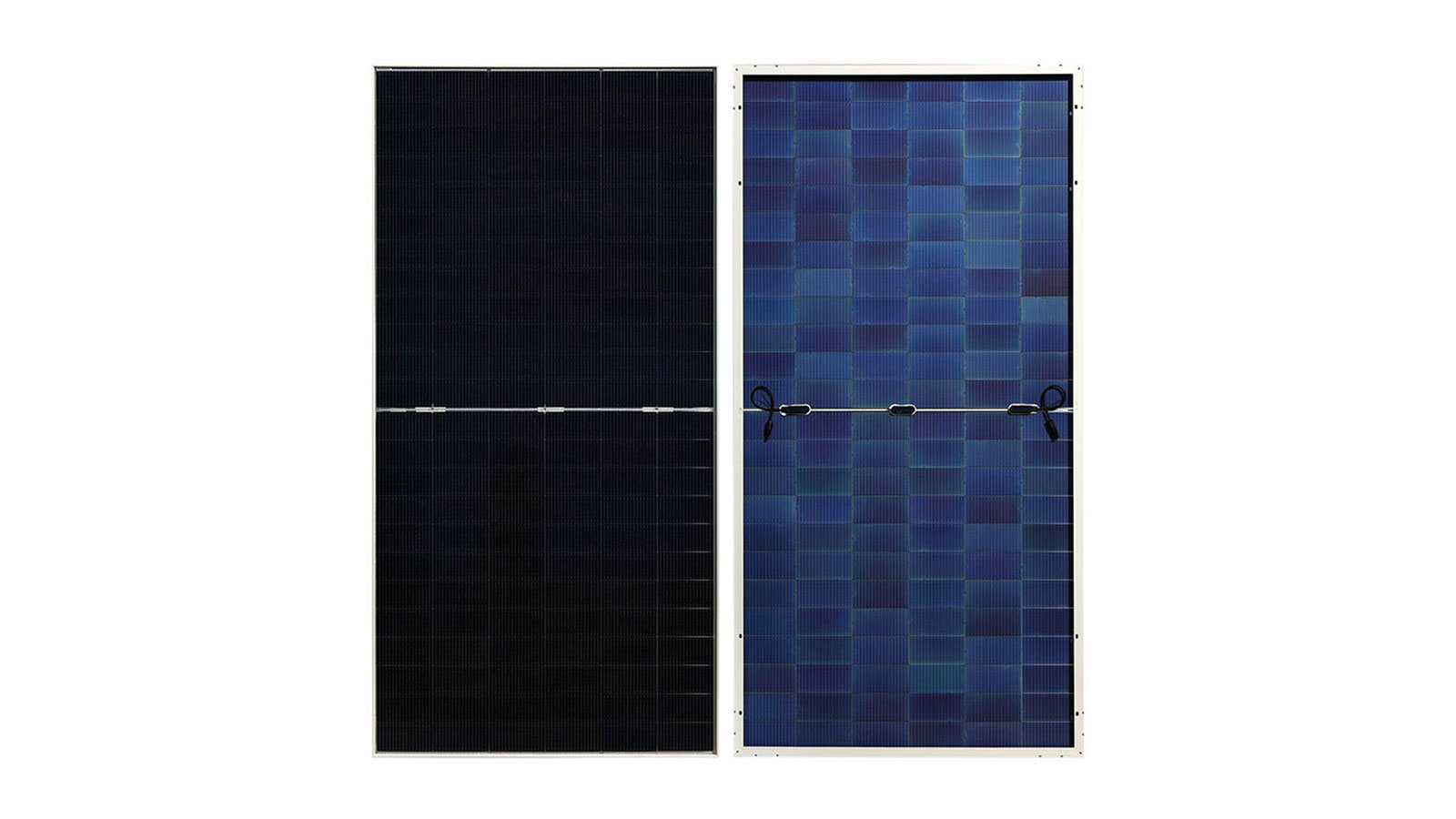
N-type bifacial panel with 590W capacity
Company: Hisem New Energy Technology Co. Ltd
Model HS-M10N-72/2HP 590W-9717 from Hisem is an all-black monocrystalline silicon-type bifacial solar panel with 590W maximum power output at 43.71V maximum power voltage and 13.5A maximum power current. The output power tolerance is 0 to 5W. Utilizing high-efficiency N-type TOPCon cell slicing technology, the panel achieves 22.8 percent conversion efficiency.
MOQ: 33 units
Lead time: On direct inquiry
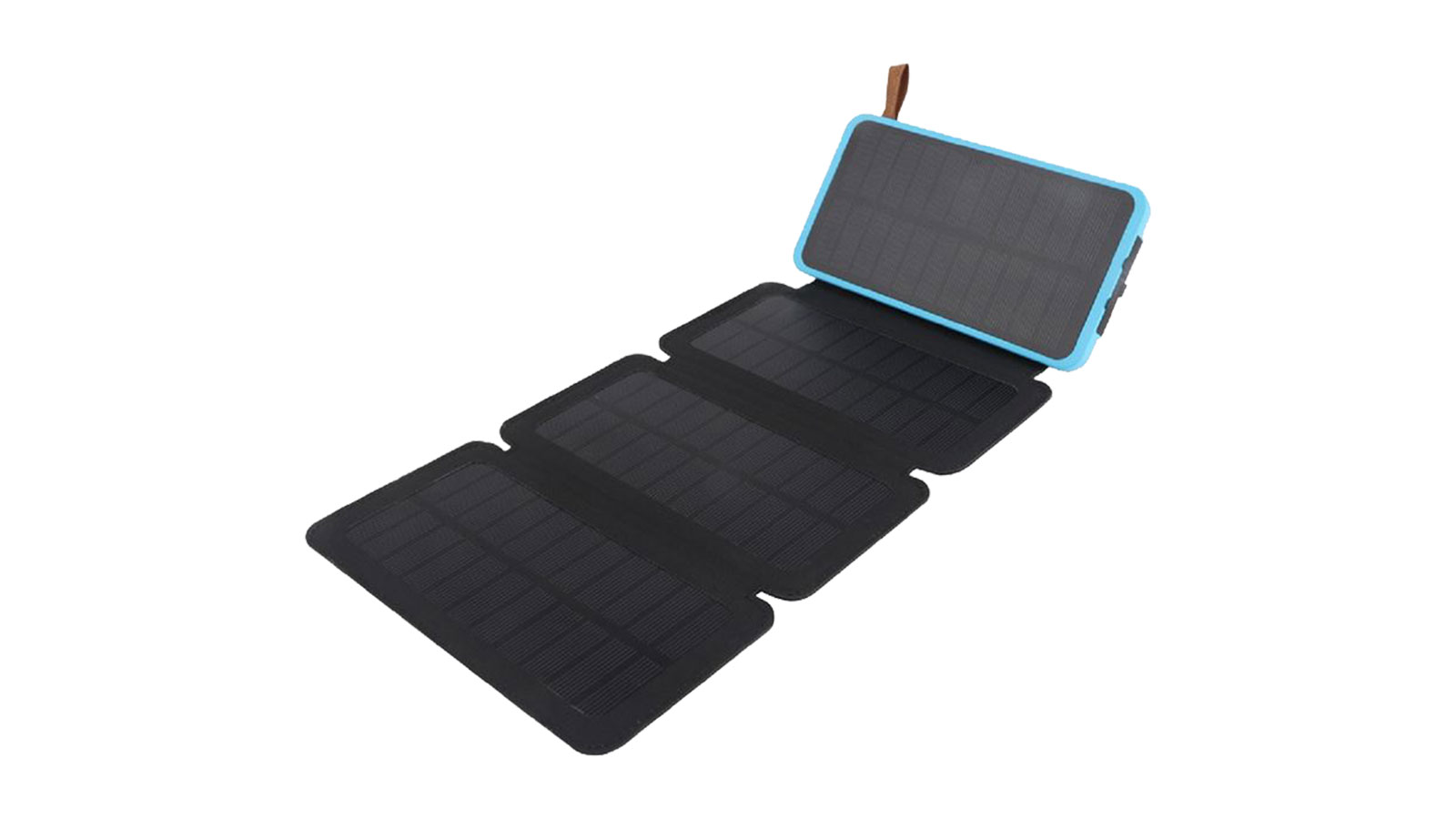
10,000mAh portable solar power bank
Company: Shenzhen Kingstar Industrial Co. Ltd
Shenzhen Kingstar’s model TN-2 is a 10,000mAh portable solar charging power bank featuring a Li-polymer battery with cell model 7565121 and a folding solar panel. It has two USB ports, with 5, 1 or 2V output. It also has a flashlight and LED lighting and is water-resistant. This device is made of ABS and soft leather and available in black, white, blue, green and orange variants. It is 155x246x15mm and 335g.
MOQ: 1 unit
Lead time: 15 to 30 days
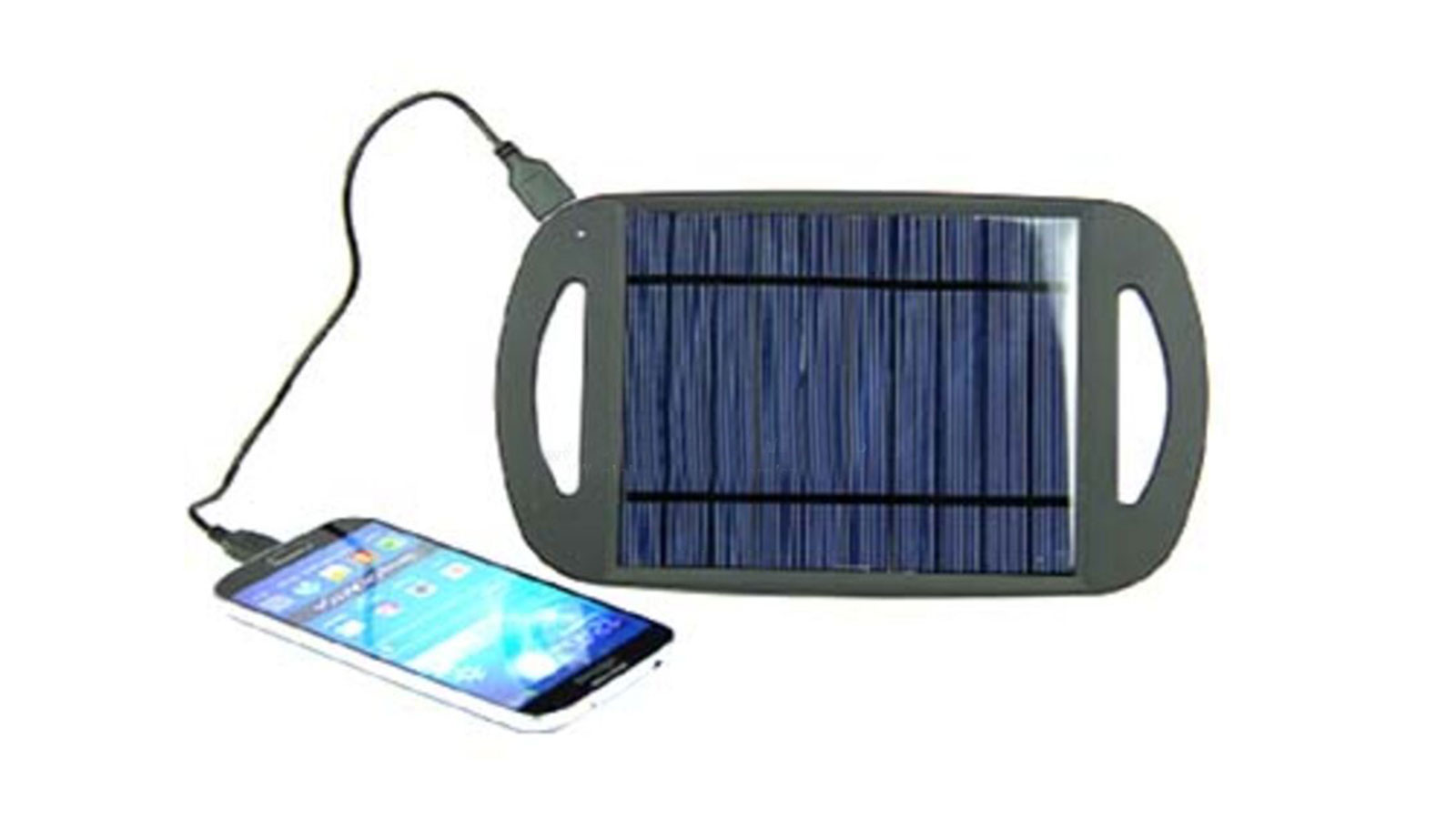
Compact solar charger with 500mAh output
Company: Shenzhen Jinhui Electronic Manufacture Co. Ltd
Model 2.5-S from Shenzhen Jinhui is a solar charger with a maximum rating of 2.5W and output of 5V, 500mAh, making it suitable for charging small devices. It is 220x140x6mm and 177g.
MOQ: Negotiable
Lead time: 5 to 15 days
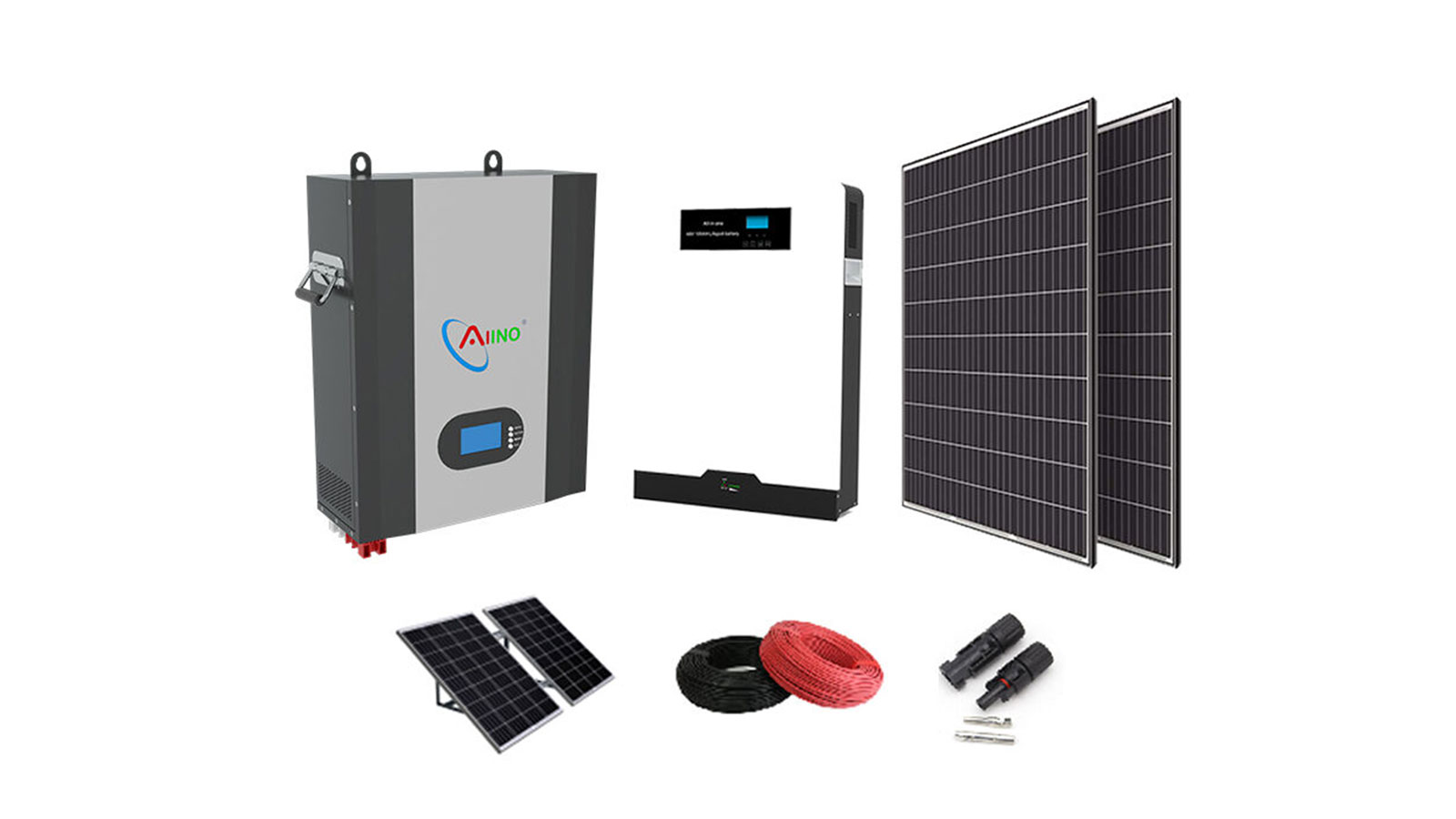
10kW home solar energy system
Company: Shenzhen Youyuan Technology Co. Ltd
The HG-HW-48200C5 from Shenzhen Youyuan is a 10kW home solar energy system with high-efficiency solar panels, an all-in-one hybrid solar inverter, a pure gel deep-cycle rechargeable battery and mounting cables and Z brackets. It is designed for DIY installation and is suitable for homes, RVs, campers and sheds.
MOQ: 1 unit
Lead time: 7 to 25 days

