




Image from iStock
The automotive industry has some of the most complex and dynamic supply chains in the world. As vehicles become increasingly sophisticated, sourcing professionals face mounting challenges in procuring parts that meet high performance, safety and cost requirements.
Quality certifications provide essential assurance. The globally recognized quality management system standard for the automotive industry is IATF 16949, and compliance with it should be specified, especially for critical applications. There are also additional tests to verify corrosion resistance, thermal cycling performance, vibration durability and electrical continuity under simulated vehicle operating conditions.
Beyond quality management, supplier evaluation should extend to manufacturing capabilities, capacity flexibility and geographic considerations. This is because lead times depend on the complexity of customization and supplier location. To reduce logistics costs, minimize supply chain disruption risks and ensure just-in-time delivery, sourcing strategies increasingly emphasize regional manufacturing.
Cable assemblies
Cable assemblies and wiring harnesses form the critical communication and power distribution network connecting sensors, actuators, control units, lighting systems and power sources within a vehicle. A modern vehicle contains between 1,500 and 3,000 meters of wiring, comprising dozens of individual cable assemblies. The complexity and extent of this web of connections will continue to expand alongside vehicle electrification and the proliferation of advanced driver assistance systems, infotainment platforms and connected vehicle technologies.
There are large multinational corporations and specialized regional manufacturers in this category, with those in tier one usually serving OEMs directly and the rest focusing on specific applications, aftermarket replacement parts or regional markets.
Material selection is a primary consideration when sourcing cable assemblies, with copper the dominant conductor material due to its excellent electrical conductivity, though aluminum conductors have gained acceptance in certain applications where weight reduction justifies the trade-offs in conductivity and termination complexity. Insulation materials vary based on operating environment, with PVC serving general-purpose applications while XLPE and fluoropolymers are used for high-temperature engine compartment installations.
Lead-acid batteries
Lead-acid batteries remain the go-to solution for starting, lighting and ignition applications. Despite the availability of newer chemistries, they remain widely used for their cost-effectiveness, established recycling infrastructure and proven reliability.
Modern variations, including absorbent glass mat and enhanced flooded battery designs, have extended lead-acid capabilities to support start-stop systems and mild hybrid applications.
In addition to IATF 16949 certification providing baseline assurance, battery-specific testing standards from organizations including SAE, IEC and regional standards bodies, define performance verification protocols.
Li-ion batteries
Lithium-ion battery technology has transformed from a consumer electronics power source to the enabling technology for vehicle electrification. The scale and pace of change in this sector creates both opportunities and challenges for procurement professionals. Battery pack costs have declined dramatically over the past decade, with further reductions anticipated as manufacturing scales and technology advance.
Cell manufacturing capacity is dominated by Asian producers. However, capacity expansion is underway in North America and Europe, driven by OEM investment, government incentives and supply chain localization efforts. This regional buildup will reshape sourcing options over the coming years.
Lithium-ion encompasses multiple distinct chemistries and performance characteristics, cost structures and supply chain implications. Nickel manganese cobalt oxide (NMC) batteries offer high energy density, making them attractive for passenger vehicles prioritizing range. Lithium iron phosphate (LiFePO4) units provide safety, cycle life and cost advantages, and have gained a significant market share in the Chinese market. Nickel cobalt aluminum oxide (NCA) batteries power certain high-performance applications. Solid-state batteries promise to be the next trend. Solid-state battery technologies promise further performance advances, though commercial production remains limited.
Chemistry selection drives supply chain requirements and risk profiles. Cobalt sourcing presents particular challenges given the geographic concentration of production in the Democratic Republic of Congo, ethical concerns regarding artisanal mining practices and significant price volatility. Nickel supply chains face quality requirements for battery-grade material that limit sourcing options. Lithium production, concentrated in Australia, Chile and China, has experienced capacity constraints during periods of rapid demand growth.
Procurement specifications for lithium-ion cells and modules must address extensive performance parameters including nominal and maximum voltage, capacity, energy density, power capability at various states of charge and temperatures, cycle life under defined use profiles, calendar aging characteristics and safety performance under abuse conditions. Thermal management requirements, mechanical specifications for vibration and shock resistance, and interface definitions for electrical and communication connections complete the specification framework.
Battery terminals and connectors
Battery terminals and connectors represent a small fraction of total vehicle costs but serve as the critical interface between energy storage systems and vehicle electrical architectures. They directly affect system performance and safety, with corrosion, loose connections and inadequate current-carrying capacity possibly resulting in starting failures, electrical system malfunctions and even fire hazards.
The transition to electric vehicles has expanded the complexity of battery connection systems. Traditional 12V systems require terminals rated for starting current peaks that may exceed 500A. High-voltage traction battery systems demand connectors capable of continuous current flows of hundreds of amperes while maintaining safety interlocks, environmental sealing and electromagnetic compatibility. Service disconnect provisions must enable safe maintenance procedures.
Lead and lead alloy terminals are commonly used for traditional automotive batteries because they offer good conductivity, corrosion resistance and compatibility with lead-acid battery post materials. Copper and brass types, meanwhile, provide enhanced conductivity for high-current applications, with tin or nickel plating added for corrosion resistance. High-voltage connectors usually have plated copper alloy contacts and engineering plastic bodies for safety and environmental protection.
Driveshafts
Driveshafts are essential mechanical components in most vehicles. Rear-wheel and four-wheel drive vehicles have propeller shafts connecting the transmission or transfer case to rear differentials. Front-wheel drive vehicles use half-shafts with constant velocity joints to accommodate steering movement while transmitting torque. All-wheel drive systems may combine both configurations.
This market includes both large multinational suppliers and regional specialists. Major manufacturers offer product portfolios for a range of usages, from small city cars to heavy-duty commercial vehicles, while others provide competitive alternatives for specific applications.
Driveshafts must match the specific mechanical performance requirements of the vehicles in which they are used. Torque capacity ratings should provide appropriate safety margins relative to engine output and acceleration loads, while critical speed limitations must exceed maximum operating speeds with adequate margin. Angle capability for constant velocity joints, meanwhile, must be within acceptable operating ranges to allow suspension travel and steering movement.
Steel remains the predominant material used, with various alloy grades selected based on strength and fatigue resistance requirements. Aluminum driveshafts offer weight savings of approximately 50 percent compared to steel equivalents, reducing rotating mass and improving fuel efficiency, though at higher cost and with reduced torque capacity for equivalent dimensions. For the greatest weight reduction potential and fatigue properties, there are carbon fiber composite variants. They find application in high-performance vehicles, as well as some mainstream vehicles where the premium cost can be justified.
Conclusion
Across all categories, successful sourcing outcomes depend on rigorous supplier qualification, clear specifications aligned to application requirements, effective quality management and strategic approaches that balance cost optimization with risk mitigation and sustainability objectives.
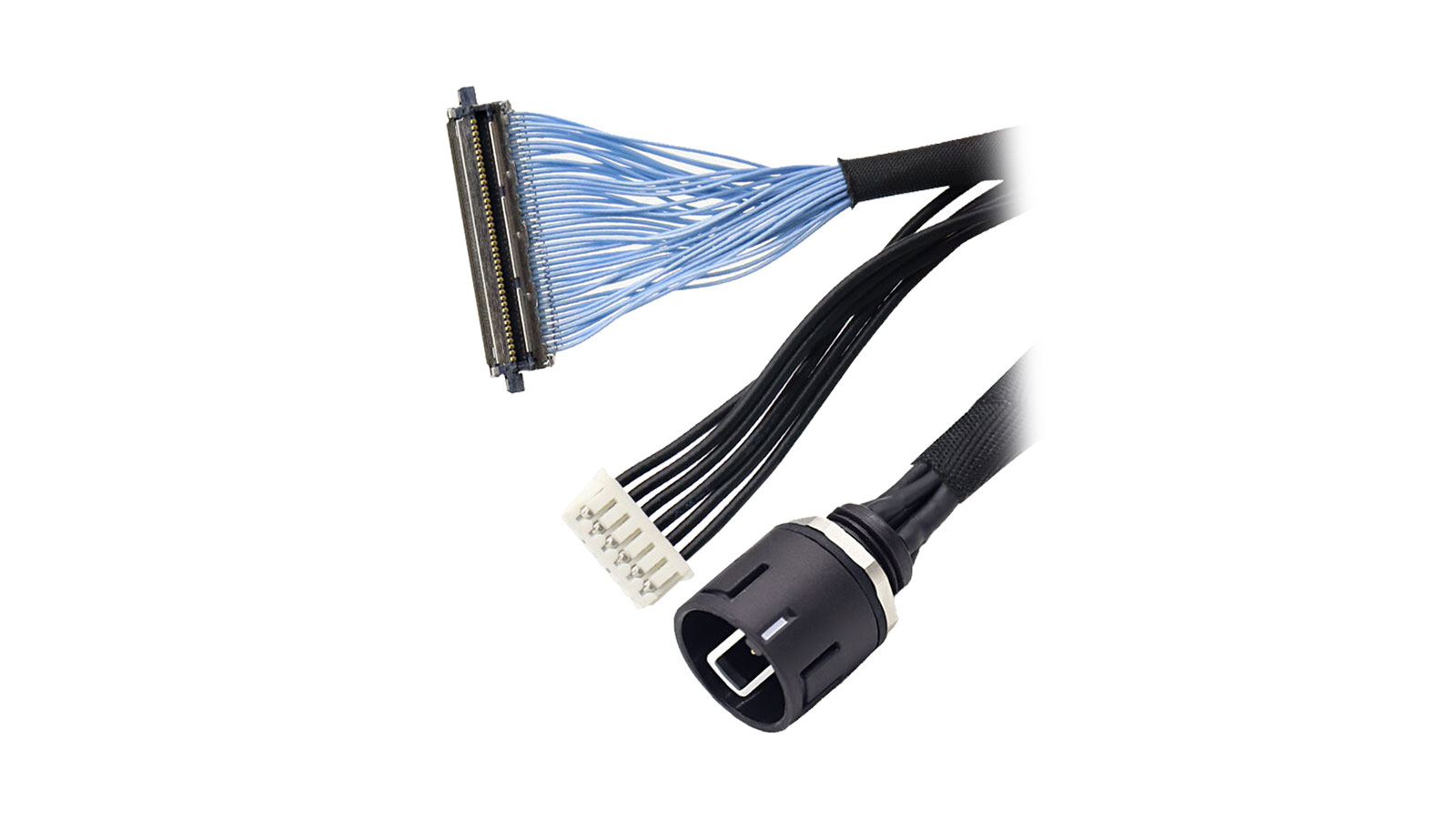
50ohm RF cable assembly
Company: Dongguan Hundu Electronic Co. Ltd
Dongguan Hundu markets the HD20240705-01, an RF cable assembly with RG-178 or RG-174 cables, and 10-pin to 6-pin and 4-pin and 40-pin to 40-pin connectors. The impedance is 50 ohms, maximum input power 50W and temperature range 45 to 85 C. The cable type and length are customizable.
MOQ: 1 piece
Lead time: 3 to 14 days
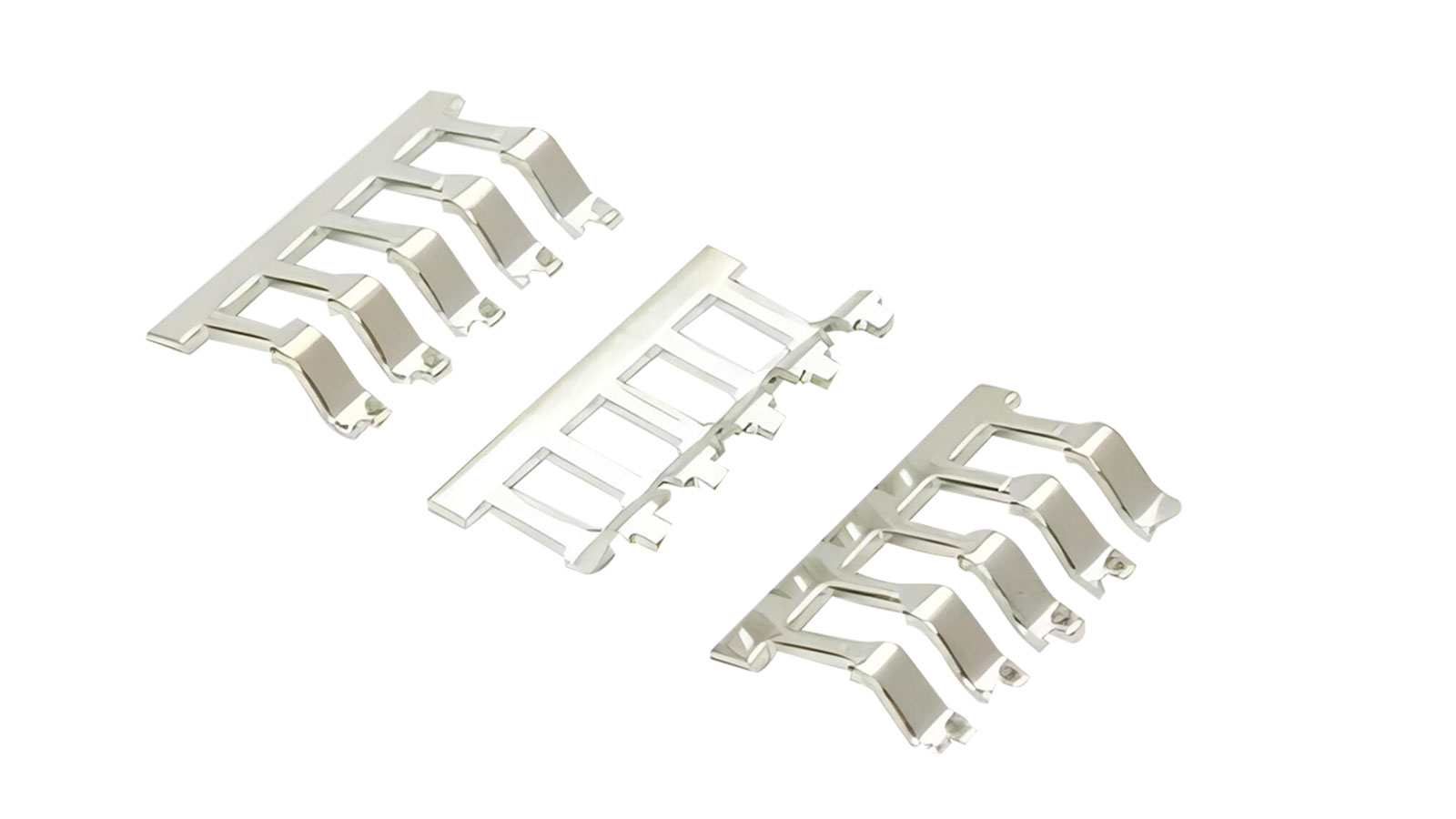
Stamped brass battery terminal
Company: Dongguan Kinggold Industry Co. Ltd
The KG07-78G from Dongguan Kinggold is an automotive battery terminal made using stamped brass with tin plating. It meets RoHS and REACH standards. Customization based on other materials and finishes is accepted.
Lead time: 15 to 20 days
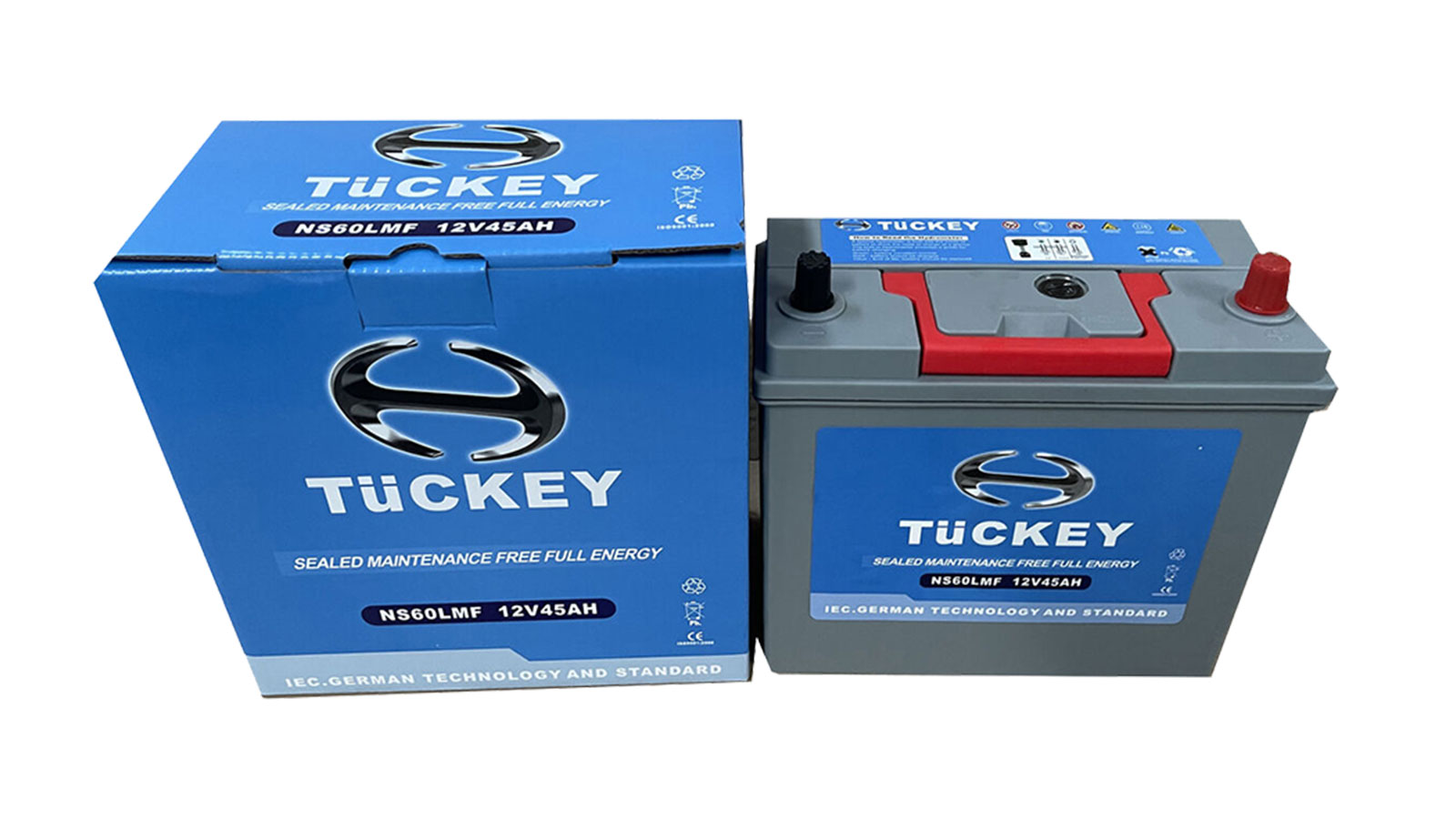
Lead-acid battery
Company: Guangzhou Tongli Storage Battery Co. Ltd
Guangzhou Tongli offers the NS60LTSMF, a maintenance-free lead-acid car battery with a rating of 12V, 45Ah. This 14kg product has a right-hand positive terminal. It measures 248x135x200mm with 220mm total height including the terminals.
MOQ: 50 units
Lead time: 15 to 30 days
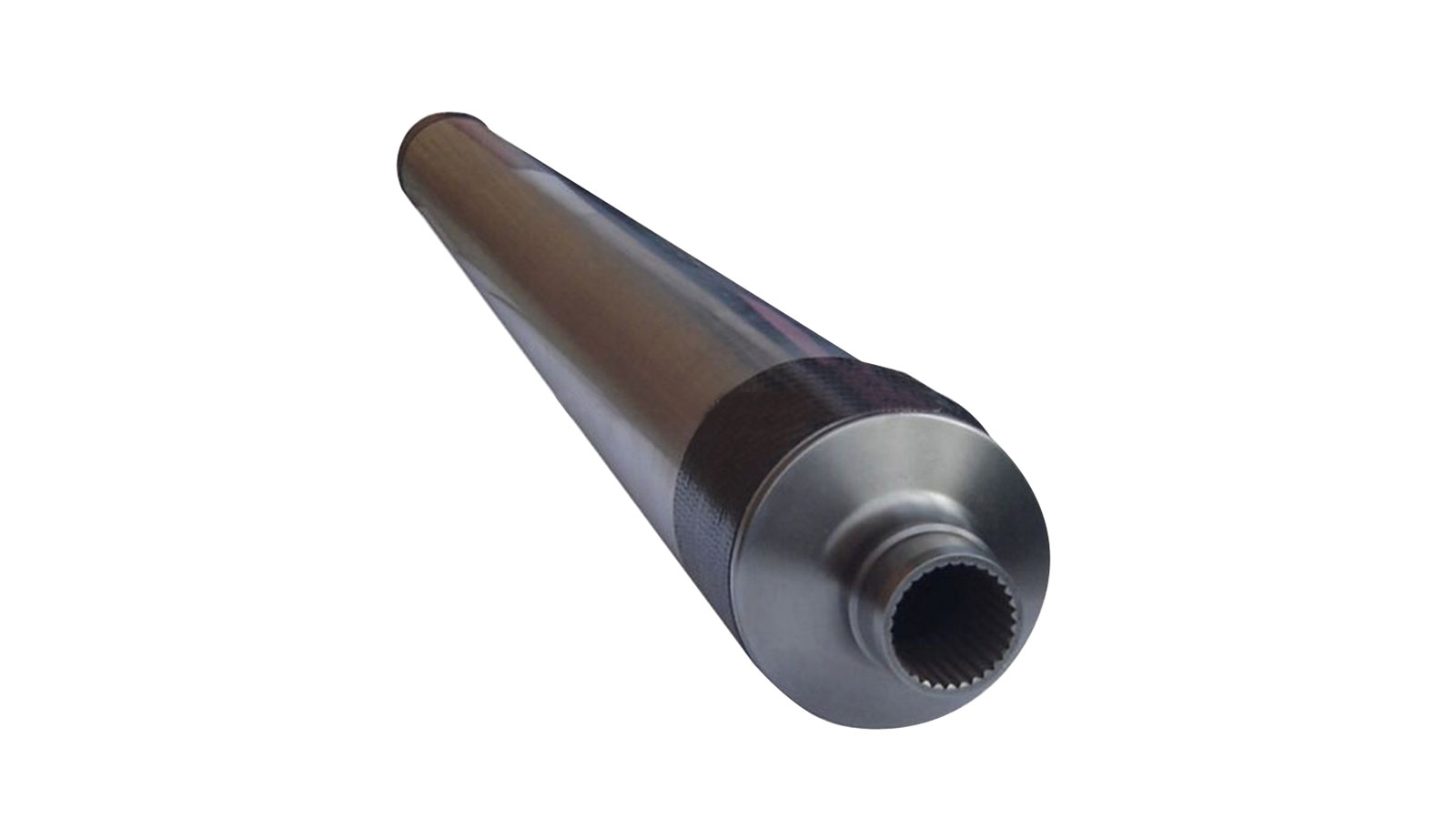
Aluminum alloy driveshaft
Company: Shanghai Everskill Mechanical & Electric Products Co. Ltd
Shanghai Everskill’s ADS20200304-1 is a driveshaft made of extruded and cold-drawn aluminum alloy with 6063, 6061, 7075, 6082, 3A21, 5086 or 7005 grade and T6, T8, H32 or H34 temper. It may have clear anodized, powder-coated, alkaline-etched, electrophoretic or custom finish. The outer diameter ranges from 10 to 420mm and the inner diameter is 8 to 250mm. This vehicle part complies wit ASTM, AMS WW-T-700, BS EN, DIN and JIS standards.
MOQ: 100 pieces
Lead time: 30 to 45 days
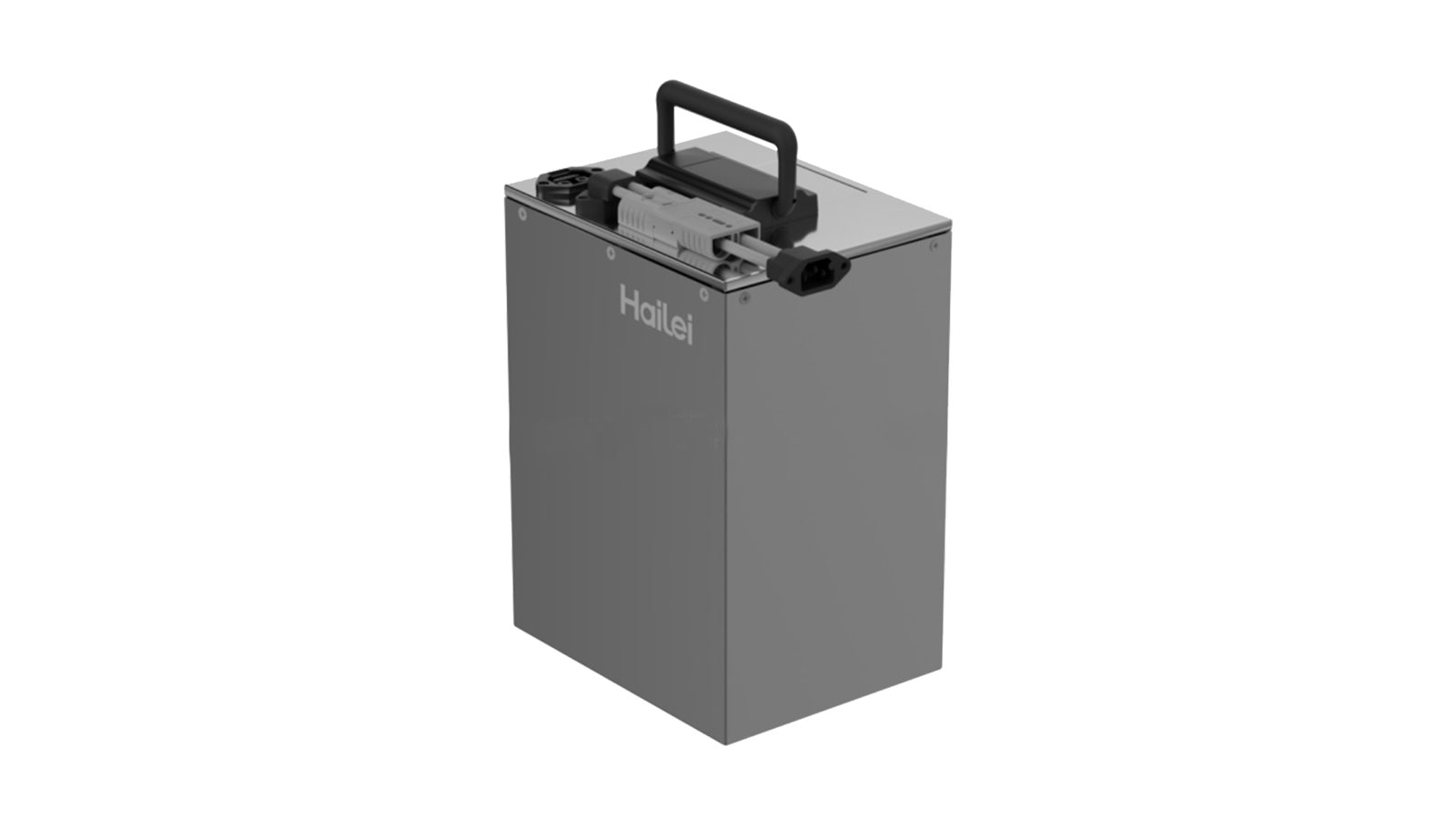
Li-ion ternary battery pack for two-wheel EVs
Company: Shenzhen Hailei New Energy Co. Ltd
The 6050/7250 Power Battery-6568 from Shenzhen Hailei is a 72V Li-ion ternary battery pack with RS-485 bus. It is designed for two-wheel electric vehicles. The 6050 version, with a 17S configuration, has 3,000Wh energy and 90km range, while the 7250 unit has 20S, 3,600Wh and 110km. Both have 25A maximum continuous charge and 75 discharge current and 1,200-cycle life span at ≥80 percent. They meet CB and CE standards.
Lead time: 60 to 90 days
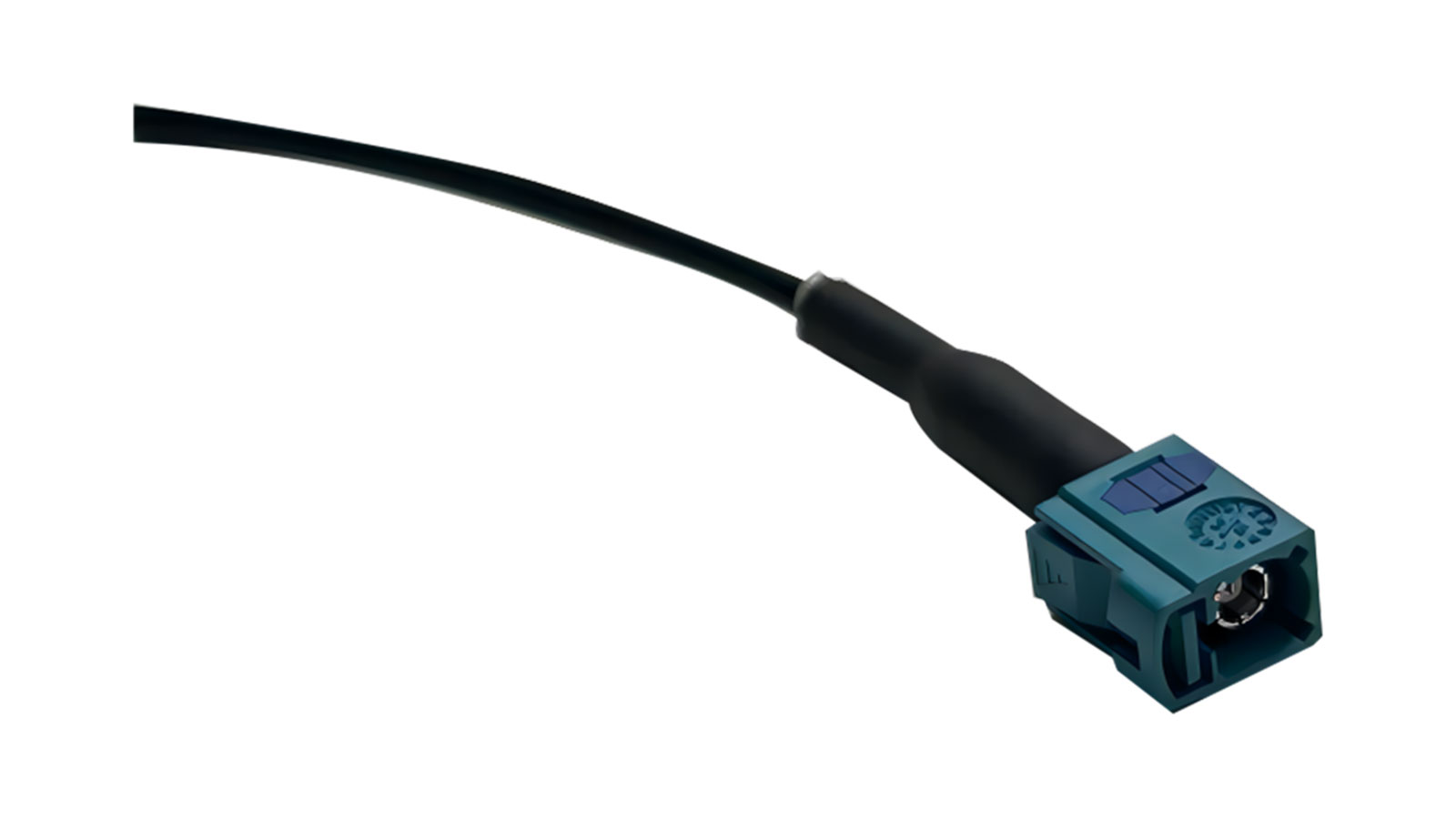
Mini FAKRA cable assembly
Company: Shenzhen Sinrui Technology Co. Ltd
Shenzhen Sinrui’s FAKRA Cable Assemblies 002-6032 is a mini version with a female connector and an RG-174 cable.
MOQ: 1 piece
Lead time: 14 to 28 days

