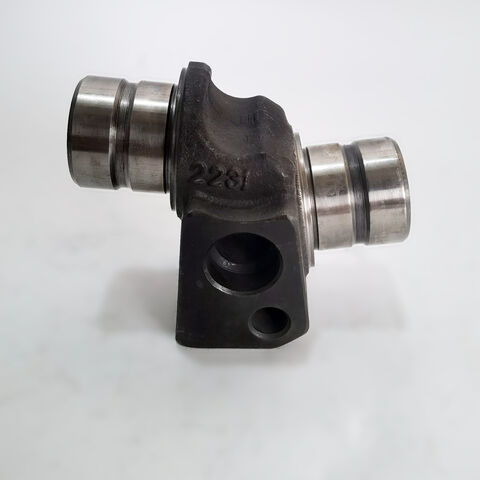
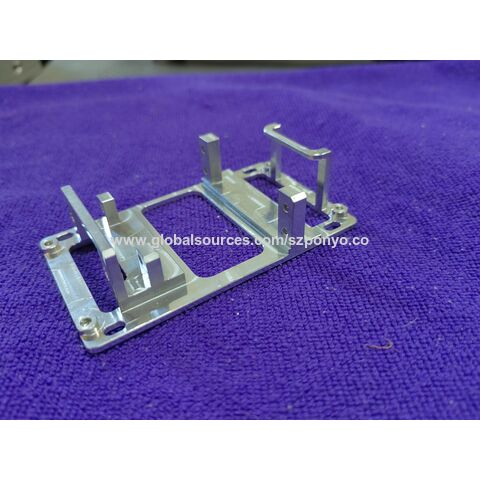
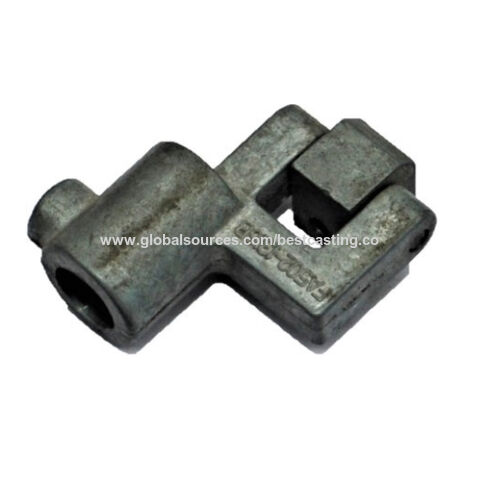
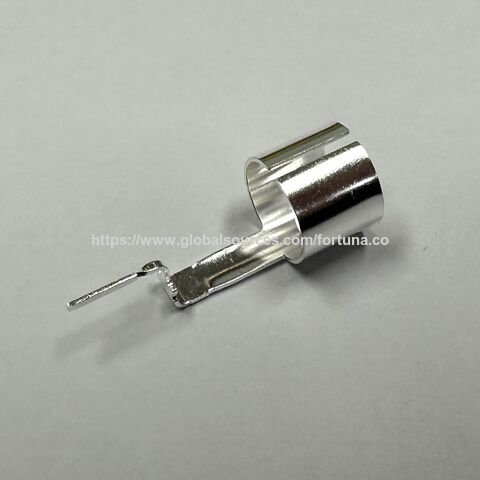
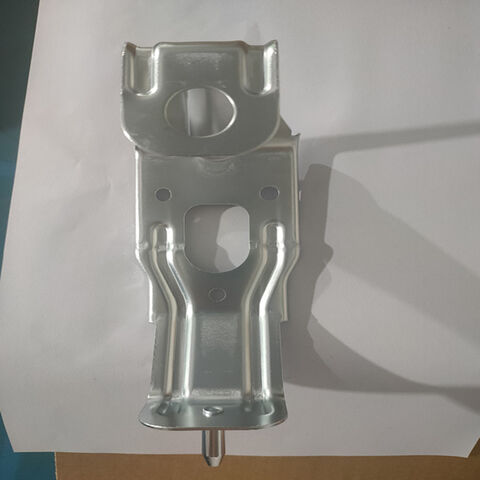
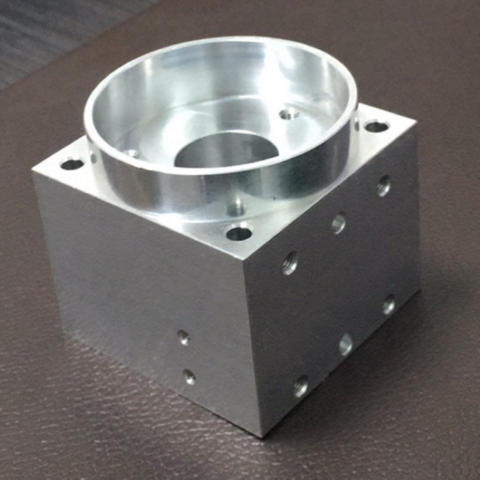
Machinery parts can be broadly categorized into two main types: metal and plastic. Metal parts are usually used in heavy-duty machines and equipment due to their durability and strength. They are often made from steel, aluminum or copper. On the other hand, plastic parts are lightweight and versatile, making them ideal for applications where corrosion resistance and cost-effectiveness are crucial.
Metal vs. plastic machinery parts
Metal parts are often used in industrial machinery, construction equipment and the automotive industry. They can withstand high temperatures and heavy loads, making them essential for operations that require robust and reliable components.
In contrast, plastic machinery parts offer advantages such as corrosion resistance, lightweight design and cost-effectiveness. They are commonly used in industries such as packaging, food processing and medical equipment manufacturing. Plastic parts can be molded into complex shapes and are often chosen for their ability to reduce overall equipment weight and manufacturing costs.
Understanding the specific requirements of a machinery application is crucial for determining whether metal or plastic parts are the most suitable choice. Factors such as environmental conditions, load capacity and budget constraints play a significant role in deciding the type of machinery parts to be used.
Importance of quality
Investing in quality machinery parts is essential for ensuring the reliable and efficient operation of equipment. High-quality parts contribute to the overall performance and longevity of machinery, reducing the risk of unexpected downtime and costly repairs. Whether metal or plastic, choosing parts that meet industry standards and quality certifications is crucial for maintaining operational efficiency and safety.
Quality machinery parts also play a vital role in optimizing the performance of equipment. Well-manufactured parts contribute to smoother operation, reduced friction and improved energy efficiency, leading to enhanced productivity and cost savings. Additionally, reliable parts can minimize the risk of accidents and equipment failure, promoting a safer working environment for personnel.
Replacement machinery parts
When it comes to replacing machinery parts, several factors should be considered to ensure the compatibility and performance of the new components. The first consideration is to identify the specific requirements and technical specifications of the original part, including dimensions, material composition and functional characteristics. Understanding these details is essential for selecting replacements that seamlessly integrate with the existing equipment.
Another critical step is to verify the quality and reliability of the parts. It is important to source components from reputable manufacturers or suppliers who adhere to industry standards and quality control measures. This ensures that the replacement parts meet the required performance criteria and are suitable for the intended application.
Additionally, considering the lead time and availability of replacement parts is crucial, especially for operations where equipment downtime can have significant financial implications. Choosing suppliers who can provide prompt delivery and ongoing support for replacement parts is essential for minimizing disruptions to production schedules and maintaining operational continuity.
Manufacturing metal machinery parts
The manufacturing process for metal machinery parts involves several stages, starting from the initial design and material selection to the final finishing and quality inspection. The first step is the design phase, where the specific requirements and functional parameters are determined. This includes considerations such as load-bearing capacity, material strength and dimensional accuracy.
Once the design is finalized, the material is selected based on its mechanical properties and suitability for the intended application. Commonly used are steel, aluminum and various alloys, each chosen for specific characteristics such as hardness, ductility and corrosion resistance. The selected material is then processed through cutting, shaping and machining operations to form the desired part geometry.
After the initial fabrication, the metal part undergoes various finishing processes such as heat treatment, surface coating and precision machining to achieve the required surface finish and dimensional accuracy. QC measures, including dimensional inspection and material testing, are carried out to ensure that the finished part meets the specified standards and performance criteria.
Manufacturing plastic machinery parts
The manufacturing process for plastic machinery parts typically involves plastic injection molding, a versatile and efficient method for producing complex and precise components. It begins with the selection of the appropriate plastic resin based on the desired properties such as strength, flexibility and chemical resistance. The chosen resin is then heated and injected into a mold cavity, where it takes the shape of the part's design.
Once the plastic material is injected into the mold, it is cooled and solidified to form the final part. Post-molding processes such as trimming, surface finishing and assembly may be performed to achieve the required specifications and functionality. QC checks are conducted to verify the dimensional accuracy, structural integrity and surface quality.
The manufacturing of plastic machinery parts has the advantages of high production efficiency, design flexibility and tight tolerances. These parts are widely used in industries where lightweight, corrosion-resistant and cost-effective components are required, making plastic injection molding a preferred method for producing a diverse range of machinery parts.
Common issues and solutions
Despite their durability, machinery parts are susceptible to problems that can affect their performance and life span. Common issues include wear and tear, material degradation, dimensional changes and mechanical failure. These can lead to decreased equipment efficiency, increased maintenance requirements and potential safety hazards.
To address wear and tear, regular maintenance and lubrication are essential to minimize friction and prevent premature component failure. Material degradation can be mitigated by using corrosion-resistant materials or protective coatings. Dimensional changes and mechanical failure may require the replacement of worn parts with high-quality components to restore equipment functionality.
Implementing a proactive maintenance strategy, including routine inspections, part replacements and performance optimization, can significantly extend the life span of machinery parts and reduce the risk of unexpected failures. It is also important to address any operational or environmental factors that may contribute to the deterioration of machinery parts such as excessive loads, improper alignment or exposure to harsh operating conditions.
Choosing the right supplier
When evaluating prospective suppliers, consider their manufacturing capabilities, QC processes and adherence to industry standards. A reputable one should have a track record of delivering high-quality parts that meet the specific requirements of the customer's applications.
Additionally, assessing the supplier's production capacity, lead times and inventory management practices is essential for maintaining a consistent supply of machinery parts. Those who can offer customization options, technical support and responsive communication are valuable partners in addressing unique application needs and resolving any issues that may arise during the procurement process.
Finally, considering the supplier's commitment to sustainability, ethical business practices and environmental stewardship can contribute to a responsible and conscientious supply chain. Collaboration with companies who prioritize social and environmental responsibility aligns with the values of many organizations and promotes a sustainable approach to sourcing machinery parts.
Tips for maintaining and extending the life span of machinery parts
Maintaining machinery parts in optimal condition is essential for maximizing their life span and ensuring reliable equipment performance. These tips can help in maintaining machinery parts effectively:
Routine inspections: Regularly inspect for signs of wear, damage or deterioration. Identifying potential issues early allows for timely intervention and prevents more extensive damage to the equipment.
Proactive lubrication: Proper lubrication of moving parts reduces friction and wear, extending the life span of components and enhancing equipment efficiency.
Replacement schedule: Establish a proactive replacement schedule for machinery parts based on usage, environmental factors and manufacturer recommendations. This ensures that worn parts are replaced before they compromise equipment performance.
Environmental protection: Shield machinery parts from environmental factors such as moisture, dust and chemical exposure to prevent corrosion and material degradation.
Training and education: Provide training to personnel on proper handling, maintenance and care of machinery parts to ensure they are used and maintained correctly.