




Common Types of Laser Cutting Machines
Laser cutting machines are sophisticated devices that employ a high-powered laser to cut or engrave materials for industrial, commercial, and creative applications. The technique has become indispensable in modern manufacturing, providing precision and efficiency that traditional cutting methods cannot match. As of today, there are several types of laser cutting machines available, each suited to specific tasks and materials. Here's an in-depth look at the different types of laser cutting machines.
CO2 Laser Cutters
CO2 laser cutters are among the most widely used laser machines in the industry. They operate by running electricity through a gas-filled tube, producing light that is concentrated and directed by mirrors to the cutting head. This type of laser is suitable for cutting, engraving, and etching a variety of materials including wood, acrylic, glass, paper, fabric, and certain plastics. CO2 lasers are prized for their versatility and can handle a wide range of thicknesses, making them a go-to option for everything from industrial manufacturing to small-scale craft projects.
The CO2 laser's wavelength is relatively long in the infrared range, which means it has limitations when it comes to cutting reflective metals. However, with the addition of oxygen in the cutting process, CO2 lasers can effectively cut through mild steel and other metals.
Fiber Laser Cutters
Fiber lasers represent a more modern class of laser cutting technology. They generate a laser beam via a core made from rare-earth elements such as erbium or ytterbium, which is then amplified by glass fibers. This results in a laser with a wavelength that is about ten times shorter than that of CO2 lasers, allowing for more concentrated and intense cutting power.
Fiber laser cutters are especially well-suited for processing metals like stainless steel, aluminum, brass, and copper. They offer several advantages over CO2 lasers when it comes to metal cutting: they are more energy-efficient, require less maintenance, have longer service lives, and can cut reflective metals without back reflections damaging the machine. Their superior precision and speed also make them ideal for high-volume production environments.
Crystal Laser Cutters
Crystal lasers use solid-state laser media such as neodymium-doped yttrium aluminum garnet (Nd:YAG) or neodymium-doped yttrium ortho-vanadate (Nd:YVO4). These materials create a very intense beam which can cut both metals and non-metals. Crystal lasers have a shorter wavelength than both CO2 and fiber lasers, which allows them to cut through very thick materials.
However, crystal lasers have some drawbacks. They tend to have a shorter service life compared to CO2 and fiber lasers, typically around 8,000 to 15,000 hours. They also require more energy, making them less efficient than fiber lasers. Despite these issues, they are powerful tools capable of handling demanding industrial applications where deep cutting is necessary.
Diode Laser Cutters
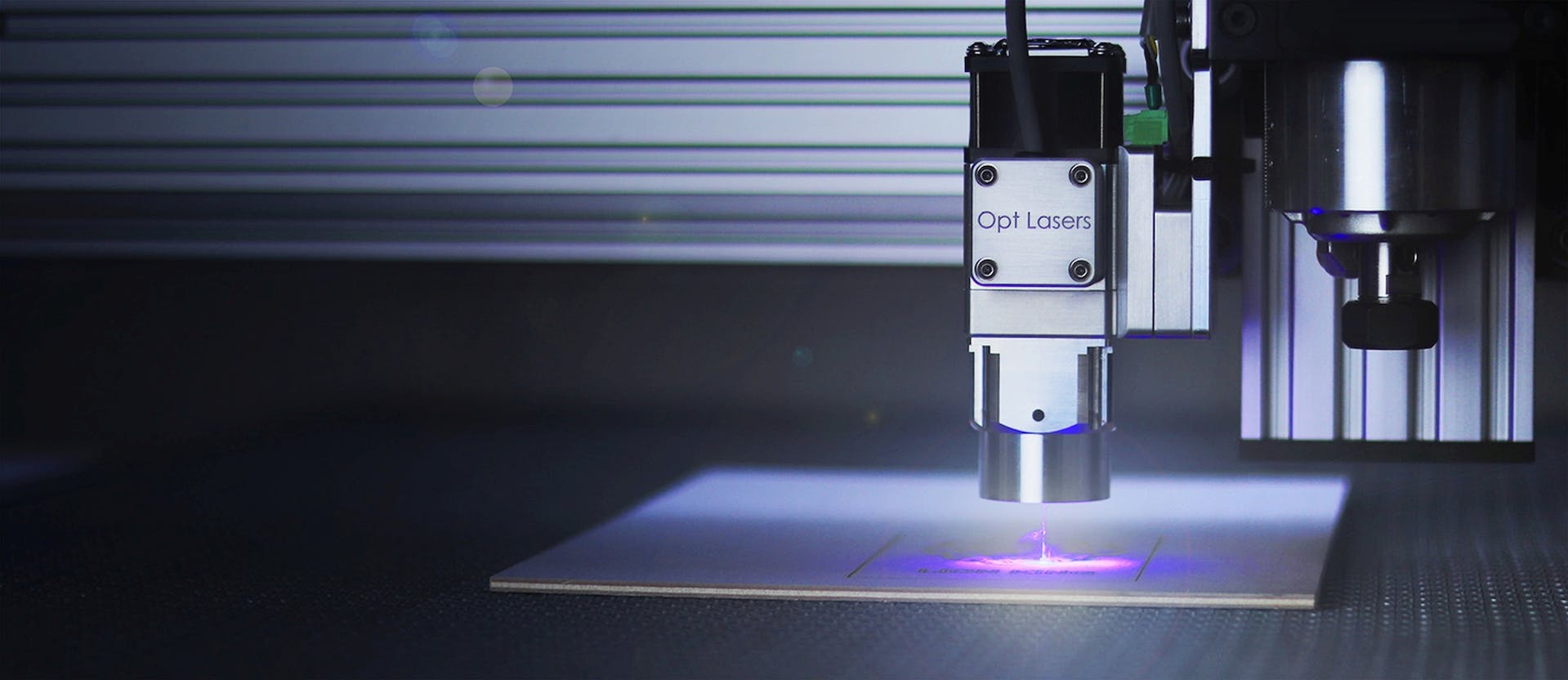
Diode laser cutters are on the lower end of the power spectrum but are highly useful for precision work on thin materials. These machines use semiconductor diodes as the laser source and are often found in desktop or hobbyist laser cutters. While they lack the power to cut through thicker or harder materials efficiently, diode lasers excel at detailed engraving and can work with wood, leather, and some plastics.
Because of their relatively low cost and compact size, diode laser cutters have become increasingly popular among hobbyists, small businesses, and educational institutions. They offer an accessible entry point into the world of laser cutting without the need for significant investment or space.
Nd:YAG Laser Cutters
Nd:YAG (Neodymium-doped Yttrium Aluminum Garnet) lasers are another type of solid-state laser cutter. They operate similarly to crystal lasers but use a different medium. These lasers are known for their high energy and ability to operate in both pulsed and continuous modes. Nd:YAG lasers can cut through metals including steel and alloys but also work with ceramics and plastics.
They are particularly useful in applications requiring high precision and minimal heat distortion, such as in the medical device industry. However, like crystal lasers, they have a relatively high cost of operation due to energy consumption and maintenance needs.
Ultraviolet (UV) Laser Cutters
UV laser cutters represent a specialized category that operates at an even shorter wavelength than the other types mentioned. The UV light allows for extremely precise cuts and is able to process a wide range of materials including some that are challenging for other lasers, like certain plastics and glass without generating much heat.
These cutters are often used in electronics manufacturing for cutting complex shapes in circuit boards or in the medical industry for creating stents. The precision of UV lasers makes them ideal for applications where the smallest details matter.
Choosing the Right Laser Cutter
The decision on which type of laser cutter to use depends on several factors:
- Material Type: Different lasers are better suited to different materials. For instance, CO2 lasers are excellent for non-metallic materials while fiber lasers excel with metals.
- Material Thickness: The material thickness will influence the required power of the laser. Thicker materials generally require more powerful lasers with shorter wavelengths.
- Precision Requirements: If the application requires extremely fine details, then lasers with shorter wavelengths, such as fiber or UV lasers, might be necessary.
- Volume and Speed: High-volume production settings might benefit from the speed and efficiency of fiber lasers.
- Budget and Maintenance: CO2 lasers tend to be less expensive upfront but might have higher maintenance costs compared to fiber lasers. Diode lasers offer a budget-friendly entry point with lower maintenance requirements.
The world of laser cutting machines is diverse, with each type of laser offering unique advantages for different applications. From the versatile CO2 laser cutters to the precision of fiber lasers, the robust power of crystal lasers, the accessible diode lasers, and the ultra-fine capabilities of UV lasers, there is a tool for every cutting job. Understanding these different laser types helps businesses and individuals choose the right machine for their specific needs, ensuring efficiency, quality, and cost-effectiveness in their cutting projects. Whether for industrial manufacturing or creative design, laser cutting technology continues to push the boundaries of what's possible in material processing.
Global Laser Cutting Machines Market Overview
As of the latest reports and news updates, the global laser cutting machines market is experiencing substantial growth.
Market Valuation
The market size was valued at around USD 5.59 billion in 2022 and is projected to grow from USD 5.95 billion in 2023 to USD 11.32 billion by the year 2030. This significant growth reflects a compound annual growth rate (CAGR) of approximately 9.6% during the forecast period, indicating a robust expansion of the industry [4].
Market Trends
The growth in the laser cutting machines market is being driven by the increasing adoption of automation in manufacturing processes, advancements in laser technology, and the rising demand for improved cutting precision and speed across various industries, including automotive, aerospace, and electronics [1].
Industry Developments
The automotive industry has been highlighted as a significant user of laser cutting machines for applications ranging from cutting body panels to precision components and interior trimming [2].
Regional Insights
While the reports do not provide detailed regional analysis in the snippets, it is typically expected that regions such as Asia-Pacific, North America, and Europe would be leading in market share due to their established manufacturing sectors and adoption of advanced technologies.
At present, laser cutting machines have broad market prospects and diverse application scenarios globally. However, different regions also have their own localized consumer demographics and preferences. How can business owners better select diverse sources to serve localized consumers? Many local distributors or retailers purchase online from platforms like Amazon, eBay for small batches, while some utilize global platforms like Alibaba, Made-in-China for bulk orders.
However, if distributors or retailers want to source directly from an extensive range of qualified manufacturers that can provide customized and localized options to meet diverse consumer needs, then Global Sources is an unparalleled choice. With thousands of strictly vetted suppliers in its network, Global Sources enables easy matching between buyers and suppliers based on consumer segments, order quantities and production capabilities. It serves more than 10 million registered buyers and users worldwide, including 97 of world’s top 100 retailers. Since 1971, Global Sources has been building extensive connections between international buyers and rigorously verified suppliers across thousands of industries, establishing itself as a trusted industry leader.
Sourcing Laser Cutting Machines from Top Manufacturers on GlobalSources.com
Define Your Specifications
Before initiating contact with suppliers, determine the specifications of the laser cutting machine you need. Consider the material type, thickness, cutting area size, laser power, and any additional features such as automation or software requirements.
Research and Select Manufacturers
Use GlobalSources.com's extensive supplier directory to identify manufacturers with expertise in laser cutting machines. Look for suppliers with a strong trade history and positive customer feedback.
Check Manufacturer Credentials
Evaluate the credentials of the manufacturers you are considering. Look for relevant certifications, such as ISO 9001 for quality management or specific product certifications that attest to the safety and reliability of their machines.
Compare Product Offerings
Compare the product offerings of different manufacturers on GlobalSources.com. Pay attention to the technical specifications, pricing, warranty terms, and after-sales service options.
Review Customer Feedback and Ratings
Read through customer feedback and ratings for insights into the reliability and service quality of the manufacturers. High ratings and positive reviews can be indicative of reputable suppliers.
Communicate with Suppliers
Reach out to suppliers through GlobalSources.com's messaging system. Ask detailed questions about their products, customization options, lead times, and minimum order quantities.
Request Samples or Demonstrations
If possible, request a sample machine or a live demonstration to assess the quality and performance of the laser cutting machine.
Discuss Logistics and Support
Clarify logistics details such as shipping costs, delivery timelines, and the process for handling customs duties. Also, inquire about technical support, training, and the availability of spare parts.
Negotiate Terms
Negotiate payment terms, delivery schedules, and any bulk order discounts. Ensure that all agreements are clearly documented in a contract.
Place a Test Order
Consider placing a test order to evaluate the entire procurement process from manufacturing to delivery and after-sales service before committing to a larger order.
By following these steps and utilizing the resources available on GlobalSources.com, you can source laser cutting machines from top manufacturers efficiently and effectively.
Sources
- https://www.fortunebusinessinsights.com/laser-cutting-machines-market-102879
- https://finance.yahoo.com/news/laser-cutting-machines-market-size-110400869.html
- https://www.grandviewresearch.com/industry-analysis/laser-cutting-machine-market
Also Read:
- Best Websites for Manufacturers 2024
- What Is MSRP?
- Find Indian Manufacturers 2024
- Find a Manufacturer in China 2024
- Best Clothing Manufacturers in China 2024
- Manufacturers vs. Distributors
- Supplier vs. Manufacturer
- Clothing Manufacturers for Startups
- Buy a Car Direct from Manufacturers
- What Is an OEM?
- Buy Products Direct from Manufacturers
- Find a Manufacturer or Supplier

