




Space heaters are used for supplemental warming of specific areas of a home or an office. They come in a variety of shapes, sizes and specifications. When sourcing these appliances for your market, consider the heating capacity, energy efficiency, safety features, portability, noise level, thermostat control and add-on functions such as remote controls, programmable times and oscillation.
Heating mechanism
Based on heating mechanism, space heaters can be categorized into convection, radiant, ceramic and oil-filled types.
Convection heaters use a fan to circulate warm air in the surrounding space, ensuring efficient and even heat distribution. Radiant types, meanwhile, adopt infrared technology and heat objects and people directly in the immediate vicinity instead of warming the air. Because of these features, they are often used for spot heating.
Ceramic space heaters have a ceramic heating element, which is then distributed using a fan. They are known for their fast-heating capabilities and energy efficiency. Oil-filled variants use thermal oil as the heating medium, which is heated by an internal element. They provide a consistent and long-lasting heat output.
Space heaters by power source
By power source, there are electric, gas-powered and battery-operated space heaters. Electric units are the most common because they require no fuel, making them easy to use, and are generally more efficient.
Gas types depend on natural gas or propane, or in some cases kerosene, to generate heat and are usually used in areas without reliable access to electricity, such as construction sites or outdoor spaces.
Battery-powered space heaters are another option in areas without access to power outlets. They are rechargeable, highly portable and convenient to use.
Electric space heaters
Electric space heaters offer several advantages in terms of efficiency, safety, convenience and versatility. This is because they convert nearly all input electricity into heat and many are equipped with automatic shut-off and cool-to-the-touch exteriors that help reduce the risk of accidents and burns.
These units come in a range of size and style options and are easy to set up and use, most with simple controls and adjustable thermostats.
Battery-operated space heaters
Battery-operated space heaters offer a unique advantage in their portability and flexibility as they can be easily moved from one room to another or used in areas without access to power outlets. As such, they are ideal for camping, RVs and remote locations.
However, these portable heaters also have some limitations. Because they depend on the capacity of their rechargeable batteries, they have a shorter runtime compared to electric or gas-powered models. They may not be as powerful or efficient as their plug-in counterparts as well because the heating output is more localized and therefore less effective for larger spaces.
Despite these disadvantages, battery-operated space heaters can be a valuable option for those who need a portable and flexible solution.
Heating panels
Heating panels, also known as infrared or radiant panels, are a unique type of space heater with its own advantages.
They are highly energy-efficient, as they directly heat objects and people in the room instead of warming the air. In addition, these panels provide a consistent and even distribution of heat, creating a comfortable and uniform temperature.
Radiant panels offer visual appeal as well, especially for modern or minimalist spaces, owing to their inherently slim design. They operate with little to no noise, making them a suitable choice for offices, bedrooms and other quiet environments. Lastly, these panels can be installed in specific zones or areas for targeted and efficient heating.
However, heating panels have a higher upfront cost compared to other space heater options, but their energy efficiency and long-term cost savings can make them a worthwhile investment for many homeowners and businesses.
Underfloor heaters
Underfloor heaters, also called radiant floor heating systems, are a type of heating system installed beneath the floor. While they share some similarities with space heaters, there are some key differences.
These systems use a network of pipes or cables installed beneath the floor to heat the surface, which then radiates warmth into the room. This means a more complex and permanent installation process, usually involving significant construction work.
Underfloor heaters can be installed to heat an entire room or house. They can use the thermal mass of the floor to store and distribute heat and as such can be highly energy-efficient, while space heaters may be less so for a whole room or house heating.
To find the space heaters for your market’s needs, explore this selection of energy-efficient and features-rich models from verified suppliers on GlobalSources.com.
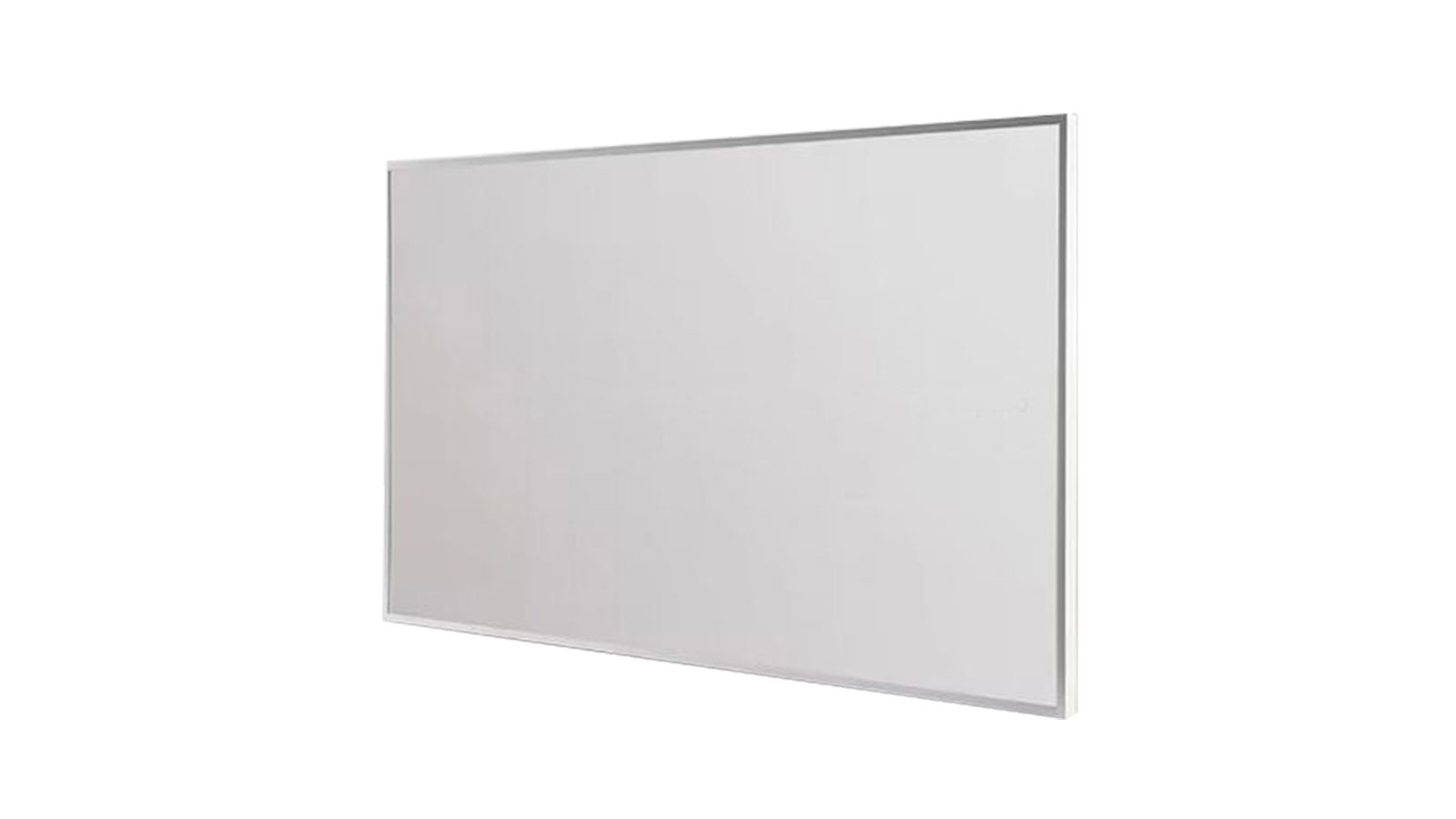
Heating panel, 85 to 105 C surface
Company: China Flame Group Ltd
China Flame offers the T Series-14, a white PET heating panel for wall mounting. This product has a surface temperature of 85 to 105 C, heat transfer rate of 98 percent and FIR radiation of more than 95 percent. It includes an adjustable thermostat and built-in overheating protection. This CE-approved panel is available in 220 to 240V, 50Hz and 110 to 120V, 60Hz versions.
MOQ: 500 units
Lead time: 10 to 15 days
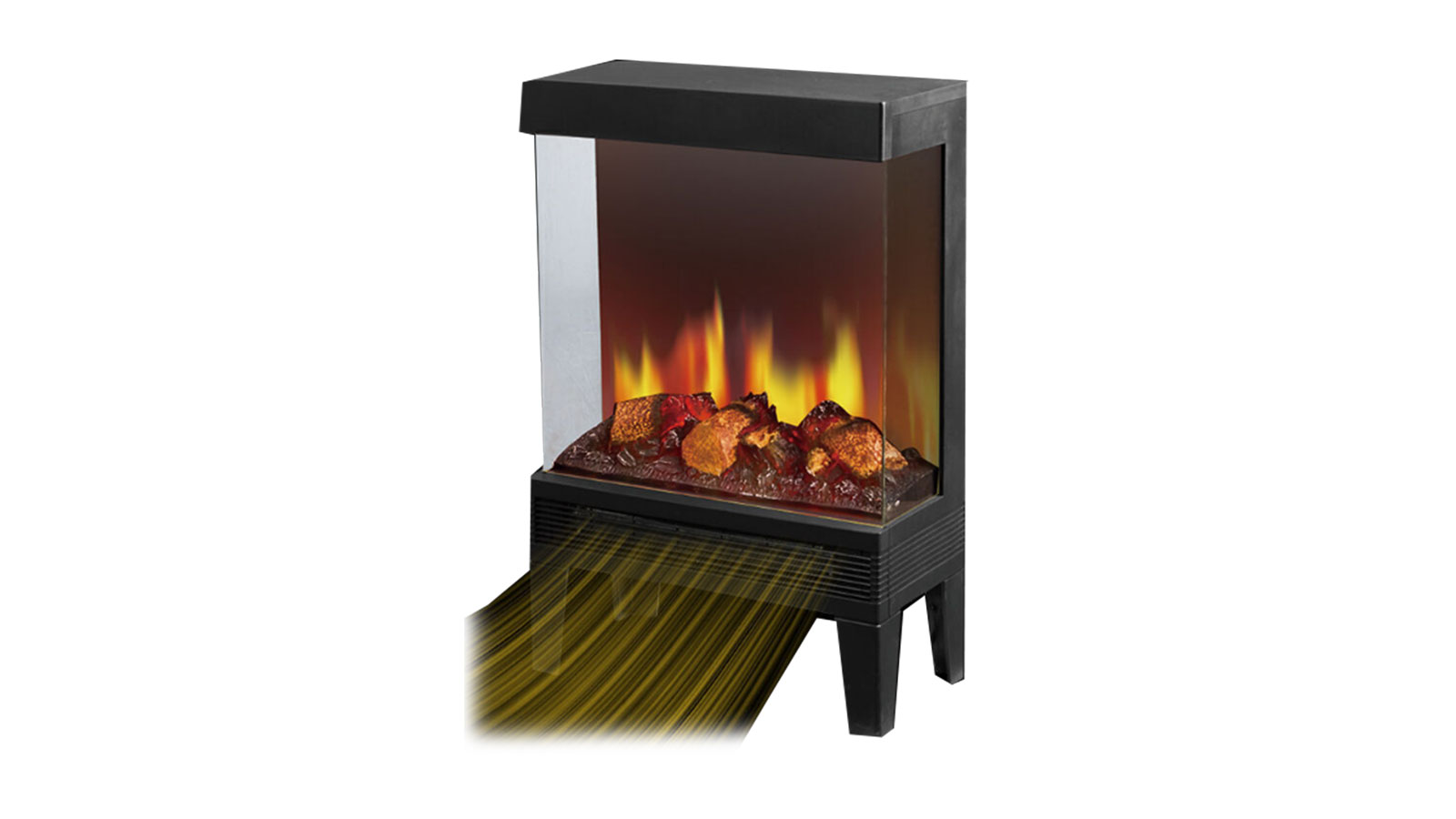
Electric space heater, 1,700 to 2,000W power
Company: Dongguan Jjpro Far East Ltd
Dongguan Jjpro Far East’s HS93363 is an electric floor-standing space heater for a 30sqm space. It has 220 to 240V voltage, 50/60Hz frequency and 1,700 to 2,000W power. Product dimensions are 405x200x620mm and net weight is 6.3kg.
MOQ: 500 units
Lead time: 35 to 45 days
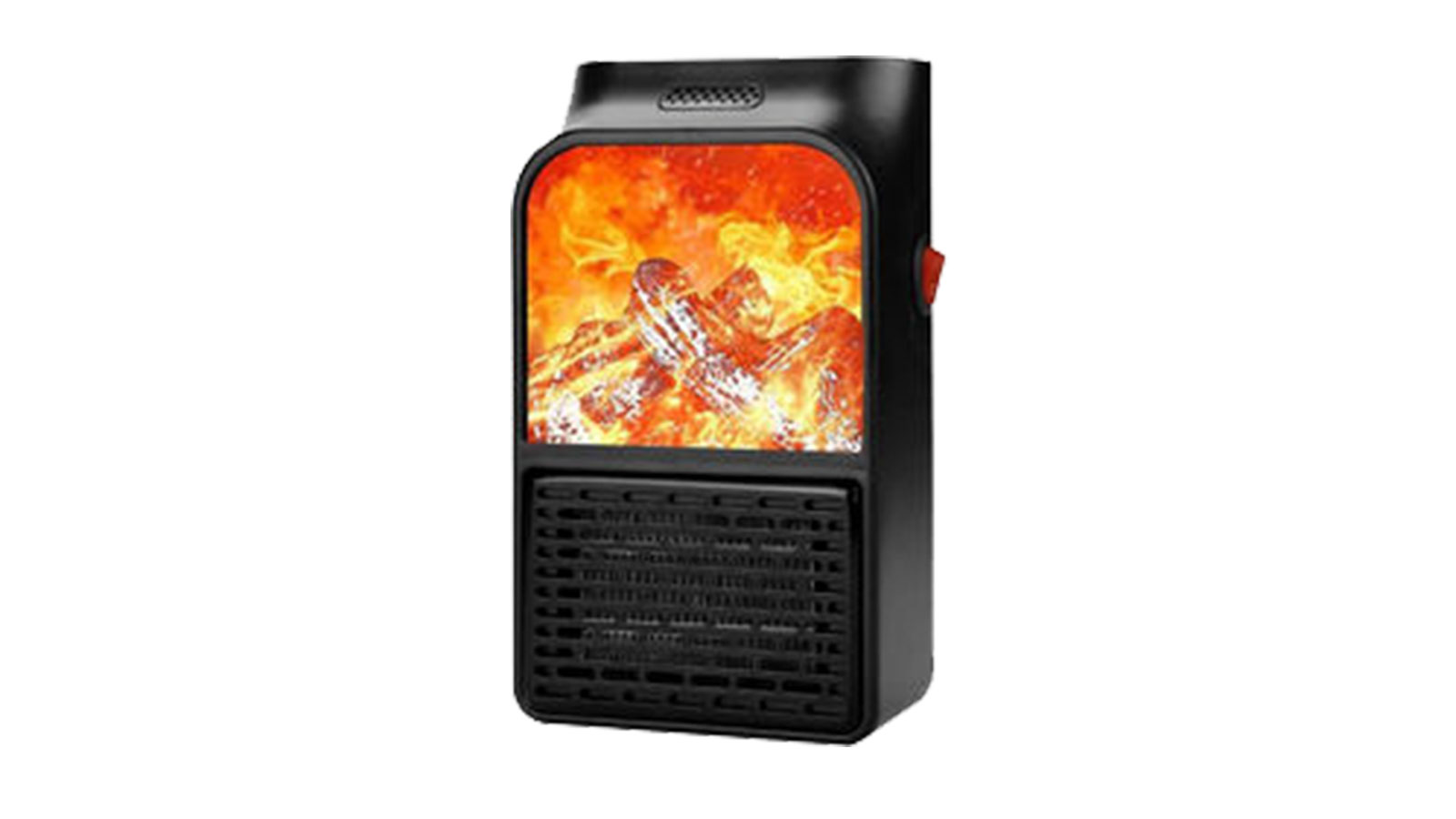
Mini electric flame heater
Company: Elangel International Industrial Ltd
The EP1162 from Elangel is a mini electric flame heater for personal use. It can provide heat in an area less than 10sqm. This plug-in device, which emits no radiation and noise, has three settings and timer functions and is bundled with a remote control. It is rated at 100 to 120V or 220 to 240V, 50Hz, 500W. The housing is made of PP, and flame-retardant ABS and nylon.
MOQ: 40 units
Lead time: 5 to 30 days
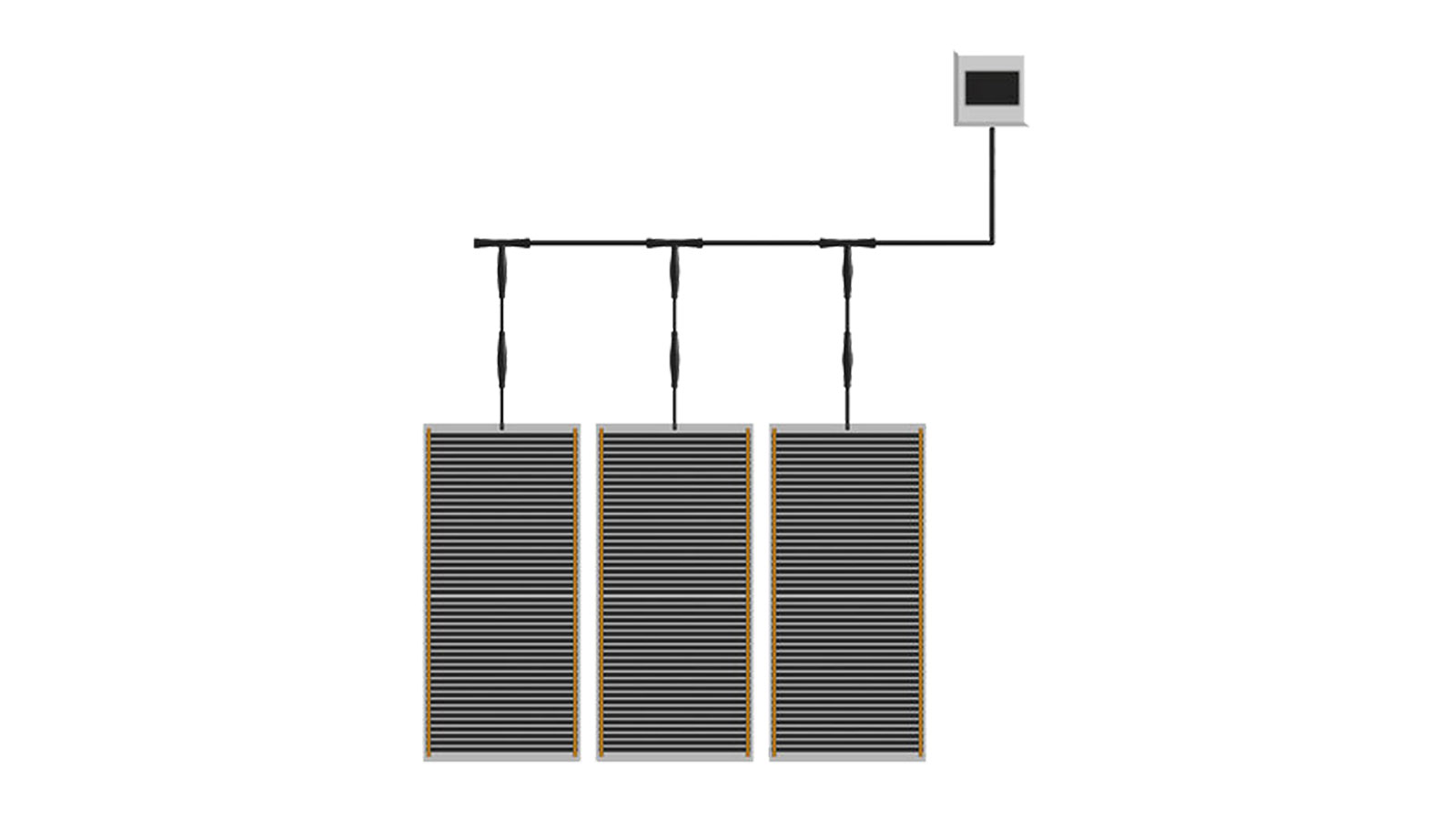
Underfloor system
Company: Bestgongfu (Xiamen) Microelectronics Technology Co. Ltd
Bestgongfu offers the ZP001-2-150-11, an underfloor system, which includes graphene heating film that releases 8 to 14µm FIR and a cable assembly with water-resistant connectors. This CE-approved product can be used with composite wooden floors and ceramic tiles and can be controlled remotely via a mobile app.
MOQ: 1sqm
Lead time: 15 to 30 days
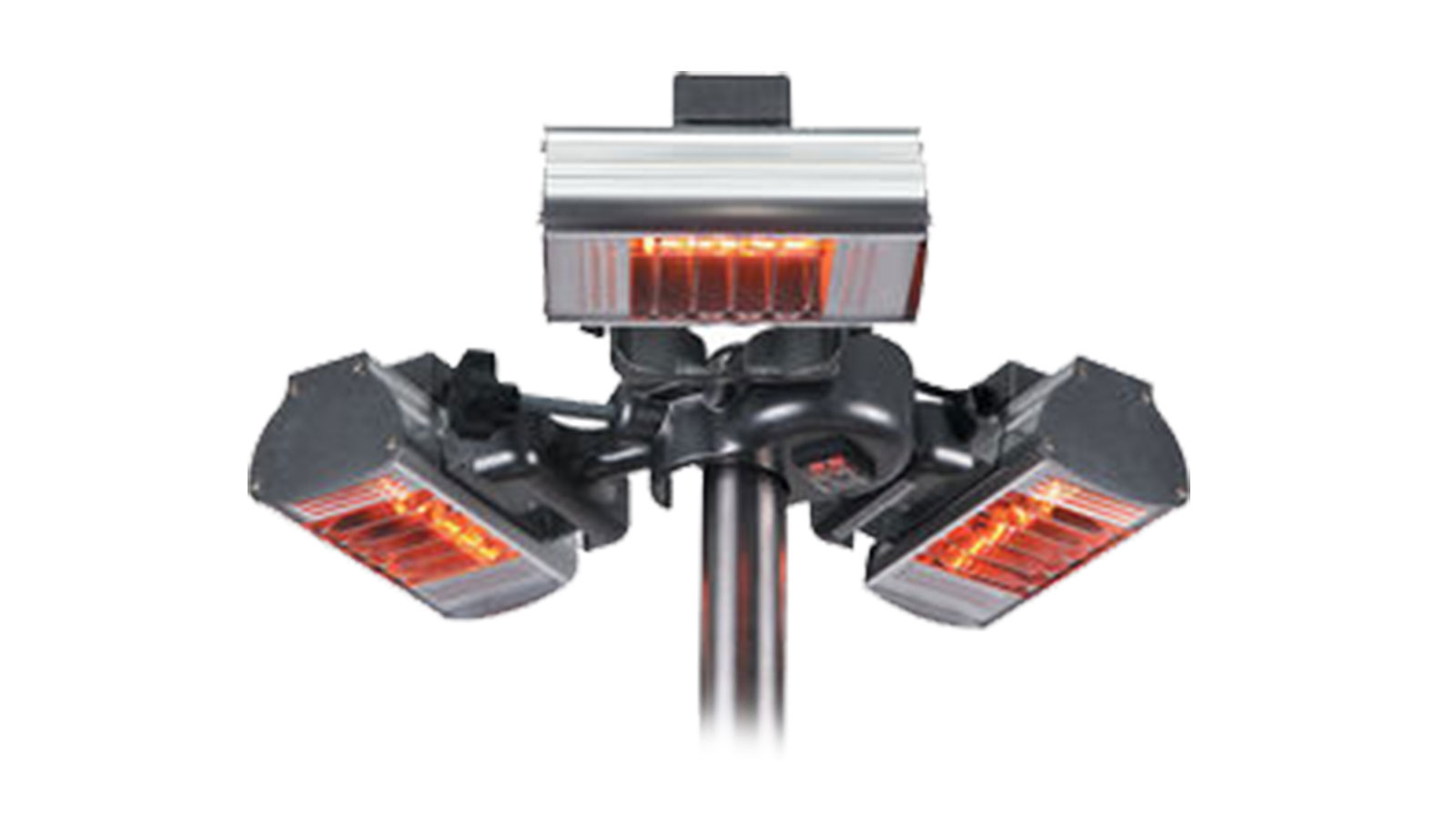
Heater, light in one
Company: Ningbo Holite Electrical Co. Ltd
The HL- E74- G15 from Ningbo Holite is an IP23-rated heater designed for mounting or hung on parasol poles in gardens and outdoor patios. It uses a halogen heating element and consists of three adjustable heads for 360-degree coverage. Each head has a 500W rating and doubles as a light with a lamp life of over 5,000 hours. This CE-approved and RoHS-compliant unit includes a 1.6m H05RN-F cable.
MOQ: 1 carton
Lead time: 30 to 45 days
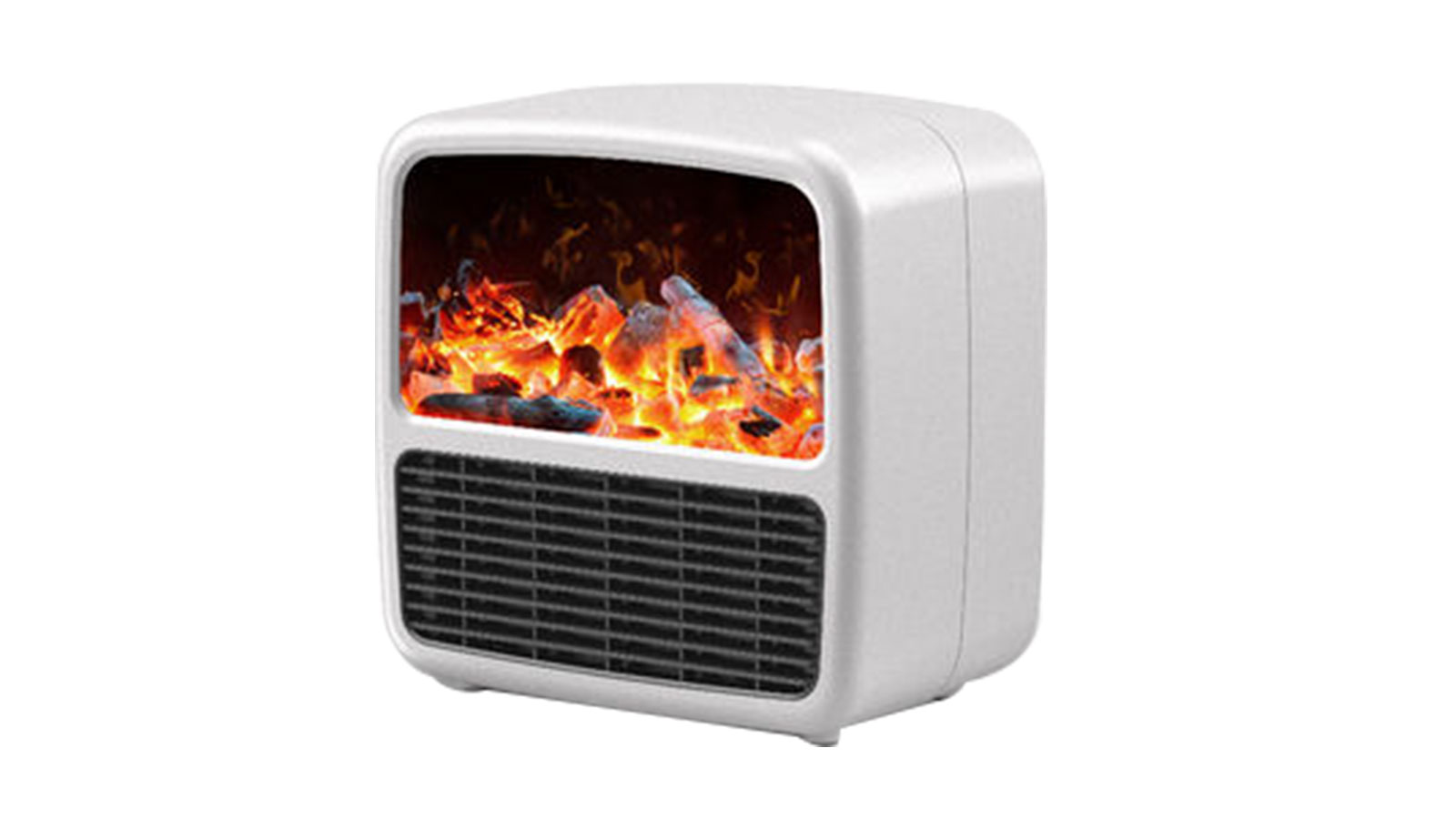
Tabletop electric heater
Company: Smarteer Tech Co. Ltd
Smarteer’s N6-3979 is a patented mini electric heater for tabletop use. It comes in two versions, with type A having 500 and 800W ratings and type B 1,000 and 1,500W. This 110 or 220V, 50Hz portable product has a ceramic heating element, a 12V hydraulic fan and a flame-retardant ABS housing. It has overheating and tip-over protection. Dimensions are 220x220x150mm and weight is 1.5kg. This heater meets CE, FCC, RoHS, REACH, ICES and UKCA standards.
MOQ: 3,000 sets
Lead time: 15 to 25 days

