




Steel coils are widely used in industries including construction, automotive, manufacturing and packaging, due to their versatility and strength. They are materials for frames, beams and structural components for buildings and infrastructure projects as well as for roofing, siding and other architectural elements. Car bodies, chassis components and other vehicle parts are made from them as are metal elements and housings of home appliances such as washing machines, refrigerators and ovens. These metal coils are also used to make cans, containers and other packaging items for food, beverages and consumer goods. They are key inputs in the production of industrial machinery, equipment and tools as well.
Steel coil thickness, width and grade
To meet diverse requirements, steel coils are available in a range of thicknesses, typically from 0.1 to 25mm. Thinner coils are usually for applications that require flexibility, such as automotive body panels or packaging materials, while thicker ones are for those that demand higher strength and durability, such as structural components for buildings or heavy machinery parts.
In terms of width, steel coils can vary significantly, with narrower or slit types commonly used in strapping, banding or smaller components and wider or full versions for parts requiring larger surface areas such as roofing, siding or large machinery.
The hardness of steel coils, meanwhile, is determined by their chemical composition and heat treatment. The common grades include mild, high-strength low-alloy (HSLA) and stainless steel. Mild steel coils are suitable for general-purpose applications where moderate strength is required. HSLA types offer higher strength and toughness for parts that must have superior mechanical properties. Stainless steel coils are corrosion-resistant and are used where resistance to harsh environments or chemical exposure is necessary.
Types and advantages
Hot-rolled coils are produced by rolling steel at high temperatures. They have good mechanical properties and are suitable for construction materials, structural components, and automotive and machinery parts that do not require a smooth surface finish.
Cold-rolled steel coils are manufactured by rolling hot-rolled steel at room temperature. They offer a smooth surface quality, tight dimensional tolerances and improved mechanical properties compared to hot-rolled steel. Automotive body panels, appliance components, packaging materials and precision engineering are the typical applications.
Surface treatment
Depending on the required properties and performance for specific applications, steel coils undergo various surface treatments.
Galvanizing involves the addition of a protective zinc layer done by immersing the coils in a molten zinc bath or by applying the coating electrolytically. Galvanized steel coils offer superior corrosion resistance, making them suitable for roofing, siding and outdoor structures exposed to harsh environments.
Painting and coating enhance the appearance, corrosion resistance and functional properties of steel coils as well. The common choices include epoxy, polyester and polyurethane-based paints, and coatings such as PVC and PVDF. Painted and coated coils are widely used in architectural cladding, appliance components and decorative panels.
Metallic materials, such as aluminum and tin, can also be used. Aluminum-coated steel coils offer excellent corrosion resistance, meeting requirements in automotive and construction applications, while tin-coated ones are commonly used in food cans and containers.
Organic inputs, such as polymers and resins, are coating options as well for enhancing steel coil features. They are usually used in electrical components for insulation, bearings for anti-friction properties and processing equipment for chemical resistance.
Environmental benefits and challenges
While steel coils are highly recyclable, there are some challenges associated with their recycling. These include contamination due to the presence of coatings and contaminants, which need to be removed or accounted for during the melting and refining stages. Sorting is another, especially when dealing with large volumes of scrap material, as this entails accurately identifying and separating the coils based on their composition.
There are also logistics and transportation issues as steel coils can be bulky and heavy, making the collection, transportation and handling complex and costly.
Melting and refining, meanwhile, require significant amounts of energy, although continuous efforts are being made to improve the efficiency of such operations.
Quality is another concern as recycled steel may have slightly different properties compared to its virgin version, depending on the composition and quality of the scrap material.
Despite these challenges, the steel industry has made progress in improving the recycling process through advancements in technology, process optimization and industry collaboration.
Difference between steel coil and sheet
Steel coils and steel sheets are both flat steel products, but there are some key differences between them.
Steel coils form a continuous spiral, while steel sheets are produced by cutting the steel into individual, flat rectangular pieces and are generally thicker. This makes coils easier to transport, store and process, as they can be unrolled and used as needed.
Coils are easier to form due to their shape, while sheets are less flexible and involve more specialized equipment for forming and shaping. As such, coils are commonly used in applications that require continuous or repetitive processes, such as in the automotive, construction and packaging industries, while sheets suit furniture, appliances and architectural elements that call for individual, pre-cut pieces.
The choice between the two depends on the specific requirements, including manufacturing processes, handling and end-use characteristics.
What to watch out for when importing steel coils
Importing steel coils can be a complex process, and there are several factors that buyers should be aware of to ensure a successful and compliant transaction.
Tariffs and trade regulations: Understand the current trade policies and tariffs that may apply to the importation of steel coils, as these can vary depending on the country of origin and the destination country. Be aware of any anti-dumping or countervailing duties that may be in place, as these can significantly impact the cost of imported steel coils.
Quality and specifications: Carefully review the quality, dimensions and specifications of the steel coils to ensure they meet the required standards and match your market's needs. Inspect the coils upon delivery to verify that they conform to the agreed-upon specifications and are free from any visible defects.
Shipping and logistics: Coordinate the shipping and transportation of the steel coils to ensure timely delivery and minimize any potential damage during transit. Consider factors such as packaging, handling and storage requirements to protect the coils during transportation.
Compliance with regulations: Be aware of any environmental or safety regulations that may apply to the importation and handling of steel coils.
Supplier reputation and reliability: Thoroughly research and vet suppliers to ensure their reliability, reputation and ability to consistently deliver high-quality steel coils. Consider factors such as the production capabilities, quality control processes and customer references.
Lead times and inventory management: Understand the lead times for importing steel coils and plan accordingly to ensure a steady supply and avoid disruptions in your production or manufacturing processes. Develop effective inventory management strategies to optimize the balance between available stock and new orders.
By being aware of these key considerations and taking proactive steps to address them, buyers can successfully import steel coils and ensure a smooth and cost-effective procurement process.
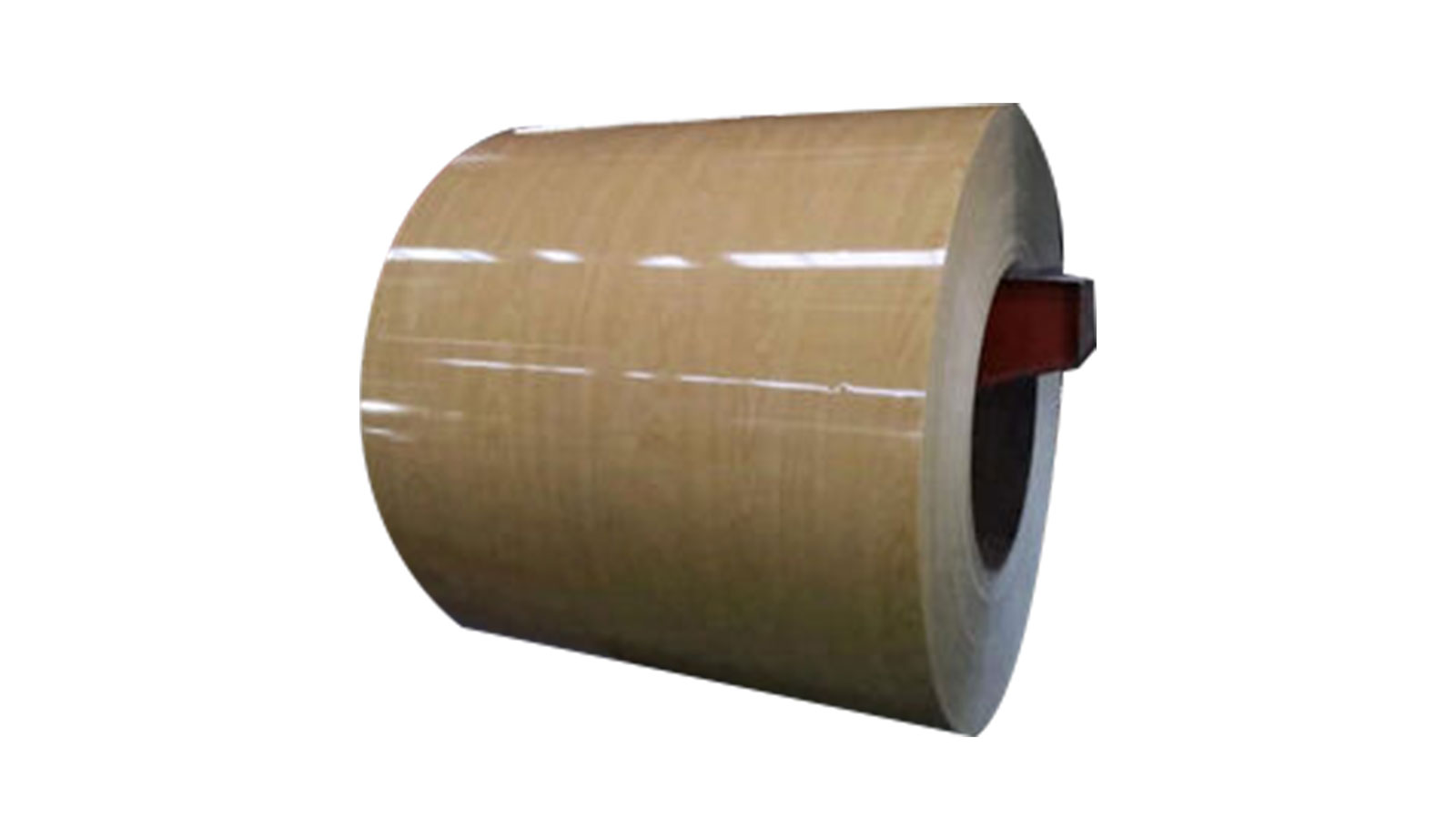
Prepainted steel coil with wood grain finish
Company: Jiangyin Everest Import and Export Co. Ltd
The Everest-PPGI-03-7838 from Jiangyin Everest is a cold-rolled steel coil with a prepainted wood grain finish. It is available in steel grades G250, G350, G550, DX51D, DX52D and DX53D and has Z60 to Z275 or AZ60 to AZ150 metallic and PE, PVDF, SMP or HDP coatings. Product thickness is 0.15 to 1.2mm and width ≤1,250mm and coil weight is 3 to 8 tons.
MOQ: 5 metric tons
Lead time: 15 to 25 days
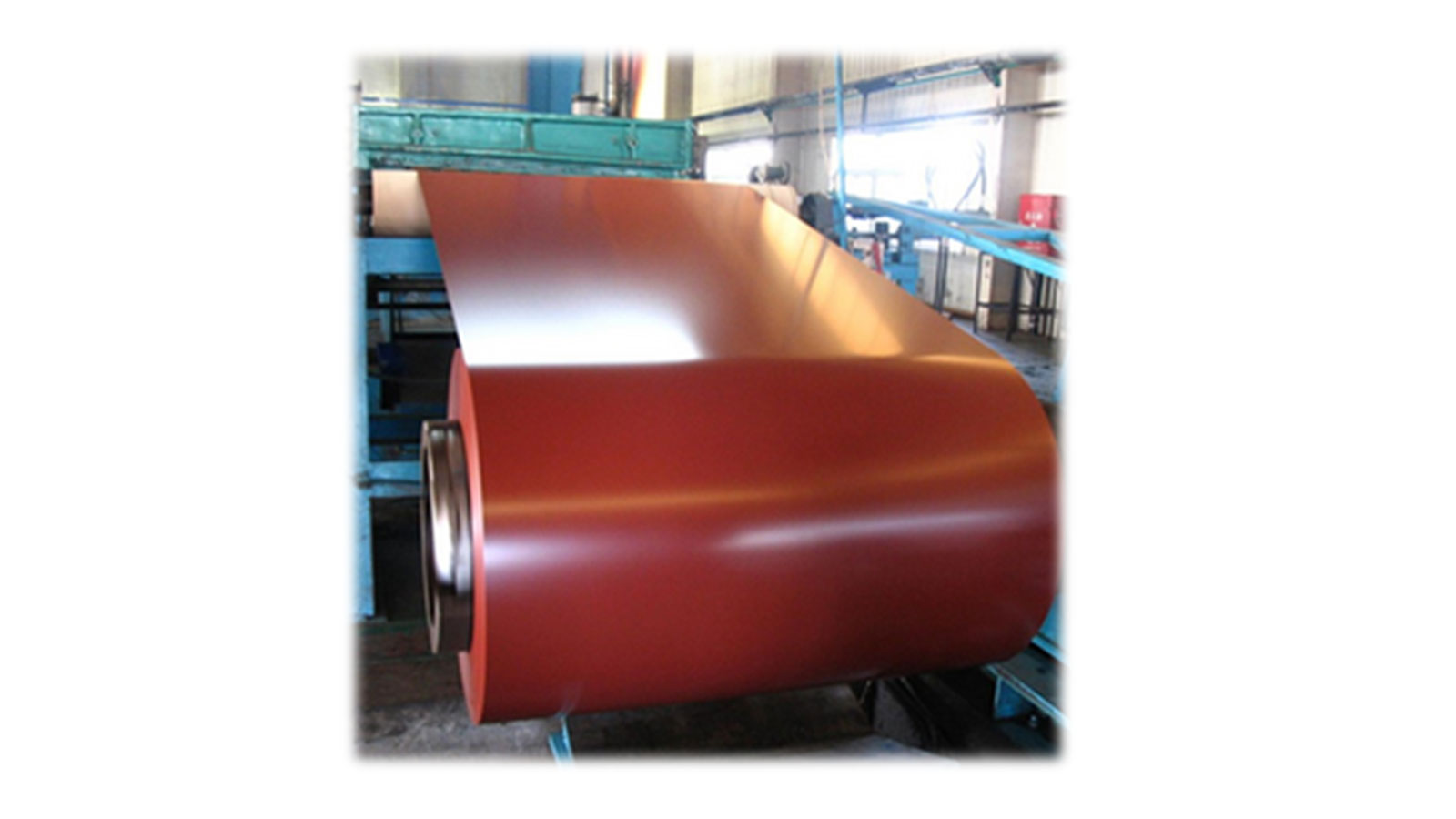
Cold-rolled PPGI steel coil
Company: Krobo Steel (Guangdong) Co. Ltd
Krobo’s DX52D is a cold-rolled PPGI steel coil subjected to hot-dip galvanizing. The zinc primer is 5 to 7µm, the top coating 10 to 25µm and the back 5 to 25µm or as required. This coil is available in soft, half- and full-hard variants with width options of 30 to 1,250±2mm and thickness 0.12 to 1.5±0.02mm. It is based on RAL color card or buyer-provided sample. The product weighs from 3 to 5 tons or as requested.
MOQ: 10 metric tons
Lead time: 10 to 15 days
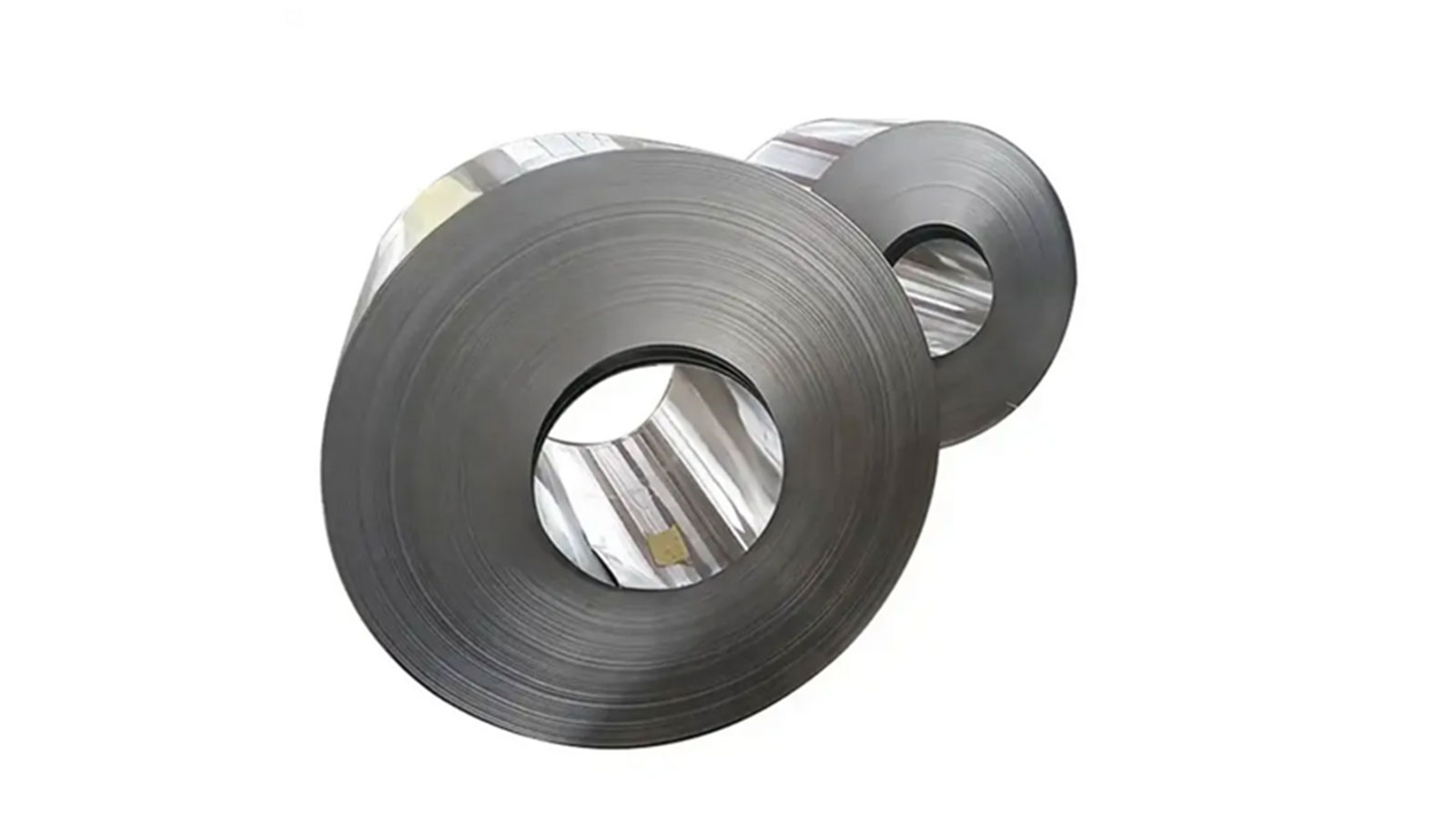
Hot-dipped galvanized steel coil
Company: Shandong Jurong Steel Ltd
Shandong Jurong offers the Dx51D, Dx52D, Dx53D, DX54D and S-0451, a series of hot-dipped galvanized steel coils in various grades and widths ranging from 30 to 1,500mm or as specified.
MOQ: 1 metric ton
Lead time: 7 to 15 days
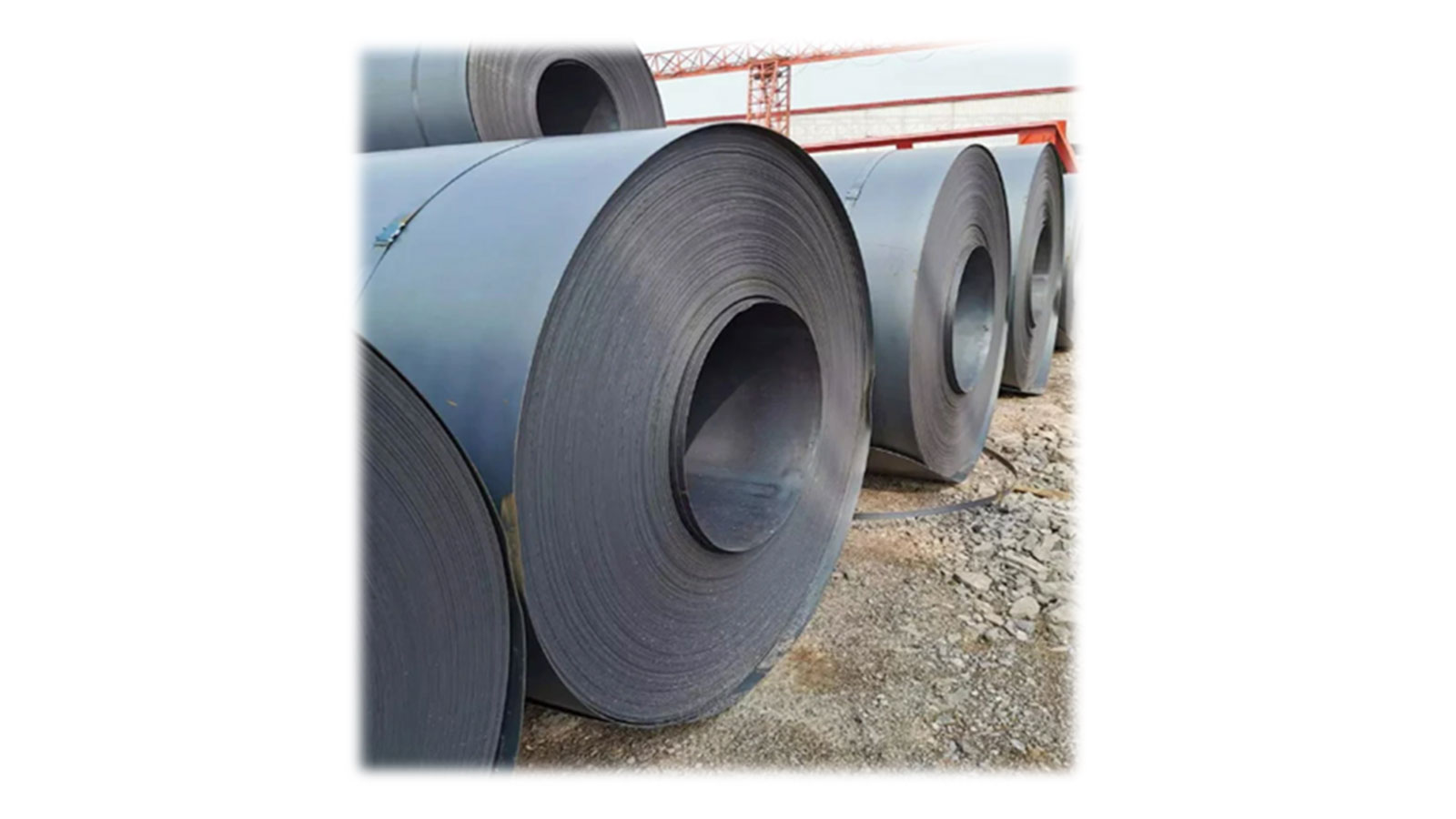
Hot-rolled carbon steel coil
Company: Shanghai Zhongzeyi Metal Materials Co. Ltd
Shanghai Zhongzeyi markets hot-rolled carbon steel coils in variants with thickness of 1.5 to 100mm, width of 600 to 2,500mm and length of 600 to 12,000mm. This product is available in various grades and meets ASTM, EN, JIS, GB and other standards.
MOQ: 5 metric tons
Lead time: 3 to 15 days
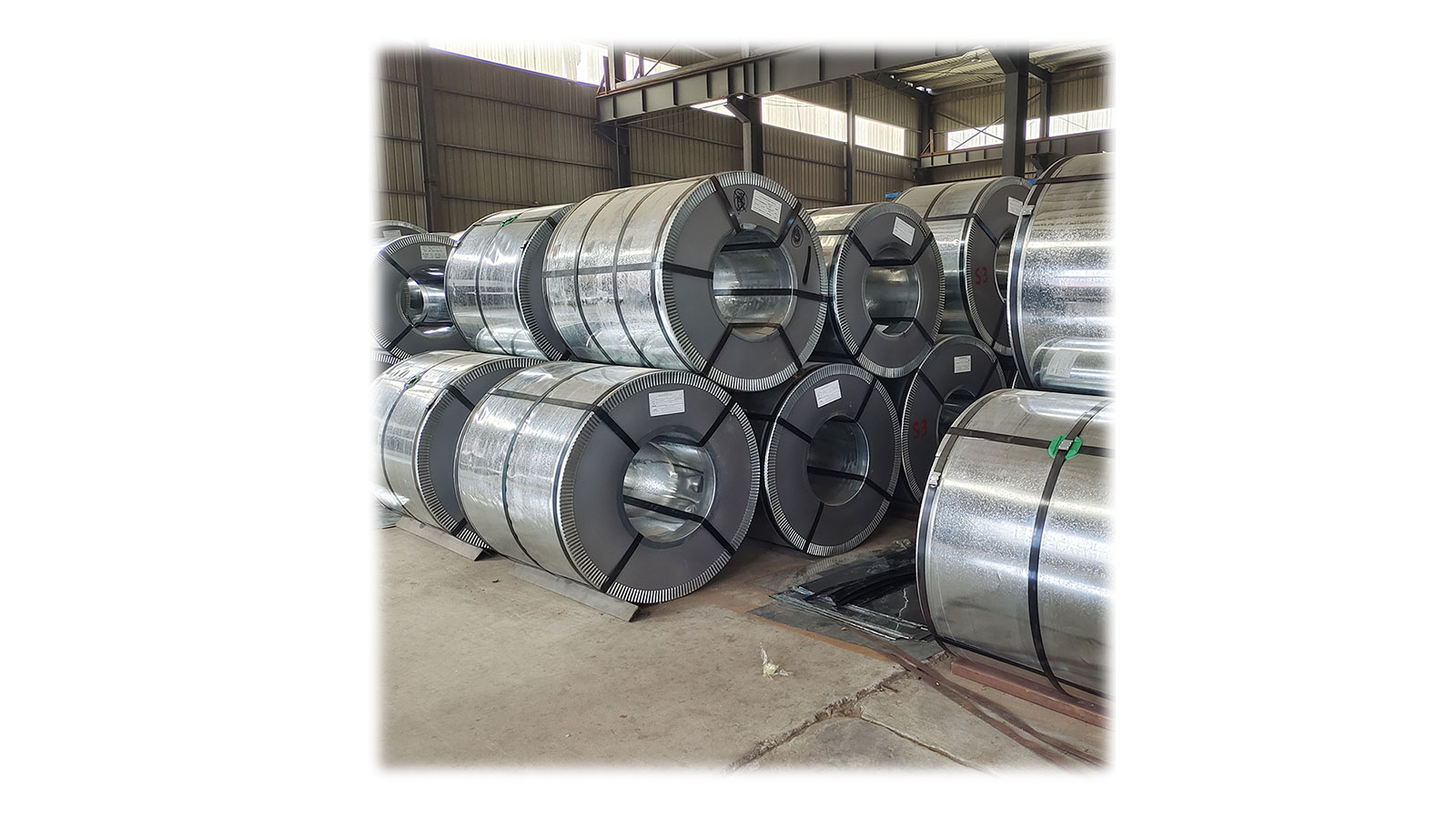
PPGI, PPGL, prepainted steel coil
Company: Tianjin Youfa International Trade Co. Ltd
Model Steel Coil 0310-4559 from Tianjin Youfa is available in PPGI, PPGL and prepainted variants. It has 30 to 300g/sqm zinc coating, and 10 to 25µm top and 5 to 7µm back film coating. The thickness ranges from 0.14 to 1.2mm with ±0.01mm tolerance and the width 600 to 1,250mm with ±2mm tolerance.
MOQ: 25 (US) tons
Lead time: 20 to 30 days
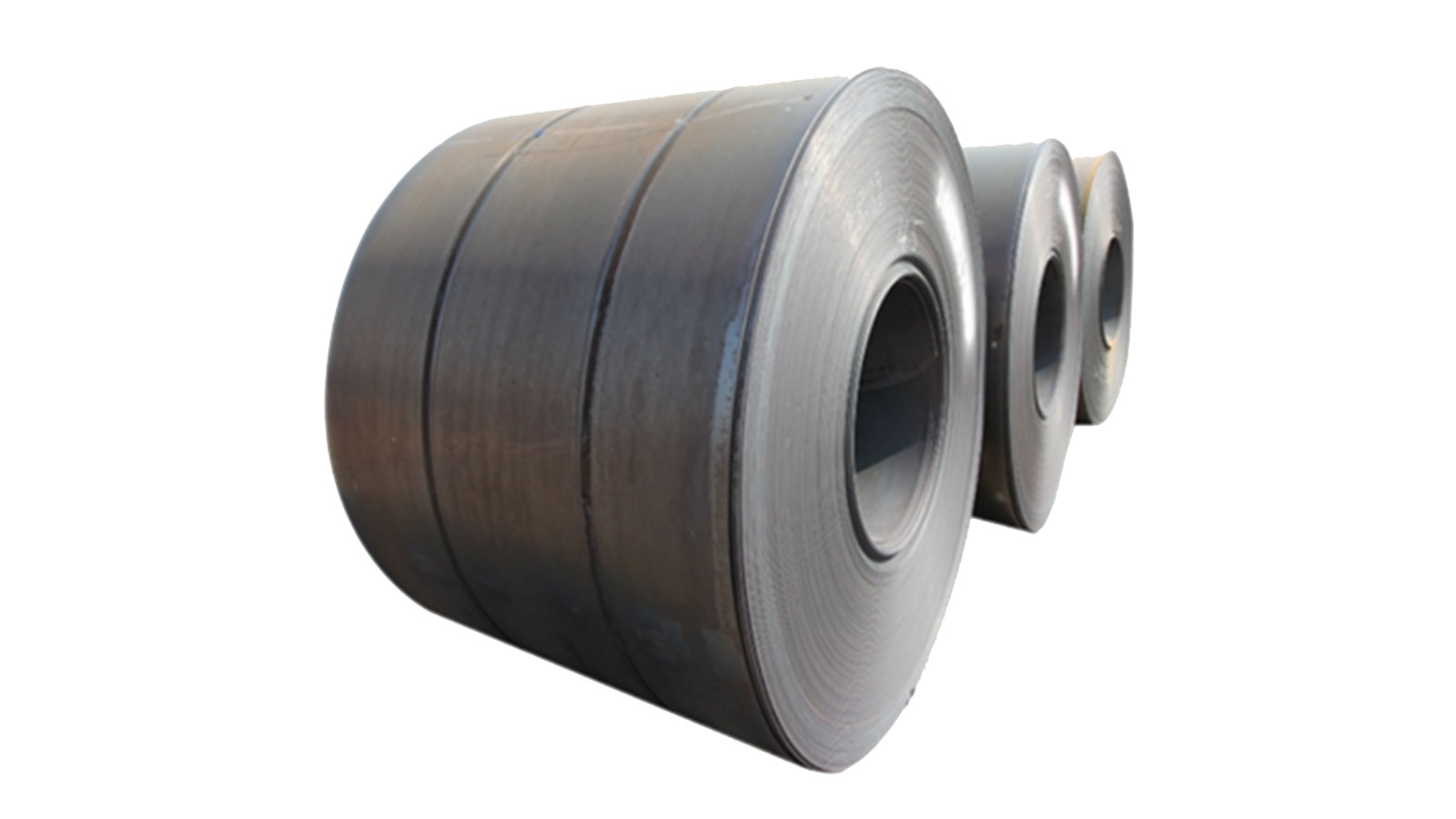
Carbon steel coil
Company: Wuxi AoJieWei Metal Materials Co. Ltd
From Wuxi AoJieWei, the DX51D+Z, DX51D+AZ, DX51D+ZM and S350GD+AZ are carbon steel coils in hot- and cold-rolled types and buyer-specified lengths. The width is 3 to 2,000mm and the thickness is 0.1 to 300mm, with customization accepted. This product meets AISI, ASTM, DIN, JIS, GB, SUS and EN standards.
MOQ: 1 ton
Lead time: 7 to 15 days

