




Image from iStock
For manufacturers of tools, machinery and vehicles, outsourcing CNC machined parts has evolved far beyond a straightforward cost-reduction strategy. Today’s market demands that procurement and engineering leaders build supply chains resilient enough to withstand disruptions that would have seemed unimaginable a decade ago.
A new era of supply chain risk
The disruptions of recent years have fundamentally altered how manufacturers think about supply chain resilience. Global pandemics, container shipping chaos, semiconductor shortages, extreme weather events and geopolitical tensions have demonstrated that risks previously considered remote contingencies can materialize rapidly and persist for extended periods. For manufacturers dependent on outsourced CNC machining, these experiences have prompted urgent reexamination of strategies that optimized for cost and efficiency without adequate consideration of resilience.
Futureproofing supply chains does not mean abandoning global sourcing – the capabilities, capacity and cost advantages of international machining suppliers remain compelling. Rather, it means deliberately designing supply networks that can absorb shocks, adapt to changing conditions and recover quickly when disruptions occur.
Geographic resilience
Manufacturers sourcing exclusively from one region will experience severe impact when that area faces emergency measures such as pandemic restrictions, natural disasters or political instability. Those with diversification strategies in place will maintain supply continuity. The latter approach requires qualifying secondary sources in different regions for critical components, even if this means higher piece prices. The incremental cost of dual qualification and occasional split purchasing, however, represents insurance against single-region disruption.
The nearshoring trend reflects geographic resilience thinking. Manufacturers in North America, for example, are increasingly qualifying Mexican machining suppliers as alternatives to Asian sources. European manufacturers look to Turkey, Poland and other regional options. These nearer sources may not match the cost structure of China or Southeast Asia for all components, but they offer shorter supply lines, reduced shipping complexity and time zone proximity that aids communication during crises.
Geographic resilience also encompasses transportation route diversity. Manufacturers dependent on specific ports, shipping lanes or carriers face risk when those links fail, extending lead times and consuming safety stock. Futureproofing may involve qualifying suppliers in alternative routes or maintaining higher inventory buffers for parts with single-route vulnerability.
Environmental resilience
Climate adaptation in supply chains involves several dimensions. Site-level resilience includes supplier investment in backup power, flood protection and climate control systems. Regional diversification hedges against climate impacts concentrated in specific areas. Supply chain visibility enables rapid response when climate events occur, allowing production reallocation before disruptions cascade.
Some manufacturers are incorporating sustainability criteria into supplier selection, reasoning that suppliers investing in environmental performance are also likely building resilience against environmental change. Others are working with suppliers on emissions reduction as part of Scope 3 carbon accounting, creating relationships that include environmental performance alongside quality and delivery metrics.
Cybersecurity in the machining supply chain
As CNC machining becomes increasingly connected – with networked equipment, cloud-based programming and digital quality data – cybersecurity has emerged as a supply chain resilience concern. Ransomware attacks on manufacturing operations have halted production at suppliers, preventing them from shipping parts even when physical capacity and inventory exist. Intellectual property theft through compromised networks exposes proprietary designs. Data manipulation could potentially alter CNC programs or quality records with consequences for part conformance.
Manufacturers are beginning to incorporate cybersecurity assessment into supplier qualification. Questions about network architecture, access controls, backup systems and incident response plans join traditional quality system audit topics. For defense contractors and others subject to regulations like CMMC, these assessments are mandatory, but commercial manufacturers are increasingly adopting similar practices voluntarily.
Supplier cybersecurity incidents can affect customers even without direct network connections. If a supplier’s production is halted by ransomware, customers face supply interruption regardless of their own security posture. Cybersecurity thus becomes a supply continuity concern as well as a data protection concern.
Futureproofing measures include assessing supplier cybersecurity maturity during qualification, including cyber incident impact in business continuity planning and maintaining contingency options for production transfer if primary suppliers experience extended cyber-related outages.
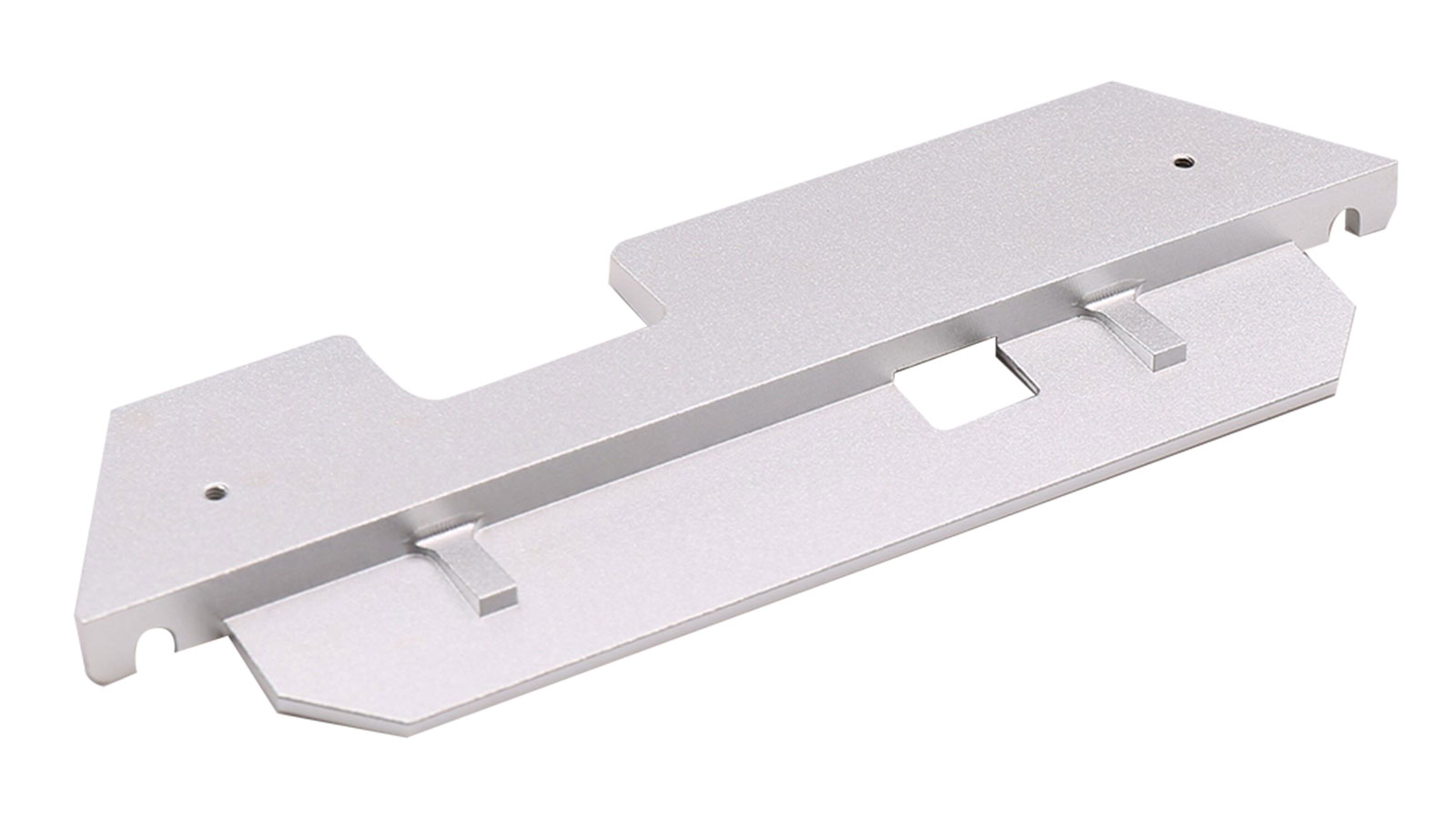
CNC machined part
Company: Dongguan Kinggold Industry Co. Ltd
Dongguan Kinggold provides CNC machining services, with model KGI-1271G as a sample product. This part for electronics applications is made of aluminum and subjected to sandblasting surface treatment. It meets RoHS and REACH standards. The supplier accepts customization based on various materials, finishes and packaging requirements.
Lead time: 10 to 15 days
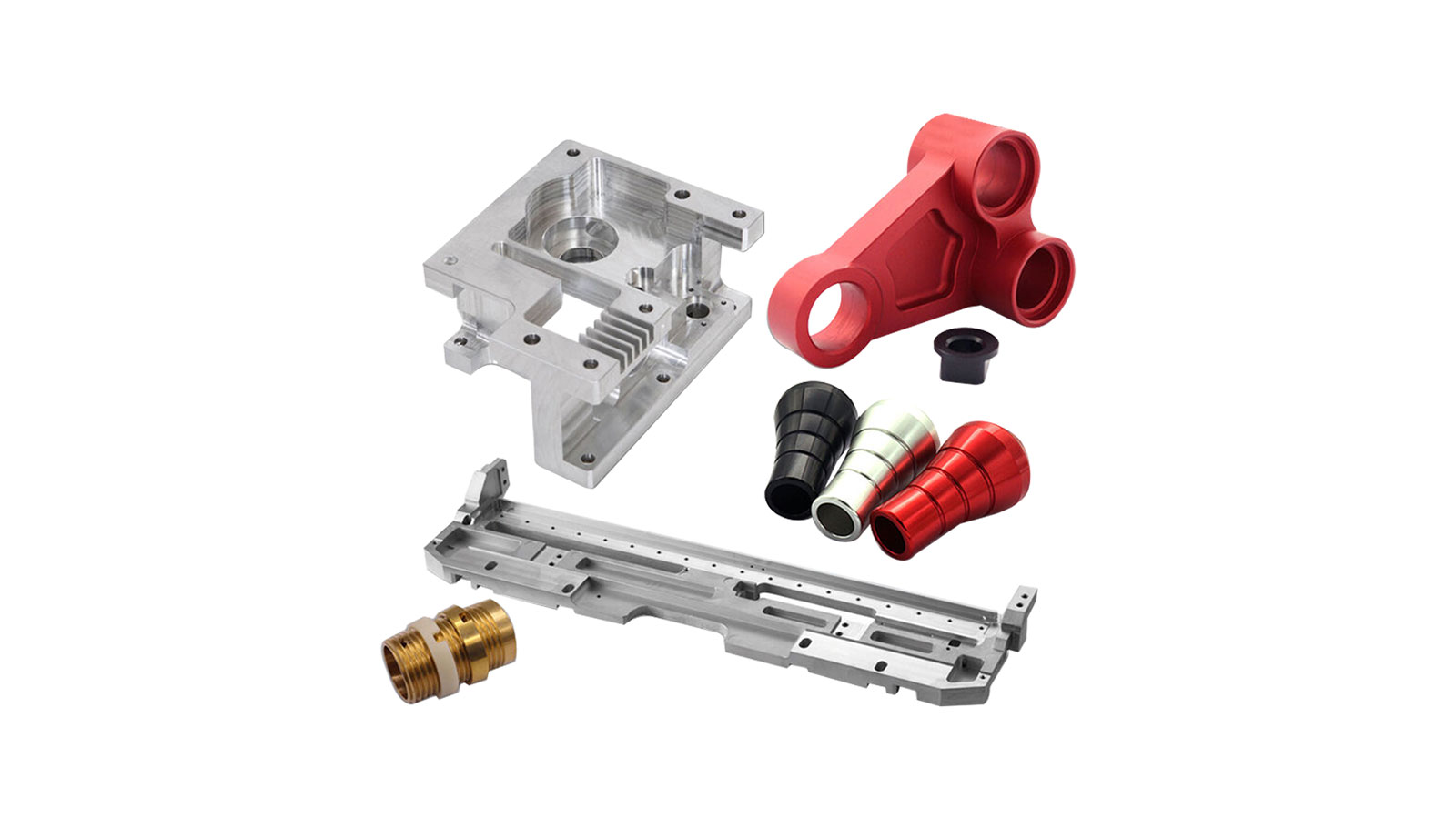
CNC milled part
Company: Dongguan Xinruida Precision Technology Co. Ltd
Dongguan Xinruida accepts CNC milling of aluminum, copper, brass, stainless steel, steel, iron, alloy, zinc, titanium, PMMA, acrylic, POM, PVC, PP, nylon, PEEK or even wooden parts. It can achieve ±0.002mm tolerance. The surface treatment options are anodizing, brushing, polishing, chrome and other plating, laser engraving and silk-screening. Services extend to CNC turning and machining, grinding, stamping and wire EDM.
Lead time: 10 to 12 days
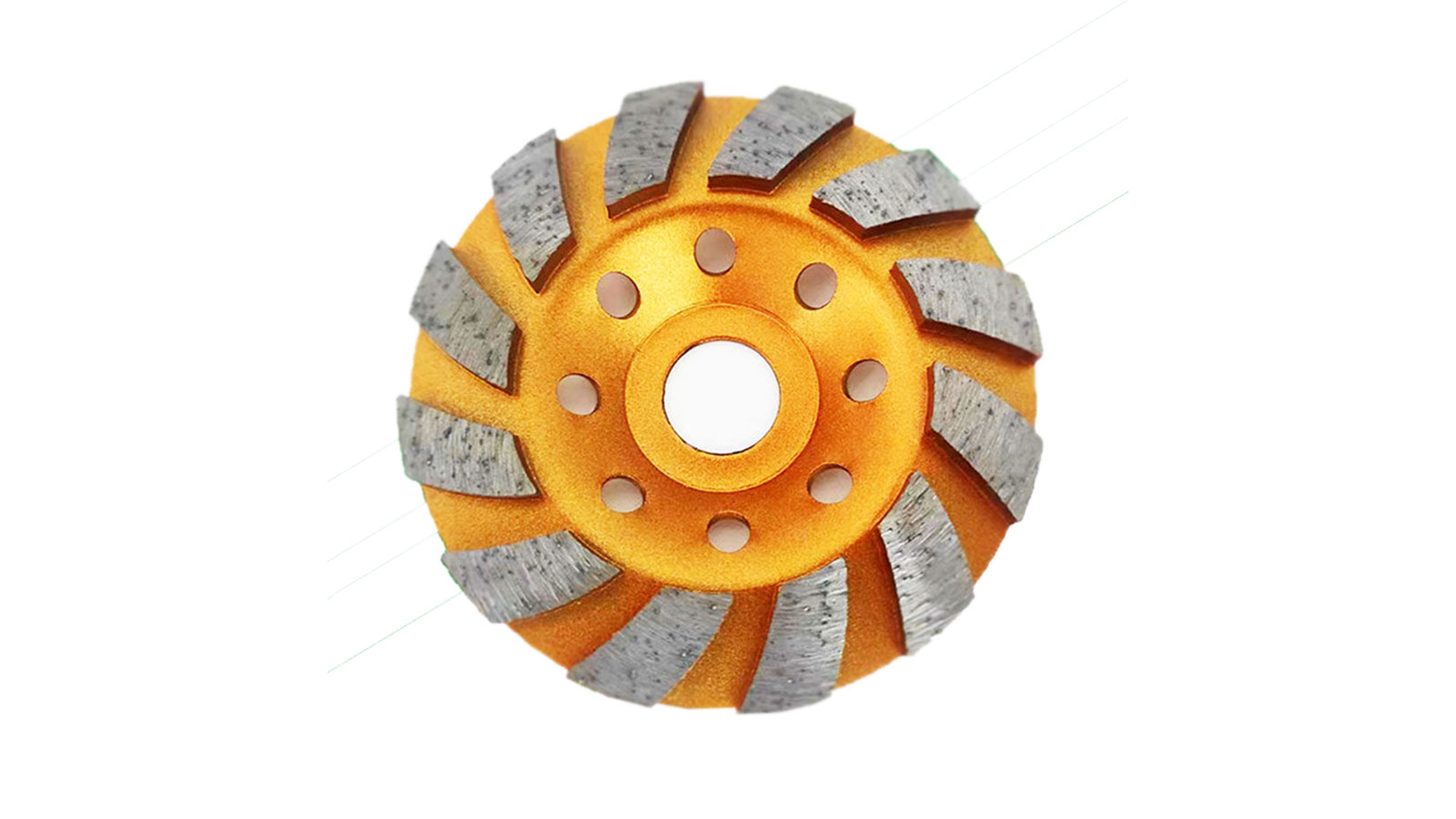
Diamond grinding cup wheel
Company: Hebei Greens Building Material Technology Development Co. Ltd
The 007-220 from Hebei Greens is a diamond grinding cup wheel with a carbide, carbon steel, bimetal or steel blade and grit of 40 to 50. It is designed for cutting artificial stone, marble, granite, concrete and tiles.
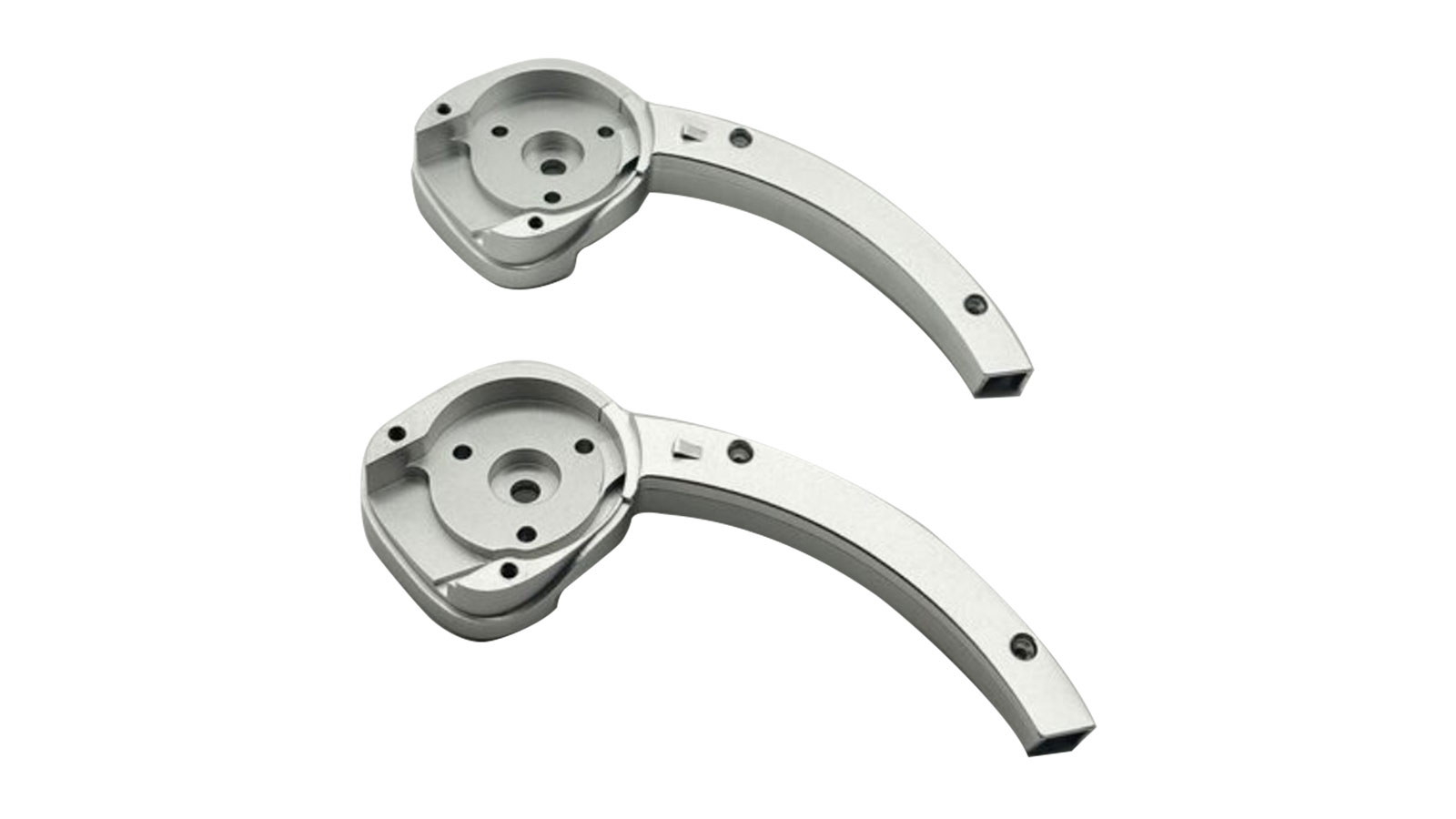
CNC machined part
Company: HK AA Industrial Co. Ltd
The Eric008-3213 is an aluminum motorcycle brake accessory, representing HK AA’s CNC machining capability with tight tolerances. The supplier uses a five-axis CNC machine and can process parts made of other metals, including titanium and stainless steel.
MOQ: 1 piece
Lead time: 25 to 30 days
CNC machined part
Company: Shaanxi U'luck Industries Co. Ltd
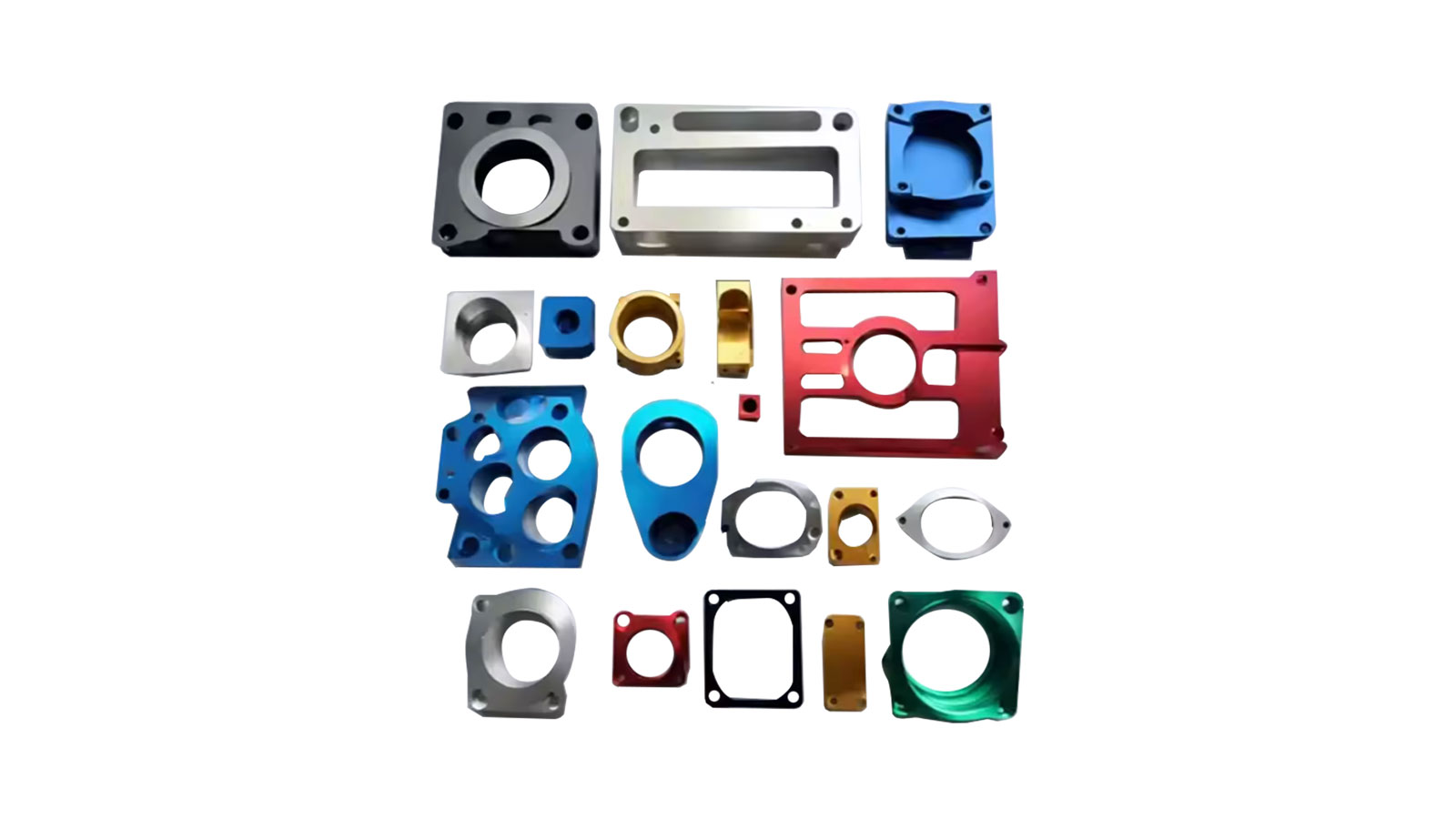
The ULK-317320 is among CNC machined parts that Shaanxi U'luck can produce based on custom specifications at tight tolerances. The supplier has various CNC machines, including turning, milling, boring, grinding, drilling types and lathes, and can handle other materials such as aluminum alloys, red metals, stainless steel, steel and plastic. It also has equipment for clear, color and hard anodizing, powder coating, sandblasting, painting, plating, black oxide coating and polishing.
Lead time: 3 to 5 days
Independent chuck
Company: Xi'an Pin-Guan Electro-mechanic Equipment Co. Ltd
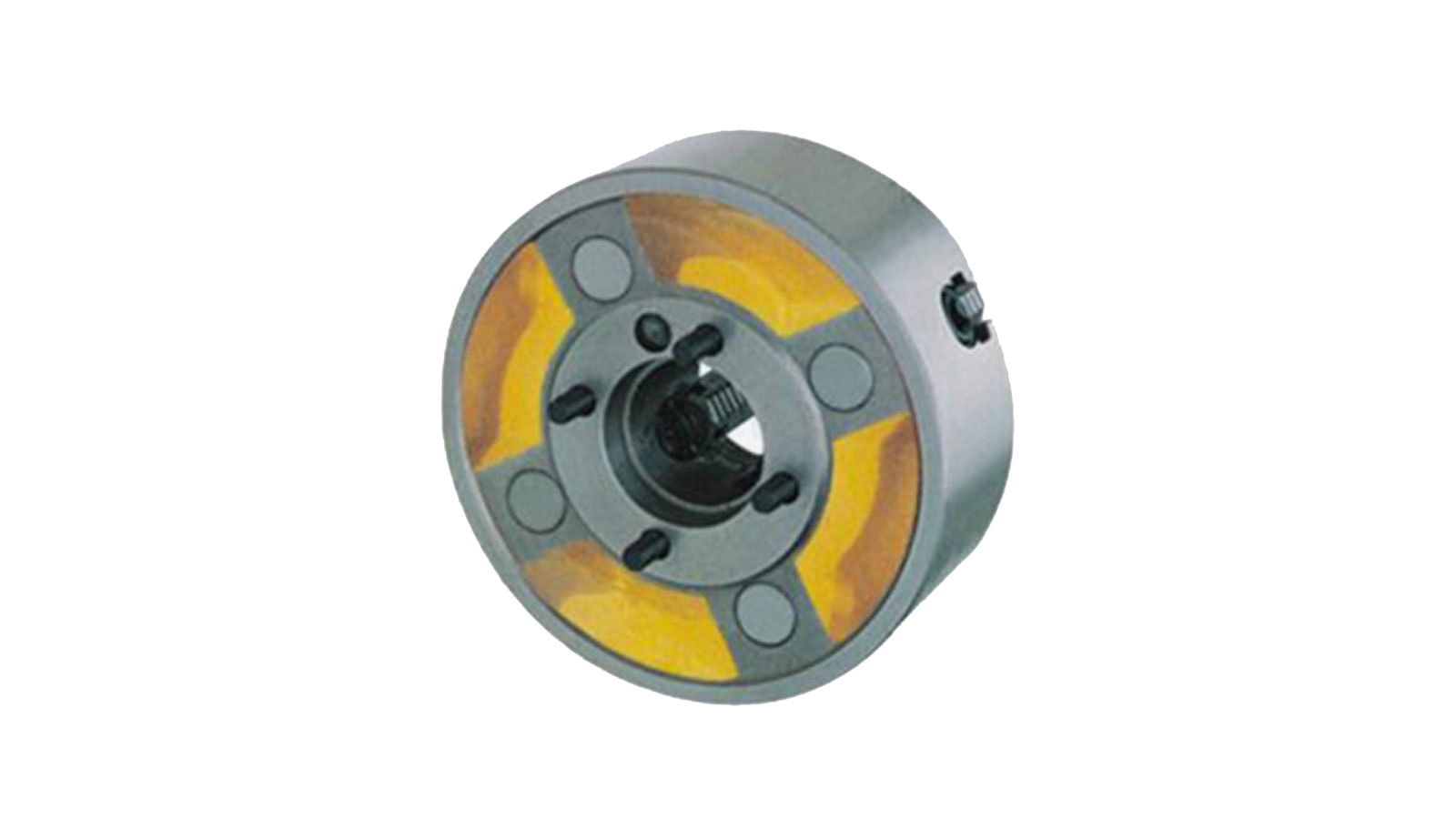
The K72 is a series of four-jaw independent chucks from Xi'an Pin-Guan. It comes in manual and power types as well as mini versions of them.
MOQ: 10 pieces
Lead time: 10 to 30 days

