




Streetlights play a vital role in enhancing visibility, safety and accessibility of public spaces, especially roadways and pedestrian pathways, during nighttime hours. As technology advances, the street lighting industry has undergone a remarkable transformation, transitioning from traditional light sources to more energy-efficient and sustainable alternatives.
Lighting technologies used
LED is the leading technology for its exceptional energy efficiency, long life span and superior light quality and color rendering. Such streetlights offer significant cost savings, reduced maintenance requirements and environmentally friendly operation. They have directional lighting capabilities as well, minimizing light pollution. However, these lights can cause glare or light pollution if not properly designed or installed and have heat dissipation issues that need proper thermal management.
Induction lamps, while less prevalent than LEDs, offer a mercury-free and energy-efficient alternative with minimal maintenance. They are suitable for areas requiring frequent switching and have an extended life span. But these lights have limited color rendering capabilities and can be a source of electromagnetic interference if not properly shielded.
Solar-powered streetlights are an eco-friendly and cost-effective solution, particularly in remote or off-grid locations. They combine solar panels with energy storage systems to provide reliable illumination and are environmentally friendly. These lights have reduced performance, though, in areas with limited sunlight, with potential for outages during prolonged cloudy periods.
In addition, all three technologies require a higher investment cost compared to traditional options such as high- and low-pressure sodium and mercury vapor streetlights.
However, HPS lamps have been gradually phased out due to their relatively low energy efficiency and poor color rendering. While energy-efficient, LPS types produce a monochromatic yellow light, which can compromise visibility and color perception, leading to their discontinued use in many areas. MV lamps, meanwhile, have been largely replaced due to environmental concerns and the availability of more efficient alternatives.
Streetlight types
Streetlights can be categorized based on installation and control methods.
Pole mounting is the most common installation method, with varying heights based on the application, while wall-mounting is usually used in residential areas or pedestrian walkways, where poles are not feasible or desired. Ground-mounted streetlights are often used for decorative or architectural purposes.
Based on control methods used, there are those that employ photoelectric, timing or motion-sensing devices or centralized systems.
Photoelectric controls automatically turn streetlights on and off based on ambient light levels for efficient operation. Timers allow them to switch on and off at specific times and are useful for areas with predictable lighting requirements. Motion sensor controls activate streetlights when movement is detected, conserving energy in low-traffic areas. Advanced centralized control systems, meanwhile, enable remote monitoring, scheduling and dimming, optimizing energy usage and maintenance.
Applications and required specifications
Street lighting solutions must meet specific industry standards and specifications to ensure safety, performance and compliance. These standards vary based on the application and location, taking into account road classification, pedestrian traffic and environmental considerations.
Roadways: This lighting is crucial for ensuring visibility and safety, minimizing accidents and improving traffic flow for motorists, pedestrians and cyclists. Industry standards, such as those set by the Illuminating Engineering Society (IES) and the International Commission on Illumination (CIE), provide guidelines for luminance levels, uniformity ratios and glare control.
Pedestrian and bicycle paths: These areas require a different approach, with emphasis on providing sufficient illumination for pedestrians and cyclists while minimizing light pollution and energy consumption. Standards address factors such as vertical illuminance, uniformity and color rendering to ensure visibility and safety.
Outdoor areas: They encompass parking lots, recreational areas and public spaces. Industry standards focus on illuminance levels, uniformity and glare control to ensure visibility, safety and security while also addressing energy efficiency and light pollution mitigation measures.
Utility, ease of use, effectiveness
Modern street lighting solutions usually incorporate features that enhance their utility, ease of use and overall effectiveness. These add-ons can contribute to improved energy efficiency, remote monitoring and maintenance capabilities, as well as enhanced safety and security.
Intelligent control systems: These allow for remote monitoring, scheduling and dimming of streetlights, enabling efficient energy management and reducing operational costs.
Adaptive lighting: These technologies adjust the light output based on real-time conditions, such as traffic levels, weather or occupancy, optimizing energy usage while maintaining appropriate illumination levels.
Integrated sensors: Streetlights can be equipped with motion detectors, ambient light or environmental sensors, enabling automated control and data collection for analytics and optimization.
Wireless connectivity: This enables remote monitoring, control and data transmission, facilitating efficient maintenance and energy management.
Emergency lighting and power backup: Some streetlights have emergency lighting capabilities or backup power systems for continuous illumination during power outages or emergencies.
Smart city integration: Street lighting systems can be integrated with other smart city infrastructure, such as traffic management systems, public safety networks or environmental monitoring systems, enabling data sharing and coordinated operations.
Aesthetic customization: Manufacturers offer a range of design options, allowing for aesthetic customization to complement the surrounding architecture and landscape.
Mitigating street lighting's environmental impact
Street lighting solutions can have unintended environmental consequences if not properly designed and implemented. Light pollution or excessive or misdirected artificial light can have detrimental effects on wildlife, human health and the natural environment. As such, street lighting must also comply with regulations and guidelines to minimize their impact on the surrounding ecosystem.
To mitigate the environmental impact of street lighting, various strategies and best practices have been developed:
Light pollution mitigation: Implementing measures such as using full-cutoff luminaires that direct light downward to avoid over-illumination, reduce sky glow, preserve dark skies and reduce energy waste.
Spectral optimization: Using appropriate color temperatures and spectral compositions can lessen the impact on wildlife and ecosystems. Warmer color temperatures or those below 3,000K are generally preferred to reduce disturbances to wildlife circadian rhythms and migration patterns.
Shielding and glare reduction: Preventing light from spilling into sensitive areas can minimize the impact on wildlife habitats and preserving natural environments.
Ecological zoning and lighting curfews: Establishing these in sensitive areas can help protect wildlife during critical periods such as breeding seasons or migration periods.
Public education: Raising consciousness of the significance of responsible outdoor lighting practices and the potential impacts of light pollution can foster community engagement and support for sustainable street lighting initiatives.
Collaboration and partnerships: Fostering collaboration between lighting professionals, environmental organizations and wildlife conservation groups can lead to the development of comprehensive strategies and guidelines for environmentally responsible street lighting.
Future trends
The industry is constantly advancing, driven by technology, environmental concerns and the demand for intelligent and sustainable solutions. Here are some trends redefining street lighting.
Human-centric lighting: This concept, which considers the effect of light on human health, well-being and circadian rhythms, is gaining traction in street lighting design. Solutions that provide appropriate color temperatures, dimming capabilities and adaptive lighting patterns are being explored.
Urban and rural solutions: While urban areas have been the primary focus of street lighting initiatives, there is a growing emphasis on providing efficient and cost-effective solutions for rural areas as well. Solar-powered and off-grid street systems are becoming more prevalent in remote or underserved regions.
Circular economy and sustainability: The industry is embracing circular economy principles, focusing on the reuse, recycling and responsible disposal of materials and components. Manufacturers are implementing sustainable practices throughout the product life cycle, from design and manufacturing to installation and end-of-life management.
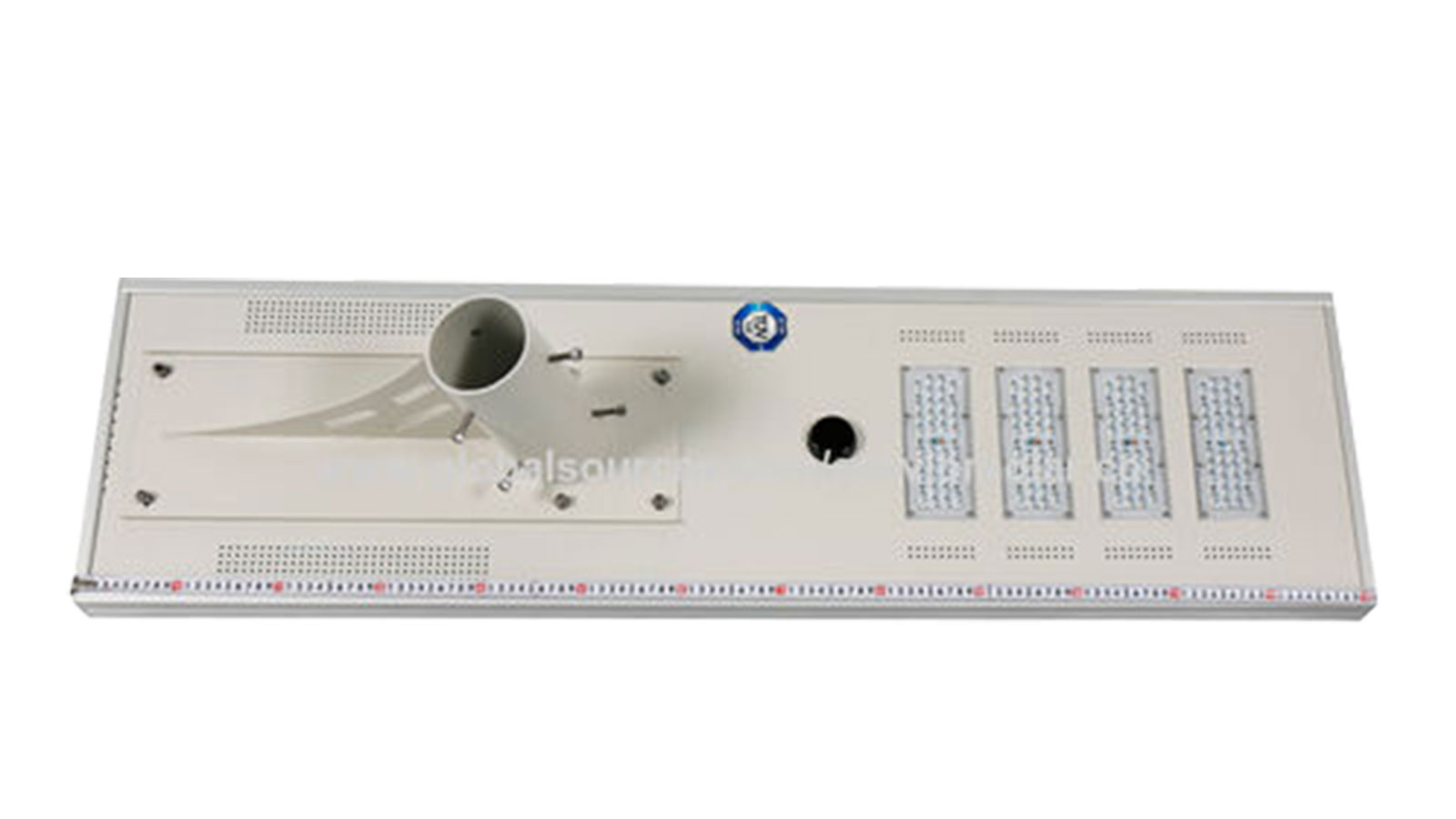
Solar-powered streetlight, 8,000 lumens
Company: Esavior Green Energy Co. Ltd
The ISSL-BRZ-80W-0604V from Esavior is a solar-powered streetlight with 7,200 to 8,000 lumens and 5,000K, with full range of 2,700 to 6,500K available. It uses 3030 SMD LEDs, an 18V, 80Wp monocrystalline solar panel and a 12.8V, 36Ah, 406.8Wh LFP battery with BMS. This CE-approved and RoHS-compliant product has an IP66 aluminum alloy housing, IP68 controller, timer and motion sensor and supports online remote monitoring. Its life span is 25 years.
MOQ: 1 unit
Lead time: 5 to 10 days

MH or HPS lamp
Company: Fuzhou Colmate Electric Co. Ltd
Fuzhou Colmate offers the STL-250-A2, a 150 to 250W metal-halide or high-pressure sodium lamp with an E40 base. For street lighting, this product has a die-cast aluminum housing and a borosilicate glass diffuser. It is IP65-rated and meets CE standards.
MOQ: 100 units
Lead time: 20 to 30 days
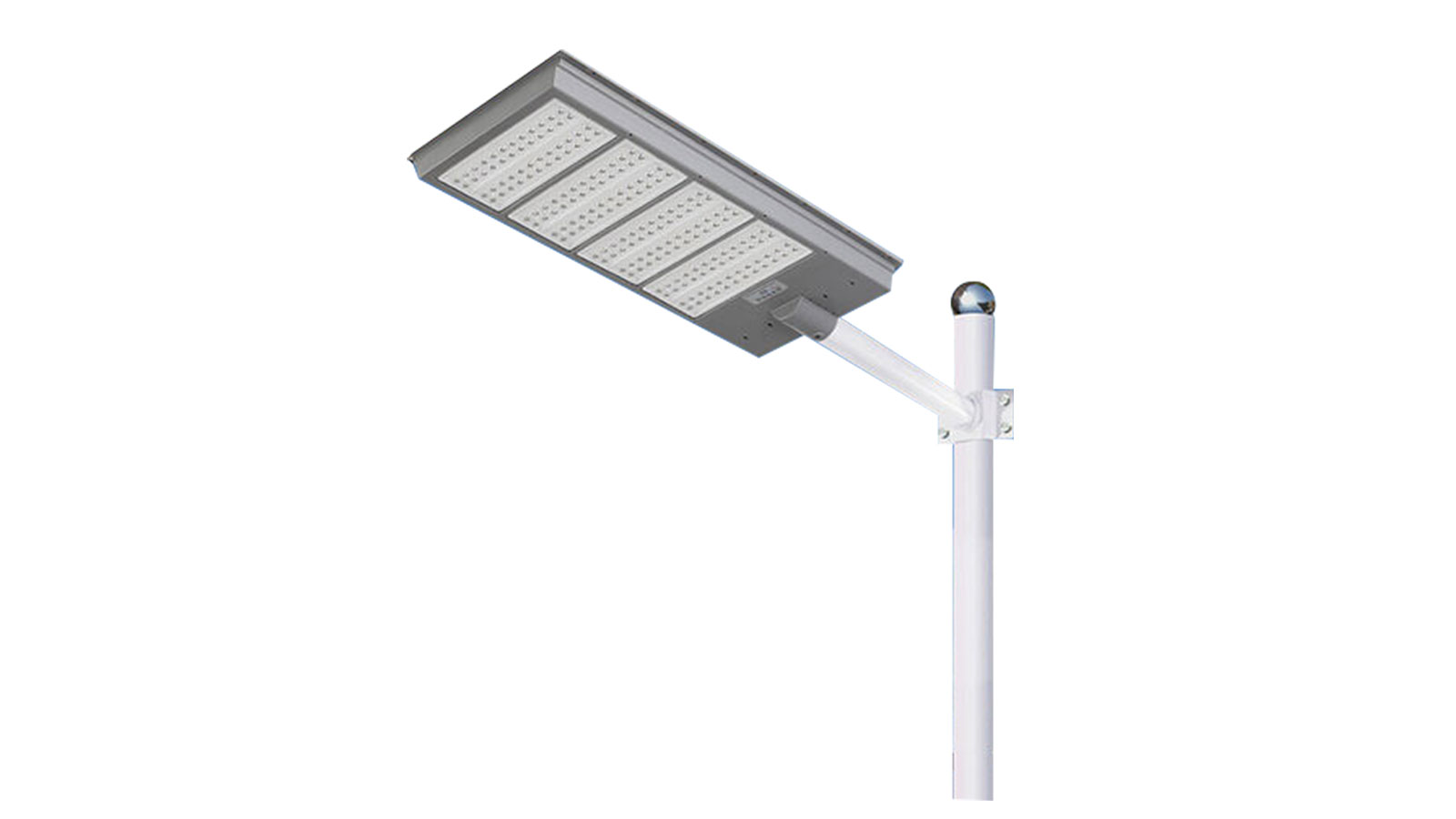
LED streetlight with motion, radar sensors
Company: LiuMei Lighting Co. Ltd
LiuMei’s LM-131 streetlight features 5054 SMD LEDs, a polycrystalline solar panel and motion and radar sensors. It is available in 100, 150 and 200W versions, respectively with 48 LEDs in two, three and four rows. This IP65-rated unit, with a UV-resistant engineering plastic shell, has lightning protection and operates in more than 12 hours per charge. It meets SAA, BIS, EMC, LVD and RoHS standards.
MOQ: 50 units
Lead time: 7 to 15 days
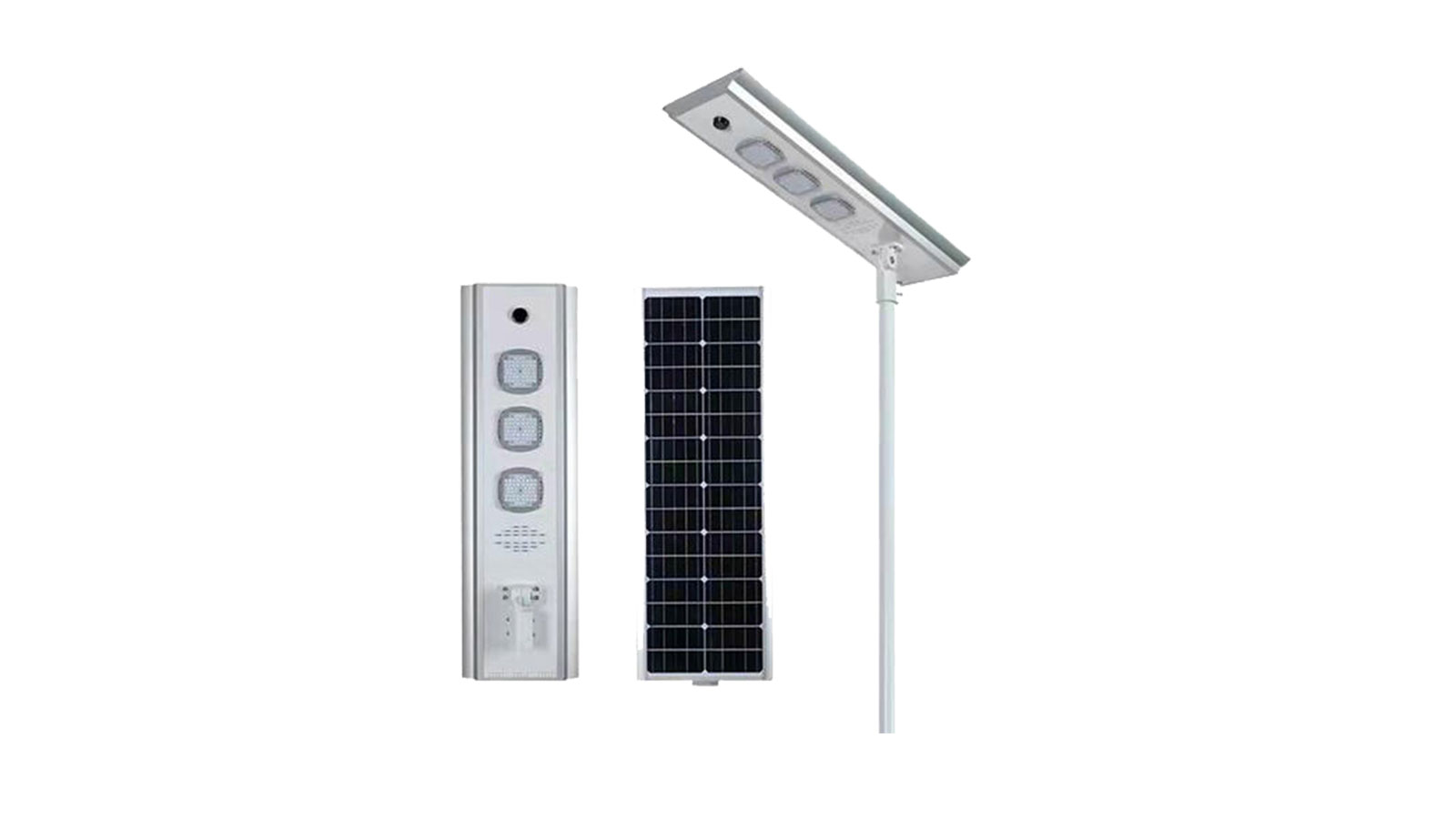
Solar streetlight with time control
Company: Ningbo Sunle Lighting Electric Co. Ltd
Ningbo Sunle offers the SL0919A50-6, an intelligent solar streetlight with 50 3030 SMD LEDs, 16V, 65W monocrystalline solar panel and 12.8V, 24Ah LFP battery. The color temperature is 3,000 to 6,500K, luminous efficacy 160 lm/W and life span 50,000 hours. This IP65-rated product uses time control and has -20 to 60 C operating temperature. Dimensions are 825x374x165mm and gross weight is 10.5kg.
MOQ: 1 unit
Lead time: On direct inquiry
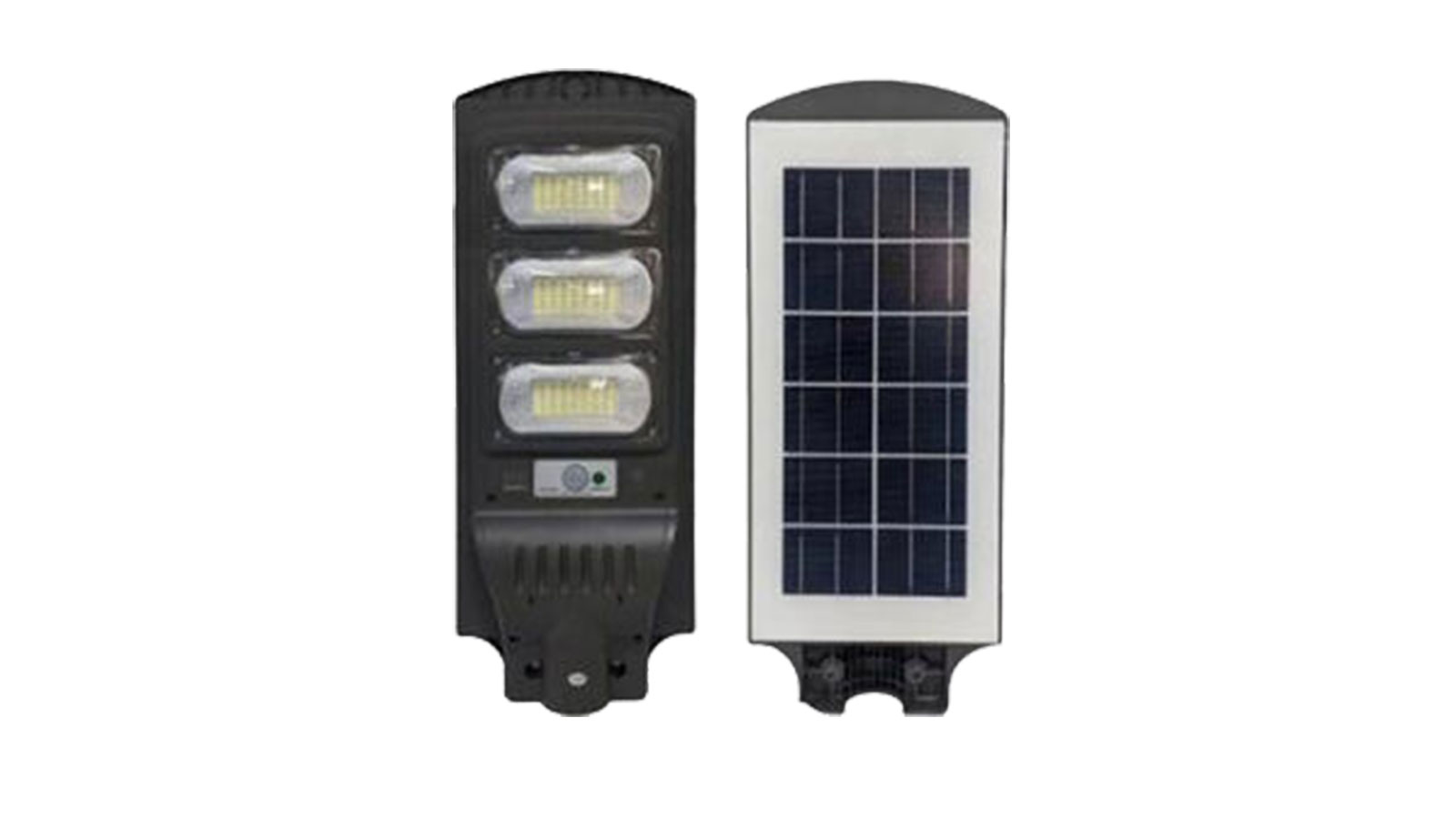
LED light with photocell, for parking lots
Company: Zhongshan Golden Sun Optoelectronic Technology Co. Ltd
Zhongshan Golden Sun’s JY-SSL-B-90W-1 is a 90W outdoor light designed for parking lots. It has 144 LED chips, a 6V, 12W solar panel and a 3.2V, 12Ah LFP battery. This 630x250x70mm lamp has 2,700 to 6,500K and more than 80Ra. It is equipped with a photocell, and motion and radar sensors and is IP65-rated. The operating time is 12 to 18 hours, charging time six to eight hours and operating temperature -30 to 45 C. The product meets CE and EMC requirements.
MOQ: 200 units
Lead time: 15 to 25 days
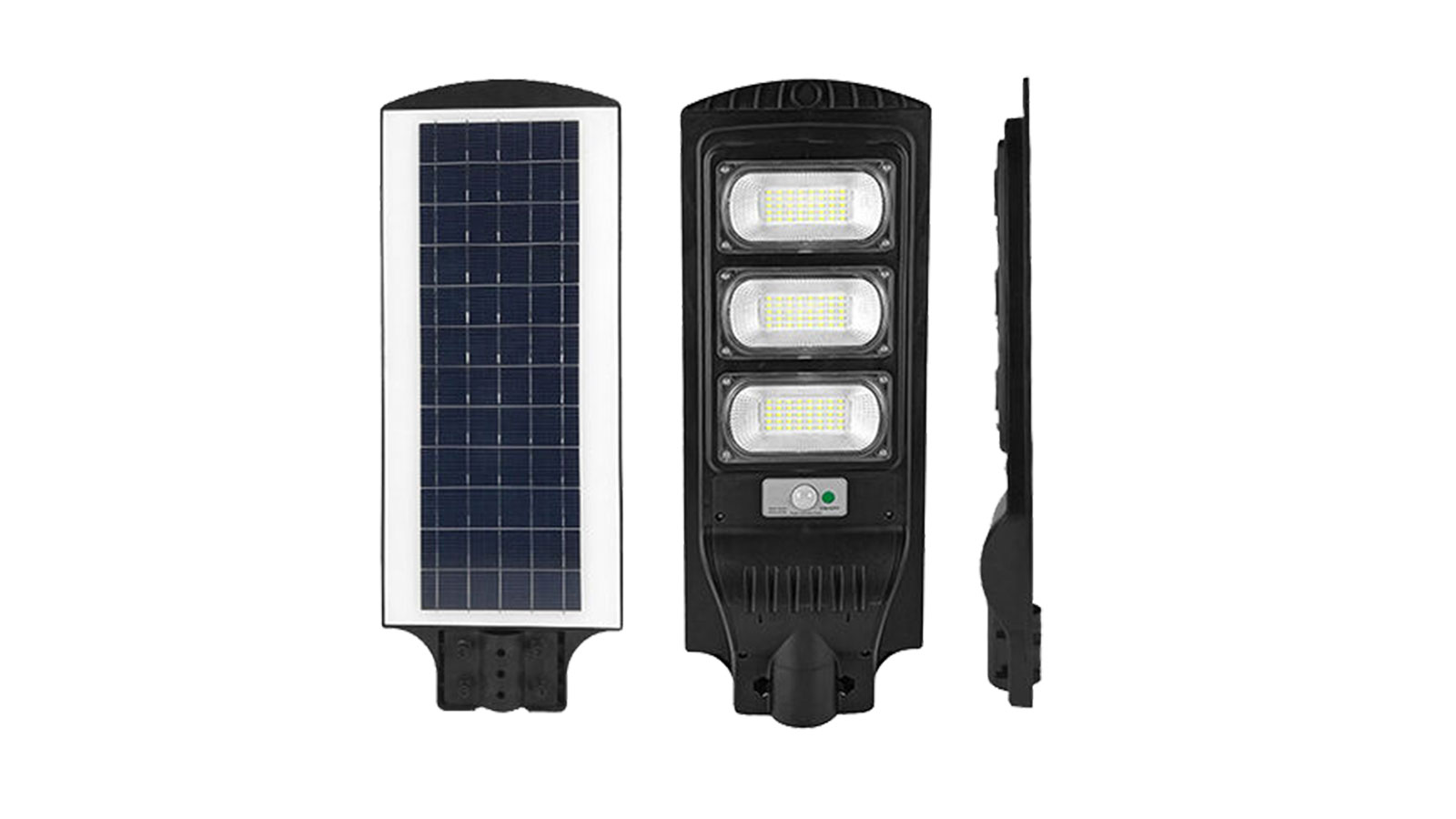
Solar-powered streetlight, 50 to 250W series
Company: Zhongshan Haofan Hardware Products Co. Ltd
Zhongshan Haofan offers solar-powered streetlights, each with 5730 SMD LEDs, a polycrystalline panel and an LFP battery. These products, in an IP65-rated ABS housing, are available in 50, 100, 150, 200 and 250W variants, all with a charging time of six to eight hours and a discharging time of 10 to 12 hours, except for the 250W unit with 12 to 15 hours.
MOQ: 50 units
Lead time: 7 to 15 days

