




Photodiodes are light-sensing devices used in detection circuits in various applications such as security, audio processing, lighting control, medical, optical communication and power management systems. They are found in remote controls, fire and smoke detectors, digital cameras and camcorders, CT scanners, PV cells and solar panels, fiber-optic receivers, optical isolators and measuring instruments.
As technology advances, photodiodes have extended their reach to the smart sphere and are contributing to better imaging, ambient light sensing, gesture recognition and automation. Smart lighting systems, smartphone and tablet cameras, interactive displays, VR and AR gadgets, wearable health devices, motion detectors, security alarms and smart city environmental sensors integrate them.
These light-sensing components are also in home-use medical devices, such as pulse oximeters and blood glucose meters, and in diagnostics and monitoring equipment in hospitals and laboratories. They continue to be in remote controls, including for smart TVs, and are deployed in fiber-optic networks.
In industrial applications, photodiodes are in equipment used in manufacturing and automation, safety and environmental monitoring, quality control, research and development, and inventory and logistics.
Considered both an optoelectronic component and a semiconductor device, photodiodes have high sensitivity and fast response time, in addition to being compact and lightweight. Their versatility and affordability make them widely used in various applications.
Globally, sales of photodiodes will reach $476.6 million by the end of 2024, according to Fact.Mr. This figure is expected to breach the billion-dollar mark by 2034, at a CAGR 7.8 percent during the period, and North America will account for the biggest chunk of the market. In addition to the widening adoption of optical communication, Fact.Mr said that consumer electronics and healthcare products would fuel demand growth, especially as the miniaturization trend yields more compact components and integrated designs.
China’s R&D efforts
Chinese manufacturers of photodiodes continue to develop new models, emphasizing high sensitivity and stability and small size, to compete in this expanding market. They currently dominate in the entry-level and midrange segments, accounting for more than half of shipments worldwide. In particular, PN types lead the output of these companies, followed by PIN units.
To help suppliers move up the value chain, academic and research institutions in China undertake R&D. One recent breakthrough is from the collaboration between the University of Science and Technology of China and Wuhan University, with teams led respectively by Professor Sun Haiding and Professor Liu Sheng. Together, they came up with a three-terminal light emitting and detecting diode. This new-generation device, which comes in a smaller size but offers a wider bandwidth, targets use in optical communication and optical logic operations.
There are hundreds of companies producing photodiodes in China, and two-thirds are homegrown enterprises and most with small or midsize operations. Compared to foreign suppliers with factories there, many Chinese manufacturers still lag behind in terms of technology and production scale.
Hamamatsu, Osram Opto Semiconductors and Excelitas, which are among the top players in this product category, have factories in China. The other industry leaders are Kyoto Semiconductor, Vishay Intertechnology, Kodenshi, Newport, OSI Optoelectronics, Laser Components and ON Semiconductor.
More than half of the photodiode manufacturers in China are found in Guangdong, many in Shenzhen, Dongguan, Zhongshan, Guangzhou and Shantou. There are also several companies in Suzhou and Changzhou in Jiangsu and Ningbo in Zhejiang. Other provinces, including Sichuan, Shaanxi, Shandong and Jilin, have their share of suppliers as well. New entrants to this manufacturing sector are expected to flock to these areas for their established economic infrastructure.
Photodiodes from China
Manufacturers of photodiodes in China offer PN, PIN, avalanche and Schottky types, with PN units dominating shipments. They are currently boosting production of the more sensitive PIN variants, which have experienced the most growth globally in recent years.
China-made PN photodiodes are low-noise, while PIN counterparts feature low capacitance and quick response time.
As a rule, suppliers accommodate customization of specifications to better match requirements in consumer and automotive electronics, optical communications, medical, military, aviation and space applications. In fact, such components account for 20 to 50 percent of their shipments.
For components, including chips, pins and cases, manufacturers turn to domestic and foreign providers. Chips, which may be based on silicon, germanium or indium gallium arsenide semiconductor material, are usually sourced from major companies such as OSI Optoelectronics, Hamamatsu and Vishay. So far, their costs have only fluctuated slightly in the past 12 months and are expected to stabilize in the near term.
Companies export their photodiodes, mainly to Europe, North America and the Asia-Pacific region.
The products in this gallery have been handpicked by our market analyst for representing current trends in photodiodes from manufacturers in China.
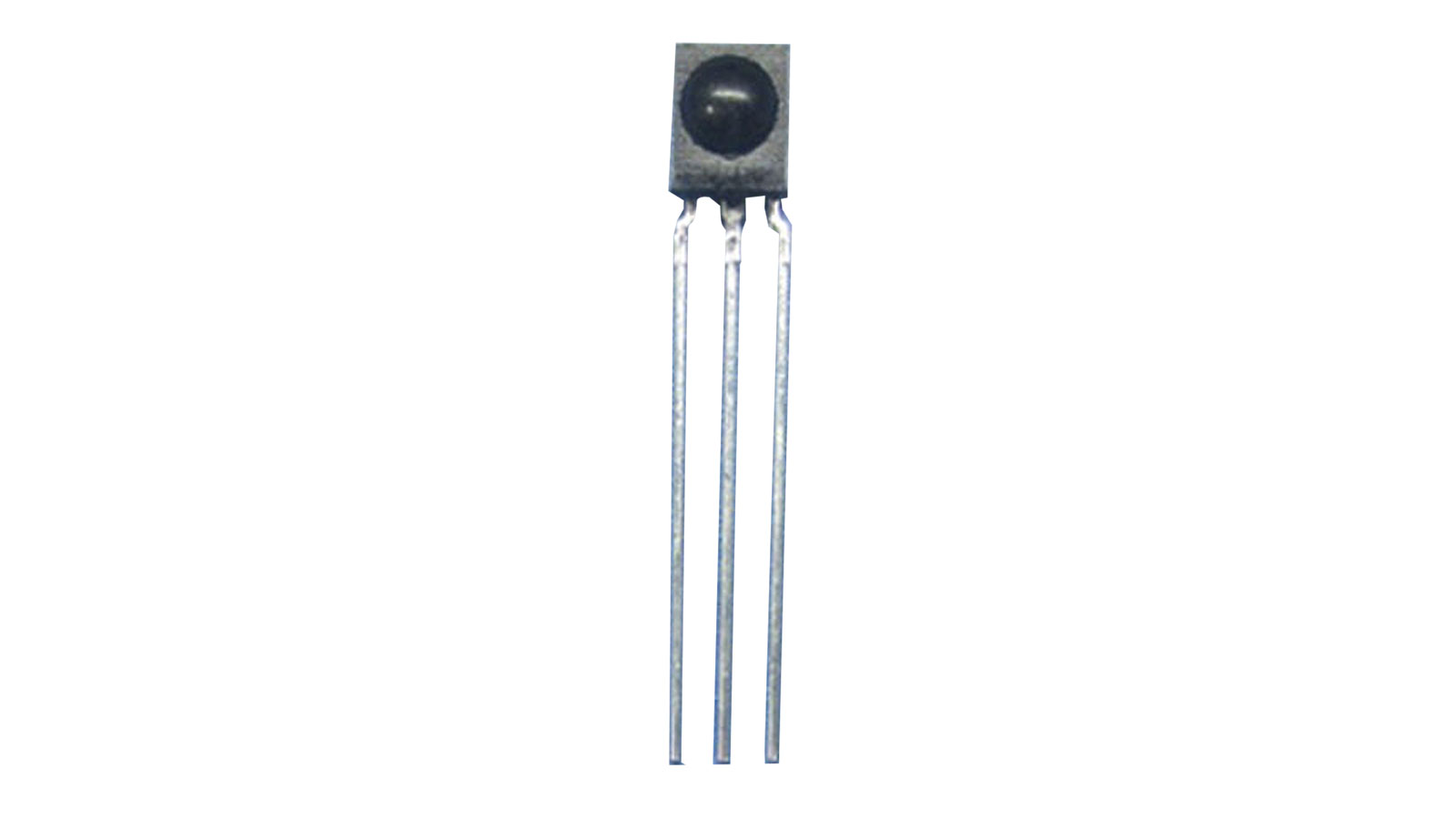
PIN photodiode, 940nm peak sensitivity wavelength
Company: Double Light Electronics Technology Co. Ltd
The DL-PD5039 from Double Light is a 100mW PIN photodiode with 60V reverse and 0.5 to 1.3V forward voltage, 240µA reverse light current, 9pF junction capacitance, 940nm peak sensitivity wavelength, 700 to 1,100nm spectral bandwidth, and 50ns rise and fall time.
MOQ: 12,000 units
Lead time: 5 days
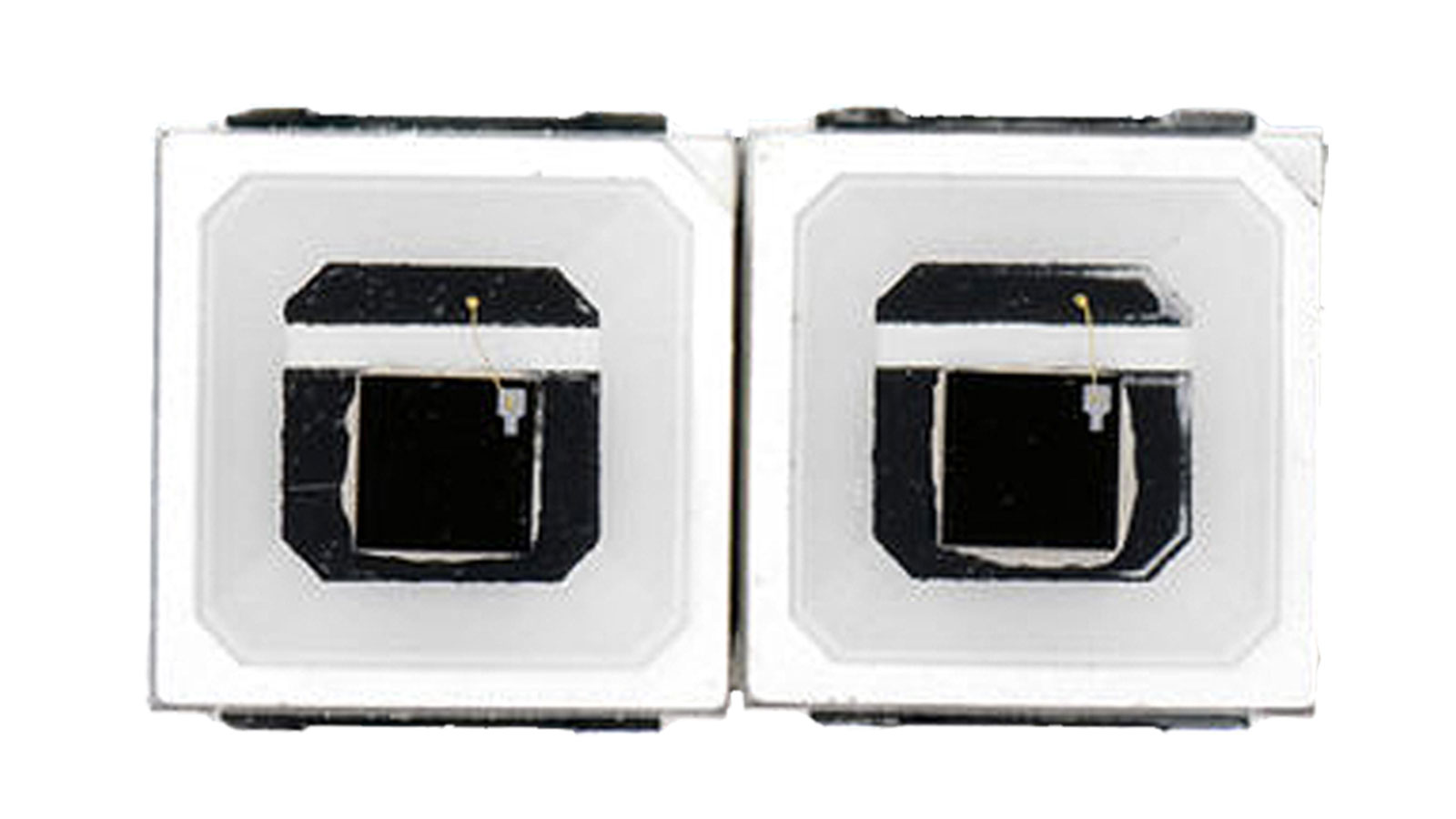
SMD photodiode, 400 to 1,000nm spectral bandwidth
Company: Shenzhen Best LED Optoelectronic Co. Ltd
In 5050 SMD package, the 5054PDC60 photodiode from Shenzhen Best has 0.5 to 1.3V operating and forward voltage, 80µA light current, 150mW power dissipation, 940nm peak sensitivity wavelength, 400 to 1,000nm spectral bandwidth, 50µs response time, -25 to 85 C operating temperature and more than 80,000-hour life span.
MOQ: 10 units
Lead time: 5 days
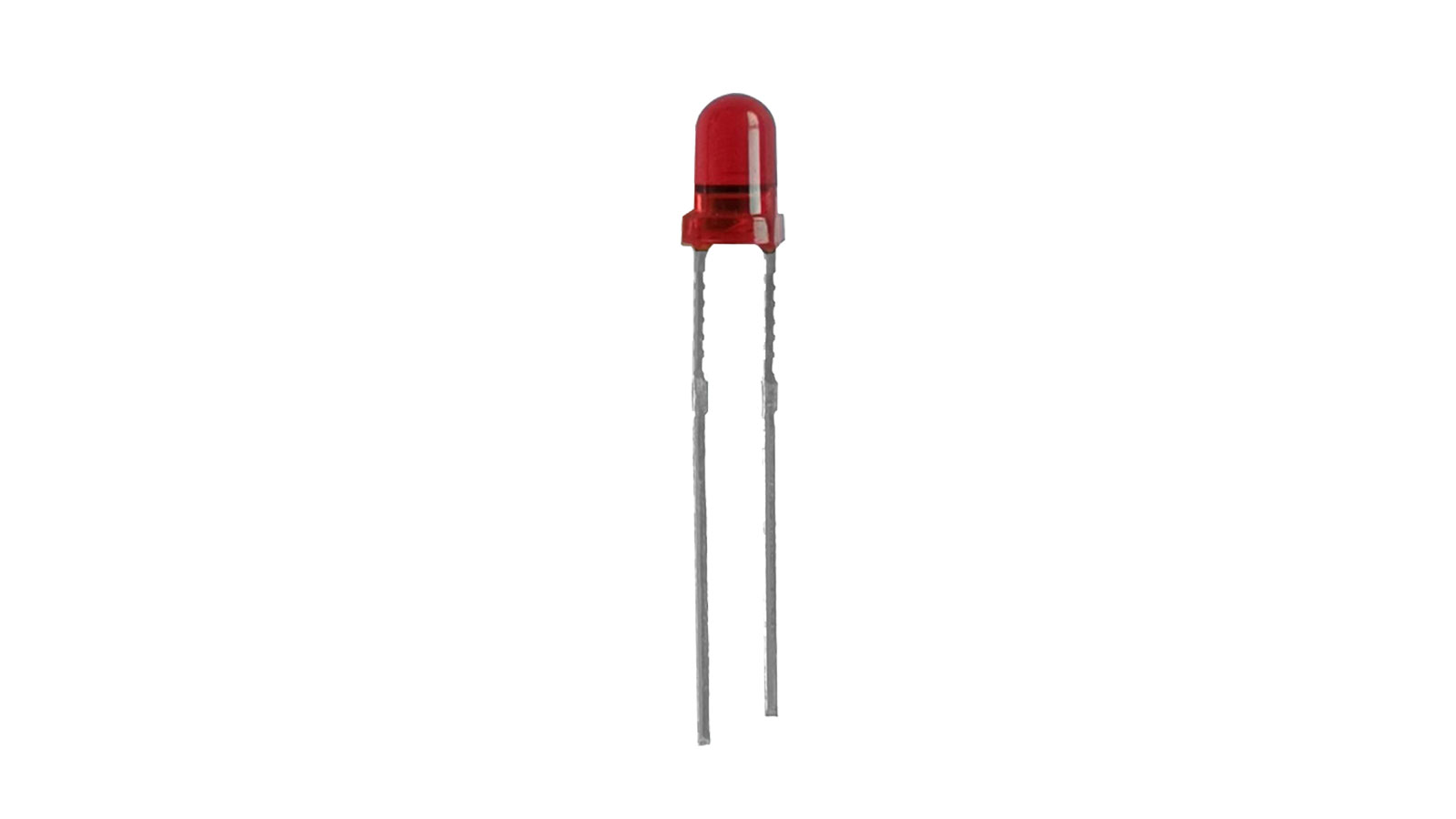
PIN photodiode, 25ns rise and fall time
Company: Shenzhen Shuguan Electronic Technology Co. Ltd
From Shenzhen Shuguan, the PD204R6 PIN photodiode has 30V reverse and reverse breakdown voltage, 0.32V open-circuit voltage, 60µA short-circuit current, 150mW power dissipation, 12pF total capacitance, 940nm peak sensitivity wavelength, 560 to 1,100nm spectral bandwidth, 25ns rise and fall time and -25 to 85 C operating temperature.
MOQ: Negotiable
Lead time: 7 days
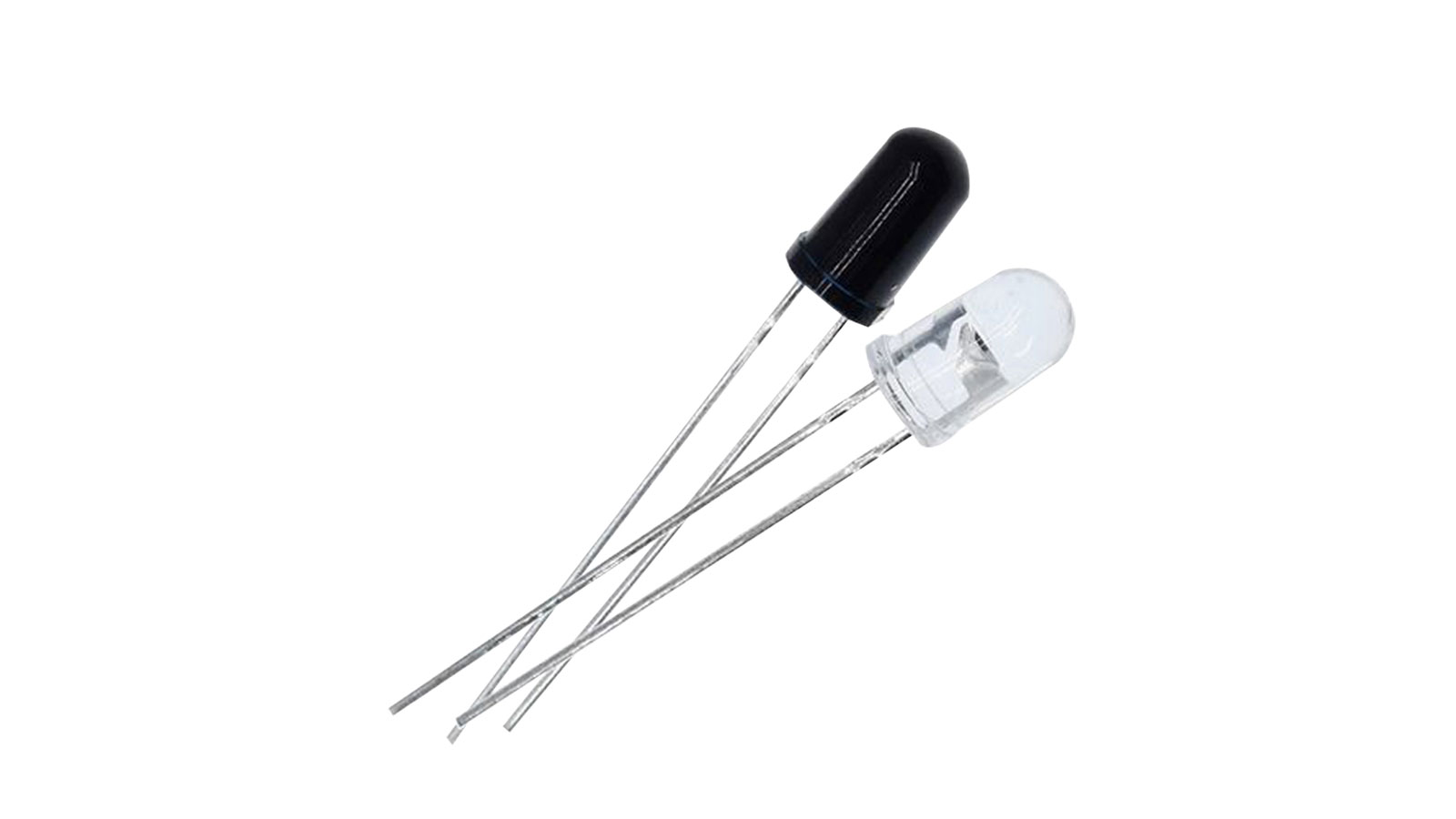
Photodiode, 8m reception distance
Company: Wuxi Arktech Electronic Co. Ltd
Wuxi Arktech offers this photodiode, the 5RBLPDHB-01, with 4.5VDC and 3mA supply voltage and current, 38kHz center frequency, 45mW power dissipation, -30 to 85 C operating temperature and 8m reception distance.
MOQ: 500 units
Lead time: 7 days

