
Table of Contents
Part 1. What are Unsaturated Markets?
Part 2. What are Unsaturated Business Ideas?
Part 3. How to Identify Unsaturated Markets
Part 4. 12 Unsaturated Business Ideas
Part 5. Steps to Launching a Business in an Unsaturated Market
Part 6. Challenges in Pursuing Unsaturated Business Ideas
Part 7. Strategic Sourcing from Globalsources.com for Niche Market Domination
Part 1. What are Unsaturated Markets?
An unsaturated market is one characterized by ample room for innovation and expansion. Analogous to an area of land that is ripe for cultivation, it offers opportunities for growth and exploration. Unlike a saturated market, which is like a crowded room where everyone is competing for space, in an unsaturated market there's less competition, more opportunity, and lots of potential for growth. It's a playground where new ideas and businesses can thrive and make their mark.
In unsaturated markets, not all potential customers have started using a particular product or service yet. This might be because they don't know about it, can't easily find it, or it's just something new that they haven't tried before. Since these markets aren't fully tapped into, businesses have a chance to step in with less competition and the possibility of making more money per sale.
To seize opportunities in an unsaturated market, businesses often need to identify a target audience and understand their needs and preferences, which are not yet being met by current market offerings. Additionally, they need to make their product or service stand out by offering something distinctive that no other competitors are providing.
Unsaturated markets can arise from technological advancements opening up new possibilities, shifts in consumer preferences that current offerings haven't caught up with yet, or in regions where certain products or services haven't gained widespread adoption. For entrepreneurs and businesses, identifying and entering an unsaturated market can be a strategic move that enables them to establish a strong market presence and achieve sustainable growth before the market reaches its saturation point.
Part 2. What are Unsaturated Business Ideas?
Unsaturated business ideas are like hidden gems in the vast marketplace, waiting to be discovered and polished into profitable ventures. They exist in sectors where consumer needs are not fully met, or where there's room for innovation that can shake up the status quo. These ideas are unsaturated because they haven't been overexploited, competition is minimal, and the potential for growth is significant.
Such business concepts often emerge from observing market gaps—spaces where customer demands diverge from available offerings. For instance, as environmental concerns grow, an unsaturated idea might be a zero-waste subscription service for eco-conscious consumers. These ideas are not just about selling a product or service; they're about fulfilling a deeper need or solving a more complex problem that has been overlooked.
The beauty of unsaturated business ideas lies in their novelty and the opportunities they present for differentiation. Entrepreneurs who tap into these areas have the chance to become market leaders by setting trends rather than following them. This demands a mix of creativity, strategic planning and a deep insight into consumer preferences.
Technology often plays a pivotal role in unsaturated business ideas, providing the tools to offer something new and efficient. For example, an app that helps people with specific dietary needs find suitable restaurants could fill an unsaturated niche in the food industry.
These ideas also tend to focus on niche markets, providing specialized products or services that cater to specific interests or needs. This targeted approach allows businesses to develop a loyal customer base without competing head-on with larger, established companies.
To identify and successfully implement an unsaturated business idea, entrepreneurs must conduct thorough market research to pinpoint unaddressed customer pain points. Then, with agility and precision, they can launch businesses that speak directly to these needs, securing a place in the market before it becomes crowded. In essence, unsaturated business ideas are about finding the open lanes in the economic highway and driving through them with innovation and insight.
Features of Unsaturated Business Ideas
Unsaturated business ideas are defined by their capacity for expansion and profitability within markets that remain largely untapped or underutilized. They introduce novel or enhanced solutions to existing challenges, focusing on areas where consumer demands have yet to be adequately addressed. Here are some key characteristics of unsaturated business ideas:
Innovation and Differentiation
Innovation and differentiation are essential components of unsaturated business ideas, offering buyers opportunities to access new and distinctive offerings that can enhance their product offerings and appeal to their customer base. Innovative businesses introduce original and distinct offerings, which have the potential to fill market voids or cater to unmet consumer demands. These innovations encompass a spectrum, spanning from revolutionary products with cutting-edge features to inventive strategies for delivering services or leveraging technology. Differentiation, on the other hand, refers to the deliberate strategy employed by businesses to set themselves apart from competitors by emphasizing distinctive attributes or value propositions. This may entail developing products with unique features, providing tailored services that address individual customer requirements, or building a brand identity that deeply connects with consumers.
Low Competition
In an unsaturated market, there is a limited presence of competitors, creating advantageous conditions for businesses seeking to enter the market. For buyers, this translates to lower competitive pressures, providing ample opportunity for new entrants to establish their presence swiftly and effectively. With fewer players vying for attention, buyers can anticipate smoother market penetration, enabling them to secure a significant share of the market before it becomes saturated with competitors.
Niche Focus
The niche focus advantage of unsaturated businesses lies in their ability to target specific, underserved segments within the market. For buyers, this equates to gaining access to products or services tailored precisely to unique customer needs or preferences, which larger competitors may have overlooked or not fully addressed. By catering to these niche markets, unsaturated businesses can effectively distinguish themselves, attract loyal customer bases and position themselves as authorities in their chosen field. Moreover, concentrating on niche markets can result in higher profit margins, as customers often place greater value on specialized products or services. This allows buyers to command premium prices and foster strong brand loyalty within these specialized segments.
Scalability
While unsaturated business ideas may start small, they have the potential to scale as the market grows. Unsaturated businesses often have more flexibility in scaling production to meet increased demand. Since they are not constrained by existing market saturation or competition, they can adapt their production processes more readily to accommodate growth.
Adaptability
To succeed in an unsaturated market, businesses must be adaptable, ready to refine their approach based on customer feedback and market dynamics. This agility not only positions them as frontrunners amidst potential competitors but also ensures a consistent alignment with the ever-changing demands of their clientele.
Customer-Centric Approach
Unsaturated businesses prioritize understanding and addressing the specific needs and preferences of their customers. This means they are more likely to offer tailored solutions and customizable products that align closely with the requirements of wholesale buyers. Unsaturated businesses understand the importance of listening to input regarding product quality, packaging, pricing and delivery. They are often willing to accommodate special requests, adjust order quantities or provide additional support as needed to meet the unique requirements of customers.
Market Research-Driven
Identifying an unsaturated business idea often requires thorough market research to discover consumer pain points that are not currently addressed. This feature of unsaturated businesses refers to their proactive approach of conducting thorough research to understand market dynamics, consumer behavior and emerging trends before entering or expanding within a particular market segment. This strategic emphasis on market research allows unsaturated businesses to make informed decisions, validate business concepts and tailor their offerings to meet the specific needs of their target audience.
Potential for Community Building
Given their focus on niche markets, unsaturated business ideas often have the potential to create and nurture communities of loyal customers, enthusiasts, and advocates around their brand, products or services. Unsaturated businesses have the opportunity to engage with their community members on a deeper level, fostering genuine relationships and a sense of belonging. Through social media, online forums, events and other channels, they can facilitate interaction, encourage user-generated content, and provide valuable resources or experiences that enrich the community.
In summary, unsaturated business ideas are innovative, niche-focused, adaptable, and scalable opportunities that thrive in low-competition environments. They require entrepreneurs to engage deeply with their target audience and to be vigilant about market trends and consumer behaviors to maintain their edge in the market.

Part 3. How to Identify Unsaturated Markets
Identifying unsaturated markets is a strategic process that involves understanding consumer behavior, recognizing emerging trends, and analyzing the competitive landscape. Here’s a comprehensive approach to uncovering these potential market opportunities:
1. Trend Analysis
Begin by observing the latest trends across various industries. This involves staying up to date with industry reports, news articles and market forecasts. Look for patterns indicating a rise in consumer interest in certain areas that have not yet been fully capitalized on by businesses.
2. Consumer Behavior Studies
Utilize available data to understand consumer behavior. This includes studying online search patterns, social media activity, and consumer feedback on existing products and services. The goal is to pinpoint what consumers are searching for but aren't finding in the current market.
3. Competitive Analysis
Examine the competitive landscape within the niches you're interested in. An unsaturated market typically has few players, so look for areas with limited product or service offerings. If competition is sparse or the existing solutions are inadequate, there may be room for a new entrant.
4. Gap Identification
As buyers, it's essential to recognize gaps in the market by assessing consumer needs in relation to the current offerings available. This process involves conducting surveys, organizing focus groups, and conducting interviews to directly gather insights from consumers. The objective is to pinpoint particular pain points or unmet needs that your business idea could effectively address. Moreover, by delving into direct consumer feedback, buyers can uncover valuable insights that may not be apparent through other means. This firsthand information provides a clear direction for developing products or services that resonate with the target audience, thus increasing the likelihood of success in the wholesale market.
5. Market Testing
Before fully committing to a business idea, test the market. This could involve creating a minimum viable product (MVP), launching a pilot program or using digital marketing to gauge interest. The feedback received can be instrumental in assessing the potential of the market. The insights gathered from market testing enable buyers to make informed decisions regarding product development, pricing, and market positioning. This iterative process fosters adaptability and responsiveness to the evolving needs and preferences of consumers.
6. Networking and Industry Events
Engage with industry experts, attend trade shows and participate in networking events. These can be valuable sources of information on emerging sectors and can provide first-hand insights into market needs that are not yet being met.
7. Look for Adjacent Opportunities
Consider adjacent markets related to existing successful industries. For example, a buyer specializing in eco-friendly home products may find opportunities in adjacent markets such as sustainable fashion or renewable energy solutions.
8. Regulatory Changes
Stay informed about changes in regulations that could open up new markets. New legislation can create demand for services that help businesses comply with these changes. Consider regulatory changes related to environmental sustainability or safety standards in manufacturing. Similarly, changes in trade policies or tariffs can impact global supply chains, prompting businesses to reassess their sourcing strategies. Buyers who anticipate these changes and diversify their supplier networks accordingly can gain a competitive advantage by ensuring continuity of supply and mitigating potential disruptions.
9. Leverage Technology
Use technology to your advantage by employing data analytics and AI tools that can reveal patterns and opportunities that may not be visible to the naked eye. By analyzing historical sales data, market trends and customer preferences, buyers can identify patterns and forecast future demand with greater accuracy. AI tools, including machine learning algorithms and predictive analytics, enable buyers to extract valuable insights from complex datasets and identify opportunities for growth and optimization. These tools can analyze vast amounts of data in real time, detect trends, and generate actionable recommendations to guide decision-making.
10. Cross-Industry Innovation
This approach involves recognizing commonalities or complementary aspects between seemingly unrelated sectors and creatively applying innovations or best practices to drive growth and innovation. Look at solutions from one industry that could solve problems in another. One key advantage of cross-industry innovation is its ability to foster creativity and introduce fresh perspectives to problem-solving. For example, consider the convergence of healthcare and wearable technology. While wearable devices like fitness trackers and smartwatches originated in the consumer electronics industry, they have found widespread applications in healthcare for monitoring vital signs, tracking patient activity and managing chronic conditions.
11. Global Market Considerations
Don't limit your search to local markets. Global trends can indicate unsaturated markets in different geographical regions that are ripe for expansion or localization of existing concepts. By casting a wider net and exploring global trends, businesses can drive expansion, innovation and growth on a global scale.
Part 4. 12 Unsaturated Business Ideas in 2025
As the year 2025 approaches, the business landscape continues to evolve, shaped by technological advancements, changing consumer behaviors, and global economic shifts. Entrepreneurs looking for unsaturated business ideas must navigate a complex environment, where the ability to identify and capitalize on emerging trends can be the difference between success and obsolescence. Herein lies a comprehensive introduction to unsaturated business ideas in 2025, reflecting on the trends and characteristics that define them:
1. Technological Integration

Unsaturated business ideas are heavily influenced by technology. As AI adoption continues to rise, businesses incorporating AI into marketing, operations, and customer service are discovering innovative methods to connect with customers and enhance operational efficiency. Moreover, the integration of blockchain for secure transactions and Internet of Things (IoT) for enhanced data collection and analysis also presents fertile ground for innovative business models.
2. Sustainability and Ethical Consumption

The shift towards sustainability and ethical consumption continues to gain momentum. Sustainability-driven businesses prioritize offering products that are environmentally friendly, meaning they are sourced, manufactured, and distributed in ways that minimize harm to the planet. These products may be made from renewable or recycled materials, use sustainable production methods and have minimal negative impact on ecosystems. Businesses committed to sustainability also work to ensure that every step of the production and distribution process is conducted in an environmentally responsible manner. This includes ethical sourcing of materials, reducing waste and energy consumption, and promoting fair labor practices throughout the supply chain.
Ethical consumption involves more than just environmental considerations; it also encompasses social responsibility. Businesses in this space prioritize ethical business practices, such as fair wages for workers, safe working conditions, and respect for human rights. They may also engage in community development initiatives or support charitable causes aligned with their values.

USED PHONES AVAILABLE FOR SALE / FAIRLY USED PHONE FOR SALE/ ORIGINAL USED PHONES FOR SALE
3. Personalization and Customization

In 2025, consumers increasingly expect products and services that are customized to their individual needs and preferences. Personalization and customization entail offering products and services that are uniquely tailored to each customer's specific needs, preferences, and behaviors. This approach relies heavily on data and technology to gather insights into customer preferences and behavior. Businesses utilize data analytics, machine learning, and customer relationship management (CRM) systems to collect and analyze customer data, allowing them to understand individual preferences and deliver personalized recommendations, promotions, and experiences.
4. Health and Wellbeing

The health and wellness sector remains a vibrant area for unsaturated business ideas. With a focus on mental health, telemedicine, and wellness apps that promote physical fitness, nutrition, and mindfulness, entrepreneurs can find numerous opportunities in this space. They can curate a diverse range of offerings, including digital mental health tools, remote healthcare devices, personalized nutrition supplements and virtual fitness programs, to cater to the evolving needs of health-conscious consumers.

Wholesale new design sports wear , ladies yoga wear , sports bra , multiple color yoga bra ,
Yoga wear,Seamless Gym Set Woman Sportswear 2 Piece Exercise Yoga Leggings


Ladies Yoga wear bras fitness wear sports top OEM service manufacturer
5. Remote Work and Digital Nomadism

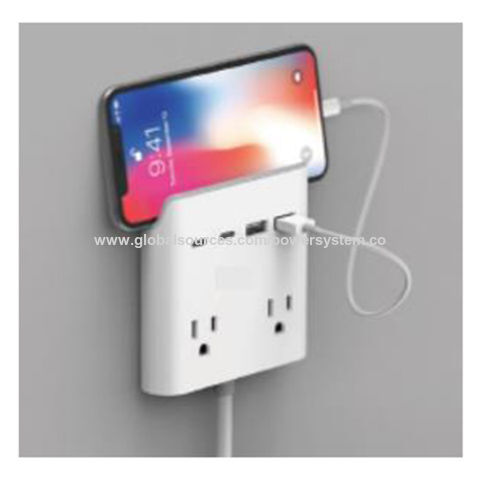
As remote work becomes the norm for many, businesses that support this lifestyle are thriving. Buyers can provide a range of home office essentials, including ergonomic furniture, office supplies, and technology accessories. This may include ergonomic chairs, standing desks, monitor mounts, keyboards, mice and laptop stands.
For digital nomads and remote workers who are constantly on the move, buyers can offer portable work accessories that enhance productivity and convenience. This may include laptop bags, backpacks, organizers, portable chargers, and travel-friendly tech accessories.

Newest Transparent USB 4 40Gbps M.2 NVMe Hard Drive Enclosure Built-in Cooling Fan,Work with Thunderbolt 3/4 USB4/3.2/3.1/3.0/2.0
US Plug Magnetic Power Strip, 6ft cord with 3 pin OEM AC wall plug (PVC jacket cable)
6. Niche Markets and Community Building

Targeting niche markets allows businesses to serve specific segments of the population with highly specialized offerings. In 2025, building communities around these niches not only fosters customer loyalty but also creates barriers to entry for potential competitors. Buyers can source unique and niche products tailored to specific consumer interests and preferences, including specialty goods, artisanal crafts, limited edition items or products catering to niche hobbies and lifestyles.
7. Educational Technology

The edtech sector continues to expand with unsaturated opportunities in areas such as gamified learning experiences, Augmented Reality and Virtual Reality (AR/VR) for immersive education and platforms that connect experts with learners in niche subjects. Buyers can supply educational institutions with hardware and devices necessary for digital learning. This may include computers, tablets, interactive whiteboards, projectors, and audiovisual equipment. They can also provide STEM (Science, Technology, Engineering, and Mathematics) and STEAM (Science, Technology, Engineering, Arts, and Mathematics) kits and educational materials for hands-on learning experiences. These kits may include robotics kits, coding tools, science experiment kits, and art supplies.
Explore more selected products in Hareware
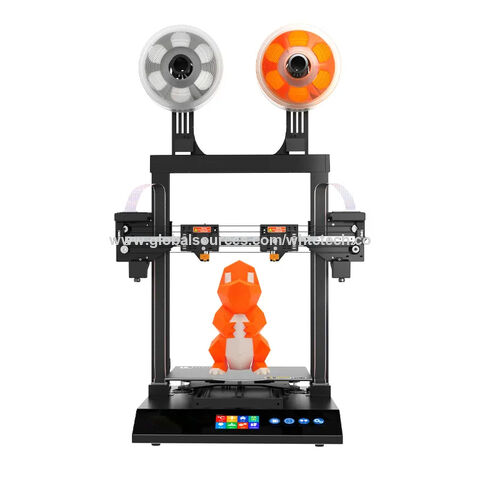
3D printer education office high-precision desktop level FDM Small 3D Printer

8. Cybersecurity Solutions

Businesses that can provide innovative security products or services for individuals and small businesses are entering an unsaturated market with substantial growth potential. Cybersecurity solutions may include offering network security appliances and hardware devices designed to secure network infrastructure and prevent unauthorized access to sensitive data such as routers, switches, networking cables, smart security devices, access points and Unified Threat Management (UTM) appliances equipped with advanced security features.
9. Aging Population Services

With the global population aging, there is an increasing need for services tailored to seniors. Product offerings may include a wide range of assistive devices and mobility aids designed to enhance the quality of life and independence of seniors such as mobility scooters, walkers, canes, grab bars, bath safety products and adaptive clothing.
In addition to assistive devices, buyers can supply home healthcare supplies and medical equipment necessary for aging individuals to manage their health conditions and receive care at home such as medical alert systems, blood pressure monitors, glucose meters, oxygen therapy equipment, and wound care supplies.

2023 new design mini hearing aid mini Hearing Amplifier Invisible mini hearing aids Beige color digital Hearing Aids for Seniors
10. Experience Economy

The experience economy is burgeoning, with consumers seeking memorable experiences over material goods. Entrepreneurs can explore unsaturated ideas in this realm by offering unique travel experiences, local adventure activities, or virtual reality escapades that transport users to another world.
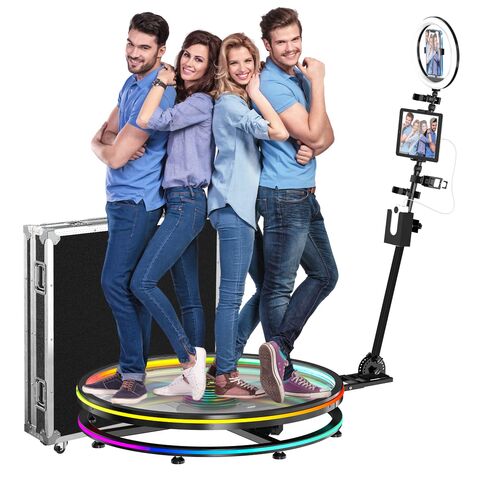
Automatic 360 Camera Photo Booth New Design 360 Photo Booth For Party Photo Booth With Ring Light
11. Agile Business Models

In 2025, the ability to quickly adapt to changing market conditions is crucial. In the Agile Business model, the focus is on flexibility, responsiveness, and continuous improvement, allowing businesses to offer products and services that can quickly adapt to meet the changing needs and preferences of customers in a fast-paced and dynamic market environment.
12. Global Connectivity

Business ideas in this realm revolve around facilitating seamless communication and interaction across borders and continents. With the world more connected than ever before, businesses that facilitate global trade, communication, and cultural exchange are finding their place in unsaturated markets. Whether it's through e-commerce platforms that bring local products to a global audience or language learning apps that connect people across continents, the potential is vast.
Unsaturated business ideas in 2025 are diverse and dynamic. They require a deep understanding of current trends, a commitment to innovation, and a willingness to take calculated risks. Entrepreneurs who can harness the power of technology, cater to evolving consumer values, and adapt swiftly to change will be well-positioned to succeed in the evolving marketplace of 2025.

Part 5. Steps to Launching a Business in an Unsaturated Market
Launching a business in an unsaturated market can be an exciting opportunity for innovation and growth. Here are the key steps to take when starting your venture in a market that is ripe for development:
1. Comprehensive Market Analysis
Begin by conducting a deep dive into the market to understand its dynamics thoroughly. This includes identifying potential customers, understanding their needs and analyzing any existing solutions. Look for gaps where demand exceeds supply and where you can provide unique value.
2. Develop a Solid Business Plan
Craft a business plan that details how you intend to capture the market opportunity. This should include your business model, marketing strategy, operational plan, financial projections and a clear value proposition that sets you apart from any potential competitors.
3. Legal Structure and Compliance
Establish the legal structure of your business. This could be a sole proprietorship, partnership, limited liability corporation (LLC) or corporation, depending on your needs. Ensure that you are aware of all the regulatory requirements and obtain any necessary licenses or permits.
4. Build a Strong Brand Identity
Create a brand identity that resonates with your target audience and stands out in the market. Your brand should communicate the unique benefits of your product or service and why it's the preferred choice in the unsaturated market.
5. Test Your Concept
Before a full-scale launch, test your product or service with a smaller segment of your target market. This can help you gather valuable feedback and make necessary adjustments before investing more resources.
6. Secure Funding
Depending on your business needs, secure the necessary funding to start operations. This could come from savings, loans, investors, or grants. Careful financial planning is essential to ensure sustainability as the business grows.
7. Establish an Online Presence
In today's digital world, having an online presence is crucial. Develop a professional website and engage on social media platforms to start building relationships with potential customers and creating awareness for your brand.
8. Focus on Customer Acquisition
Develop a marketing strategy focused on customer acquisition. This could include online advertising, content marketing, attending trade shows, or other strategies relevant to your target market.
9. Set Up Operations
Get your operational infrastructure in place. This may involve setting up a physical location, establishing supply chains, hiring staff, or setting up production facilities.
10. Launch Your Business
With everything in place, launch your business. Keep a close eye on customer feedback and be prepared to iterate on your product or service as you learn more about what your customers truly want.
11. Monitor and Adapt
After launching, continuously monitor market trends and customer feedback. Be willing to adapt your business model as necessary to stay relevant and meet the evolving needs of the market.
Starting a business in an unsaturated market requires careful planning and execution but can be highly rewarding due to the lower level of competition and the potential for establishing yourself as a market leader.
Part 6. Challenges in Pursuing Unsaturated Business Ideas
Launching a business in an unsaturated market can offer significant opportunities, but it also presents unique challenges and considerations that entrepreneurs must address:
1. Market Education and Awareness
One of the primary challenges is educating the market about a new product or service. When consumers are unfamiliar with an offering, it requires additional effort and resources to create awareness and understanding. This may involve targeted marketing campaigns, educational content, and demonstrations to highlight the value proposition and benefits of the product or service. Building trust and credibility within the market is also essential, as consumers may be hesitant to adopt new solutions without assurance of their reliability and effectiveness.
2. Customer Acquisition
Attracting customers in an unsaturated market can be difficult because you're not only competing against other companies but also against the inertia of potential customers' current habits or preferences.
3. Trust Building
Without established players in the market, gaining the trust of early adopters is crucial. You may need to provide more evidence of your product's value and reliability to overcome skepticism. This could involve offering free trials, conducting demonstrations or obtaining endorsements from trusted industry experts to reassure potential customers and encourage them to take the leap of faith in trying your offering.
4. Supply Chain Development
An unsaturated market might mean that there are few existing suppliers or distribution channels. Setting up a supply chain from scratch can be complex and resource-intensive. This process often involves extensive research, negotiations with potential suppliers, establishing logistical networks, and ensuring regulatory compliance, all of which require significant time, effort, and financial investment. Additionally, building relationships with reliable partners and optimizing supply chain operations are essential for ensuring smooth and efficient distribution of products to customers in the market.
5. Financing
Securing funding for a business in an unsaturated market can be challenging since investors may be hesitant to back a business model without a proven track record. Showcasing the strength of the team, their expertise, and their ability to execute the business plan can instill confidence and attract investment in the venture.
6. Navigating Regulations
Innovative products or services may fall into gray areas in terms of regulations, requiring a careful approach to compliance and possibly even advocacy for new regulatory standards. This often entails working closely with regulatory bodies to navigate ambiguous legal frameworks, proactively seeking guidance, and collaborating with industry stakeholders to establish best practices and industry standards. Moreover, investing in legal counsel and regulatory experts can help ensure that the business remains compliant while advocating for regulatory changes that support innovation and market growth.
7. Scalability
Scaling a business in an unsaturated market requires strategic planning. As demand grows, you'll need to ensure that your business can handle increased production and distribution without compromising quality.
8. Anticipating Competition
While the market may initially be unsaturated, success can quickly attract competitors. It's important to anticipate this and have strategies in place to maintain your market position. Continuously innovating and differentiating your products or services can help you get ahead of the competition. Building strong brand loyalty and customer relationships can help create barriers to entry and secure intellectual property rights to protect your innovations. Additionally, being proactive in monitoring competitor activity, adapting quickly to changes in the market landscape, and exploring new growth opportunities can help safeguard your market position and sustain long-term success.
9. Long-Term Viability
Ensuring the long-term viability of the business is a significant consideration. This means continuously innovating and adapting to changing consumer needs and market conditions.. By staying attuned to evolving trends and preferences, businesses can proactively adjust their strategies, develop new products or services, and enhance existing offerings to remain relevant and competitive.
10. Risk Management
Entrepreneurs must be prepared to manage the risks associated with unsaturated markets, including the risk of misjudging the market size or growth potential. Conducting thorough market research, gathering reliable data and carefully analyzing trends can help you accurately assess market dynamics and identify growth opportunities. Moreover, diversifying revenue streams, building a resilient business model, and maintaining financial flexibility can help mitigate risks and adapt to unforeseen challenges in the rapidly evolving landscape of unsaturated markets.
Entering an unsaturated market is not without its risks, but by carefully considering these challenges and strategically planning for them, entrepreneurs can position themselves for success.
At present, unsaturated markets have broad market prospects and diverse application scenarios globally. However, different regions also have their own localized consumer demographics and preferences. How can local business owners better select diverse sources to serve localized consumers? Many local distributors or retailers purchase online from platforms like Amazon, eBay for small batches, while some utilize global platforms like Alibaba, Made-in-China for bulk orders.
However, if distributors or retailers want to source directly from an extensive range of qualified manufacturers that can provide customized and localized options to meet diverse consumer needs, then Global Sources is an unparalleled choice. With thousands of strictly vetted suppliers in its network, Global Sources enables easy matching between buyers and suppliers based on consumer segments, order quantities and production capabilities. It serves more than 10 million registered buyers and users worldwide, including 97 of the world’s top 100 retailers. Since 1971, Global Sources has been building extensive connections between international buyers and rigorously verified suppliers across thousands of industries, establishing itself as a trusted industry leader.
Part 7. Strategic Sourcing from GlobalSources.com for Niche Market Domination
For entrepreneurs looking to carve out a niche in an unsaturated market, sourcing from GlobalSources.com can offer a strategic advantage. Here's why recommending GlobalSources.com as your sourcing platform can be particularly beneficial when you're aiming to capture an untapped segment of the market.
Diverse and Innovative Product Selection
GlobalSources.com provides access to a plethora of suppliers offering a wide variety of products. This diversity is crucial when targeting an unsaturated market niche because it allows you to source innovative products that may not yet be available in your local market. The platform's extensive selection ensures that you can find unique offerings to differentiate your business and capture the interest of consumers looking for something new and different.
Quality and Compliance
The quality of the products you source is paramount, especially when trying to establish credibility in an unsaturated market. GlobalSources.com offers a system of supplier ratings and reviews, which can help you identify manufacturers that meet high standards. Ensuring that your offerings are of superior quality can help quickly build a reputation for reliability in your niche.
Competitive Advantage
By sourcing from GlobalSources.com, you can often find more competitive pricing due to the vast number of suppliers competing for your business. This can allow you to price your products attractively in an unsaturated market, making it easier to penetrate the market and build a customer base.
Customization Opportunities
The ability to customize products is often essential when catering to a niche market. Suppliers on GlobalSources.com are typically willing to work with buyers on product modifications, which means you can tailor products to meet the specific needs and preferences of your target market. Customization can be a key differentiator, setting your products apart from any potential future competitors.
Speed to Market
In an unsaturated market, the speed at which you can introduce your product can be critical. GlobalSources.com's platform is designed for efficiency, from finding suppliers to placing orders. This means you can move quickly from product discovery to having goods ready for sale, which is invaluable when trying to establish yourself as a first mover in a new market niche.
Global Reach and Innovation
GlobalSources.com's international scope gives you access to the latest global trends and innovations. This can be particularly beneficial when your unsaturated market niche aligns with cutting-edge technologies or emerging trends that haven't yet been fully explored or adopted in your local area.
Risk Management
Sourcing from a variety of suppliers on GlobalSources.com allows for diversification of your supply chain, reducing dependency on any single supplier. This can protect your business against supply disruptions, ensuring that you can maintain product availability in your niche market.
In conclusion, GlobalSources.com offers a robust platform that can help entrepreneurs effectively source products for unsaturated markets. With its wide range of suppliers, quality assurance mechanisms, competitive pricing, customization capabilities, quick sourcing process, and access to global trends, it's an invaluable resource for those looking to establish themselves in new market niches. By leveraging Globalsources.com, businesses can not only find the right products for their niche but also gain a strategic edge in the marketplace.
Also Read:
- Trending Dropship Products for 2025
- Finding a Profitable Niche for Your Online Business
- Most Profitable Items to Flip in 2024-2025
- Top 10 Profitable Amazon FBA Product Categories
- Guide to High Demand, Low Competition Products
- 35 Best Resale Items for High Demand and Profit in 2024-2025
- 12 Emerging Business Opportunities for 2024
- 30 Profitable Business Ideas for Veterans

