




Italy is renowned for its craftsmanship, luxury, and timeless style, particularly when it comes to handbags. Italian handbag brands are celebrated worldwide for their impeccable quality, innovative designs, and rich heritage. From high-end luxury labels to niche artisanal brands, Italy offers something for every handbag enthusiast. Below is a curated list of the Top 20 Italian Handbag Brands, highlighting their history, specialties, and signature styles.
Top 20 Italian Handbag Brands
1. Gucci
Gucci is one of the most iconic luxury fashion brands globally, and its handbags are no exception. Founded in Florence in 1921, Gucci is synonymous with Italian craftsmanship and opulence. The brand’s handbags are known for their bold designs, signature GG logo, and innovative use of materials.
- Established: 1921 by Guccio Gucci.
- Specialty: Luxurious leather goods featuring bold designs and iconic branding.
- Product Range: Tote bags, shoulder bags, crossbody bags, and clutches.
- Signature Style: GG monogram, bamboo handles, and horsebit detailing.
- Key Features: High-quality craftsmanship, bold patterns, and timeless appeal.
- Global Reach: Flagship stores worldwide and a strong online presence.
2. Prada
Prada is a symbol of understated luxury and sophistication. Established in Milan in 1913, Prada is known for its minimalist designs and innovative use of materials like nylon. The brand’s handbags are both functional and fashionable, making them a favorite among fashion-forward individuals.
- Established: 1913 by Mario Prada.
- Specialty: Minimalist designs with a focus on functionality and innovation.
- Product Range: Backpacks, tote bags, shoulder bags, and crossbody bags.
- Signature Style: Clean lines, Saffiano leather, and triangle logo plaques.
- Key Features: Lightweight, durable materials and timeless designs.
- Market Presence: Extensive retail network and a strong online store.
3. Fendi
Fendi is a Roman luxury fashion house known for its playful yet elegant designs. Founded in 1925, Fendi’s handbags often feature bold patterns, unique shapes, and the signature FF logo. The brand’s iconic Peekaboo and Baguette bags are must-haves for handbag lovers.
- Established: 1925 by Adele and Edoardo Fendi.
- Specialty: Luxurious leather goods with bold and creative designs.
- Product Range: Tote bags, shoulder bags, mini bags, and clutches.
- Signature Style: FF monogram, fur accents, and unique bag shapes.
- Key Features: Playful designs, impeccable craftsmanship, and versatility.
- Global Reach: Stores in major fashion capitals and an online boutique.
4. Bottega Veneta
Bottega Veneta is celebrated for its understated elegance and artisanal craftsmanship. Founded in 1966 in Vicenza, the brand is best known for its Intrecciato weaving technique, which gives its handbags a distinctive and luxurious look.
- Established: 1966 in Vicenza, Italy.
- Specialty: Handwoven leather goods featuring the Intrecciato technique.
- Product Range: Tote bags, clutches, crossbody bags, and mini bags.
- Signature Style: Minimalist designs with a focus on texture and craftsmanship.
- Key Features: Timeless elegance, high-quality materials, and impeccable detail.
- Market Presence: International boutiques and a growing online presence.
5. Valentino Garavani
Valentino Garavani handbags are synonymous with glamour and sophistication. The brand, established in 1960, is known for its signature Rockstud embellishments, which add a bold edge to its elegant designs.
- Established: 1960 by Valentino Garavani.
- Specialty: Luxurious leather handbags with bold embellishments.
- Product Range: Shoulder bags, clutches, tote bags, and crossbody bags.
- Signature Style: Rockstud detailing and vibrant colors.
- Key Features: Glamorous designs, premium materials, and unique accents.
- Global Reach: Available in flagship stores and luxury department stores worldwide.
6. Salvatore Ferragamo
Salvatore Ferragamo is a heritage brand known for its classic and refined handbags. Founded in Florence in 1927, the brand combines traditional craftsmanship with modern aesthetics. Its handbags often feature the iconic Gancini logo.
- Established: 1927 by Salvatore Ferragamo.
- Specialty: Timeless leather handbags with a focus on elegance and functionality.
- Product Range: Tote bags, shoulder bags, mini bags, and evening clutches.
- Signature Style: Gancini hardware and clean, structured designs.
- Key Features: High-quality materials, classic silhouettes, and subtle branding.
- Market Presence: Strong global retail network and an online store.
7. Tod’s
Tod’s is known for its understated luxury and exceptional craftsmanship. Established in the 1970s, Tod’s handbags are crafted from the finest leather and are designed to be both stylish and practical.
- Established: 1970s by Diego Della Valle.
- Specialty: Luxurious leather handbags with a focus on simplicity and quality.
- Product Range: Tote bags, shoulder bags, crossbody bags, and clutches.
- Signature Style: Clean lines, understated branding, and timeless designs.
- Key Features: Durable materials, versatile styles, and impeccable craftsmanship.
- Market Presence: Boutiques worldwide and a strong online presence.
8. Versace
Versace handbags are bold, glamorous, and unapologetically luxurious. Founded in 1978, the brand is known for its opulent designs, often featuring the iconic Medusa logo and vibrant prints.
- Established: 1978 by Gianni Versace.
- Specialty: Statement handbags with bold designs and luxurious details.
- Product Range: Tote bags, shoulder bags, mini bags, and evening clutches.
- Signature Style: Medusa logo, baroque prints, and vibrant colors.
- Key Features: Eye-catching designs, premium materials, and unique accents.
- Global Reach: Extensive retail network and an online store.
9. Moschino
Moschino is known for its playful, quirky, and unconventional designs. Established in 1983, the brand’s handbags often feature bold graphics, vibrant colors, and whimsical motifs.
- Established: 1983 by Franco Moschino.
- Specialty: Fun and eccentric handbags with bold, eye-catching designs.
- Product Range: Shoulder bags, crossbody bags, mini bags, and backpacks.
- Signature Style: Whimsical motifs, bold logos, and vibrant colors.
- Key Features: Playful designs, high-quality craftsmanship, and a sense of humor.
- Market Presence: Stores worldwide and a strong online presence.
10. Furla
Furla is a brand that combines affordability with Italian craftsmanship. Founded in 1927, Furla offers elegant and versatile handbags that appeal to a wide audience.
- Established: 1927 by the Furlanetto family.
- Specialty: Stylish and affordable handbags with a focus on quality.
- Product Range: Tote bags, crossbody bags, mini bags, and backpacks.
- Signature Style: Clean lines, pastel colors, and contemporary designs.
- Key Features: Affordable luxury, high-quality materials, and timeless appeal.
- Global Reach: Widely available in retail stores and online.
11. Coccinelle
Coccinelle is a contemporary Italian brand known for its chic and feminine handbags. Established in 1978, the brand offers a wide range of stylish and practical bags for everyday use.
- Established: 1978 in Parma, Italy.
- Specialty: Feminine and versatile handbags with modern designs.
- Product Range: Tote bags, shoulder bags, crossbody bags, and clutches.
- Signature Style: Soft leather, pastel shades, and minimalistic details.
- Key Features: Affordable luxury, timeless designs, and practicality.
- Market Presence: Available in boutiques and online stores worldwide.
12. Dolce & Gabbana
Dolce & Gabbana handbags are a celebration of Italian heritage and craftsmanship. Established in 1985, the brand is known for its bold and ornate designs, often featuring intricate embroidery and vibrant prints.
- Established: 1985 by Domenico Dolce and Stefano Gabbana.
- Specialty: Luxurious handbags with bold, statement-making designs.
- Product Range: Tote bags, crossbody bags, clutches, and mini bags.
- Signature Style: Floral prints, baroque embellishments, and vibrant colors.
- Key Features: Opulent designs, premium materials, and Italian craftsmanship.
- Global Reach: Flagship stores and online availability.
13. Miu Miu
Miu Miu is a playful and youthful sister brand of Prada. Launched in 1993, Miu Miu offers handbags that combine bold designs with a touch of whimsy, appealing to a younger audience.
- Established: 1993 by Miuccia Prada.
- Specialty: Playful and trendy handbags with bold designs.
- Product Range: Tote bags, shoulder bags, mini bags, and clutches.
- Signature Style: Bold colors, unique textures, and quirky embellishments.
- Key Features: Youthful designs, high-quality craftsmanship, and a modern edge.
- Market Presence: Available in Prada boutiques and online.
14. Etro
Etro is a luxury Italian brand known for its bohemian-inspired designs and exquisite use of prints and patterns. Founded in 1968, the brand’s handbags often feature its signature paisley motifs and vibrant colors, making them stand out in the world of accessories.
- Established: 1968 by Gerolamo "Gimmo" Etro.
- Specialty: Handbags with intricate prints, paisley patterns, and bold colors.
- Product Range: Tote bags, crossbody bags, clutches, and shoulder bags.
- Signature Style: Paisley prints, textured fabrics, and artistic details.
- Key Features: Unique designs, exceptional craftsmanship, and artistic flair.
- Global Reach: Available in flagship stores and luxury retailers worldwide.
15. Goyard
Though not originally Italian, Goyard has a strong presence in Italy and is revered for its exclusive and timeless handbags. This Parisian brand is often associated with Italian craftsmanship due to its meticulous attention to detail and use of premium materials.
- Established: 1853 in Paris but widely embraced in Italian luxury markets.
- Specialty: Exclusive, hand-painted monogrammed handbags.
- Product Range: Totes, travel bags, and small leather goods.
- Signature Style: Hand-painted Chevron patterns and bespoke designs.
- Key Features: Exclusivity, durability, and timeless appeal.
- Market Presence: Limited availability, adding to its allure.
16. Braccialini
Braccialini is a unique Italian handbag brand celebrated for its whimsical and artistic designs. Founded in 1954, the brand creates handbags that are more like works of art, often featuring playful shapes, bold colors, and intricate detailing.
- Established: 1954 by Carla Braccialini.
- Specialty: Artistic and unconventional handbags with creative themes.
- Product Range: Shoulder bags, tote bags, and novelty bags.
- Signature Style: Playful shapes, bold embellishments, and storytelling designs.
- Key Features: Fun, artistic, and one-of-a-kind handbags.
- Global Reach: Available in select boutiques and online.
17. Orciani
Orciani is a lesser-known but highly respected Italian brand specializing in luxurious leather handbags. Established in 1979, the brand focuses on creating minimalist yet elegant designs that highlight the beauty of high-quality leather.
- Established: 1979 by Claudio Orciani.
- Specialty: Handcrafted leather handbags with a focus on simplicity and elegance.
- Product Range: Tote bags, shoulder bags, and crossbody bags.
- Signature Style: Minimalist designs with a focus on texture and craftsmanship.
- Key Features: High-quality leather, timeless designs, and artisanal craftsmanship.
- Market Presence: Boutiques in Italy and a growing online presence.
18. Zanellato
Zanellato is a brand that represents understated luxury and timeless elegance. Known for its iconic Postina bag, the brand combines traditional Italian craftsmanship with modern functionality.
- Established: 1999 by Franco Zanellato.
- Specialty: Elegant and functional handbags with a focus on contemporary design.
- Product Range: Tote bags, crossbody bags, and shoulder bags.
- Signature Style: The Postina bag, featuring a unique closure and soft leather.
- Key Features: Timeless elegance, high-quality craftsmanship, and versatility.
- Global Reach: Available in luxury boutiques and online.
19. Piquadro
Piquadro is an Italian brand that specializes in luxury leather goods with a focus on functionality and technology. Founded in 1987, the brand is popular for its business and travel bags, which blend style and practicality.
- Established: 1987 by Marco Palmieri.
- Specialty: Business and travel handbags with a focus on functionality.
- Product Range: Briefcases, backpacks, and crossbody bags.
- Signature Style: Sleek designs with compartments for modern gadgets.
- Key Features: High-tech integration, durable materials, and modern designs.
- Market Presence: Available in Italy and international markets.
20. Serapian
Serapian is a Milan-based brand known for its bespoke leather handbags and timeless designs. Founded in 1928, the brand offers a range of luxurious handbags crafted from the finest materials, with a focus on personalization.
- Established: 1928 by Stefano Serapian.
- Specialty: Bespoke leather handbags with timeless elegance.
- Product Range: Tote bags, shoulder bags, clutches, and travel bags.
- Signature Style: Minimalist designs with a focus on quality and personalization.
- Key Features: Bespoke craftsmanship, premium materials, and timeless appeal.
- Global Reach: Available in luxury boutiques and online.
Italy continues to lead the world in luxury handbag design, offering a rich variety of styles that cater to different tastes and needs. Whether you’re drawn to the bold glamour of Gucci and Versace, the understated elegance of Bottega Veneta and Serapian, or the playful artistry of Moschino and Braccialini, Italian handbag brands offer something for everyone. Their commitment to craftsmanship, innovation, and timeless design ensures that Italian handbags remain a coveted symbol of luxury and style.
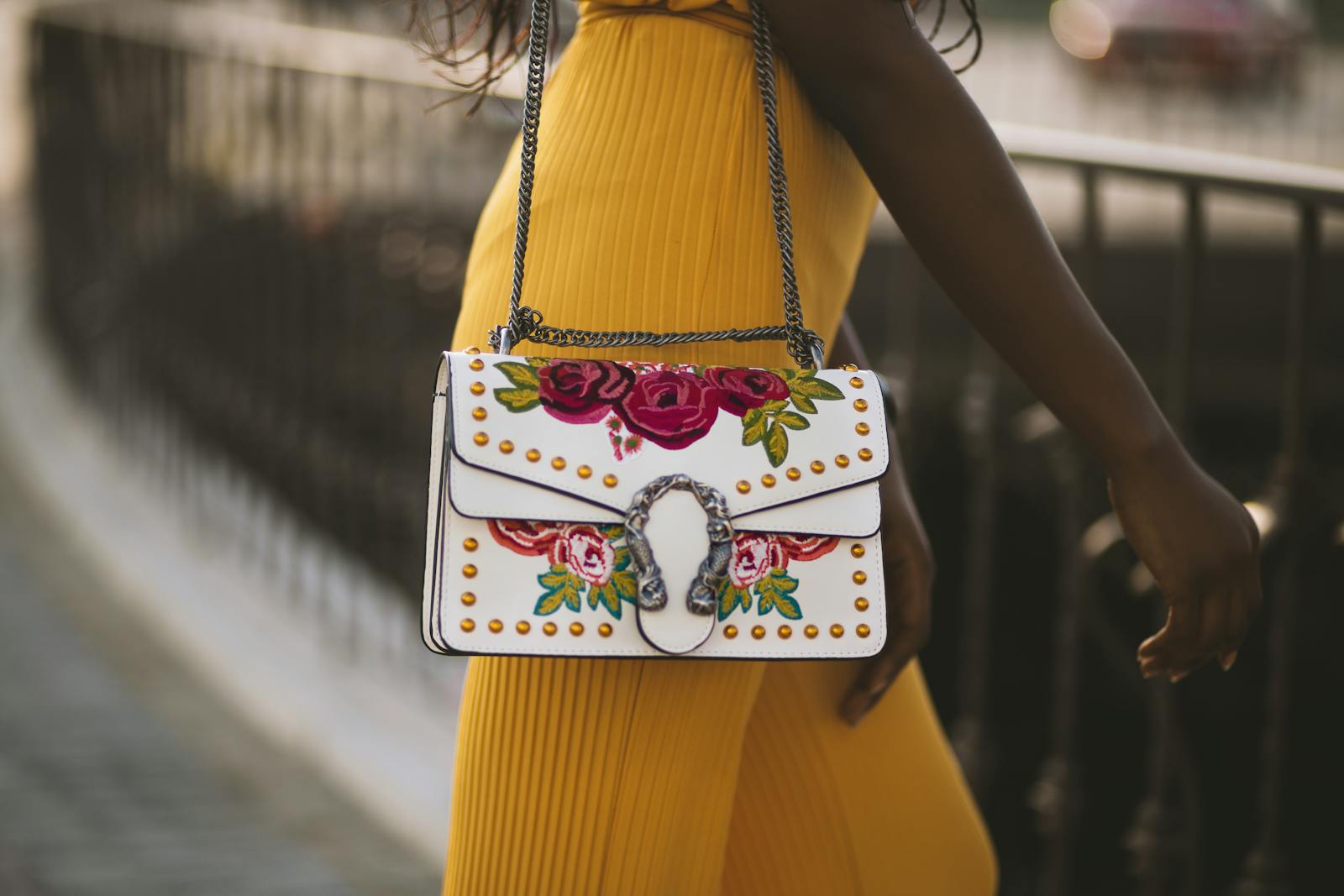
Part 2: Types of Handbags in Italy
Italian handbags are celebrated for their variety, catering to diverse tastes, needs, and occasions. Each type of handbag reflects the impeccable craftsmanship and innovative design that define Italian fashion. Below are some of the most popular types of handbags made in Italy:
1. Tote Bags
Tote bags are among the most versatile and functional handbags in Italy. Known for their spacious interiors and elegant designs, Italian tote bags often feature premium leather, clean lines, and minimalist details. They are perfect for work, shopping, or travel, making them a favorite for women who need both style and practicality.
2. Crossbody Bags
Crossbody bags are a staple in Italian fashion, blending convenience with sophistication. These bags feature long straps that allow them to be worn across the body, making them ideal for hands-free activities. Italian crossbody bags often showcase intricate stitching, high-quality hardware, and bold colors, making them both practical and chic.
3. Shoulder Bags
Shoulder bags are a classic choice in Italian handbag collections. With their medium-to-large size and comfortable straps, they are perfect for everyday use. Italian designers often add luxurious touches like gold accents, embossed logos, and unique textures to elevate the appeal of shoulder bags.
4. Clutch Bags
Clutch bags are synonymous with Italian elegance, often seen at formal events and evening gatherings. These small, handheld bags are crafted with exquisite materials such as velvet, satin, or metallic leather, and are often adorned with embellishments like crystals or embroidery. Italian clutches are designed to be statement pieces that enhance any outfit.
5. Satchels
Satchels are structured handbags that combine functionality with timeless style. Italian satchels often feature top handles, detachable straps, and multiple compartments, making them ideal for professionals or travelers. They are typically crafted from durable leather, ensuring long-lasting quality.
6. Backpacks
Italian backpacks have redefined casual fashion by incorporating luxury elements. These bags are designed with both aesthetics and practicality in mind, featuring sleek designs, premium materials, and ergonomic straps. They are ideal for students, professionals, or travelers who want a stylish alternative to traditional handbags.
7. Bucket Bags
Bucket bags have become increasingly popular in Italy due to their unique shape and versatility. These bags feature a drawstring closure and a roomy interior, making them both stylish and functional. Italian bucket bags often showcase bold colors, intricate patterns, and high-quality leather.
8. Mini Bags
Mini bags are a trendy choice in the Italian handbag market, offering a compact and stylish option for carrying essentials. Despite their small size, Italian mini bags are designed with meticulous attention to detail, featuring luxurious materials and eye-catching designs.
Each type of handbag reflects Italy’s dedication to craftsmanship and innovation, making them a staple in the global fashion scene.
Part 3: Key Players in the Italian Market
The Italian handbag market is home to some of the world’s most renowned luxury brands, as well as emerging designers who continue to push the boundaries of fashion. These key players have shaped the industry, setting trends and maintaining Italy’s reputation for excellence in handbag production.
1. Gucci
Founded in Florence in 1921, Gucci is one of the most iconic names in luxury fashion. Known for its bold designs, signature GG logo, and innovative use of materials, Gucci handbags are a symbol of status and sophistication. The brand’s timeless creations, such as the Dionysus and Marmont collections, remain highly sought after.
2. Prada
Prada, established in Milan in 1913, is celebrated for its minimalist designs and avant-garde approach to fashion. The brand’s handbags, such as the iconic Galleria and Nylon collections, are known for their clean lines, premium materials, and understated elegance.
3. Fendi
Fendi, founded in Rome in 1925, is synonymous with luxury and innovation. The brand’s handbags, including the Peekaboo and Baguette collections, are known for their unique designs, impeccable craftsmanship, and use of exotic materials.
4. Bottega Veneta
Bottega Veneta is renowned for its signature intrecciato weave, a technique that involves weaving leather strips to create a distinctive pattern. The brand’s handbags, such as the Cassette and Jodie collections, are celebrated for their understated luxury and artisanal craftsmanship.
5. Salvatore Ferragamo
Salvatore Ferragamo is a pioneer in Italian fashion, known for its elegant and functional designs. The brand’s handbags often feature iconic details such as the Gancini clasp, and are crafted from high-quality materials that reflect Ferragamo’s commitment to excellence.
6. Dolce & Gabbana
Dolce & Gabbana is famous for its bold and flamboyant designs that celebrate Italian culture and heritage. The brand’s handbags, such as the Sicily and Devotion collections, are adorned with intricate details, vibrant prints, and luxurious embellishments.
7. Valentino
Valentino is known for its romantic and feminine designs. The brand’s handbags, including the Rockstud and Roman Stud collections, are characterized by their edgy yet elegant aesthetic, often featuring signature studded details.
8. Emerging Designers
In addition to established luxury brands, Italy is home to a growing number of emerging handbag designers who bring fresh perspectives to the industry. These designers often focus on sustainability, innovative materials, and contemporary designs, catering to a new generation of consumers.
These key players have cemented Italy’s position as a global leader in the handbag industry, combining tradition with innovation to create timeless masterpieces.
Part 4: Wholesale Luxury Handbags on Global Sources
Global Sources is a leading platform for sourcing luxury handbags from reputable suppliers worldwide. It serves as a bridge between manufacturers and retailers, offering a wide range of Italian handbags at wholesale prices.
1. Benefits of Sourcing on Global Sources
- Wide Selection: Global Sources provides access to a diverse range of Italian handbags, including tote bags, crossbody bags, and clutches.
- Verified Suppliers: The platform ensures that all suppliers meet stringent quality standards, giving buyers confidence in their purchases.
- Competitive Pricing: Wholesale pricing allows retailers to maximize profit margins while offering high-quality products to customers.
- Convenience: Buyers can browse, compare, and negotiate with suppliers online, saving time and effort.
2. Popular Handbag Categories
- Luxury Leather Handbags: Featuring premium materials and impeccable craftsmanship.
- Eco-Friendly Bags: Made from sustainable materials, catering to environmentally conscious consumers.
- Custom Designs: Suppliers offer customization options, allowing retailers to create unique products.
3. Tips for Wholesale Buyers
- Research Suppliers: Ensure the supplier has a good reputation and meets quality standards.
- Order Samples: Request samples to assess the quality and craftsmanship before placing bulk orders.
- Negotiate Terms: Discuss payment terms, delivery timelines, and return policies with suppliers.
Global Sources simplifies the process of sourcing Italian handbags, making it an invaluable resource for retailers and entrepreneurs.
Part 5: Growth of the Italian Handbag Industry
The Italian handbag industry has experienced significant growth over the years, driven by factors such as rising global demand for luxury goods, advancements in manufacturing technology, and the country’s reputation for quality craftsmanship.
1. Market Expansion
The global luxury market has seen steady growth, with Italian handbags playing a key role in this expansion. Consumers from emerging markets such as China, India, and the Middle East have contributed to increased demand for Italian handbags, attracted by their prestige and exclusivity.
2. Innovation and Technology
Italian handbag manufacturers have embraced innovation to stay competitive. From 3D printing to sustainable leather alternatives, technology has enabled brands to create unique designs and improve production efficiency.
3. E-Commerce Growth
The rise of e-commerce has made Italian handbags more accessible to consumers worldwide. Online platforms allow brands to reach a broader audience, while digital marketing strategies help them connect with younger, tech-savvy consumers.
4. Sustainability Initiatives
Sustainability has become a major focus in the Italian handbag industry. Many brands are adopting eco-friendly practices, such as using recycled materials, reducing waste, and implementing ethical labor practices.
5. Artisanal Heritage
Despite technological advancements, the Italian handbag industry continues to value artisanal craftsmanship. Many brands emphasize their heritage and traditional techniques, appealing to consumers who appreciate authenticity and quality.
The growth of the Italian handbag industry reflects its ability to adapt to changing consumer preferences while maintaining its commitment to excellence.
Part 6: Market Trends of Italian Handbags and Challenges
The Italian handbag industry is shaped by evolving market trends and challenges that influence its direction and growth.
1. Market Trends
- Sustainability: Consumers are increasingly prioritizing eco-friendly products. Italian brands are responding by incorporating sustainable materials and practices into their production processes.
- Personalization: Customization has become a key trend, with consumers seeking unique, personalized handbags. Many Italian brands now offer monogramming and bespoke design services.
- Minimalism: Simple, elegant designs are gaining popularity, reflecting a shift toward timeless fashion over fleeting trends.
- Gender-Neutral Bags: The rise of gender-neutral fashion has led to an increase in unisex handbag designs, catering to a broader audience.
- Digital Influence: Social media platforms like Instagram and TikTok have become powerful tools for promoting Italian handbags, with influencers and celebrities driving trends.
2. Challenges
- Counterfeiting: The prevalence of counterfeit handbags poses a significant challenge, undermining the value of authentic Italian products.
- Rising Costs: The cost of raw materials and skilled labor continues to increase, impacting profit margins for manufacturers.
- Global Competition: While Italy remains a leader in the luxury handbag market, competition from other countries, such as France and China, is intensifying.
- Economic Uncertainty: Fluctuating economic conditions and geopolitical issues can affect consumer spending on luxury goods.
- Sustainability Pressures: While sustainability is a growing trend, implementing eco-friendly practices can be costly and time-consuming for brands.
By staying ahead of trends and addressing challenges, the Italian handbag industry can continue to thrive in an ever-changing global market.
Conclusion
The Italian handbag industry is a testament to the country’s dedication to artistry, innovation, and quality. From the diverse types of handbags to the influential players shaping the market, Italy has established itself as a global leader in luxury fashion. As the industry continues to grow and adapt to new trends and challenges, Italian handbags remain a symbol of timeless elegance and sophistication. Whether you are a consumer, retailer, or entrepreneur, the world of Italian handbags offers endless opportunities to explore and appreciate the craftsmanship and creativity that define this iconic sector.
FAQs
What brand bag is popular in Italy?
Italy is renowned for its luxury fashion industry, and several handbag brands are immensely popular among locals and tourists alike. Among the most iconic brands, Gucci stands out as a symbol of Italian craftsmanship and style. Known for its timeless designs, bold patterns, and premium materials, Gucci handbags are a favorite choice for fashion enthusiasts. Another popular brand is Prada, celebrated for its minimalist elegance and high-quality leather goods. Prada’s nylon and leather bags, such as the Galleria tote, are particularly sought after.
Fendi, with its iconic "FF" logo and innovative designs, is another top choice in Italy. The Fendi Baguette and Peekaboo bags are globally recognized symbols of luxury. Bottega Veneta, known for its signature intrecciato (woven leather) technique, has also gained immense popularity for its understated yet sophisticated designs.
For those seeking a more artisanal touch, Coccinelle and Furla are popular mid-range Italian brands offering stylish and durable handbags at more affordable prices.
Overall, Italian brands are celebrated for their impeccable craftsmanship, innovative designs, and timeless appeal, making them a core part of Italy’s fashion heritage. Whether you prefer luxury or mid-range options, Italian bags are a perfect blend of quality and style.
Is it worth buying leather bags in Italy?
Yes, buying leather bags in Italy is absolutely worth it! Italy is globally renowned for its exceptional leather craftsmanship, and purchasing a leather bag there guarantees high quality, durability, and timeless style. Italian leather artisans are known for their meticulous attention to detail, using traditional tanning techniques that ensure the leather ages beautifully over time.
When you buy a leather bag in Italy, you’re not just paying for the material but also for the craftsmanship, design, and heritage. Many leather goods are handmade by skilled artisans, ensuring uniqueness and superior quality. Additionally, Italy offers a wide range of leather bags, from high-end luxury brands like Gucci, Prada, and Bottega Veneta to smaller, family-owned workshops offering equally stunning yet more affordable options.
Another advantage is that leather bags in Italy are often more affordable than in other countries due to the absence of import fees and the opportunity to shop directly from local artisans or outlets. Tourists can also benefit from tax-free shopping, further reducing costs.
Whether you’re looking for a luxury designer bag or a unique handmade piece, buying a leather bag in Italy is a worthwhile investment in quality, style, and authenticity.
Where in Italy should I buy a leather purse?
Italy offers numerous destinations for purchasing high-quality leather purses, each with its own charm and specialties. Florence is arguably the best place to buy leather goods, as it is considered the heart of Italian leather craftsmanship. The city is home to the famous San Lorenzo Market and Santa Croce Leather School, where you can find a wide variety of leather purses ranging from affordable handmade items to luxury designs.
Milan, known as the fashion capital of Italy, is another excellent destination for purchasing leather purses. The city’s high-end boutiques and flagship stores for brands like Gucci, Prada, and Bottega Veneta offer a luxurious shopping experience. For more affordable options, visit Serravalle Designer Outlet, located just outside Milan.
In Rome, head to the Campo de' Fiori area or the Via del Corso shopping district for a mix of designer stores and artisanal shops. Smaller cities like Venice and Naples also have local leather artisans selling unique, high-quality purses.
For a truly authentic experience, consider visiting family-owned workshops in Tuscany or Umbria, where you can purchase handmade leather purses directly from the artisans.
Which handbag brand has the highest resale value?
When it comes to handbags with the highest resale value, Hermès takes the top spot. Hermès handbags, particularly the Birkin and Kelly models, are considered investment pieces due to their exclusivity, exceptional craftsmanship, and timeless appeal. These bags are often produced in limited quantities, which drives demand and maintains their value over time. In some cases, Hermès bags even appreciate in value, making them highly sought-after in the resale market.
Chanel is another brand with consistently high resale value. Iconic styles like the Classic Flap Bag and Boy Bag are timeless and in high demand, ensuring strong returns on investment. Chanel’s commitment to quality and its annual price increases also contribute to its strong resale performance.
Louis Vuitton is renowned for its durable and iconic monogram bags, such as the Speedy and Neverfull, which hold their value well in the resale market.
While Gucci and Prada also have good resale value, they typically don’t match the levels of Hermès, Chanel, or Louis Vuitton. For the highest resale value, focus on timeless, classic designs from these top-tier luxury brands, as they remain desirable for years.

