




As we move into 2026, office furniture is becoming even more deeply connected to the way people actually work, not just where they sit. Hybrid and distributed work are no longer temporary responses to change, but standard practice. As a result, companies are rethinking their workspaces from the ground up, seeking furniture that supports flexible schedules, shared desks, focus work and collaboration—all within the same floor plan. The emphasis has shifted from simply filling a room with desks and chairs to creating a holistic ecosystem that supports productivity, health and culture.
The key themes that shaped office furniture in previous years—ergonomics, smart technology, sustainability, flexibility and biophilic design—are now more integrated and intentional in 2026. Desks, chairs and storage solutions are expected to work together as a unified system: tracking usage, adapting to individual preferences and reducing environmental impact. Furniture is no longer just a static backdrop; it’s an active tool that helps businesses attract talent, support employee well-being and express their brand identity.
In this evolving landscape, understanding the foundational trends behind modern office furniture is more important than ever. The following 2025-focused overview highlights the core innovations—smart features, sustainable materials, flexible layouts, nature-inspired design, ergonomic solutions and the blend of aesthetics with functionality—that continue to drive workspace design in 2026. These trends provide a useful lens for planning workplaces that are ready for the future while staying comfortable, efficient and visually compelling today.
Office furniture has come a long way from stiff wooden desks and rigid chairs. Today, office furniture emphasizes ergonomics, comfort and style. In the fast-changing business landscape, the modern workspace demands furniture that enhances productivity, promotes well-being and reflects a company’s brand identity. From ergonomic chairs to smart desks, the office furniture industry continues to evolve, shaping the way professionals work and interact. These trends are shaping today’s workspaces.
Smart features
Technology is revolutionizing office furniture, making workspaces smarter and more efficient. Desks with built-in wireless charging eliminate cable clutter, while height-adjustable desks with programmable settings allow employees to customize their workstations with just the push of a button. Advanced office chairs now feature sensors that analyze posture and provide real-time feedback to promote healthier sitting habits.
Some companies are incorporating IoT technology into their office setups, enabling businesses to monitor workspace usage, adjust lighting and temperature settings automatically and even streamline conference room bookings. These innovations not only enhance employee comfort but also improve energy efficiency and reduce operational costs.
Sustainable
Office furniture manufacturers are responding by using recycled materials, responsibly sourced wood and low-volatile organic compound (VOC) finishes that reduce environmental impact. Energy-efficient production processes and ethical labor practices are becoming increasingly important in purchasing decisions. Modular furniture designs that allow for easy reconfiguration help extend the life span of office setups, reducing waste and supporting sustainability efforts.
By choosing eco-friendly office furniture, businesses can lower their carbon footprint, showcase corporate social responsibility and contribute to a healthier planet – all while maintaining stylish, high-quality workplaces.
Flexible and multifunctional
With hybrid work models and dynamic team structures becoming commonplace, companies need furniture that can be easily reconfigured to meet different requirements.
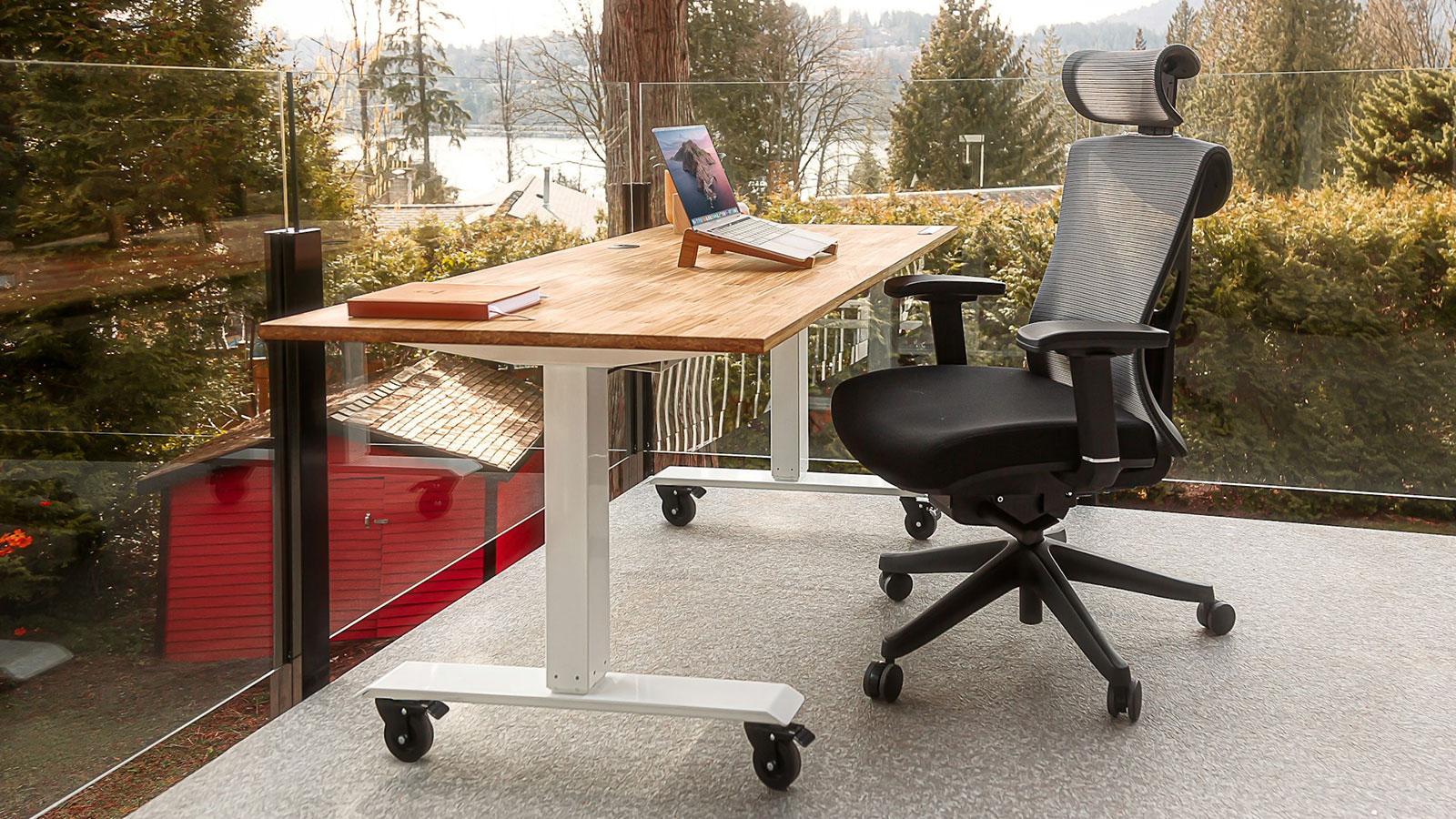
Modular workstations, adjustable seating and movable partitions allow businesses to create adaptable spaces that support various work styles, from individual focus areas to collaborative zones. This type of furniture is particularly valuable in maximizing space utilization, as it enables companies to make quick layout changes without requiring costly renovations.
Additionally, flexible designs help businesses future-proof their workspaces, accommodating evolving workforce needs and technological advancements. Employees also benefit from customizable setups that enhance comfort and productivity.
Biophilic design
Office furniture now incorporates natural materials like wood, stone and plant-based fabrics, creating a more inviting and calming atmosphere. Living walls, indoor plants and nature-inspired décor elements improve air quality and reduce stress, contributing to a healthier and more engaging work environment. Natural lighting, combined with furniture designed to maximize outdoor views, further enhances the workplace experience.
Biophilic office furniture not only improves aesthetics but also fosters a stronger connection between employees and their surroundings, promoting creativity and overall satisfaction.
Ergonomic
A productive workspace starts with comfort, and ergonomic office furniture has become an essential part of modern office design.
Adjustable chairs with lumbar support ensure proper posture, reducing back pain and increasing comfort throughout the workday. Height-adjustable desks encourage movement by allowing employees to alternate between sitting and standing, improving circulation and reducing the health risks of prolonged sitting. Monitor stands and keyboard trays help minimize neck and wrist strain, making workstations more user-friendly. Ergonomic footrests promote better posture by providing support for the legs and reducing pressure on the lower back. Anti-fatigue mats are ideal for standing desks, offering cushioning that reduces strain on the feet and joints.
A well-designed ergonomic workspace not only enhances physical well-being but also boosts focus and efficiency. Investing in high-quality ergonomic furniture can lead to fewer workplace injuries and lower absenteeism, benefiting both employees and businesses.
Aesthetic meets functionality
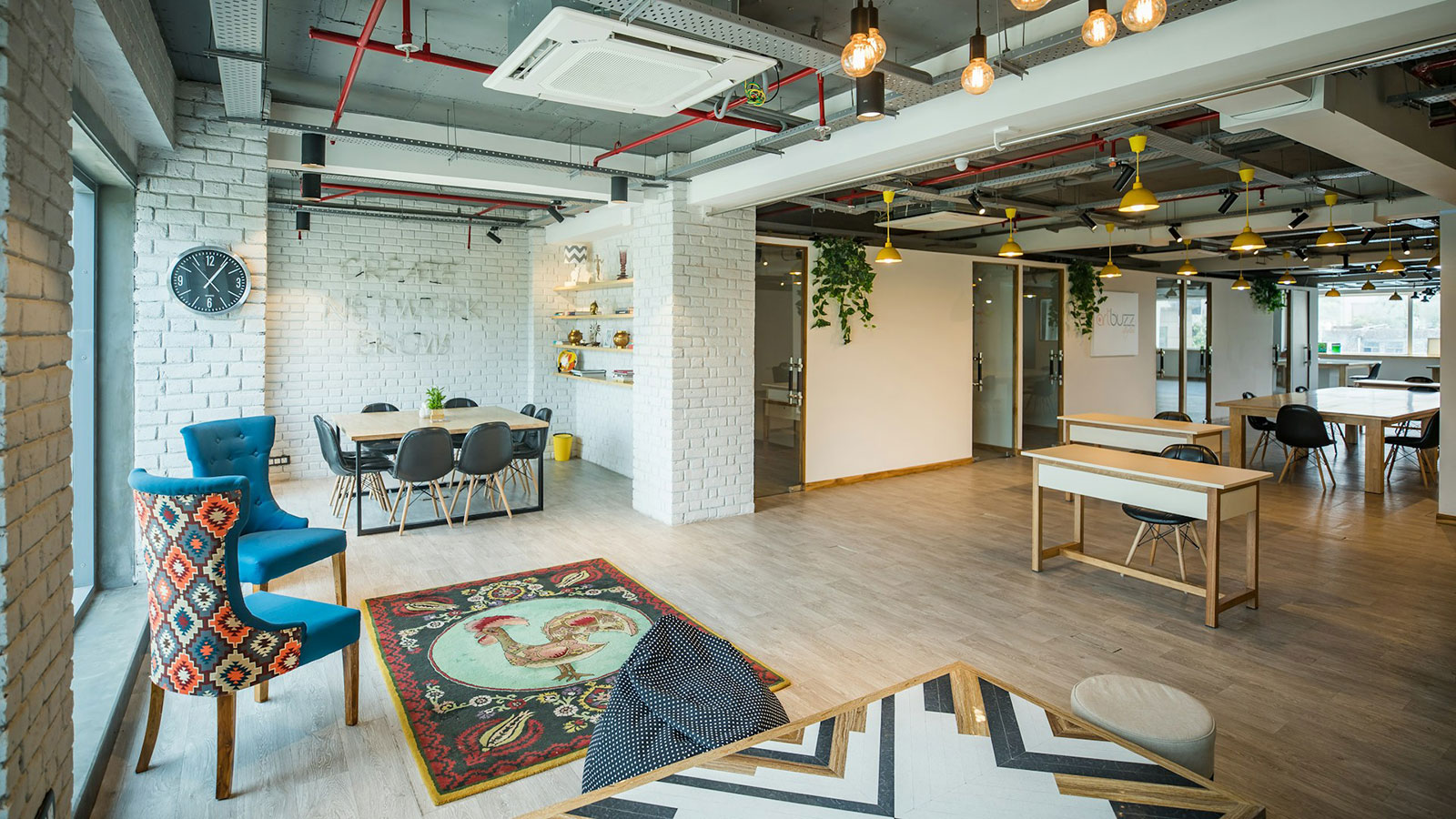
The days of dull, uninspiring office spaces are over. Today’s office furniture is designed to strike the perfect balance between style and practicality. Sleek, minimalistic desks with built-in cable management help keep workspaces clutter-free, while ergonomic chairs in bold colors add personality and vibrancy to an office. Modular workstations allow businesses to customize layouts to fit different needs, whether it’s for focused individual work or dynamic team collaboration. The right combination of furniture and design elements not only enhances productivity but also fosters a positive and engaging work culture. Companies are now prioritizing visually appealing office designs that inspire creativity, collaboration and innovation, ultimately making the workplace a more enjoyable space.

