




Most electric vehicles and charging stations are based on 400V systems, but advancements in technology have led to 800V batteries that will require compatible chargers. This new architecture is designed for enhanced efficiency and performance, extending range and reducing charging time.
As higher voltage ensures the same amount of power can be provided with less current, smaller components and lighter cables can be used. This contributes to lowering overall vehicle weight and minimizing energy losses as less current means less heat, effectively extending range. In addition, at such a high voltage, charging is up to two times faster than what the current technology offers without the risk of overheating.
At present, there are only a few such EVs on the market. They include the Porsche Taycan, Hyundai Ioniq 5 and 6, Kia EV6 and 9, Audi e-tron GT, GMC Hummer EV SUV, Genesis GV60, GV70 and G80, Lucid Air, Tesla Cybertruck, BYD Atto 3, Dolphin, Seal and Song, Zeekr 001 and Xpeng G9 SUV. More companies have committed to the release of 800V units in the future, with Ford, Mercedes-Benz, Polestar, Volvo and Lotus among them.
There are also a few “design tricks,” as pundits call them, on 400V systems such as those found in Chevrolet’s Silverado and GMC Hummer and Sierra. These EVs all have a 400V system, but their batteries have two layers that can be connected in series for 800V charging.
800V charging
To enjoy all the promised benefits of an 800V system, EV charging stations must match this voltage level. Some are available from providers such as Electrify America, which has a complimentary package for Kia EV9. There is also Ionity, a joint venture of BMW, Ford, Hyundai, Mercedes-Benz and Volkswagen, which has about 500 charging parks and 2,400 points in 24 European countries.
In China, EV manufacturers are putting up their own charging networks or working with operators to install them. According to Semiconductor Today, by 2025, Xpeng is expected to add 2,000 ultrafast charging stations to its 1,000 charging points, GAC will build 2,000 in 300 cities and Li Auto’s target is 3,000. Nio, meanwhile, introduced a 500kW ultrafast charging pile in December 2022, which could charge 800V EVs from 10 to 80 percent in 12 minutes.
Huawei Technologies bared a plan to set up 100,000 EV fast-charging stations, including 250kW chargers, in commercial facilities and service areas along highways in 2024, according to Nikkei Asia. The company said that these could be used with all EVs, including those made by Tesla. In March 2023, its subsidiary, Huawei Digital Power, released a supercharging pile for the Aito SUV. This 600kW charging pile has a 200 to 1,000V output voltage range and 600A maximum output current.
ETE-DL, another Chinese company, offers an EV charging station with a power range of 200 to 480kW, output voltage range of 200 to 1,000VDC and output current range of 5 to 500A.
EV charging market in China
China’s EV charging station market reached $5.16 billion in 2022, surging by 69.1 percent year on year, according to AskCI. With investment totaling $360 million in 2023, this is forecast to go up to $7.18 billion by the end of 2024 and increase further in the next two years as more domestic and foreign companies venture into this product category.
Encouraged by rising global EV sales, some manufacturers of charging stations are endeavoring to expand their reach overseas. Star Charge, a leading company in the country, entered into a cooperative agreement with Hubject to install 100,000 EV charging stations in Europe as early as 2018 and worked with Enpal to enter the market in Germany in 2022.
China has hundreds of suppliers of EV charging stations and most are domestically owned. In addition to Star Charge, the top ones include TGOOD, Gresgying, Wanma, Injet Electric, Autel and Sinexcel, owning about 30 percent of the domestic market.
Most companies are found in the coastal areas, specifically in Shenzhen, Dongguan, Changzhou, Suzhou, Ningbo, Hangzhou and Beijing, with others in the inland provinces of Shanxi, Shaanxi and Sichuan.
AC & DC EV charging stations
Wall- and floor-mount AC and DC charging stations can be sourced from Chinese manufacturers. The AC types come in 3, 7, 11 and 22kW variants and the DC units in 30, 50, 120 and 240kW types. The options based on rated current are 16, 32, 40, 80, 100, 125, 160, 200 and 240A. By rated voltage, the available ranges are 200 to 500V, 350 to 700V and 500 to 950V.
IP54, IP55 and IP65 are typical, with requests for custom ratings widely accommodated.
There are also units with smart features such as the Quve-888 from Shenzhen Home Smart Tech Co. Ltd. This IP66-rated product supports Wi-Fi connectivity and is compatible with the Smart Life app. It delivers 3.5k or 7kW maximum output power at 16 or 32A maximum output current.
China-made EV charging stations have built-in protection from over- and undervoltage, overcurrent, overload, overtemperature, current leakage and lightning surges. They comply with industry safety standards such as UL, CE, TÜV and RoHS.
Modules and plugs used in the production of EV charging stations respectively account for 40 and 20 of total costs. These are sourced, along with circuit breakers, relays, cooling systems, meters and cases, from domestic or foreign providers, depending on buyers’ preferences. Companies, such as Sinexcel, produce their own modules to have full control over product quality.
The cost of components is expected to remain generally stable, but product prices may decrease amid competition.
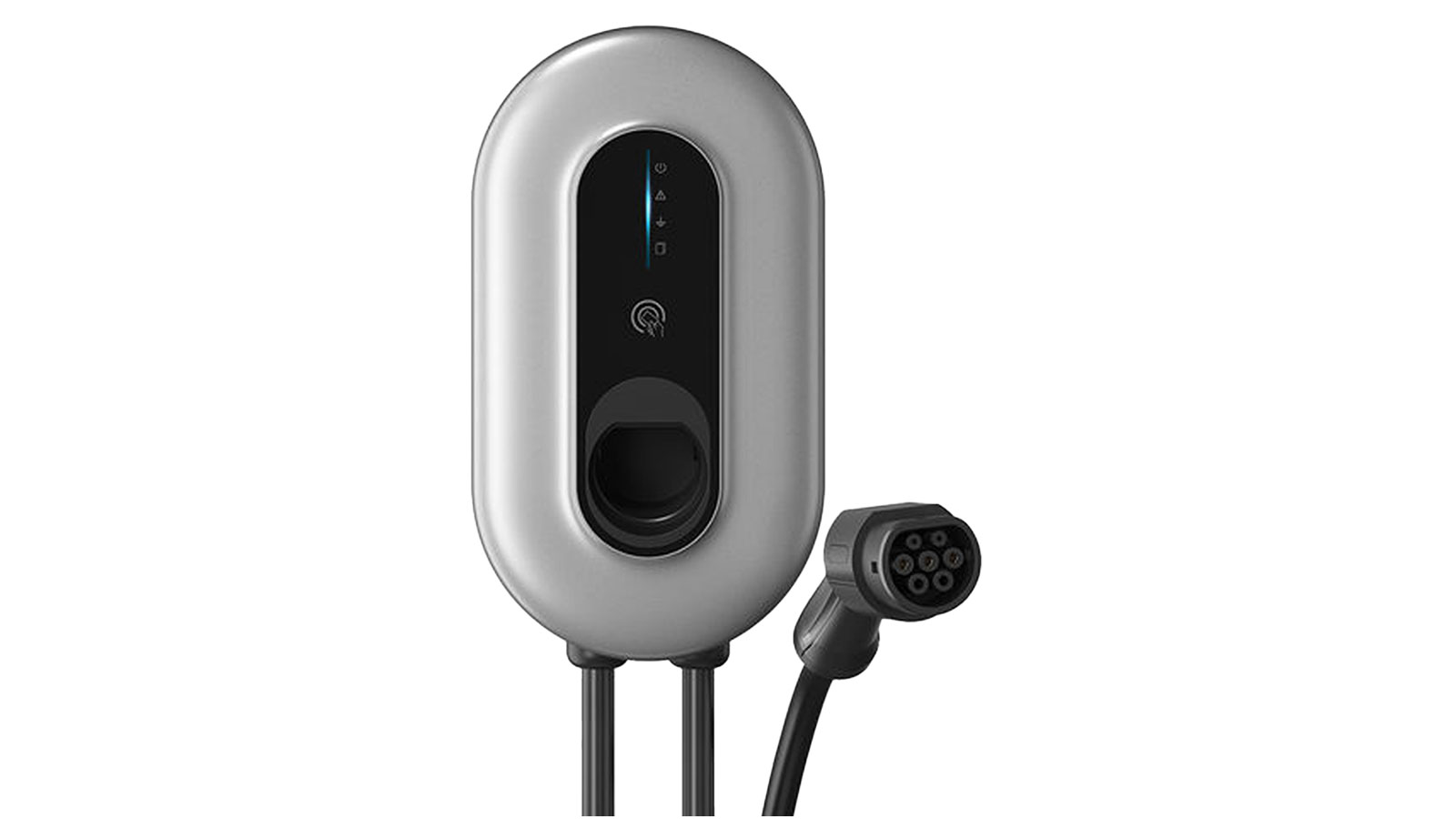
EV charging station, 22kW, IP65
Company: Guangdong Bekey Technology Co. Ltd
Guangdong Bekey markets this three-phase EV charging station, the BE-EV-22KEU-03, with 22kW charging capacity, 400VAC±20 percent, 50/60Hz, 32A input and output, less than 3W standby power and -30 to 55 C operating temperature.
This IP65-rated unit has built-in protection from over- and residual current, over- and undervoltage, over- and underfrequency, over- and under-temperature, ground faults and surges. It meets CE, EN, IEC 61851-1:2017 and EN/IEC 61851-21-2:2018 requirements.
MOQ: Negotiable
Lead time: 30 days
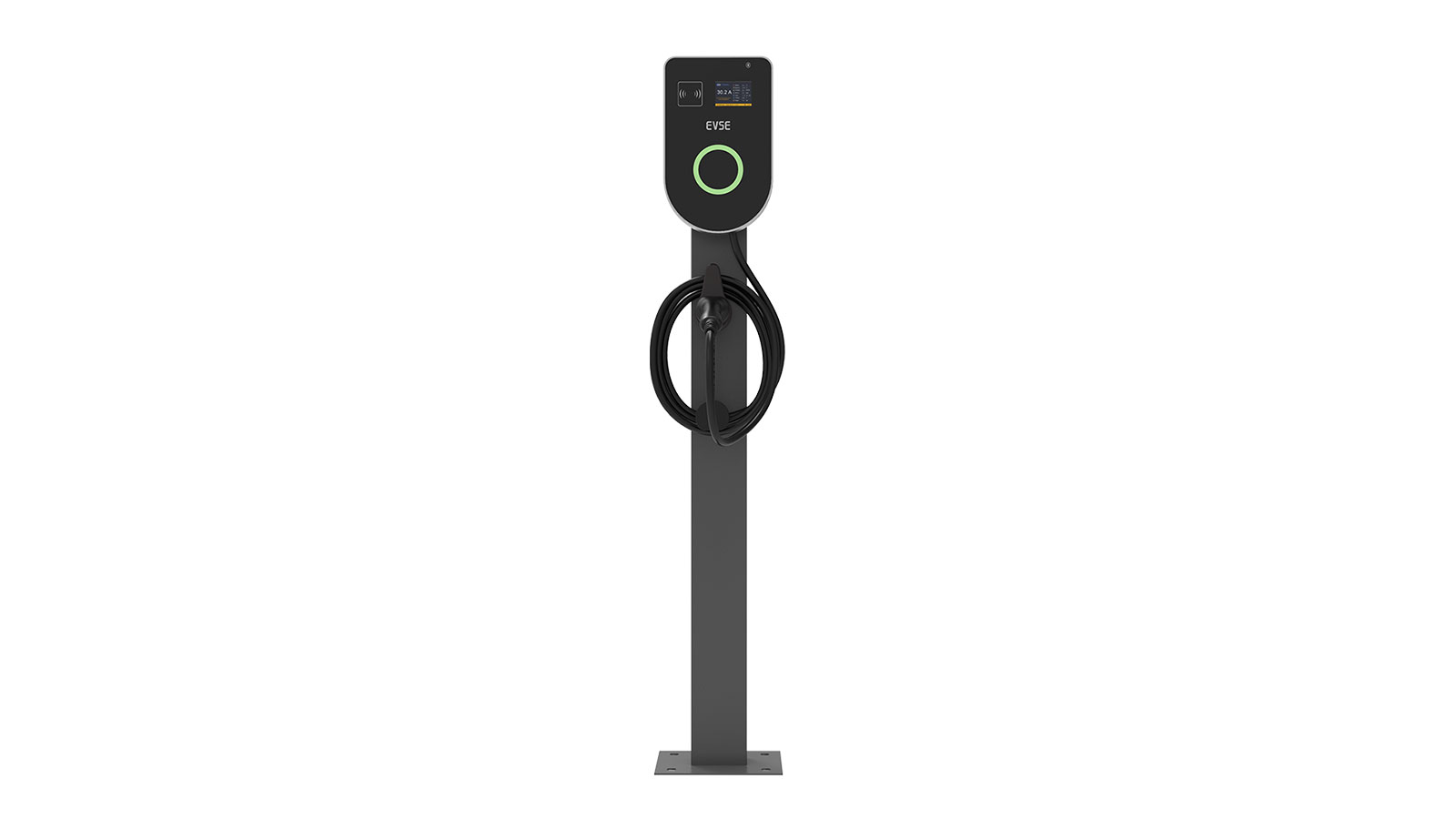
Three-phase, pole-mount EV charging station
Company: Guangzhou LaiMao Electronic Technology Co. Ltd
The YLEV22K-Y3 from Guangzhou LaiMao is a three-phase EV charging station with 22kW charging capacity, 400VAC±20 percent, 50/60Hz, 32A input and output, less than 3W standby power and -30 to 55 C operating temperature. It has 1 percent measuring accuracy.
Available in Bluetooth- and WiFi-enabled models, this pole-mount unit has over- and residual current, ground fault, surge, over- and undervoltage, over- and underfrequency and over- and under-temperature protection. It has IP54 rating and meets CE, EN, IEC 61851-1:2017 and EN/IE C61851-21-2:018 standards.
MOQ: 1 unit
Lead time: 15 days
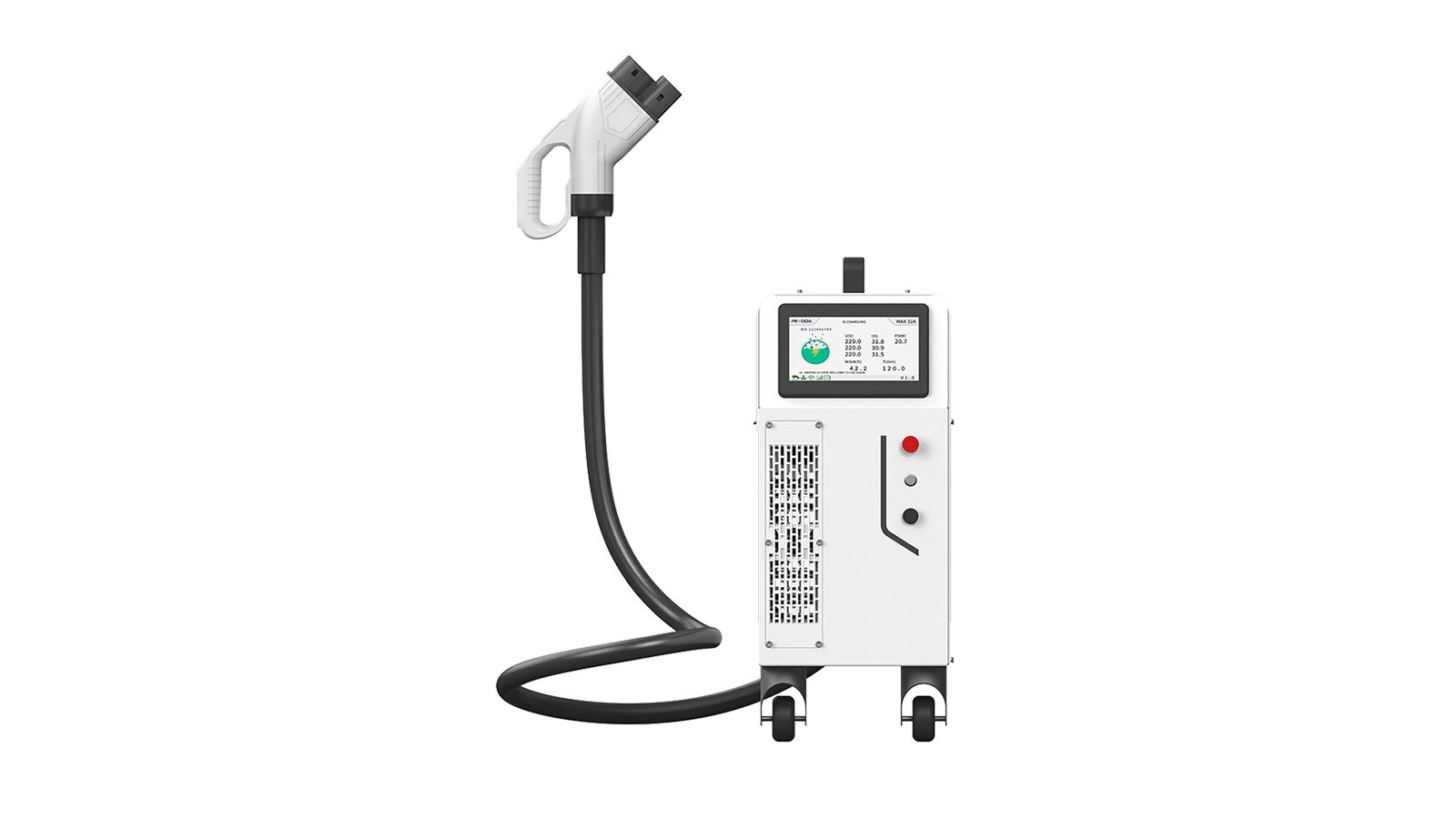
EV charging station, 20, 30, 40kW rated power
Company: Penoda Electrical Co. Ltd
Rated at 400VAC±15 percent, 20, 30 or 40kW, this wall-mount EV charging station, the PPDA, from Penoda has 250 to 1,000VDC output voltage, 42, 60 or 80A maximum input and 66, 100 or 133A maximum output current, 7W standby power and -25 to 50 C operating temperature.
This IP55 unit has built-in protection from overcurrent and -temperature, over- and undervoltage, ground faults and surges. It conforms to CE, EN61851-1-2001, EN61851-21-2002 and EN62192-3 standards.
MOQ: 1 unit
Lead time: 25 days
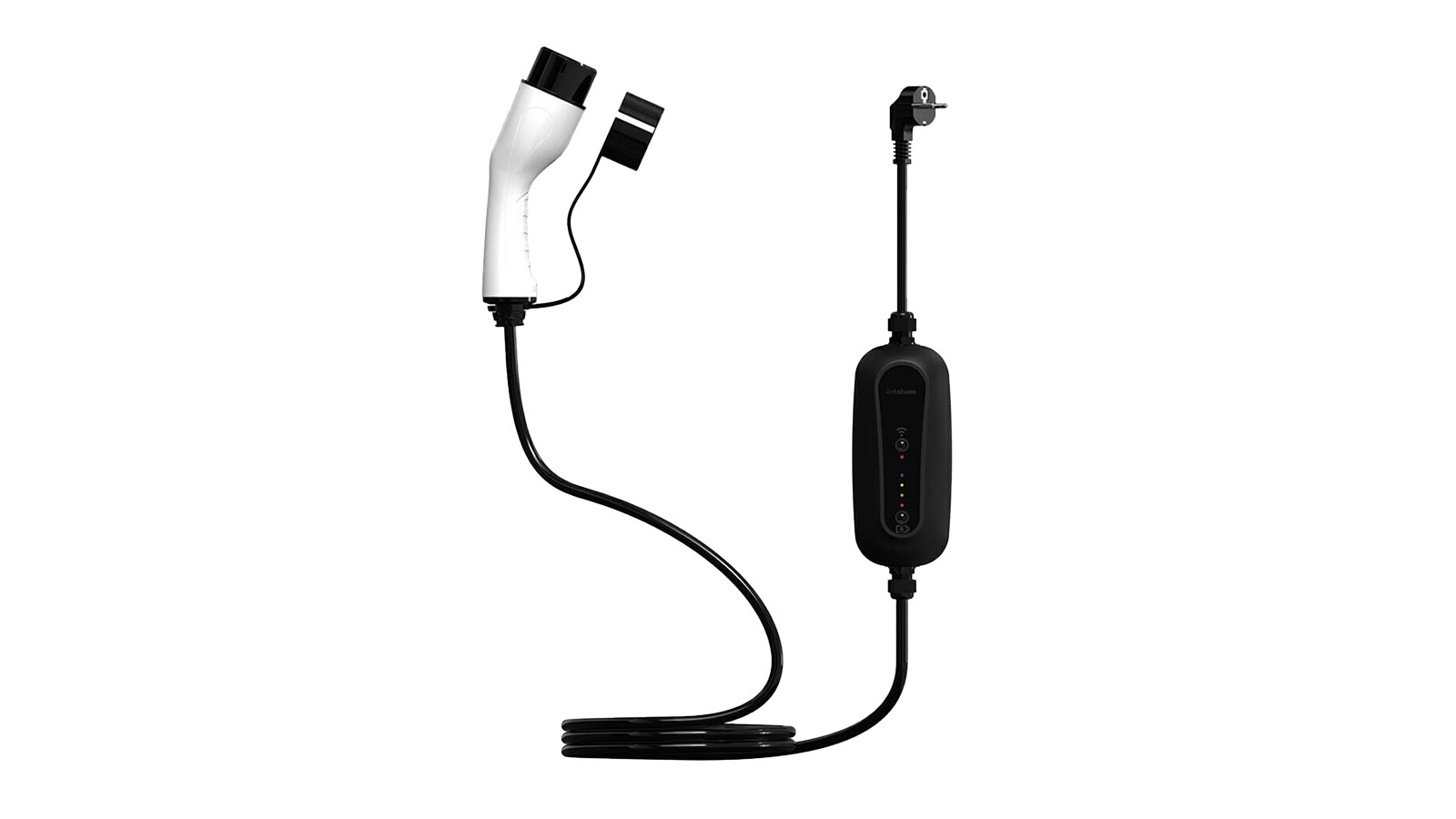
EV charging station, 3.5, 7kW maximum output power
Company: Shenzhen Home Smart Tech Co. Ltd
This three-phase EV charging station, the Quve-888, has 220V input voltage, 16 or 32A maximum output current and 3.5 or 7kW maximum output power. It has an IP66 rating and includes a 5m cable.
MOQ: 100 unit
Lead time: 35 days

