




Table of Contents
Part 1: Different types of TV explained
Part 2: Sourcing TV Guide for B2B Buyers
Part 3: Global Sources for TV sourcing
The global television market keeps changing as new display technologies improve and more manufacturers enter the market. For B2B buyers sourcing televisions in 2026, knowing the different types of TV technologies helps control costs, position products correctly, and satisfy customers. This guide explains the best types of TV for different business uses and provides practical sourcing strategies for wholesale buyers.
Different Types of TV Explained
LED TVs
LED televisions are the most common choice for large orders in 2026. These TVs use an LCD panel with LED backlighting. They come in two main types: edge-lit models have LEDs around the screen edges, while direct-lit models place LEDs behind the entire screen for better brightness.
LED technology costs less than other options, making it perfect for buyers who need many units at lower prices. Manufacturers of all sizes make LED models, which means good pricing and flexible order quantities. B2B buyers usually need to order 100 to 500 units depending on screen size and custom features.
OLED TVs
Organic light-emitting diode technology is a premium option where each pixel makes its own light. This feature lets OLED screens show perfect black colors by turning off individual pixels completely. The result is much better contrast than backlit screens.
This type of TV screens using OLED technology cost more at wholesale, typically 40-60% higher than similar LED models. Buyers should know that only a few companies make OLED panels. LG Display makes most OLED panels used by brands like Sony and Panasonic. These TVs work best when the screen content changes regularly, as fixed images shown for long periods can cause burn-in problems.
QLED TVs
Quantum dot LED televisions improve standard LED technology by adding a quantum dot layer that makes colors more accurate and screens brighter. Samsung created this technology and sells the most QLED TVs, but TCL and Hisense now offer cheaper alternatives.
QLED models sit in the mid-premium range, priced about 20-35% more than standard LED units but less than OLED. The technology makes screens brighter than OLED, which works well in bright commercial spaces. Wholesale buyers benefit from more competition among manufacturers, which has lowered prices since 2024.
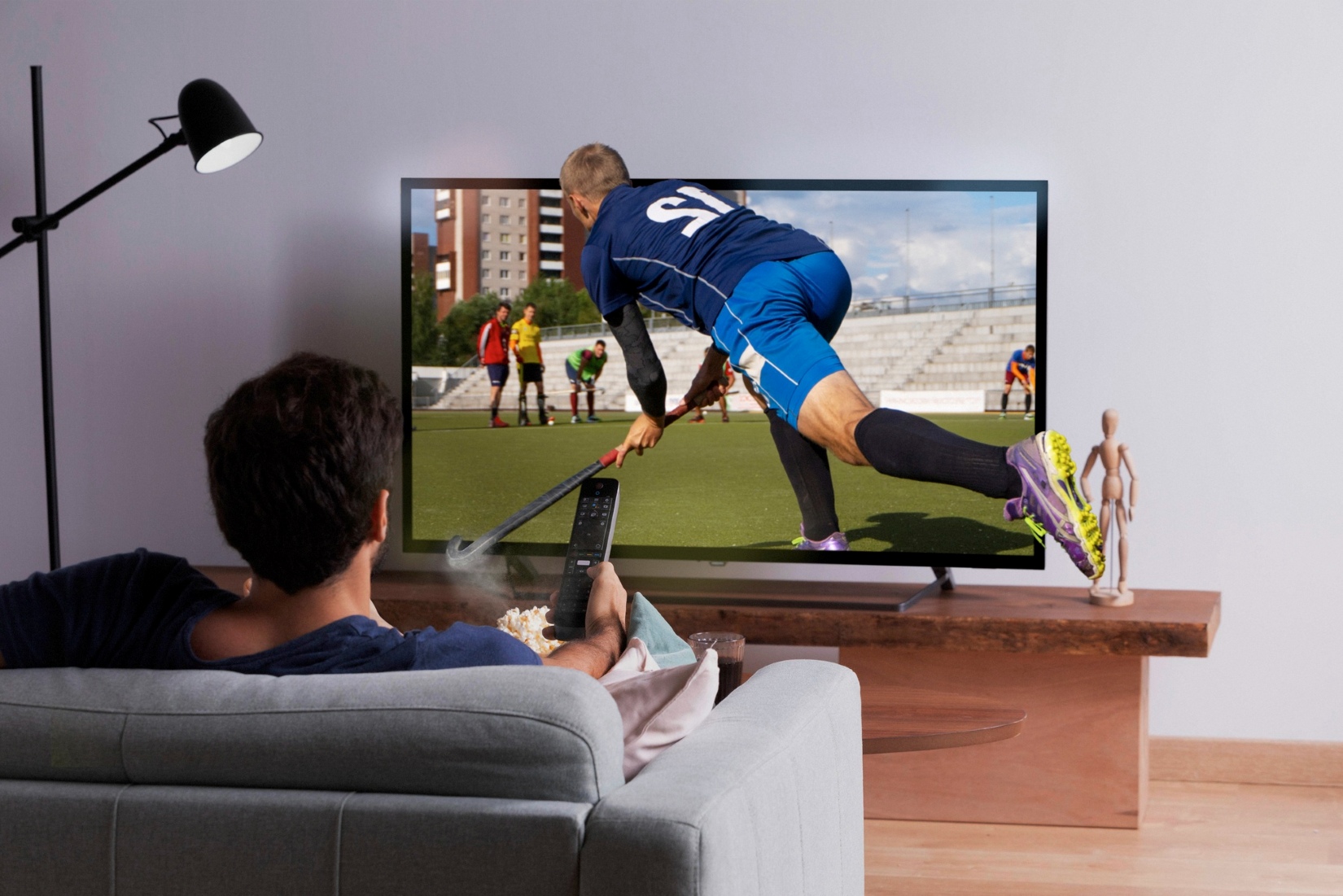
Mini-LED TVs
Mini-LED technology uses thousands of tiny LEDs for backlighting instead of regular larger LEDs. This design allows better control of light in different screen areas, which improves HDR performance and contrast without OLED's high price.
More companies started using Mini-LED throughout 2025 and continue in 2026 as manufacturing costs drop. Major suppliers including TCL, Hisense, LG, and Samsung now make Mini-LED options in multiple sizes. B2B buyers like Mini-LED for mid-premium products because wholesale prices usually run 15-25% below OLED while looking almost as good in most situations.
MicroLED TVs
MicroLED is the newest display technology, using microscopic LEDs that make light on their own without backlighting or color filters. The technology avoids burn-in problems that OLED has while making very bright screens that last longer.
Very few MicroLED TVs are available in 2026, with Samsung making most of them for large custom installations. Very high prices limit MicroLED to special projects and specific uses. Most B2B buyers should think of MicroLED as a future option rather than something to buy now, though watching how it develops helps with long-term planning.
QD-OLED TVs
Quantum dot OLED mixes quantum dot technology with OLED screens. This combination makes screens brighter with better colors compared to regular OLED panels while keeping perfect black levels.
Sony and Samsung are the only companies making QD-OLED models in 2026, selling them as ultra-premium products. Wholesale pricing is 25-40% higher than standard OLED, limiting use to high-end hotels, luxury stores, and premium home projects. The small market means fewer customization options and larger minimum orders compared to mainstream technologies.
Sourcing TV Guide for B2B Buyers
Matching TV Types to Business Applications
Choosing the right television technology means matching features with how the TV will be used. Hotels typically buy LED or QLED models for standard rooms because they offer good value, while premium suites may use Mini-LED or OLED. Retail stores with bright lighting benefit from QLED's high brightness, while corporate meeting rooms usually choose LED models to save money across multiple installations.
Digital signage needs careful consideration of how long screens run and what content they show. Static menu boards or direction signs should avoid OLED technology because of burn-in risks, making LED or Mini-LED better choices. Dynamic advertising displays can use any technology based on budget. Schools generally buy LED models for classrooms, saving premium technologies for special facilities like design labs or presentation rooms.
Screen Size and Resolution Strategy
The best types of TV for specific sizes have changed as 4K resolution became standard across most categories. Buyers looking for 32-43 inch units find LED technology dominates this range with good pricing and wide availability. The 50-65 inch category offers the most technology choices, with LED, QLED, Mini-LED, and OLED all available from multiple manufacturers.
Large format screens measuring 75-85 inches increasingly use Mini-LED backlighting as costs drop. Ultra-large 98-100 inch models typically use LED or Mini-LED technology, as OLED manufacturing limits panel sizes. Resolution should be 4K (3840x2160) for screens 43 inches and larger, while 8K remains a premium option with limited content in 2026.
Buyers should ask for detailed information about panel refresh rates, with 60Hz good enough for most commercial uses and 120Hz better for sports venues or gaming locations. Refresh rate specifications significantly affect wholesale pricing, with 120Hz panels commanding premium prices over standard 60Hz models.
MOQ and Pricing Dynamics
Minimum order quantities change a lot based on technology type and custom features. Standard LED models typically require 100-300 unit minimums for basic specifications, while OLED and QD-OLED technologies often need 500+ units because of limited panel supply. Mini-LED minimums have decreased throughout 2025, now averaging 200-400 units compared to 500-1000 units in 2024.
Custom requests including branded interfaces, specific ports, or unique colors increase minimums by 50-100%. Buyers should negotiate pricing based on order size, as manufacturers typically offer 8-12% discounts at double the base minimum and 15-20% reductions at five times minimum quantities.
Payment terms affect total costs. Standard terms of 30% deposit with 70% due before shipment are common, though established buyers may negotiate net 30 or net 60 terms. Letter of credit arrangements add banking fees but provide security for large orders, typically worthwhile for purchases over $100,000.
Essential Certifications by Market
Television imports need specific certifications depending on where they ship. United States shipments must follow FCC regulations for electromagnetic interference, while energy efficiency standards fall under Department of Energy guidelines. The Federal Communications Commission provides detailed compliance requirements that buyers should verify with suppliers before finalizing orders.
European Union markets require CE marking showing conformity with safety, health, and environmental protection standards. Energy labeling under the EU Energy Label framework became mandatory in 2021, with updated efficiency requirements starting in 2025. Buyers should confirm suppliers provide proper documentation including declarations of conformity and test reports from accredited laboratories.
Additional certifications vary by technology and use. ENERGY STAR certification appeals to environmentally conscious buyers and may qualify for utility rebates in certain markets. UL or ETL safety certifications provide extra assurance for North American installations. Hotels and healthcare facilities often require specific certifications beyond standard consumer electronics compliance.
OEM/ODM Customization Options
Original equipment manufacturer and original design manufacturer partnerships allow product differentiation beyond standard specifications. Common customization options include branded startup screens, custom user interface designs, pre-installed apps, and modified remote controls with company logos.
Hardware modifications range from simple bezel color changes to bigger alterations like additional input ports, built-in cameras, or modified speaker setups. Buyers should clearly explain customization needs during initial discussions, as some modifications affect certifications and require additional testing. Lead times typically extend 4-6 weeks beyond standard production for customized orders.
Quality Control Essentials
Strong quality control procedures protect buyers from defective shipments and wrong specifications. Pre-shipment inspections conducted by third-party services provide independent verification that products meet agreed specifications. Inspection protocols should verify screen uniformity, dead pixel counts, input/output functionality, and physical condition.
Buyers should establish clear acceptance criteria including maximum allowable dead pixels (typically 3-5 for commercial grade), brightness uniformity tolerances, and color accuracy standards. Sample approval before mass production prevents costly mistakes, particularly for customized orders. Manufacturers generally provide 2-3 pre-production samples for evaluation, with costs either absorbed or credited against final orders.
Logistics and Shipping Considerations
Transportation planning significantly affects total costs and delivery timelines. Ocean freight is the most economical option for large orders, with 20-foot containers holding approximately 200-300 televisions depending on screen size, while 40-foot containers hold 400-600 units. Lead times from Asian manufacturing hubs to North American ports average 25-35 days, with European destinations requiring 30-40 days.
Air freight reduces transit time to 5-7 days but increases costs by 400-600% compared to ocean shipping. This option suits urgent orders, sample shipments, or high-value OLED and QD-OLED technologies where faster inventory turnover justifies premium transportation costs.
Global Sources for TV Sourcing
Global Sources operates as a B2B sourcing platform connecting international buyers with verified Asian manufacturers. The platform serves wholesale buyers, importers, and procurement professionals worldwide. The television and consumer electronics category represents one of the platform's core strengths, with extensive supplier networks across China, Taiwan, South Korea, and Southeast Asian manufacturing hubs.
Verified Supplier Access
Global Sources connects B2B buyers with over 1,000 verified television manufacturers specializing in LED, OLED, QLED, and Mini-LED technologies. The platform's supplier verification process checks business licenses, conducts factory audits, and reviews export records to ensure legitimate manufacturing capabilities.
Buyers get access to detailed supplier profiles including production capacity, technology specializations, and certification holdings. The verification system assigns ratings based on factors including years in business, production scale, and quality management systems.
Streamlined Procurement
The platform's RFQ system allows buyers to submit detailed specifications and receive competitive quotes within 48 hours from multiple qualified manufacturers. Buyers specify requirements including technology type, screen sizes, quantities, customization needs, and delivery timelines in a single submission.
Product comparison tools enable side-by-side evaluation of specifications, pricing, and supplier capabilities. Secure messaging facilitates direct communication with suppliers while maintaining transaction records. Payment protection services add security layers for international transactions, with escrow options available for large orders.
Market Intelligence
Global Sources provides subscribers with television industry trend reports tracking technology adoption, pricing movements, and emerging manufacturers. Price tracking data reveals seasonal patterns and technology lifecycle trends that inform negotiation strategies and budget planning.
Supplier performance ratings collect feedback from previous buyers, highlighting manufacturers with strong quality records, reliable delivery performance, and responsive customer service.
Get Started
Buyers can begin sourcing televisions through Global Sources by following these steps:
- Create a free account on the Global Sources platform
- Submit an RFQ detailing your television specifications
- Compare quotes from multiple verified suppliers
- Verify suppliers through platform ratings, factory audit reports, and direct communication
Conclusion
The television sourcing landscape in 2026 offers B2B buyers many choices across multiple display technologies at various price points. Success requires matching the different types of TV technologies with specific application requirements while using careful supplier evaluation and quality control procedures. Global Sources makes this complex process easier by connecting buyers with verified manufacturers, facilitating competitive bidding, and providing market intelligence that supports informed procurement decisions.

