




Table of Contents
Are Shein Clothes Safe to Wear
Can You Still Order From Shein
Does Shein Still Ship to the US
The rise of ultra-fast fashion has transformed how consumers shop online, with Shein emerging as one of the most talked-about retailers in recent years. As millions of shoppers worldwide consider purchasing from this platform, questions about safety, reliability, and ethical practices have become increasingly important. This comprehensive guide examines Shein from multiple angles to help you make informed purchasing decisions.
What Is Shein
Shein is a global online fashion retailer specializing in affordable clothing, accessories, and home goods. Founded in 2008, the company has grown into one of the world's largest fast-fashion platforms, offering thousands of new styles daily at remarkably low prices.
The platform operates exclusively online without physical retail stores. Shein's business model focuses on rapid production cycles, data-driven trend forecasting, and direct-to-consumer sales. This approach allows the company to bring new designs from concept to market in as little as three to seven days.
Shein's product catalog extends beyond women's clothing to include men's fashion, children's apparel, beauty products, electronics, and home decor. The company ships to over 150 countries and regions worldwide, making it accessible to a vast international customer base.
Where Is Shein Located
Shein's corporate structure spans multiple countries, which sometimes creates confusion about its actual location. The company was originally founded in Nanjing, China, but has since established a complex international presence.
Currently, Shein's headquarters are located in Singapore, where the company relocated its main operations in 2021. This strategic move positioned Shein as a more globally-oriented business rather than being identified solely as a Chinese company.
The company maintains significant operational facilities in Guangzhou, China, where much of its supply chain management and logistics coordination occurs. Guangzhou serves as a major hub for Shein's manufacturing network, with thousands of supplier factories located in the surrounding region.
Shein also operates regional offices in the United States, particularly in Los Angeles, which serves as a key distribution center for North American customers. Additional warehouses and fulfillment centers exist in Belgium, India, and other strategic locations to facilitate faster shipping times.
Is Shein Trustworthy
Determining Shein's trustworthiness requires examining multiple factors, including customer experiences, business practices, and company transparency. The answer is nuanced and depends on what aspects of trustworthiness matter most to you.
From a transactional standpoint, Shein is a legitimate business that processes millions of orders successfully. The company has established payment systems, customer service channels, and order tracking capabilities that function reliably for most customers.
However, trustworthiness extends beyond basic transaction completion. Shein has faced criticism regarding product quality consistency, with some customers receiving items that don't match website descriptions or photos. Reviews on platforms like Trustpilot show mixed experiences, with ratings typically ranging from 3.5 to 4 out of 5 stars.
The company's transparency regarding manufacturing practices and supply chain ethics has been questioned by consumer advocacy groups. Shein has made efforts to improve transparency by publishing sustainability reports and implementing supplier codes of conduct, though critics argue these measures remain insufficient.
Payment security appears robust, with Shein accepting major credit cards, PayPal, and other secure payment methods. The platform uses encryption technology to protect financial information during transactions.
Is Shein Reliable
Reliability encompasses order fulfillment, shipping times, product accuracy, and customer service responsiveness. Shein's reliability varies depending on these different dimensions.
Order fulfillment reliability is generally strong, with most orders being processed and shipped within the stated timeframes. The company's logistics infrastructure has improved significantly over the years, reducing lost or undelivered packages.
Shipping times depend heavily on your location and the shipping method selected. Standard shipping to the United States typically takes 7 to 15 business days, while express shipping can reduce this to 3 to 7 business days. International shipping times vary more widely, sometimes extending to three or four weeks for remote locations.
Product accuracy presents more reliability challenges. Some customers report receiving items that differ from website images in terms of color, fabric quality, or fit. This inconsistency stems partly from Shein's vast supplier network, where quality control standards may vary between manufacturers.
Customer service reliability has improved but remains inconsistent. Response times can range from a few hours to several days depending on inquiry volume. Size consistency is another reliability concern, as Shein's sizing often runs smaller than standard US or European sizes.
Is Shein Good Quality
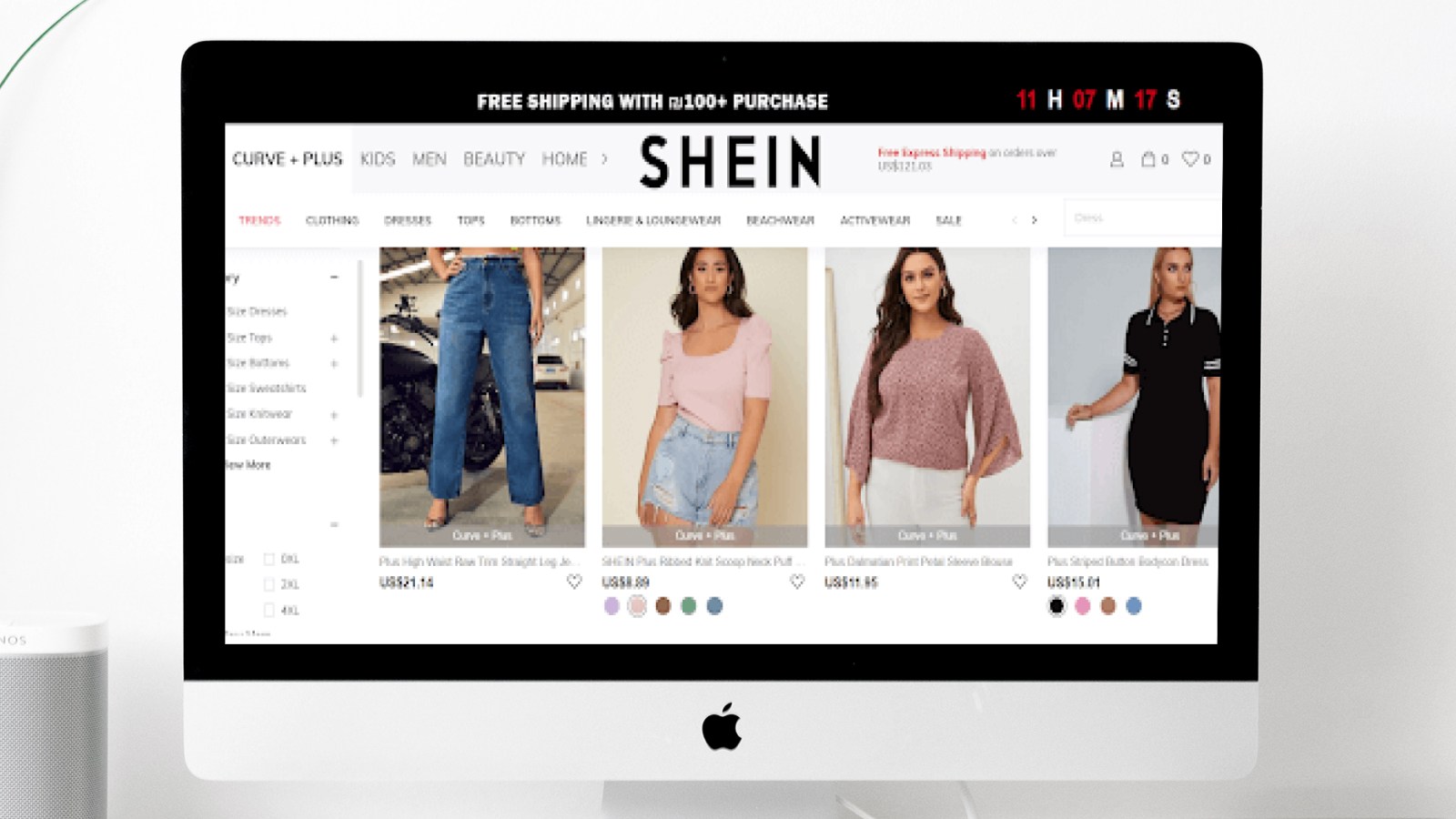
Quality is perhaps the most contentious aspect of Shein's reputation. The answer depends significantly on price expectations and individual product selection.
Given Shein's ultra-low prices, expecting premium quality would be unrealistic. A $5 dress or $10 pair of jeans cannot match the materials, construction, or durability of higher-priced alternatives. Understanding this fundamental relationship between price and quality is essential for setting appropriate expectations.
Material quality varies considerably across Shein's catalog. Some items use acceptable synthetic fabrics that hold up reasonably well for casual wear, while others feel cheap, thin, or uncomfortable. Natural fiber content is minimal in most products, with polyester and other synthetics dominating the material composition.
Construction quality shows similar variability. Stitching may be uneven, seams can come apart after minimal wear, and finishing details like buttons or zippers sometimes fail quickly. However, some customers report finding surprisingly well-made items that last through multiple washes and wearings.
The best strategy for finding better-quality Shein items involves reading customer reviews carefully, examining photos uploaded by actual buyers, and paying attention to specific feedback about fabric feel, durability, and construction. Products with hundreds of positive reviews tend to be more reliable quality-wise.
Is Shein Legit
Yes, Shein is a legitimate business operating legally in the countries where it sells products. The company is not a scam in the sense of taking money without delivering goods.
Shein is registered as a legal corporate entity with proper business licenses and tax registrations. The company has raised billions in venture capital funding from reputable investment firms, further confirming its legitimacy as a business operation.
The platform processes real transactions, ships actual products, and maintains customer service operations. Millions of customers worldwide have successfully purchased from Shein and received their orders as expected.
However, legitimacy as a legal business doesn't automatically mean the company meets all ethical standards or operates transparently in every aspect. Shein has faced legitimate criticism regarding labor practices, environmental impact, and intellectual property concerns.
The company has been accused of copying designs from independent designers and small brands without permission. Several lawsuits have been filed against Shein for alleged copyright infringement, though the company maintains it respects intellectual property rights.
Shein Shoppers Also Ask:
- Is Shein safe and reliable?
- Where is Shein Located?
- How Long Does Shein Ship?
- What is Shein's Urge Delivery?
- Decoding Shein's Success
- Wholesale Shein Clothing
- Sites Like Shein
- Temu vs. Shein: Which is Better?
- Temu vs. Shein vs. AliExpress
Does Shein Use Child Labor
Child labor allegations represent one of the most serious ethical concerns surrounding Shein. The company has faced scrutiny from labor rights organizations and media investigations regarding its supply chain practices.
Shein has publicly stated it has a zero-tolerance policy for child labor and requires all suppliers to comply with local labor laws and international standards. The company's Code of Conduct explicitly prohibits the use of child labor, forced labor, and other exploitative practices.
However, verifying compliance across Shein's vast network of thousands of supplier factories presents significant challenges. The company's rapid production model and decentralized manufacturing system make comprehensive monitoring difficult.
In 2021, a documentary investigation raised concerns about working conditions in some Shein supplier factories, though specific child labor violations were not definitively proven. The report highlighted issues including excessive working hours, inadequate wages, and poor working conditions.
Shein has responded to criticism by implementing third-party auditing programs and publishing sustainability reports that include information about labor practices. The company claims to conduct regular factory inspections and has terminated relationships with suppliers found violating its standards.
Independent verification of these claims remains limited. Unlike some major fashion brands that allow transparent factory audits by recognized labor rights organizations, Shein's supply chain transparency has been criticized as insufficient by advocacy groups.
Is Shein Safe to Order From
Ordering from Shein is generally safe from a cybersecurity and transaction security perspective, though some considerations warrant attention.
Payment security appears robust, with Shein using industry-standard encryption technology to protect financial information. The platform accepts secure payment methods including major credit cards, PayPal, and other digital payment services that offer buyer protection.
Personal data collection is extensive, as with most e-commerce platforms. Shein's mobile app requests numerous permissions and collects browsing behavior, purchase history, and personal information. Users concerned about data privacy should review the privacy policy and consider using web browsers with tracking protection rather than the mobile app.
The company has not experienced major publicized data breaches, though no online platform can guarantee absolute security. Using strong, unique passwords and enabling two-factor authentication when available provides additional protection.
From a consumer protection standpoint, ordering from Shein carries typical online shopping risks. Credit card purchases generally offer better fraud protection than debit cards. PayPal provides an additional layer of buyer protection for disputed transactions.
Are Shein Clothes Safe to Wear
Product safety concerns regarding Shein clothing have emerged from several investigations finding elevated levels of certain chemicals in tested garments. These findings raise legitimate health and safety questions.
In 2021, a Canadian broadcasting investigation tested Shein products and found some items contained elevated levels of lead, PFAS (forever chemicals), and phthalates above recommended safety thresholds. These chemicals can pose health risks, particularly with prolonged skin contact.
Shein responded to these findings by stating the company follows product safety regulations in the markets where it operates and has strengthened its product testing protocols. The company claims to conduct regular testing for restricted substances and maintains compliance with international safety standards.
However, regulatory oversight of imported fast-fashion products varies significantly between countries. Some jurisdictions have stricter chemical safety standards and more rigorous testing requirements than others, creating potential gaps in consumer protection.
To minimize potential risks, consumers can take several precautions. Washing new Shein clothing before wearing helps remove some surface chemicals and excess dyes. Choosing items for occasional wear rather than daily use reduces prolonged exposure. Avoiding Shein products for babies and young children, who are more vulnerable to chemical exposure, represents another prudent approach.
It's important to note that chemical safety concerns are not unique to Shein. Many fast-fashion brands and even some mainstream retailers have faced similar issues with products manufactured in regions with less stringent environmental and safety regulations.

Why Is Shein So Cheap
Shein's remarkably low prices result from a combination of business model innovations, manufacturing strategies, and cost-cutting measures that differ significantly from traditional retail.
The direct-to-consumer model eliminates intermediaries like wholesalers, distributors, and physical retail stores. This streamlined approach removes multiple markup layers that typically increase clothing prices, allowing Shein to offer lower prices while maintaining profit margins.
On-demand manufacturing reduces inventory costs and waste. Rather than producing large quantities of each style upfront, Shein initially manufactures small batches and scales production based on real-time sales data. This approach minimizes unsold inventory that would otherwise require discounting.
Shein's supply chain is concentrated in Guangzhou, China, where the company maintains close relationships with thousands of small and medium-sized factories. This geographic concentration reduces logistics costs and enables rapid production cycles that larger, more dispersed supply chains cannot match.
Labor costs in Shein's manufacturing regions are significantly lower than in Western countries. While the company states it pays fair wages according to local standards, these wages are substantially less than what garment workers earn in countries with higher living costs and stronger labor protections.
Material quality represents another cost-saving factor. Shein predominantly uses inexpensive synthetic fabrics rather than natural fibers like cotton, wool, or silk. These materials cost less to produce and process, though they may be less comfortable, less durable, and less environmentally friendly.
Minimal marketing expenses compared to traditional fashion brands also contribute to lower prices. Shein relies heavily on social media, influencer partnerships, and user-generated content rather than expensive advertising campaigns, celebrity endorsements, or fashion show productions.
What Is Shein's Return Policy
Understanding Shein's return policy is essential for managing expectations and protecting your purchase investment. The policy has specific terms and conditions that differ from many traditional retailers.
Shein offers a 45-day return window from the date of order receipt for most items. This relatively generous timeframe allows customers adequate time to try on items and decide whether to keep them.
However, not all items are eligible for return. Final sale items, swimwear, lingerie, jewelry, accessories, and certain other product categories cannot be returned for hygiene and safety reasons. Checking the product page before purchasing helps avoid surprises.
To qualify for return, items must be unworn, unwashed, and in original condition with all tags attached. Shein's return policy is stricter than some retailers regarding item condition, so trying on clothes carefully without removing tags or wearing them outside is important.
The return process requires initiating a return request through your Shein account within the eligible timeframe. The company provides a prepaid return label for US customers, though return shipping costs may be deducted from your refund depending on the reason for return.
Refund processing typically takes 5 to 10 business days after Shein receives and inspects returned items. Refunds are issued to the original payment method, whether credit card, PayPal, or Shein wallet credits.
One limitation of Shein's return policy is that customers typically bear responsibility for return shipping costs unless items are defective or incorrect. This can make returning low-cost items economically impractical, as return shipping may cost more than the item's purchase price.
Is Shein Shutting Down
No, Shein is not shutting down. Despite various rumors and speculation, the company continues to operate and expand its global presence as of 2026.
These rumors likely stem from regulatory challenges and negative publicity the company has faced rather than actual business closure. Shein has encountered scrutiny from governments, consumer advocacy groups, and media organizations regarding various aspects of its operations.
In fact, Shein's business trajectory shows continued growth. The company has expanded into new markets, opened additional distribution centers, and diversified its product offerings beyond fashion into home goods, electronics, and beauty products.
Shein has pursued plans for an initial public offering (IPO), which would make the company publicly traded on a stock exchange. While the timing and location of this IPO have shifted due to regulatory considerations, the pursuit of public listing indicates long-term business ambitions rather than shutdown plans.
However, Shein does face legitimate challenges that could impact its future operations. Regulatory scrutiny regarding labor practices, environmental impact, and product safety has increased in multiple countries. Potential legislation targeting fast fashion or imports from specific regions could affect Shein's business model.
Is Shein a Scam
Shein is not a scam in the traditional sense of the term. The company is a legitimate business that delivers products to customers who place orders.
A scam typically involves taking money without providing goods or services, which is not how Shein operates. The company processes millions of orders annually, ships products to customers worldwide, and maintains customer service operations to address issues.
However, some customer experiences may feel scam-like when reality doesn't match expectations. Receiving items that look significantly different from website photos, getting poor-quality products, or facing difficulties with returns can create feelings of being deceived.
These negative experiences typically result from the inherent challenges of ultra-low-cost fast fashion rather than intentional fraud. Quality inconsistency, misleading product photography, and supply chain complexity contribute to customer dissatisfaction.
Shein's marketing practices sometimes blur the line between aspirational presentation and accurate representation. Professional photography, styling, and editing can make inexpensive clothing appear more luxurious than it actually is, leading to disappointment when items arrive.
From a consumer protection perspective, Shein operates within legal frameworks, though the level of protection varies by jurisdiction. The company processes refunds for eligible returns, responds to customer service inquiries, and maintains business operations that meet basic legal requirements.
Is Shein Bad
Whether Shein is "bad" depends on the criteria used for evaluation. The company presents a complex mix of consumer benefits and significant ethical, environmental, and social concerns.
From an affordability perspective, Shein provides access to trendy fashion for budget-conscious consumers who might otherwise be excluded from participating in current style trends. This democratization of fashion has value, particularly for young people and those with limited disposable income.
However, from an environmental standpoint, Shein's business model raises serious concerns. The ultra-fast fashion approach encourages overconsumption and generates massive textile waste. Most Shein products are made from synthetic materials derived from petroleum, contributing to microplastic pollution.
The company's rapid production cycles and constant introduction of new styles promote a disposable attitude toward clothing. Items worn a few times before being discarded contribute to the growing problem of textile waste in landfills, where synthetic fabrics can take hundreds of years to decompose.
Labor practices represent another area of concern. While Shein has implemented codes of conduct and auditing programs, questions remain about working conditions, fair wages, and worker rights in its supply chain.
Design ethics present additional problems. Shein has faced numerous accusations of copying designs from independent creators, small brands, and even other fast-fashion companies. This practice undermines original designers and raises questions about intellectual property respect.
Can You Still Order From Shein
Yes, you can still order from Shein in most countries where the company operates, including the United States. The platform continues to function normally for the vast majority of its global customer base.
Concerns about Shein's availability stem from regulatory discussions and proposed legislation in various countries rather than actual operational shutdowns. While some governments have considered restrictions on fast-fashion imports or specific trade practices, no widespread bans have been implemented as of 2026.
The Shein website and mobile app remain accessible in most regions, with full functionality for browsing products, placing orders, and tracking shipments. The company continues to process payments and fulfill orders through its established logistics network.
Some specific situations might limit ordering capabilities. Certain countries have import restrictions or customs regulations that could affect Shein shipments. Additionally, payment method availability varies by region, with some areas having fewer payment options than others.
Is Shein Getting Banned
As of 2026, Shein is not banned in the United States or most other major markets, though the company faces regulatory scrutiny and potential future restrictions.
Discussions about banning or restricting Shein have occurred in various legislative contexts, primarily focused on three areas: labor practices, environmental impact, and trade policy related to Chinese companies.
In the United States, some legislators have proposed closing the de minimis exemption loophole that allows packages valued under $800 to enter the country without standard customs duties. Shein benefits significantly from this exemption, and its elimination could impact the company's pricing model and competitiveness.
The Uyghur Forced Labor Prevention Act (UFLPA) has created compliance requirements for companies importing goods from China's Xinjiang region. While not a ban on Shein specifically, this legislation requires companies to prove their supply chains are free from forced labor, potentially affecting some imports.
France has proposed legislation targeting fast fashion with environmental taxes and advertising restrictions. If implemented, such measures could significantly impact Shein's operations in that market, though they would not constitute an outright ban.
Does Shein Still Ship to the US
Yes, Shein continues to ship to the United States without restrictions. American customers can order from Shein's website or mobile app and receive shipments through the company's established logistics network.
Shein maintains distribution centers in the United States, including a major facility in California, which helps facilitate faster shipping times for American customers. Most orders to US addresses ship from these domestic warehouses when inventory is available, reducing delivery times compared to international shipping.
Shipping options for US customers typically include standard shipping, which takes 7 to 15 business days, and express shipping, which delivers in 3 to 7 business days. Actual delivery times vary based on destination, order processing time, and carrier performance.
Shein offers free standard shipping on orders over a minimum threshold, which typically ranges from $29 to $49 depending on current promotions. Orders below this threshold incur a small shipping fee, usually between $3 and $7.
Where Is Shein From
Shein originated in China, where it was founded in 2008 by entrepreneur Chris Xu in Nanjing. The company's roots are firmly planted in China's manufacturing ecosystem, particularly in the Guangzhou region.
The company's original name was ZZKKO, focusing on wedding dresses before pivoting to fast fashion and rebranding as Shein (originally SheInside) around 2012. This strategic shift positioned the company to capitalize on growing demand for affordable, trendy clothing.
Guangzhou, located in southern China's Guangdong province, serves as Shein's operational heart. This region is known as a global manufacturing hub for textiles and apparel, with thousands of garment factories and a well-developed supply chain infrastructure.
While Shein's manufacturing base remains in China, the company has worked to establish a more international corporate identity. The relocation of headquarters to Singapore in 2021 represented a strategic move to position Shein as a global company rather than being perceived solely as a Chinese retailer.
Is Shein a Chinese Company
The answer to whether Shein is a Chinese company is nuanced and depends on how you define corporate nationality in today's globalized business environment.
Shein was founded in China by a Chinese entrepreneur and built its business on China's manufacturing infrastructure. The company's supply chain, production network, and operational base remain predominantly in China, particularly in the Guangzhou region.
However, Shein's corporate structure has evolved to be more internationally distributed. The company relocated its official headquarters to Singapore in 2021, which technically makes it a Singapore-based company from a legal registration perspective.
This corporate restructuring appears strategically motivated, potentially to avoid some of the regulatory scrutiny and geopolitical tensions affecting Chinese companies operating in Western markets. Singapore's business-friendly environment and neutral geopolitical position make it an attractive headquarters location.
Despite the Singapore headquarters, Shein's ownership, management, and operational control remain closely tied to China. The founder and primary stakeholders are Chinese, and the vast majority of the company's manufacturing and supply chain operations occur in China.
From a practical standpoint, most industry analysts and observers still consider Shein a Chinese company due to its origins, operational base, and supply chain concentration.
Shein Alternatives
For consumers seeking alternatives to Shein, numerous options exist across different price points, quality levels, and ethical standards. Here are 10 alternatives worth considering:
1. H&M offers trendy clothing at affordable prices with more established quality control than Shein. The Swedish retailer has made substantial commitments to sustainability, including garment recycling programs and sustainable material initiatives, while maintaining competitive pricing.
2. Zara, part of the Inditex group, operates at a higher price point than Shein but offers significantly better quality and more sophisticated designs. The Spanish brand pioneered fast fashion but maintains higher manufacturing standards and more durable construction.
3. ASOS provides a vast selection of brands and styles at moderate prices, with better quality control than ultra-fast fashion retailers. The UK-based platform includes both its own label and third-party brands, offering more variety across different price ranges.
4. Uniqlo focuses on quality basics and essentials with an emphasis on functionality and durability. While not as trend-driven as Shein, the Japanese retailer offers better-constructed garments that last longer, potentially providing better value over time.
5. Forever 21 provides fashion-forward styles at low prices through both physical stores and online shopping. The American retailer operates in a similar price range to Shein with more transparent operations and established consumer protections.
6. Boohoo and its family of brands (including PrettyLittleThing and Nasty Gal) operate in the ultra-fast fashion space with comparable prices. These UK-based retailers offer alternatives for those seeking variety while facing similar sustainability concerns.
7. Everlane emphasizes transparency, ethical manufacturing, and quality basics. Prices are higher than fast fashion but lower than luxury brands, with a focus on timeless styles and radical transparency about factory conditions and pricing.
8. ThredUp provides secondhand shopping options that reduce environmental impact by extending the life of existing garments. This online consignment platform offers name-brand items at reduced prices while promoting circular fashion and sustainability.
9. Pact offers organic cotton clothing produced in fair trade certified factories. The company prioritizes sustainability and ethical labor practices, with prices reflecting these higher standards and commitment to environmental responsibility.
10. Target combines affordability with better quality control through its various fashion lines. The American retailer offers trendy options at reasonable prices with the convenience of physical stores, easier returns, and more consistent sizing standards.
Conclusion
Deciding whether to shop at Shein involves weighing price, quality, and ethical concerns. The company offers undeniable affordability but comes with environmental and labor practice trade-offs. Setting realistic expectations based on prices paid, reading reviews carefully, and understanding return policies helps manage the shopping experience. Whether Shein is "safe and reliable" ultimately depends on what aspects matter most to you and your personal values regarding fashion consumption.
You May Also Like:

