The fast-fashion industry is a whirlwind of ever-changing trends, demanding agility and a keen eye for what's next. As a Shein seller, you know the importance of staying ahead of the curve, offering trendy womenswear at competitive prices. But where do you find reliable wholesale suppliers who can keep up with your needs and deliver the quality your customers expect?
This comprehensive guide dives deep into the world of wholesale womenswear, equipping you with the knowledge and resources to source your inventory like a pro. We'll explore the best online platforms, share insider tips for navigating the wholesale landscape, and empower you to make informed decisions that boost your Shein business.
Why Sourcing Wholesale Womenswear is Crucial for Your Shein Success
Before we delve into the specifics, let's understand why sourcing wholesale womenswear is non-negotiable for your Shein success:
- Wider Variety: Wholesale suppliers offer a much broader selection of styles, sizes, and designs compared to dropshipping or limited-run manufacturers. This allows you to cater to diverse tastes and experiment with emerging trends.
- Cost-Effectiveness: Buying in bulk significantly reduces your per-item cost, increasing your profit margins and allowing you to offer competitive prices on Shein.
- Inventory Control: Wholesale sourcing gives you direct control over your inventory, ensuring you have the right products in stock to meet customer demand.
- Quality Assurance: Working directly with wholesale suppliers allows you to vet their quality standards and build relationships for consistent product excellence.
Key Considerations for Sourcing Womenswear
1. Trend Awareness
Staying updated with the latest fashion trends is crucial. Shein’s success hinges on its ability to quickly adapt to current fashion trends. Utilize fashion trend forecasting tools and follow fashion influencers to stay ahead of the curve.
2. Quality vs. Price
Balancing quality and price is essential. While low prices can attract customers, poor quality can lead to high return rates and negative reviews. Ensure your suppliers maintain a high standard of quality.
3. Supplier Reliability
Reliable suppliers are the backbone of a successful business. Evaluate potential suppliers based on their delivery times, consistency in product quality, and customer service.
4. MOQ (Minimum Order Quantity)
Shein sellers often prefer suppliers with low MOQs to test new products without significant financial risk. Look for suppliers who offer flexibility in order quantities.
Top Online Platforms for Sourcing Wholesale Womenswear
The internet has revolutionized wholesale sourcing, connecting buyers and sellers from across the globe. Here are some of the best online platforms to source high-quality womenswear for your Shein store:
1. Global Sources
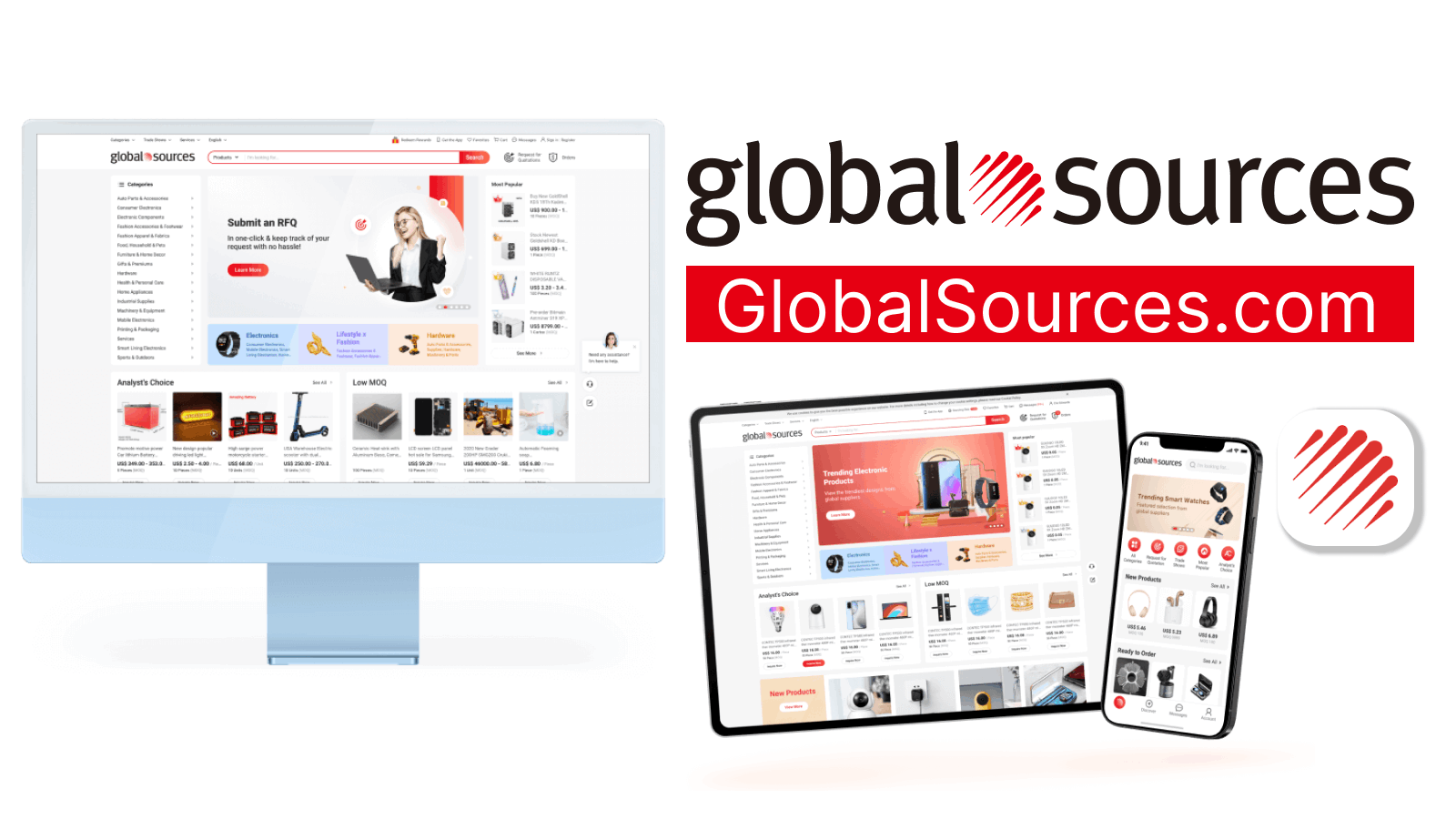
Global Sources is a leading B2B marketplace that connects buyers with verified suppliers from around the world. It offers a wide range of womenswear, from casual wear to formal attire. Here’s why Global Sources stands out:
- Verified Suppliers: Global Sources ensures that all suppliers are thoroughly vetted, providing an extra layer of security for buyers.
- Wide Range of Products: The platform offers a vast selection of womenswear, ensuring that you can find the latest trends.
- Trade Shows: Global Sources organizes trade shows that allow buyers to meet suppliers in person, fostering better business relationships.
2. Alibaba
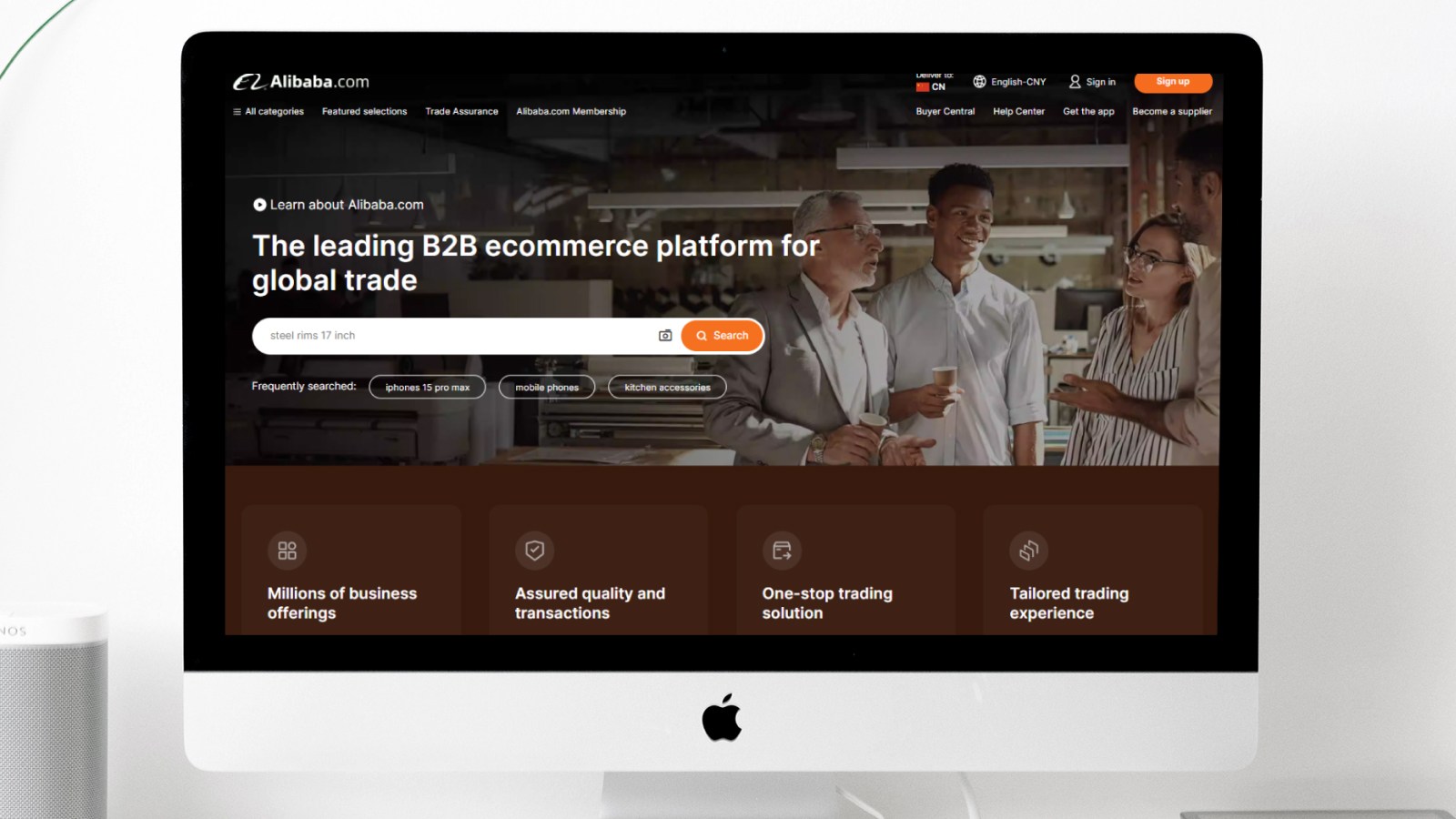
Alibaba is one of the largest B2B marketplaces globally, offering a vast array of womenswear. Its extensive supplier base ensures that you can find competitive prices and diverse styles.
- Product Variety: Alibaba boasts an extensive catalog of womenswear, catering to various styles and trends.
- Supplier Ratings: The platform provides ratings and reviews for suppliers, helping you make informed decisions.
- Trade Assurance: Alibaba’s Trade Assurance program offers protection for buyers, ensuring that orders are fulfilled as agreed.
3. DHgate
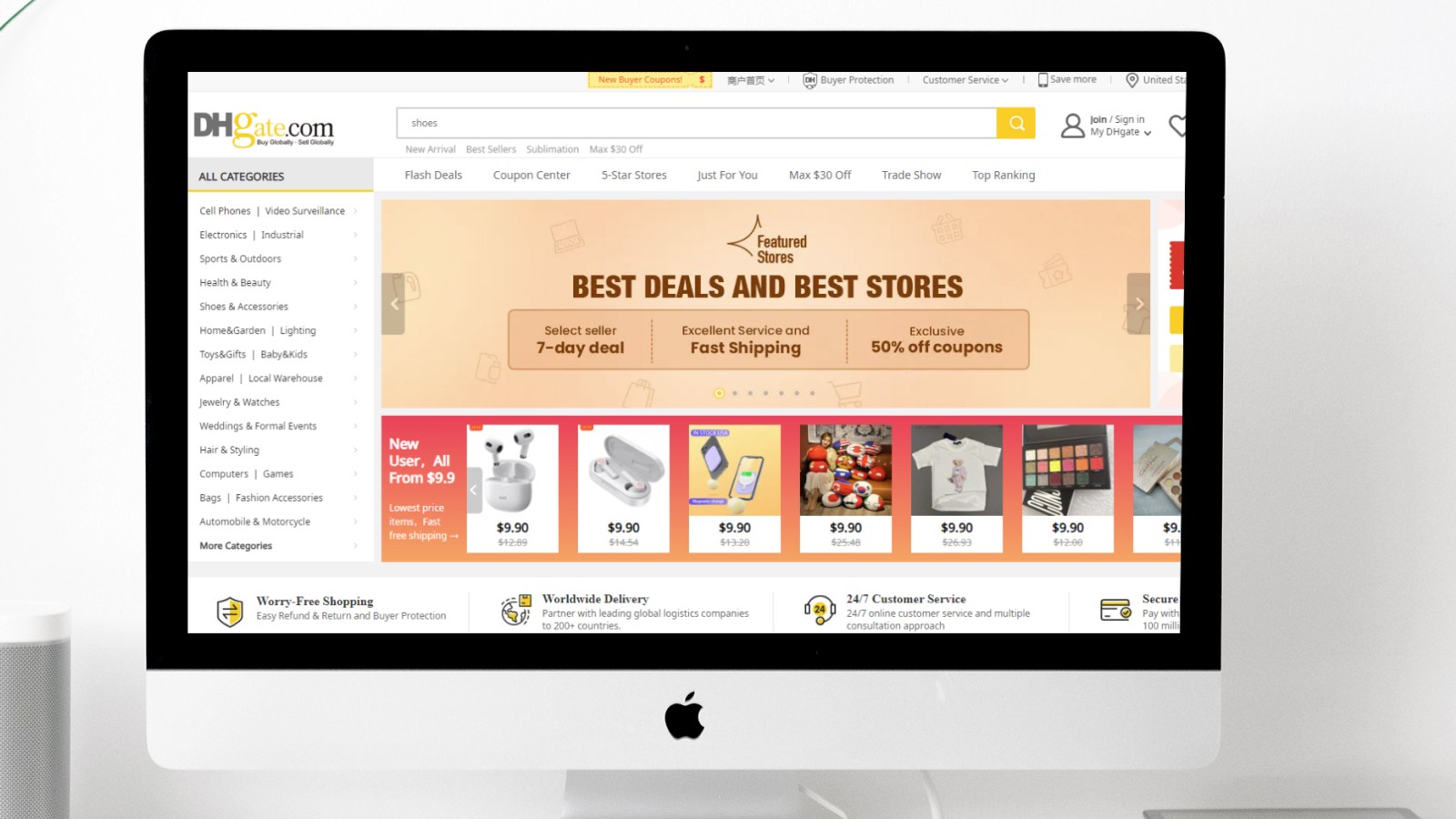
DHgate is another popular B2B marketplace known for its competitive prices and wide range of products. It’s particularly popular among small to medium-sized businesses.
- Low MOQs: DHgate is known for its low minimum order quantities, making it ideal for Shein sellers testing new products.
- Buyer Protection: The platform offers buyer protection services to ensure safe transactions.
- Fast Shipping: Many suppliers on DHgate offer expedited shipping options, crucial for fast fashion businesses.
4. FashionTIY
FashionTIY specializes in fashion and accessories, making it a go-to source for Shein sellers. It offers a curated selection of trendy womenswear.
- Competitive Prices: FashionTIY offers wholesale prices that are competitive, helping you maximize your profit margins.
- Trend Focused: The platform focuses on the latest fashion trends, ensuring your inventory stays relevant.
- No Middleman: FashionTIY eliminates the middleman, offering direct access to manufacturers for better pricing.
5. Tasha Apparel
Tasha Apparel is a US-based wholesale supplier that offers a wide range of womenswear. It’s known for its trendy styles and quality products.
- Trendy Collections: Tasha Apparel frequently updates its collections to reflect the latest fashion trends.
- Low MOQs: The platform offers low minimum order quantities, ideal for small businesses.
- Domestic Shipping: For US-based Shein sellers, domestic shipping can significantly reduce delivery times and costs.
Also Read: Business and Manufacturing
- Start a clothing brand
- Find Chinese clothing manufacturers
- Clothing manufacturers for startups
- Sell wholesale clothing online
- Wholesale clothing websites
- Wholesale clothing apps
- Clothing trade shows 2024-2025
- Wholesale clothing trade shows
- Boutique clothing trade shows
- Boutique wholesale vendors
- Private label clothing manufacturers
- Streetwear manufacturers on GlobalSources
Tips for Navigating the World of Wholesale Womenswear
Sourcing wholesale womenswear can feel overwhelming, especially for new Shein sellers. Here are some expert tips to navigate the process effectively:
1. Define Your Niche and Target Audience
Before diving into the vast sea of wholesale suppliers, clearly define your niche within womenswear and your target audience on Shein. Are you focusing on trendy streetwear, elegant evening wear, or comfortable loungewear? Knowing your niche helps you narrow your search and find suppliers specializing in your desired style.
2. Research and Vet Suppliers Thoroughly
Don't rush into partnerships. Take your time to research potential suppliers, checking their reviews, ratings, and business history. Look for suppliers with a proven track record of quality products, timely delivery, and responsive customer service.
3. Request Samples
Never compromise on quality. Always request samples from potential suppliers before placing bulk orders. This allows you to assess the fabric quality, stitching, fit, and overall craftsmanship firsthand.
4. Understand Minimum Order Quantities (MOQs)
Wholesale suppliers often have minimum order quantities (MOQs) to ensure profitability. Before finalizing a supplier, understand their MOQs and ensure they align with your budget and inventory capacity.
5. Negotiate Prices and Payment Terms
Don't be afraid to negotiate prices, especially when placing large orders. Inquire about discounts for bulk purchases, early payments, or long-term partnerships. Additionally, clarify payment terms, including accepted payment methods, deposit requirements, and payment schedules.
6. Prioritize Clear Communication
Effective communication is crucial for successful wholesale partnerships. Clearly communicate your requirements regarding product specifications, quality standards, packaging, labeling, and shipping timelines.
7. Diversify Your Supplier Base
Relying solely on one supplier can be risky. Diversify your supplier base to mitigate potential disruptions due to production delays, stock shortages, or unforeseen circumstances.
8. Stay Updated on Fashion Trends
The fashion industry is constantly evolving. Stay ahead of the curve by following fashion blogs, attending industry events (virtual or in-person), and subscribing to trend forecasting services.
9. Leverage Technology and Tools
Utilize technology to streamline your wholesale sourcing process. Inventory management software, communication tools, and online payment platforms can significantly enhance efficiency and organization.
10. Build Strong Supplier Relationships
Nurturing strong relationships with your wholesale suppliers is invaluable. Regular communication, prompt payments, and constructive feedback foster trust and lead to smoother transactions and potentially better deals in the future.
Global Sources: Your Gateway to Reliable Wholesale Womenswear
Navigating the world of wholesale sourcing can feel daunting, but platforms like Global Sources simplify the process, connecting you with verified suppliers and offering a secure trading environment. Their commitment to quality, transparency, and buyer protection makes them an ideal partner for Shein sellers looking to source trendy and affordable womenswear.
By leveraging the power of online wholesale platforms, implementing these expert tips, and staying informed about industry trends, you can confidently source high-quality womenswear, elevate your Shein store, and thrive in the dynamic world of fast fashion.
Also Read: Fashion Trends and Consumer Insights
- Chinese clothing brands
- Resell clothing platforms
- Cheap clothing websites
- Cyberpunk clothing trends
- Gender-neutral clothing styles
- Teenage clothing trends
- Baby items and clothing trends
FAQs
How to Become a Shein Vendor?
Becoming a Shein vendor involves a series of steps to ensure that you meet their standards and can supply the necessary quantity and quality of products. Here’s a comprehensive guide to help you get started:
- Research and Preparation: Understand Shein’s market and product requirements. Shein focuses on trendy, affordable fashion items, so ensure your products align with these criteria. Research their current offerings to identify gaps or opportunities where your products could fit.
- Quality and Compliance: Ensure your products meet quality standards and comply with relevant regulations. This includes material quality, manufacturing processes, and safety standards. Shein prioritizes high-quality products that meet consumer expectations.
- Capacity and Reliability: Shein requires vendors to have the capacity to handle large orders and maintain consistent supply. Evaluate your production capabilities to ensure you can meet their demands without compromising on quality or delivery times.
- Application Process: Visit Shein’s official website or contact their vendor management team to express your interest. Prepare a detailed proposal that includes your company’s profile, product catalog, production capacity, and quality assurance processes.
- Sample Submission: Shein may request product samples to evaluate quality and suitability. Ensure your samples are representative of your production quality and meet Shein’s specifications.
- Negotiation and Agreement: If Shein is interested in your products, you’ll enter negotiations regarding pricing, terms of supply, and other contractual details. Be prepared to discuss minimum order quantities, delivery schedules, and payment terms.
- Onboarding and Integration: Once an agreement is reached, you’ll undergo an onboarding process to integrate your products into Shein’s supply chain. This may involve setting up logistics, quality checks, and communication channels.
- Ongoing Relationship Management: Maintain a strong relationship with Shein by consistently delivering high-quality products on time. Regular communication and feedback will help ensure a successful and long-term partnership.
By following these steps, you can position yourself as a reliable and valuable vendor for Shein, contributing to their extensive and ever-evolving product range.
Does Shein Sell Their Own Clothes?
Yes, Shein primarily sells its own clothing lines, which are designed and produced under its brand. Shein operates as a fast fashion retailer, meaning it quickly brings trendy and affordable clothing to market. Here’s how Shein’s business model works:
- In-House Design: Shein has a team of designers who create clothing collections based on current fashion trends. These designers monitor global fashion trends, social media, and consumer preferences to develop styles that appeal to their target demographic.
- Manufacturing Partnerships: While Shein designs its own clothes, it partners with a network of manufacturers to produce these items. These manufacturers are typically based in China and other countries with established textile industries. Shein works closely with these manufacturers to ensure that the products meet their quality standards and can be produced quickly and cost-effectively.
- Private Label: The clothes sold on Shein are often private-label products, meaning they are branded under the Shein name. This allows Shein to maintain control over the design, quality, and pricing of its products. By selling private-label items, Shein can differentiate itself from other retailers and build a strong brand identity.
- Fast Fashion Model: Shein’s fast fashion model involves rapidly producing and cycling through new collections. This means that new styles are frequently introduced, and older styles are quickly phased out. This approach helps Shein keep its inventory fresh and aligned with the latest trends, attracting fashion-conscious consumers.
- Quality Control: Shein implements strict quality control measures to ensure that the products meet their standards. This includes inspecting materials, monitoring production processes, and conducting final product checks before items are shipped to customers.
While Shein does sell its own clothing lines, it’s important to note that it also collaborates with other designers and brands for special collections. However, the majority of the products available on Shein’s website are designed and produced under the Shein brand.
Are There Sellers on Shein?
Shein primarily operates as a direct-to-consumer retailer, selling its own branded products rather than functioning as a marketplace for third-party sellers. Here are some key points to understand about Shein’s business model:
- Direct Sales Model: Shein designs, manufactures, and sells its own products directly to consumers. This vertical integration allows Shein to control the entire supply chain, from design to production to sales, ensuring consistency in quality and pricing.
- Limited Third-Party Collaborations: While Shein mainly sells its own branded products, it occasionally collaborates with other designers and brands for special collections. These collaborations are typically limited-time offers and are prominently featured on Shein’s platform. However, these are not the same as having independent third-party sellers like on platforms such as Amazon or eBay.
- Private Label Focus: The majority of the products on Shein’s website are private-label items, meaning they are designed and branded by Shein. This focus on private label allows Shein to maintain a unique product offering that distinguishes it from other retailers.
- Quality and Consistency: By not relying on third-party sellers, Shein can maintain strict quality control over its products. This consistency in quality helps build consumer trust and loyalty, as customers know they are purchasing items that meet Shein’s standards.
- Customer Experience: Shein’s direct sales model ensures a streamlined shopping experience for customers. Since all products are sold by Shein, customers can expect uniform policies regarding shipping, returns, and customer service.
- Potential Future Changes: While Shein currently does not operate as a marketplace for independent sellers, the fast fashion industry is constantly evolving. It’s possible that Shein could explore new business models in the future, but as of now, it remains focused on selling its own branded products.
In summary, Shein does not function as a marketplace for independent sellers. Instead, it focuses on selling its own designed and manufactured clothing and accessories directly to consumers, ensuring a consistent and controlled shopping experience.
Does Shein Sell Second Hand?
No, Shein does not sell second-hand clothing. Shein operates as a fast fashion retailer, focusing on the production and sale of new, trendy, and affordable clothing items. Here’s a detailed look at Shein’s business model and why it doesn’t include second-hand sales:
- Fast Fashion Focus: Shein’s primary business model revolves around fast fashion, which involves quickly designing, manufacturing, and bringing new clothing styles to market. This model is based on producing new items that reflect the latest fashion trends and making them available to consumers at affordable prices.
- New Inventory: All the products sold on Shein’s platform are new. The company continuously updates its inventory with fresh designs to keep up with current fashion trends. This approach ensures that customers have access to the latest styles and are less likely to find outdated or second-hand items.
- Brand Image: Shein has built its brand around providing new, trendy, and affordable fashion. Selling second-hand items could potentially dilute this brand image and confuse customers about what to expect from the retailer. Maintaining a consistent brand identity is crucial for customer trust and loyalty.
- Quality Control: By selling only new items, Shein can maintain strict quality control over its products. This ensures that customers receive items that meet Shein’s quality standards. Second-hand items, on the other hand, can vary greatly in condition and quality, making it challenging to maintain consistent standards.
- Logistics and Operations: Selling second-hand clothing would require a different logistical approach, including processes for inspecting, cleaning, and categorizing used items. This would add complexity to Shein’s existing operations, which are optimized for the fast fashion model.
- Sustainability Considerations: While Shein does not sell second-hand clothing, there is growing interest in sustainable fashion practices. Some consumers advocate for second-hand shopping as a more sustainable option. However, Shein’s current business model focuses on producing new items rather than reselling used ones.
In conclusion, Shein does not sell second-hand clothing. It remains focused on its fast fashion model, providing new, trendy, and affordable clothing items to its customers.