




Table of Contents
Where are Shein's Products From?
Where is Shein Located in the USA?
Where are Shein Warehouses Located?
Where is the Shein Store Located?
Where is Shein Located in the Philippines?
Where is Shein Factory Located?
Where is Shein Located in Australia?
Where is Shein Located in Europe?
Is Shein Legit & Is Shein a Scam?
Should I Buy Clothes from Shein?
Shein has become a major name in fashion, drawing in millions with its trendy and affordable clothes. However, its rise to prominence has left many curious about its origins and operations. Questions like "Where is Shein located?" and "How can they sell clothes so affordably?" are common among shoppers. This article delves deep into Shein's geographical presence, business model, and the factors contributing to its low prices, providing a comprehensive understanding of this retail giant.
Where is Shein Located?
Shein's extensive online presence has made it a global fashion powerhouse, serving customers in over 220 countries. Unlike traditional retailers, Shein operates primarily through its website and mobile app, eliminating the need for physical stores. This digital-first approach allows Shein to maintain a vast and diverse customer base worldwide. Let's explore the various facets of Shein's operations and locations.
Online Retailer
Shein's business model is heavily reliant on its online platform. By selling products exclusively through its website and mobile app, Shein can reach a global audience without the overhead costs associated with maintaining physical stores. This strategy not only keeps operational costs low but also allows for a more streamlined and efficient shopping experience for customers.
Global Headquarters
While Shein originated in China, its global headquarters are now located in Singapore. This strategic relocation has enabled Shein to better manage its international operations and tap into the burgeoning Southeast Asian market. Singapore's status as a global financial hub also provides Shein with numerous business advantages, including access to a skilled workforce and favorable regulatory conditions.
You May Also Like:
- Temu vs. Shein vs. AliExpress
- Decoding Shein's Success
- Where is Shein Located?
- Ultimate Guide: Urge Delivery on Shein
- How Long Does Shein Take to Ship?
- Temu vs Shein: Comprehensive Comparison
Where are Shein's Products From?
Shein's products are sourced from numerous different manufacturers, almost exclusively located in the PRC.
No Permanent Stores
Unlike traditional retailers, Shein does not operate permanent brick-and-mortar stores. Instead, it occasionally sets up pop-up shops or temporary showrooms in key locations around the world. These pop-up events serve as marketing tools, allowing customers to experience Shein's products firsthand and driving brand awareness. However, the core of Shein's business remains firmly rooted in its online platform.
Manufacturing and Distribution Network
Shein's manufacturing and distribution network is a designed to minimize costs. Initially, Shein shipped all products from China, but it has since expanded its network to include manufacturers and distribution centers in various countries. This decentralized approach helps reduce shipping times and costs, ensuring that customers receive their orders promptly. Key manufacturing hubs include China, Vietnam, India, and Bangladesh.
Where is Shein Located in the USA?
Shein has a significant presence in the USA, operating several offices and distribution centers across the country. Despite its global reach, Shein does not have a physical headquarters in the USA. Some key locations include:
- Los Angeles, California: Shein has a major office and distribution center in Los Angeles, which serves as a central hub for their operations in the USA.
- Whitestown, Indiana: Shein opened a large distribution center in Whitestown, Indiana, to enhance their logistics and shipping capabilities across the country.
- Riverside, California: Shein leases another significant distribution center in Riverside, which helps manage the high volume of orders from the West Coast.
- Dallas, Texas: Shein has established a distribution center in Dallas to better serve customers in the central and southern regions of the United States, improving delivery times and operational efficiency.
- Newark, New Jersey: To cater to the East Coast market, Shein has a distribution center in Newark, ensuring quicker delivery times and better service for customers in this densely populated region.
These locations help Shein manage their inventory, shipping, and customer service more efficiently across the United States, ensuring that products can be quickly and reliably delivered to customers nationwide.
Where are Shein Warehouses Located?
Shein's primary warehouse and distribution center is located in Guangzhou, China. This central hub plays a pivotal role in the company's operations, handling a significant portion of its manufacturing and shipping needs. However, to better serve its global customer base, Shein has also established warehouses in other countries. These additional facilities facilitate faster shipping to specific regions, enhancing the overall customer experience.
1. China
As a Chinese company, Shein's primary and largest warehouse is located in Foshan, in China. The main distribution center is situated in Guangzhou, Guangdong Province, which is a significant hub for manufacturing and export. This central location in China allows Shein to leverage the country's well-developed infrastructure and manufacturing capabilities. From this primary warehouse, Shein can efficiently manage inventory, handle large volumes of orders, and coordinate shipments to various parts of the world. The proximity to numerous manufacturing units also means that Shein can quickly restock and update its inventory based on the latest fashion trends.
2. United States
Shein has established multiple warehouses in the United States. There are significant distribution centers located in California, which is a strategic choice due to its major ports and logistical advantages. These warehouses enable Shein to reduce shipping times significantly for its American customers. By having a local presence, Shein can offer faster delivery options and better handle returns and exchanges, thereby improving customer satisfaction. Additionally, the U.S. warehouses help in managing the seasonal demand fluctuations and ensuring that popular items are readily available.
3. Europe
Shein has also expanded its warehousing network in Europe to streamline its operations and enhance delivery efficiency across the continent. The company has distribution centers in several European countries, including Belgium and Poland. These locations are strategically chosen for their central positions within Europe, allowing Shein to distribute products quickly to various countries. The European warehouses facilitate faster shipping times and reduce shipping costs.
4. Other Locations
Beyond China, the United States, and Europe, Shein has also set up warehouses in other regions to support its global reach. For instance, there are distribution centers in the Middle East and Asia, which cater to the growing customer bases in these regions. In the Middle East, Shein’s warehouses are strategically located to serve countries like the UAE, Saudi Arabia, and other Gulf Cooperation Council (GCC) countries. In Asia, apart from China, Shein has facilities in countries like Singapore, which acts as a logistical hub for Southeast Asia.
Logistics and Distribution Strategy
Shein’s warehousing strategy is a critical component of its overall logistics and distribution model. By having multiple warehouses spread across key regions, Shein can optimize its supply chain, reduce shipping times, and lower transportation costs. This network allows Shein to offer competitive pricing while maintaining a high level of service quality. The strategic placement of warehouses also helps Shein manage its inventory more effectively, ensuring that popular items are always in stock and ready for quick dispatch.
Moreover, these warehouses are equipped with advanced technologies and systems for inventory management, order processing, and distribution. This technological integration ensures that Shein can handle large volumes of orders efficiently and maintain accuracy in order fulfillment.
In summary, Shein’s warehouses are strategically located in China, the United States, Europe, and other key regions to support its global operations. These warehouses play a crucial role in Shein’s ability to provide fast and efficient delivery services to its customers worldwide. By leveraging a well-distributed network of warehouses, Shein can maintain its competitive edge in the fast-fashion industry and continue to meet the demands of its growing customer base.
Where is the Shein Store Located?
Shein, primarily known as an online fast-fashion retailer, does not operate traditional brick-and-mortar stores like many other fashion brands. Instead, Shein focuses on its e-commerce platform, allowing it to reach a global audience without the overhead costs associated with physical retail locations. While Shein operates exclusively online and does not have any permanent physical stores, it has experimented with physical retail through pop-up stores and temporary locations in various cities worldwide. These pop-up stores typically appear in major cities, providing customers the opportunity to experience Shein's products in person, try on clothing, and make purchases directly.
Pop-Up Stores
Shein pop-up stores have been located in cities such as:
- New York City
- Los Angeles
- London
- Paris
- Tokyo
- Dallas
These pop-up stores are usually temporary and are announced through Shein’s social media channels and website. They often feature exclusive collections and limited-time offers, creating a sense of urgency and excitement among shoppers.
Showrooms and Events
In addition to pop-up stores, Shein occasionally sets up showrooms and participates in fashion events to promote its brand. These showrooms are typically set up for a limited time and allow influencers, media, and customers to preview upcoming collections and trends.
Online Presence
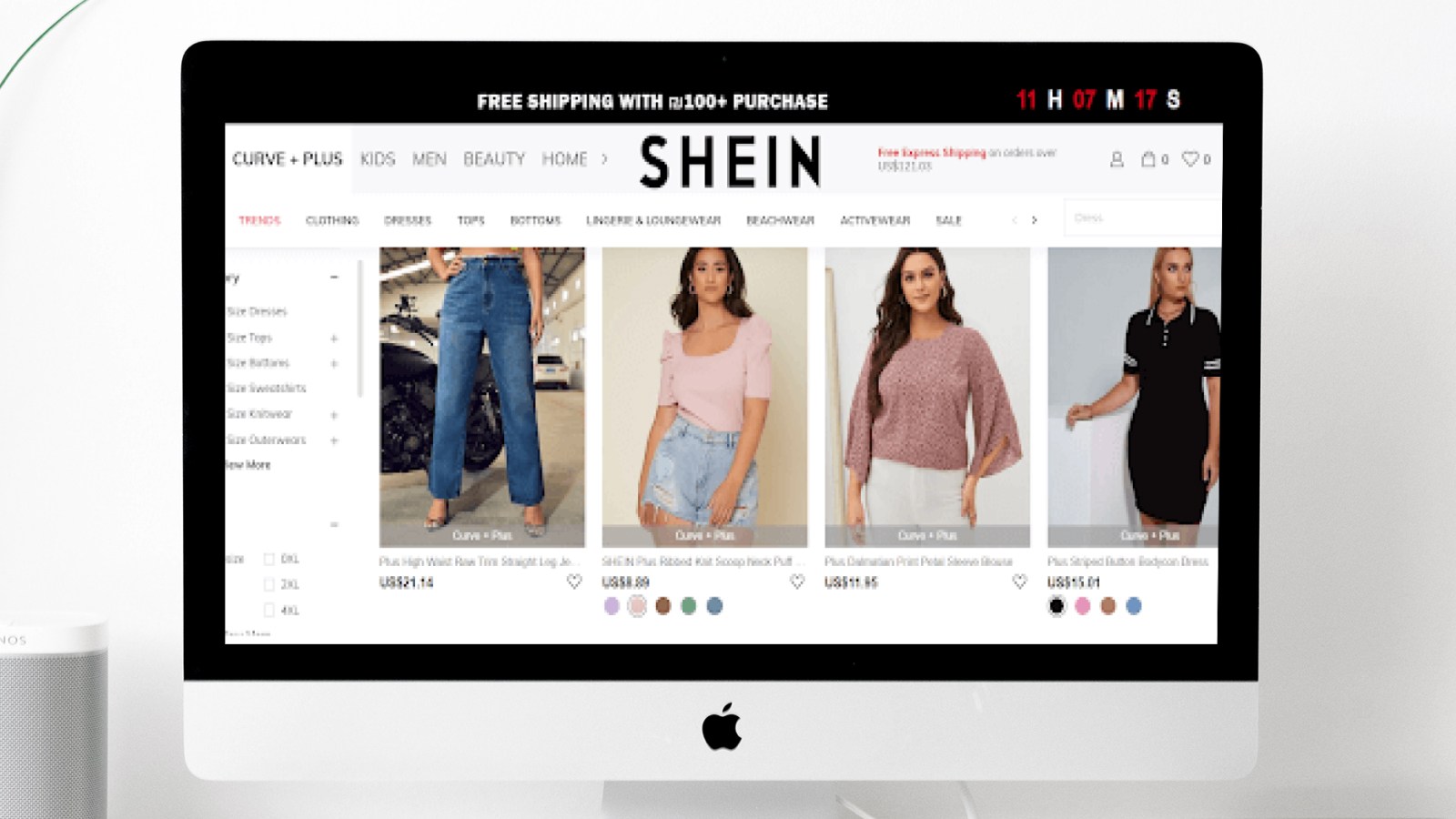
The primary way to shop at Shein is through its online store, accessible via its website and mobile app. Shein’s online platform offers a vast selection of clothing, accessories, and beauty products, with frequent updates and new arrivals. The online store is designed to provide a seamless shopping experience, with features such as personalized recommendations, customer reviews, and detailed product descriptions.
While Shein does not have permanent physical stores, it effectively reaches its customers through a robust online presence and strategically located pop-up stores in major cities worldwide. These pop-up events and temporary showrooms provide an opportunity for customers to engage with the brand in person, while the online store remains the primary shopping destination for Shein’s extensive product range.
Where is Shein Located in the Philippines?
Shein has begun to make inroads into the Philippine market, establishing an office and distribution center in Metro Manila.
Where is Shein's Factory Located?
Shein's production model relies on a network of third-party manufacturers rather than owning its factories. These manufacturers are located in various countries, including China, Vietnam, India, and Bangladesh. This globalized production model allows Shein to keep costs down by sourcing products from regions with lower labor and manufacturing expenses. However, this approach has also raised concerns about labor practices and transparency within Shein's supply chain.
Where is Shein Located in Australia?
Shein has established a presence in Australia, with a base of operations in Sydney.
Where is Shein Located in Europe?
In Europe, Shein has a central hub in London, United Kingdom. Similar to other regions, Shein primarily operates online, fulfilling orders through a network of distribution centers across Europe. This decentralized approach allows Shein to offer competitive shipping times and cater to the diverse fashion preferences of European customers.
Why is Shein So Cheap?
Several factors contribute to Shein's ability to offer low prices, making it a go-to destination for budget-conscious shoppers. Understanding these factors provides insight into Shein's business strategy and the broader fast fashion industry.
Low Manufacturing Costs
Shein runs its production lines in countries with lower labor and manufacturing costs than in Western nations. By partnering with manufacturers in regions like China, Vietnam, India, and Bangladesh, Shein can produce clothing at a fraction of the cost compared to domestic production in more developed countries. These savings are then passed on to consumers in the form of lower prices.
Fast Fashion Model
Shein embraces the fast fashion model, which prioritizes speed and affordability over traditional design and production processes. This model allows Shein to rapidly produce large quantities of trendy items, often inspired by current runway trends and social media influencers. The focus on quick turnaround times and cost-cutting measures enables Shein to offer fashionable clothing at unbeatable prices.
Bulk Production
Producing clothing in bulk is another key factor in Shein's low pricing strategy. By manufacturing large quantities of each item, Shein benefits from economies of scale, reducing the cost per unit. This approach also allows Shein to keep a wide variety of styles in stock, catering to diverse customer preferences.
Direct-to-Consumer Sales
Shein's direct-to-consumer sales model eliminates the need for intermediaries, such as wholesalers and traditional retailers. By selling directly to customers through its website and app, Shein avoids the markups typically associated with retail distribution. This streamlined approach allows Shein to offer lower prices while maintaining healthy profit margins.
Is Shein Legit or Is Shein a Scam?
Shein is a legitimate online retailer with a functioning website and app, processing orders and delivering products to customers worldwide. However, the company has faced criticism and controversy regarding its business practices and product quality, raising questions about its legitimacy and ethics.
Legitimacy
Shein's legitimacy is evidenced by its large and active customer base, extensive product catalog, and consistent order fulfillment. The company has been in operation for over a decade, building a reputation as a reliable source of affordable fashion. Customers can find reviews and testimonials online, providing further assurance of Shein's credibility.
Controversies
Despite its legitimacy, Shein has been embroiled in several controversies related to labor practices, environmental impact, and intellectual property issues. Critics have accused Shein of exploiting low-wage workers, contributing to environmental degradation through its fast fashion model, and copying designs from independent artists. These controversies highlight the ethical dilemmas associated with supporting fast fashion brands like Shein.
Is Shein Safe?
When it comes to online shopping, safety is a paramount concern. Shein employs standard security measures to protect customer information and ensure safe transactions. However, like any online platform, there are potential risks to be aware of.
Security Measures
Shein uses encryption and secure payment gateways to protect customers' personal and financial information. These measures help safeguard against unauthorized access and data breaches. Additionally, Shein's website and app are regularly updated to address security vulnerabilities and enhance user protection.
Potential Risks
Despite these precautions, customers should remain vigilant against potential risks such as phishing attempts and fraudulent websites. Always ensure you are on the official Shein website or app before entering any personal information. Avoid clicking on suspicious links or responding to unsolicited messages claiming to be from Shein.
Is Shein Good Quality?
The quality of Shein's clothing can be inconsistent, with some items being well-made and durable, while others may fall short of expectations. Factors such as materials, construction, and design play a role in determining the overall quality of Shein's products.
Quality Variability
Shein offers a wide range of products, and the quality can vary significantly from one item to another. Some garments are made from high-quality fabrics and feature meticulous craftsmanship, while others may use cheaper materials and exhibit poor construction. Reading customer reviews and paying attention to product descriptions can help manage expectations and make informed purchasing decisions.
Customer Reviews
Customer reviews are a valuable resource for gauging the quality of Shein's products. Many customers share detailed feedback on the fit, fabric, and overall satisfaction with their purchases. By taking the time to read reviews, shoppers can gain insights into the quality and performance of specific items, helping them make more informed choices.
Should I Buy Clothes from Shein?
Deciding whether to buy clothes fromShein is a personal decision that depends on various factors, including budget, style preferences, and ethical considerations. Here, we explore the pros and cons to help you make an informed choice.
Pros of Buying from Shein
Budget-Friendly Prices
One of the most compelling reasons to shop at Shein is the affordability. Shein offers a wide range of clothing and accessories at prices that are often significantly lower than those of traditional retailers. This makes Shein an attractive option for budget-conscious shoppers who want to stay fashionable without breaking the bank.
Trendy Styles
Shein is renowned for its vast selection of trendy and fashionable clothing. The brand frequently updates its inventory to reflect the latest fashion trends, often drawing inspiration from runway shows, celebrity styles, and social media influencers. This means that shoppers can find current and stylish pieces that keep their wardrobes up-to-date.
Convenience
The convenience of online shopping is another major advantage of buying from Shein. Customers can browse thousands of items, read reviews, and make purchases from the comfort of their homes. Shein's user-friendly website and mobile app make it easy to navigate through various categories and find exactly what you're looking for.
Frequent Sales and Discounts
Shein regularly offers sales, discounts, and promotional deals, making it even more affordable to shop for trendy clothing. These promotions can include site-wide sales, flash deals, and special discounts for new customers. Taking advantage of these offers can result in significant savings.
Cons of Buying from Shein
Ethical Concerns
Shein has faced criticism for its labor practices, involvement in human rights abuses, and environmental impact. Reports of poor working conditions and low wages at Shein's manufacturing partners, including the ongoing use of forced labor in Chinese textile productions, have raised ethical concerns. Additionally, the fast fashion model contributes to environmental issues such as textile waste and pollution. Shoppers who prioritize ethical and sustainable fashion may find these concerns troubling.
Quality Variability
As previously mentioned, the quality of Shein's clothing can be inconsistent. While some items may be well-made, others might not meet expectations in terms of fabric, fit, or construction. This variability means that customers need to be cautious and discerning when making purchases, relying on reviews and product descriptions to guide their choices.
Fast Fashion Impact
Supporting fast fashion brands like Shein contributes to a culture of overconsumption and disposable fashion. The rapid production and turnover of trendy items encourage frequent purchases and short-term use, leading to increased textile waste. Consumers who are concerned about the environmental impact of their shopping habits may wish to consider more sustainable alternatives.
Making an Informed Decision
Ultimately, deciding whether to buy from Shein involves weighing the pros and cons and considering your values and priorities. If affordability and access to the latest trends are your primary concerns, Shein offers a compelling shopping experience. However, if ethical and environmental considerations are important to you, it may be worth exploring other options or being more selective in your purchases from Shein.
Conclusion
Shein has established itself as a major player in the fast fashion industry, offering trendy and affordable clothing to a global audience. Its online-only business model, extensive manufacturing network, and strategic use of distribution centers enable Shein to keep prices low and reach customers worldwide. However, the brand's rapid rise has also brought scrutiny regarding its labor practices, environmental impact, and product quality.
By understanding where Shein is located, how it operates, and the factors contributing to its low prices, shoppers can make more informed decisions about whether to support the brand. Whether you're drawn to Shein for its budget-friendly prices and trendy styles or concerned about the ethical and environmental implications, it's important to consider all aspects before making a purchase.
In the end, the choice to shop at Shein is a personal one, influenced by individual preferences, values, and priorities. By staying informed and mindful of the potential downsides, you can navigate the fast fashion landscape and make choices that align with your needs and beliefs.

